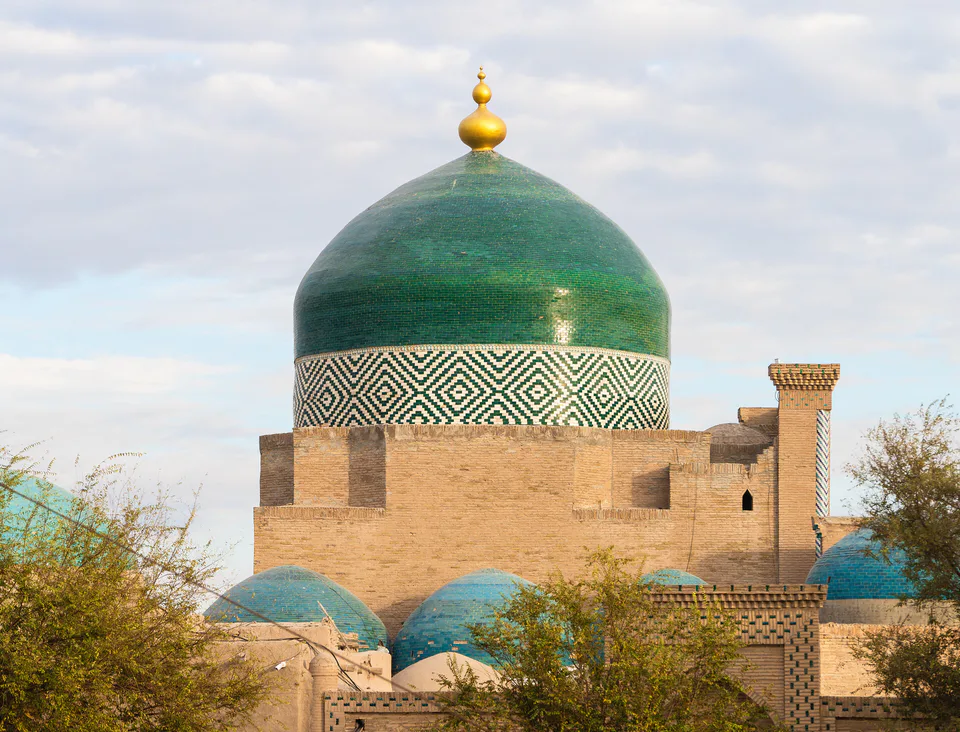
Mausoleum · Khiva
Pahlavon Mahmud Mausoleum
Poet, wrestler and patron saint of Khiva
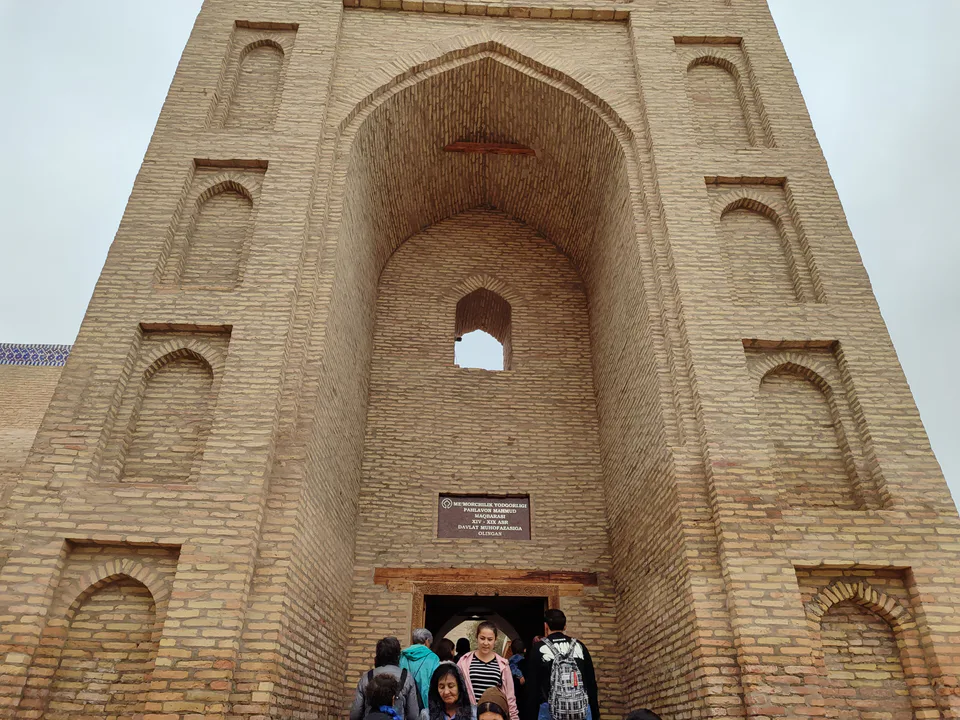
Poet & writer · The Mongol period
Poet, wrestler, Sufi, patron saint of Khiva
12471326
A Khivan wrestler, poet and Sufi of the 13th–14th centuries, venerated as Khiva's patron saint. The mausoleum over his grave is among the holiest and most beautiful buildings in Itchan Kala.
By tradition Pahlavon Mahmud was born in 1247 and died in 1325 or 1326; much of his story rests on legend. He is said to have been born to a family of furriers who had moved from Gurganj, the old capital of Khorezm, arriving in his father's cart at the gates of Khiva. He inherited the family workshop but won fame above all as a pahlavon, a champion wrestler, competing across what is now Central Asia, Iran, Afghanistan and India without defeat. He was also known as a teacher who combined wrestling with spiritual training, and in Iran he is remembered as Pouriya-ye Vali.
Pahlavon Mahmud wrote masnavis, qit'as, ghazals and quatrains in Persian; around a hundred rubais — by some counts nearly three hundred — are attributed to him, praising honesty, courage, humility and mastery of the self. Some are inscribed on the walls of his mausoleum. After his death the people of Khiva came to revere him as the city's patron saint: the Palvan-Yab canal that waters the oasis and Itchan Kala's eastern gate, Palvan Darvoza, bear his name. Across Khorezm and Uzbekistan the word pahlavon or polvon came to mean a strong and noble person.
He was buried in the courtyard of his workshop, which soon became a shrine. A small tomb was built here in 1701, and in the 1810s, under the Qungrat ruler Muhammad Rahim Khan I, the present grand mausoleum rose over the grave; its blue-glazed dome is the largest in Khiva. It later became the burial place of the khans of Khiva, and its patterned majolica interior shows off the skill of Khorezmian craftsmen. It stands in Itchan Kala near the Islam Khoja Minaret and is still an active place of pilgrimage.
Places
1318–1389
Sufi master, founder of the Naqshbandi order
783–850
Mathematician, astronomer, geographer
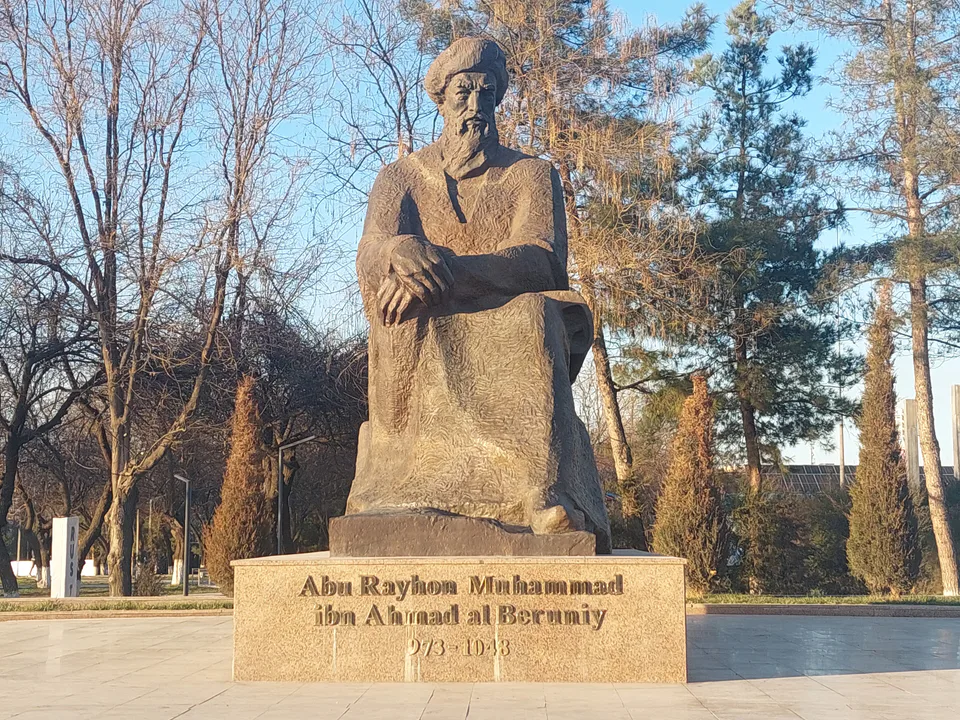
973–1048
Polymath: astronomer, mathematician, historian, geographer
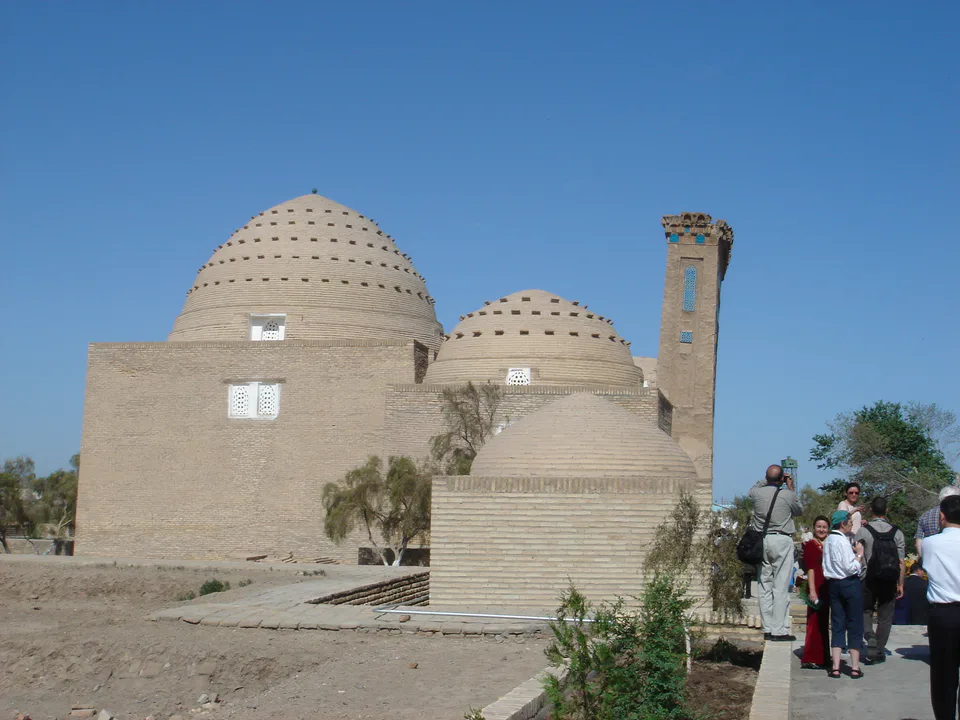
1145–1221
Sufi master, founder of the Kubrawiya order
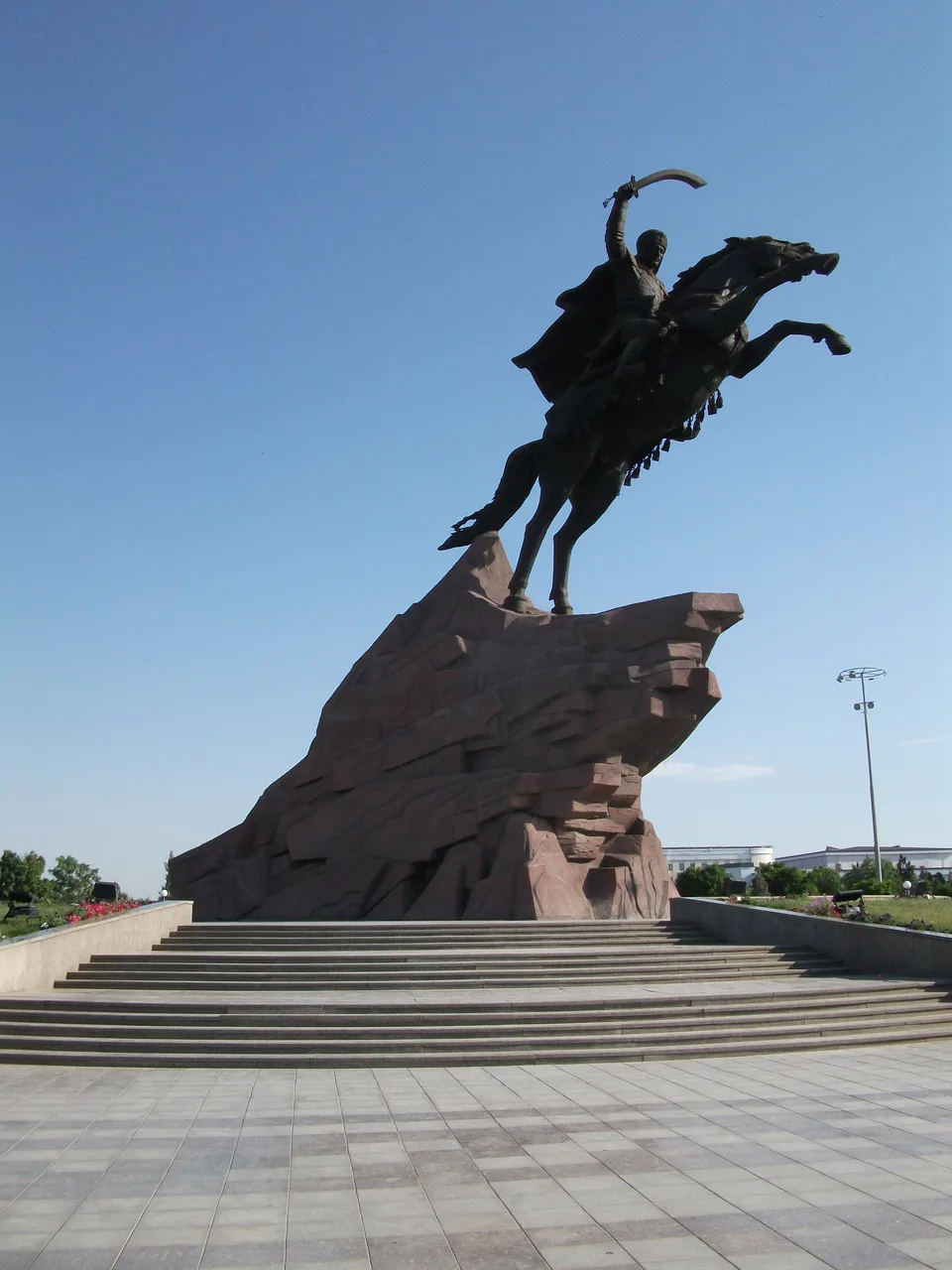
1199–1231
Last Khwarazmshah, military commander
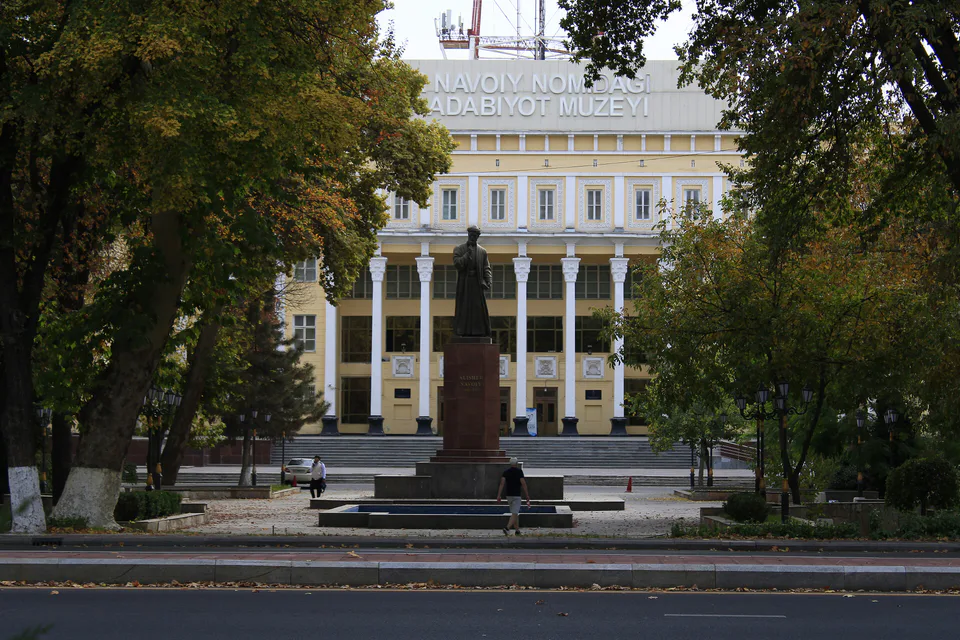
1441–1501
Poet, thinker, statesman, founder of Uzbek literature
1603–1663
Khan of Khiva, historian
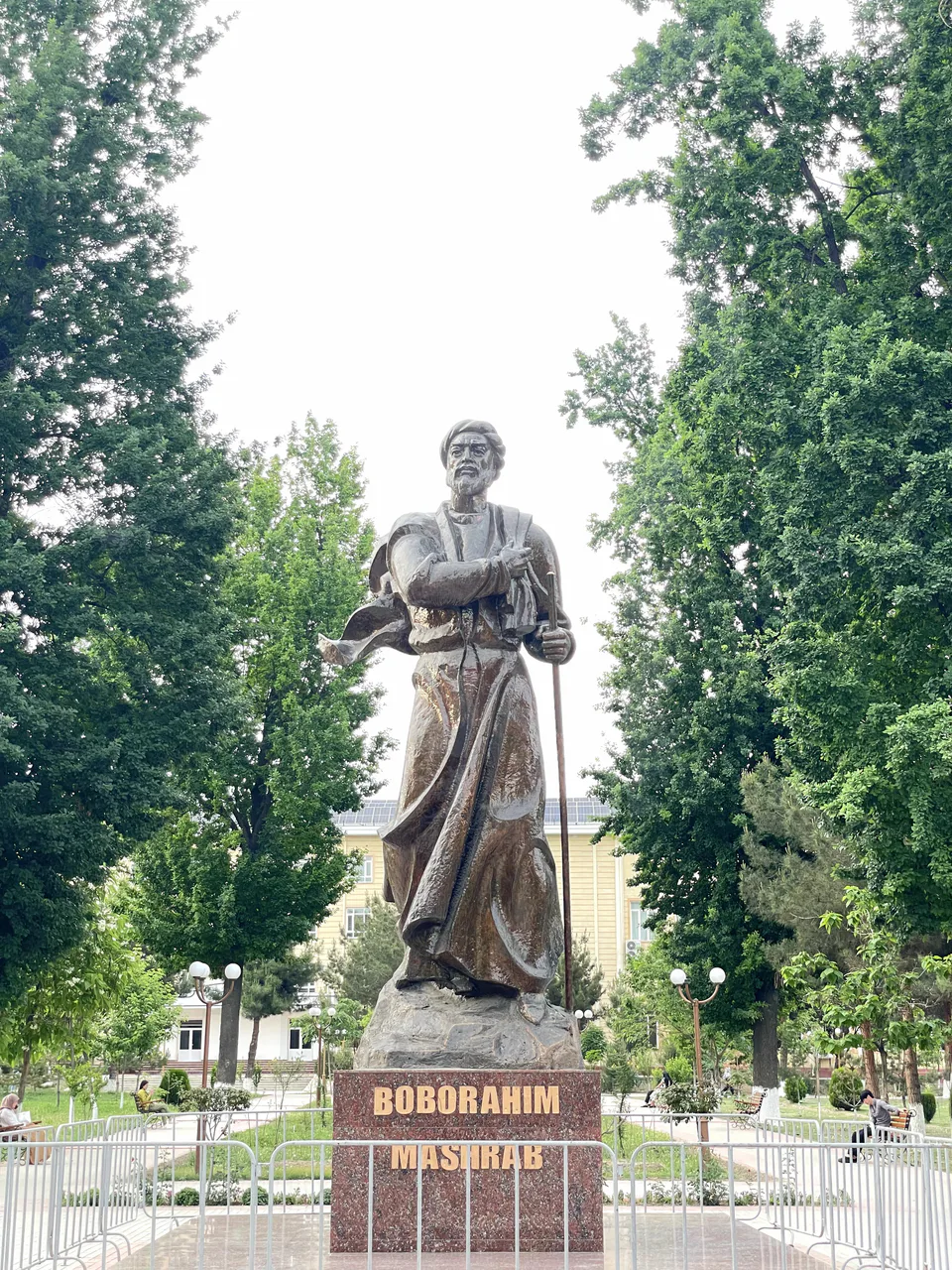
1657–1711
Poet, Sufi, wandering dervish
1781–1845
Poet, otin (women's teacher), educator
1792–1842
Poet, queen of Kokand, stateswoman
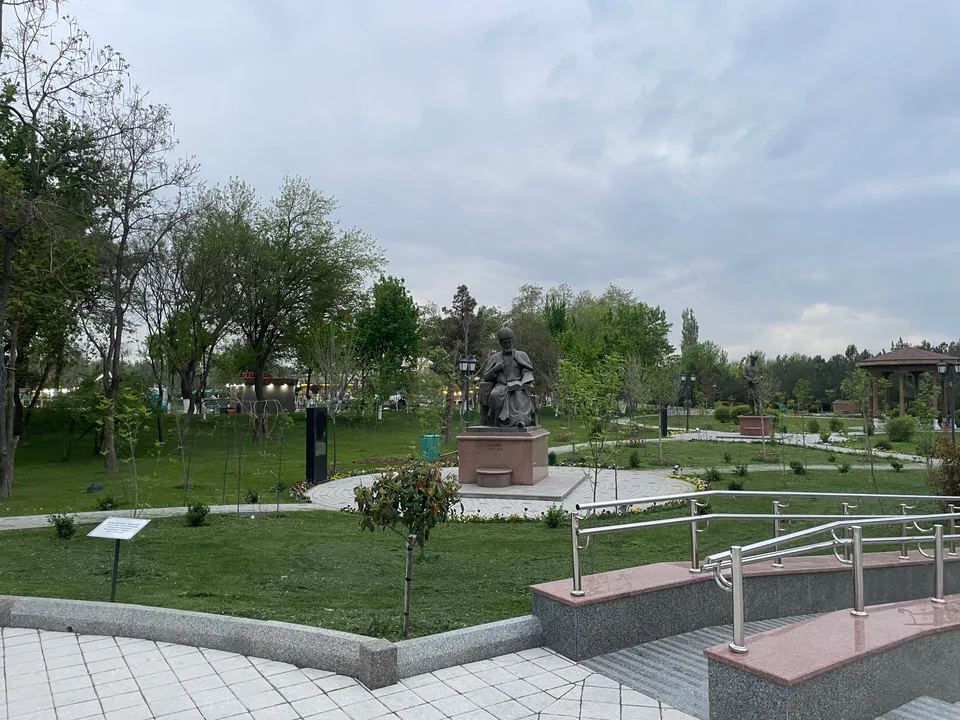
1809–1874
Poet, historian, translator
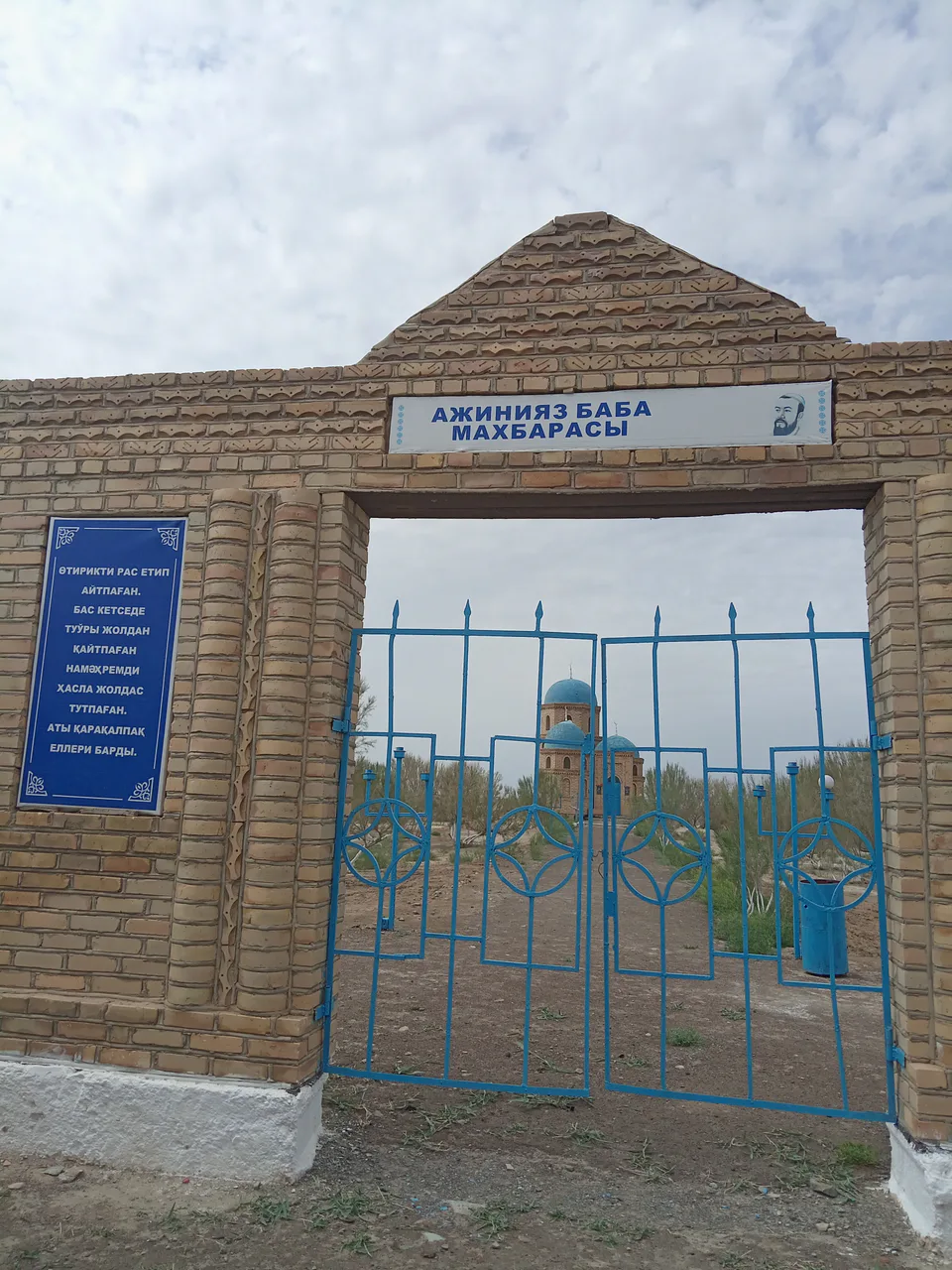
1824–1878
Karakalpak poet, thinker, bakhshi