Genghis Khan's invasion devastated the cities of Transoxiana, yet within a century life revived: the Chagatai Khanate, khans who embraced Islam, the Sufi orders and the rise of Timur.
In autumn 1219 Genghis Khan's armies invaded the Khwarazmian Empire. Bukhara fell in February 1220, Samarkand in March, Termez later that year and the capital Gurganj in 1221 after a long siege. The historian Juvayni and other sources describe plundered cities, populations slaughtered or carried off, and wrecked irrigation systems. The Sufi master Najm al-Din Kubra died among Gurganj's defenders, while the last Khwarazmshah, Jalal ad-Din, fought on for a decade. After the invasion Samarkand moved from the Afrasiyab hill to its present site further south.
The Chagatai Khanate
After Genghis Khan's death Transoxiana passed to the realm of his son Chagatai. The Mongol nobility preferred life on the steppe and ruled the towns through governors such as the Khwarazmian merchant Mahmud Yalavach and his son Mas'ud Beg, who built a madrasa in Bukhara. In 1238 a popular revolt led by Mahmud Tarabi broke out near Bukhara. In the later 13th century wars between Mongol khans also took their toll: in 1273 an Ilkhanid army sacked Bukhara once again.
In the early 14th century things settled down. Kebek Khan (1318–1326) made his home in Transoxiana, reformed the coinage and built a palace near Nakhshab — the name of the city of Karshi is thought to come from the Mongol word for palace. Under Tarmashirin in the 1330s the Chagatai khans embraced Islam; the Moroccan traveller Ibn Battuta visited his camp around 1333. Khorezm remained part of the Golden Horde, and Urgench flourished again as a trading city.
Sufism and cultural life
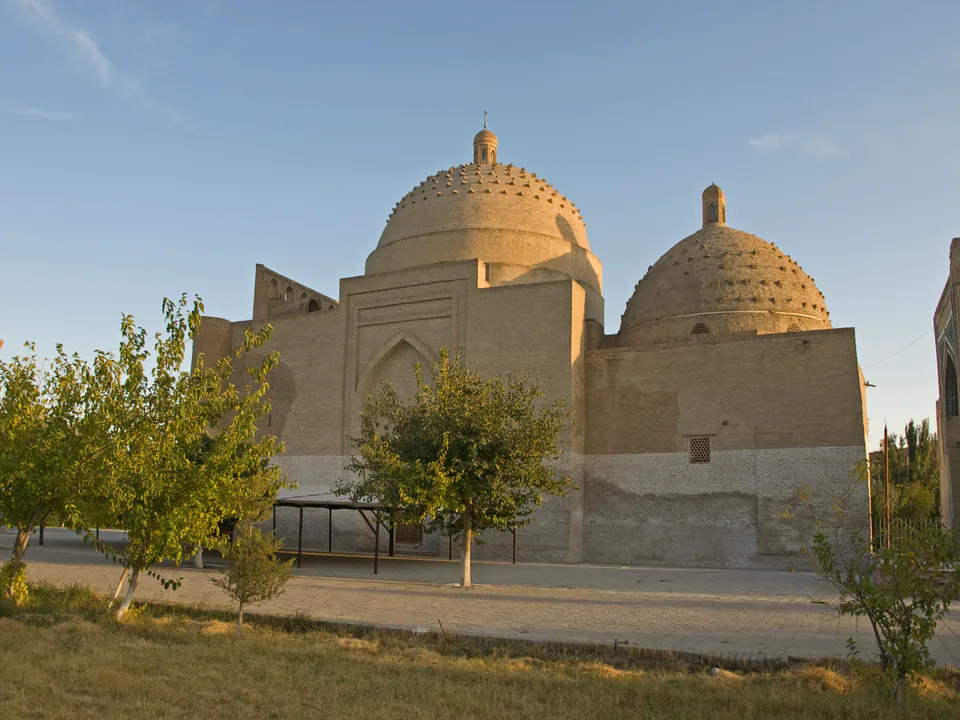
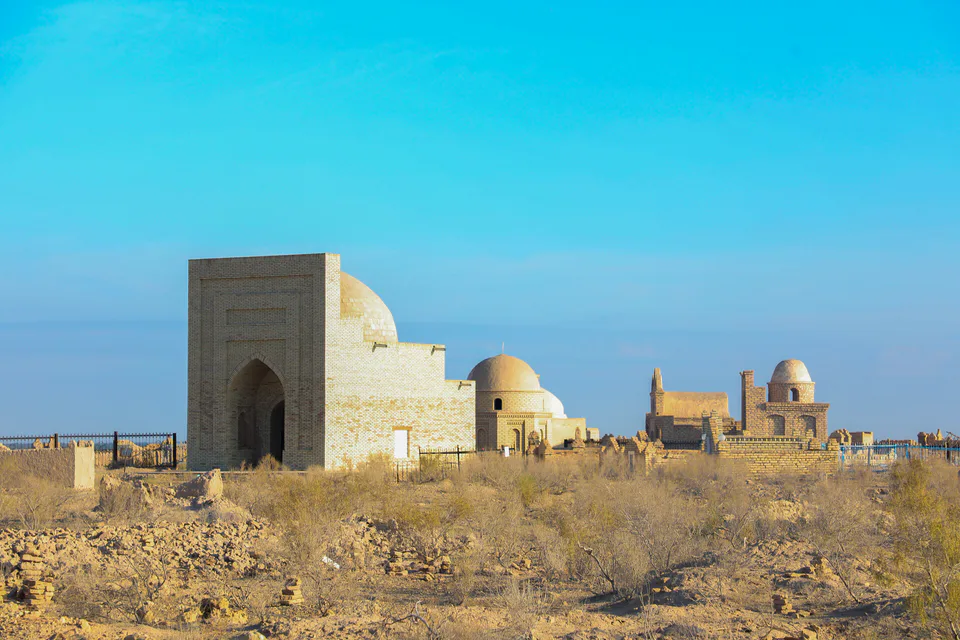
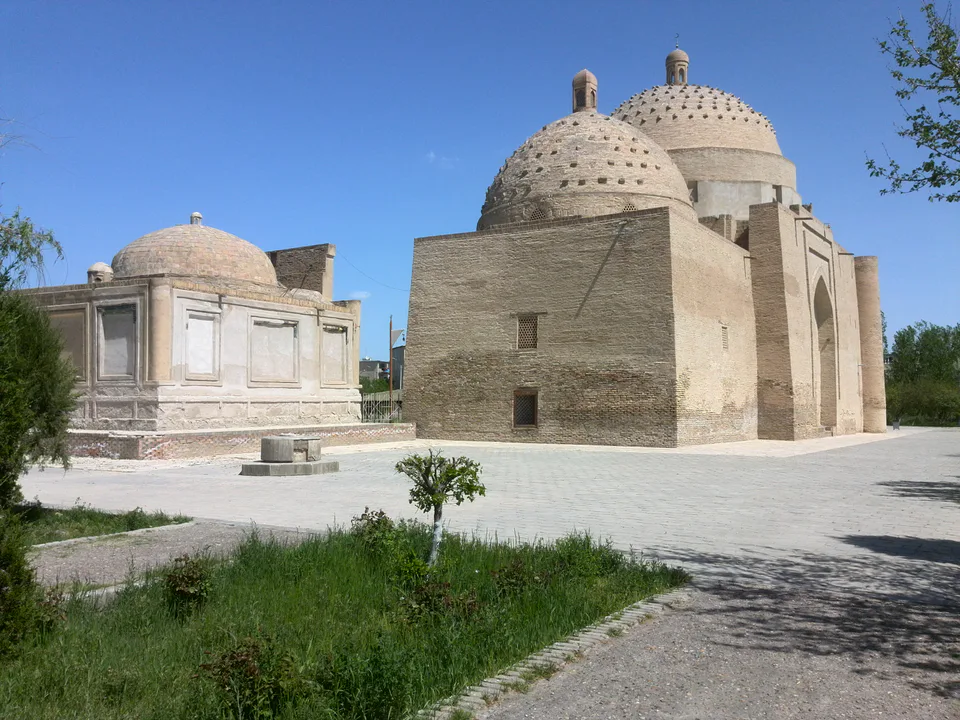
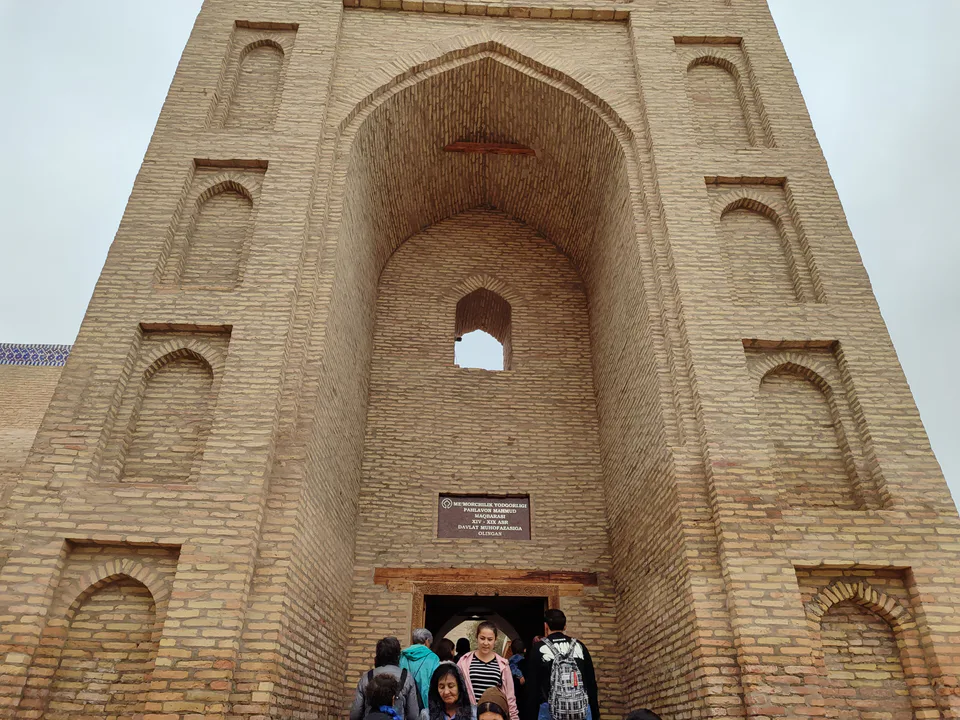
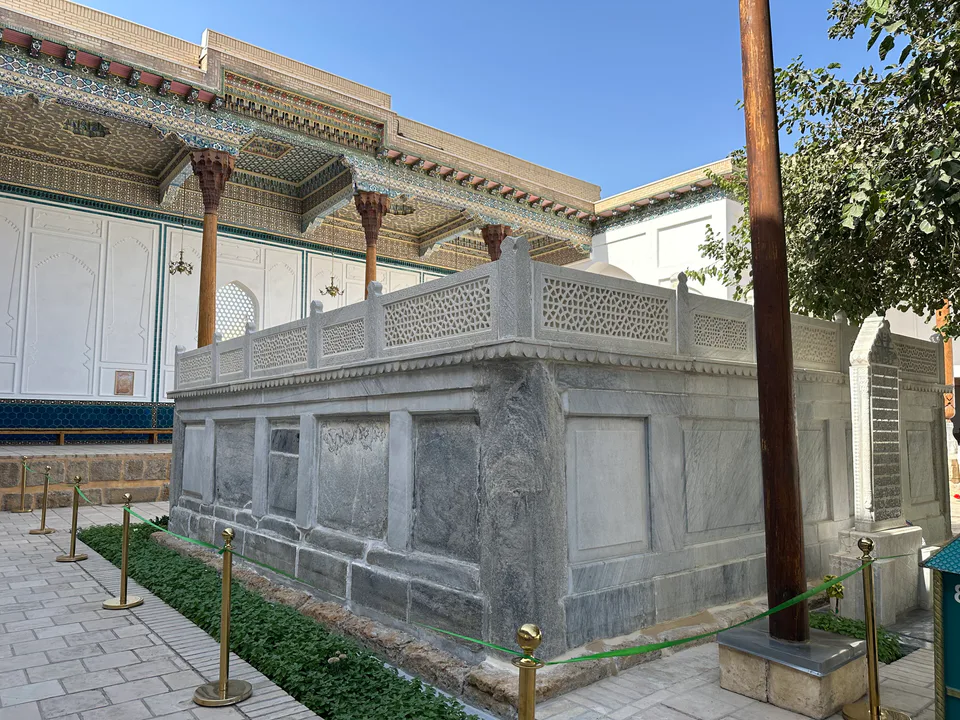
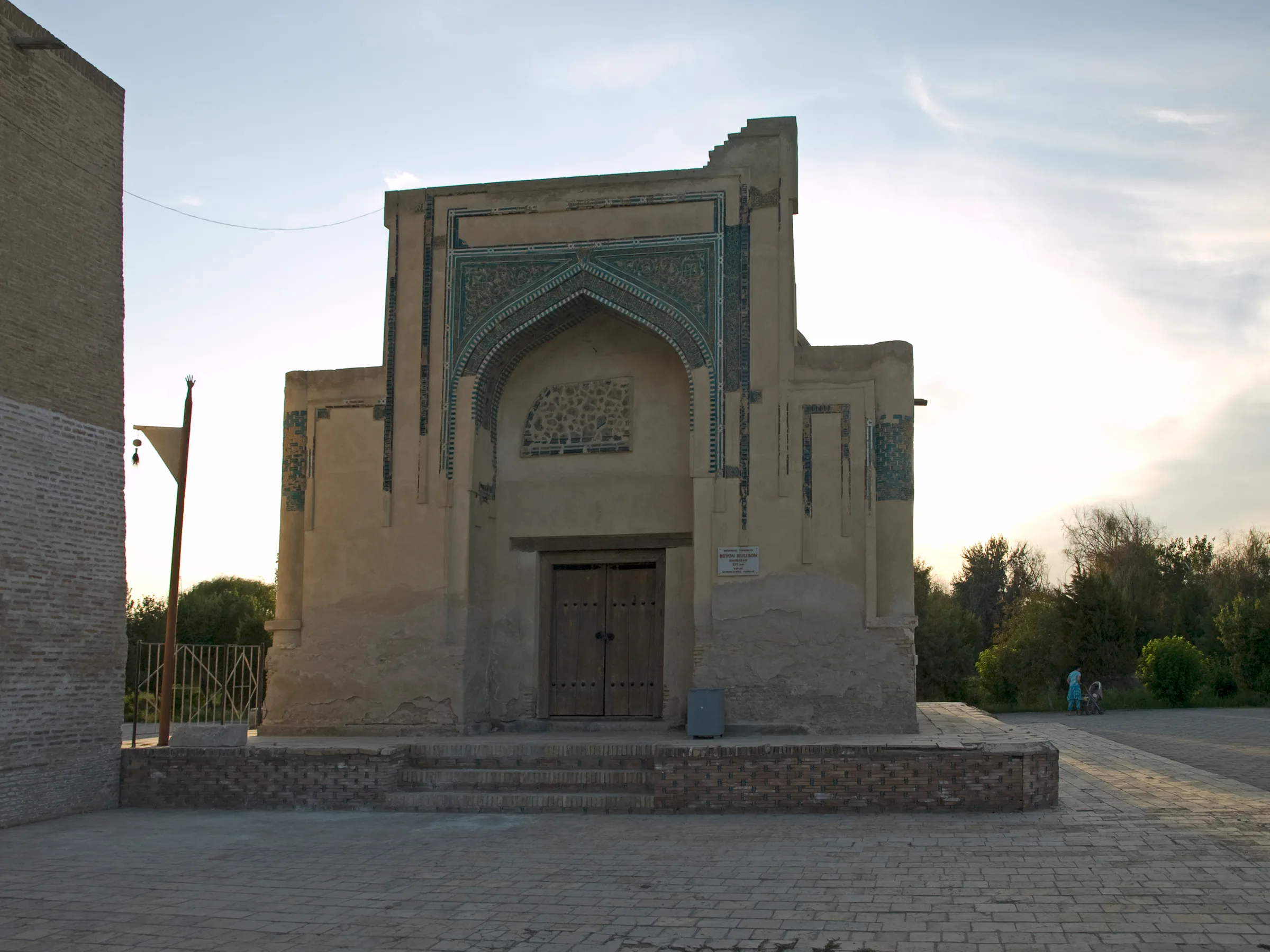
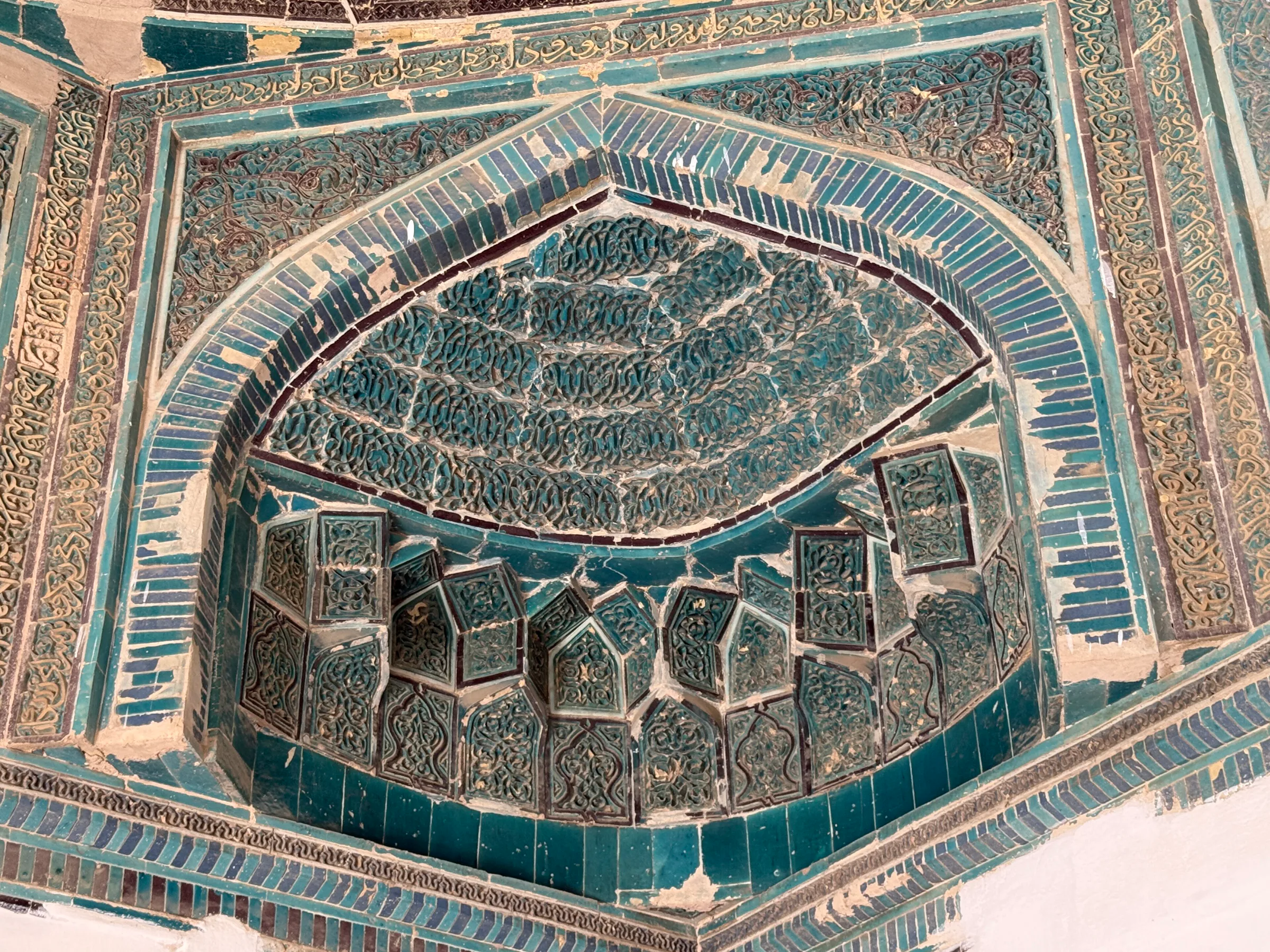
Under the Mongols the Sufi orders gained enormous influence. In Bukhara the Kubrawi sheikh Sayf al-Din Bakharzi taught, and in the 14th century Baha al-Din Naqshband (1318–1389), building on the path of Abdul Khaliq Gijduvani, founded the Naqshbandi order. Khiva was home to the poet and wrestler Pahlavon Mahmud (died 1326), later venerated as the city's patron saint. The first mausoleums of Samarkand's Shah-i Zinda, the tombs of Sayf al-Din Bakharzi and Buyan Quli Khan in Bukhara, and additions to the Sultan Saodat ensemble in Termez date from this time.
Fragmentation and the rise of Timur
In the mid-14th century the Chagatai Khanate split into Moghulistan in the east and Transoxiana in the west. In the west real power passed to Turco-Mongol emirs, with the khans often reduced to figureheads. These were years of raids by Tughlugh Timur of Moghulistan, feuding emirs and the Sarbadar movement that defended Samarkand against the Moghuls in 1365. Out of this turmoil rose Timur, a Barlas emir from near Kesh, who in 1370 became sole ruler of Transoxiana.
In 1218 the governor of Otrar massacred a Mongol trade caravan, and Genghis Khan's envoys were then put to death; the outrage launched his campaign against the Khwarazmian Empire. Otrar was besieged in autumn 1219, Bukhara fell in February 1220 and Samarkand in March, Termez later that year, and the capital Gurganj in 1221 after a long siege. Cities were plundered, much of their population killed or enslaved, and irrigation works wrecked; the Sufi master Najm al-Din Kubra died among Gurganj's defenders. Shah Muhammad died on an island in the Caspian, while his son Jalal ad-Din fought on for another decade. Samarkand later moved from Afrasiyab to its present site.
After Genghis Khan's death in 1227, Transoxiana passed to the realm of his second son, Chagatai. The Mongol nobility stayed on the steppe and ruled the settled towns through governors such as the Khwarazmian merchant Mahmud Yalavach and his son Mas'ud Beg, who built a madrasa in Bukhara as cities slowly recovered. Kebek Khan (1318–1326) reformed the coinage and built a palace near Nakhshab; the city name Karshi is thought to derive from the Mongol word for palace. Under Tarmashirin in the 1330s the khans embraced Islam. By the mid-14th century the khanate had split into Moghulistan and a western half run by Turco-Mongol emirs — opening the way for Timur's rise.
In 1238 Mahmud Tarabi, a sieve-maker from the village of Tarab some 30 km from Bukhara, led a rising against Mongol rule and the local elite. Urban poor and peasants flocked to him; the rebels took Bukhara and seized the property of the rich. Tarabi was killed in battle with a Mongol army near Karmana, and the revolt was crushed. According to Juvayni, when the Mongols prepared to punish Bukhara, the governor Mahmud Yalavach saved its people from mass reprisals. It was the largest popular uprising in Transoxiana during the Mongol period.
Around 1333 the great Moroccan traveller Ibn Battuta crossed from the Golden Horde into Khwarazm. He described Urgench as one of the largest, finest and busiest cities of the Turks. He then went on to Bukhara, still largely in ruins after the Mongol conquest, and to Samarkand, which he praised as “one of the grandest and finest cities”, while noting its ruined walls. Near Nakhshab (Karshi) he visited the Chagatai khan Tarmashirin, a convert to Islam, before travelling via Termez to Afghanistan and India. His Rihla is a precious source on Mongol-era Central Asia.
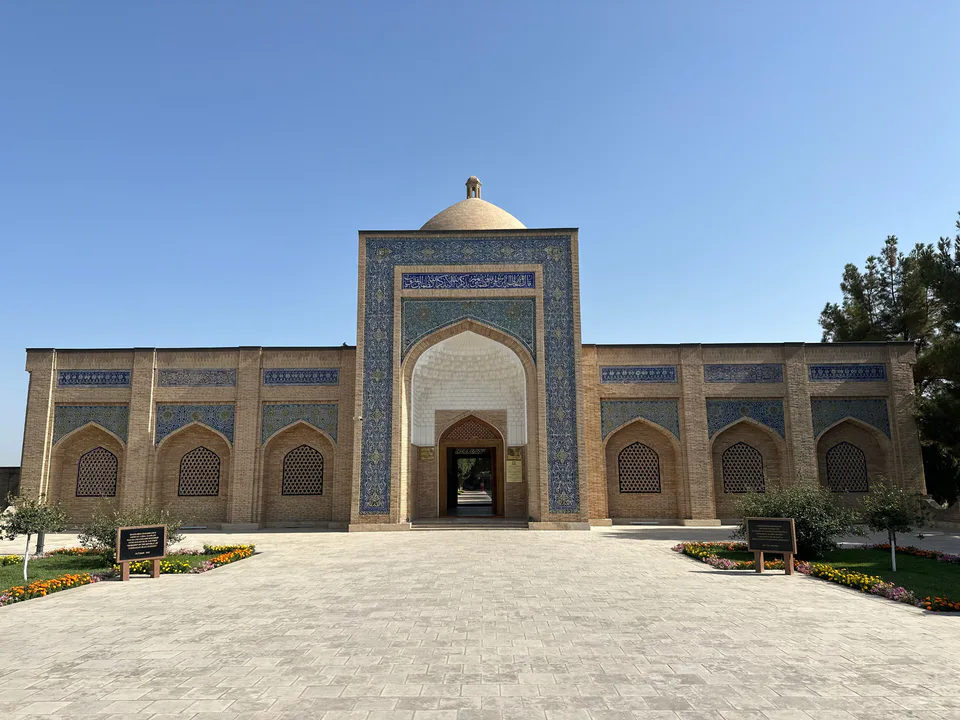
In the 14th century Baha al-Din Naqshband (1318–1389), who lived in the village of Qasr-i Hinduvan (later Qasr-i Arifan) near Bukhara, built on the Khwajagan path founded in the 12th century by Abdul Khaliq Gijduvani and gave his name to a new Sufi order. The Naqshbandiyya favoured silent remembrance of God and an upright life of work within society rather than withdrawal from it, an idea summed up in the saying “Dil ba yor, dast ba kor” — “the heart with God, the hands at work”. Under Khoja Ahrar in the 15th century the order became dominant in Transoxiana, later spreading to India, the Ottoman lands and the Caucasus. Bahauddin's memorial complex in Kagan district is one of Uzbekistan's most visited shrines.