Bactria, Sogdiana and Chorasmia were the first states on Uzbek soil. Under the Achaemenids, Alexander, the Greco-Bactrians, the Kushans and the Turks, the region became the heart of the Silk Road.
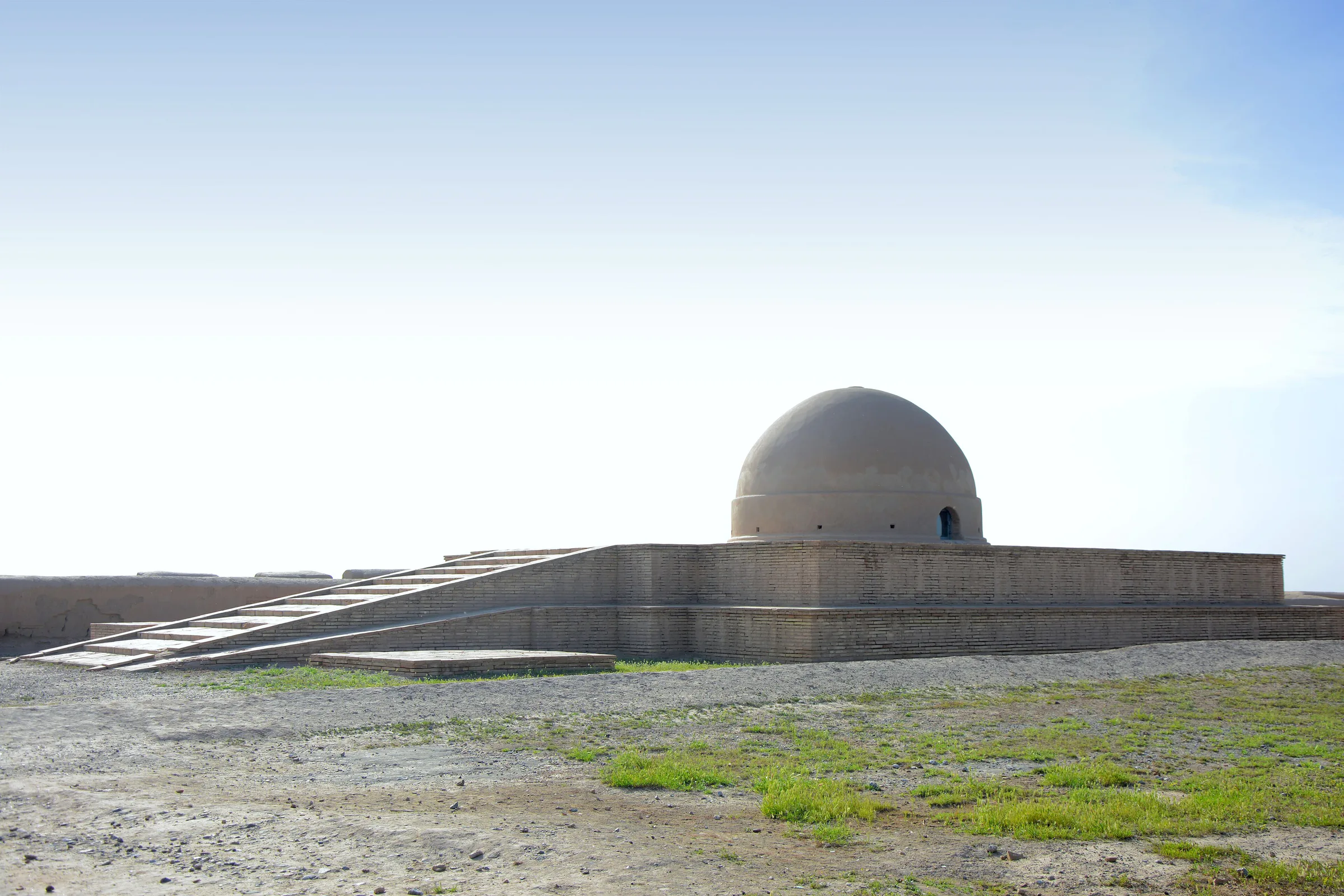
By the early 1st millennium BC three great historic regions had taken shape: Bactria on the upper Amu Darya, Sogdiana in the Zeravshan and Kashkadarya oases, and Chorasmia (Khorezm) on the lower river. All three appear in the Avesta, the sacred book of Zoroastrianism. In the 8th–7th centuries BC walled towns arose: Afrasiyab, ancient Samarkand; Erkurgan (Nakhshab) near Karshi; Kyzyltepa in Surkhandarya. Round structures such as Koy-Krylgan-Kala in Khorezm are thought to have served religious rites and sky-watching.
From the Achaemenids to the Greco-Bactrians
In the mid-6th century BC these lands joined the Achaemenid Empire as tribute-paying satrapies, named in Darius I's Behistun Inscription. In 329–327 BC Alexander the Great conquered them, meeting fierce resistance led by the Sogdian Spitamenes. After Alexander came the Seleucids and then the independent Greco-Bactrian Kingdom, which left fortresses such as Kampir Tepe near Termez, Greek-style coins and architectural forms.
The Silk Road opens: Dayuan, Kangju and the Kushans
In the 2nd century BC the Chinese envoy Zhang Qian reported on Dayuan in the Fergana Valley and Kangju on the Syr Darya; after the War of the Heavenly Horses in 104–101 BC regular contact with China began. In the 1st century AD the Kushans, a Yuezhi people, built an empire from the Amu Darya to northern India. The Buddhist monasteries of Kara Tepe and Fayaz Tepe near Termez, Dalverzin Tepe with its gold hoard, and the palace sculptures of Khalchayan are the best-known Kushan monuments. In Khorezm the palace city of Toprak-Kala rose, along with dozens of fortresses in the “Fifty Fortresses” oasis on the lower Amu Darya.
Sogdian merchants, Hephthalites and Turks
Between the 4th and 8th centuries the Sogdians became the Silk Road's leading merchants, with communities as far as China and Mongolia, and Sogdian served as a language of international trade. The Hephthalites ruled the region in the 5th century until the Turkic Khaganate crushed them in the 560s; local rulers kept governing their cities as vassals of the khagans. The mid-7th-century murals of Afrasiyab and the palace of Varakhsha in the Bukhara oasis are the finest surviving Sogdian art. The era closed with the arrival of the Arabs in the early 8th century.
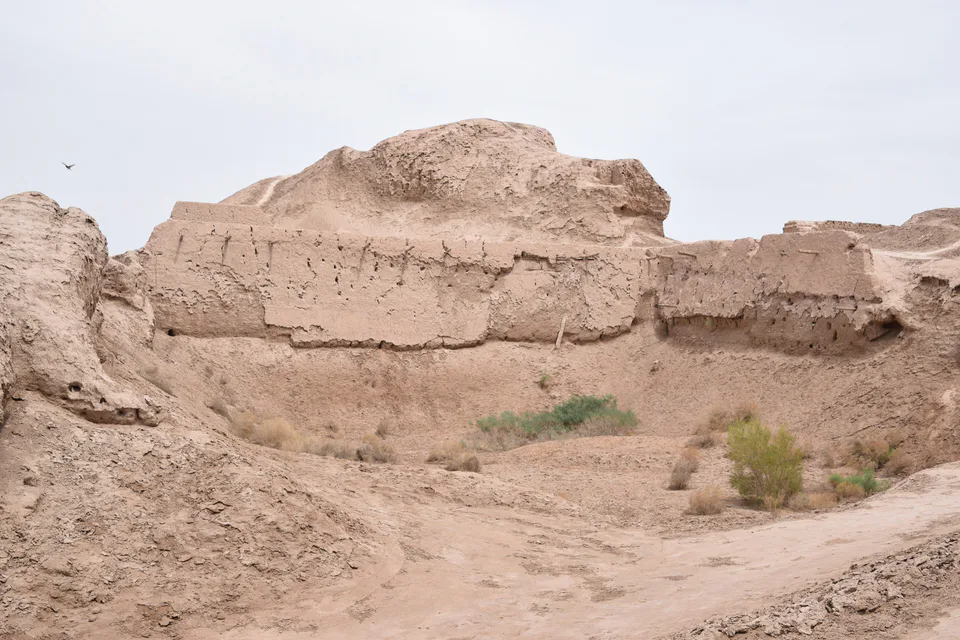
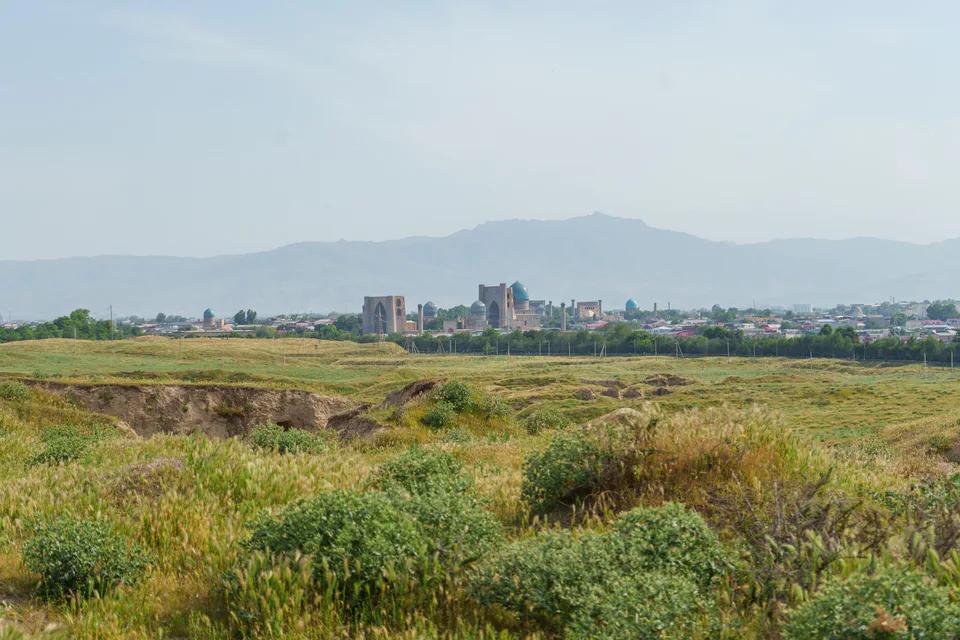
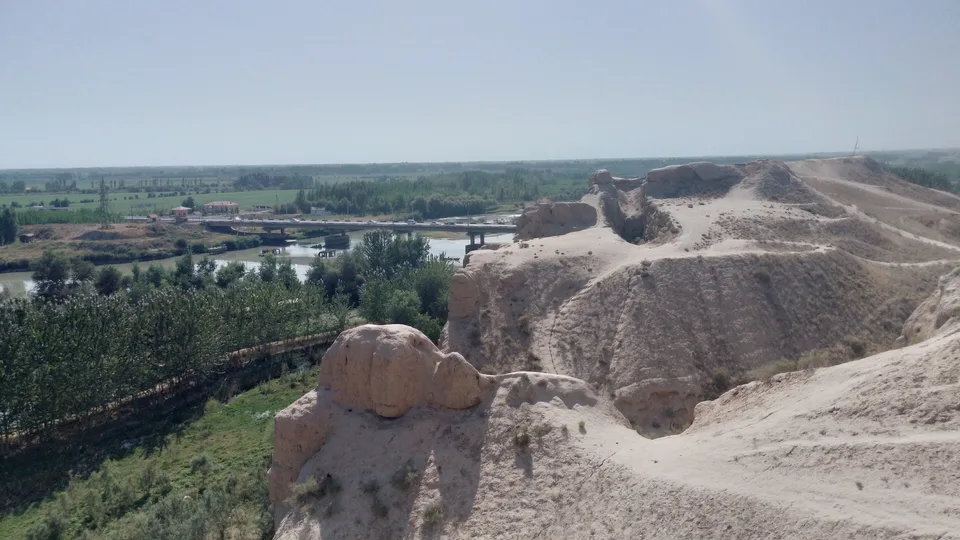
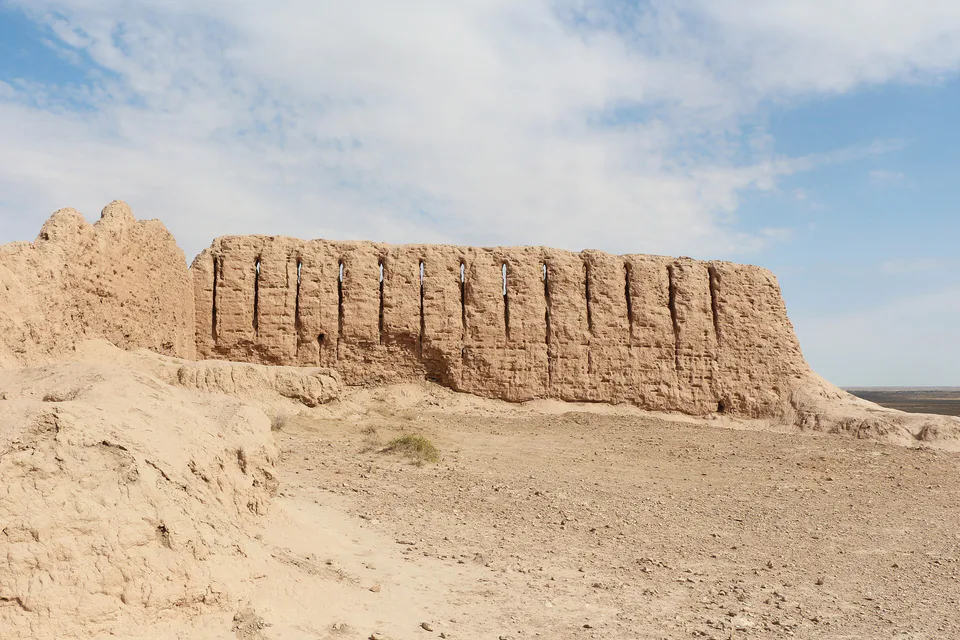
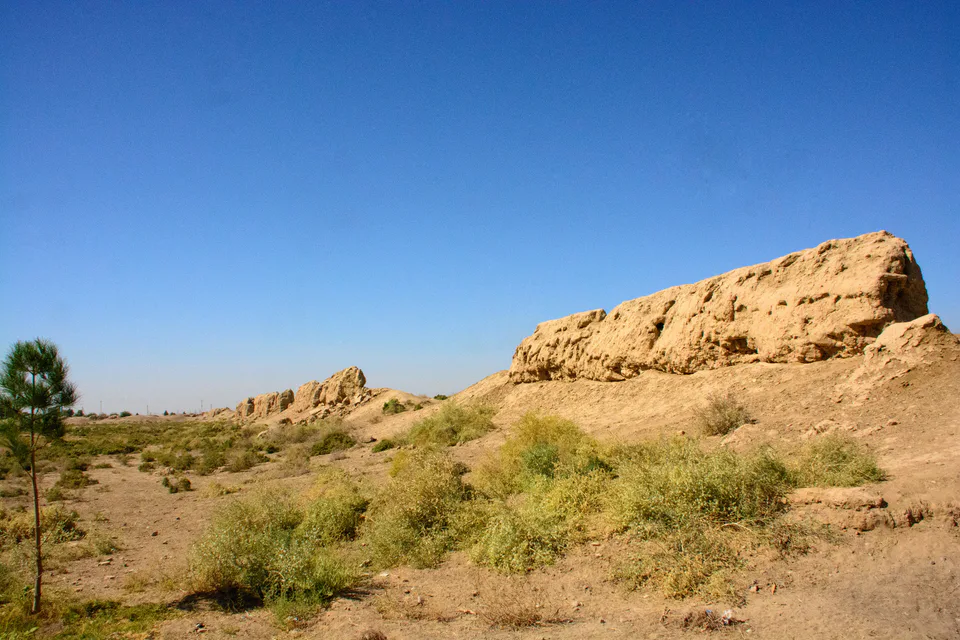
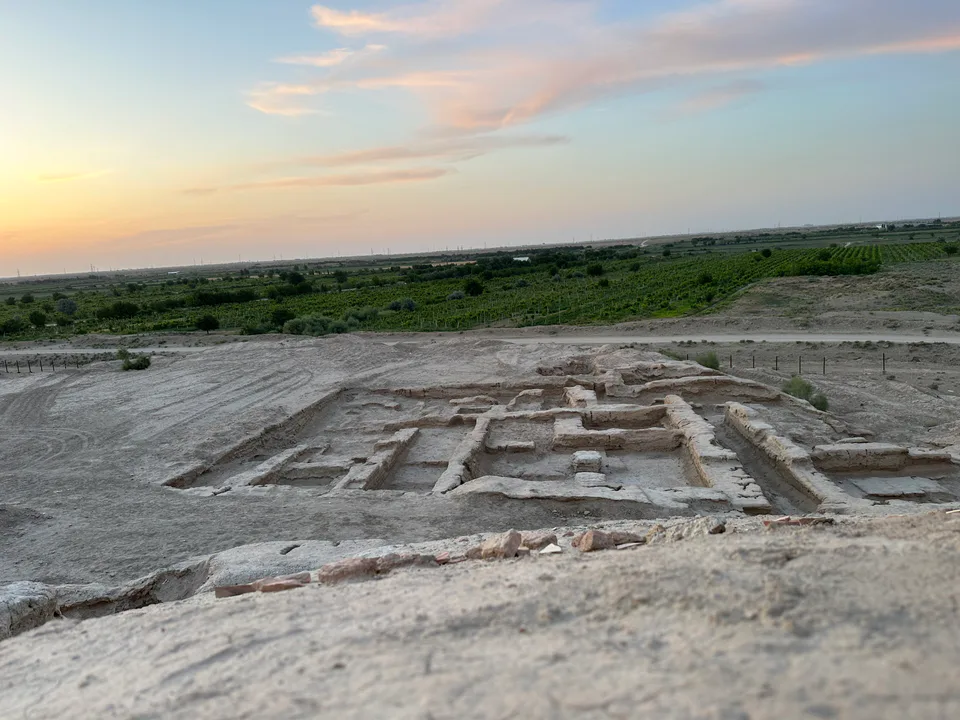
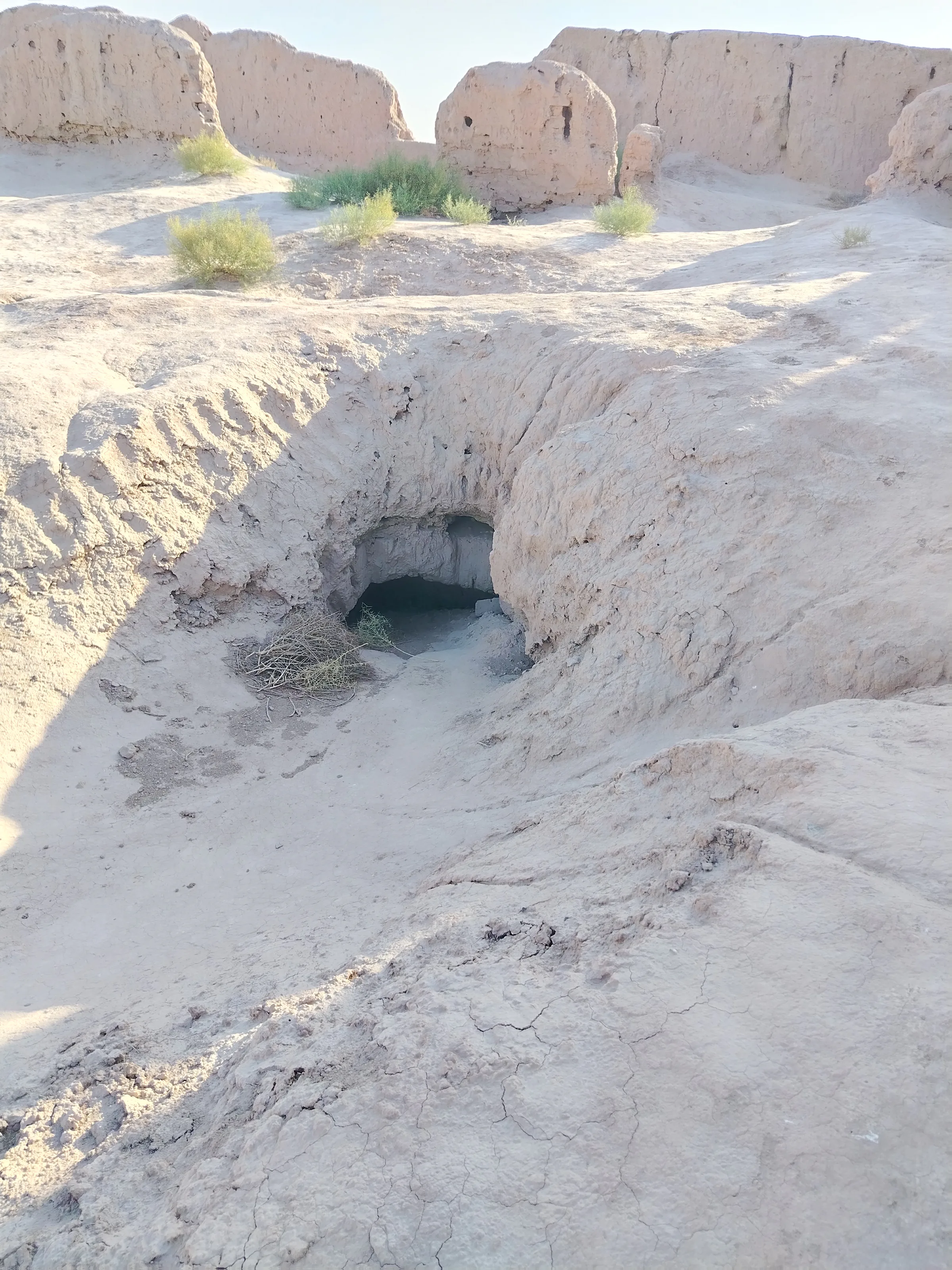
In the 8th–7th centuries BC the first cities rose in the oases of the Zeravshan and Kashkadarya rivers. Erkurgan, 10 km north-west of Karshi, holds the ruins of ancient Nakhshab: a pentagonal inner city of about 40 hectares behind massive walls, enlarged to 150 hectares when an outer wall was built in the 2nd century BC. Excavations revealed a citadel, a palace, a temple, a Zoroastrian dakhma and craft quarters. Around the same time urban life began on Afrasiyab, the ancient site of Samarkand, known to Greek writers as Maracanda. Both sites can be visited.
Bactria, Sogdiana and Chorasmia under the Achaemenids
In the mid-6th century BC the Persian king Cyrus II campaigned in Central Asia, and Bactria, Sogdiana and Chorasmia became provinces of the Achaemenid Empire. According to Herodotus, Cyrus died in 530 BC fighting the Massagetae, a story that, like the figure of Queen Tomyris, is partly legendary. Darius I's Behistun Inscription lists Bactria, Sogdiana and Chorasmia among the empire's satrapies; they paid tribute, and their envoys appear on the reliefs of Persepolis. Under Persian rule local towns were fortified and the Aramaic script and Zoroastrian traditions spread. The empire fell to Alexander in 330 BC.
In 329 BC Alexander the Great crossed the Hindu Kush and the Amu Darya and took Maracanda (Samarkand), the capital of Sogdiana. Resistance was fierce: a revolt led by the Sogdian Spitamenes tied the Macedonians down for nearly two years, and a whole detachment was destroyed on the Polytimetus, today's Zeravshan. Spitamenes was killed in 328 BC, and in 327 the fortress known as the Sogdian Rock fell. Alexander married Roxana, daughter of the Sogdian noble Oxyartes, sealing an alliance with the local aristocracy. Historians still debate the exact routes and the location of the fortresses.
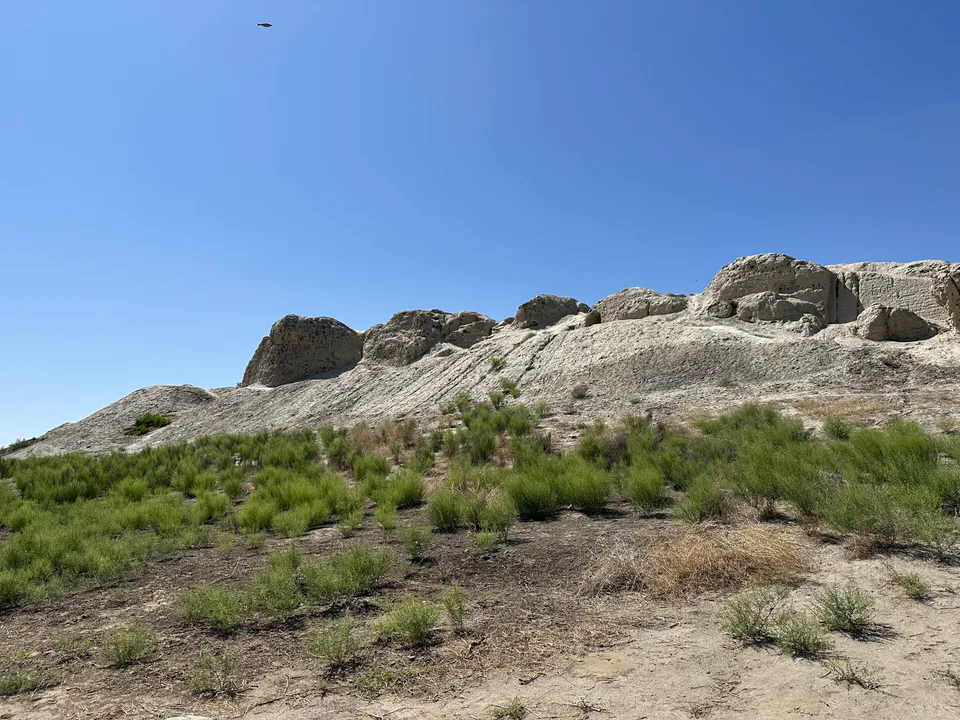
After Alexander's death Central Asia passed to the Seleucids, and in the mid-3rd century BC Diodotus, governor of Bactria, founded an independent Greco-Bactrian Kingdom. For about a century it blended Greek and local culture on both banks of the Amu Darya: towns were laid out on Greek plans, theatres and temples appeared, and superb silver coins were struck. The fortress of Kampir Tepe near Termez guarded a river crossing, and some scholars identify it with Alexandria on the Oxus. In the mid-2nd century BC the kingdom fell to nomadic invaders, above all the Yuezhi.
From the 2nd century BC Chinese chronicles describe Kangju, a semi-nomadic, Eastern Iranian-speaking state in the Syr Darya basin, second in power only to the Yuezhi; the Tashkent oasis lay within its orbit. The ruined city of Kanka on the Akhangaran river is thought by archaeologists to have arisen in the 3rd–2nd centuries BC and survived until the 12th century, making it one of the oasis's first major towns. The name Chach appears in a 3rd-century inscription of the Sasanian king Shapur I. Tashkent's earliest layers, at Shashtepa and Mingurik, are dated to the same horizon, and the city celebrated its 2,200th anniversary in 2009.
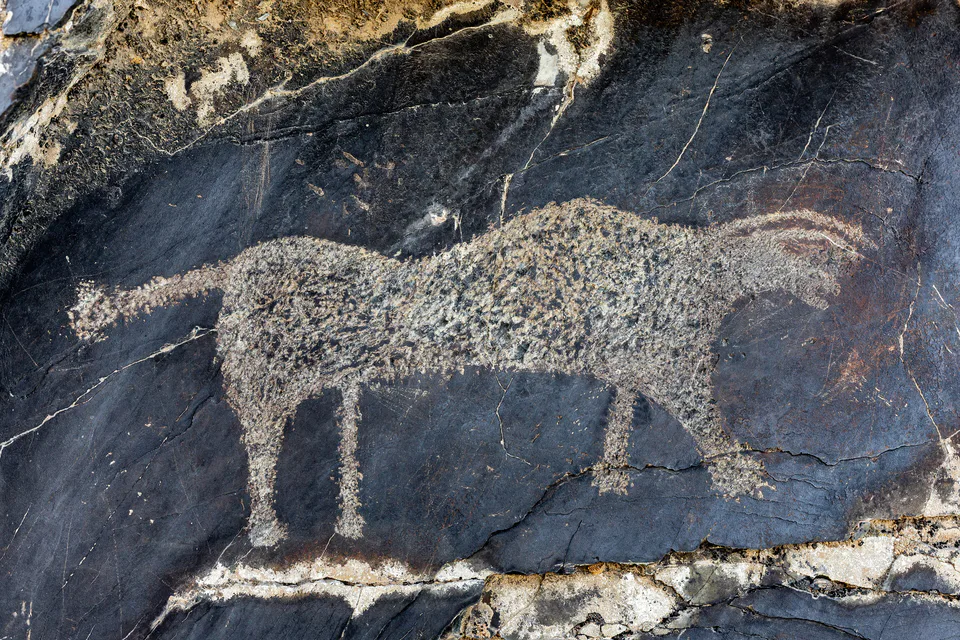
In the 2nd century BC the Chinese envoy Zhang Qian reached the Fergana Valley and described Dayuan, a land of walled towns, farms and vineyards. What China coveted most were its tireless “blood-sweating” horses. In 104 BC the Han emperor Wu sent an army to obtain them; the first campaign failed, but the second, in 101 BC, besieged the capital Ershi and drove home several thousand horses. The war is often seen as the start of regular contact between China and Central Asia — the network later dubbed the Silk Road. The exact site of Ershi is still debated.
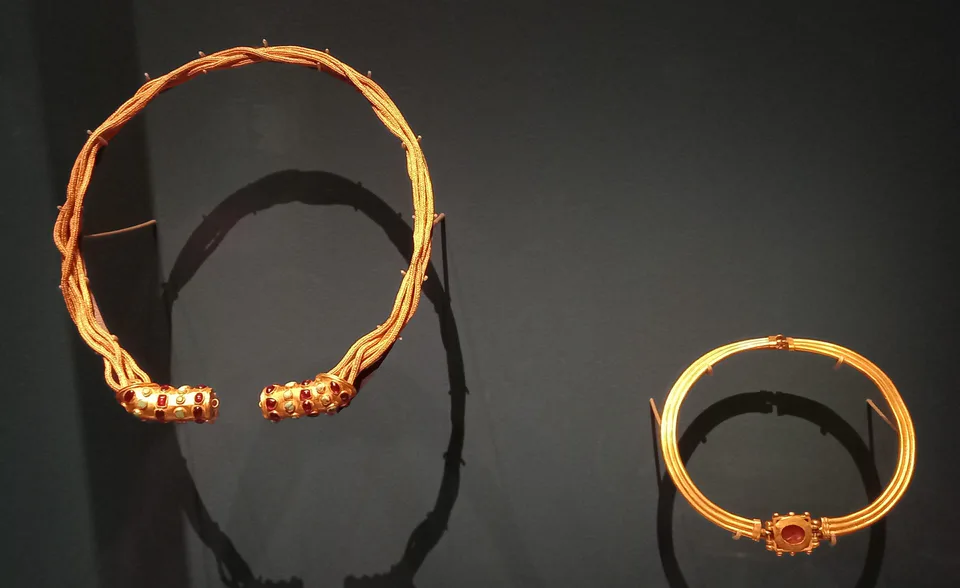
In the 1st century AD the Kushans, one of the Yuezhi tribes, united Bactria and built an empire stretching from the Amu Darya to northern India. Under Kanishka in the 2nd century it ranked alongside Rome, Parthia and Han China, and through it Buddhism spread into Central Asia and China. Dalverzin Tepe in Surkhandarya was an early Kushan centre: in 1972 excavators found a hoard of 115 gold objects weighing 36 kg in all, and a Buddhist shrine yielded sculpture, while the palace at Khalchayan preserved portraits of local rulers. Kushan art is on show at the Termez Archaeological Museum and the State Museum of History of Uzbekistan in Tashkent.
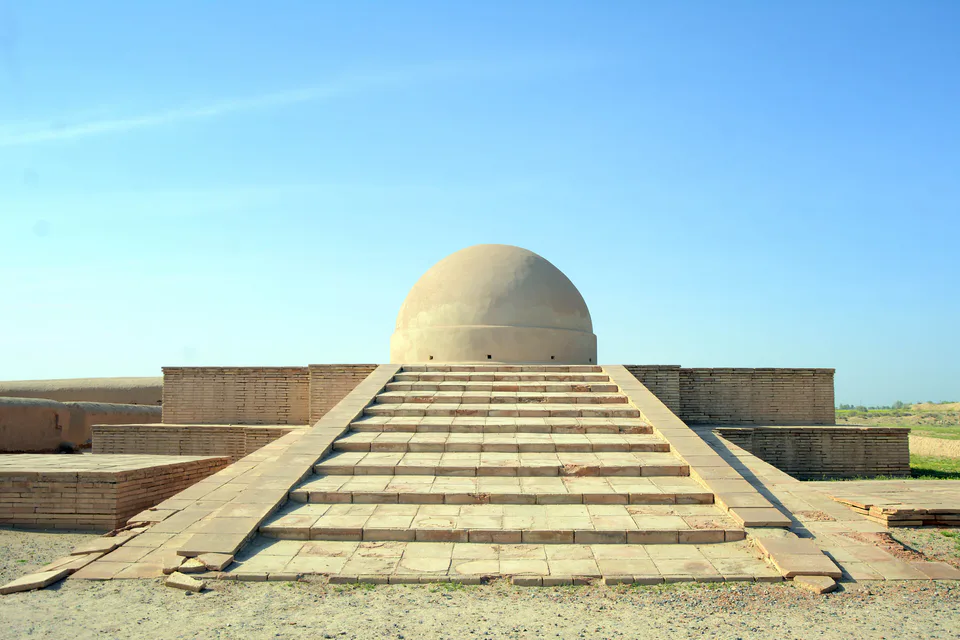
Under the Kushans, Old Termez on the Amu Darya grew into a major Buddhist centre. West of the city lie Kara Tepe, a complex of cave shrines and stupas, and Fayaz Tepe, a monastery founded in the 1st century that flourished in the 3rd–4th centuries and declined in the 5th. Most of its frescoes and reliefs, including the famous niche of the Buddha flanked by two monks (3rd–4th century), are now in the State Museum of History of Uzbekistan in Tashkent. Most Kushan and Kushano-Sasanian inscriptions come from these two monasteries. Today the restored stupa and monastery foundations of Fayaz Tepe, about 15 km from Termez, are open to visitors.
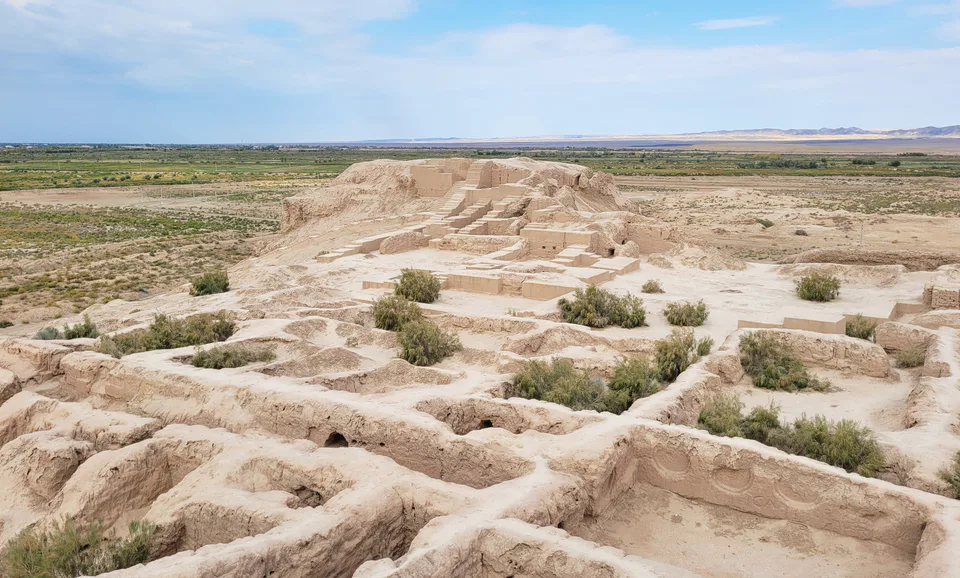
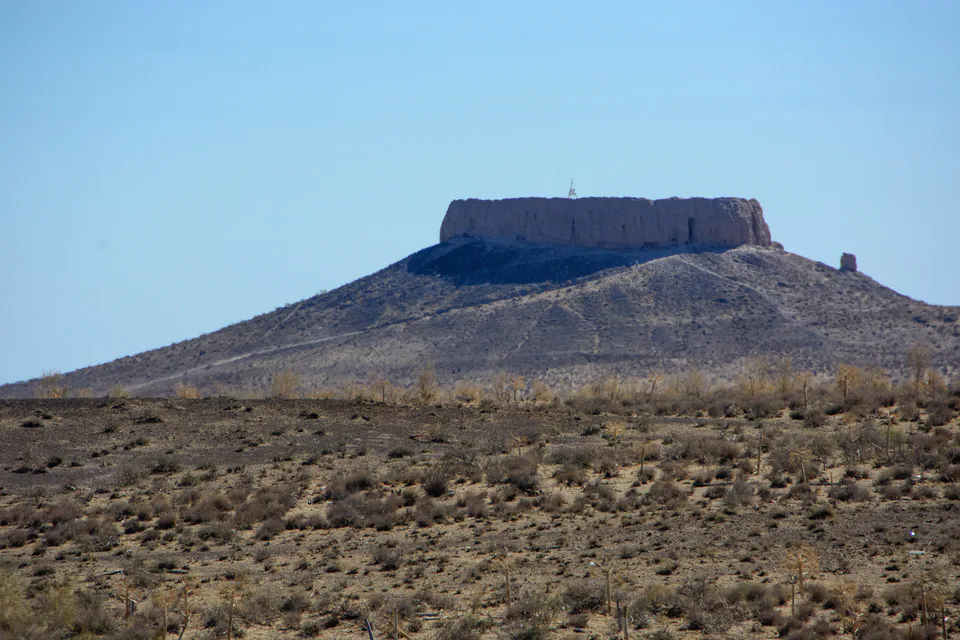
Toprak-Kala, in today's Ellikkala district, is believed to have been founded by the Khwarazmian king Artav in the 1st–2nd century AD and to have served as the capital in the 2nd–3rd centuries. From 1938 Sergei Tolstov's Khorezm Expedition uncovered a rigidly rectangular town and a vast palace on a high platform. Its halls yielded murals of Zoroastrian deities, sculpture, Khwarazmian and Kushan coins, and documents in the Khwarazmian language written on wood and leather. It is one of dozens of fortresses in the “Fifty Fortresses” oasis; together with nearby Ayaz-Kala and Kyzyl-Kala it forms Karakalpakstan's main archaeological route.
Between the 4th and 8th centuries the Sogdians — merchants from Samarkand, Bukhara, Kesh and Nakhshab — became the leading middlemen of the Silk Road, with communities from China and Mongolia to Crimea, and Sogdian served as a lingua franca of trade. Vivid proof came in 1907, when Aurel Stein found the Sogdian “Ancient Letters” in a watchtower near Dunhuang. Dated to around 313, they were written home by Sogdian traders in China: one reports the sack of Luoyang, another is a deserted wife's complaint to her husband. The letters are kept in the British Library.
The Turkic Khaganate and the fall of the Hephthalites
In 552 the Turkic Khaganate emerged on the steppes of the Altai and Mongolia. In the 560s the Turks, allied with Sasanian Iran, crushed the Hephthalites, and the lands up to the Amu Darya — Sogdiana, Chach and Fergana — passed under Turkic overlordship. Local Sogdian rulers kept their thrones by paying tribute, and the partnership of Turks and Sogdians boosted Silk Road trade. From 603 a separate Western Turkic Khaganate took shape. In 630 the Chinese monk Xuanzang passed through Chach and Samarkand on his way to India and described their prosperous cities. Turkic rule ended with the Arab arrival in the early 8th century.
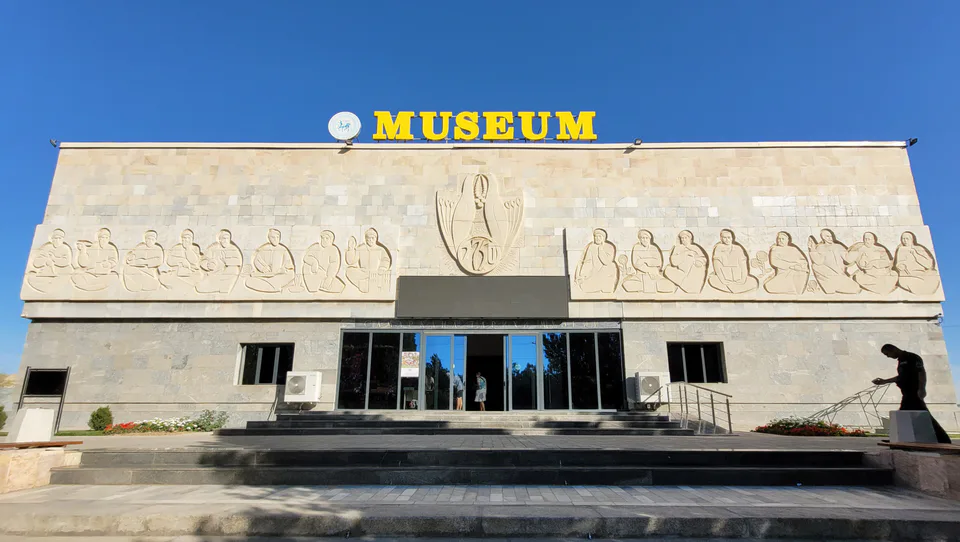
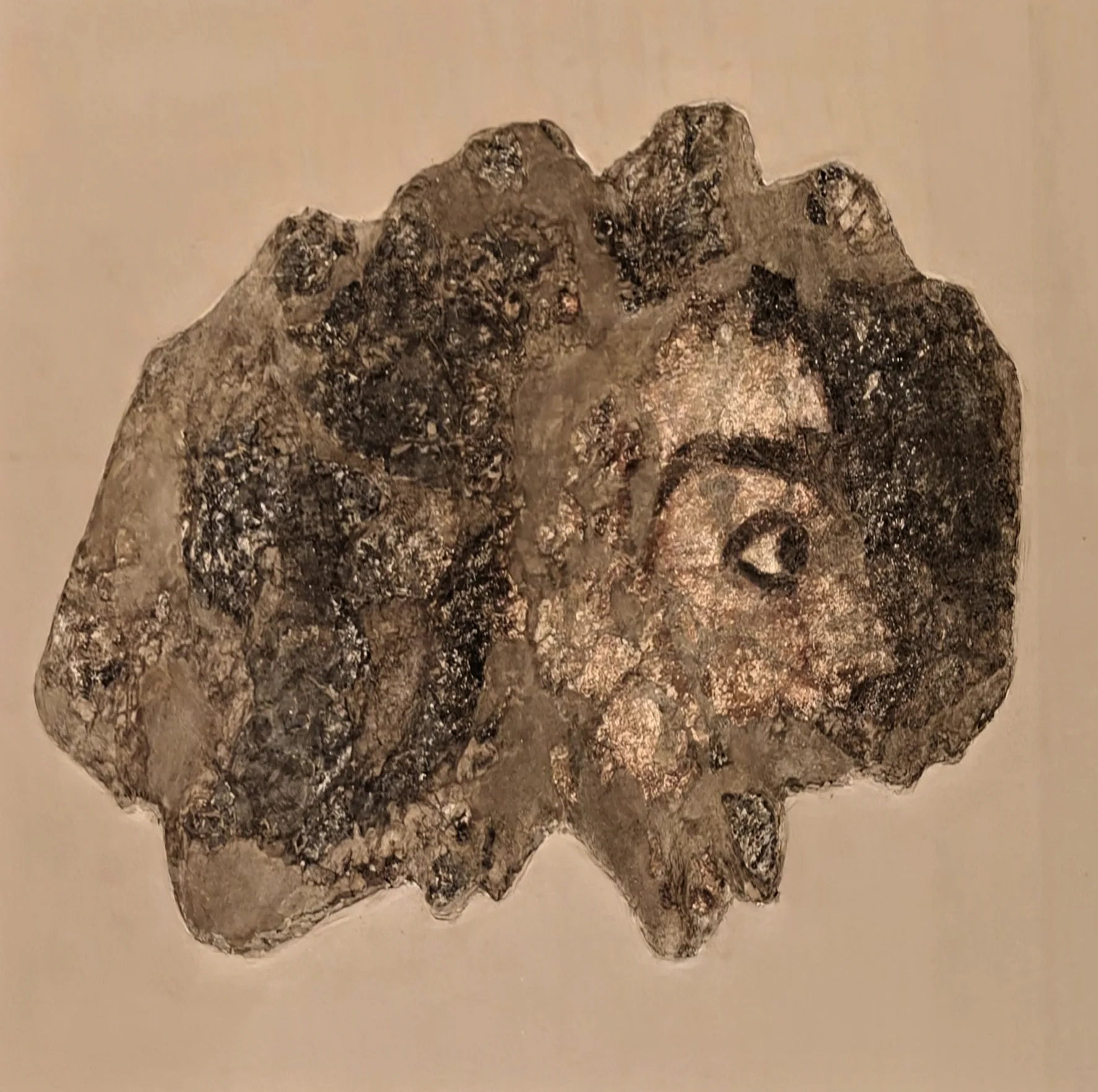
Around 660 the walls of a hall in the palace of Varkhuman, ruler of Samarkand, were covered with vast paintings. They show embassies from many lands — Chinese, Koreans, Turks, envoys from Chaganian and Chach — as well as a Chinese princess in a boat and scenes of hunting and ritual; a Sogdian inscription names Varkhuman. The murals were found by chance in 1965 during road building on Afrasiyab. Today they are displayed in the Afrasiyab Museum, opened in 1970 over the very spot. They are the largest and best-known surviving works of Sogdian painting.