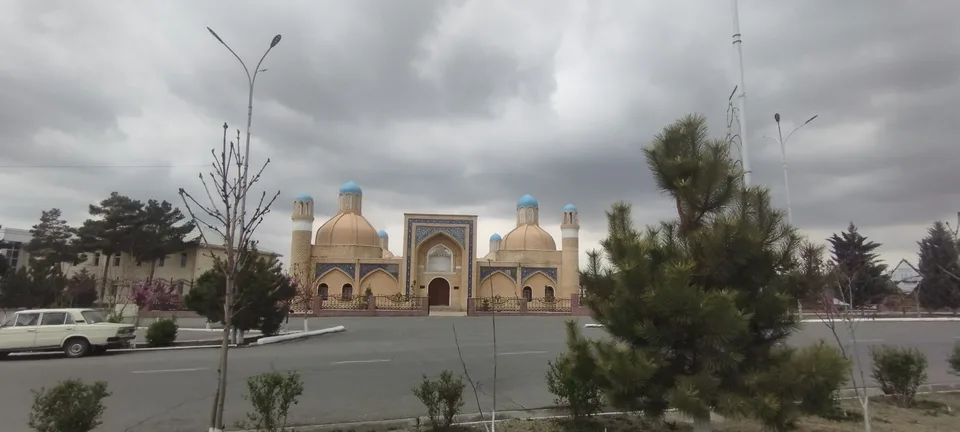
Museum · Turakurgan District
Ishoqxon Ibrat Memorial Complex
In memory of an enlightener and publisher
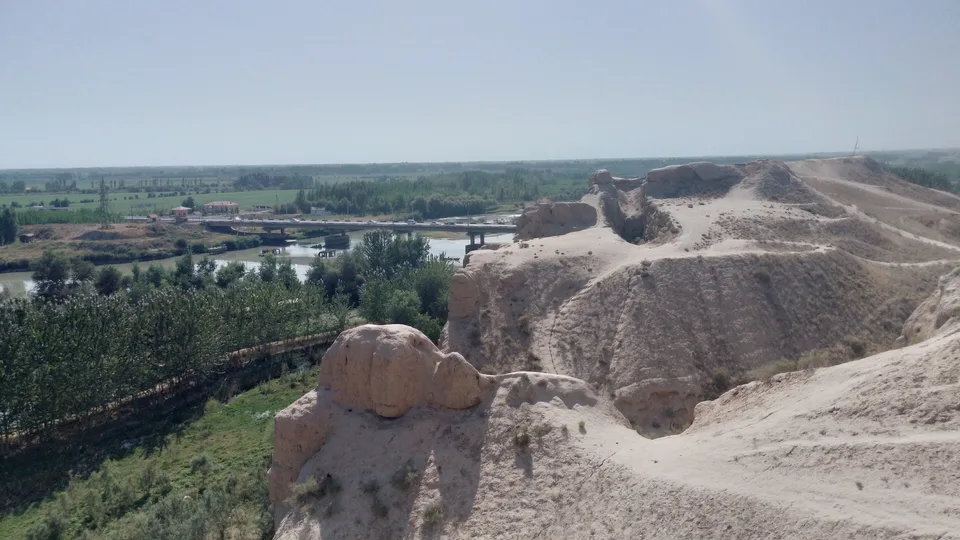
Archaeology · Turakurgan District
A 30-hectare ruined city on the Syr Darya: founded in the 3rd century BC, capital of Fergana in the 9th–10th centuries and later the seat of Babur's father.
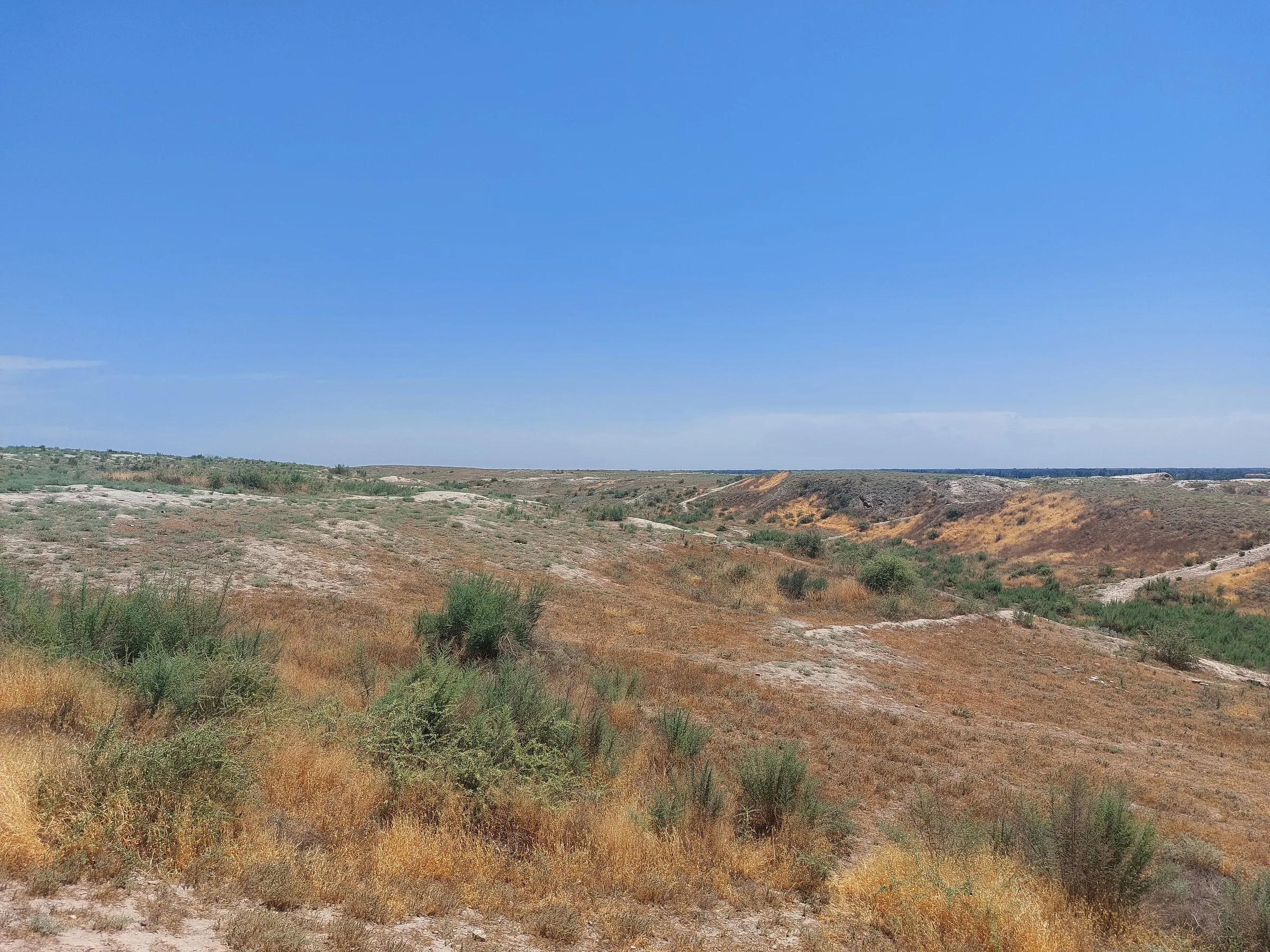
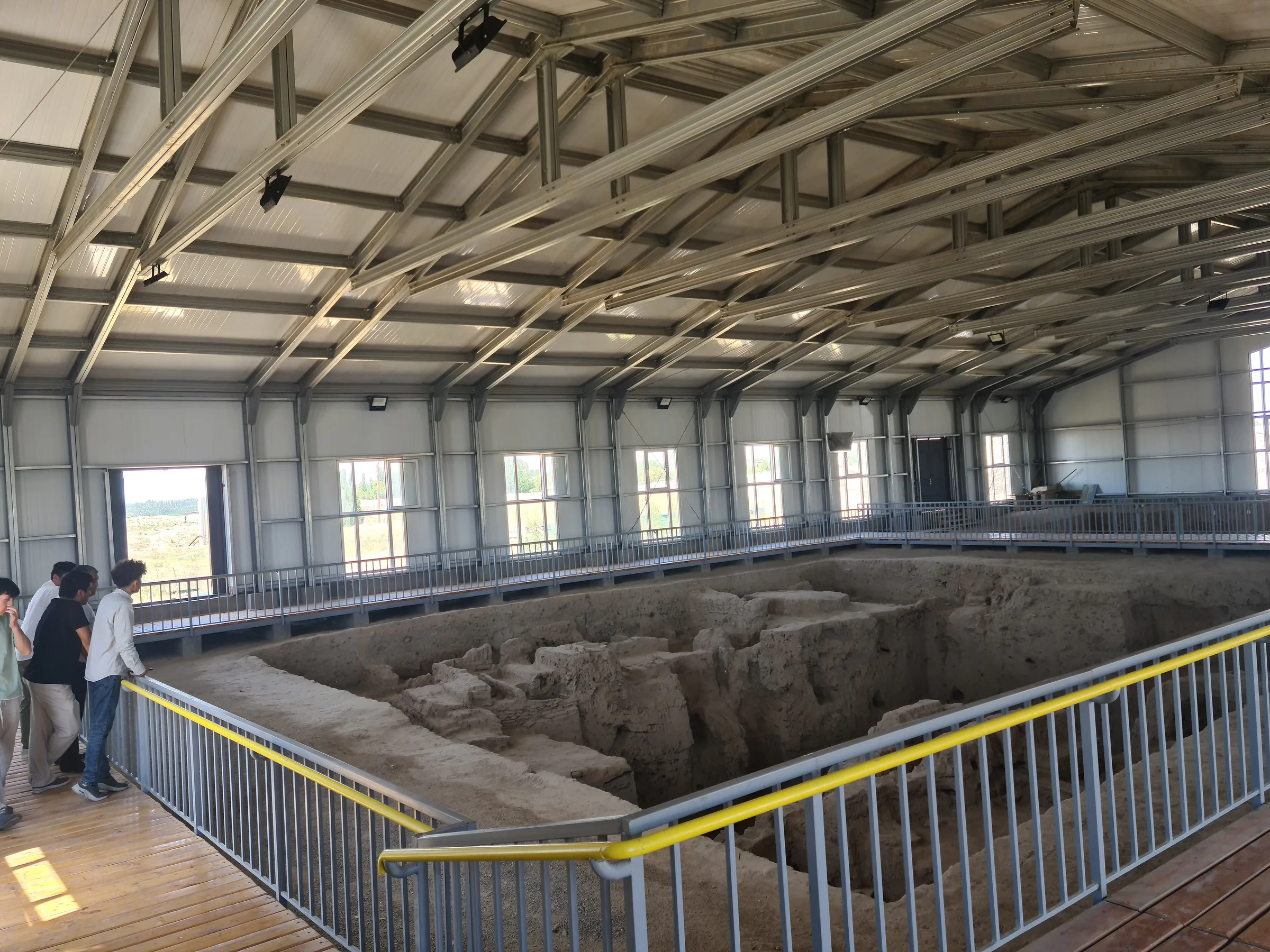
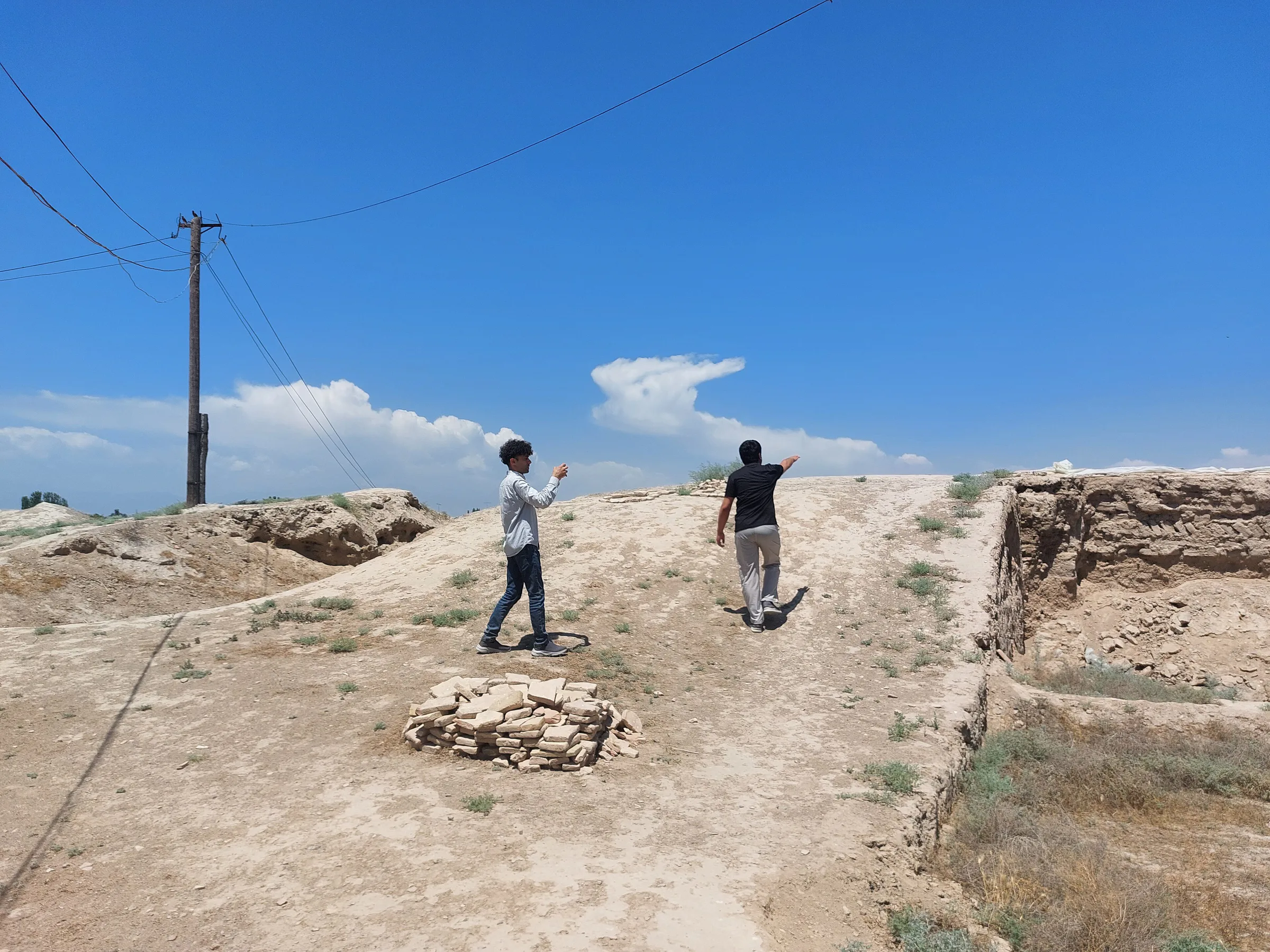
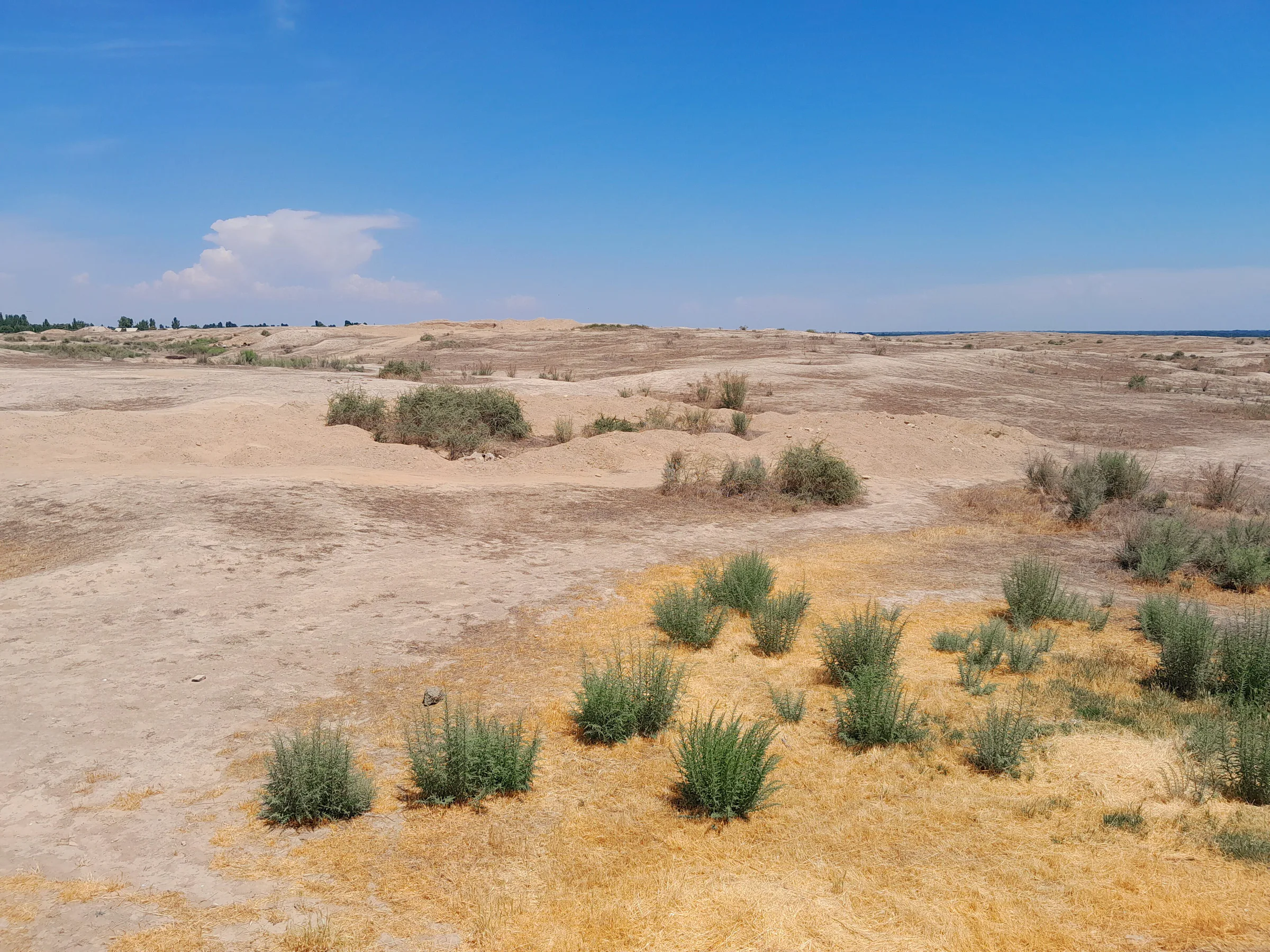
Akhsikath (Akhsikent, Akhsi) is a ruined city on the right bank of the Syr Darya, beside the village of Shahand in Turakurgan District, about 22 km south-west of Namangan; it covers 30 hectares. Founded by the 3rd century BC, it was a Silk Road caravan stop on the road west from Kashgar. In the 9th–10th centuries Akhsikath was the capital of the whole Fergana Valley, and copper coins struck here circulated throughout the Samanid state. By the 10th century it had at least two mosques, a palace, a prison and a caravanserai.
The city was sacked by the Qara Khitai and, in 1219, by Genghis Khan's general Jebe Noyon. In the 15th century Babur's father, Umar Shaikh Mirza, made Akhsikath his main residence, and he died here in 1494. 'In all Fergana no fort is as strong as Akhsi,' Babur wrote in the Baburnama, adding that its suburbs extended some two miles beyond the walls. By the early 17th century the city was in decline; an earthquake in the 1620s left it in ruins, and its people moved to Namangan.
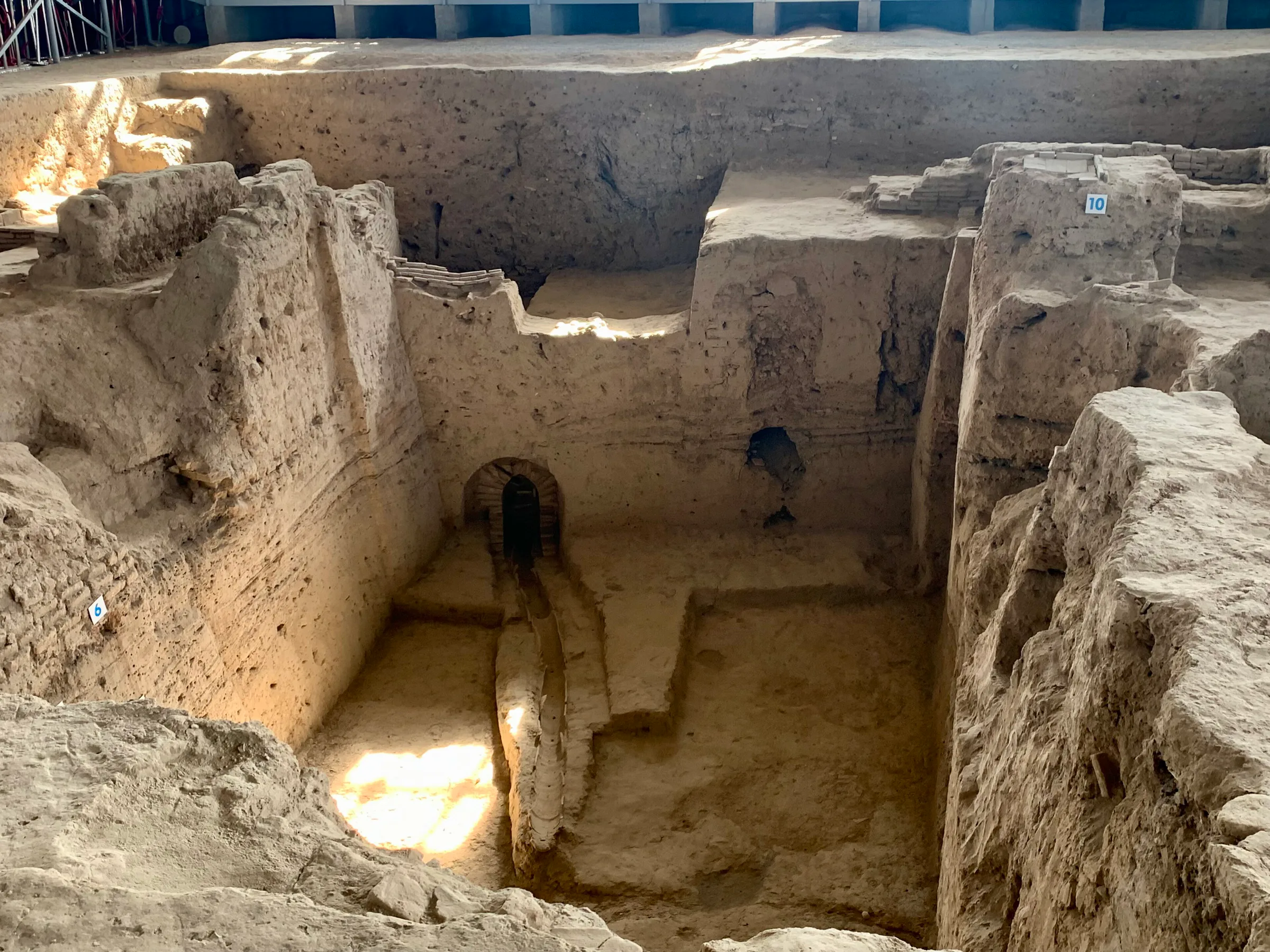
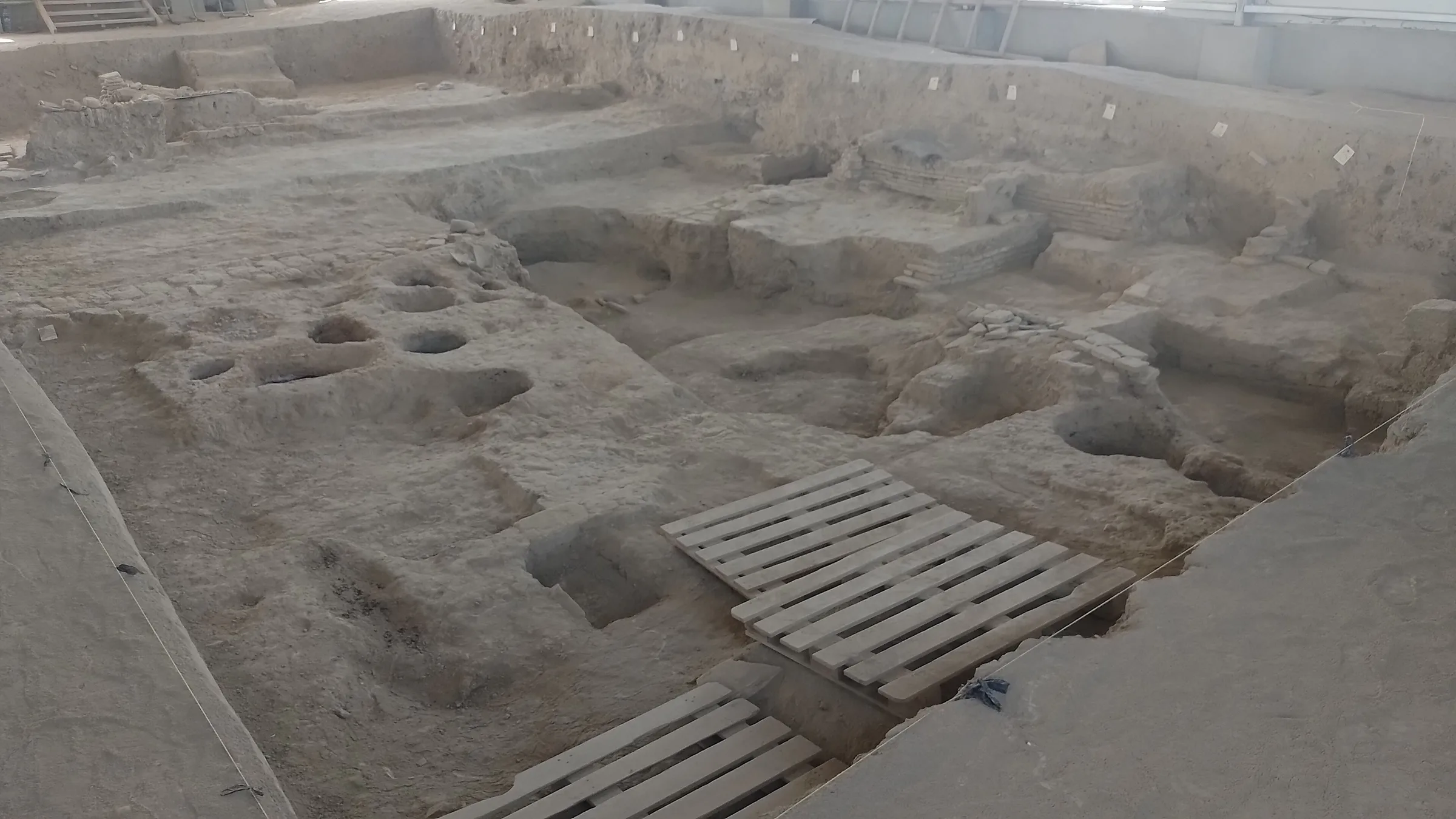
Archaeologists found that Akhsikath consisted of a citadel, a shahristan and a rabad, each with its own wall. The citadel held the governor's palace and a prison; the shahristan an inner bazaar, a Friday mosque, and pools and channels of fired brick; the rabad the craftsmen's quarters and an outer market. The defensive wall of rammed earth and mud brick stood almost 20 metres high and up to 10 metres thick, with deep moats around its five gates.
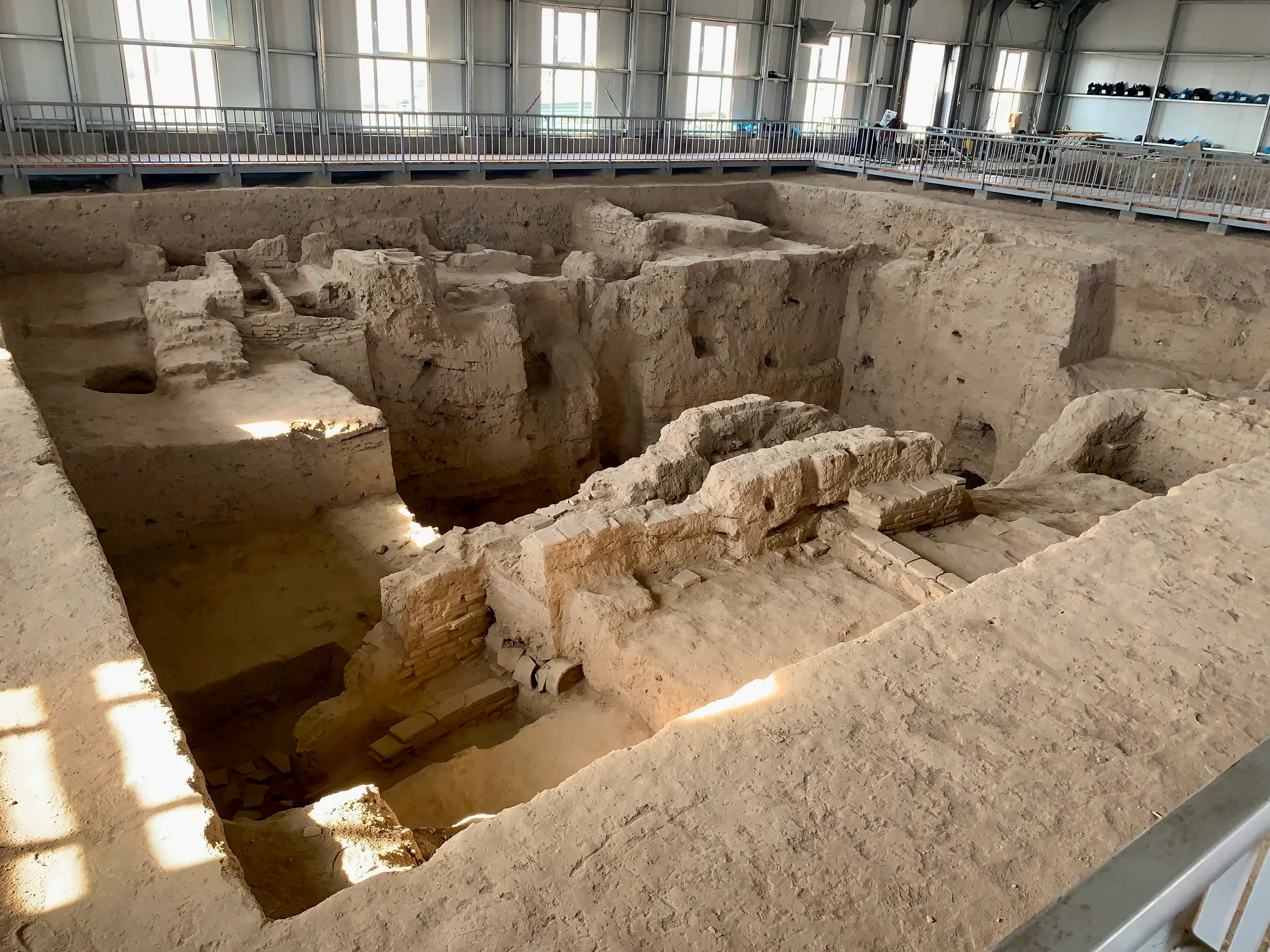
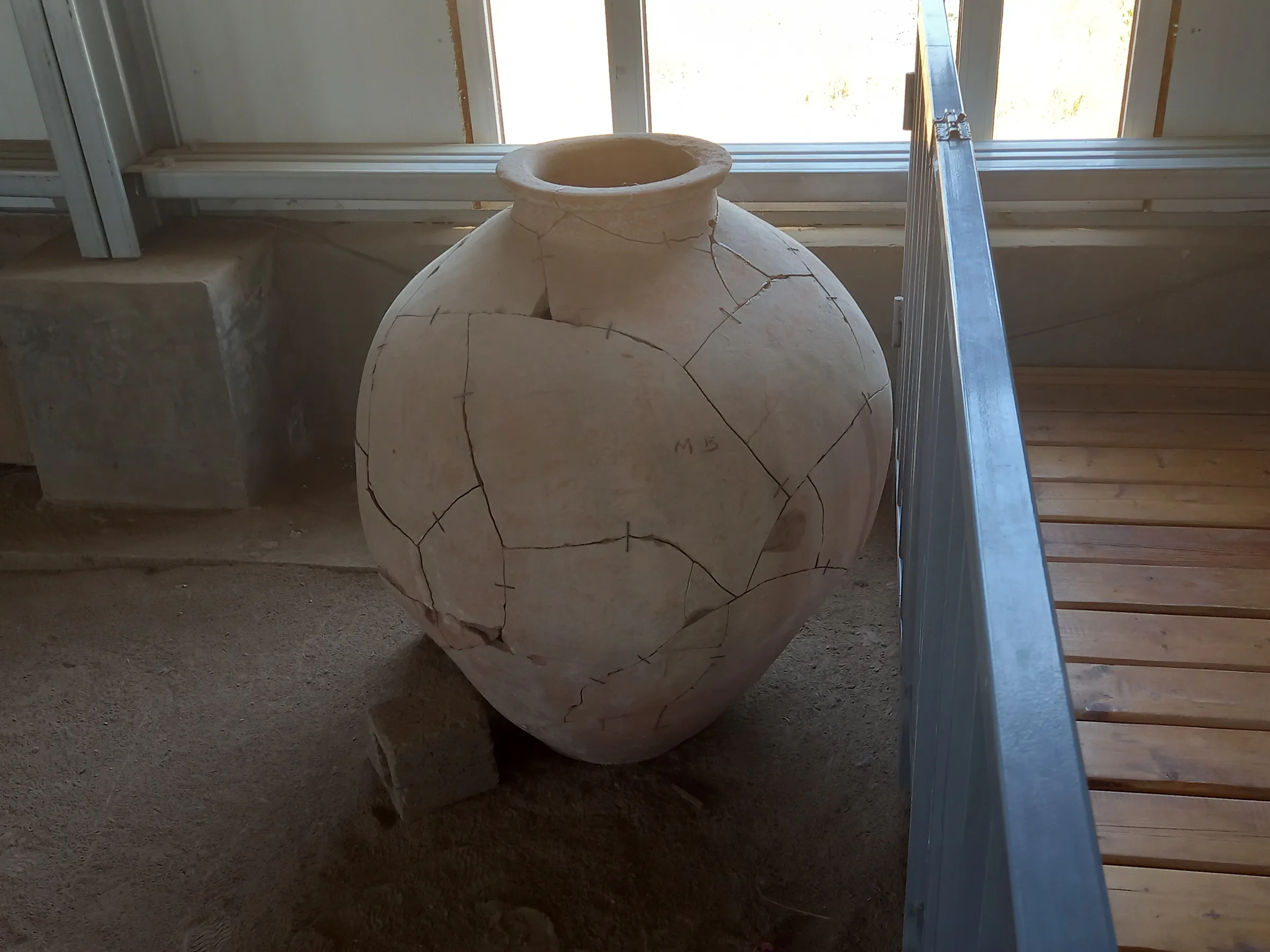
Water came from the Kosonsoy, 14–15 km away. The 10th-century underground water supply was ingenious: a tunnel was dug, a half-vault of fired brick built inside it, and large ceramic pipes laid along its floor; the system worked for more than two hundred years.
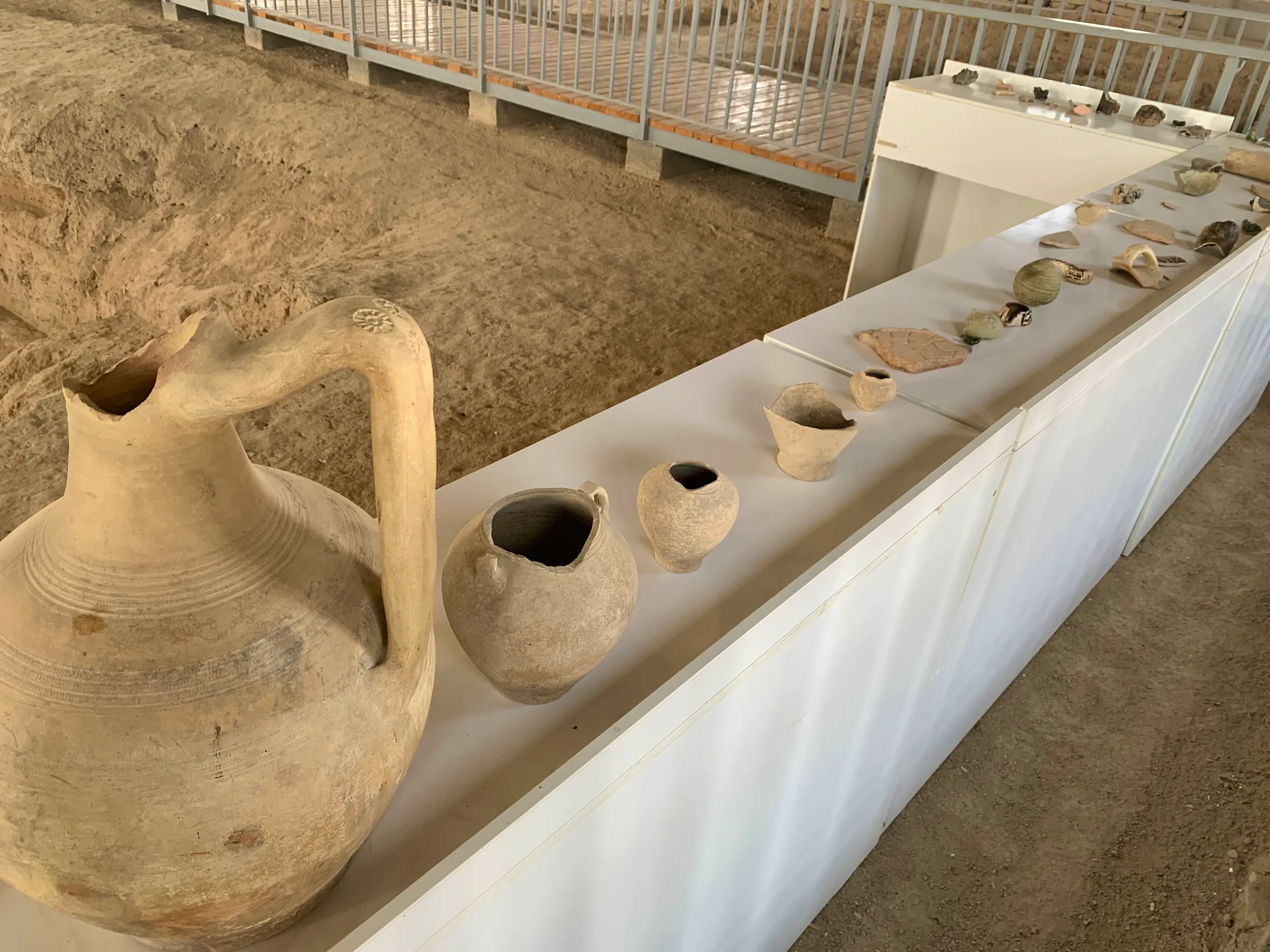
Akhsikath was a manufacturing as well as a trading centre. In 2002 a British–Uzbek expedition led by Professor Thilo Rehren of University College London proved that crucible steel was made here: they found kaolin crucibles able to withstand up to 1,300 °C, while juniper wood, which burns very hot, served as fuel and iron ore came from the spurs of the Tian Shan. According to the sources, the steel of Akhsikath was famous as far away as Baghdad and Damascus.
Study of the site began with N. Veselovsky's excavations in 1885 and continued with I. A. Kastanye, Mikhail Masson (1939), A. Bernshtam (1948), staff of the Namangan museum and the Uzbek Academy of Sciences. Some of the bronzes found here are in the State Museum of Oriental Art in Moscow, and other finds are in the Louvre. Called 'Fergana's Afrasiab', Akhsikath is on UNESCO's Tentative List and part of the 'Silk Roads: Fergana–Syrdarya Corridor' nomination.
Museum · Turakurgan District
In memory of an enlightener and publisher
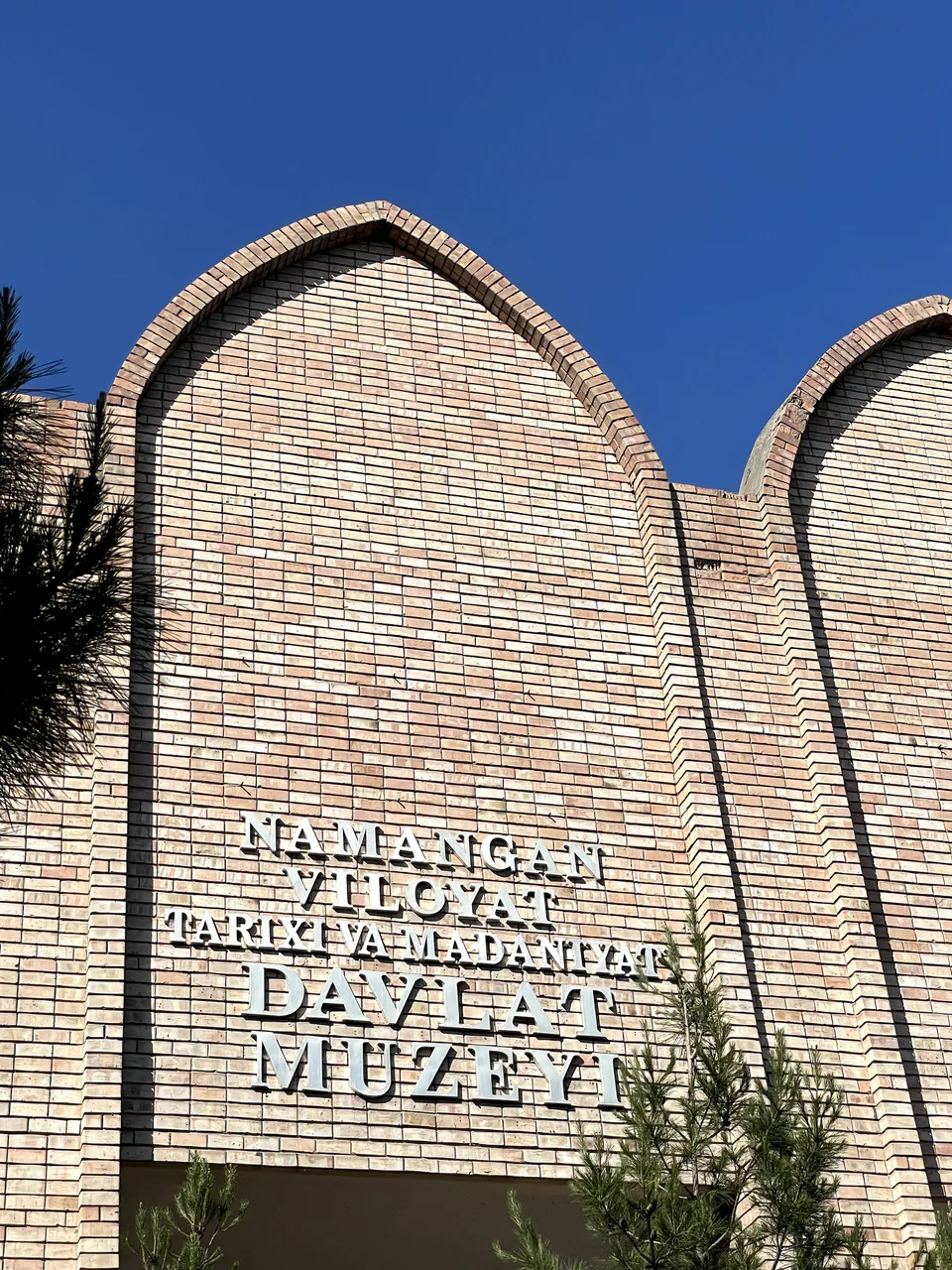
Museum · Namangan
A local-history treasure house since 1918
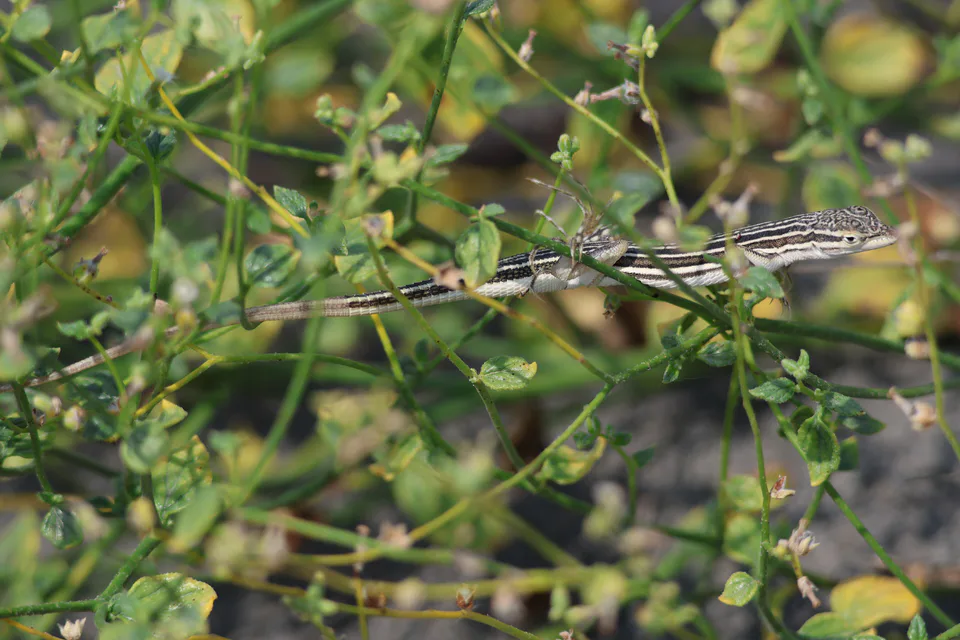
Nature · Mingbuloq District
The last remnants of the Akkum sands
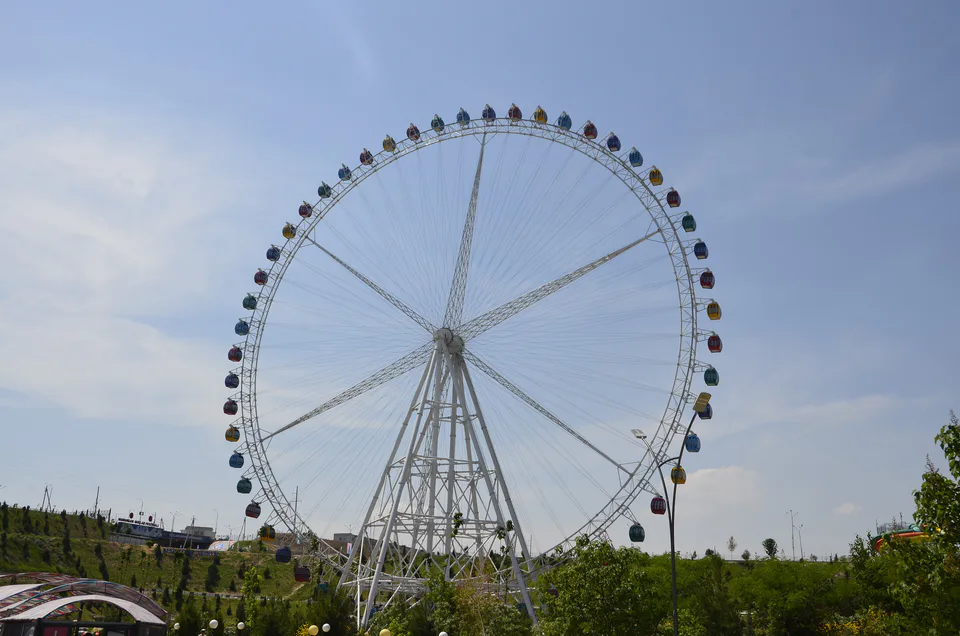
Entertainment · Davlatobod District
Modern Namangan's landmark
Mosque · Namangan
A 'painted' mosque rebuilt after a fire
Mausoleum · Namangan
A tomb whose walls are covered in verse
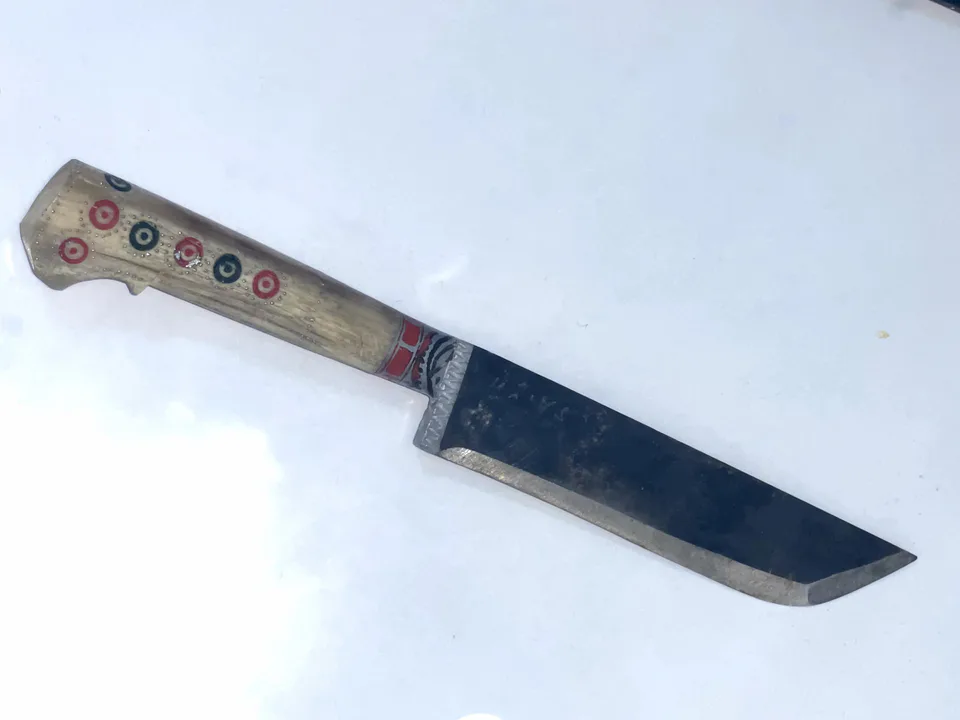
Culture & arts · Chust District
Blades stamped with the maker's mark
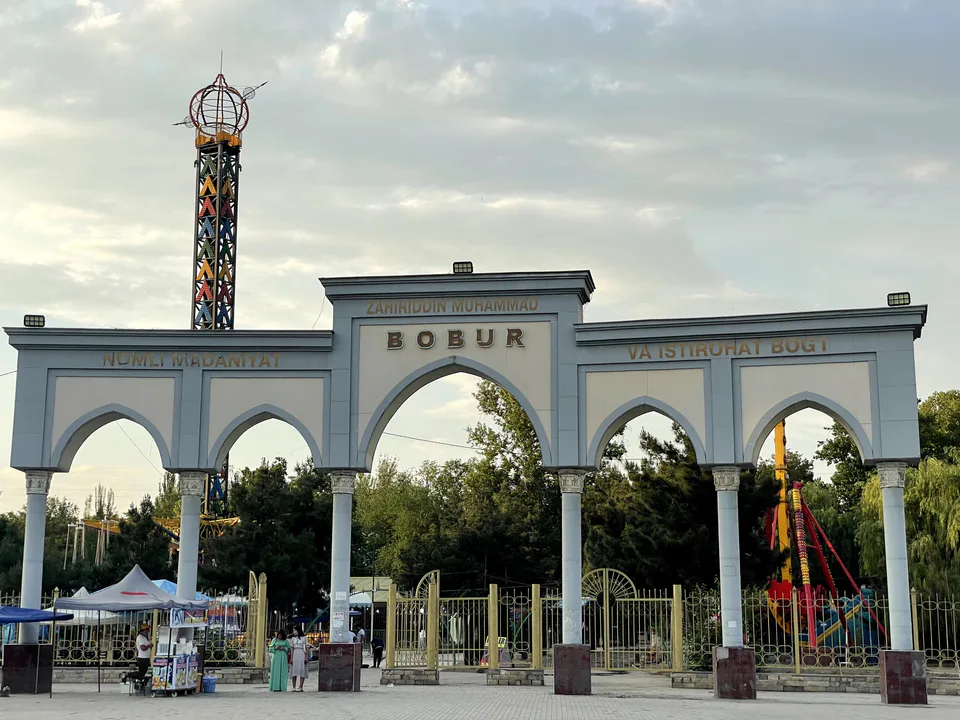
Park & garden · Namangan
A city garden beneath centuries-old plane trees
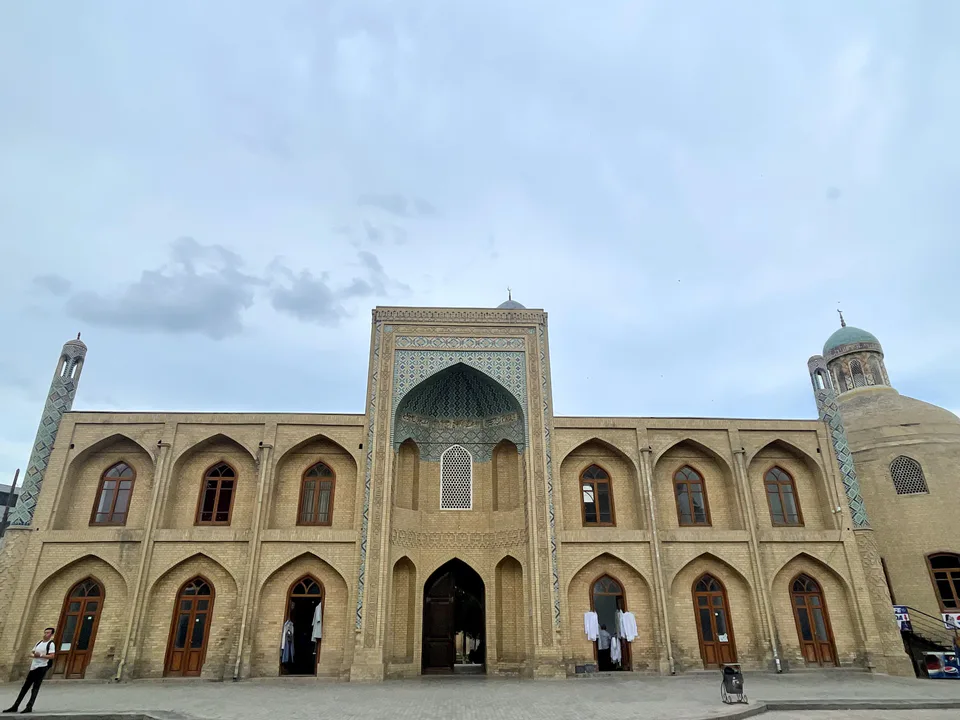
Madrasa · Namangan
Namangan's tiled jewel
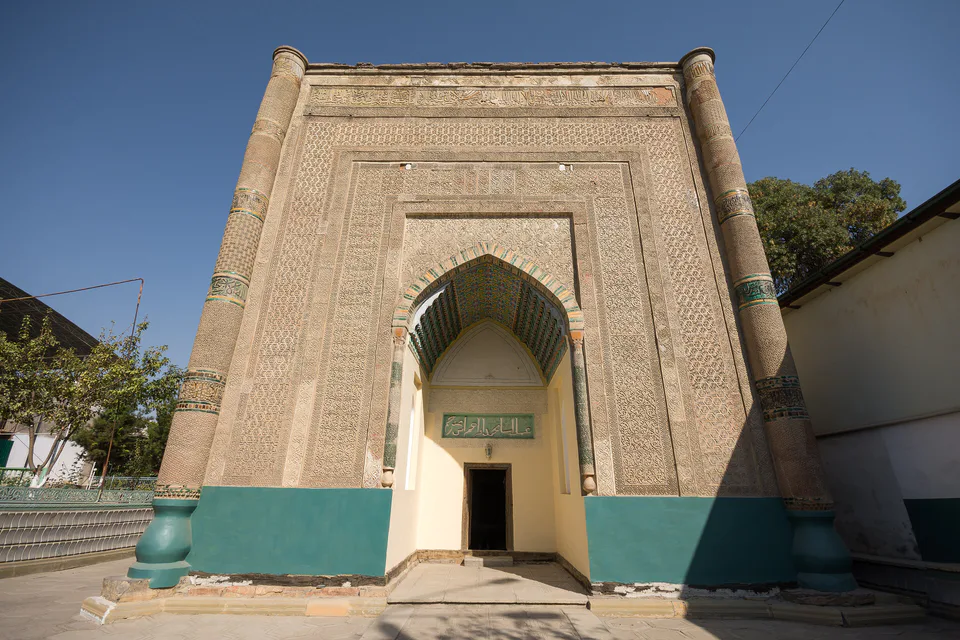
Mausoleum · Namangan
Mausoleum and mosque of Khoja Amin