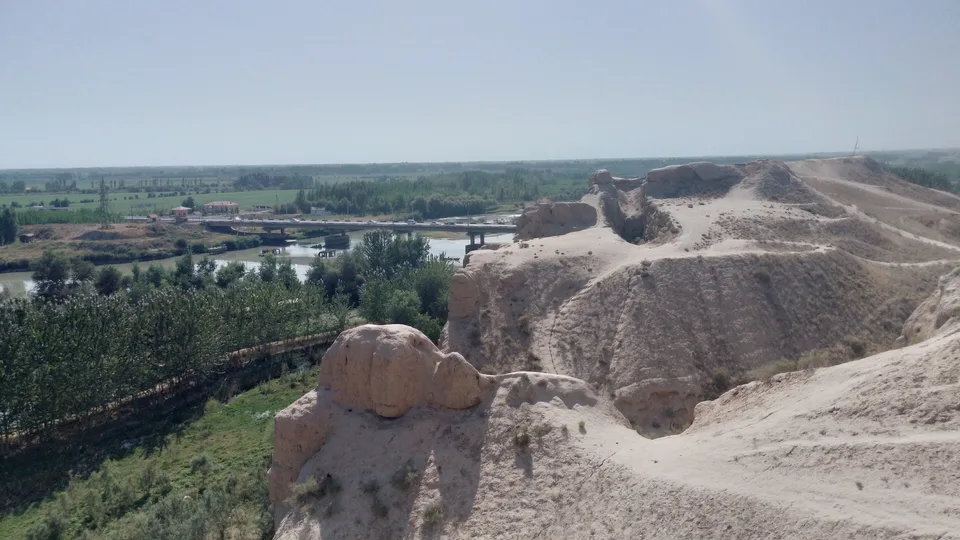
Archaeology · Turakurgan District
Akhsikath
Fergana's ancient capital
Culture & arts · Chust District
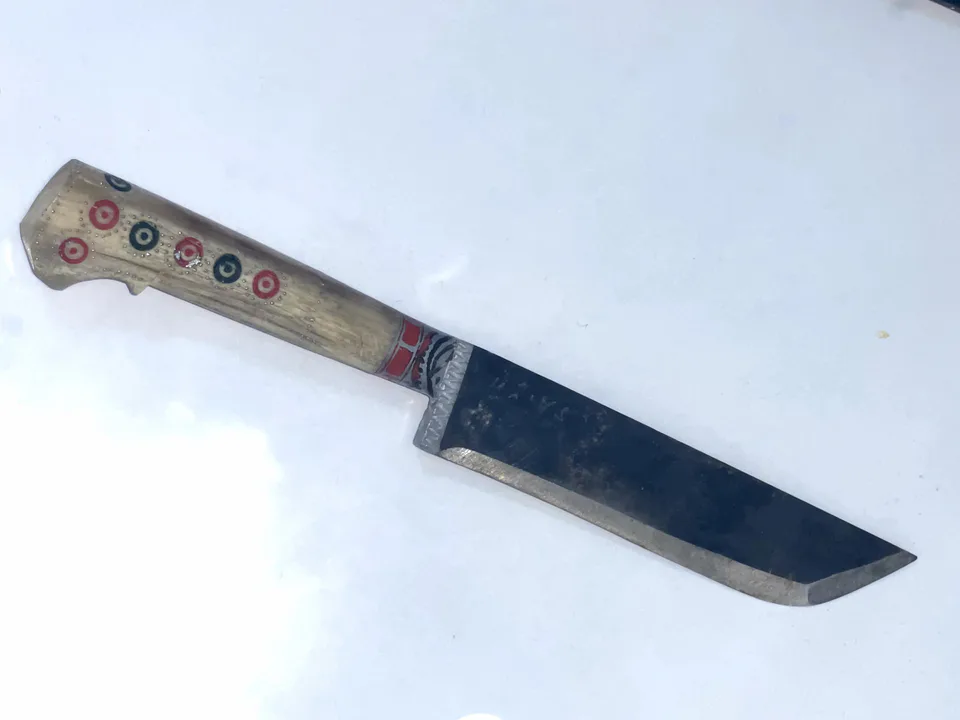
One of the oldest metalworking centres in the Fergana Valley: Chust has a quarter of bladesmiths, and every blade carries its maker's mark.
Across Central Asia sharp objects have long been believed to work as amulets, guarding their owners from misfortune: the national knife plays a part in many traditional rites and is the subject of many legends. Chust is considered one of the oldest metalworking centres in the Fergana Valley, and the town has long had a quarter of bladesmiths known as suzangar (from Tajik suzan, 'needle' — originally needle-makers). Chust knives have been shown at international exhibitions, and Namangan Region is known as a centre of traditional crafts, knives above all.
In small forges a piece of steel goes through dozens of operations before it becomes a blade. While the quenched blade is still warm, the smith hammers in his brass stamp, which tells you where the knife was made and by whom. A good blade is light grey, with a handle in proportion to it that sits comfortably in the palm; a well-forged knife will slice a hair and last for years if honed on the unglazed foot of a porcelain tea bowl.
Each type of knife has its own job: cutting meat, slicing carrots and onions for plov, peeling fruit, pruning in the orchard, or, with a slightly curved tip, a butcher's work. Sheaths are made of heavy cloth or leather and decorated with embroidery, appliqué or tooling.
Chust's knife workshops and stalls are around the town centre, and the smiths are often happy to demonstrate. The town is also famous for the Chust skullcap, so you can see both crafts on one trip.
Archaeology · Turakurgan District
Fergana's ancient capital
Archaeology · Pop District
Ancient Pap and its necropolis
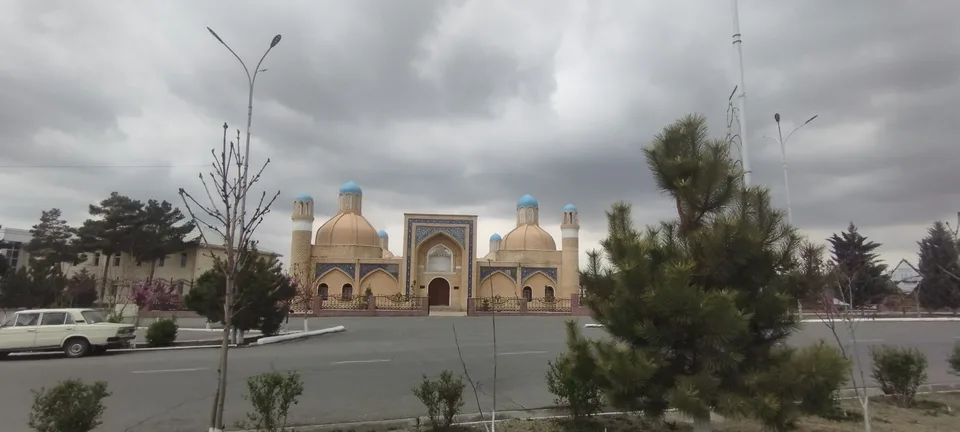
Museum · Turakurgan District
In memory of an enlightener and publisher
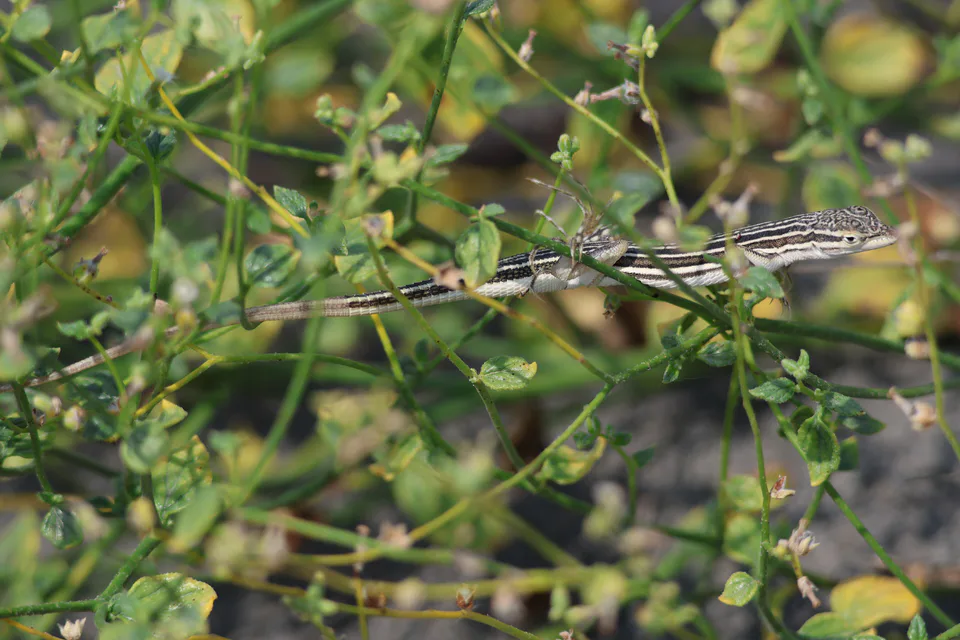
Nature · Mingbuloq District
The last remnants of the Akkum sands
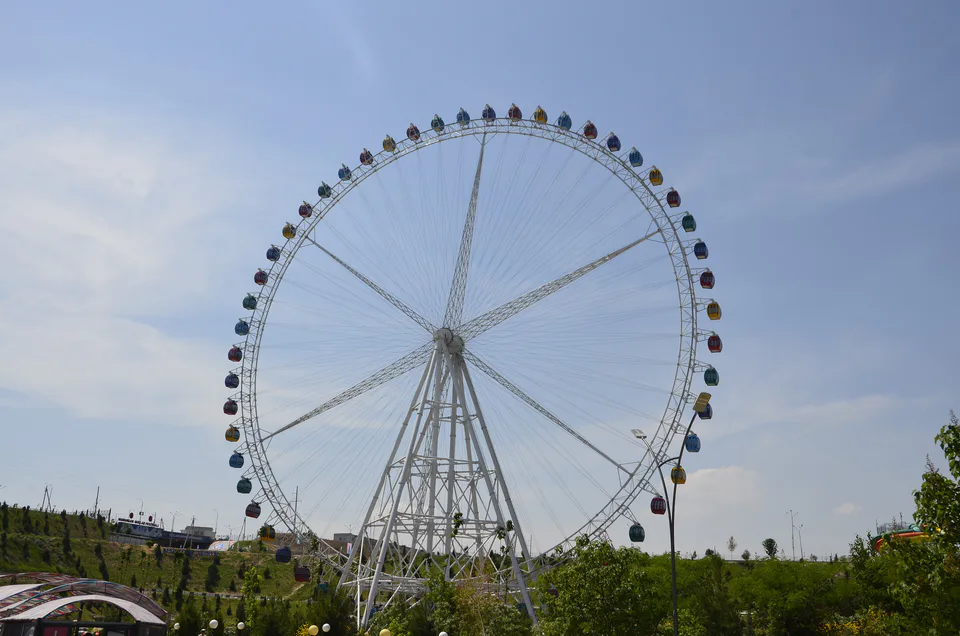
Entertainment · Davlatobod District
Modern Namangan's landmark
Mosque · Namangan
A 'painted' mosque rebuilt after a fire
Mausoleum · Namangan
A tomb whose walls are covered in verse
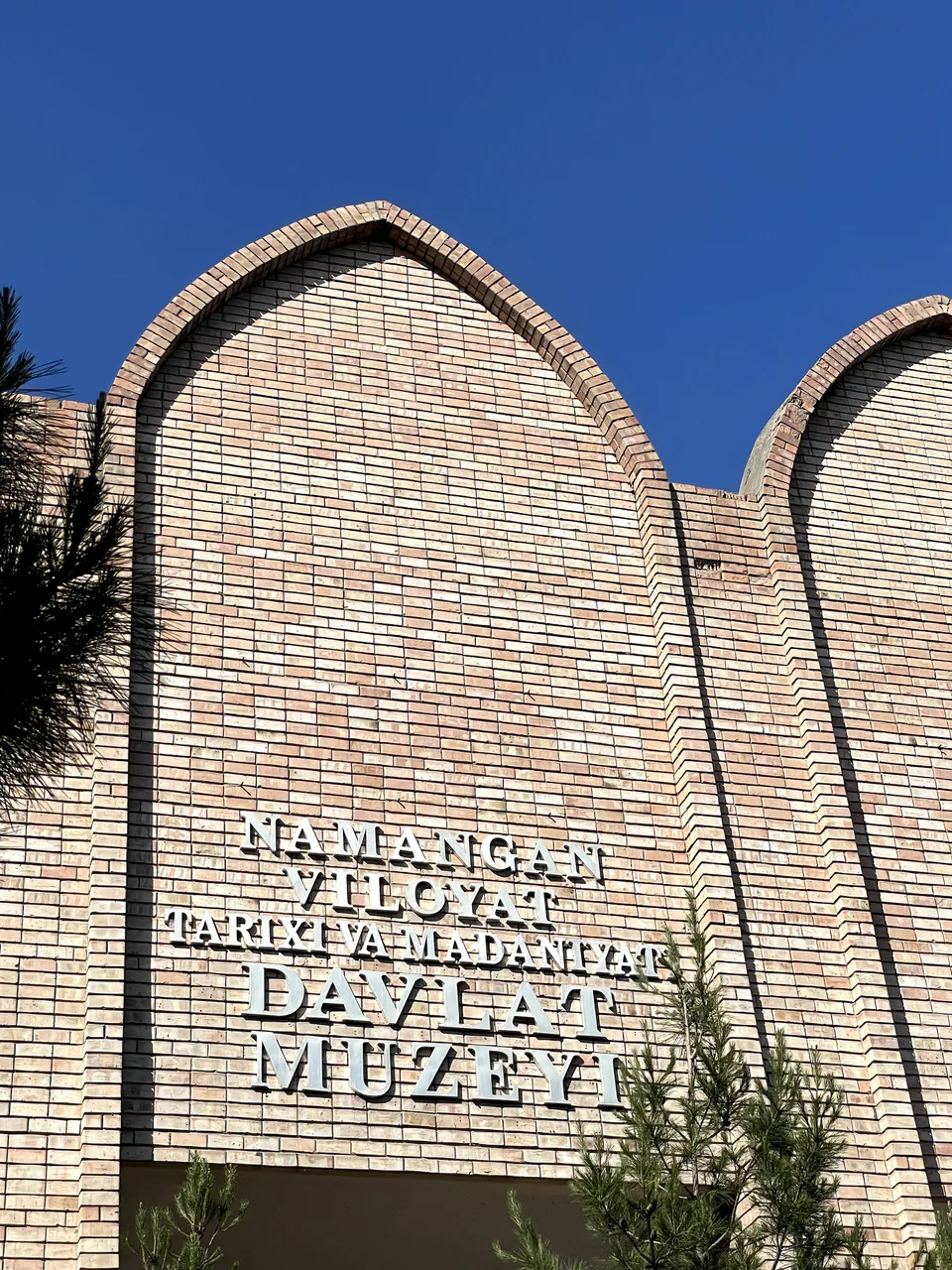
Museum · Namangan
A local-history treasure house since 1918
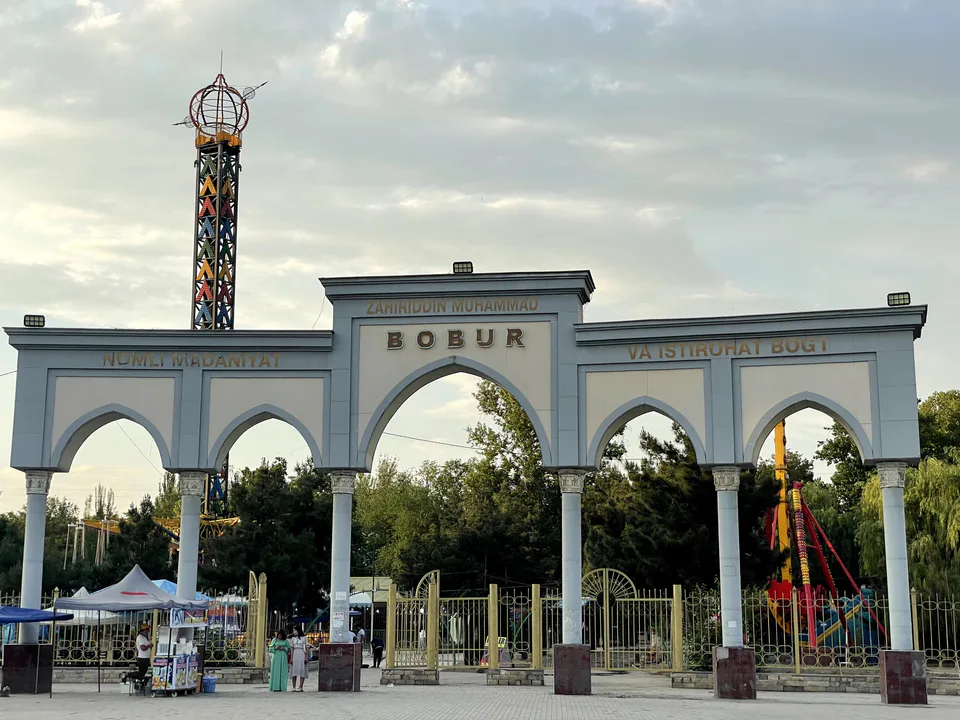
Park & garden · Namangan
A city garden beneath centuries-old plane trees