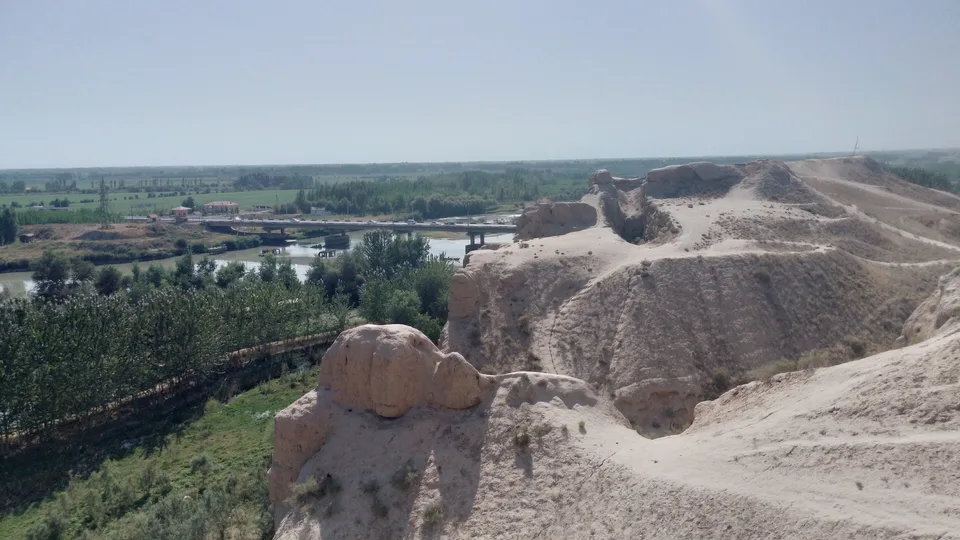
Archaeology · Turakurgan District
Akhsikath
Fergana's ancient capital
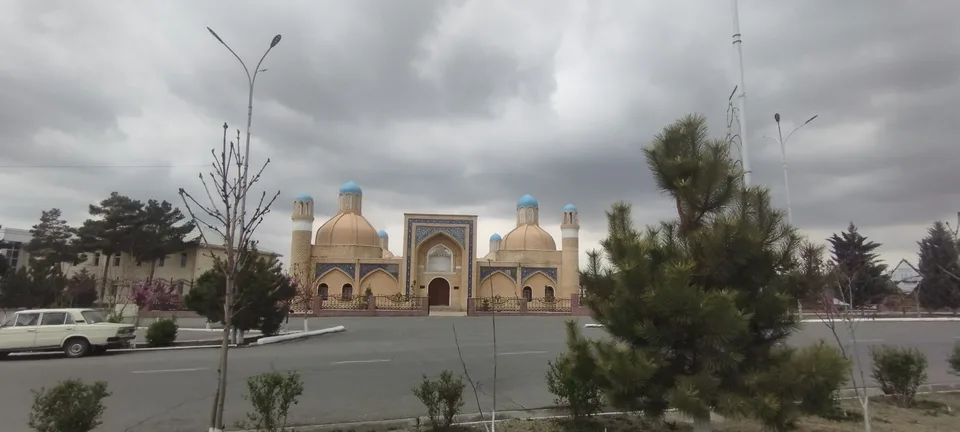
Museum · Turakurgan District
A complex opened in Turakurgan in 2018 — museum, garden, avenue, printing house and statue — honouring the Uzbek reformer and pioneering publisher Ishoqxon Ibrat.
Ishoqxon Tora Ibrat (1862–1937) was an educational reformer, poet, historian and one of the first Uzbek publishers; Ibrat was his pen name. Born in Turakurgan in 1862 into an educated family — his grandfather Torakhon Makhdum was a qazi of the Kokand Khanate who wrote poetry as 'Afsus' — he lived in Bombay and Calcutta in 1892–1896 and mastered Arabic, Persian, Hindi and English. In 1908 he bought a lithographic press in Orenburg, brought it by train to Kokand and then by camel to Turakurgan, and set up the Ishoqiya printing house in his own courtyard; it worked until the 1960s.
Ibrat is known for his six-language dictionary Lughati sitta al-sina, printed in Tashkent in 1901, a study of nearly forty of the world's writing systems, and his History of Fergana (Tarixi Farg'ona), completed in 1912–1913.
The decision to create the memorial complex was taken in 2017, and it was officially opened on 3 May 2018. It comprises a museum, a garden, an avenue, a printing house and a statue of Ibrat. The museum traces his life, travels, books and publishing work. Because the press he founded in Turakurgan in the early 20th century was among the first local printing houses in Central Asia, the complex is especially rewarding for anyone interested in the history of books and printing.
Archaeology · Turakurgan District
Fergana's ancient capital
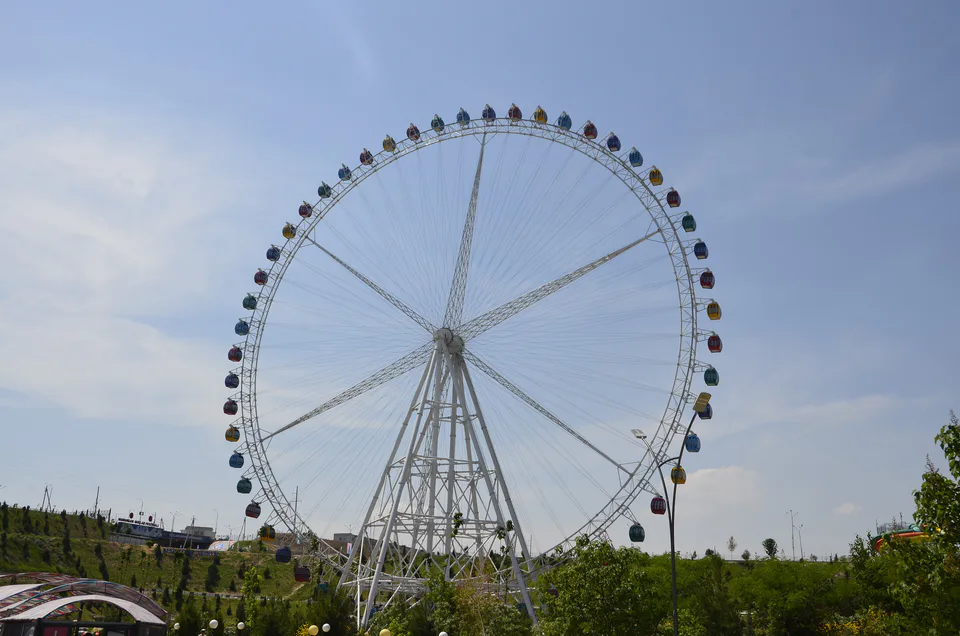
Entertainment · Davlatobod District
Modern Namangan's landmark
Mosque · Namangan
A 'painted' mosque rebuilt after a fire
Mausoleum · Namangan
A tomb whose walls are covered in verse
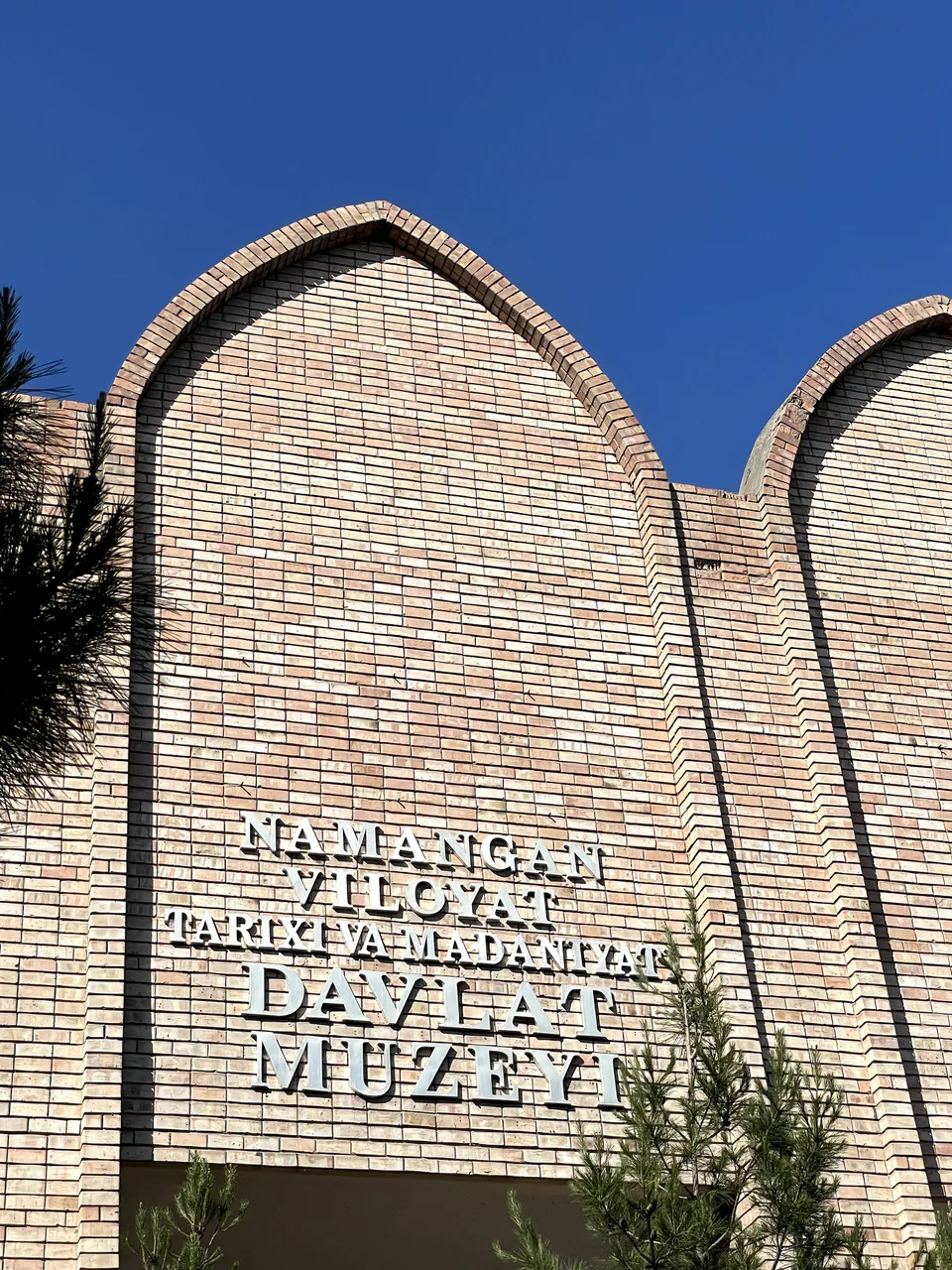
Museum · Namangan
A local-history treasure house since 1918
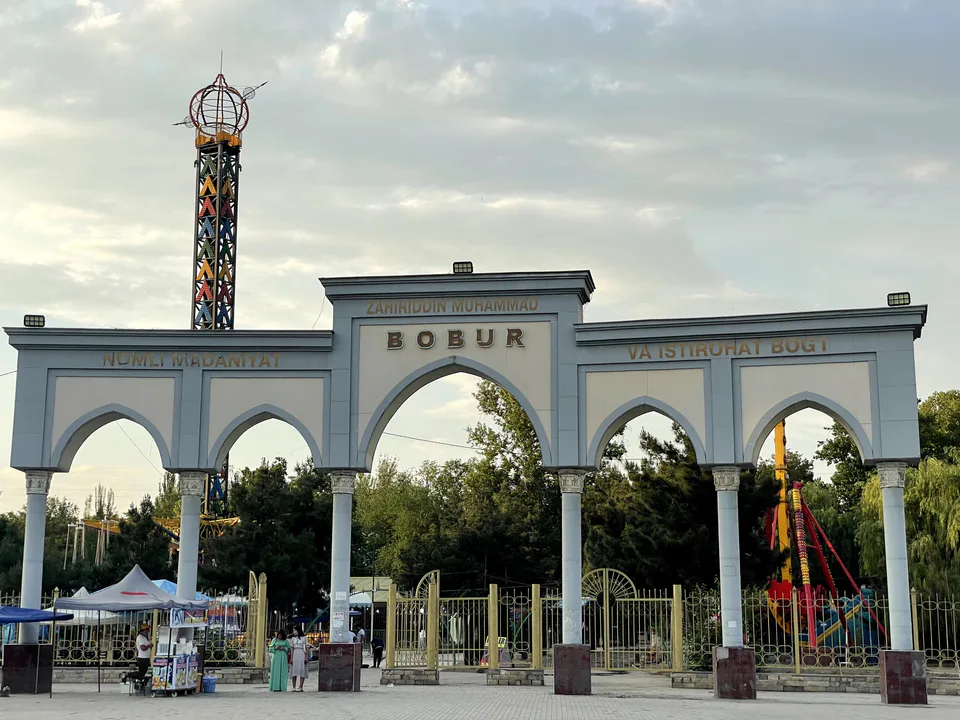
Park & garden · Namangan
A city garden beneath centuries-old plane trees
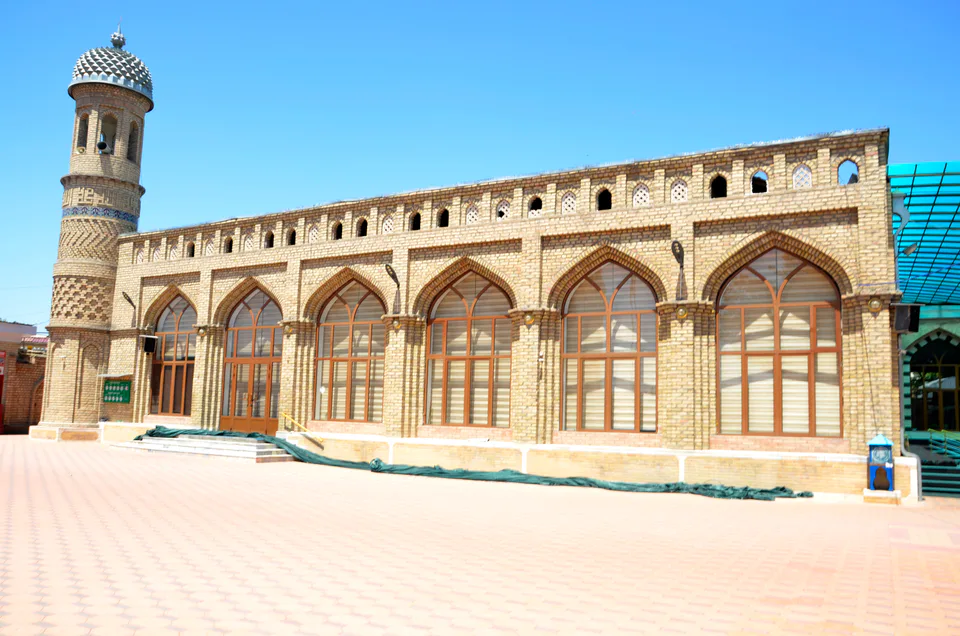
Pilgrimage site · Namangan
Shrine of Mashrab's teacher
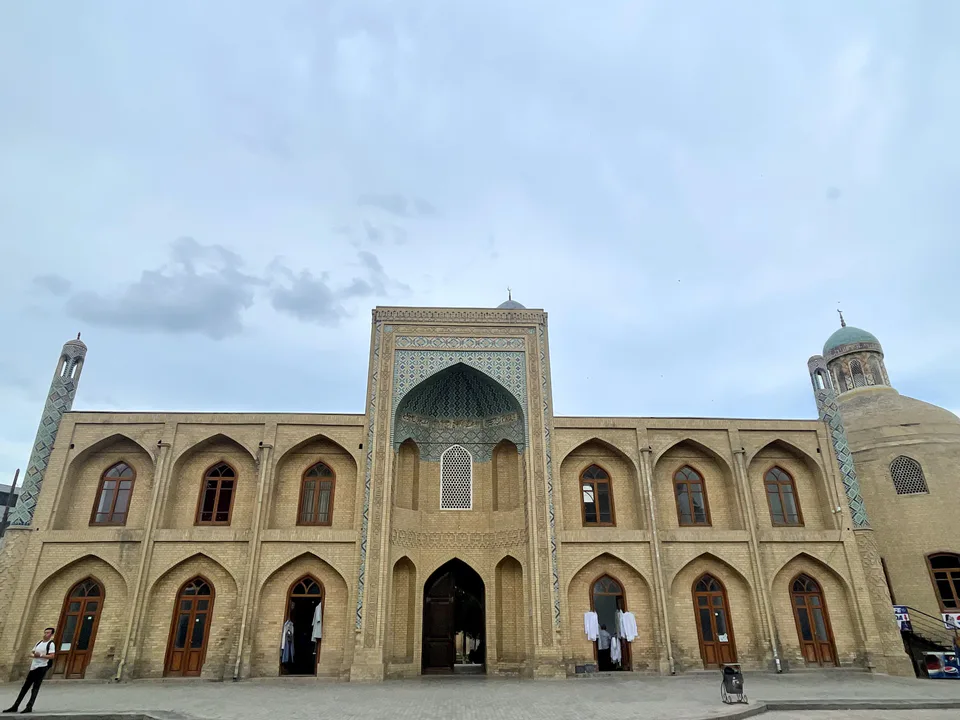
Madrasa · Namangan
Namangan's tiled jewel
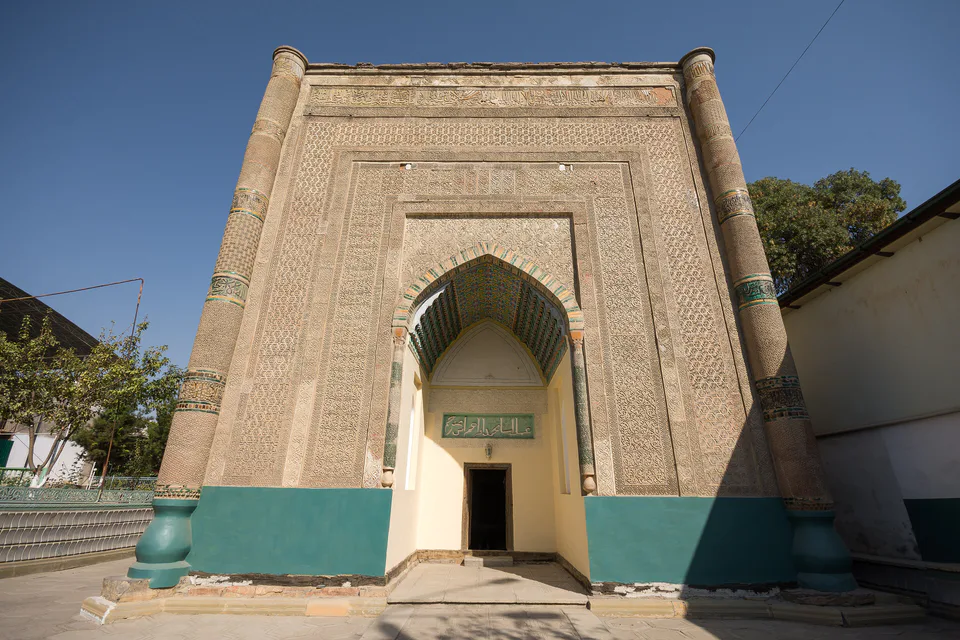
Mausoleum · Namangan
Mausoleum and mosque of Khoja Amin