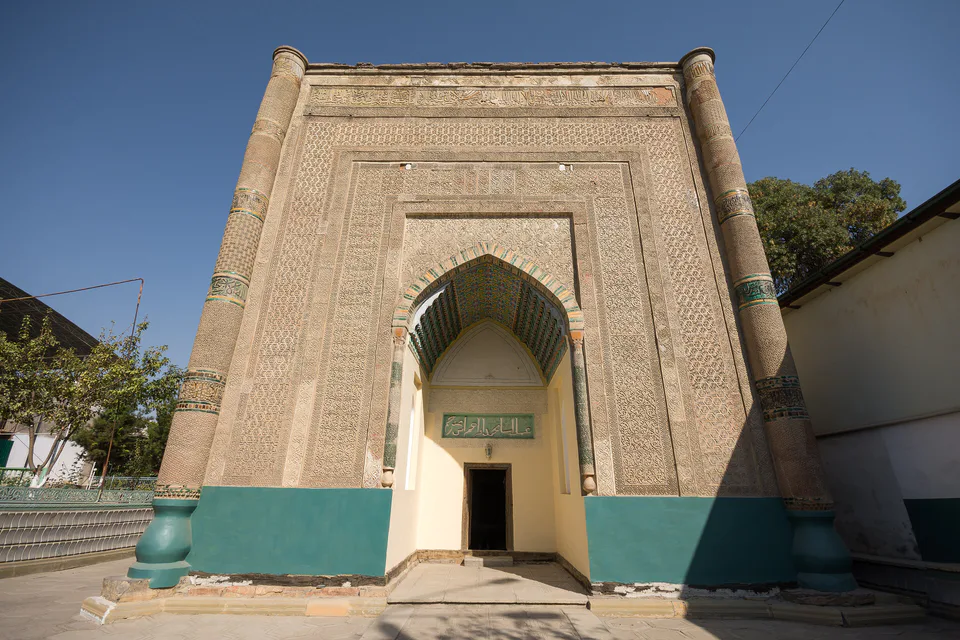
Mausoleum · Namangan
Khodjamni Kabri
Mausoleum and mosque of Khoja Amin
Madrasa · Namangan
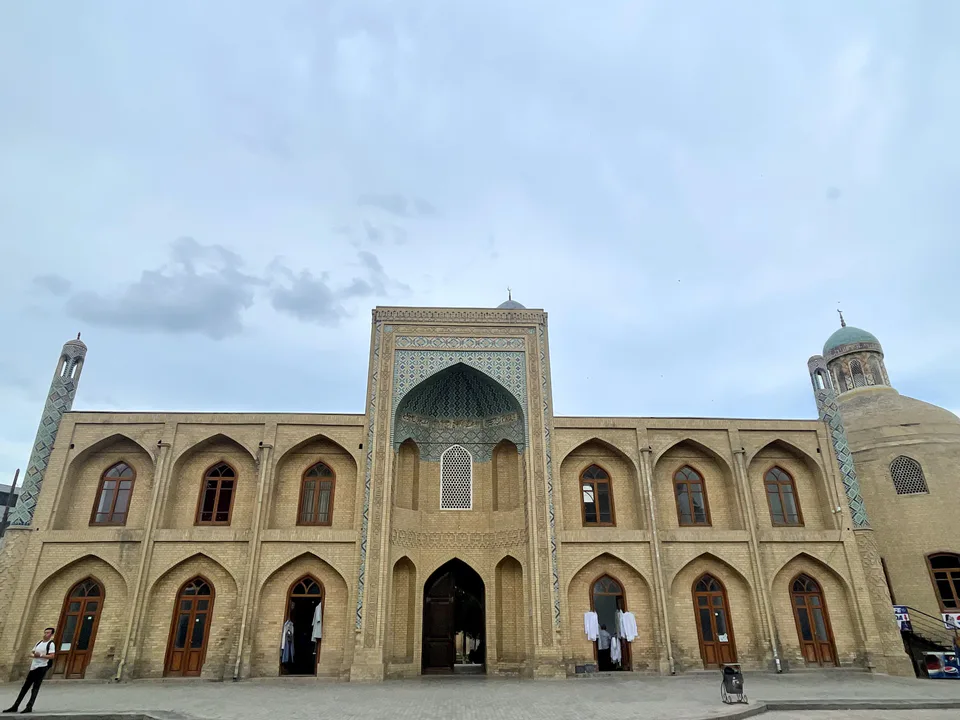
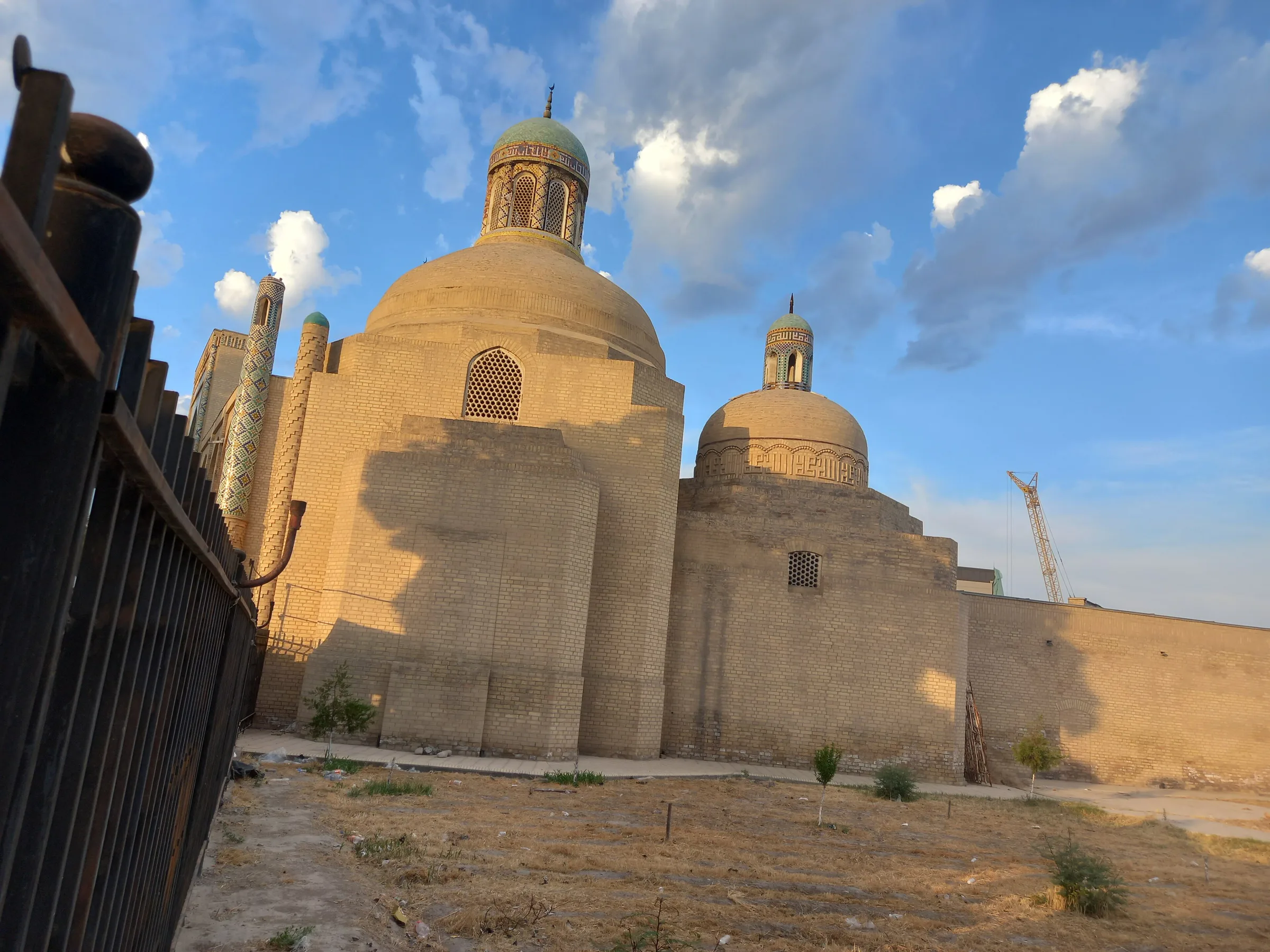
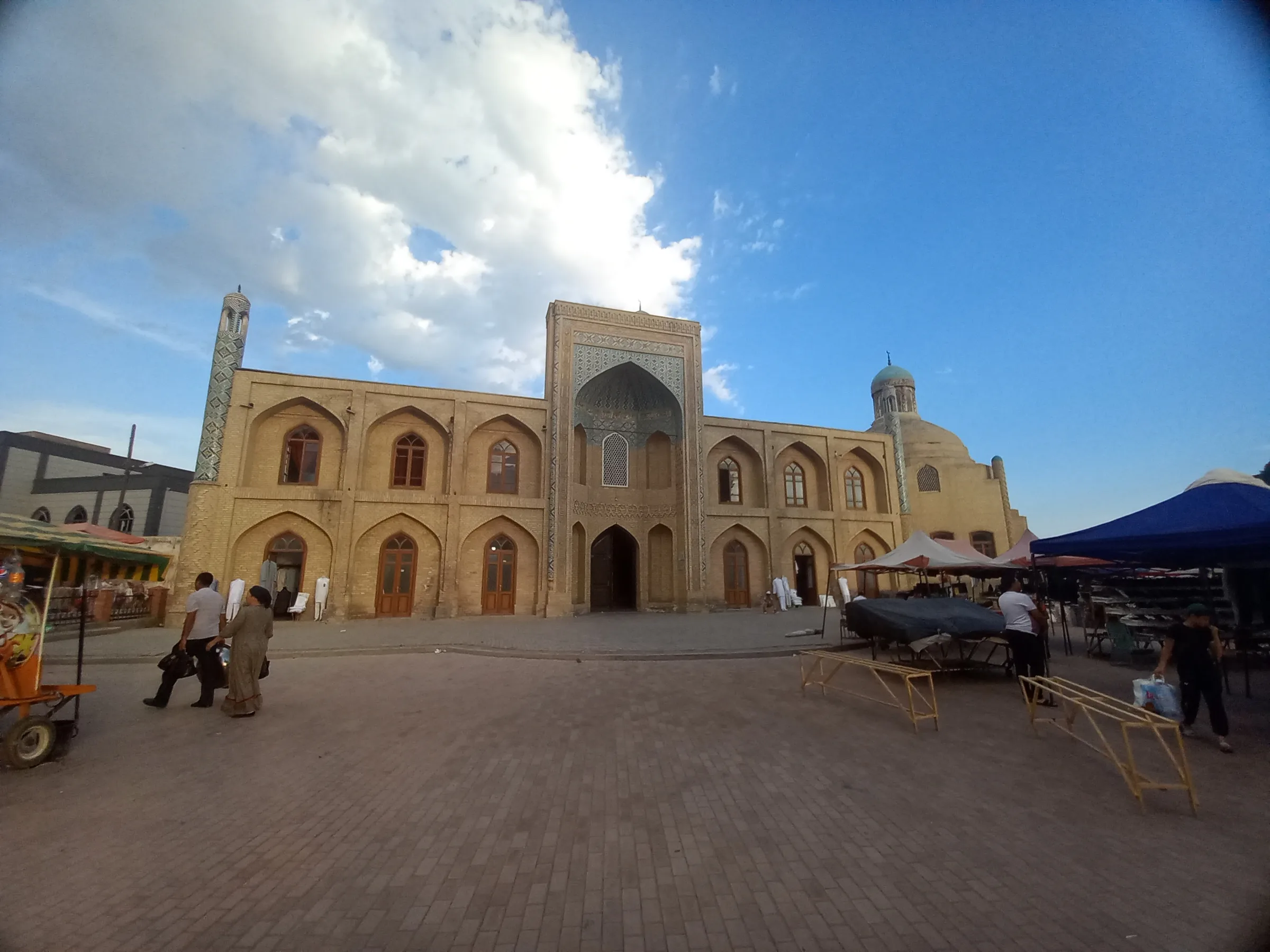
A madrasa of 1910–1912 built on a pentagonal plan, with a portal of coloured glazed brick, two-storey student cells and a courtyard now full of craftspeople.
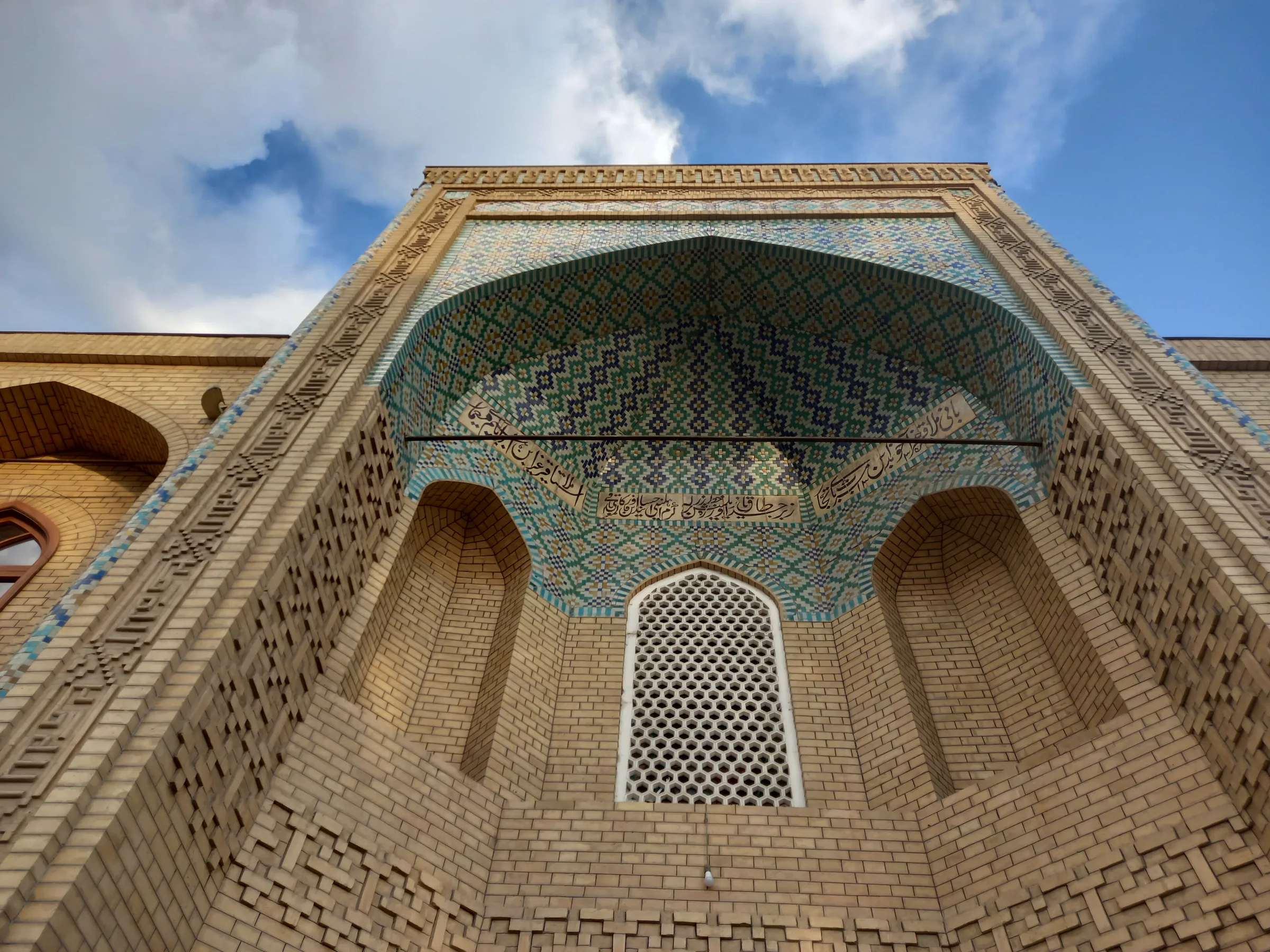
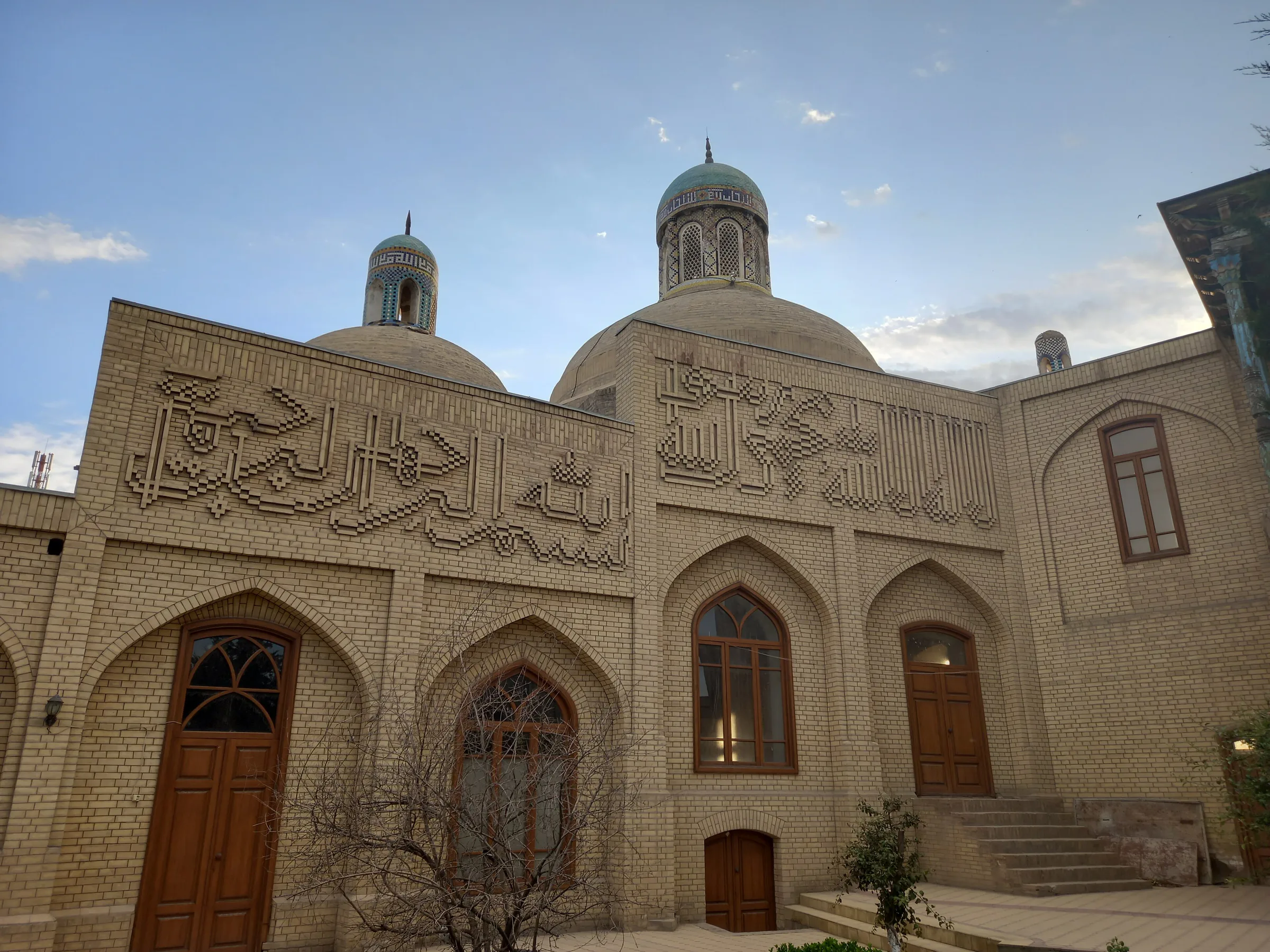
The Mullah Kyrgyz Madrasa is the best-known monument in central Namangan. Construction began in 1910 and was completed in 1912. An inscription beside the portal names both the patron — Mullah Kyrgyz, son of the merchant Mashrabboy — and the architect, usta Mullah Kyrgyz, son of Ibrohimboy; English-language sources describe the patron as a wealthy Namangan cotton trader. The inscription on the portal reads: 'Nothing endures but the good deeds of the generous.'
According to the researchers B. Ruzinov and S. Rajabov, the rectangular bricks were made by the craftsmen Mirza Dadaboy and Toshboltavoy, while the portal tiles were fired by the potters Mulla Mamasiddiq, Abdurahmon, Abduqahhor and Mamadali in a kiln built specially in the madrasa courtyard. The Soviets closed the madrasa, and for much of the 20th century it served as a literary museum; after independence local residents restored it, and it is now a protected monument.
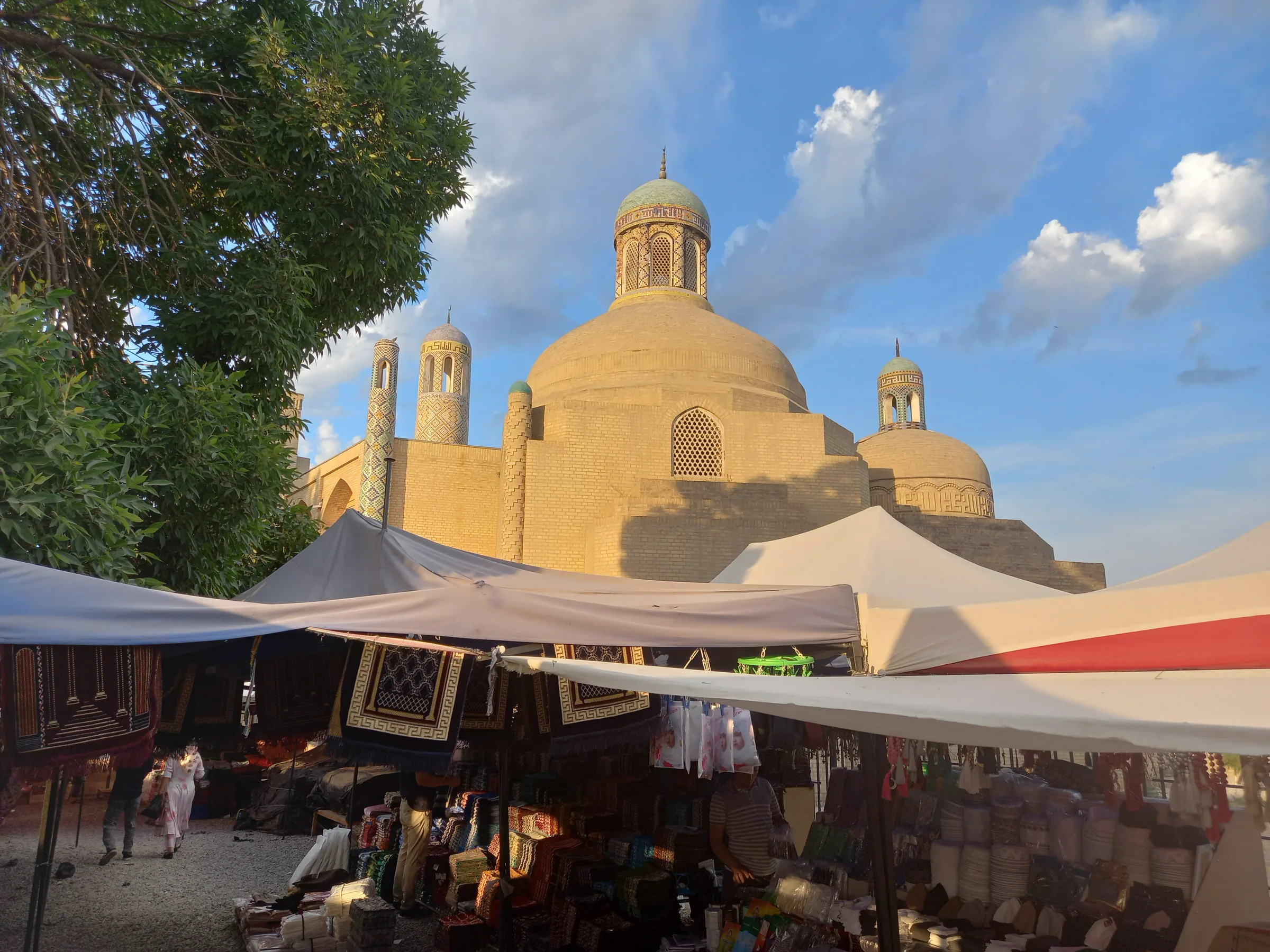
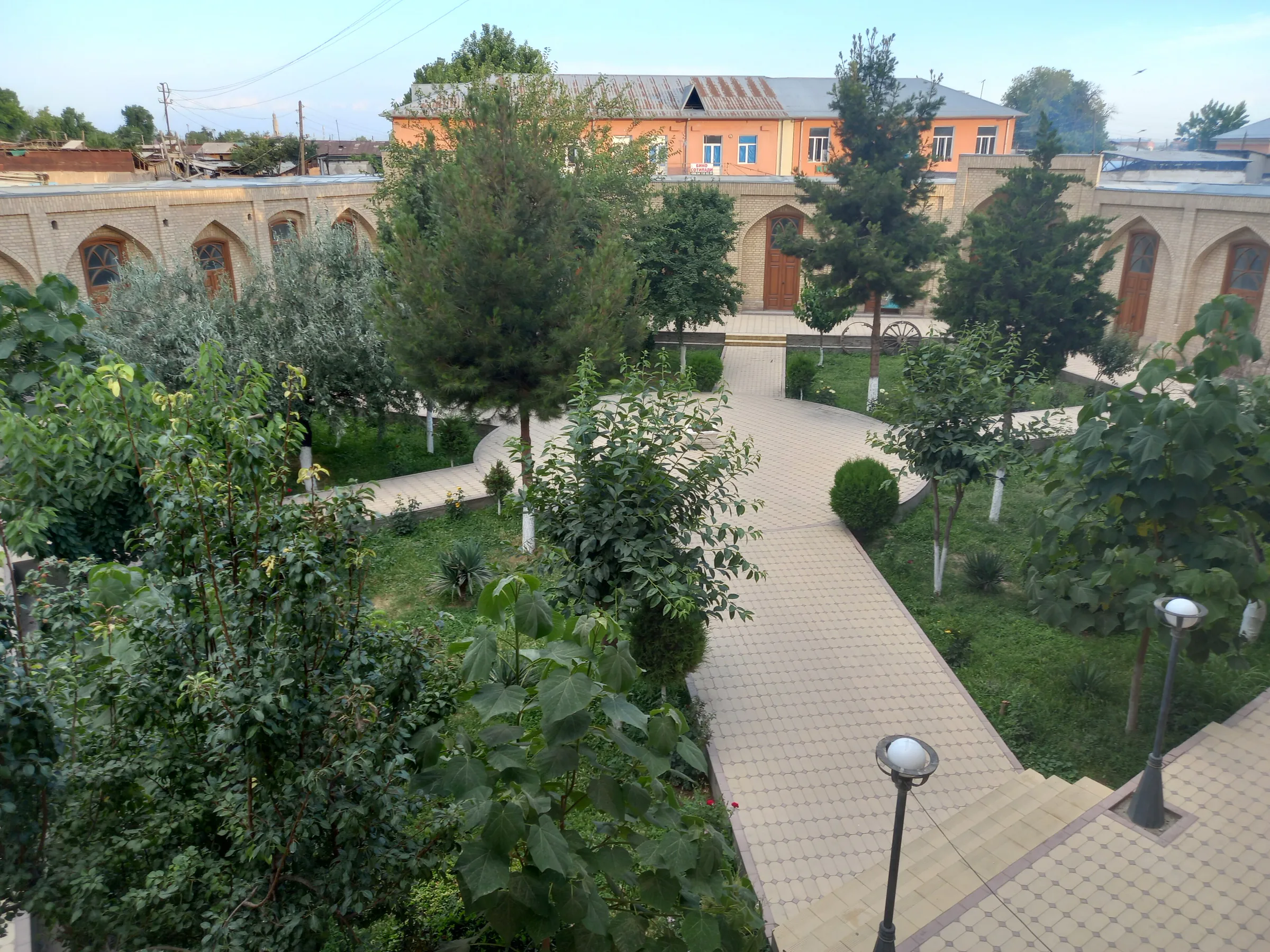
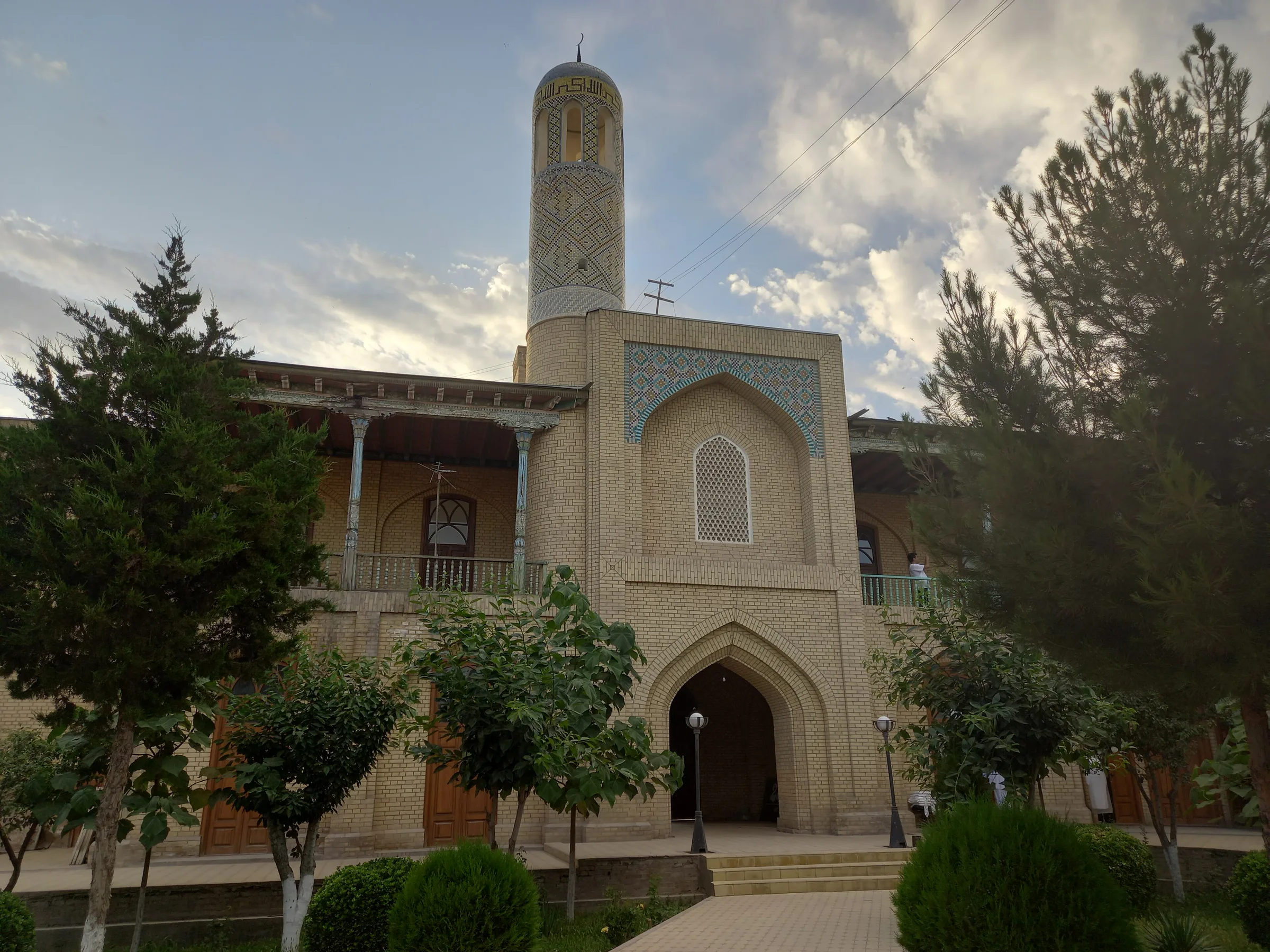
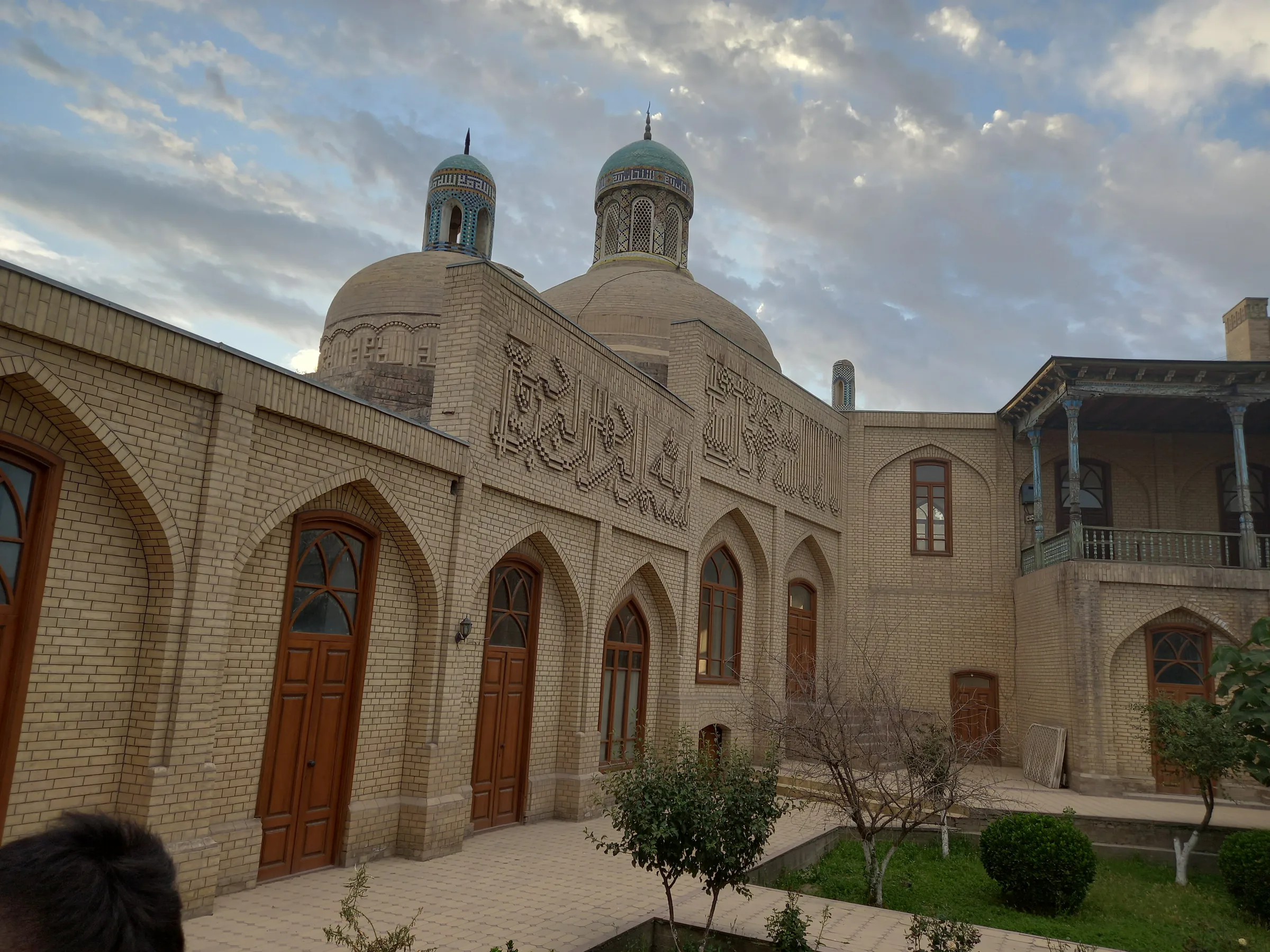
Set in the city centre, the madrasa follows an irregular, five-sided plan dictated by its plot — a rare solution among Central Asian madrasas. The main facade has two storeys, as do the 41 cells around the courtyard, which are lit through latticed windows. To the right of the entrance stand the mosque and the domed lecture hall, their great domes built side by side; the building has three domes in all, and a small minaret rises in the courtyard.
The portal and its inner faces are laid without plaster in glazed brick: white, blue, sky-blue, yellow and dark-blue tiles form patterns typical of Fergana Valley monuments. A row of mihrab-shaped arches gives the cells on the main front a stately air. The madrasa is remarkable less for tradition than for the originality of its plan and design.
In recent years the madrasa has become a home for the city's artisans: masters of nearly ten kinds of folk applied art — woodcarving, embroidery, skullcap making and more — work and sell in the cells and take part in exhibitions. The square around it has recently been landscaped, and the building is one of the most photographed sights in Namangan.
The madrasa's name is linked sometimes to its architect and sometimes to its patron — according to the inscription, both were called Mullah Kyrgyz. And the kiln built in the courtyard just to fire the tiles shows how carefully the work was organised. Usta Mullah Kyrgyz also designed Namangan's Ota Valikhon Tora Mosque, whose 13.9-metre double dome is further proof of his skill. The madrasa is listed as a cultural heritage site of national importance.
Mausoleum · Namangan
Mausoleum and mosque of Khoja Amin
Mosque · Namangan
Beneath a 14-metre dome
Museum · Namangan
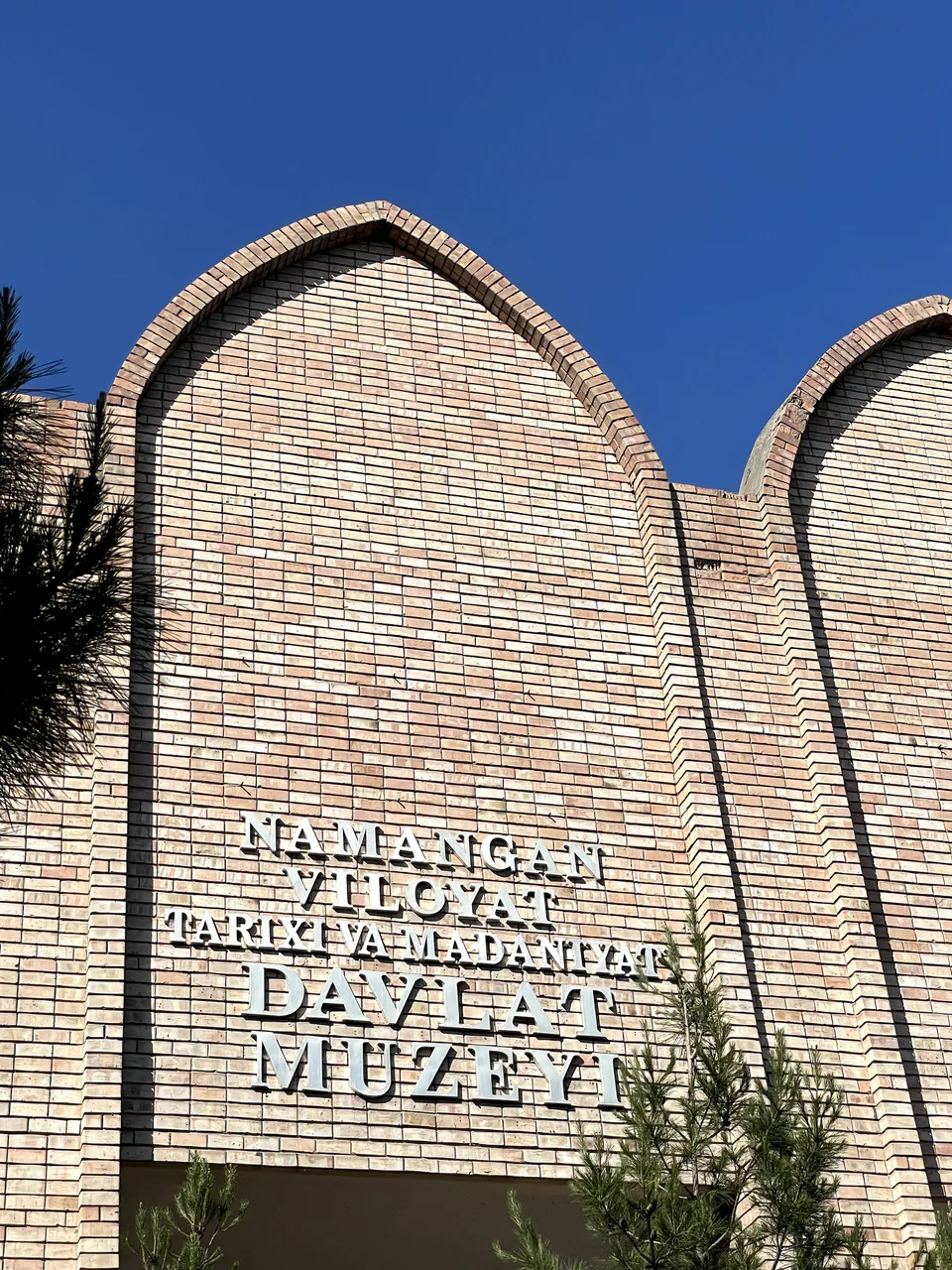
A local-history treasure house since 1918
Park & garden · Namangan
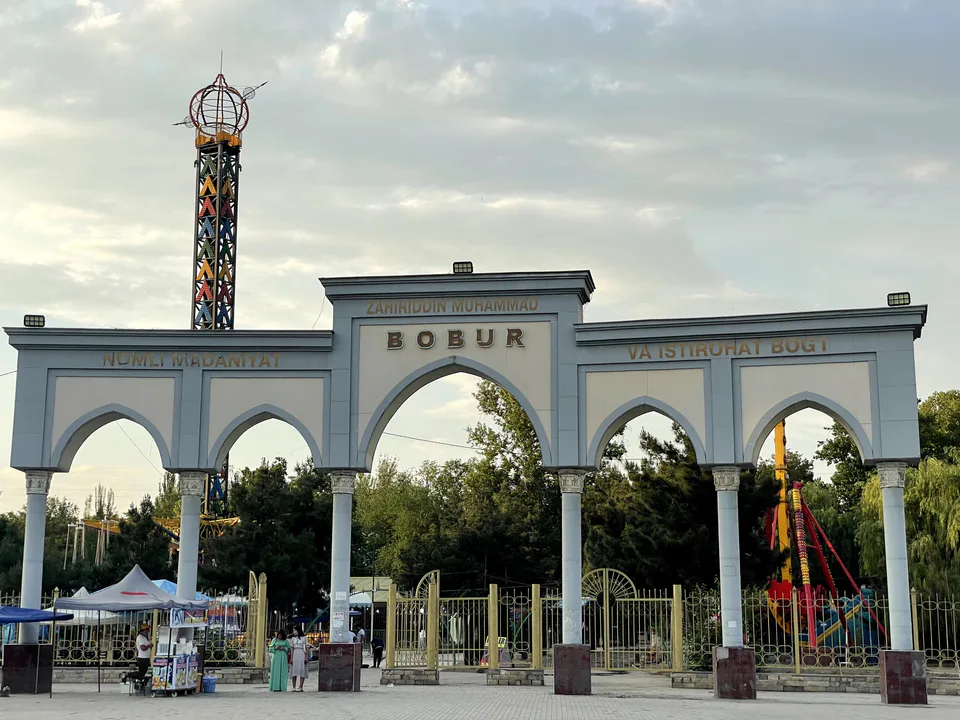
A city garden beneath centuries-old plane trees
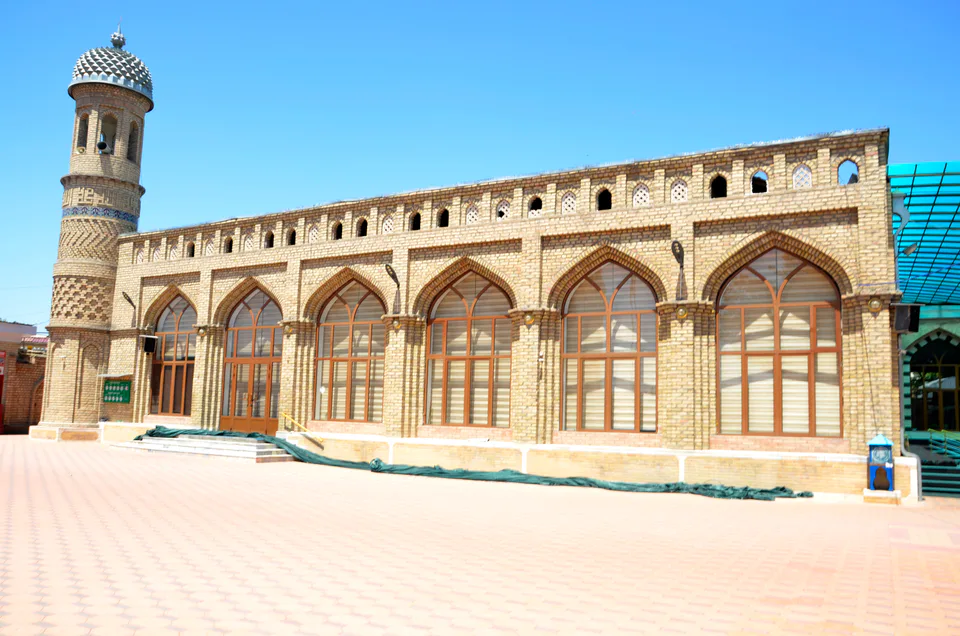
Pilgrimage site · Namangan
Shrine of Mashrab's teacher
Mausoleum · Namangan
A tomb whose walls are covered in verse
Mosque · Namangan
A 'painted' mosque rebuilt after a fire
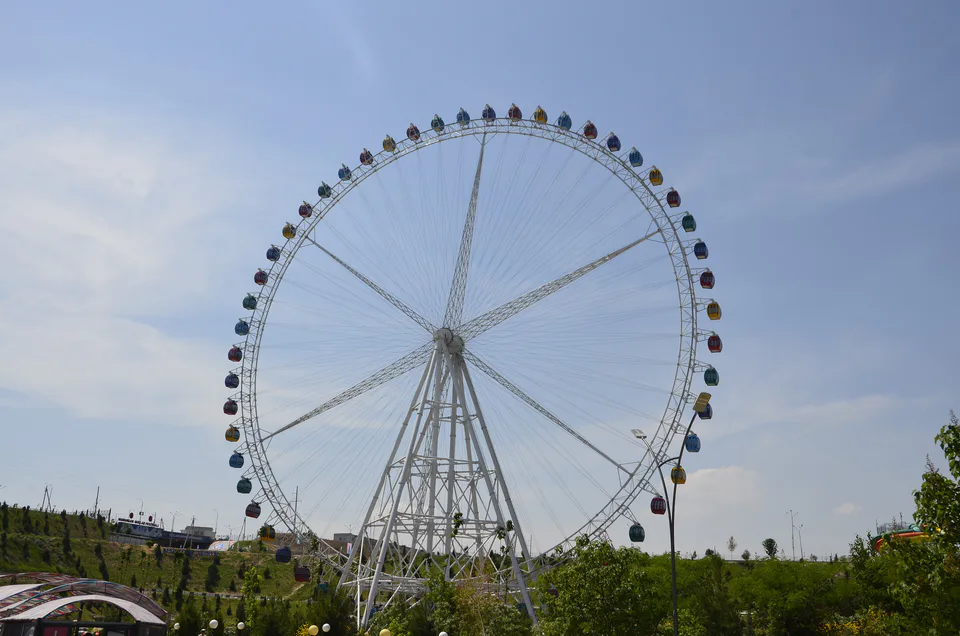
Entertainment · Davlatobod District
Modern Namangan's landmark
Mausoleum · Uychi District
Shrine of a 'holy fool' teacher and healer
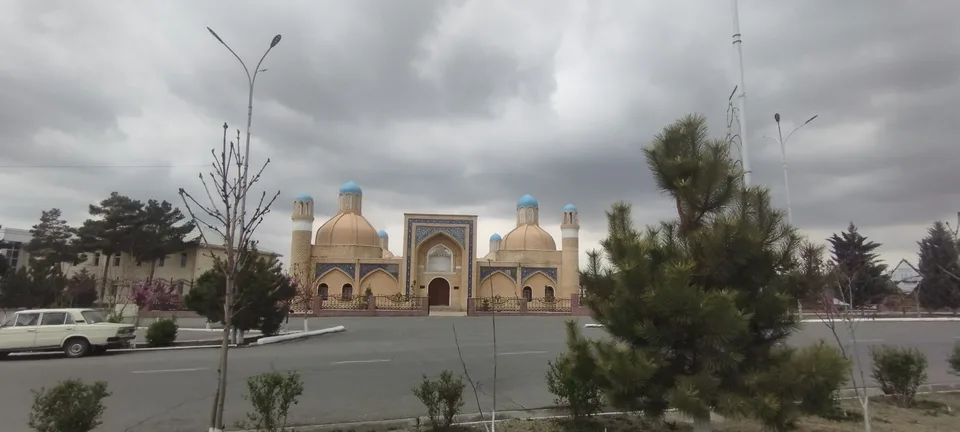
Museum · Turakurgan District
In memory of an enlightener and publisher