Archaeology · Samarkand
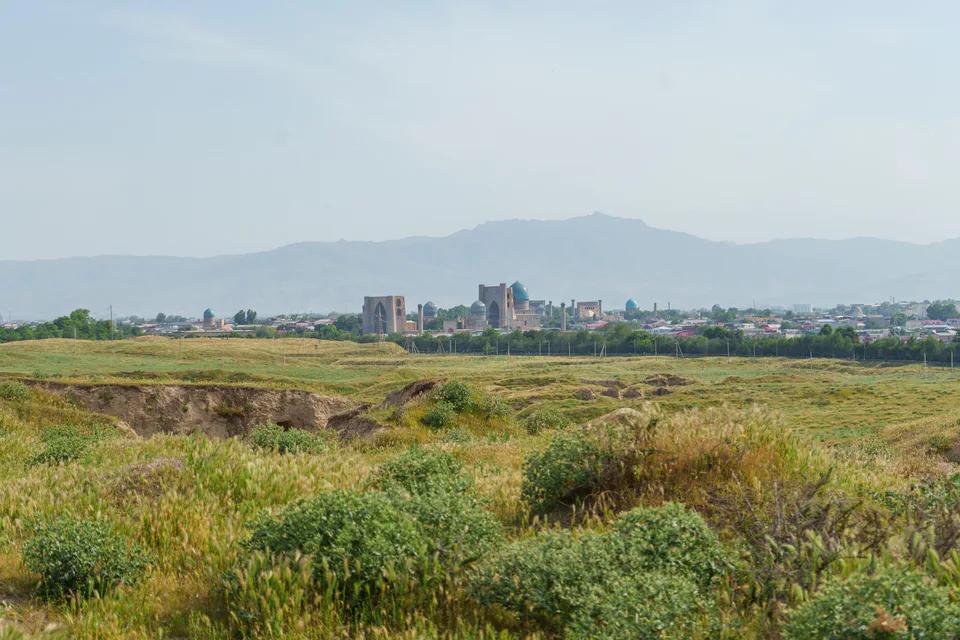
Afrasiyab
The ruins of pre-Mongol Samarkand
Ruler · Antiquity
Sogdian commander, leader of the revolt against Alexander
died 328 BC
A Sogdian noble who led the revolt against Alexander the Great in Sogdiana and Bactria in 329–328 BC. Ancient writers portray him as one of Alexander's most tenacious opponents.
Almost everything known of Spitamenes comes from the Greek and Roman historians Arrian and Quintus Curtius Rufus; his year of birth is unknown. A Sogdian noble, he was an ally of Bessus, the satrap of Bactria who proclaimed himself king after the fall of the Achaemenids. In 329 BC, once Alexander had crossed the Amu Darya, Spitamenes and other Sogdian lords seized Bessus and handed him over to the Macedonians. Soon afterwards, while Alexander was founding a new city on the Syr Darya, Spitamenes raised Sogdiana in revolt and besieged the Macedonian garrison at Maracanda (Samarkand).
A force sent by Alexander was ambushed on the Polytimetus, today's Zeravshan, and almost wiped out — Arrian puts the Macedonian losses at no fewer than 2,000 infantry and 300 cavalry, one of the worst defeats of Alexander's campaigns. Spitamenes then allied with Massagetae and Saka nomads and waged two years of mobile warfare across Bactria and Sogdiana. Late in 328 BC, after losing a battle at Gabae to the general Coenus, he was killed by his nomad allies, who sent his head to Alexander; Curtius says his own wife killed him — the sources differ.
His daughter Apama married Alexander's general Seleucus in 324 BC and became queen of the Seleucid dynasty; several cities named Apamea honoured her. In Uzbekistan and Tajikistan Spitamenes is celebrated as a symbol of the fight for independence, and novels and plays have been written about him. The ruins of Afrasiyab in Samarkand, ancient Maracanda, set the scene of these events.
Places
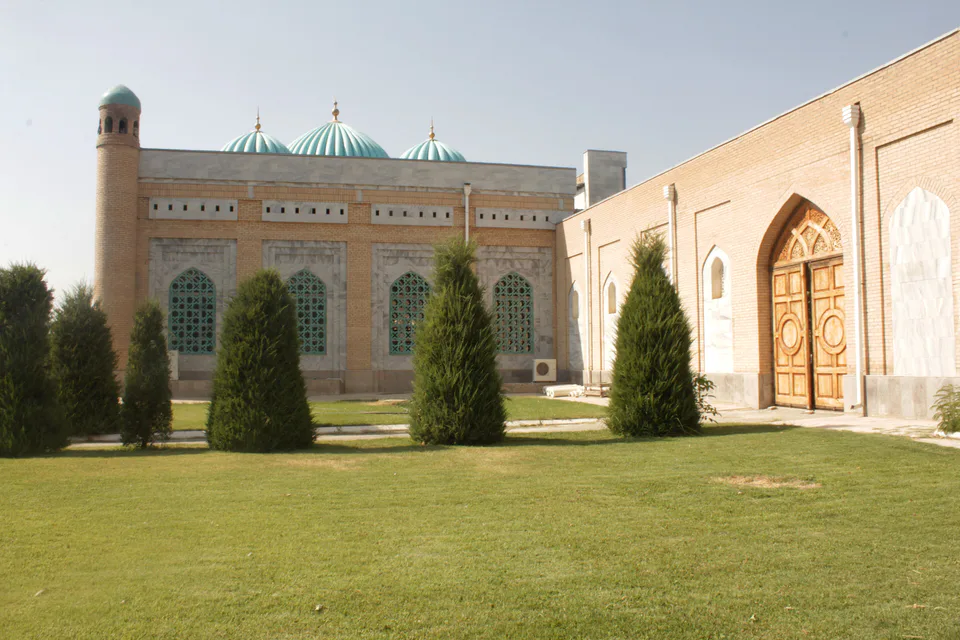
810–870
Hadith scholar, compiler of the Sahih al-Bukhari
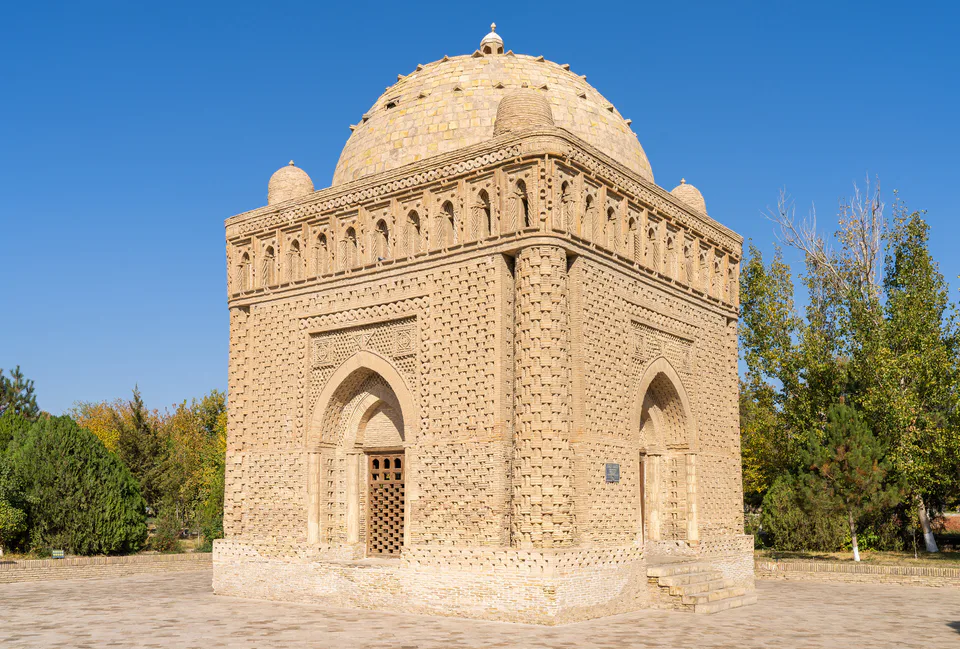
849–907
Samanid emir, founder of the Bukharan state
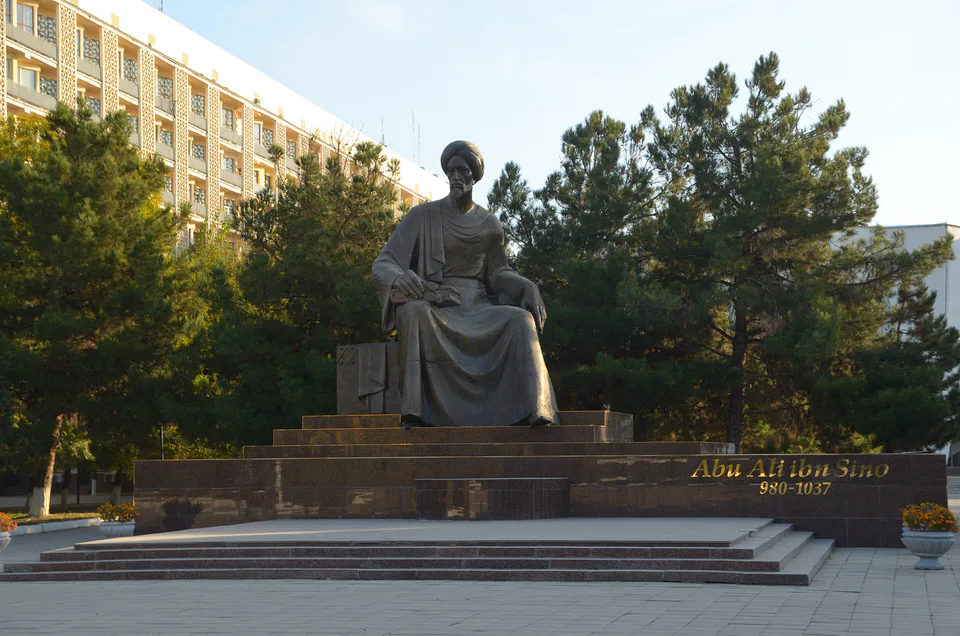
980–1037
Physician, philosopher, polymath
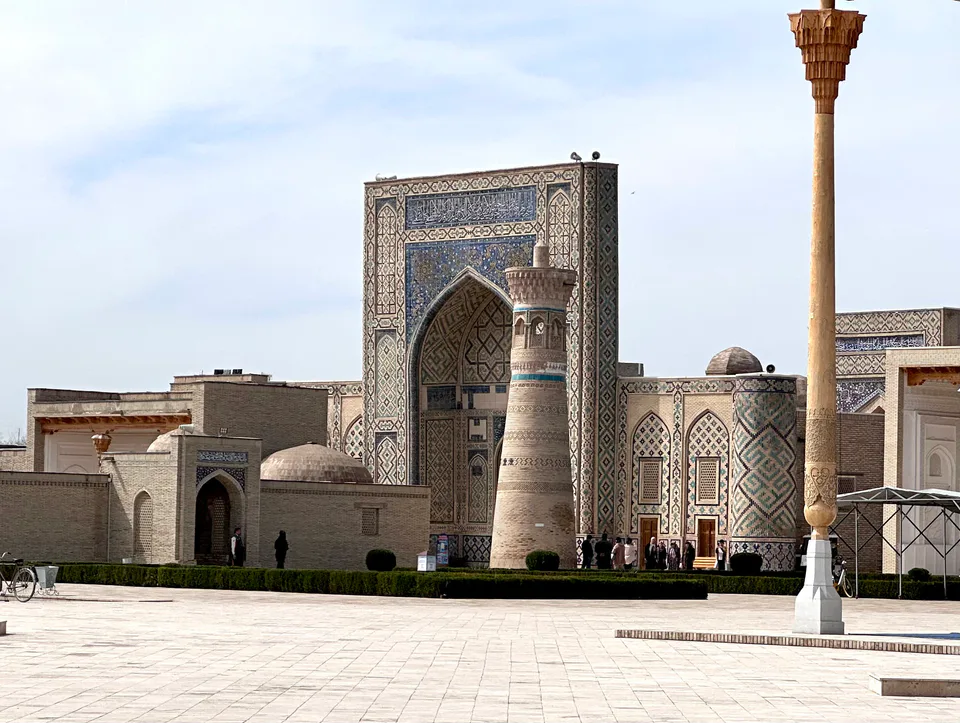
1103–1179
Sufi master, founder of the Khwajagan path
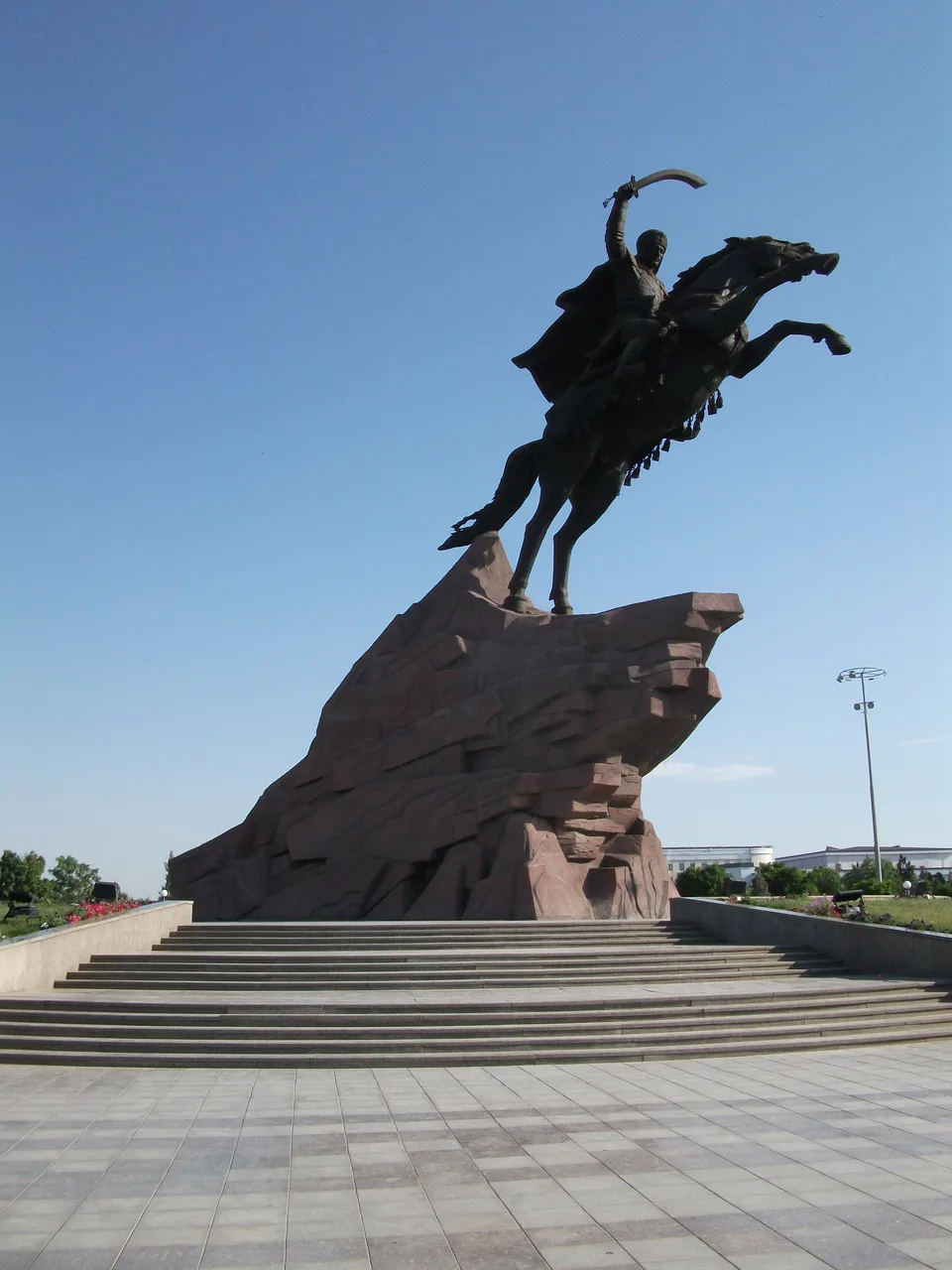
1199–1231
Last Khwarazmshah, military commander
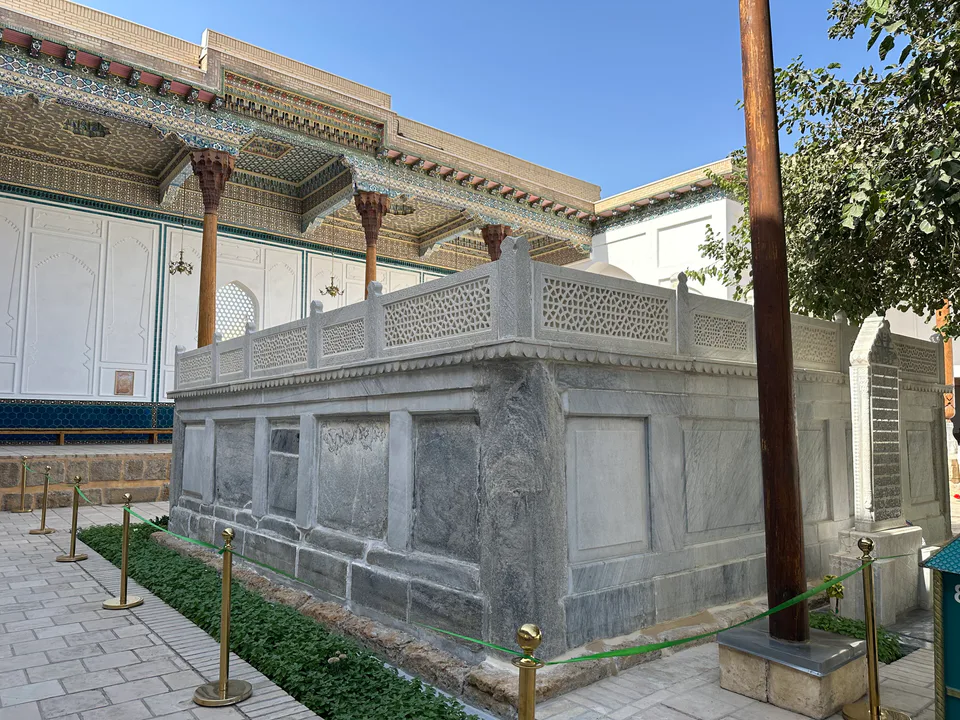
1318–1389
Sufi master, founder of the Naqshbandi order
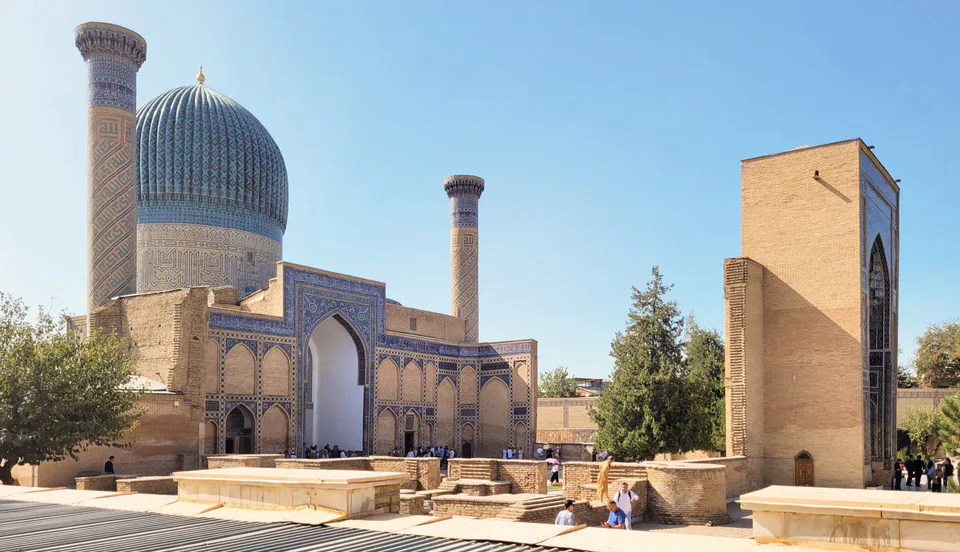
1336–1405
Ruler, conqueror, founder of the Timurid Empire
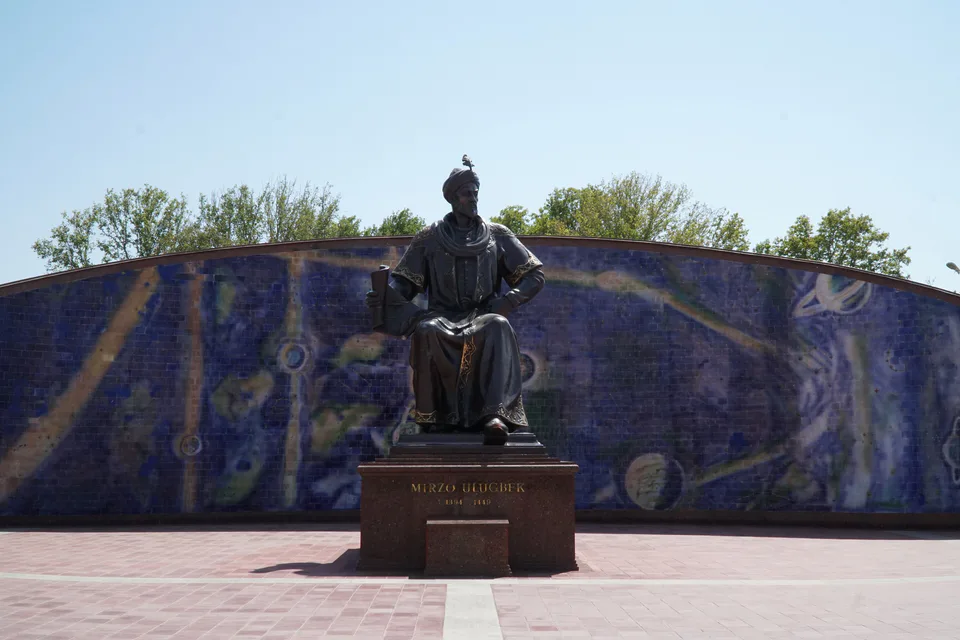
1394–1449
Ruler, astronomer, mathematician
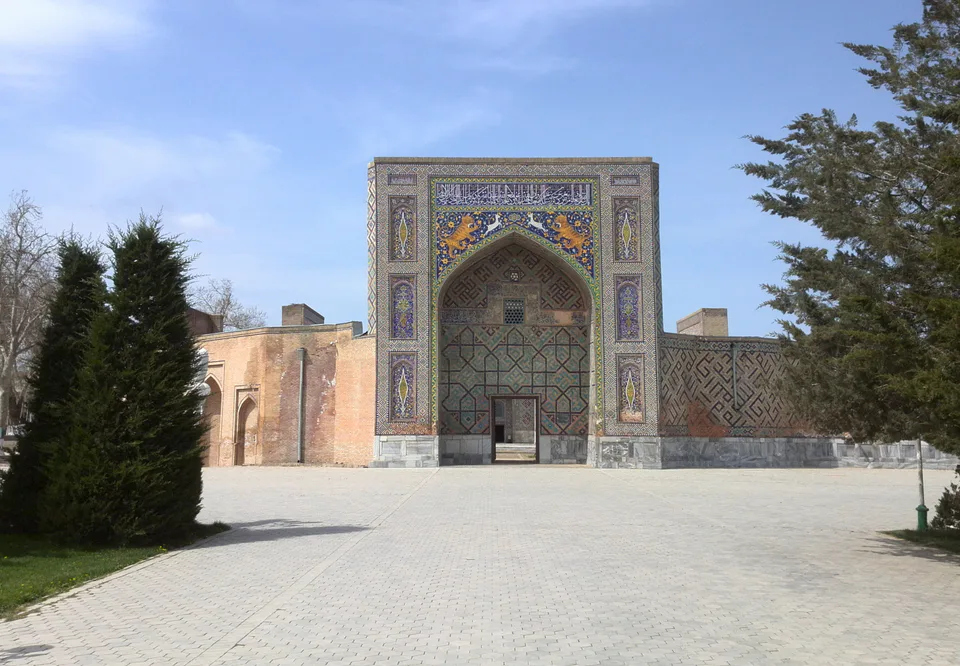
1404–1490
Naqshbandi sheikh, statesman and public figure
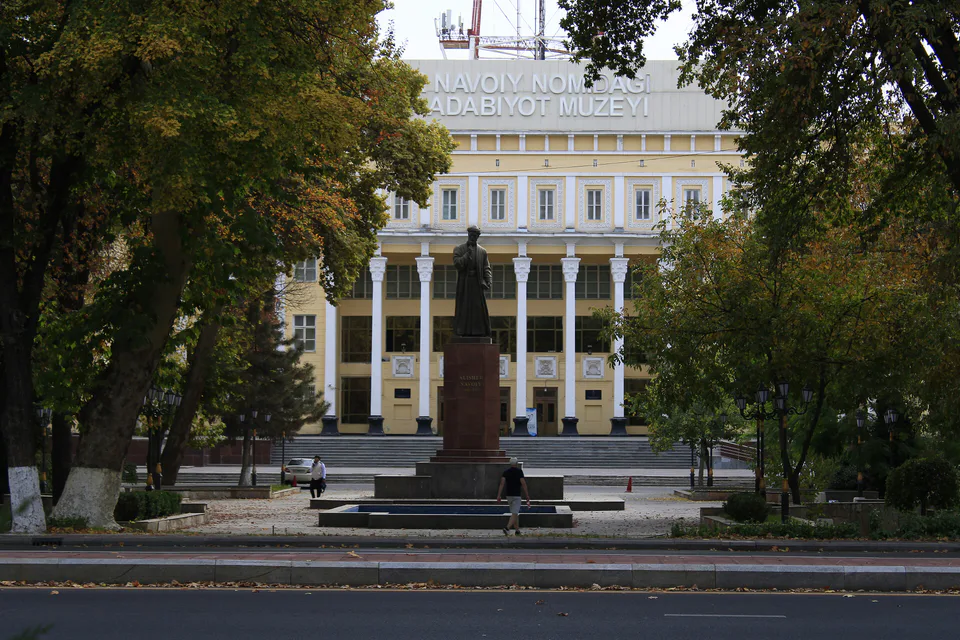
1441–1501
Poet, thinker, statesman, founder of Uzbek literature
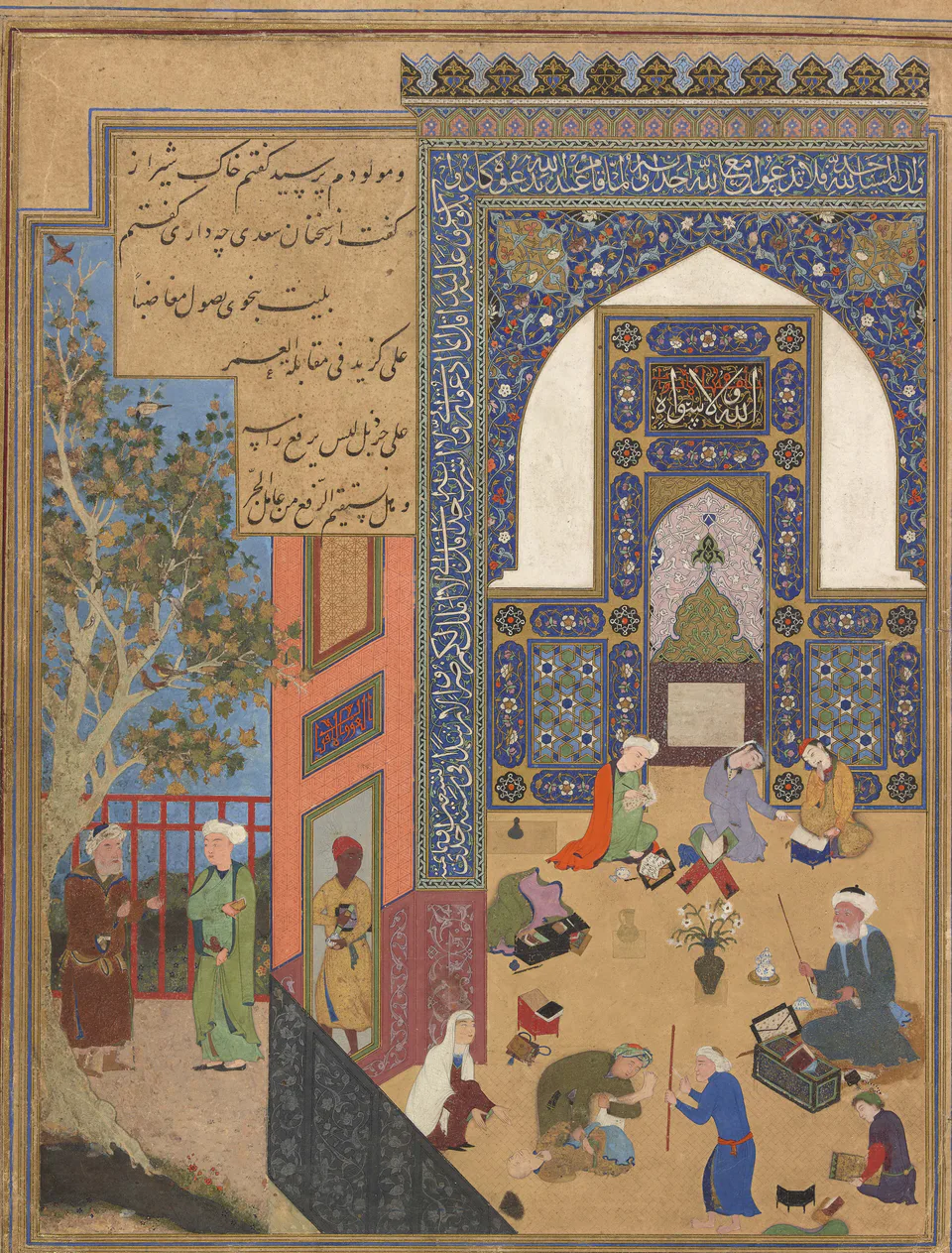
1455–1535
Miniature painter
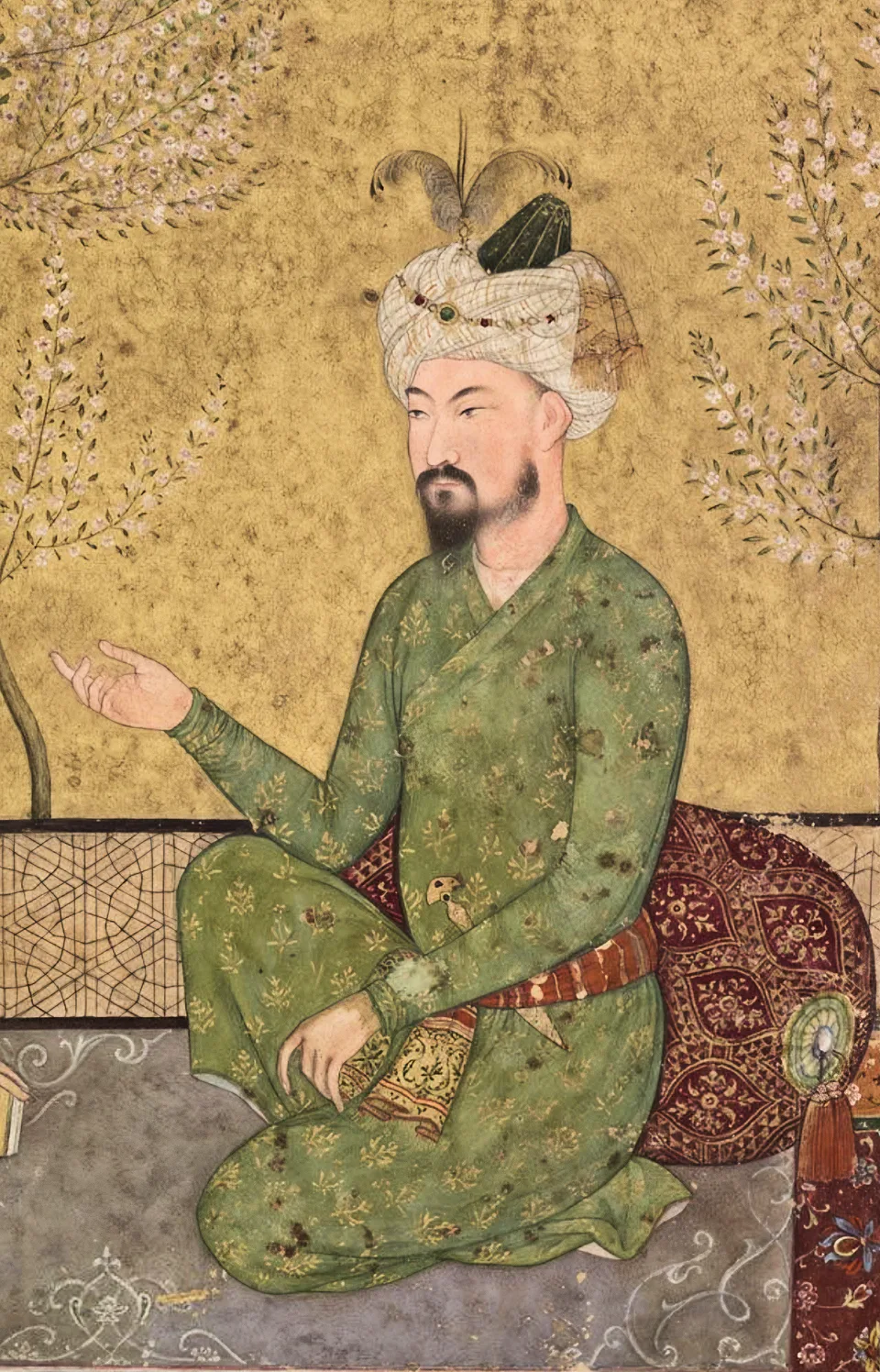
1483–1530
Ruler, poet, author of the Baburnama, founder of the Mughal Empire