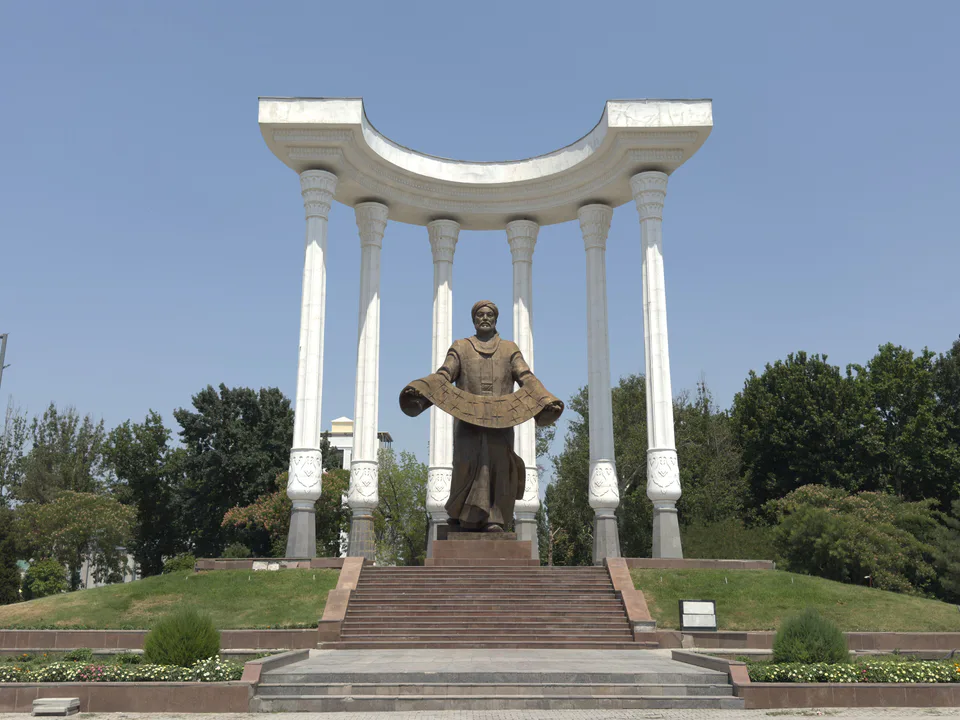
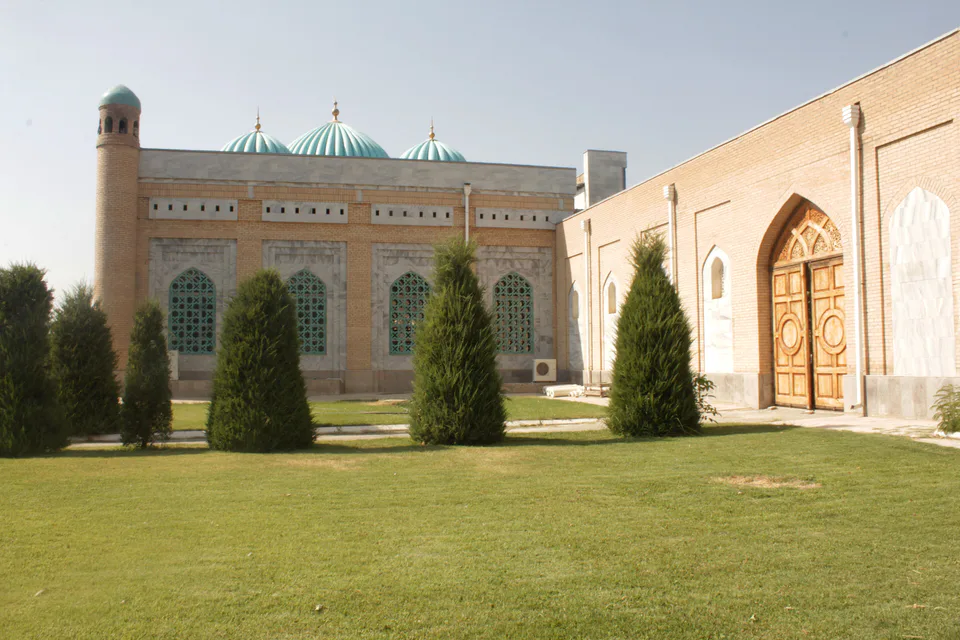
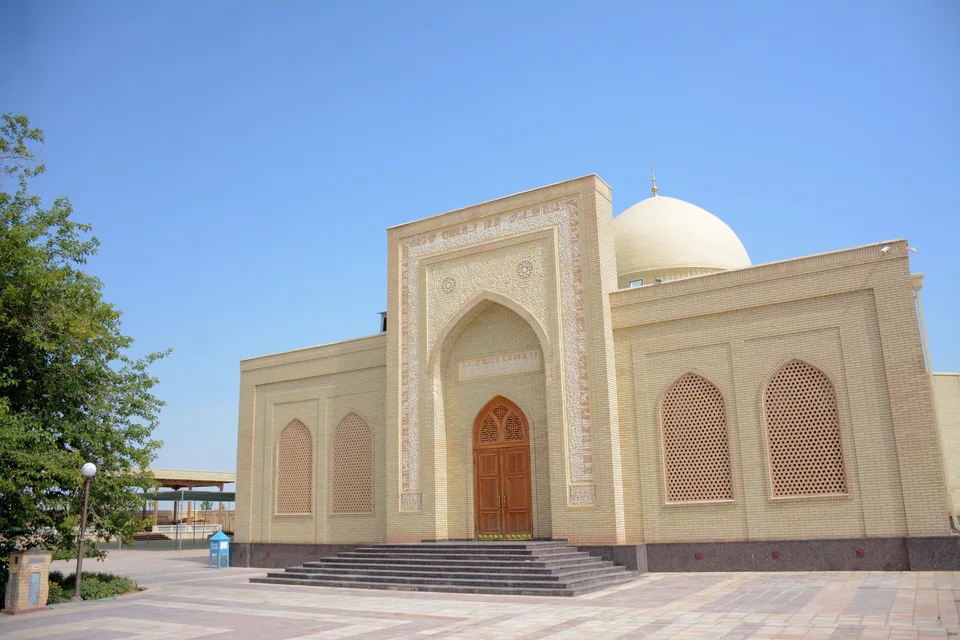
The Samanid emir who united Transoxiana and Khurasan in the late 9th century and made Bukhara the capital of a great state. The Samanid Mausoleum in Bukhara is one of Central Asia's most celebrated buildings.
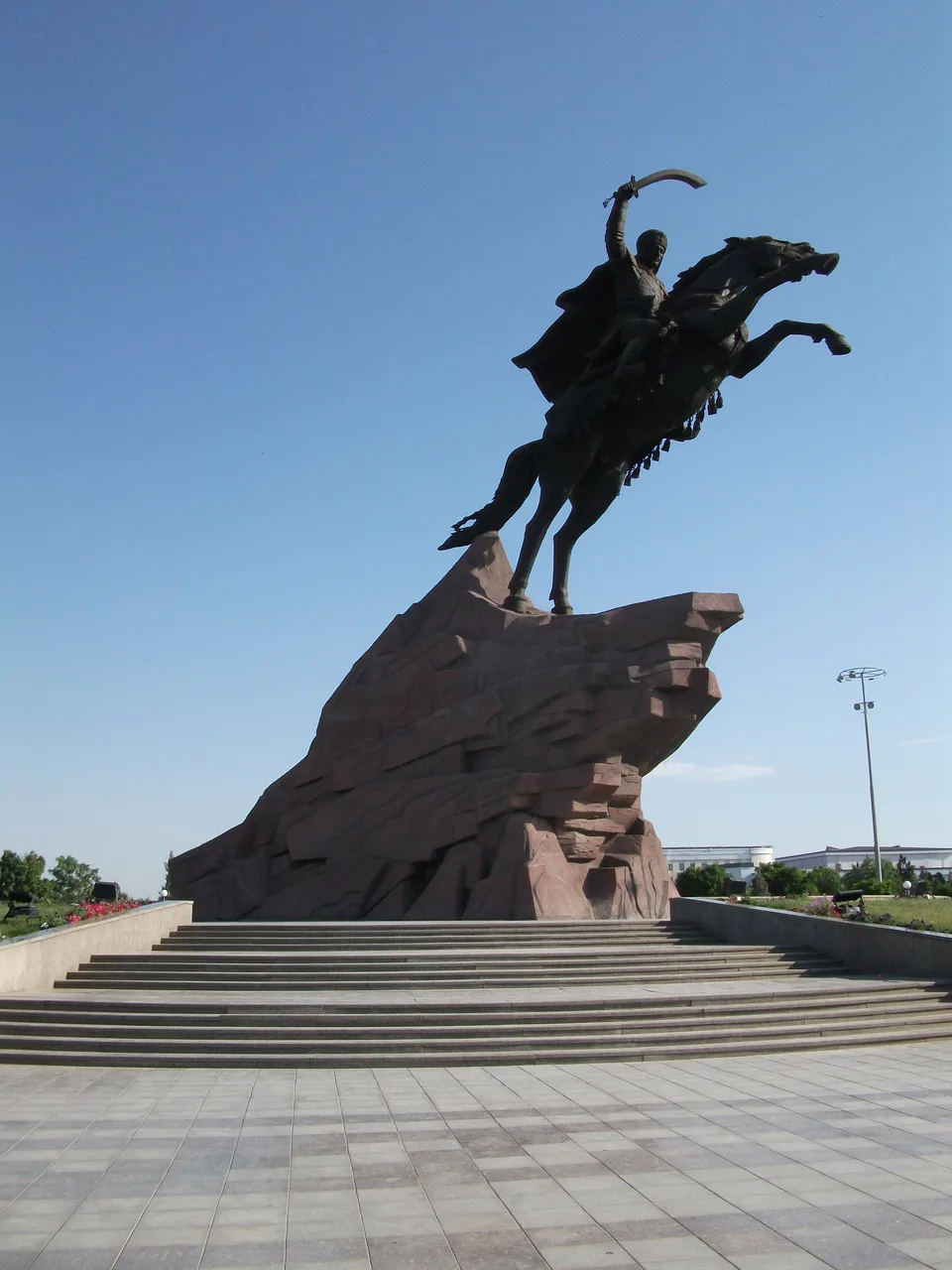
Abu Ibrahim Ismail ibn Ahmad Samani was born in 849; some sources give his birthplace as Fergana. He descended from Saman Khuda of Balkh, who had abandoned Zoroastrianism for Islam. In the 870s his brother Nasr I, ruler of Transoxiana, sent him to govern Bukhara. After a war between the brothers and Nasr's death in 892, Ismail became ruler of all Transoxiana and made Bukhara his capital. In 893 he campaigned in the Talas valley and took the city of Taraz, and in 900 he defeated the Saffarid Amr ibn al-Layth near Balkh, winning Khurasan — a victory the caliph had to accept.
The image of a just ruler
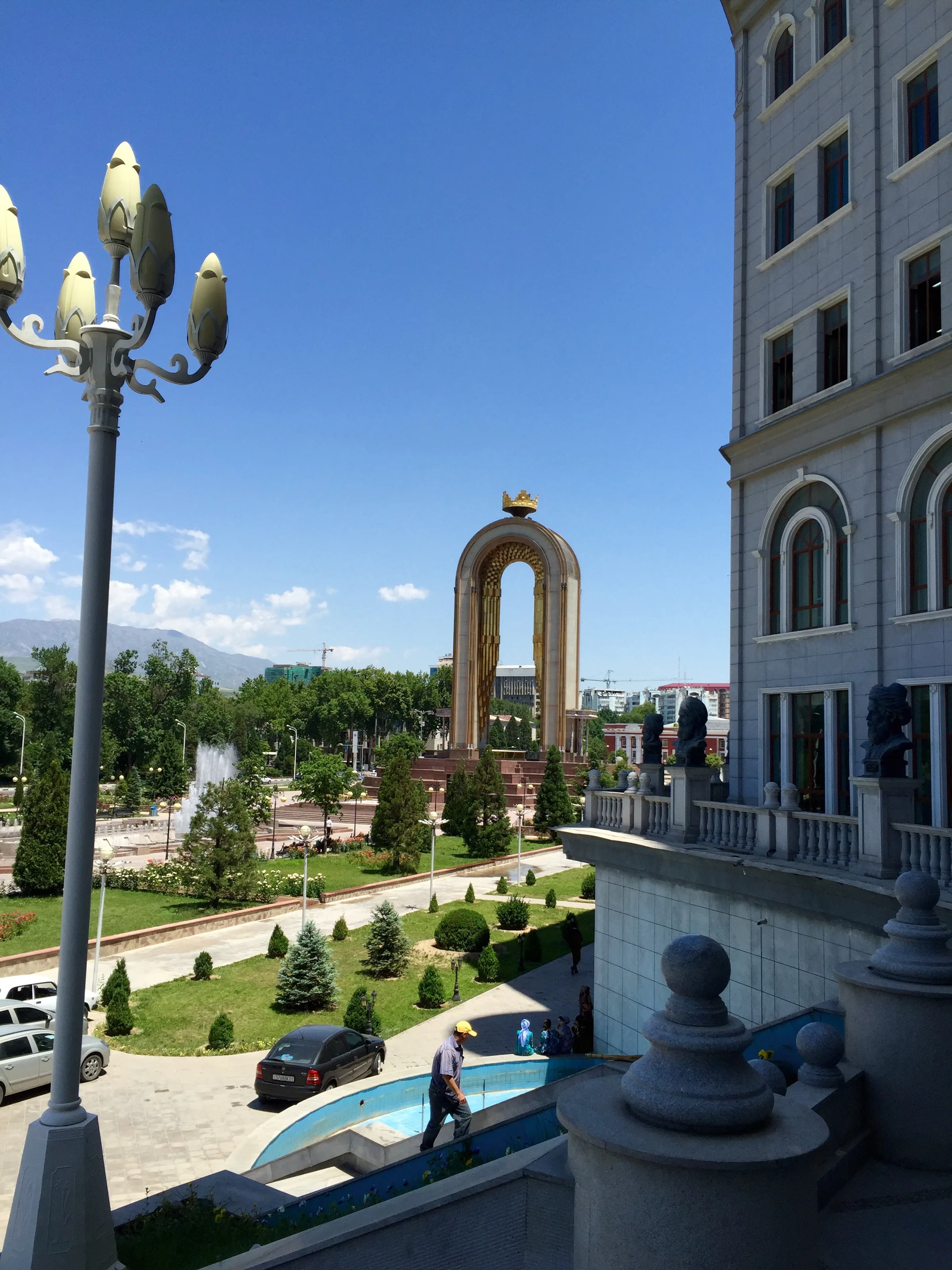
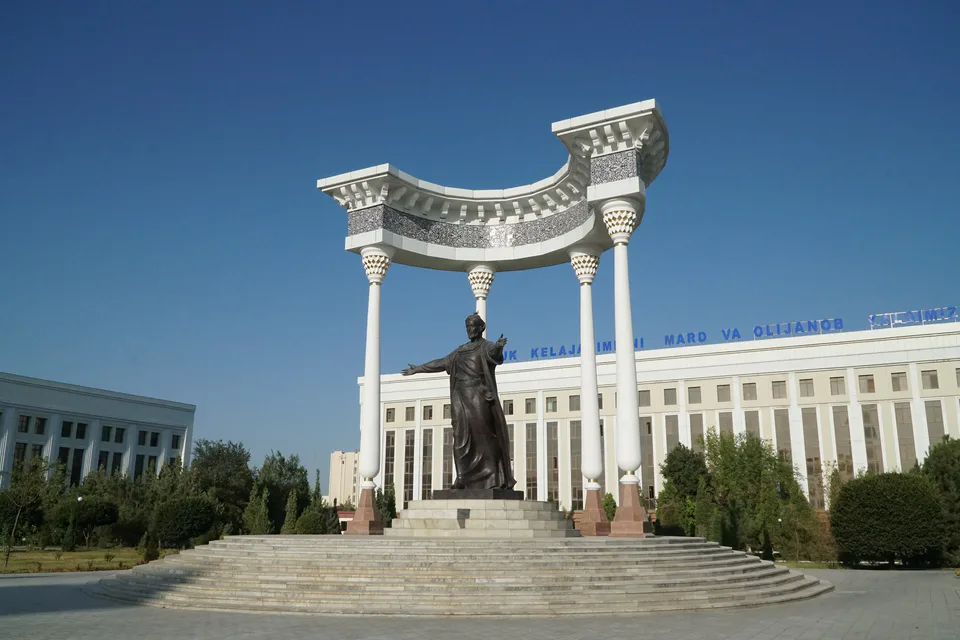
Ismail strengthened central authority and secured the frontiers against nomad raids. The 10th-century Bukharan historian Narshakhi portrays him as just and pious. Legend has it that, freeing the townspeople from the duty of repairing the walls, he declared: “As long as I live, I am the wall of Bukhara.” Persian literature, learning and crafts flourished under the Samanids. Ismail died in Bukhara in November 907. Tajikistan honours him as a national hero, naming its currency, the somoni, and its highest peak after him.
The Samanid Mausoleum
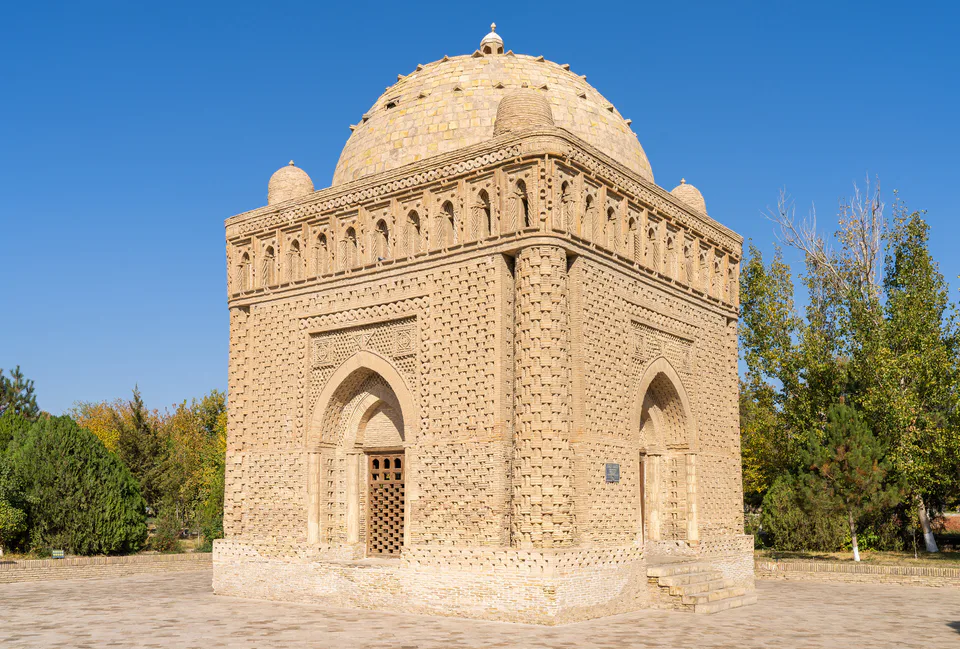
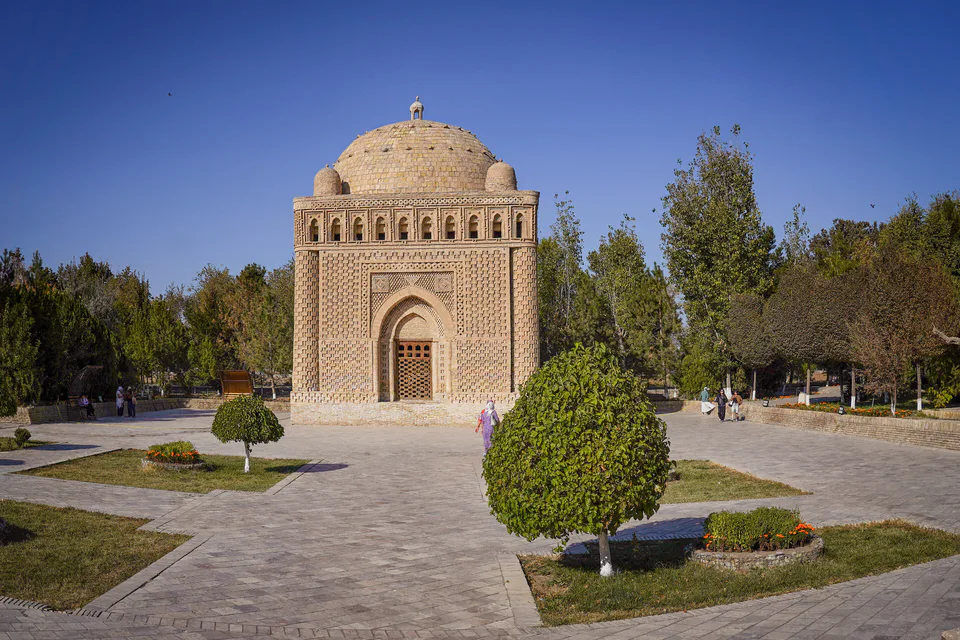
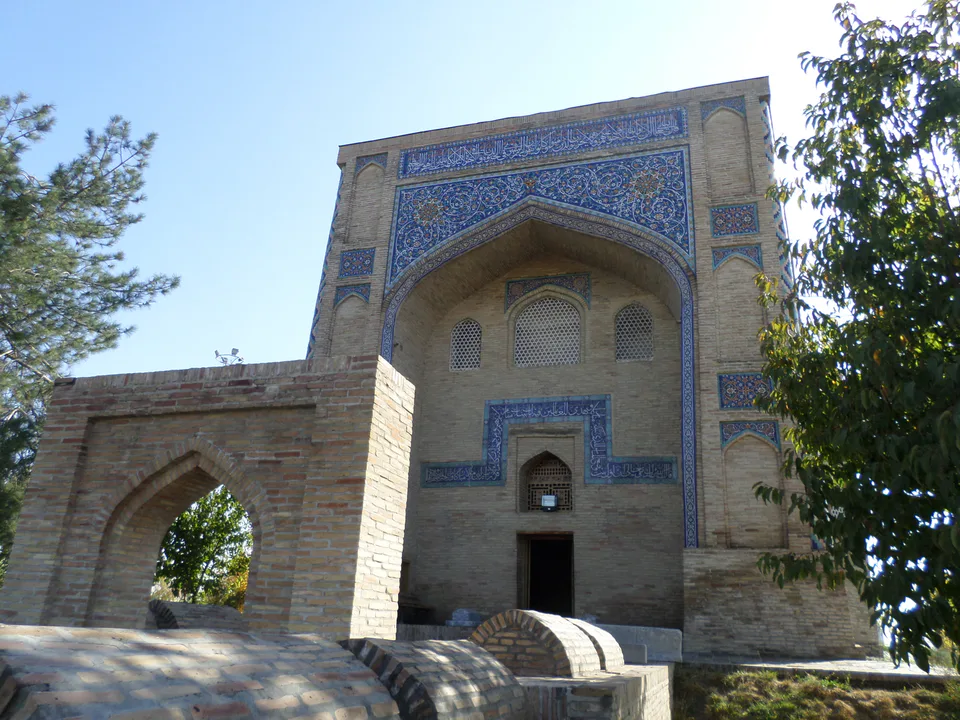
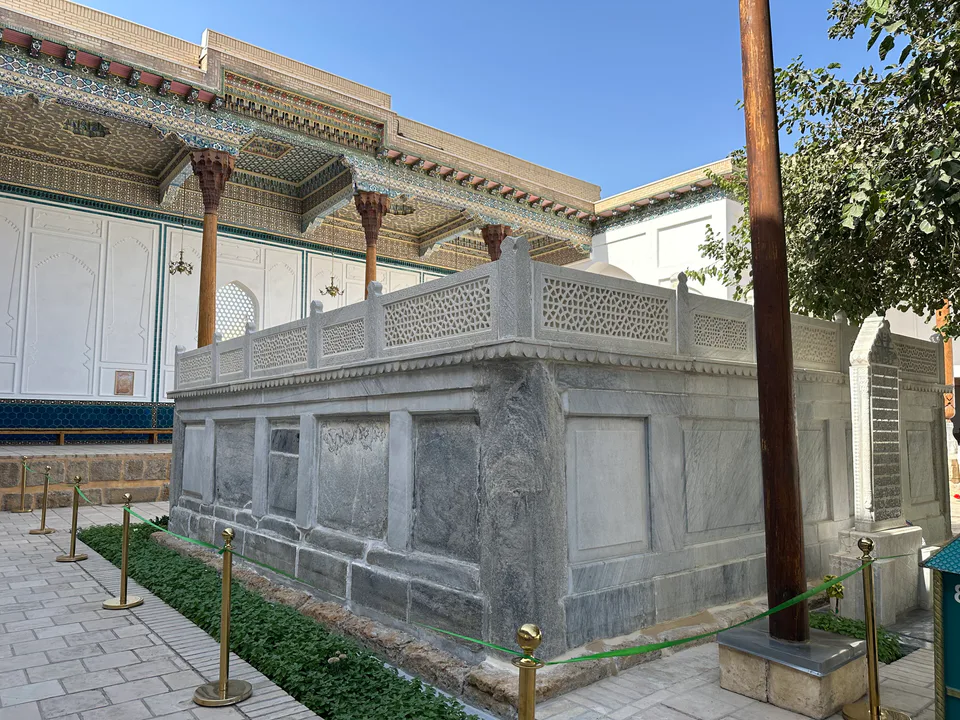
The Samanid Mausoleum in Bukhara was built in the late 9th or early 10th century as the dynasty's tomb; tradition holds that Ismail lies here, while one inscription inside names his grandson Nasr ibn Ahmad. The small domed cube is famous for patterns created by laying fired brick in different directions, so that its walls change with the light through the day. It is thought to have survived because it was buried in silt by the time of the Mongol invasion; it was cleared and studied in the 1930s. It stands in Samanid Park, within walking distance of central Bukhara.
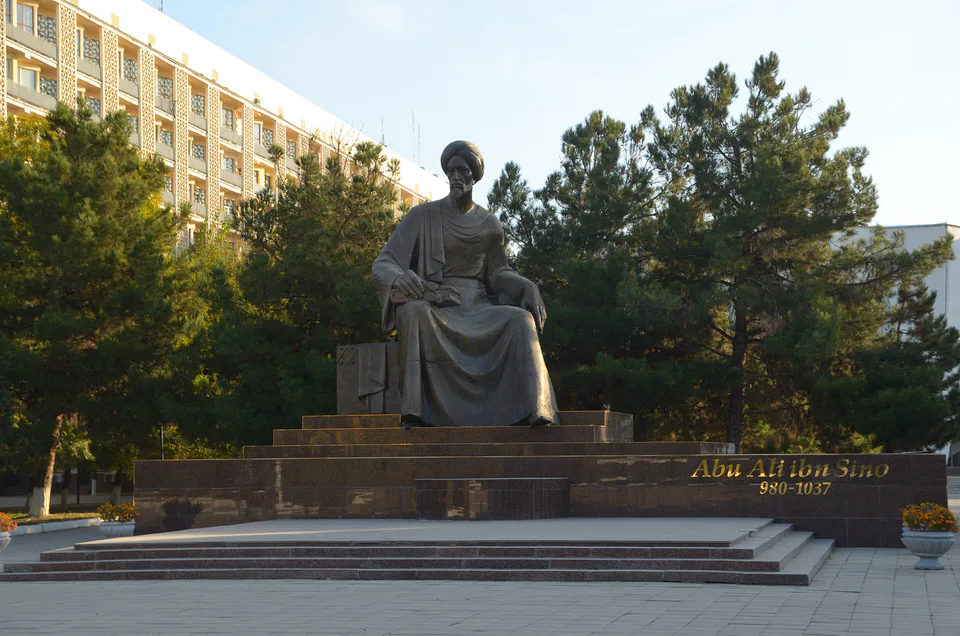
In 819 the grandsons of Saman Khuda were appointed governors of Samarkand, Fergana, Chach and Herat. From 892 Ismail Samani ruled from Bukhara, and in 900 he defeated the Saffarid Amr ibn al-Layth near Balkh, uniting Khurasan and Transoxiana. Nominally loyal to the Abbasids, the Samanids were independent in practice. Under them Bukhara and Samarkand became centres of learning: Persian poetry flourished with Rudaki, the young Ibn Sina studied in the Bukhara library, and Samarkand paper spread far and wide. The state fell to the Karakhanids in 999. Its best-known legacy is the Samanid Mausoleum in Bukhara.