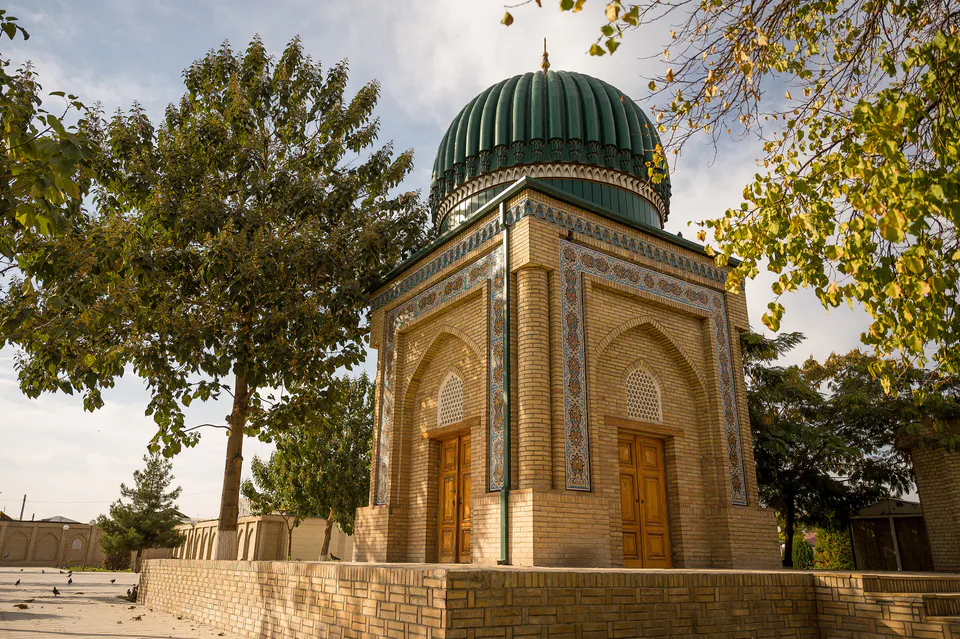
The 9th-century astronomer known in Europe as Alfraganus. Born in the Fergana Valley, he worked in Baghdad and Cairo; his “Elements of Astronomy” was read in medieval Europe for centuries.
Abu al-Abbas Ahmad ibn Muhammad ibn Kathir al-Farghani was born early in the 9th century, around 798, in the Fergana Valley, as his name indicates. Many sources give Quva as his birthplace, some Margilan, but there is no firm evidence. He worked first in Merv and then at the court of the caliph al-Ma'mun in Baghdad's House of Wisdom, where he took part in measuring an arc of the Earth's meridian. Later he moved to Egypt and served as an engineer in Cairo; according to the sources, the Nilometer on Roda Island was built under his direction in 861. The year of his death is unknown, but it was after 861.
The “Elements of Astronomy” and its influence
Al-Farghani's main work, the “Book on the Celestial Motions and the Compendium of the Science of the Stars”, presented Ptolemy's Almagest in clear, concise form, corrected by newer observations. Translated into Latin twice in the 12th century, it served for centuries as an astronomy textbook in European universities, and Dante is thought to have drawn on it for the heavens of the Divine Comedy. Christopher Columbus relied on his figures for the size of the Earth, though he mistook Arabic miles for Roman ones. A treatise on the astrolabe also survives, and the lunar crater Alfraganus is named after him.
Remembered in Fergana
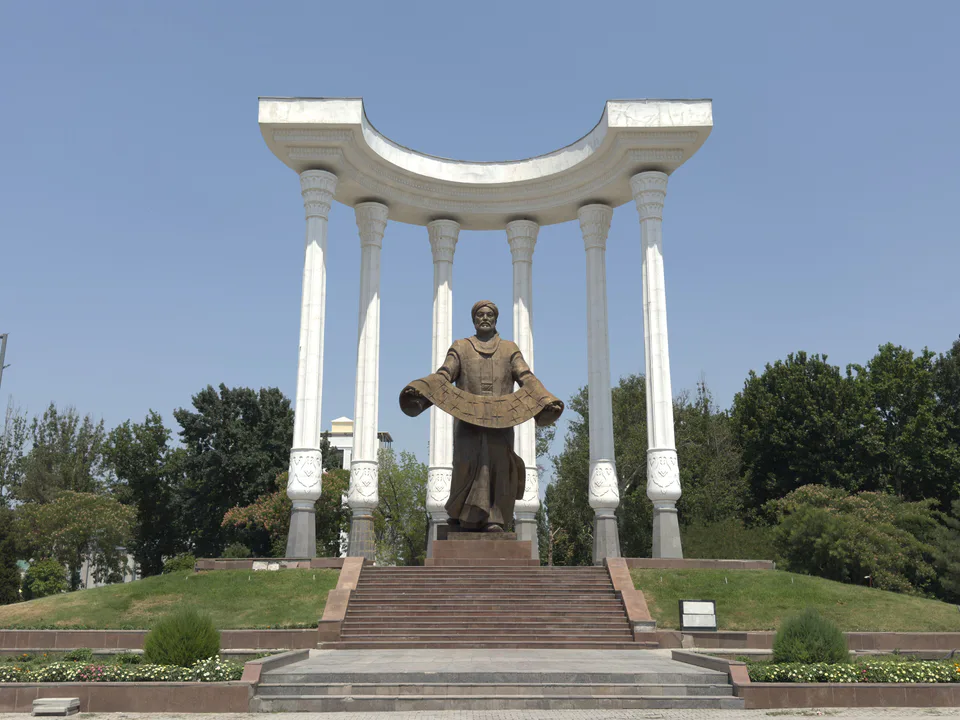
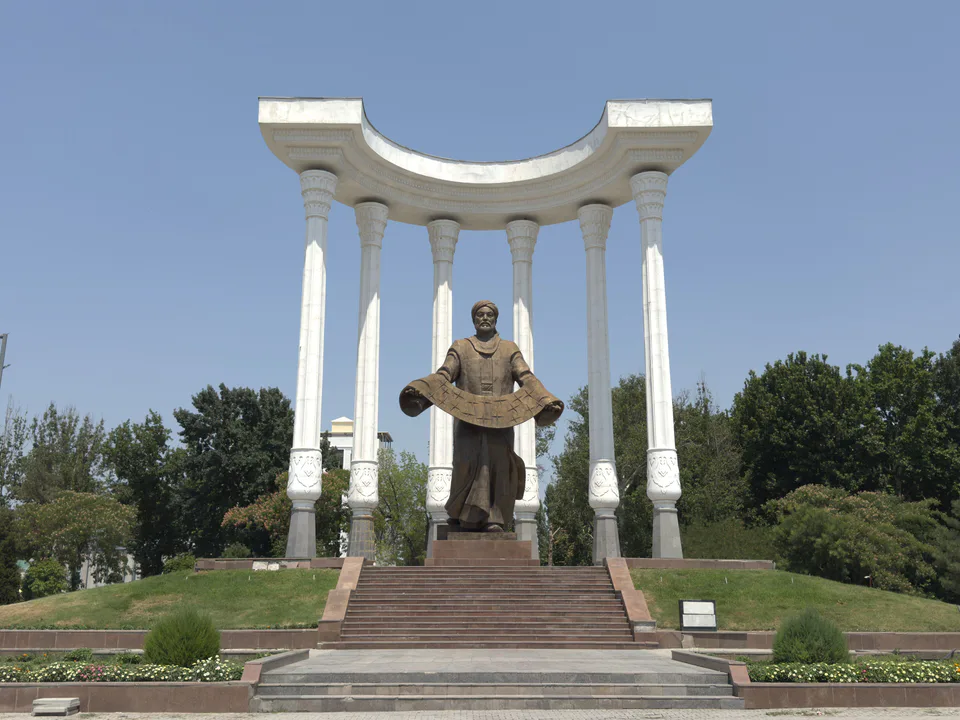
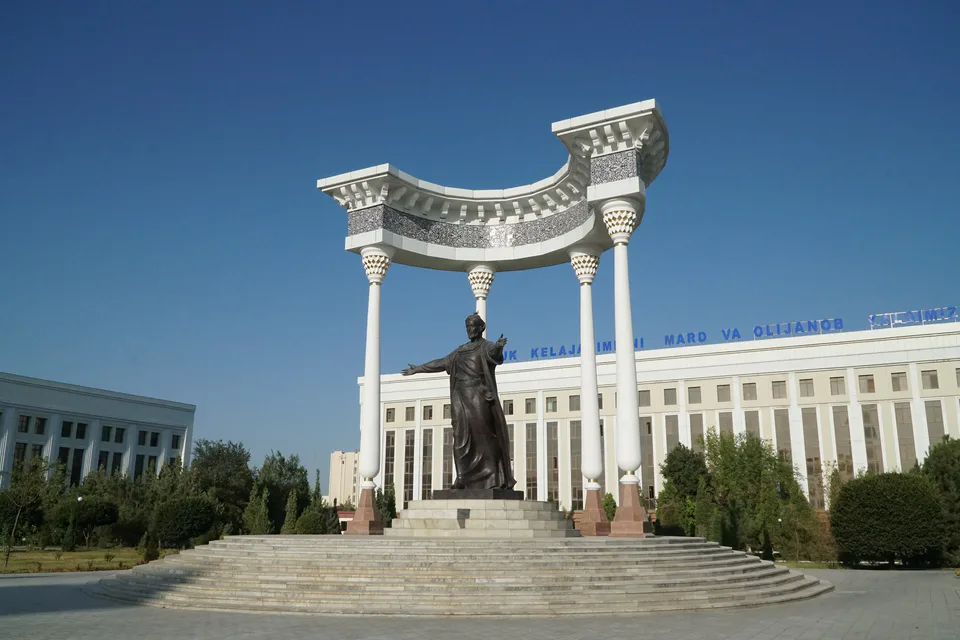
His anniversary was celebrated internationally with UNESCO's participation in 1998. Fergana has a park named after Ahmad al-Farghani, while ancient Quva, traditionally regarded as his birthplace, has a statue of the scholar, and schools and streets across the valley bear his name. The park is a pleasant place to begin exploring Fergana, and in Quva the statue can be combined with the ruins of a Buddhist temple.
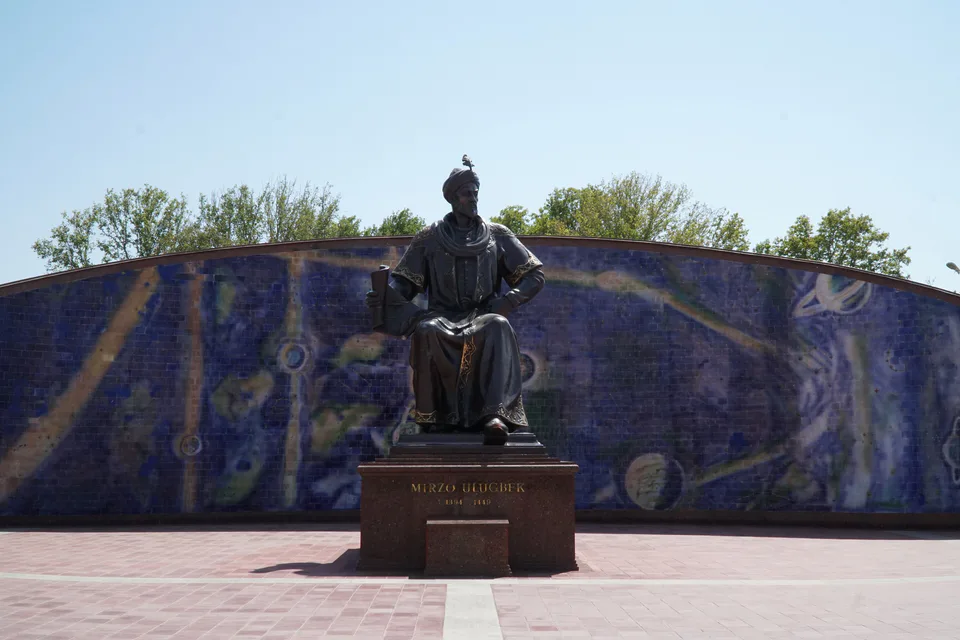
Under the caliph al-Ma'mun, the Khwarazmian scholar Muhammad ibn Musa al-Khwarizmi, working at Baghdad's House of Wisdom, wrote “The Compendious Book on Calculation by Completion and Balancing” some time between 813 and 833. It set out systematic methods for solving linear and quadratic equations, and its key term al-jabr gave its name to algebra. His treatise on Indian numerals circulated in Latin as “Algoritmi de numero Indorum”, the origin of the word “algorithm”. A statue of al-Khwarizmi stands by the gate of Itchan Kala in Khiva, and Urgench State University bears his name.