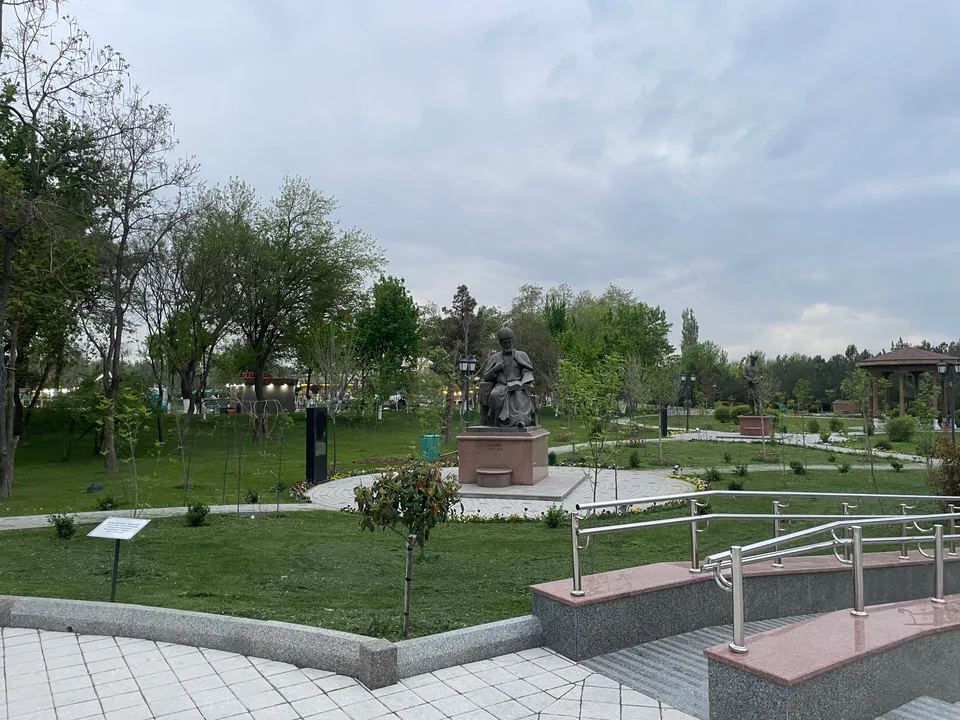
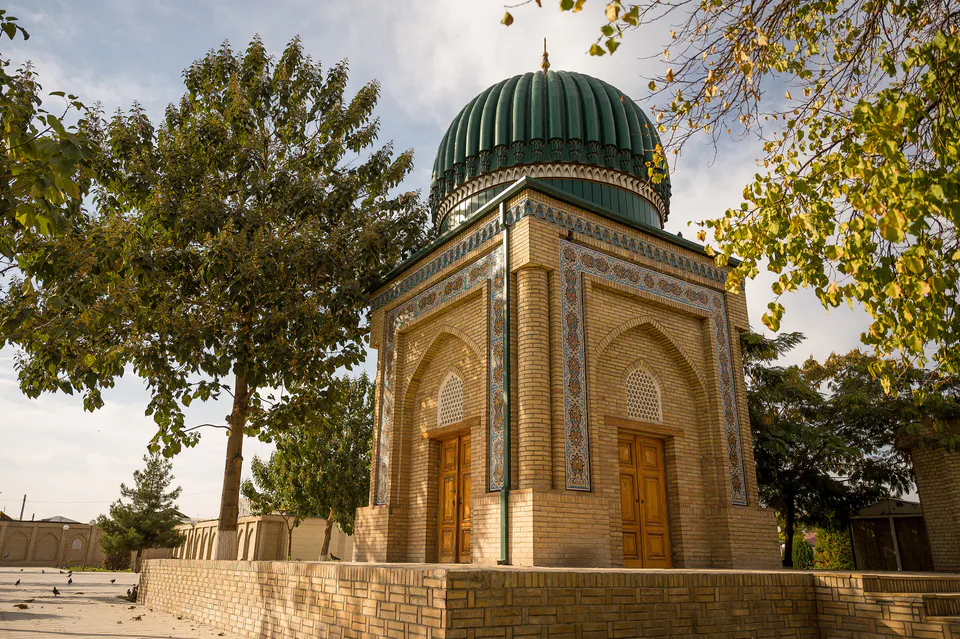
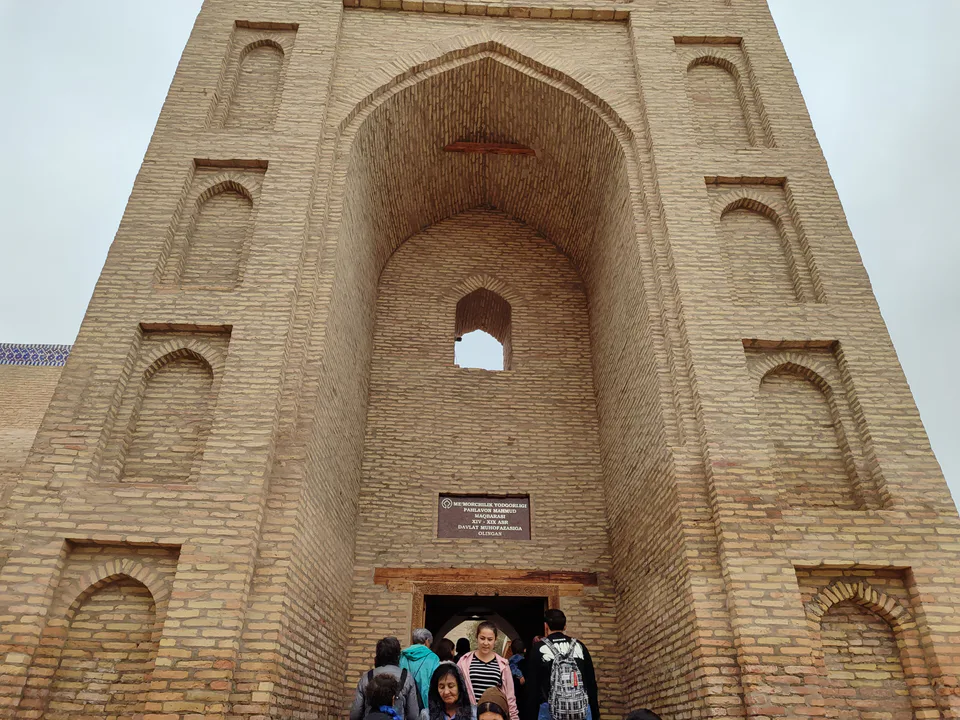
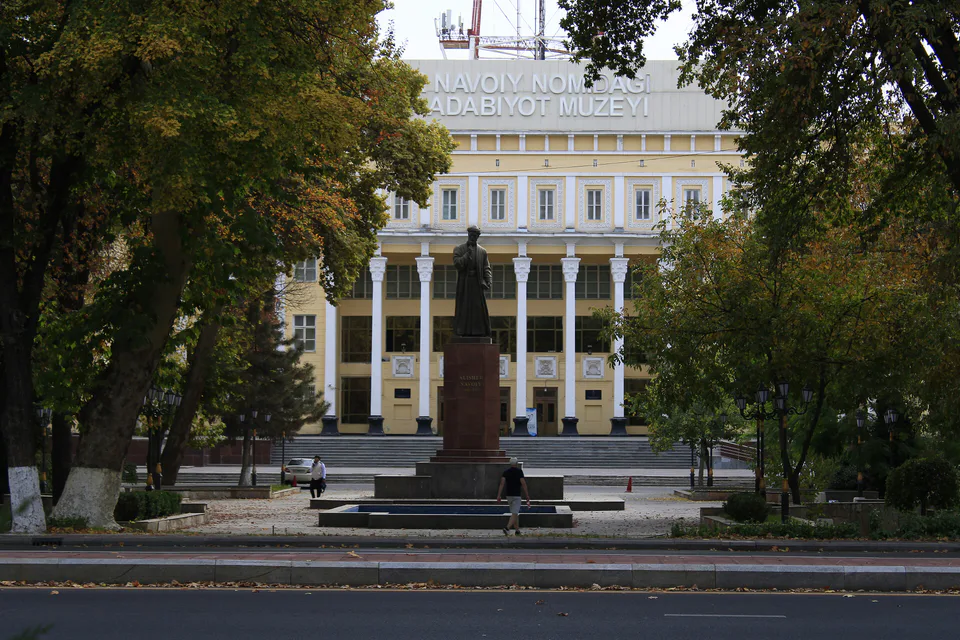
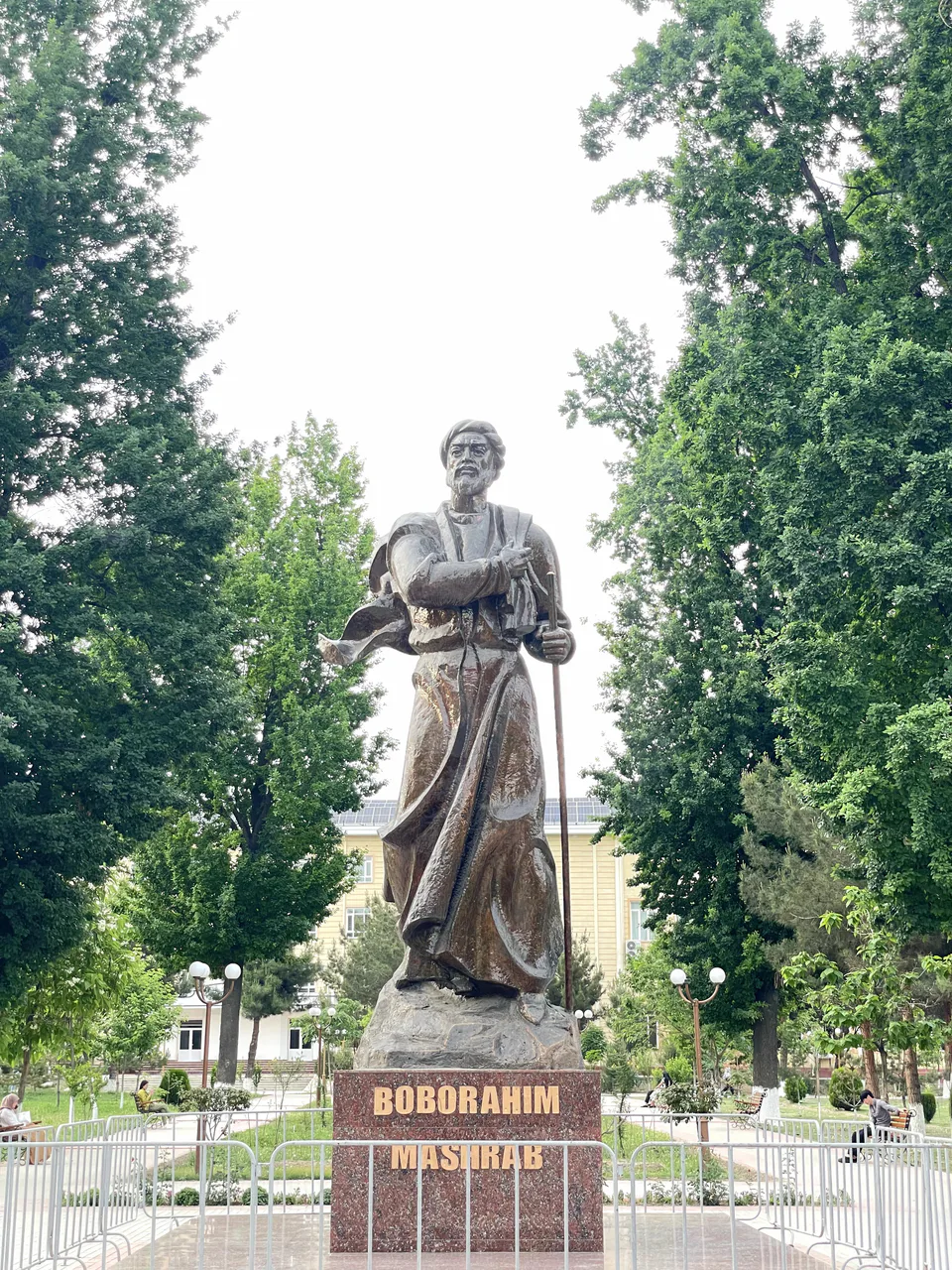
An 18th–19th-century poet from Margilan, a leading figure of Kokand's literary circle and teacher of the poet Nodira. Her ghazals and narrative poems are still read and sung today.
Uvaysiy — born Jahon and popularly known as Jahon Otin — was born in Margilan in 1779 or 1781. Her father, Siddiq Bobo, loved poetry and wrote verse in two languages, and her mother, Chinbibi, was an otin, a teacher of girls. Raised in this educated household, Jahon studied Arabic, Persian and classical literature from an early age. Her personal life was hard: widowed young, she moved to Kokand with her two children, where at Umar Khan's court she became teacher and confidante to the khan's wife, the poet Nodira, and taught the women and girls of the palace. Her daughter Quyosh died before her, and her son was sent to Kashgar as a soldier. She returned to Margilan late in life and died in 1845.
Her work
Uvaysiy wrote in nearly every genre of classical Uzbek poetry and composed mukhammas on the ghazals of Navoi, Fuzuli and others. Her legacy includes 269 ghazals, 29 mukhammas, 55 musaddas, riddle-poems (chiston) and narrative poems, among them works on the descendants of the Prophet; her verse riddles are especially popular. Longing for children, life's trials, patience and faith run through her lyrics. Her manuscripts are kept at the Institute of Oriental Studies of the Uzbek Academy of Sciences, and her divan was published in Tashkent in 1963.
Remembrance
Uvaysiy is named alongside Nodira and Mahzuna as one of the brightest voices of women's poetry in Kokand. Songs have been set to her ghazals, and her work is part of the school curriculum. In Margilan, the silk town of her birth, visitors can still sense the spirit of the old neighbourhoods and bazaars she knew.
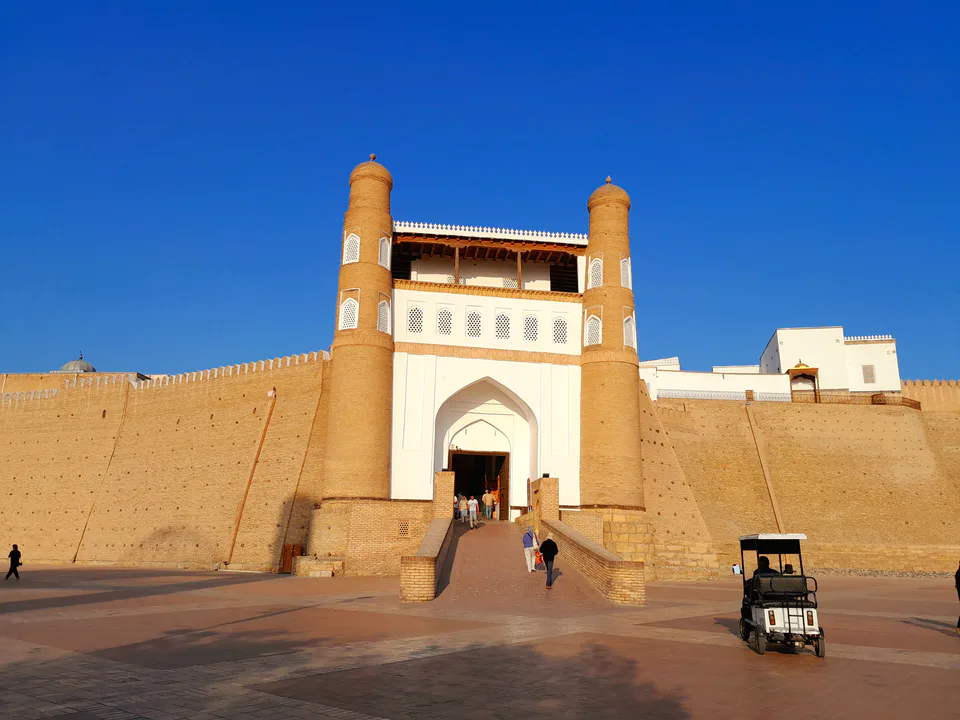
In 1756 Muhammad Rahim Biy of the Manghit tribe assumed the title of khan in Bukhara and founded a new dynasty. Shah Murad (Masum), who came to power in 1785, dropped the khan title in favour of “emir al-muminin”, which is why the state is known as the Emirate of Bukhara. It covered the Zeravshan, Kashkadarya and Surkhandarya oases and much of present-day Tajikistan. The emirs lived in the Ark fortress, and under Nasrullah (1827–1860) central power grew stronger. From 1868 the emirate was a Russian protectorate. Sitorai Mohi Khosa, the palace built for the last emir, Alim Khan, is now a museum. The emirate was overthrown in 1920.
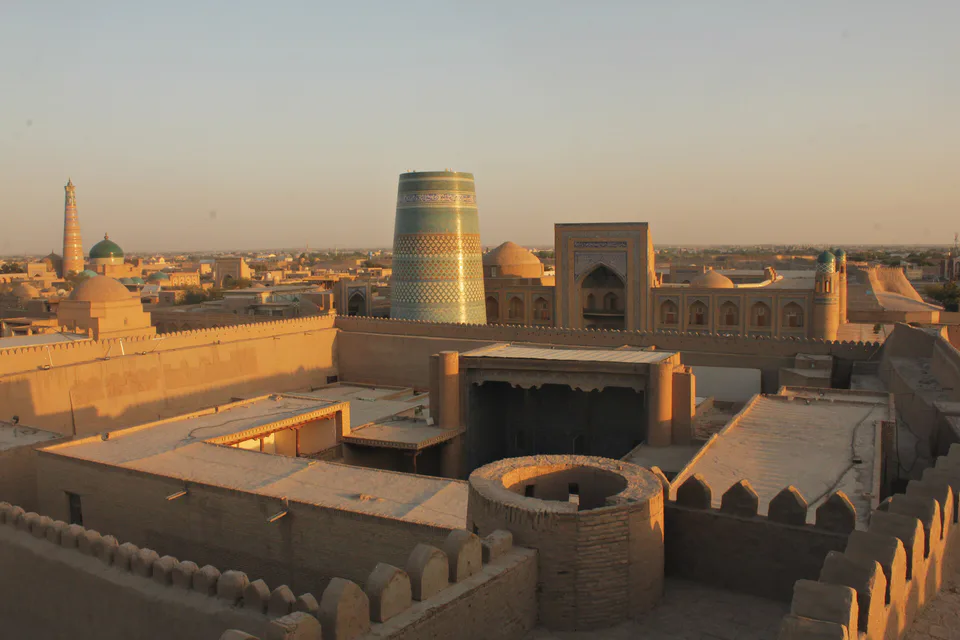
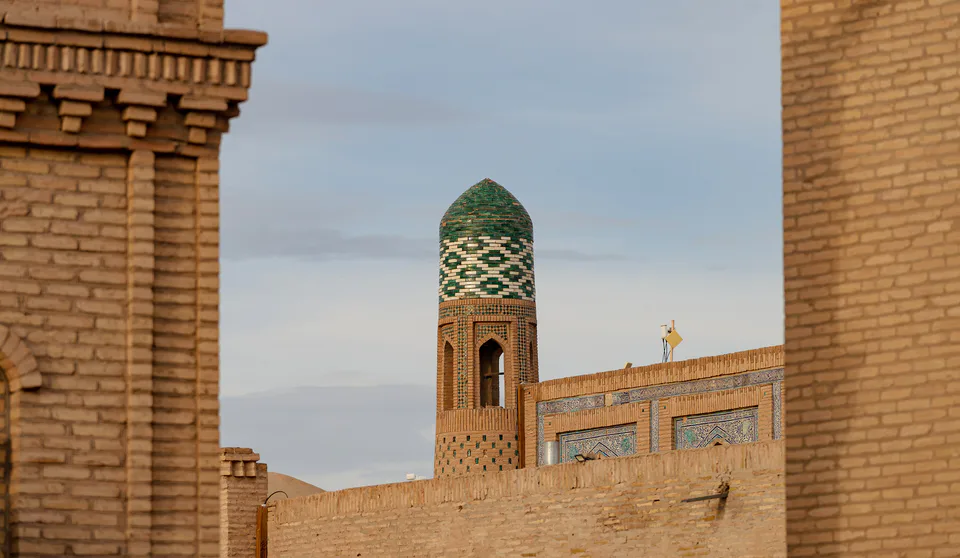
In 1804 Eltuzar of the Qungrat tribe took the title of khan, founding Khiva's last dynasty. The 19th century was Itchan Kala's great building age: under Allakuli Khan came the Tash Hauli palace (1830–1838) and his madrasa and caravanserai, and in 1842 the outer town, Dishan Kala, was walled. The Kalta Minor beside the Muhammad Amin Khan Madrasa (1851–1855) was left unfinished when the khan was killed. The madrasa of Muhammad Rahim Khan II followed in 1871 and, in 1908–1910, the Islam Khoja madrasa and Khiva's tallest minaret. Itchan Kala is thus largely 18th–19th-century architecture; it joined the UNESCO list in 1990.
In the 19th century the British and Russian empires competed for influence in Central Asia, a rivalry known as the Great Game. In December 1838 the British officer Charles Stoddart arrived in Bukhara to negotiate with Emir Nasrullah, but was arrested and held for years in the city's prison. Arthur Conolly, who came in 1841 to secure his release, was imprisoned too. In June 1842 both were executed as spies in the square before the Ark. The missionary Joseph Wolff, who travelled to Bukhara to learn their fate, published an account in 1845 that made the story famous in Europe. Bukhara's Zindan museum shows the pit in which prisoners were kept.