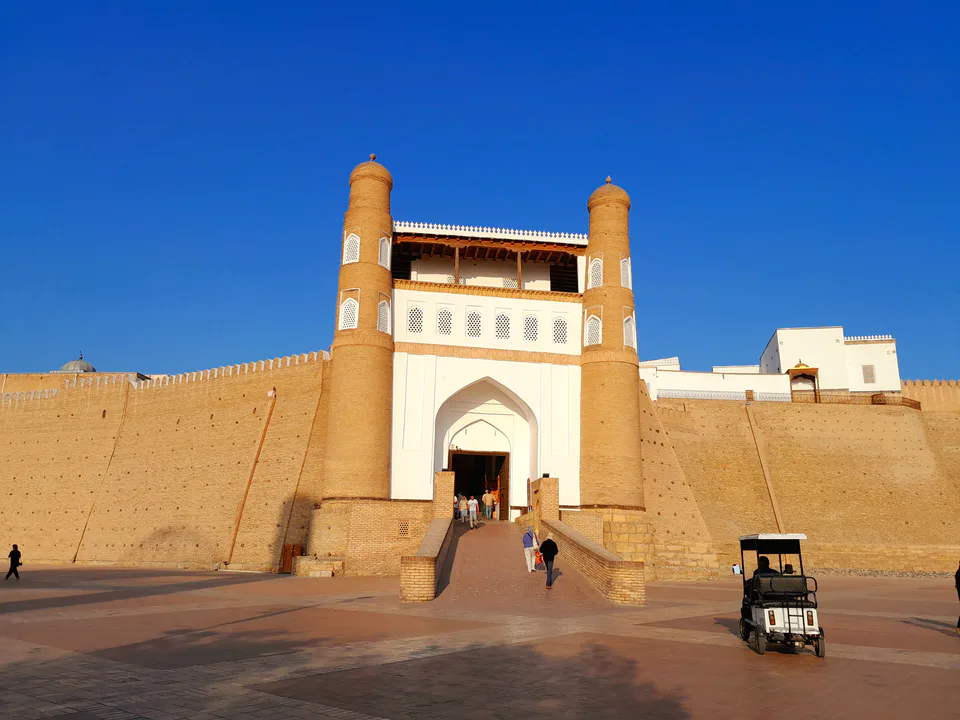
Fortress · Bukhara city
Ark of Bukhara
Seat of Bukhara's rulers for over a thousand years
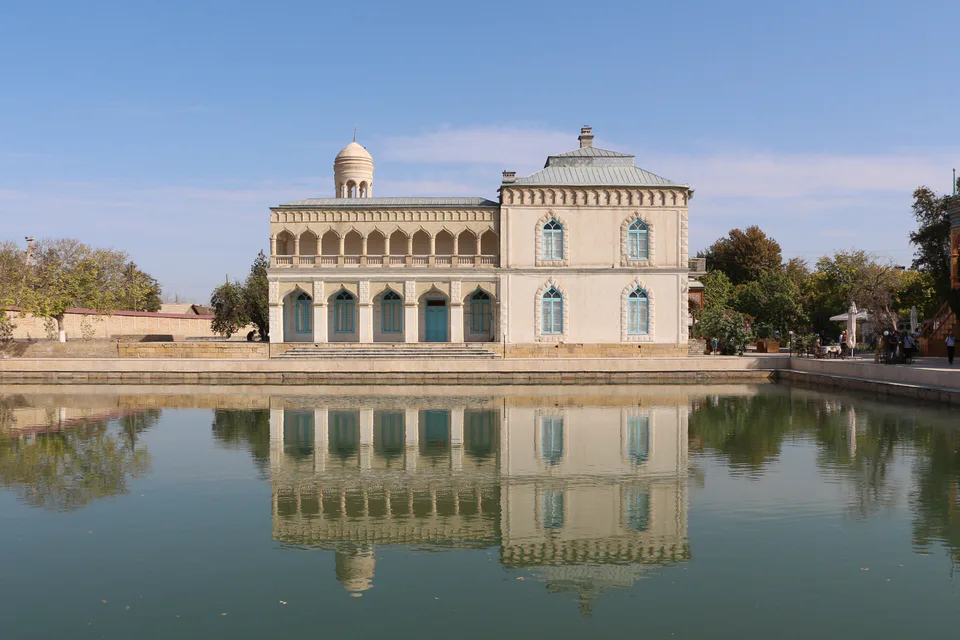
Museum · Bukhara city
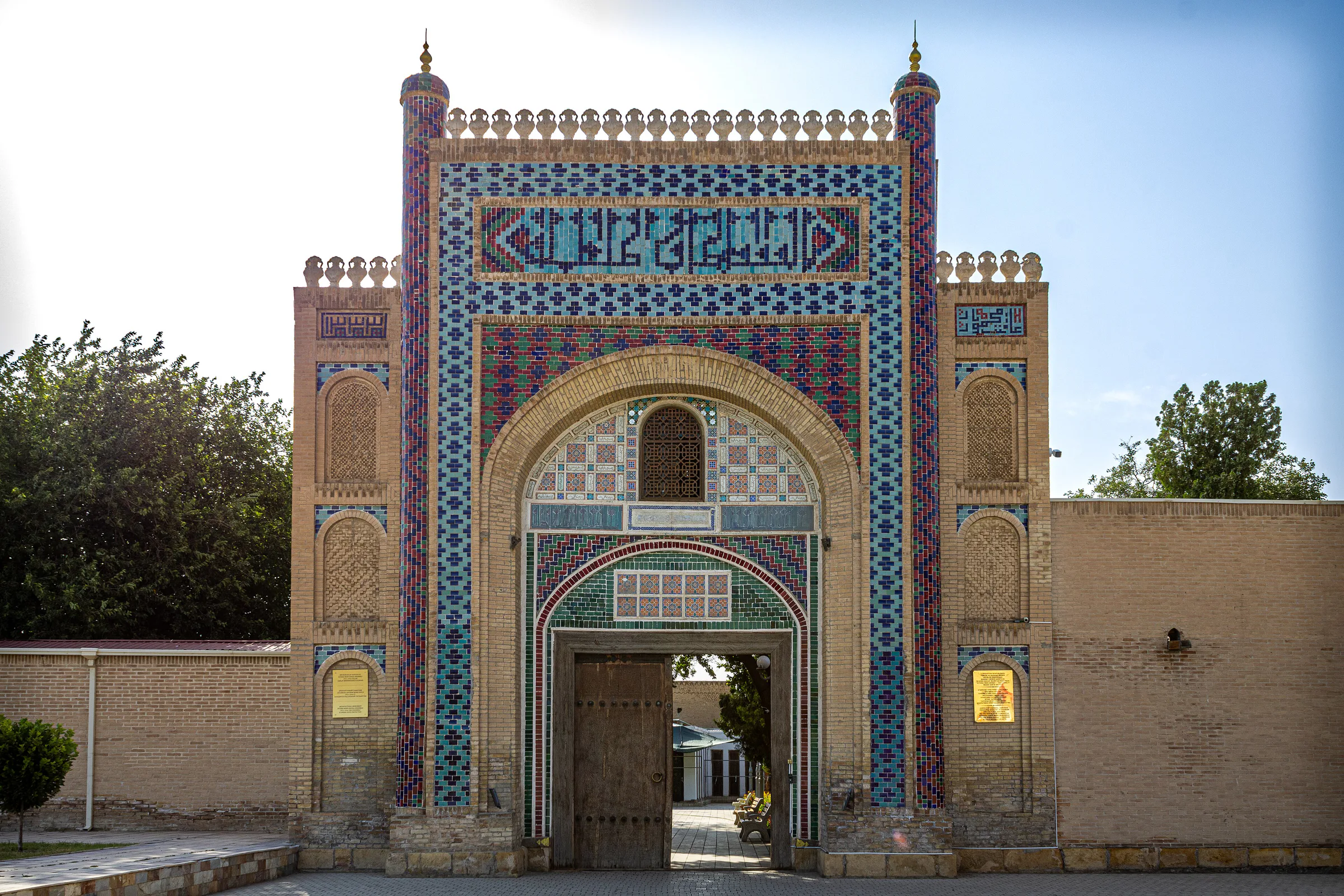
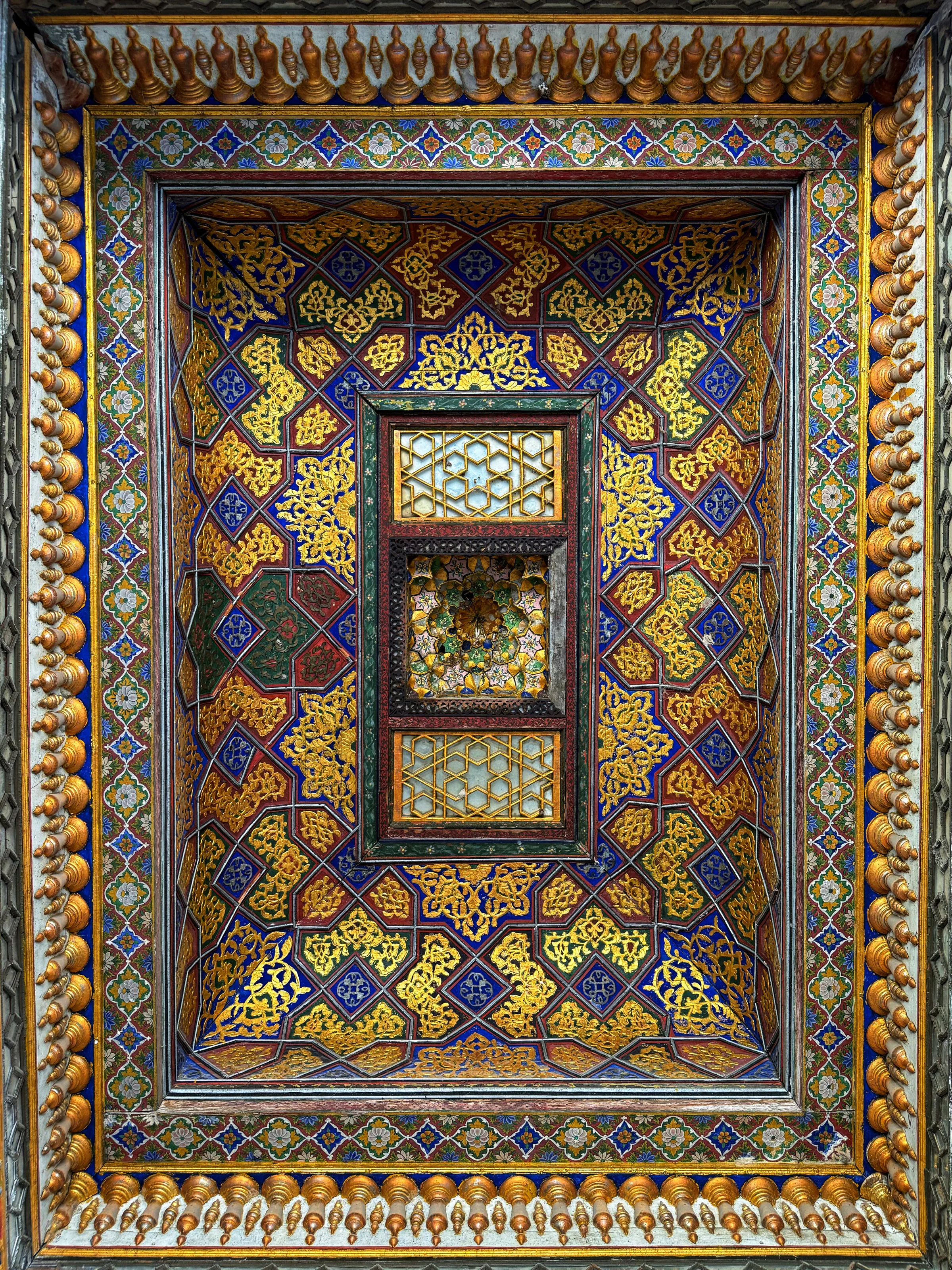
'The palace like the stars and the moon' was the out-of-town summer residence of Bukhara's emirs. Blending European and Central Asian styles, it now houses a museum of decorative and applied arts.
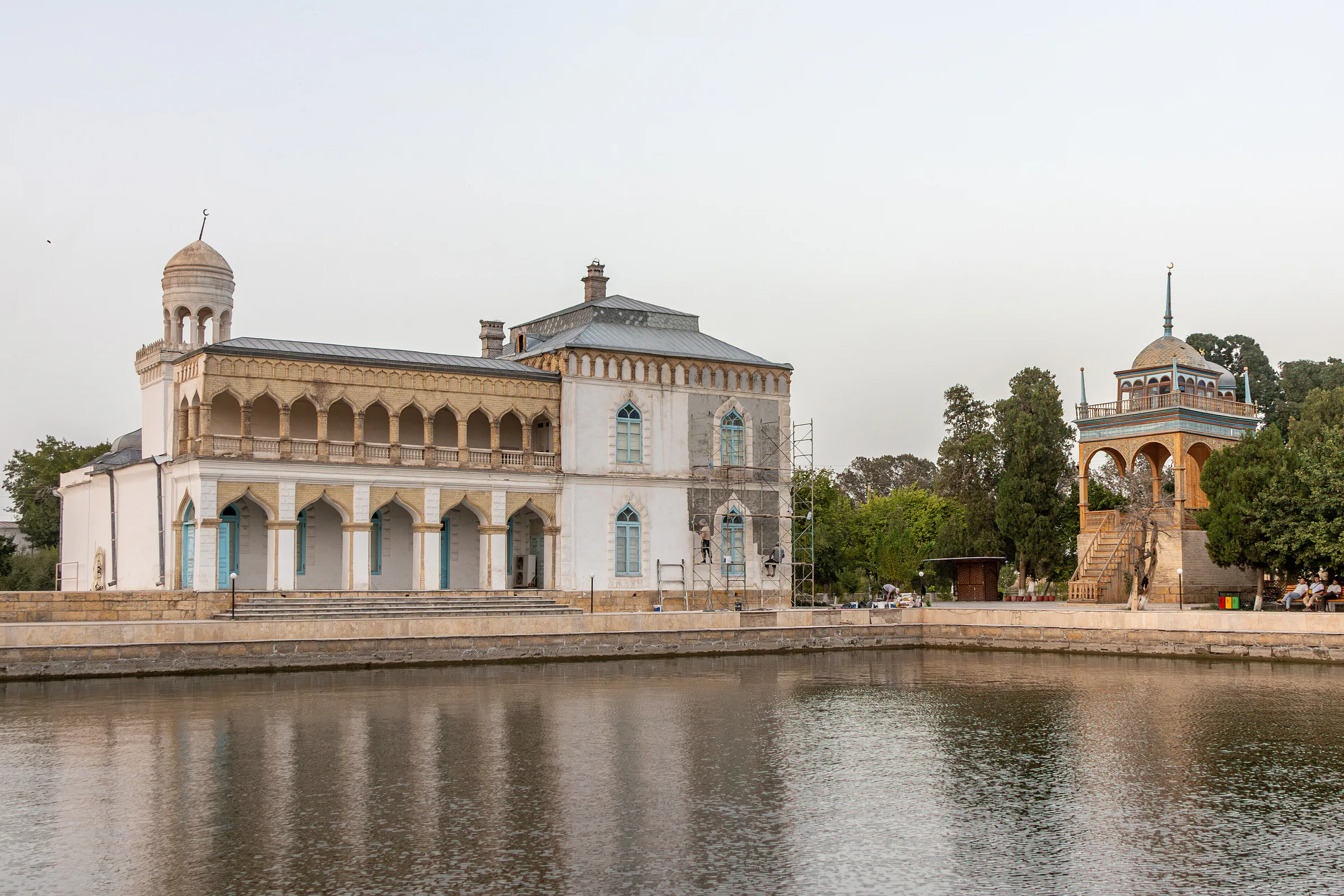
The palace has an old part and a new one. The first buildings here went up in the 18th century but have not survived; more were added under Emir Said Abdulahad Khan in the second half of the 19th century. The present main palace was built in 1912–1920, during the reign of Bukhara's last emir, Said Alim Khan.
The finest craftsmen of the day worked on it — Hasanjon Umarov, Abdullo Gafurov, Rahim Khaitov, Ibrahim Khafizov, Karim Samadov, Usto Jura, Usto Khojakul and Usto Shirin Muradov — together with two Russian engineers in the emir's service, Margulis and Sakovich. When the emirate fell in 1920 the palace passed to the state.
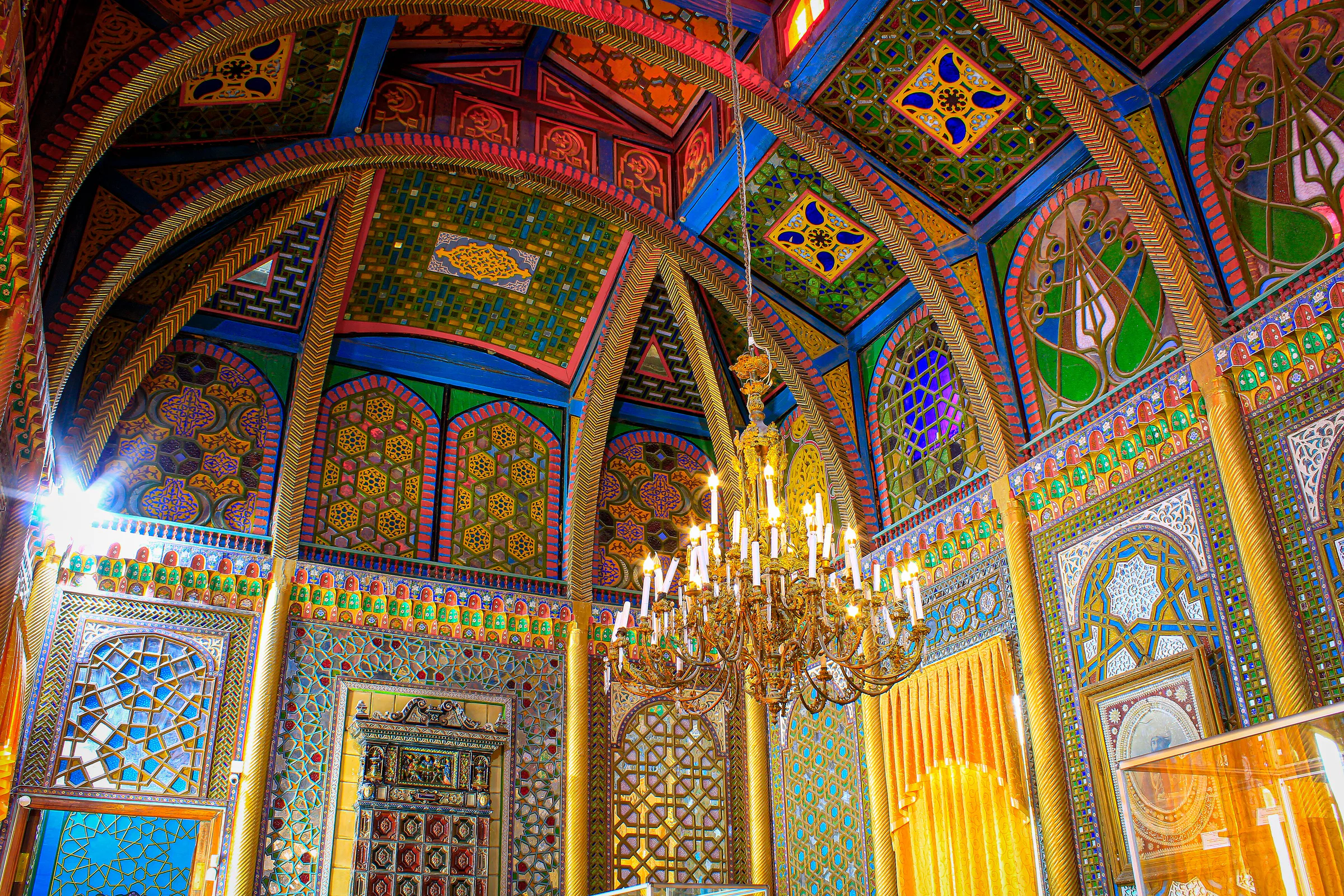
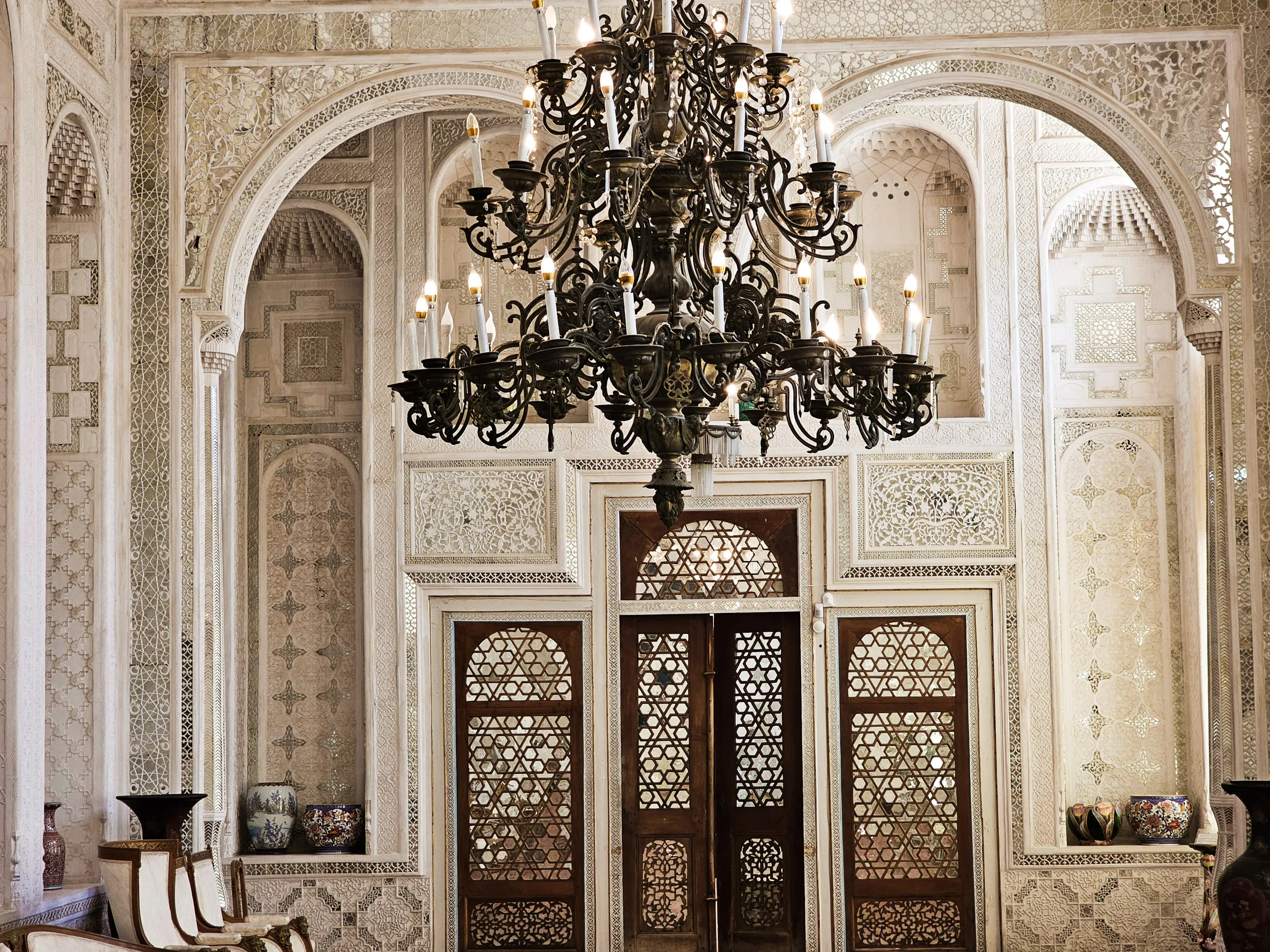
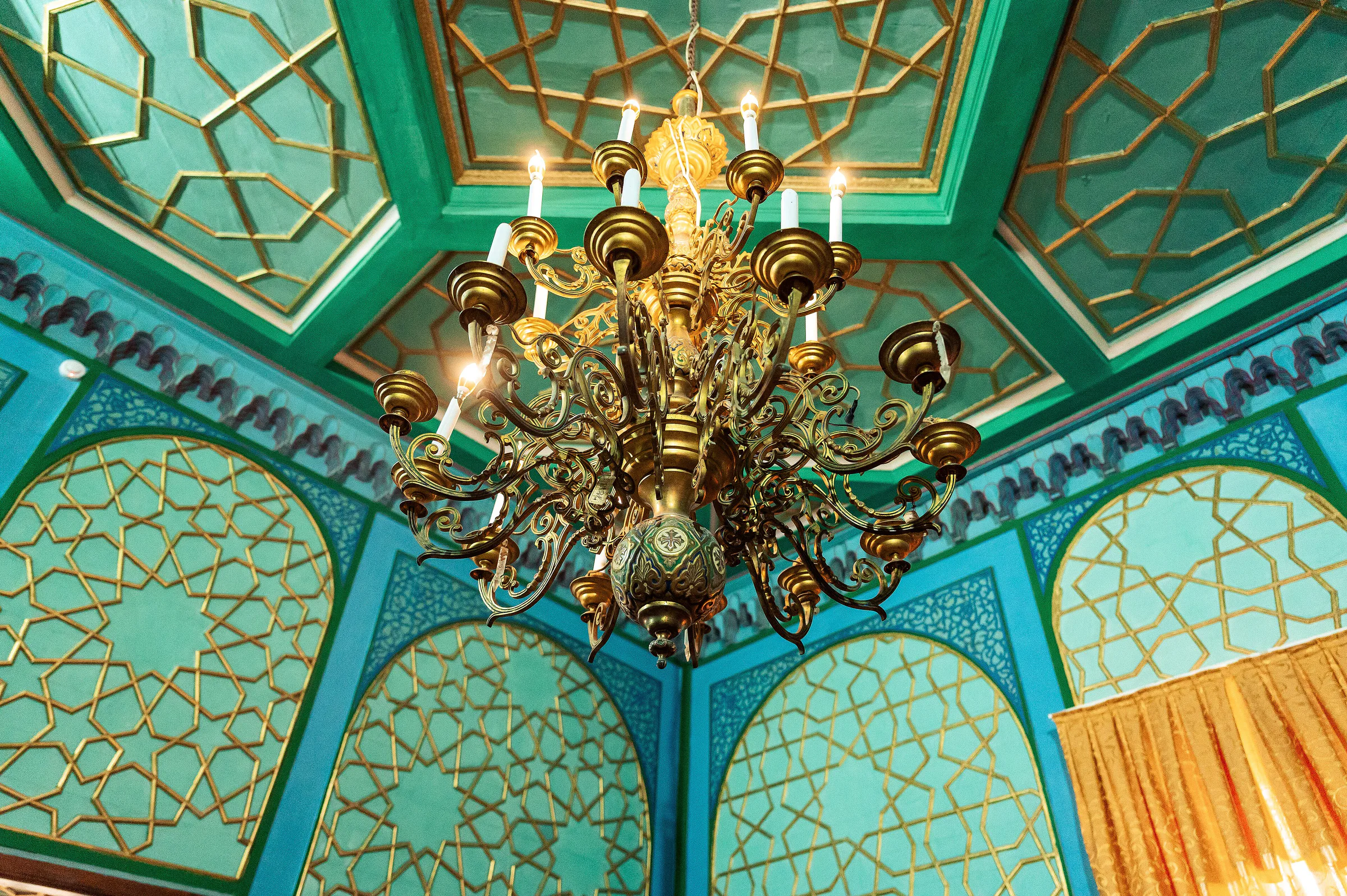
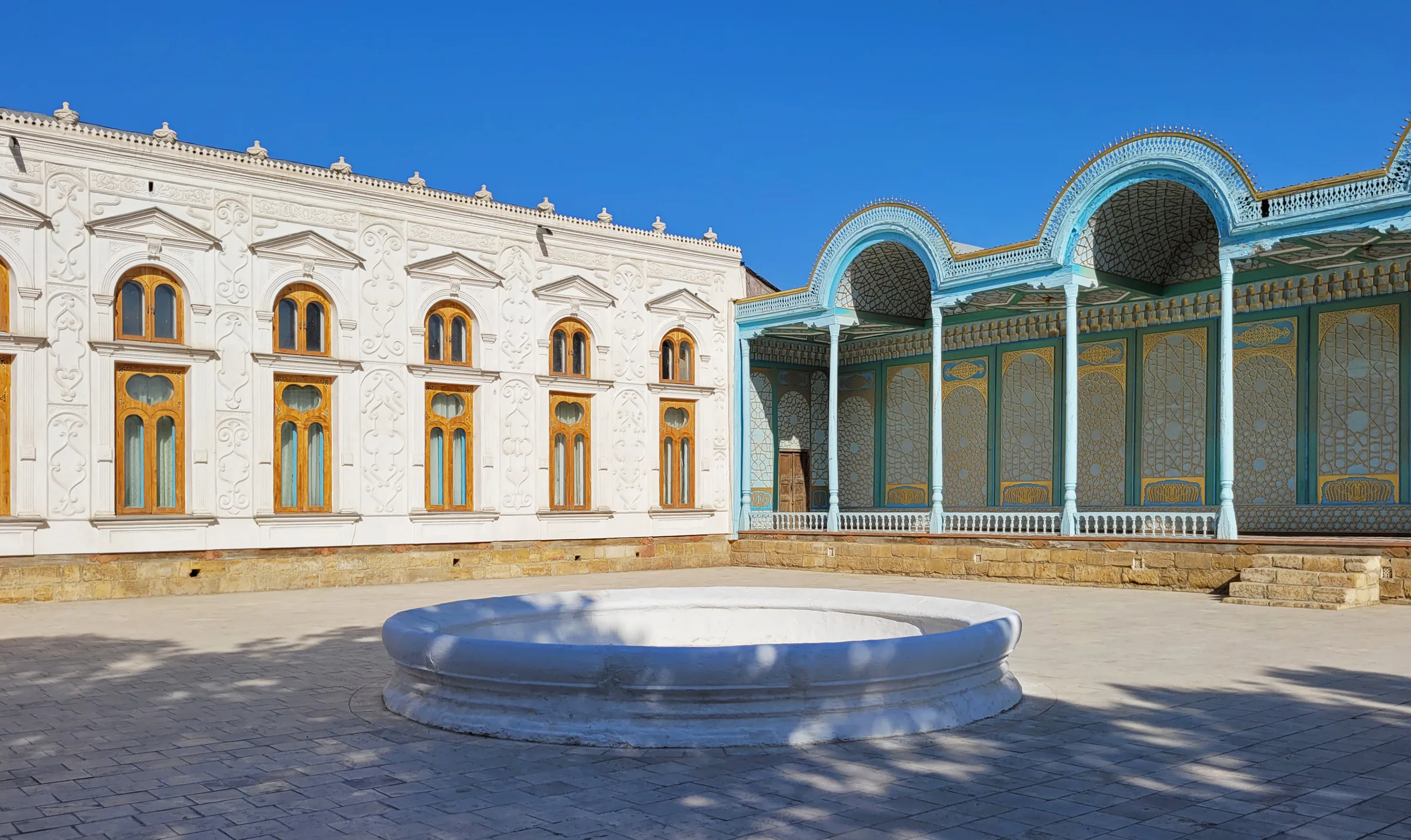
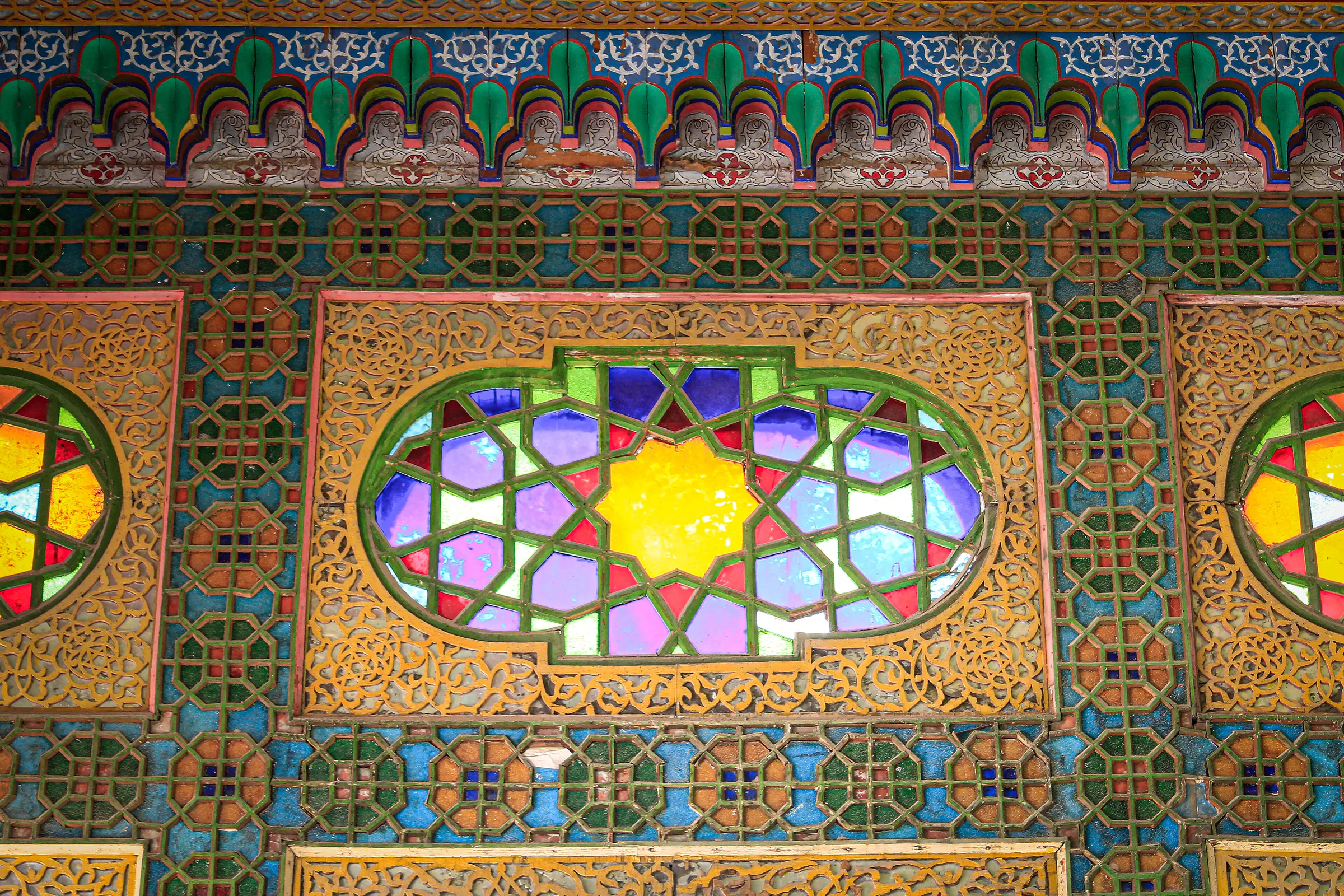
The new palace looks European from outside, yet it is divided in the traditional way into men's and women's quarters, and its interiors are thoroughly eastern. The most famous room is the White Hall, its walls covered in carved white stucco over mirror glass, work overseen by Usto Shirin Muradov.
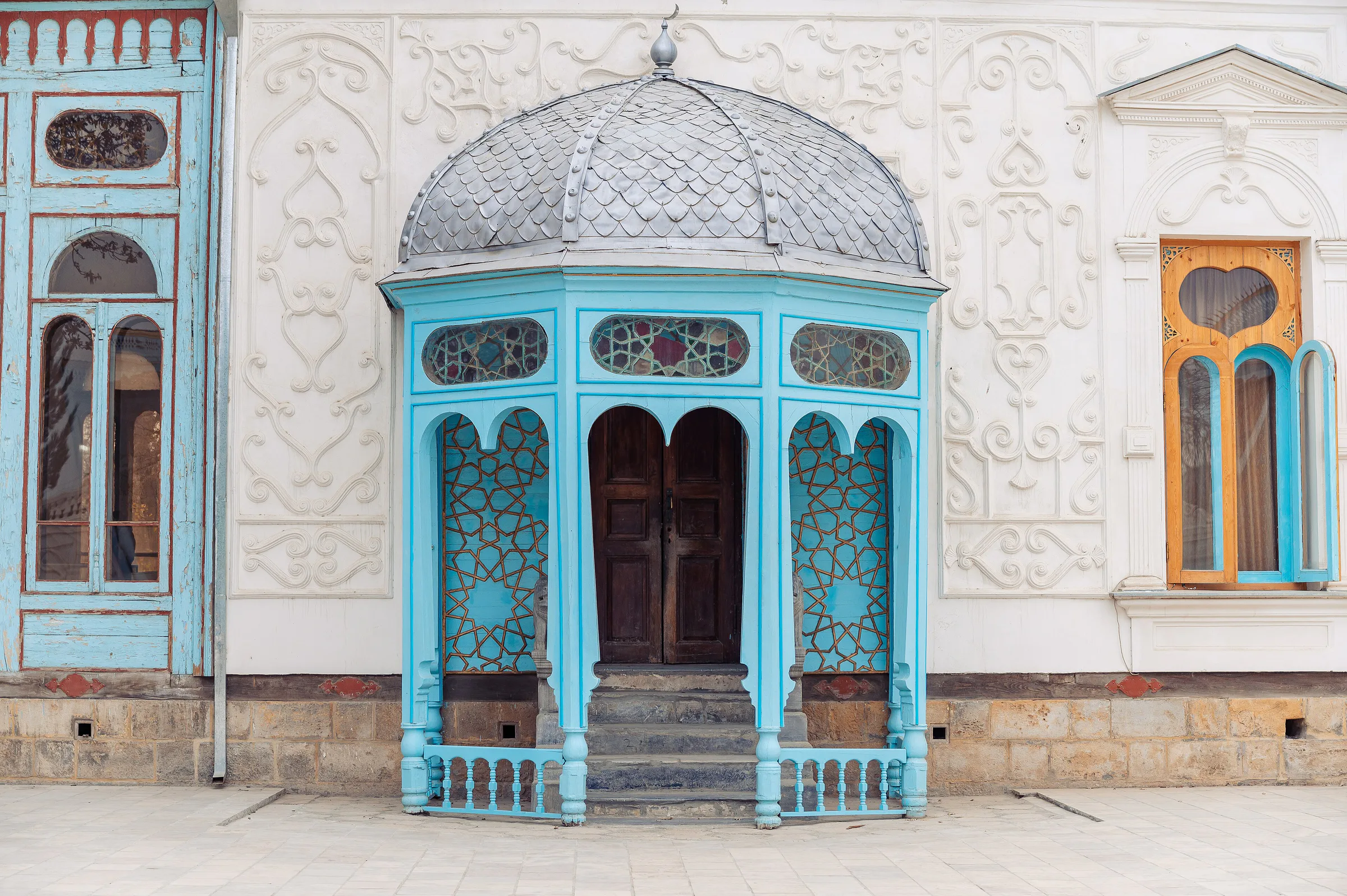
The park holds an octagonal pavilion, the harem building, a pool and other structures. Tradition says the gazebo beside the pool in front of the harem was where the emir watched his concubines bathe.
The museum opened in 1927, with Musajon Saidjonov, one of the first Uzbek museum curators, playing a leading role. In 1954 a trade-union holiday home moved into the palace and the museum shrank to nine rooms; later the whole palace became a museum again.
Today it is the Museum of Decorative and Applied Arts of the Bukhara State Museum-Reserve. The main building displays 19th–20th-century palace furniture, Chinese and Japanese porcelain from the 14th to 20th centuries, objects from Russia, work by Bukharan jewellers, and gold-embroidered panels and horse cloths. The octagonal pavilion shows the dress of Bukhara's townspeople around 1900, and the harem building houses a suzani collection.
Legend has it that when choosing the site, the emir followed his sages' advice and had sheep carcasses hung at different spots around the city. Where the meat stayed fresh longest was judged the coolest place — and that is where the palace was built.
The palace is 4 km north of central Bukhara, well away from the bustle; a taxi or city bus is the easiest way to get there.
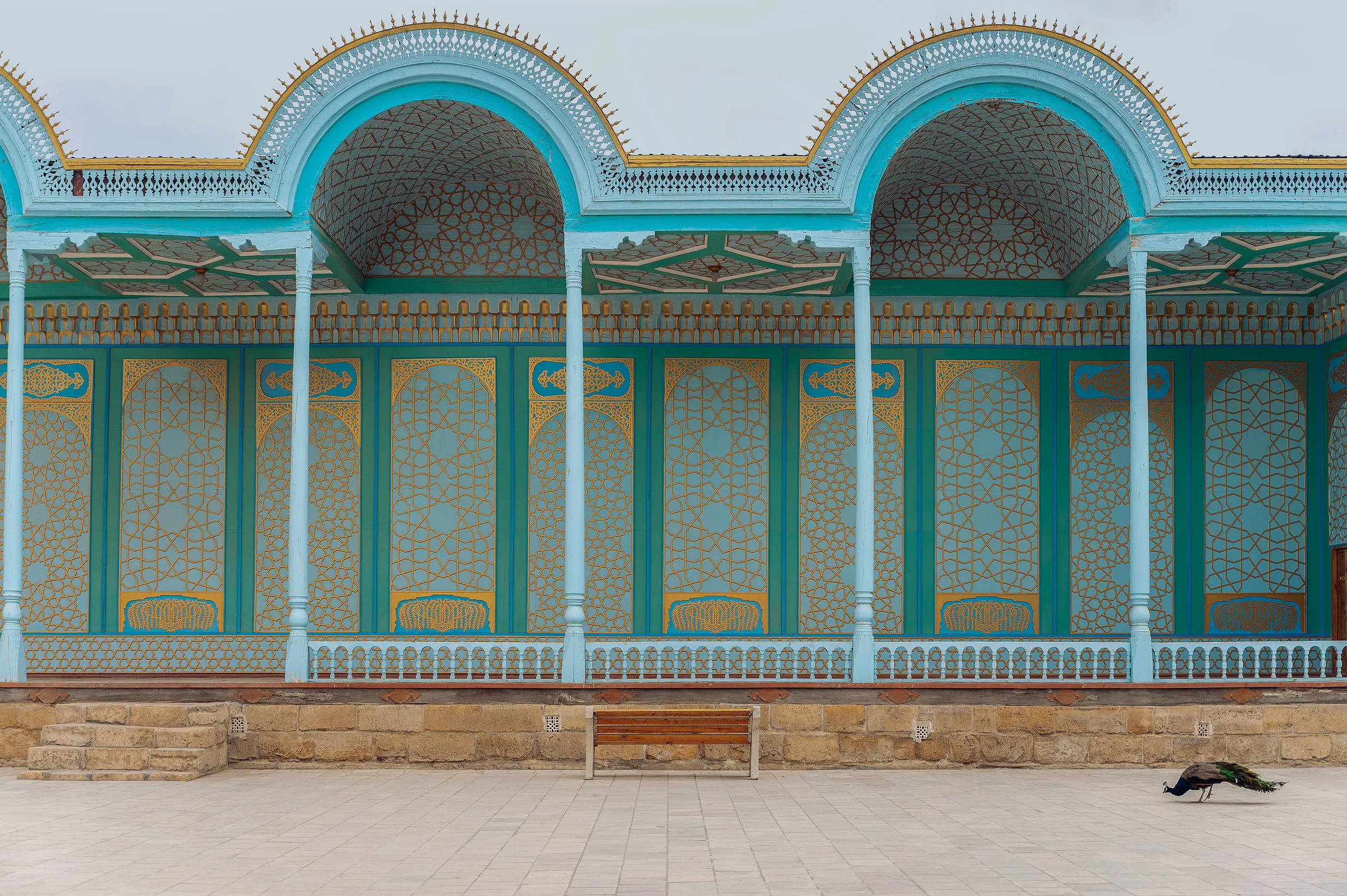
Fortress · Bukhara city
Seat of Bukhara's rulers for over a thousand years
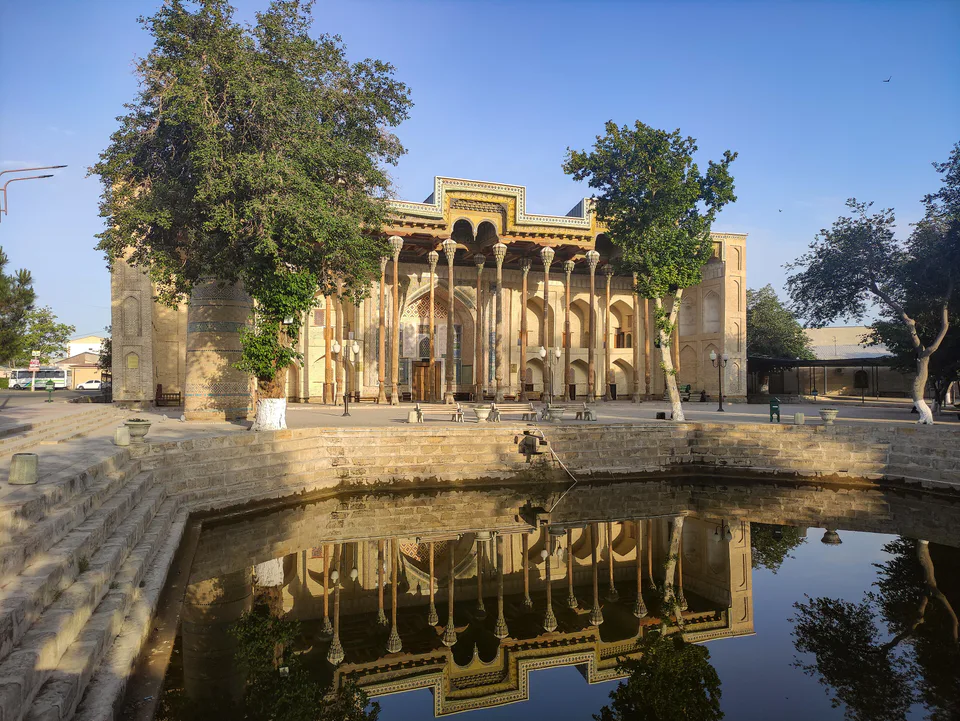
Mosque · Bukhara city
Wooden columns mirrored in a pool
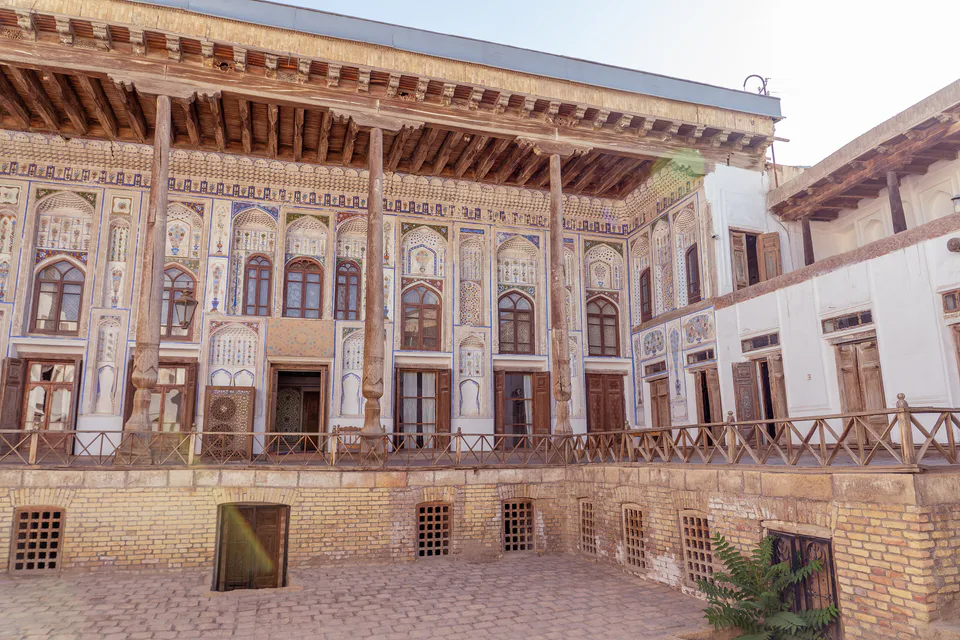
Museum · Bukhara city
The home of a wealthy Bukharan merchant
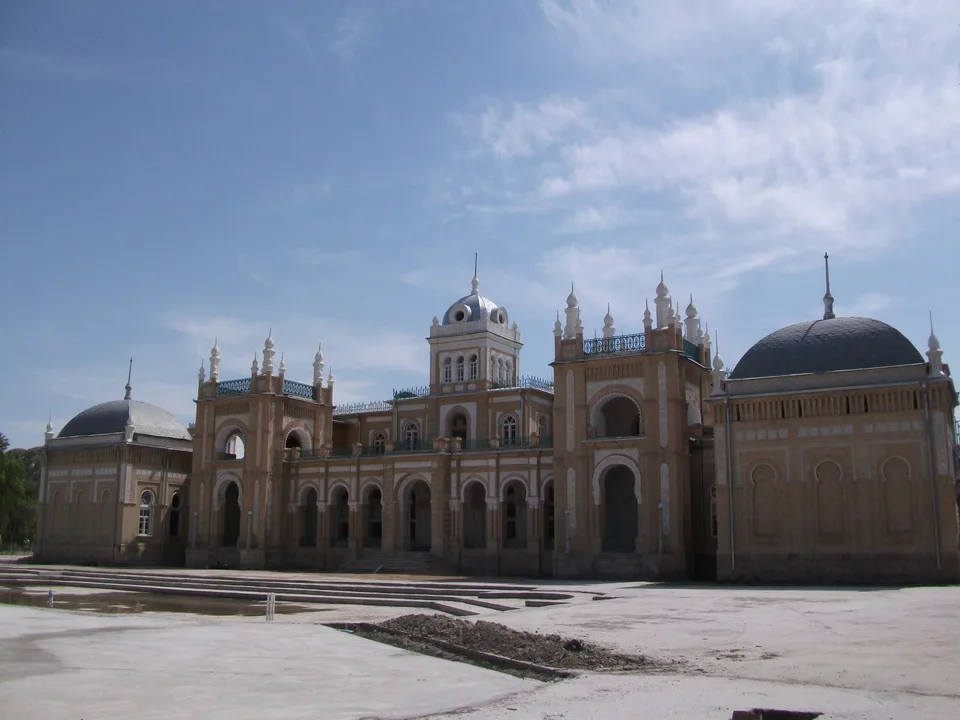
Culture & arts · Kogon city
A neo-Moorish palace in New Bukhara
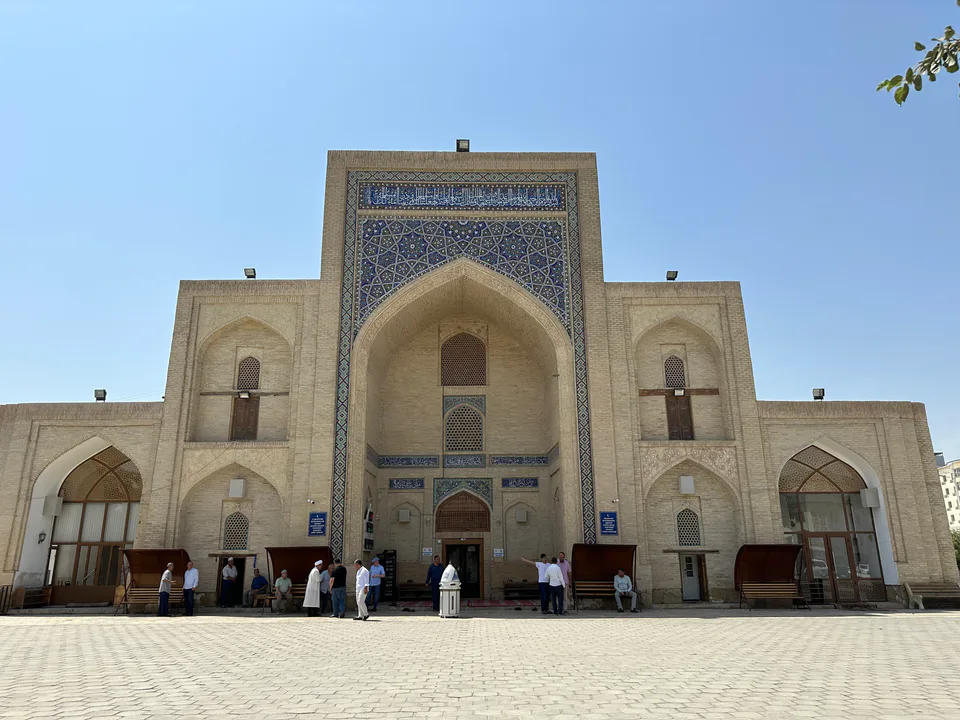
Mosque · Bukhara city
A Sufi lodge on the edge of Bukhara
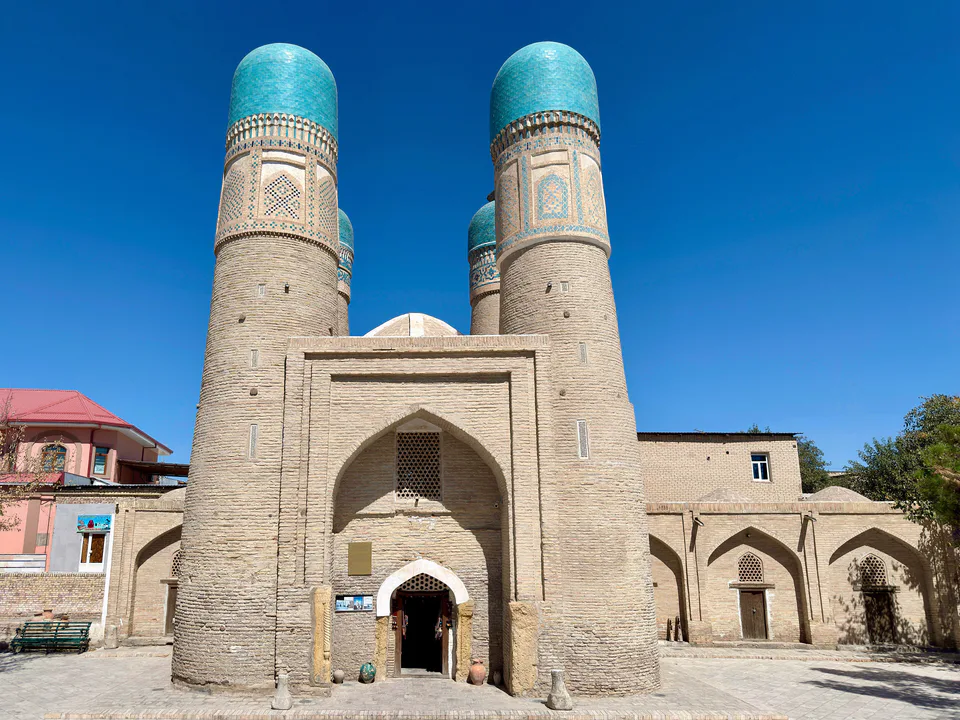
Madrasa · Bukhara city
A four-towered gatehouse — Bukhara's most photogenic building
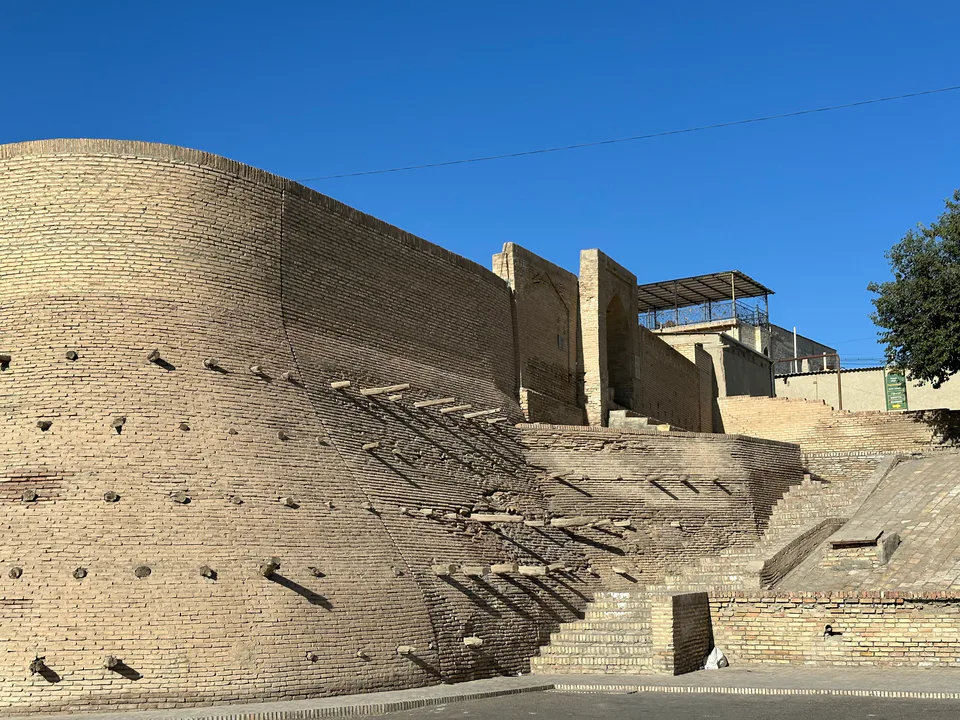
Museum · Bukhara city
The emir's jail and its notorious pit
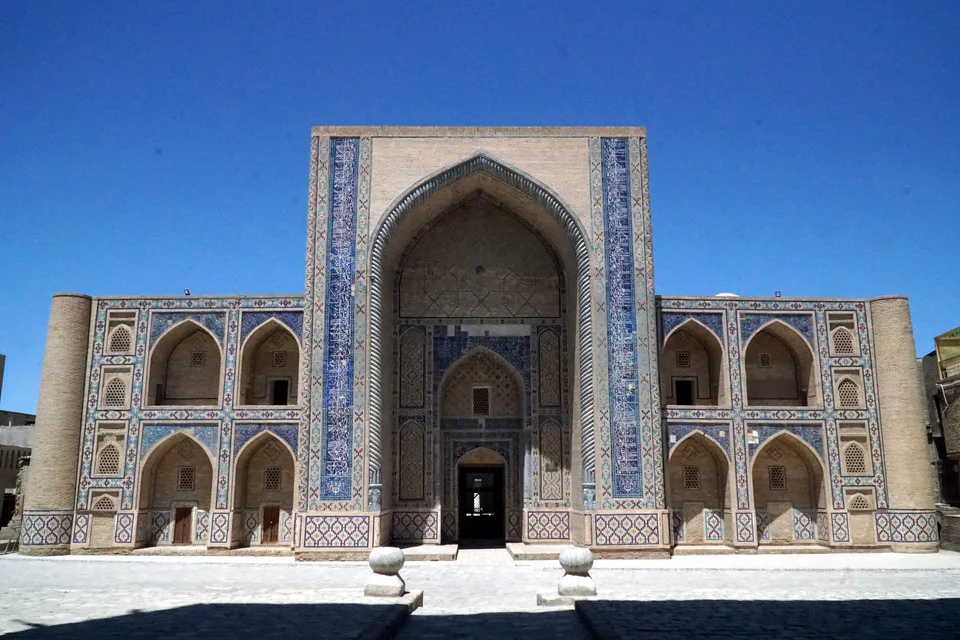
Madrasa · Bukhara city
The oldest of Ulugh Beg's three madrasas
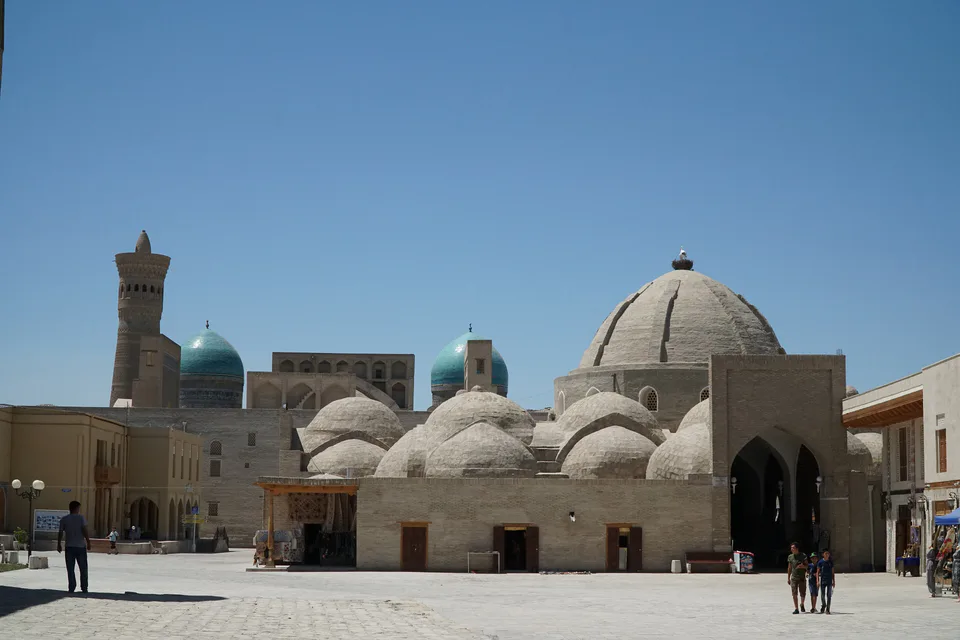
Bazaar · Bukhara city
The jewellers' dome — Bukhara's largest trading dome
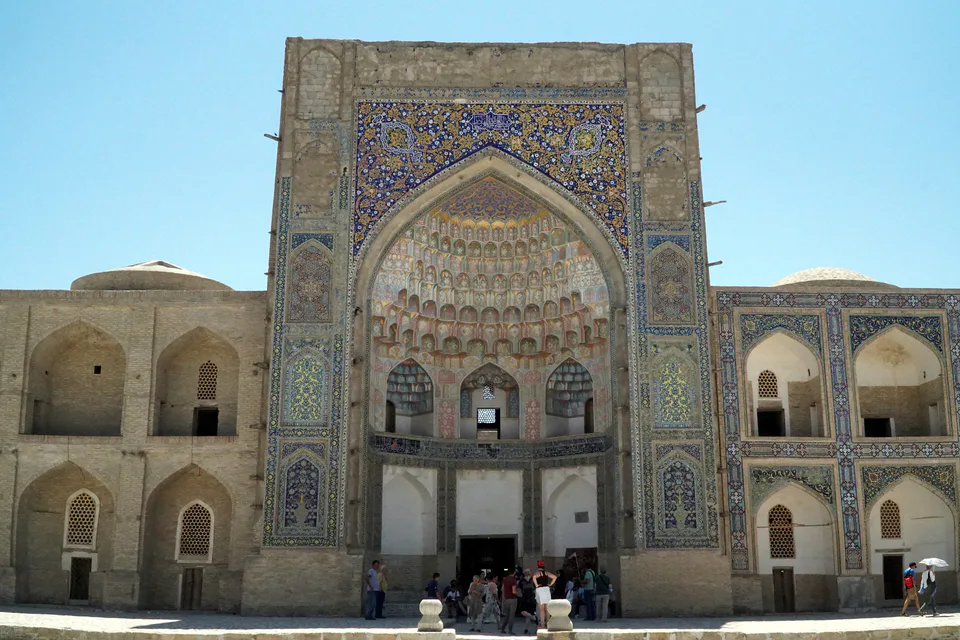
Madrasa · Bukhara city
The last of Bukhara's great madrasas