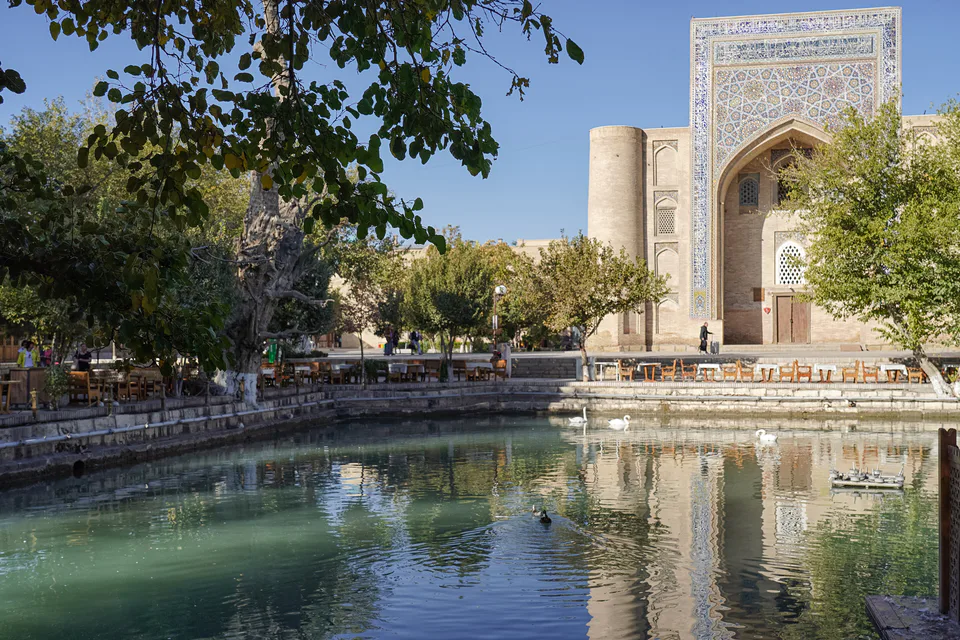
Ensemble · Bukhara city
Lyab-i Hauz Ensemble
The square by the pool — old Bukhara's beating heart
Madrasa · Bukhara city
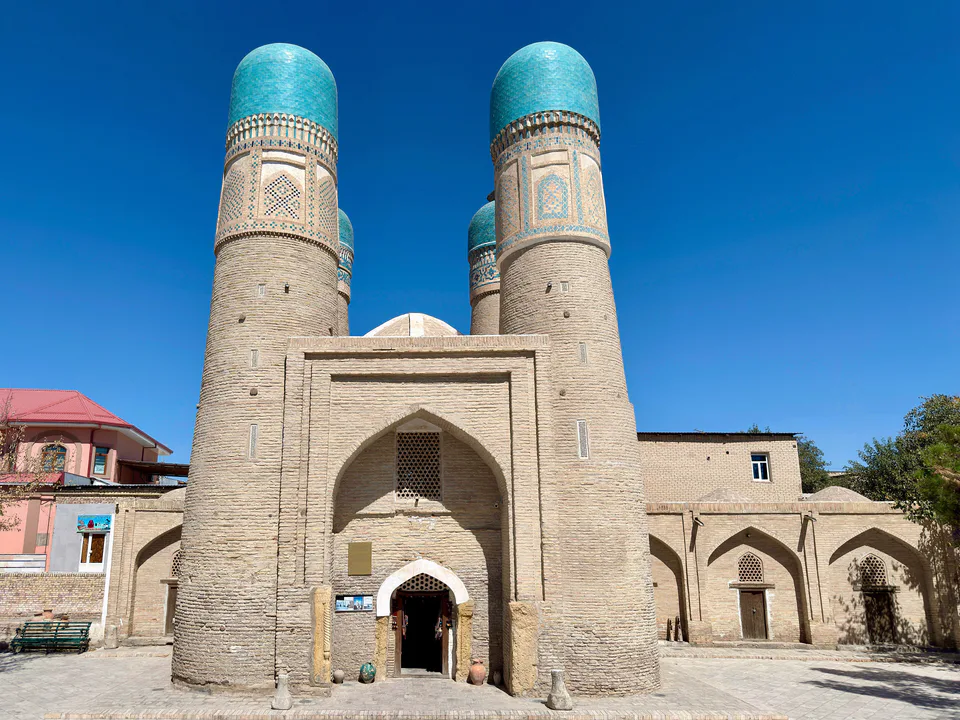
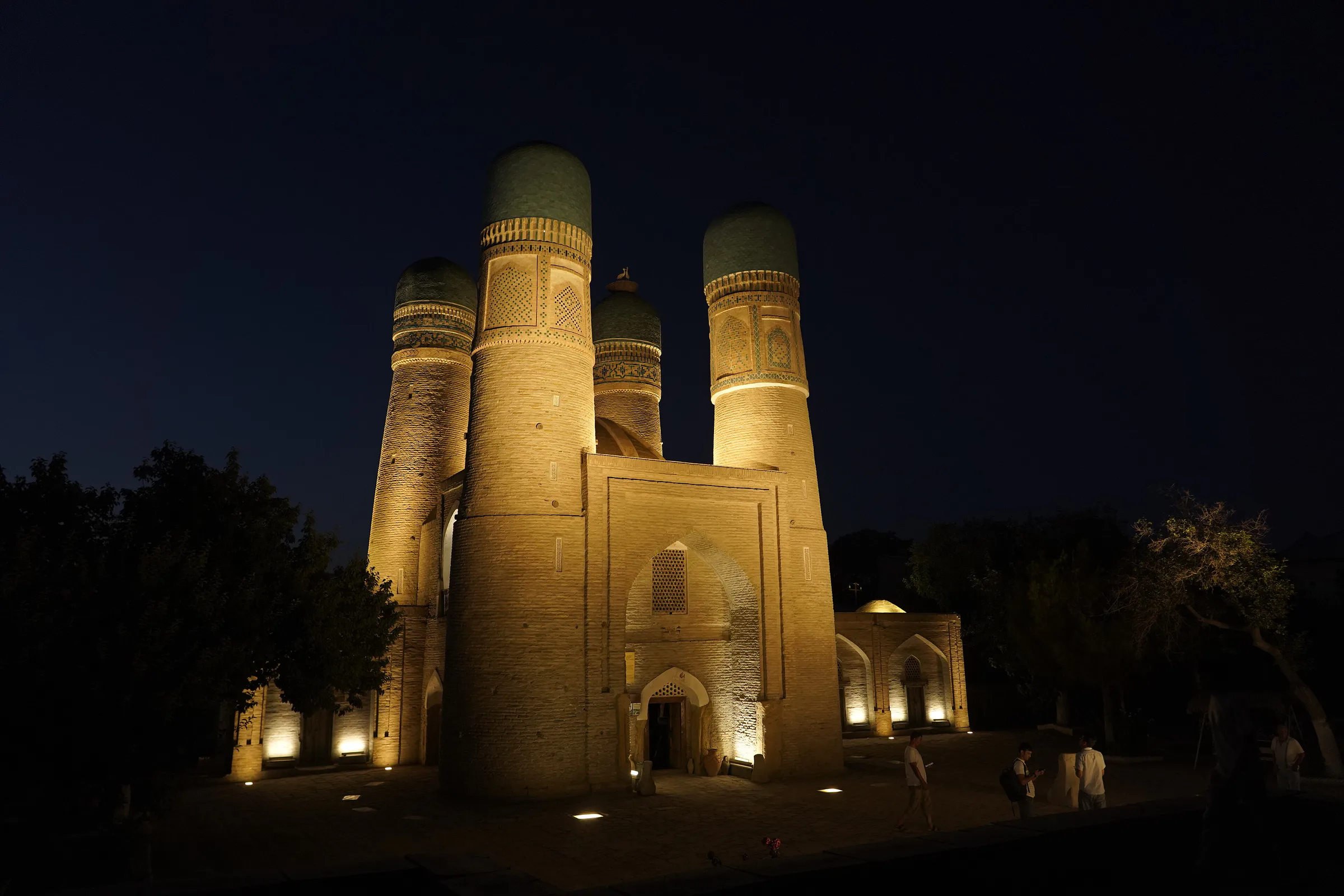
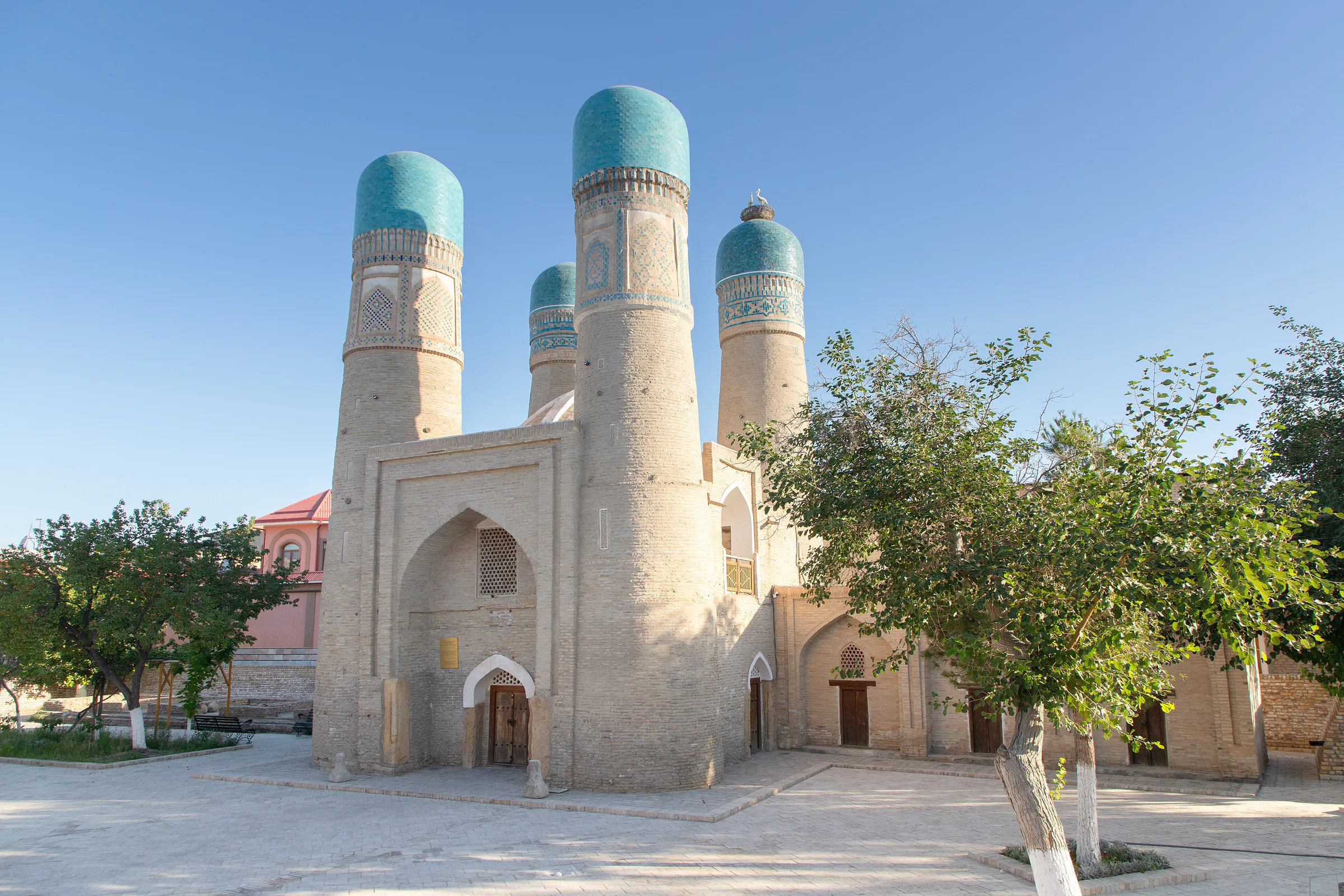
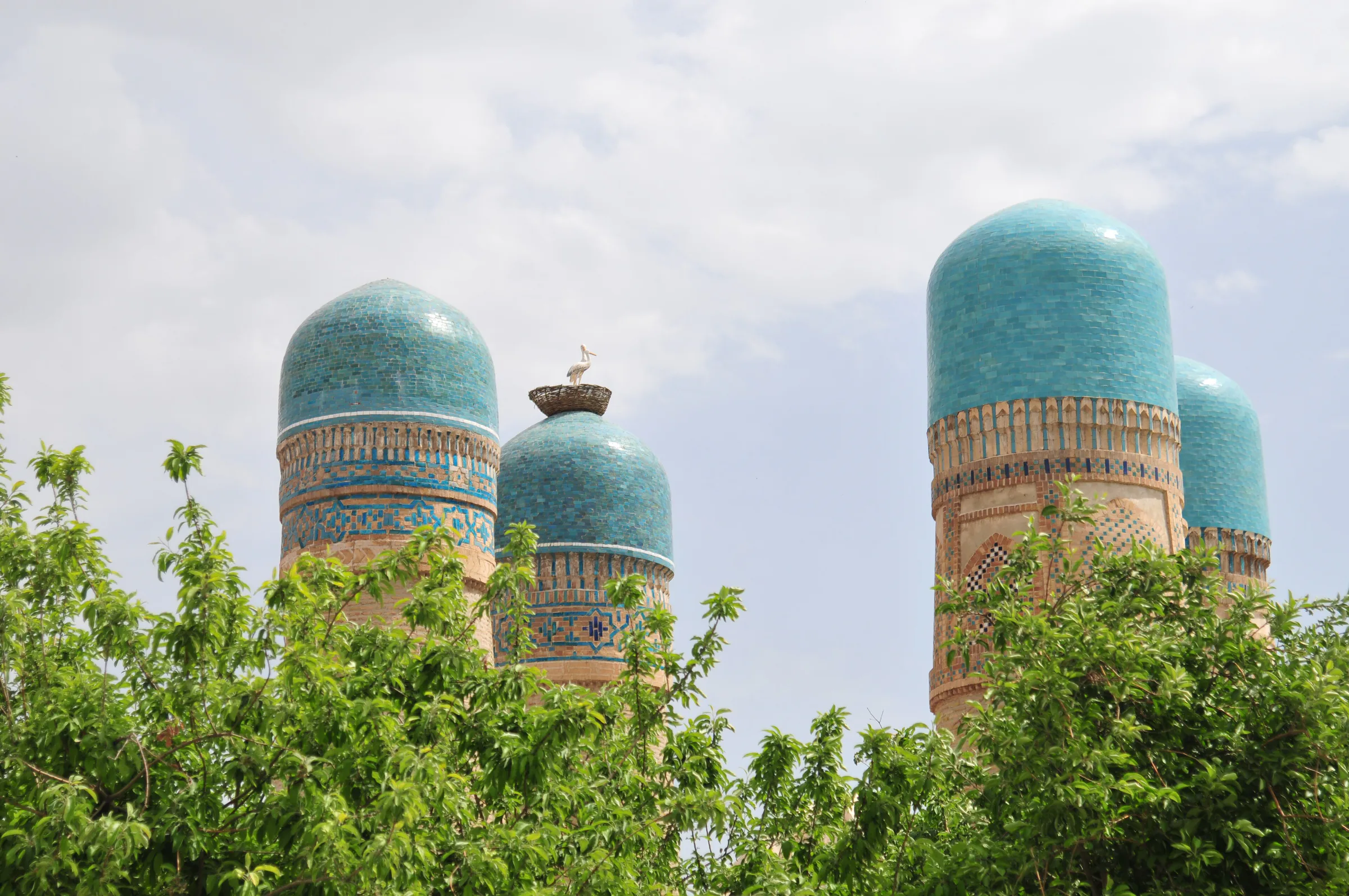
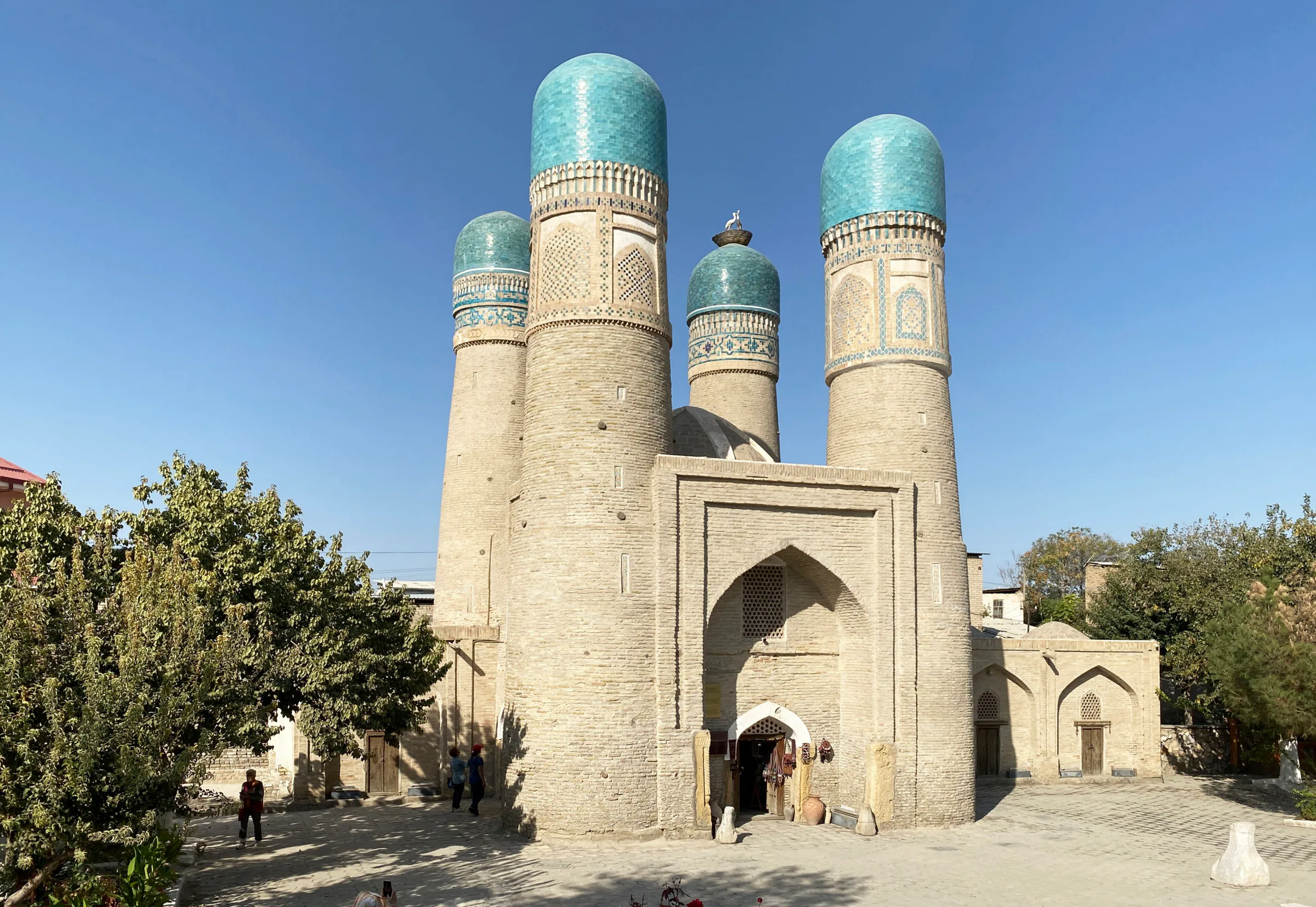
The gatehouse of an 1807 madrasa, crowned by four little towers with blue domes. The madrasa itself has all but vanished, yet Chor Minor has become one of Bukhara's best-loved landmarks.
Officially this is the Madrasa of Khalif Niyazkul. It was built in 1807, under the Manghit emir Haydar (1800–1826), at the expense of Niyazkul, a Turkmen who served as imam-khatib of the city's biggest mosque, the Kalyan. The madrasa was a college of higher learning with a rich library and one of Bukhara's Sufi centres.
It functioned until Soviet power arrived, after which its cells were used as housing. In the 1950s most of the madrasa and its mosque were pulled down for bricks and building material. The gatehouse, fragments of the north range and a nearby pool survive.
The madrasa broke with convention: 59 large and small cells stood in a single storey around an irregular courtyard, with a timber-framed mosque in the south-west corner. Stables in the southern part held Turkmen and Karshi horses brought in for sale. The builders bent medieval rules to follow their patron's wishes.
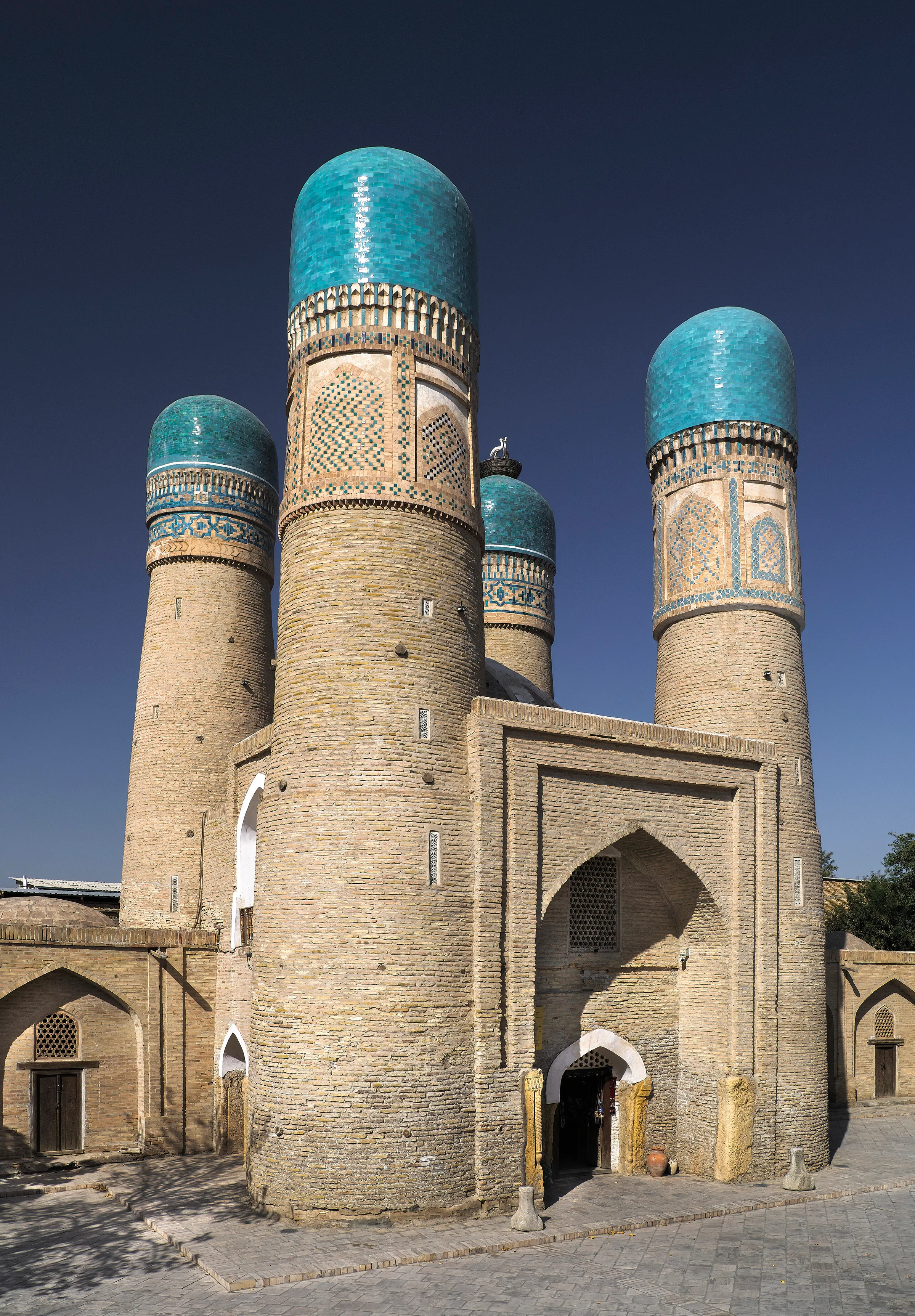
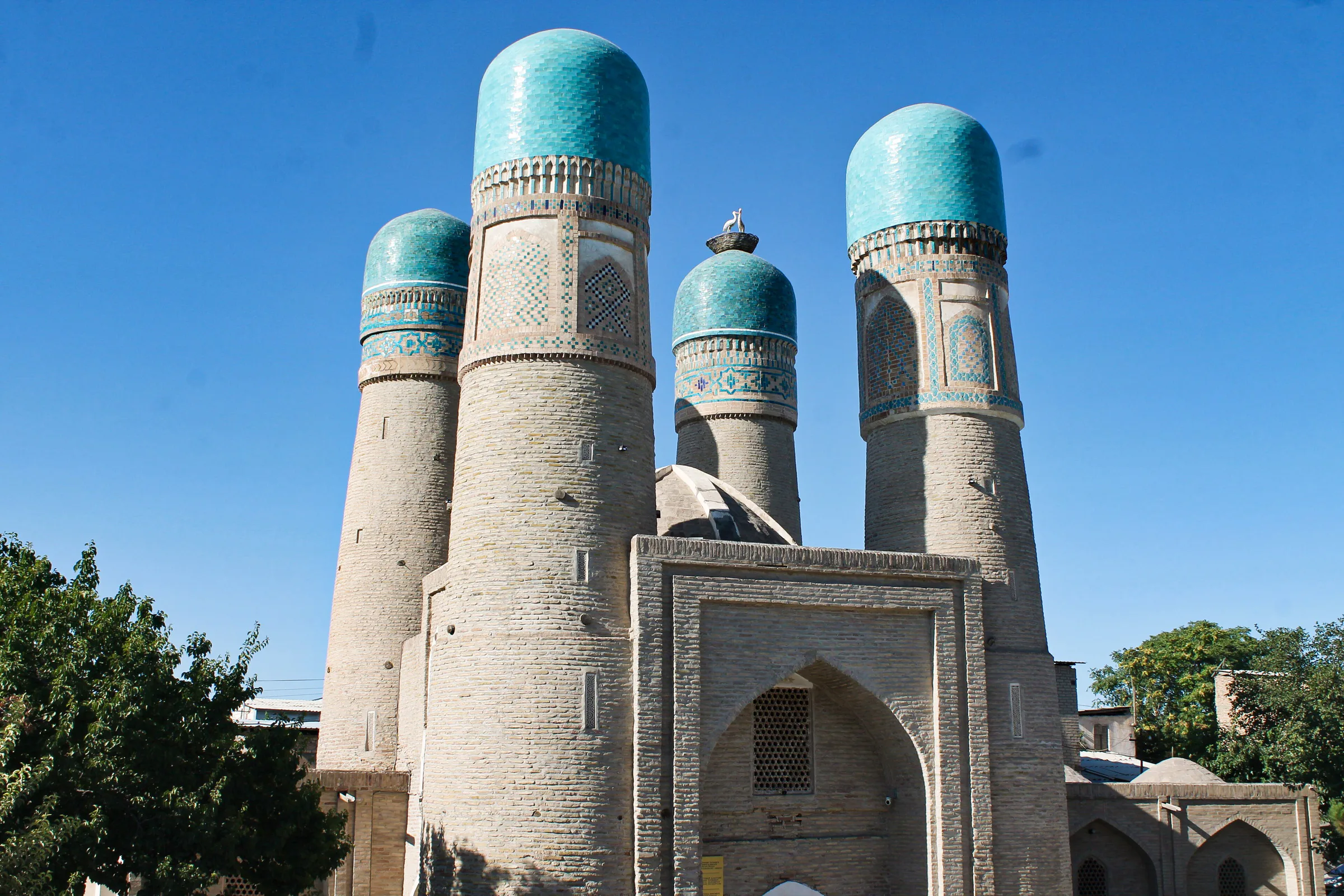
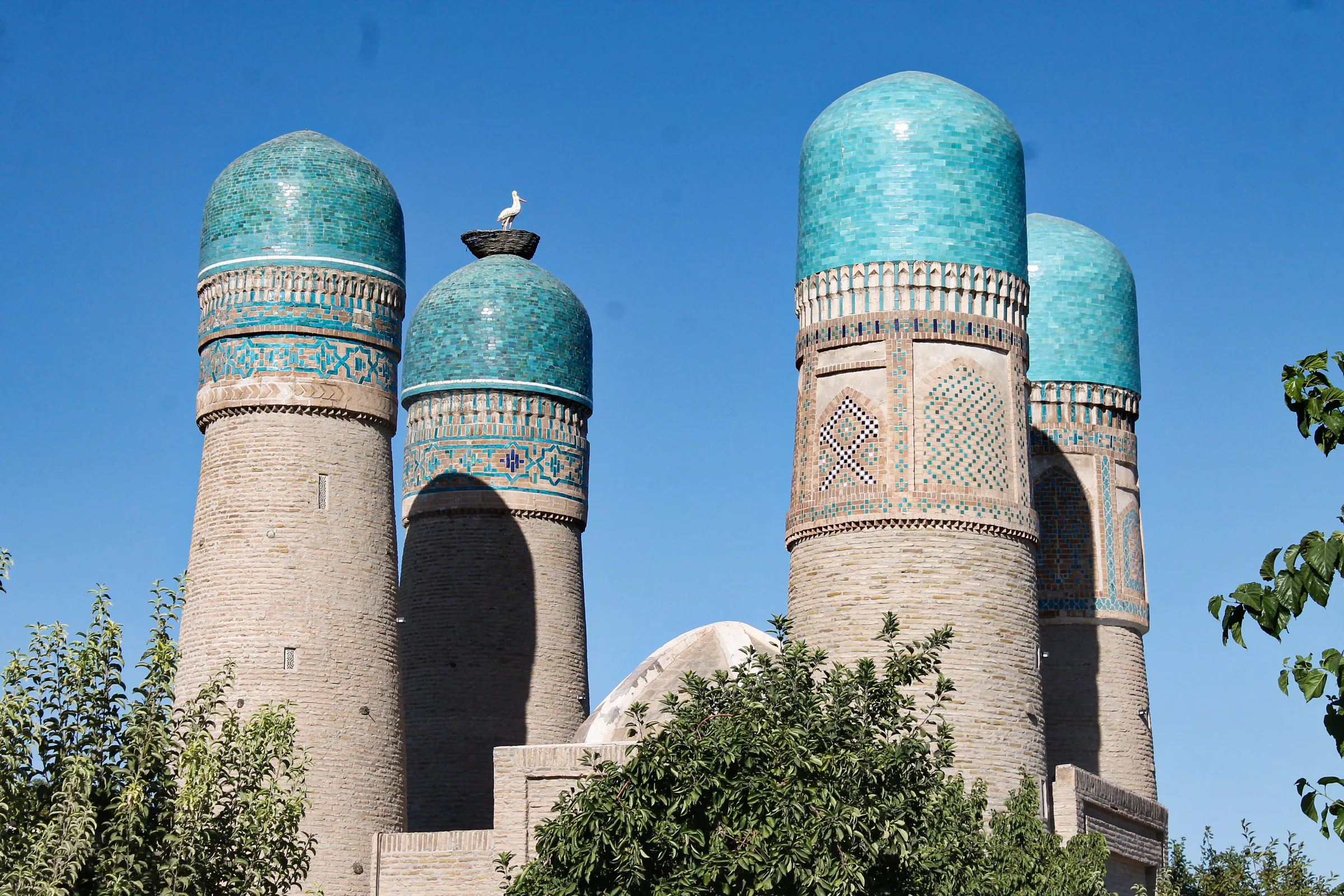
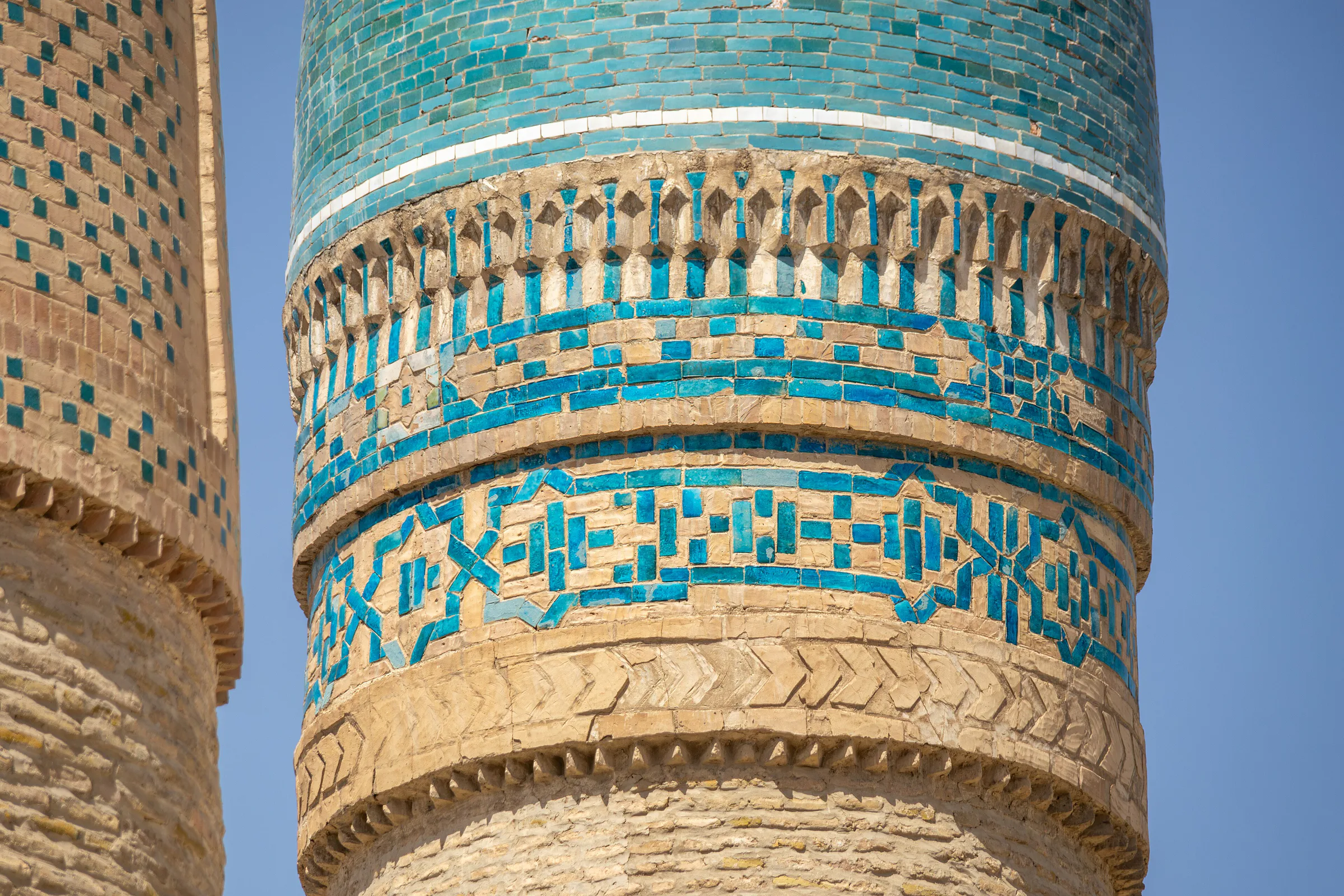
The surviving darvozakhona is a two-storey domed building with a minaret-like tower at each corner. Their domes are clad in blue tiles, and the decoration never repeats. The ground floor served as a vestibule and the upper floor held the library. One tower contains the staircase and the other three were storerooms — they were never minarets at all.
The towers were restored in 1968 and again in the 1980s–90s. In 1995 the south-east tower collapsed and was rebuilt. Today the building stands among houses and little shops in a residential quarter; there is a small souvenir shop inside, and you may be able to go up on the roof for a close look at the towers.
Chor Minor lies a few hundred metres north-east of Lyab-i Hauz, but it hides in narrow lanes, so a map or navigation app makes it easier to find.
One legend says each of the four towers honours one of Niyazkul's four daughters; another reads the tower ornament as a nod to four religions then known in Central Asia. Neither is backed by documents — what Niyazkul really intended remains a mystery.
Chor Minor is Persian for 'four minarets', and the building has no parallel anywhere else in Bukhara's architecture — today it is one of the most common images on the city's souvenirs and postcards.
Ensemble · Bukhara city
The square by the pool — old Bukhara's beating heart
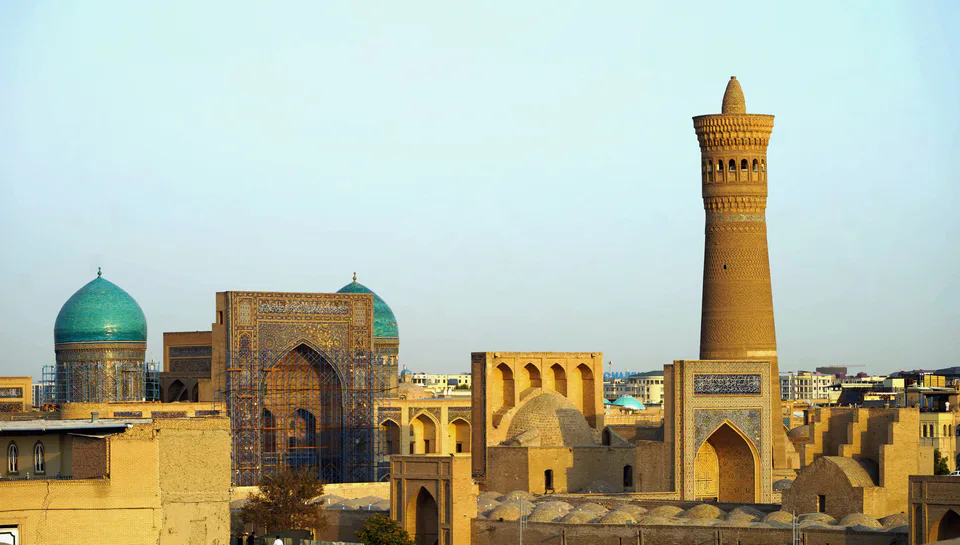
Ensemble · Bukhara city
Central Asia's most complete medieval city
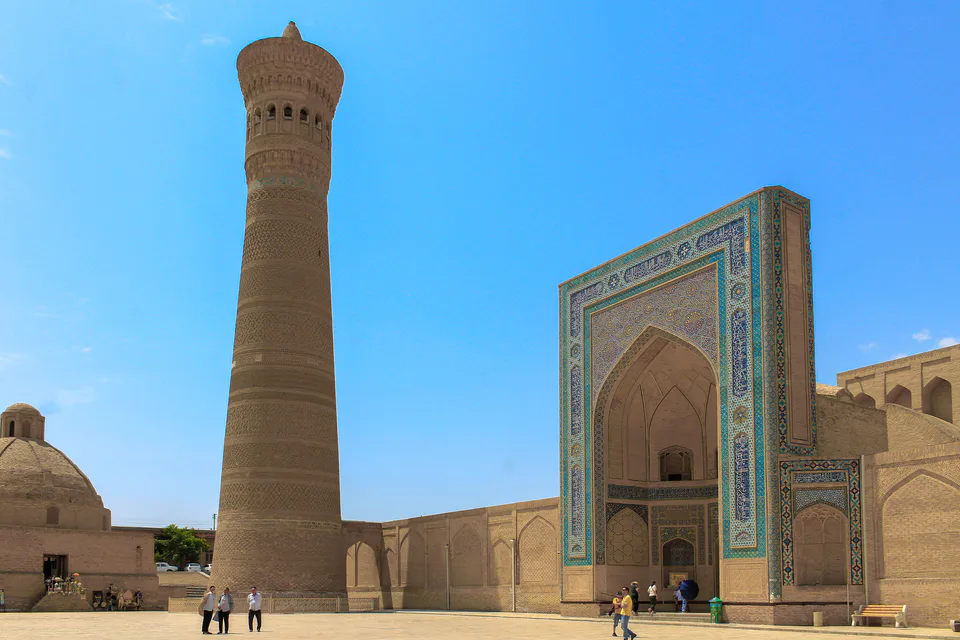
Minaret · Bukhara city
The tower Genghis Khan left standing
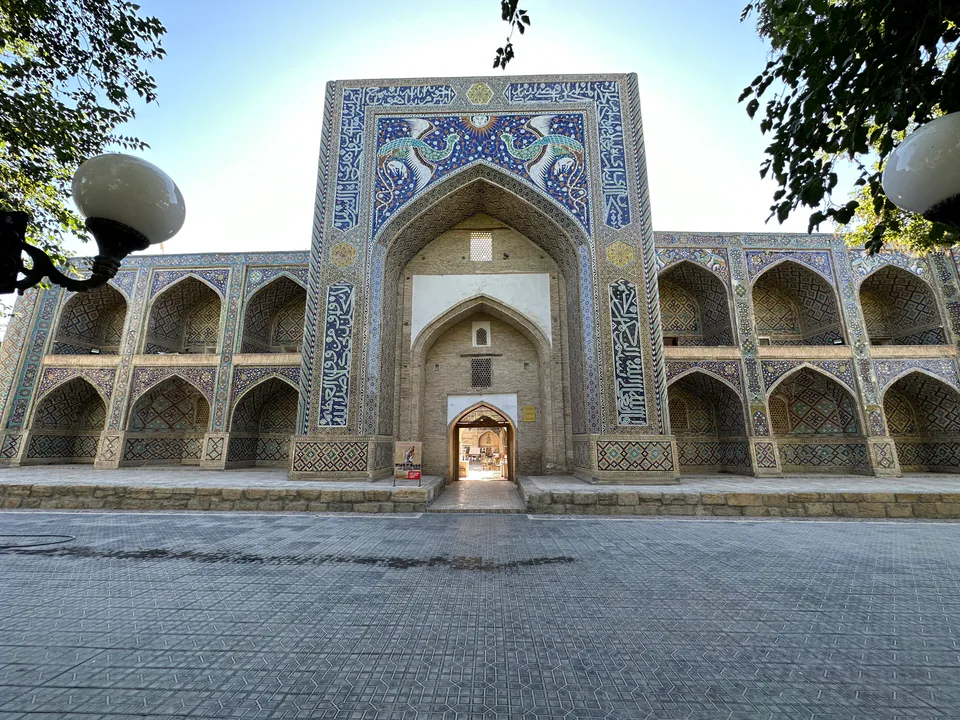
Madrasa · Bukhara city
The caravanserai that became a madrasa
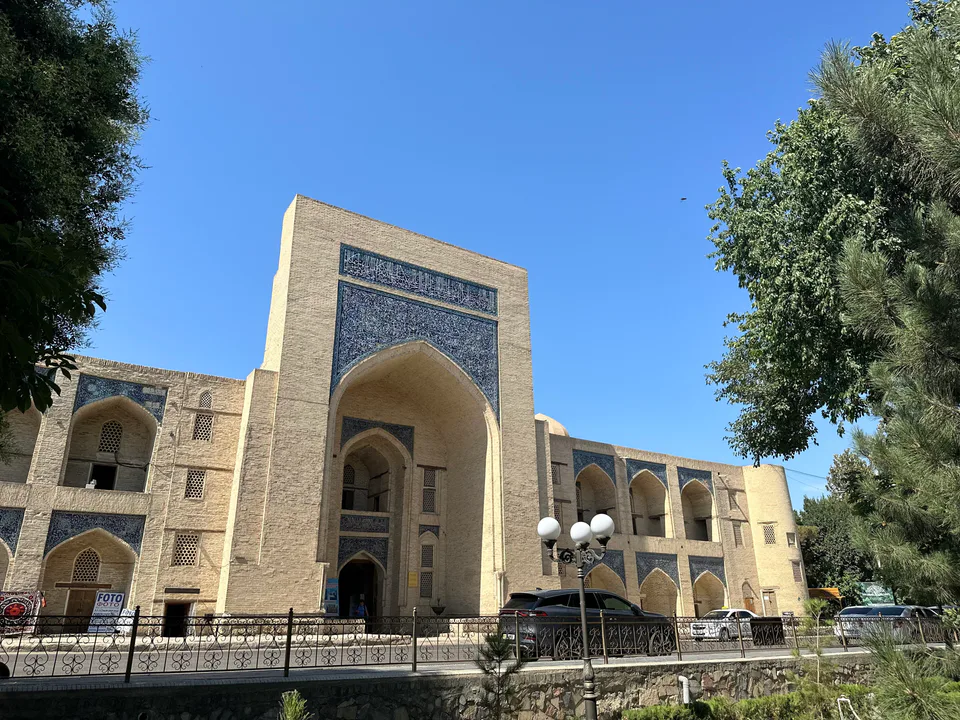
Madrasa · Bukhara city
Central Asia's largest madrasa
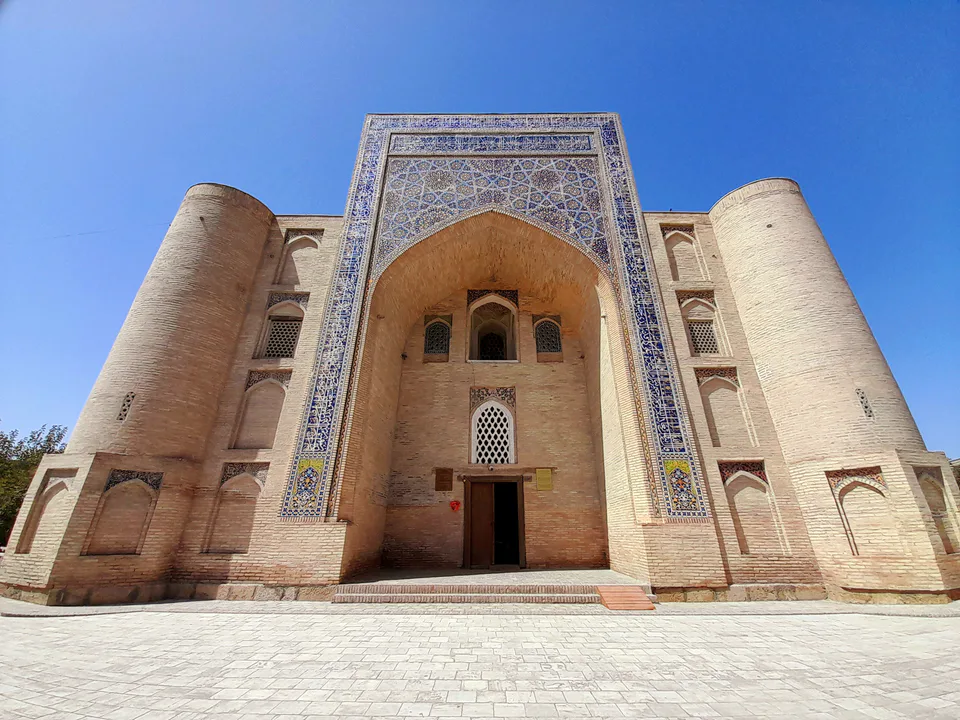
Mosque · Bukhara city
A Sufi lodge on the edge of the pool
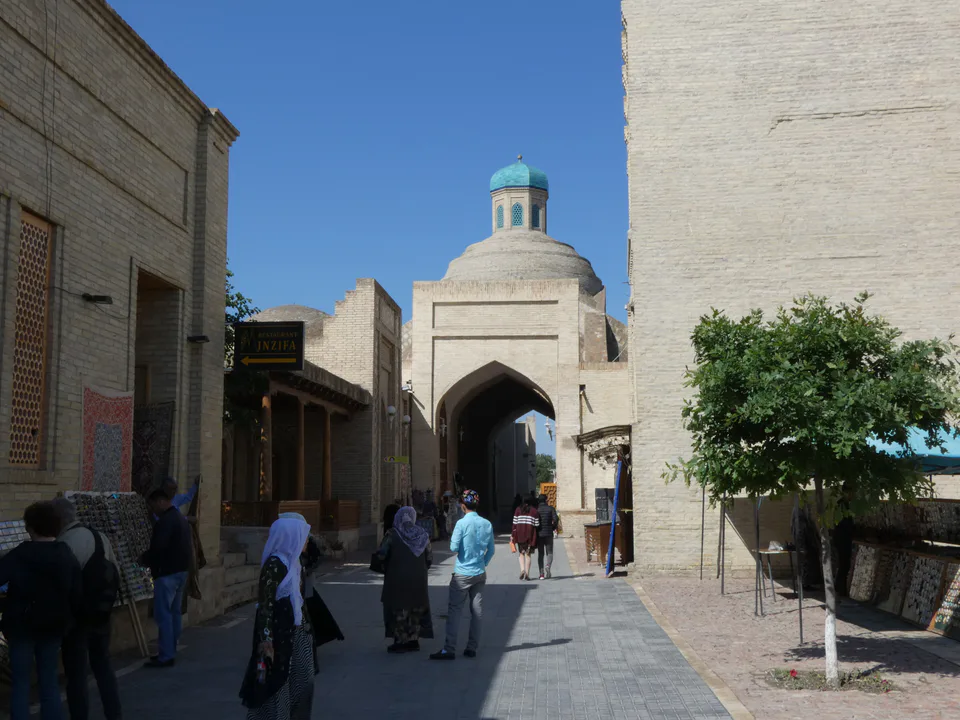
Bazaar · Bukhara city
The money-changers' dome — a Silk Road bureau de change
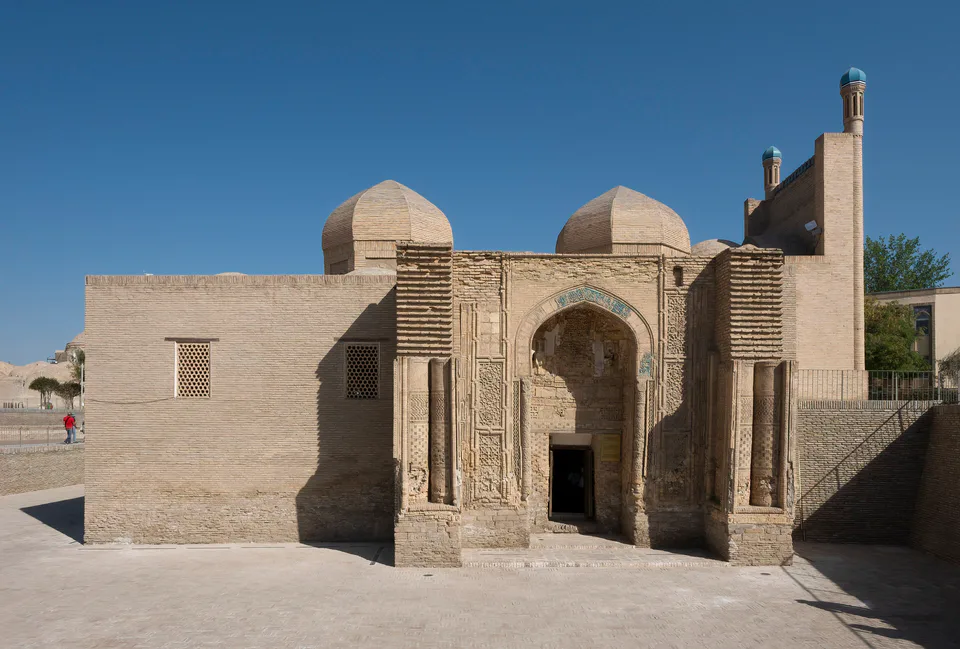
Mosque · Bukhara city
Bukhara's oldest mosque, sunk below the street
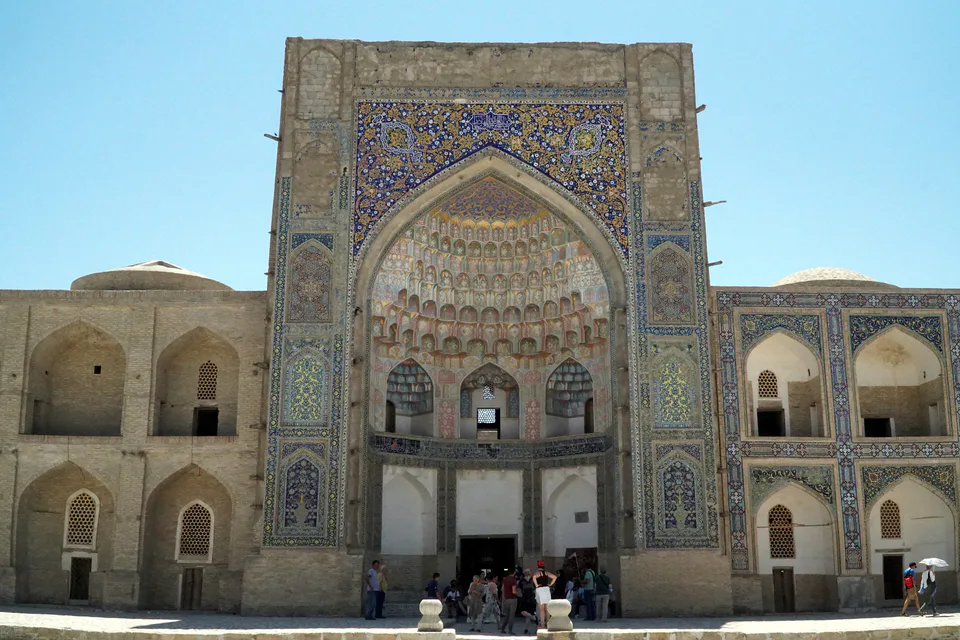
Madrasa · Bukhara city
The last of Bukhara's great madrasas
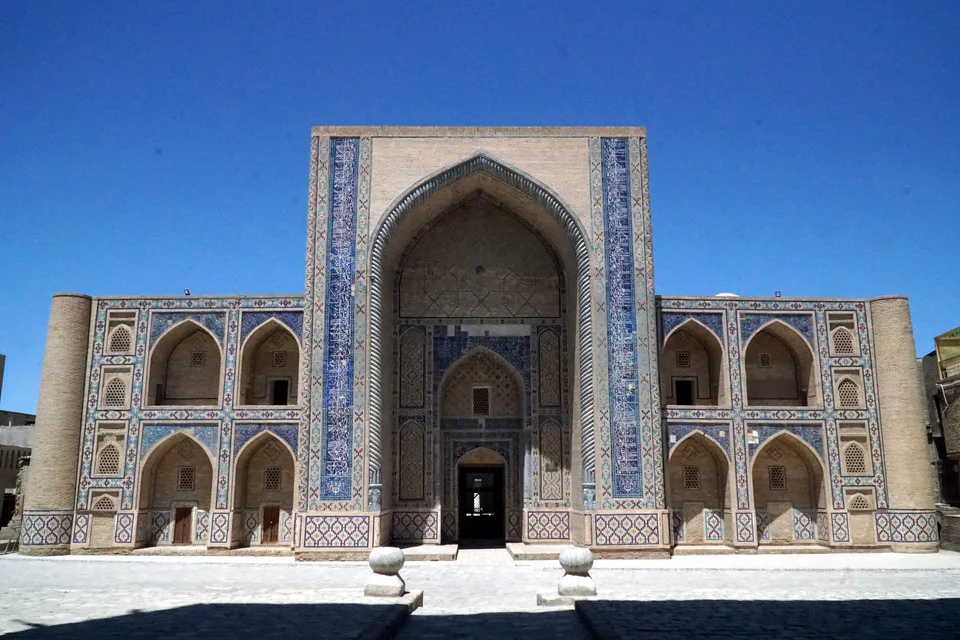
Madrasa · Bukhara city
The oldest of Ulugh Beg's three madrasas