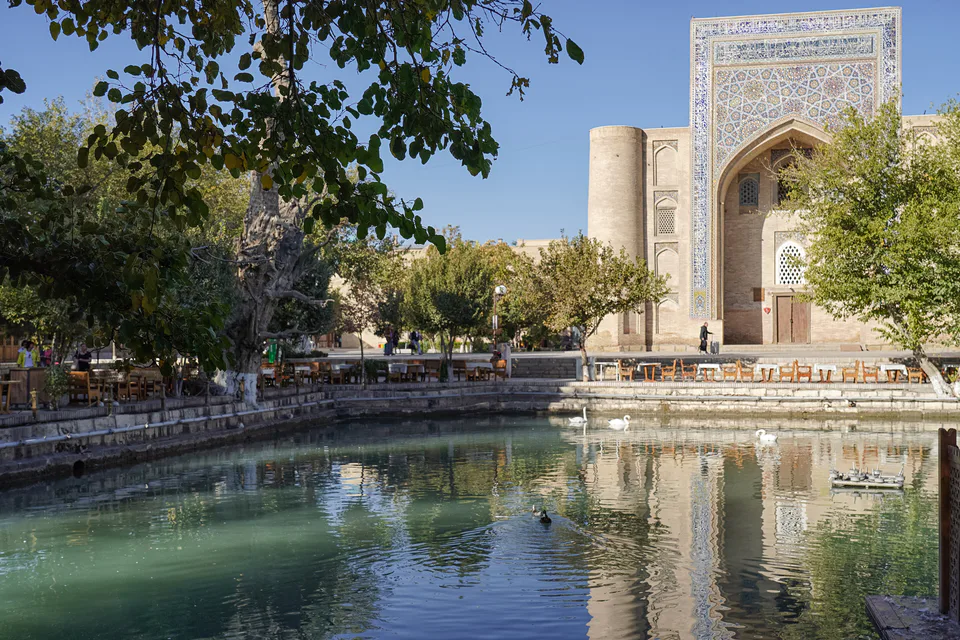
Ensemble · Bukhara city
Lyab-i Hauz Ensemble
The square by the pool — old Bukhara's beating heart
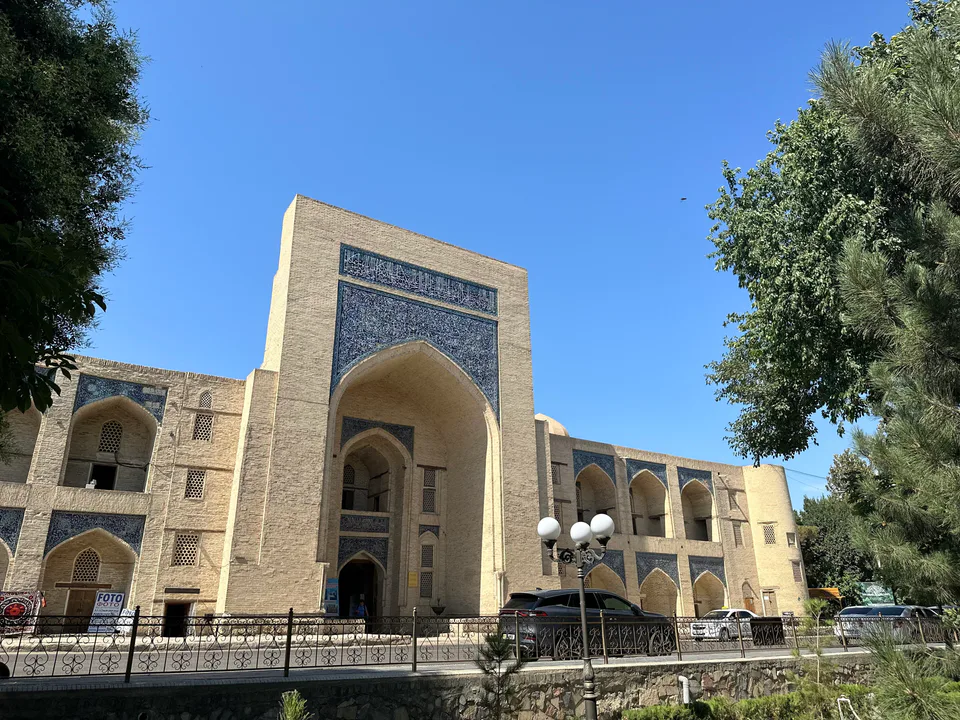
Madrasa · Bukhara city
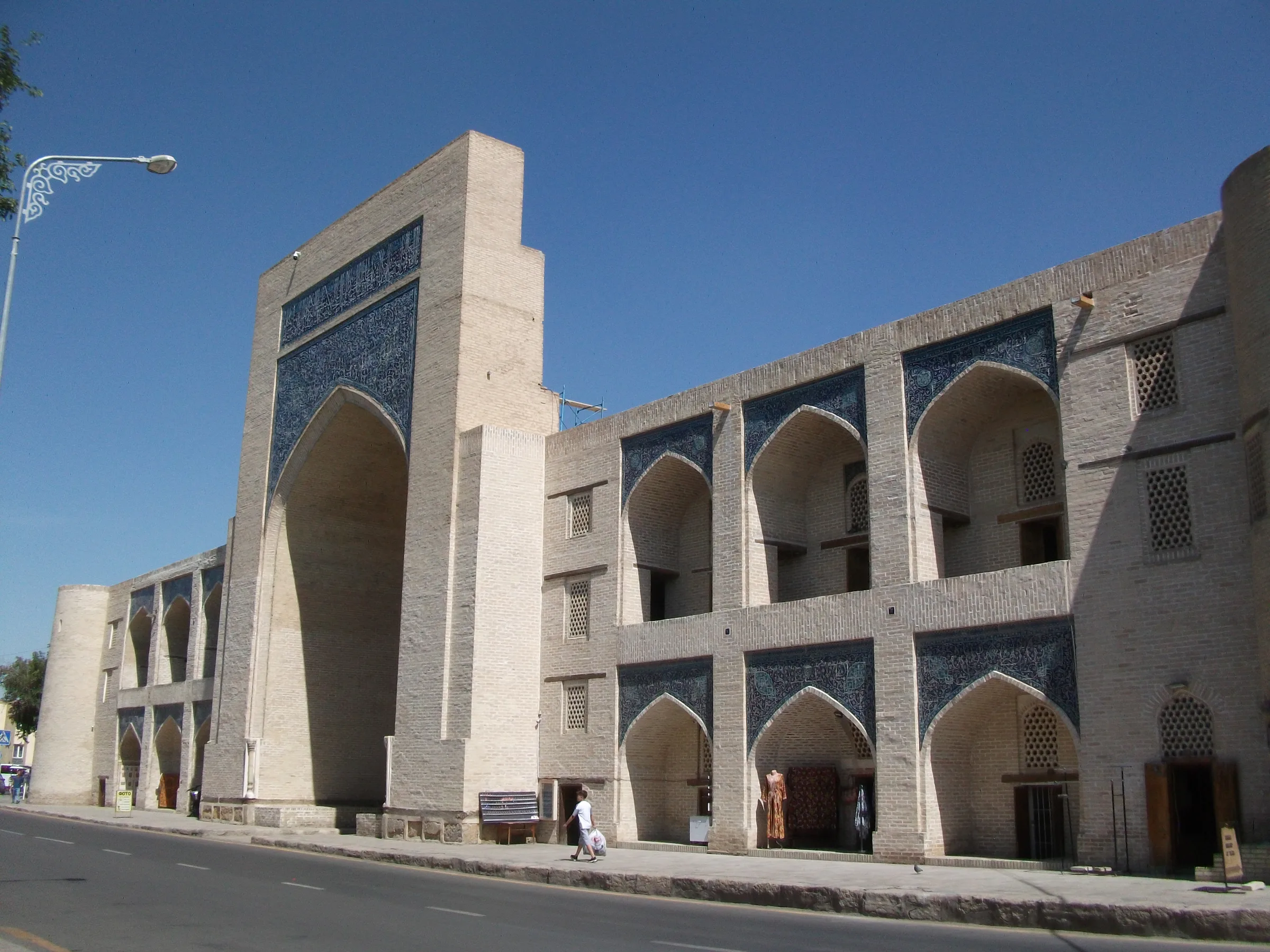
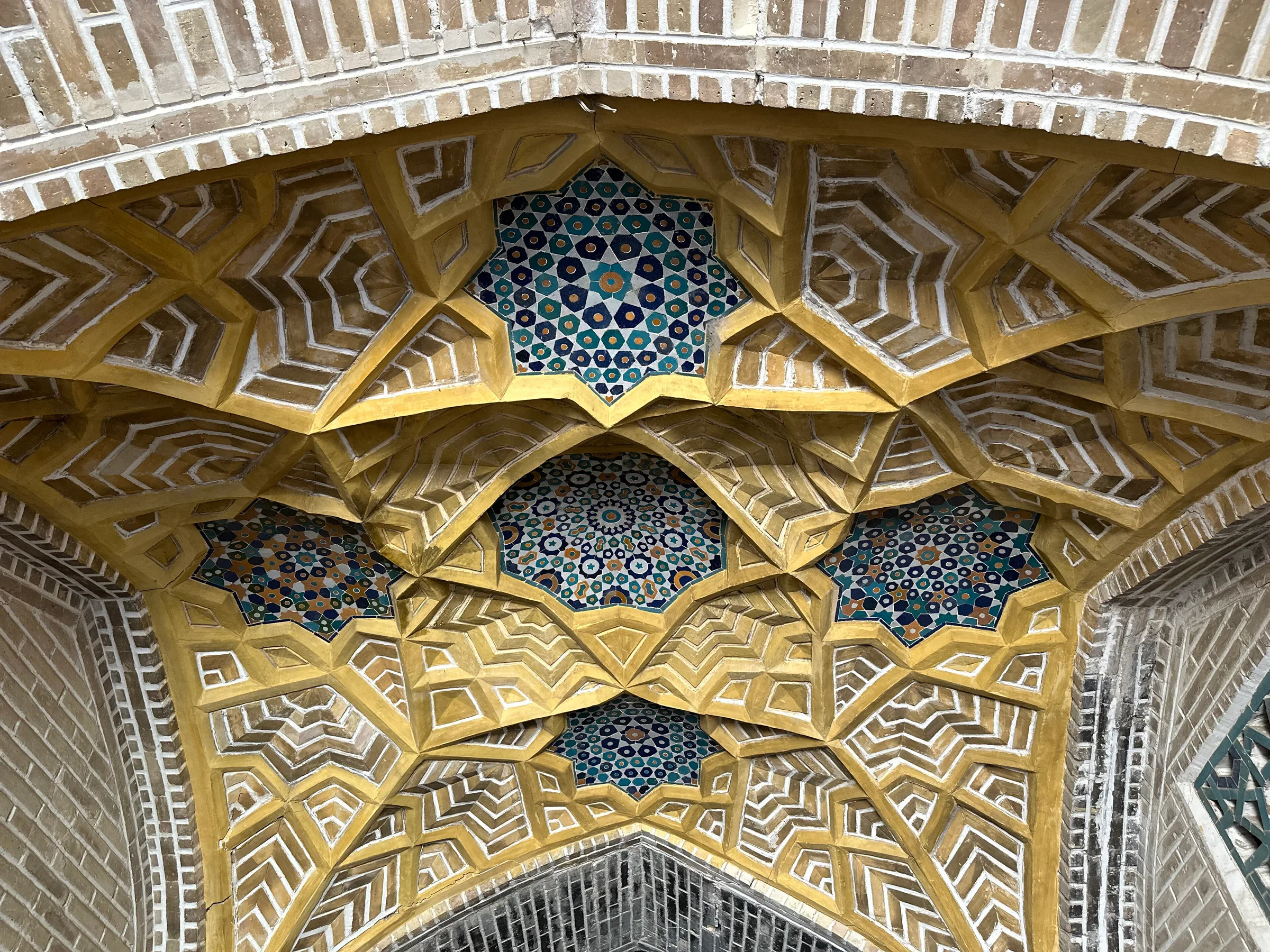
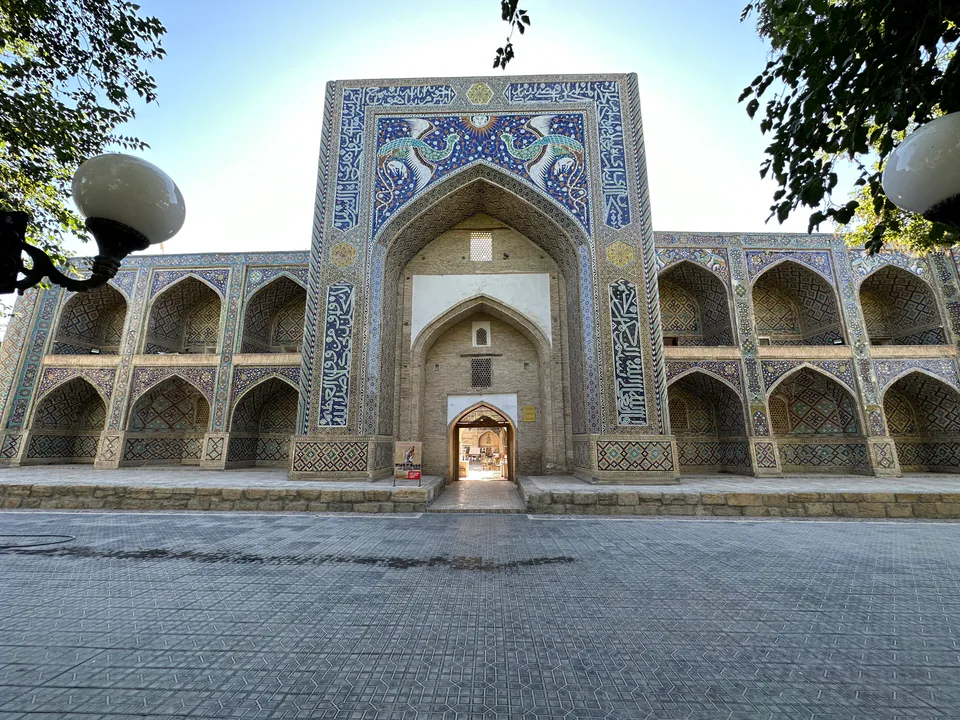
The oldest building on Lyab-i Hauz, this two-storey madrasa built by Kulbaba Kukeldash in 1568–1569 is considered the largest in Central Asia.
The madrasa went up under the Shaybanid Abdullah Khan II (1557–1598), paid for by his foster brother and closest ally, Kulbaba Kukeldash — an educated man, poet and patron of the arts whose name is attached to several madrasas, caravanserais and libraries. It lived off endowed properties, among them Bukhara's Sukhta caravanserai.
Abdullah Khan II rebuilt Bukhara almost from scratch, enlarging it by about a third and enclosing it in new walls. The Kukeldash was one of the biggest projects of that building boom, and the Lyab-i Hauz ensemble later grew up around it. Its senior teacher, the okhund, ranked highest among Bukhara's madrasa professors.
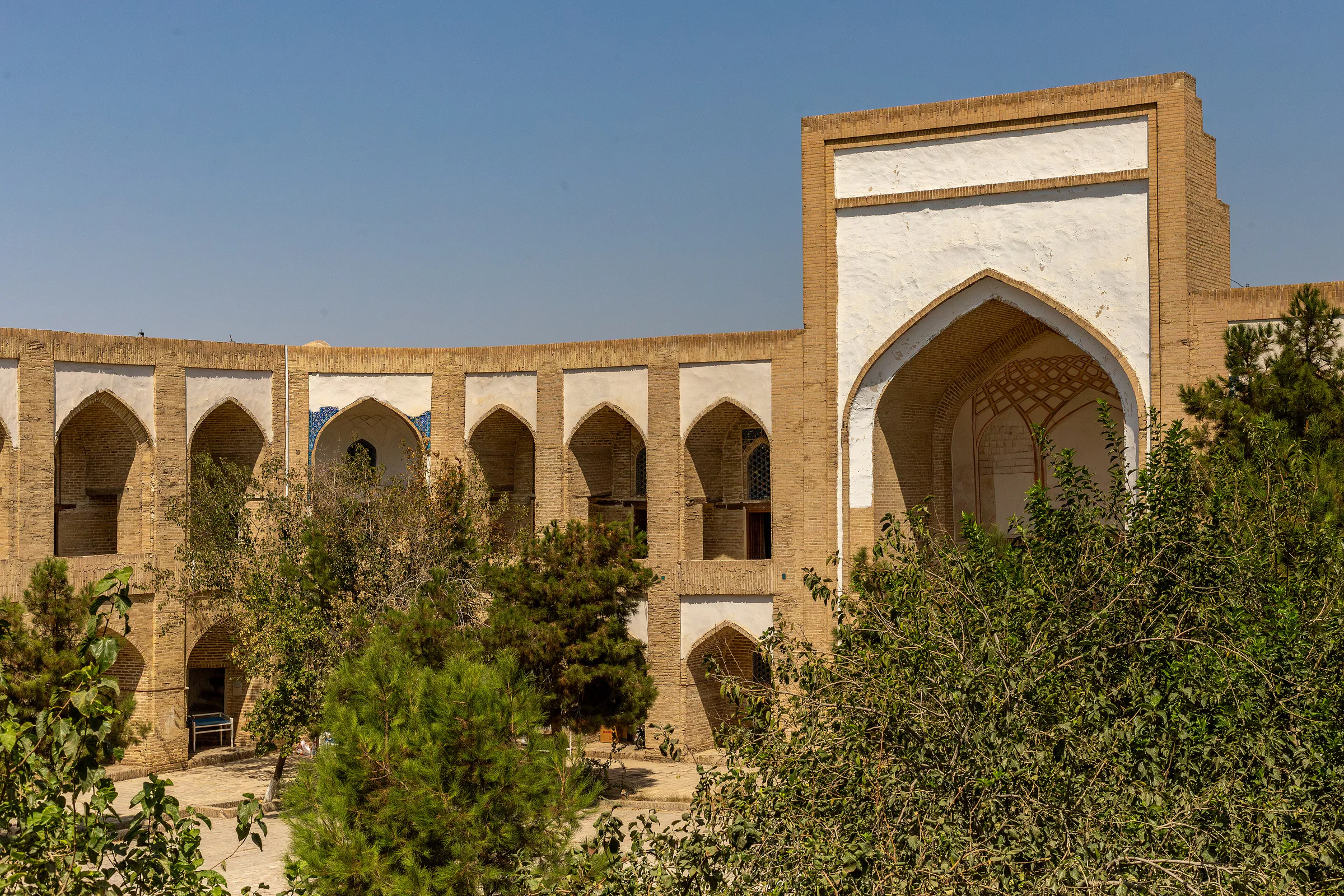
Two storeys of student cells surround a broad courtyard, and it is credited as the first madrasa with loggias on its side facades. After Soviet power arrived it housed Mikhail Frunze's office, later a museum and the regional archive.
Today it holds the Museum of the History of Bukhara Literature, craft workshops and souvenir shops; step into the courtyard to see the two tiers of cells.
Ensemble · Bukhara city
The square by the pool — old Bukhara's beating heart
Madrasa · Bukhara city
The caravanserai that became a madrasa
Mosque · Bukhara city
A Sufi lodge on the edge of the pool
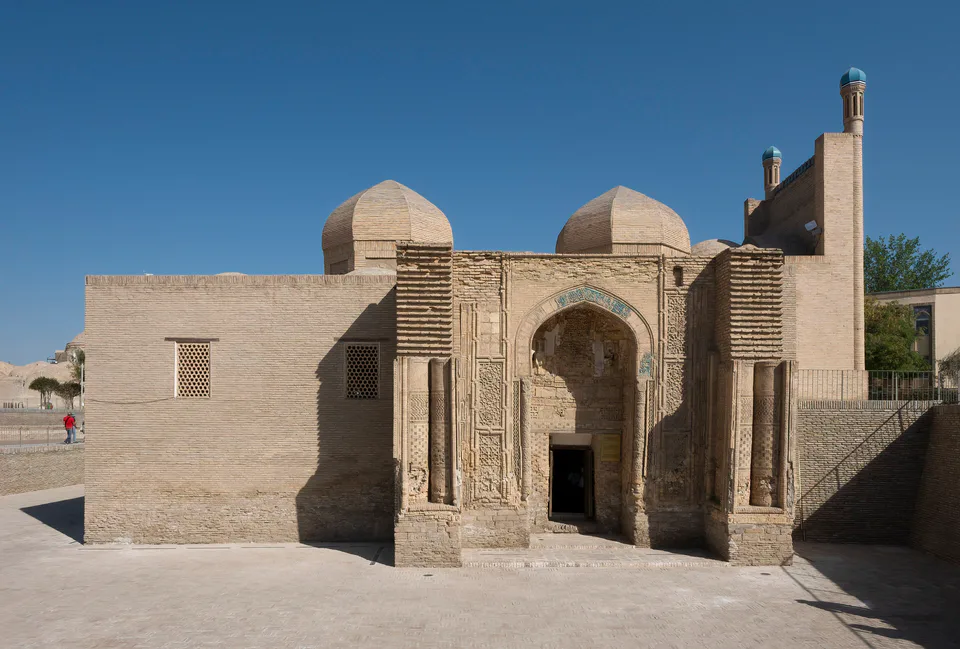
Mosque · Bukhara city
Bukhara's oldest mosque, sunk below the street
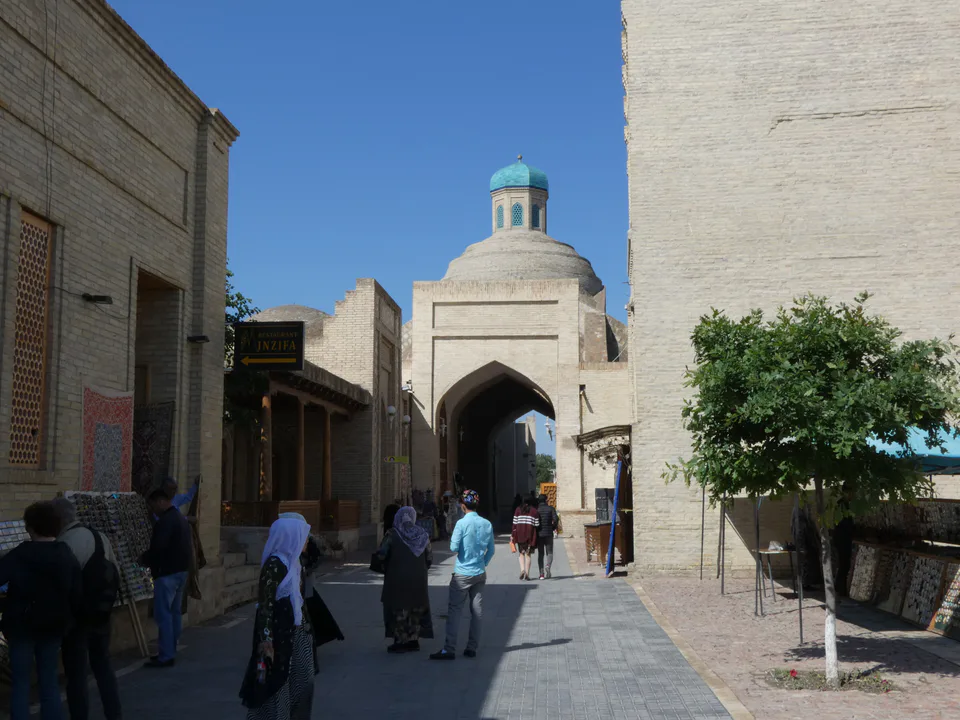
Bazaar · Bukhara city
The money-changers' dome — a Silk Road bureau de change
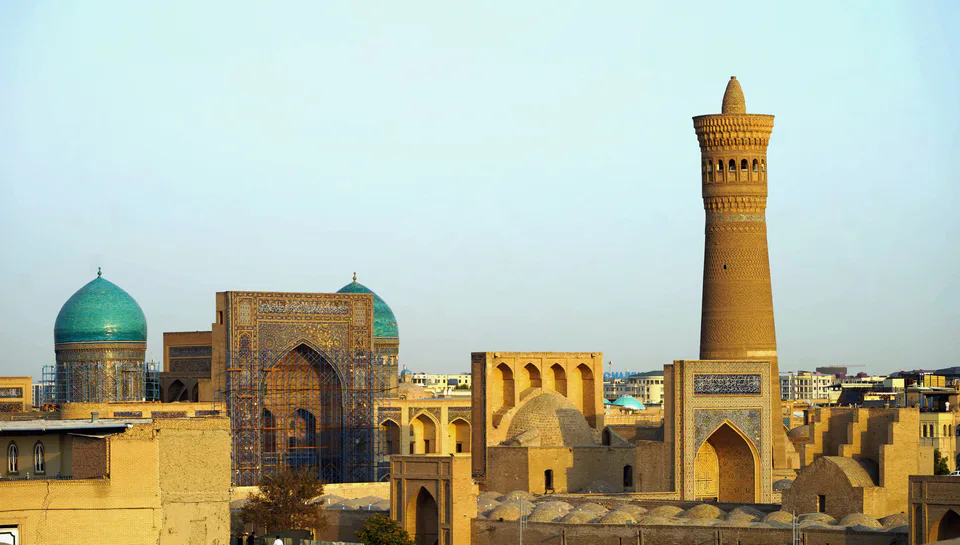
Ensemble · Bukhara city
Central Asia's most complete medieval city
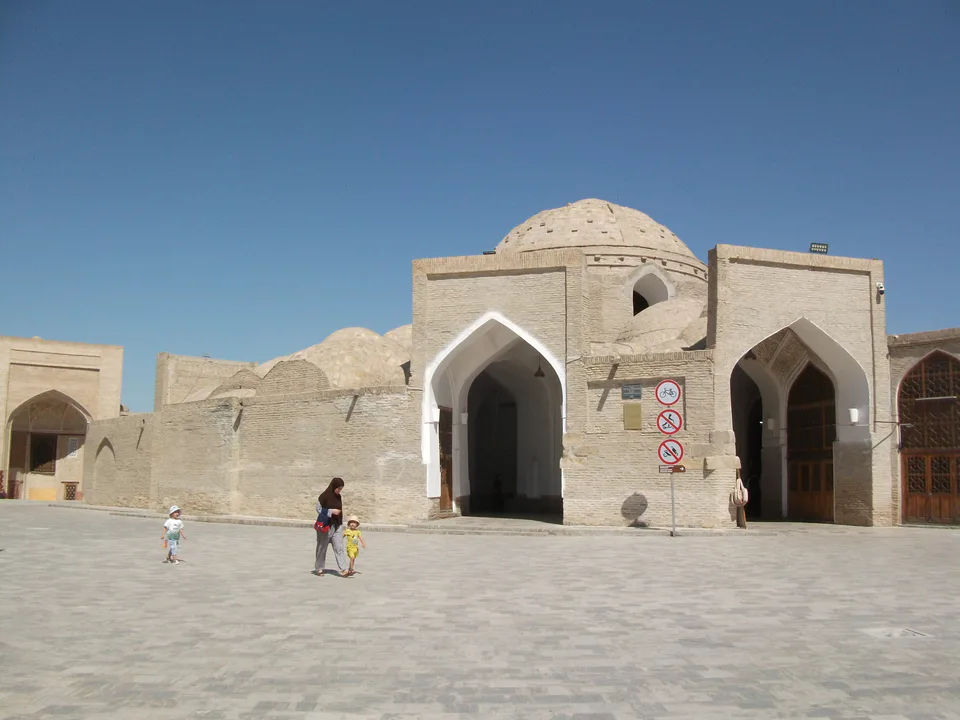
Bazaar · Bukhara city
The hat-sellers' dome over a five-way junction
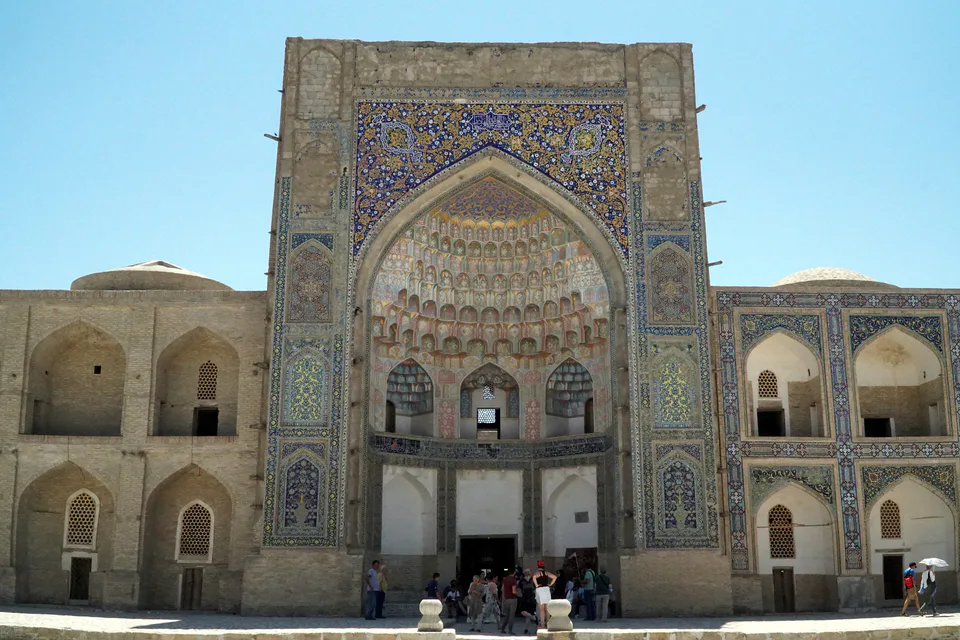
Madrasa · Bukhara city
The last of Bukhara's great madrasas
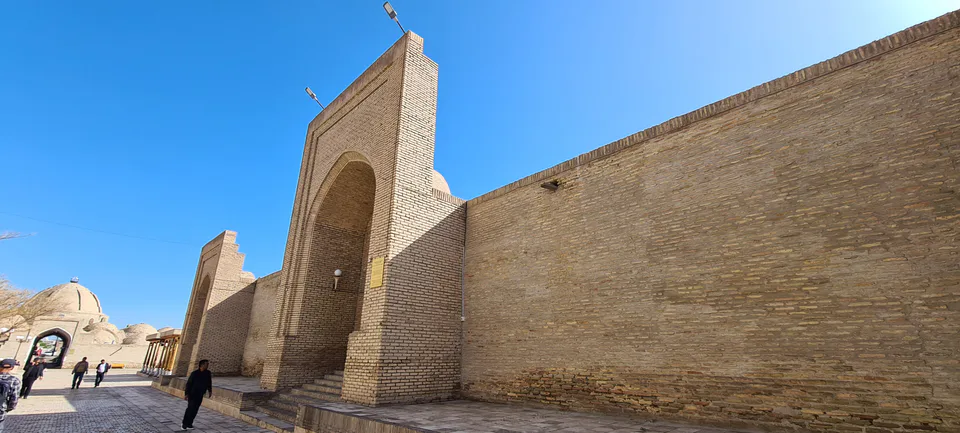
Bazaar · Bukhara city
A gated covered market for silk and carpets
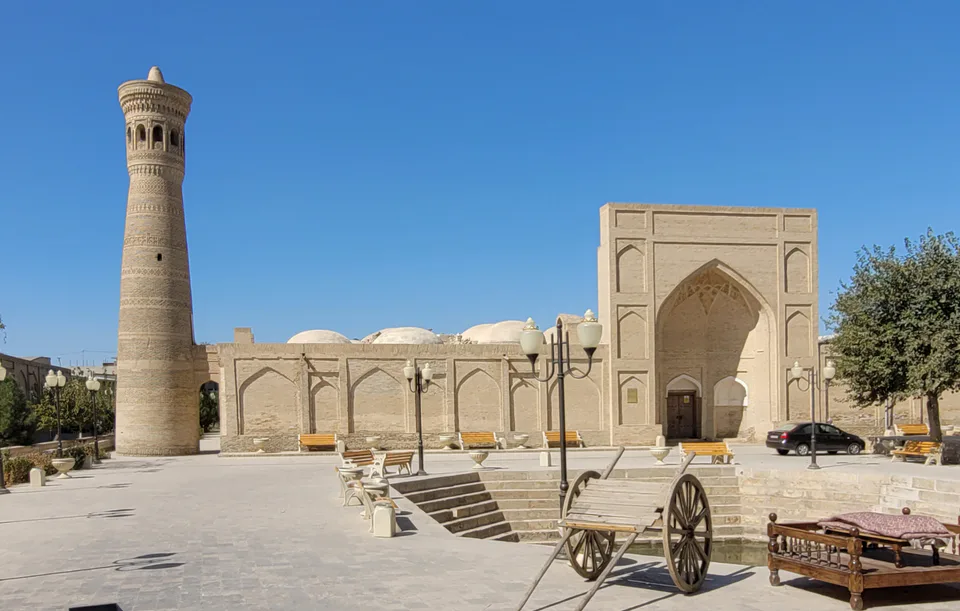
Ensemble · Bukhara city
A madrasa and minaret on the site of an old slaughterhouse