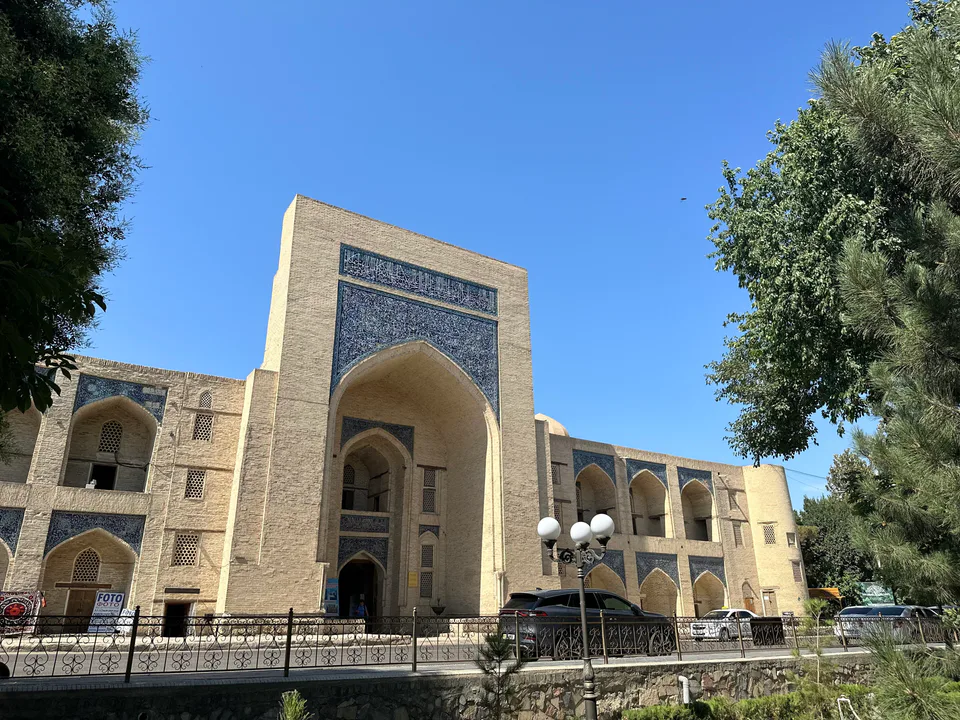
Madrasa · Bukhara city
Kukeldash Madrasa
Central Asia's largest madrasa
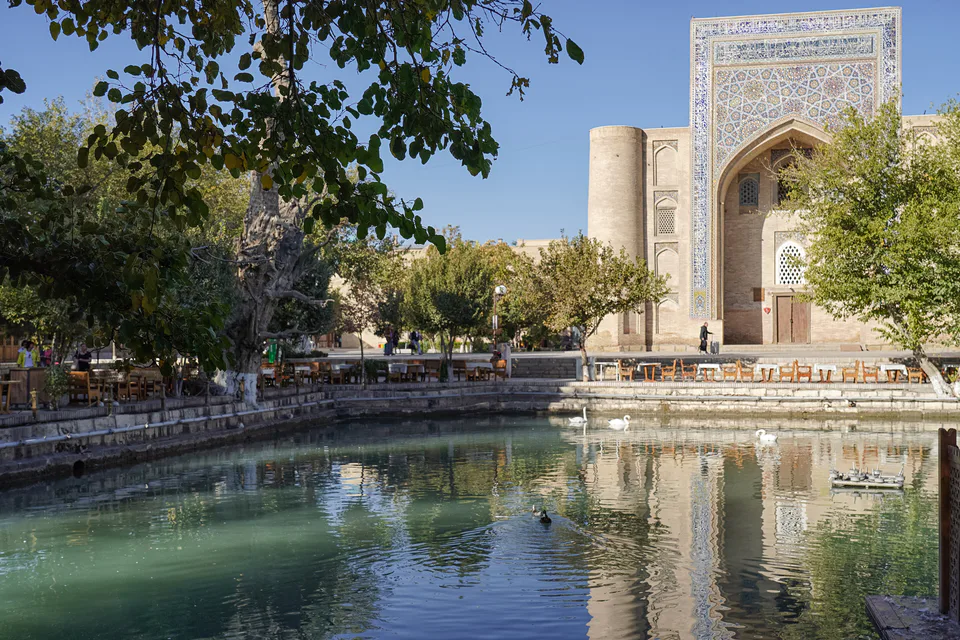
Ensemble · Bukhara city
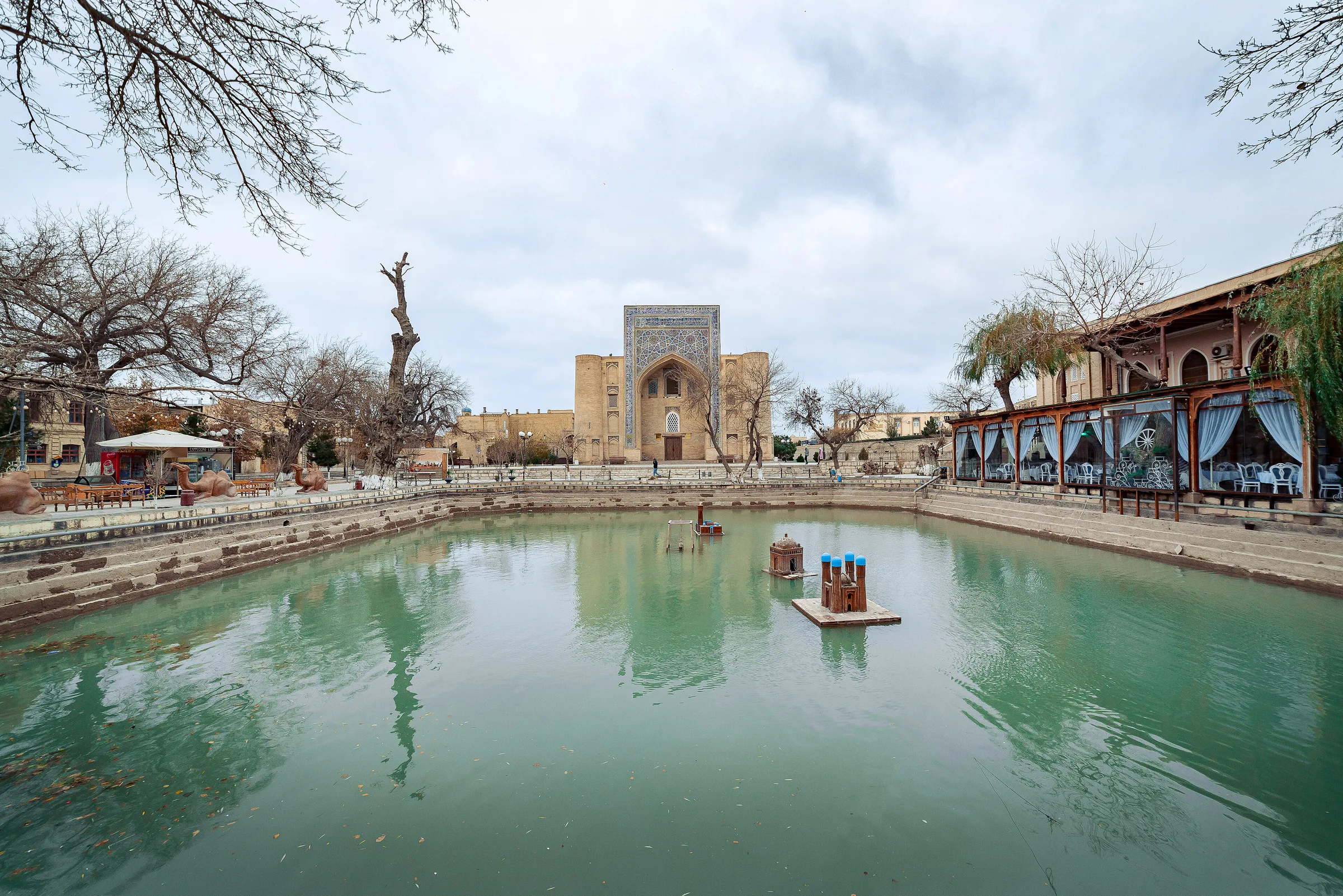
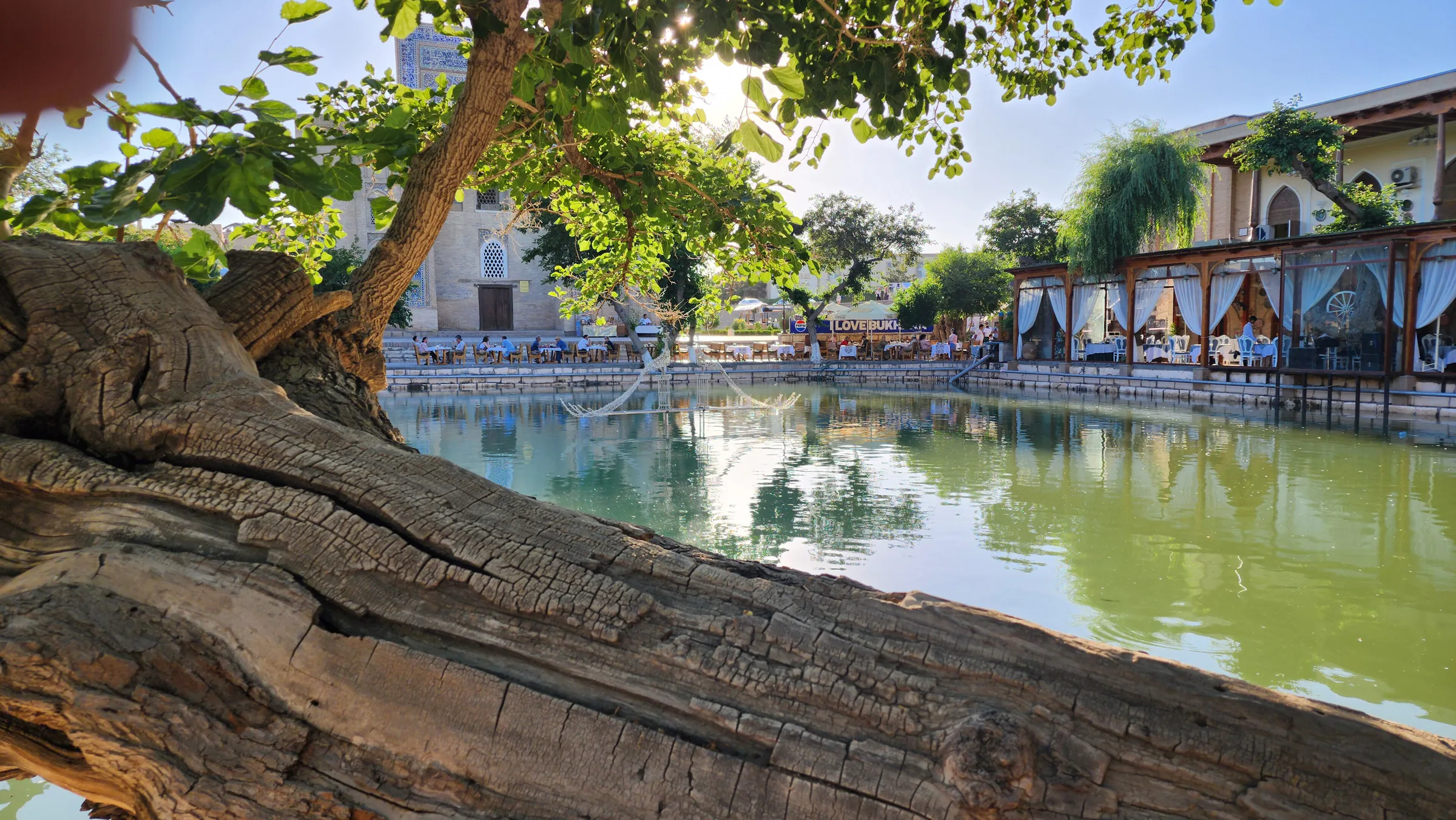
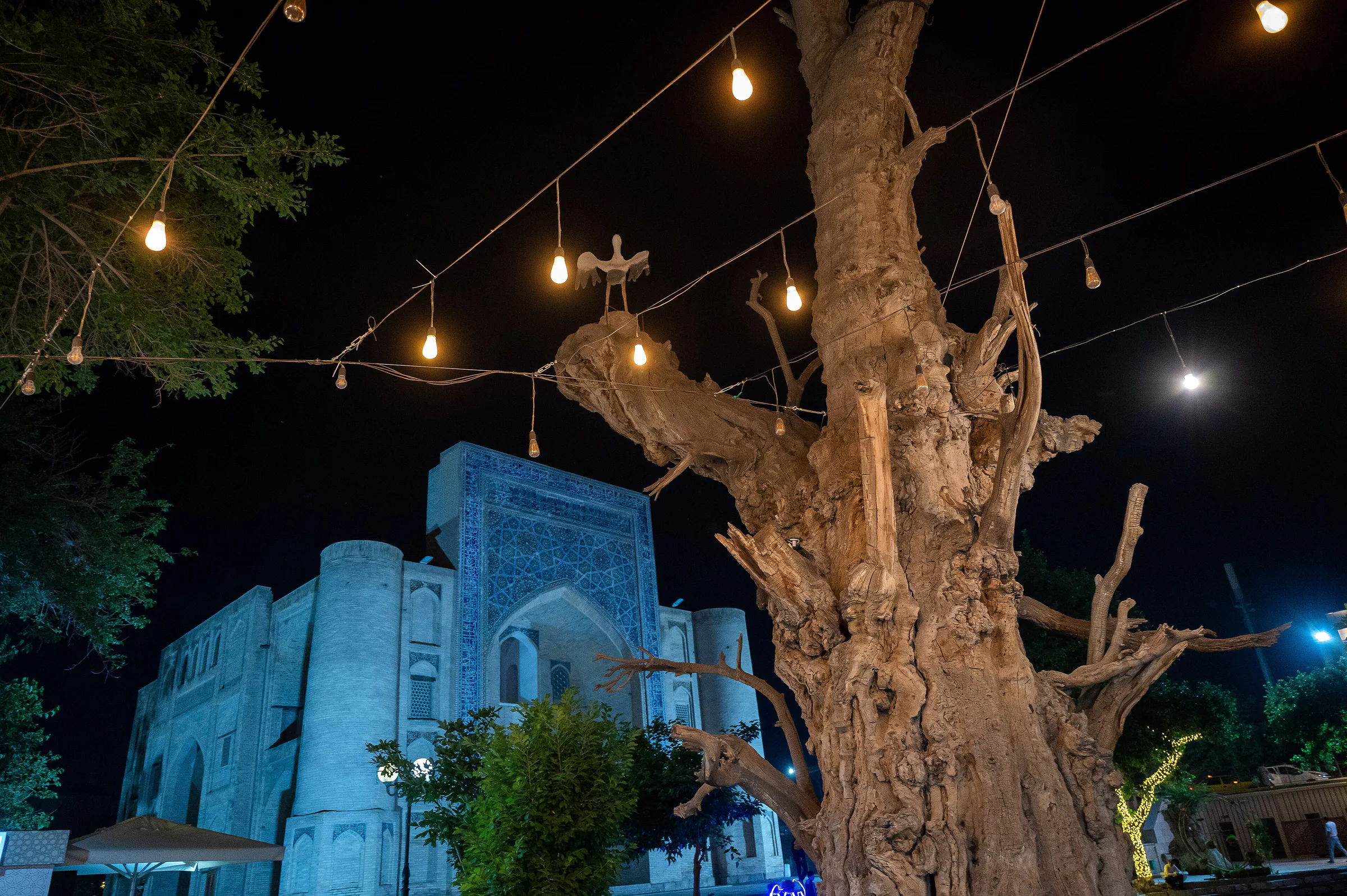
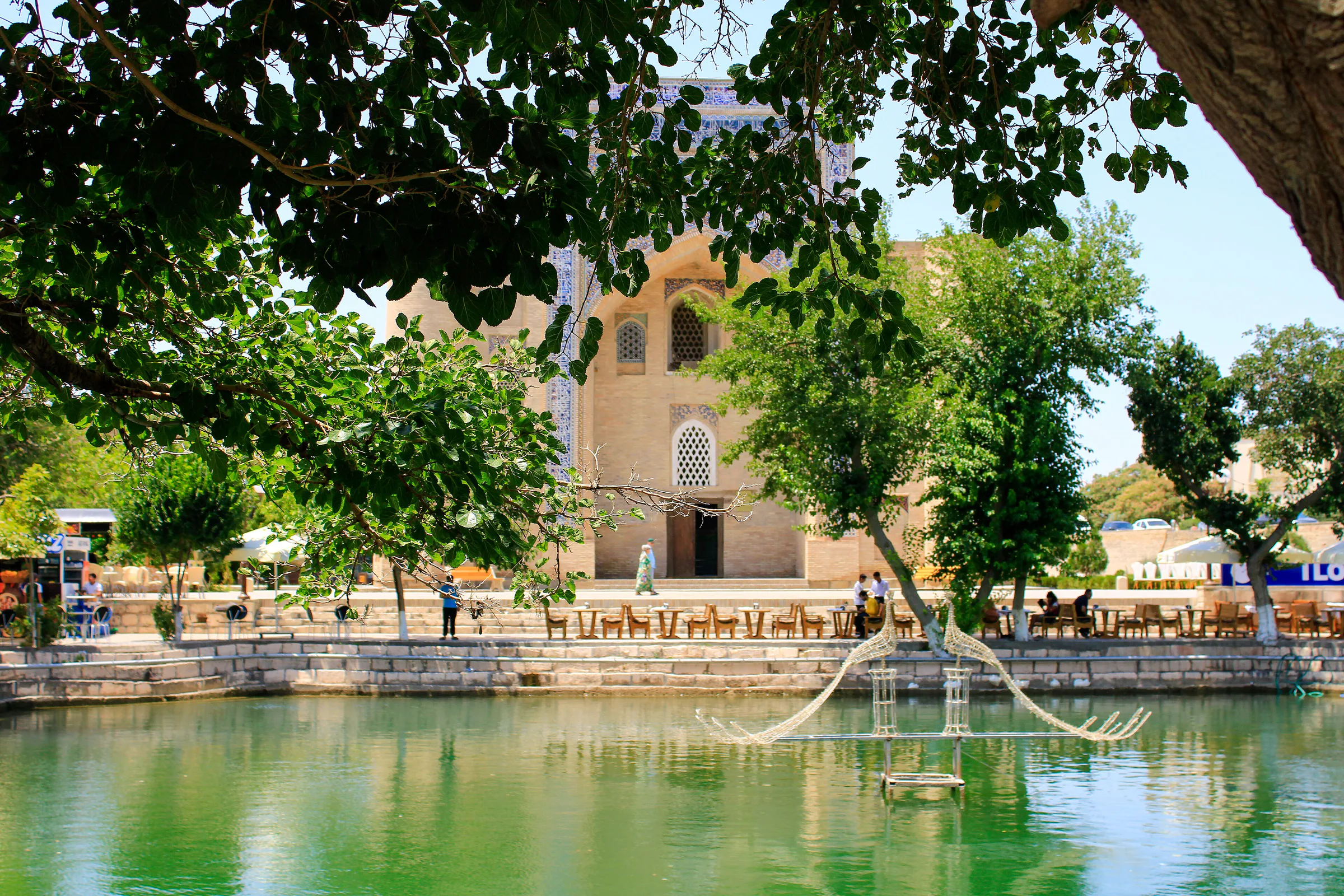
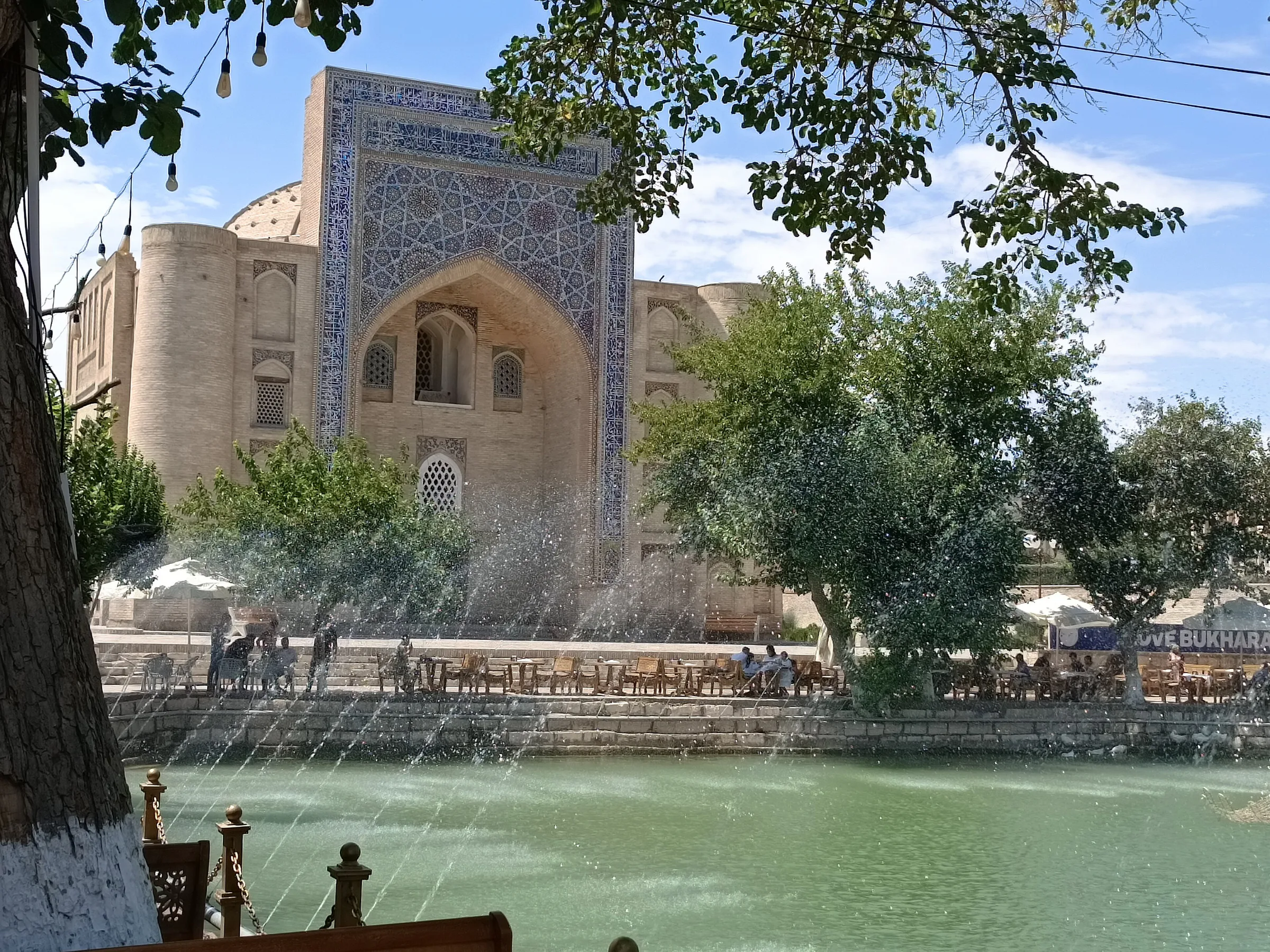
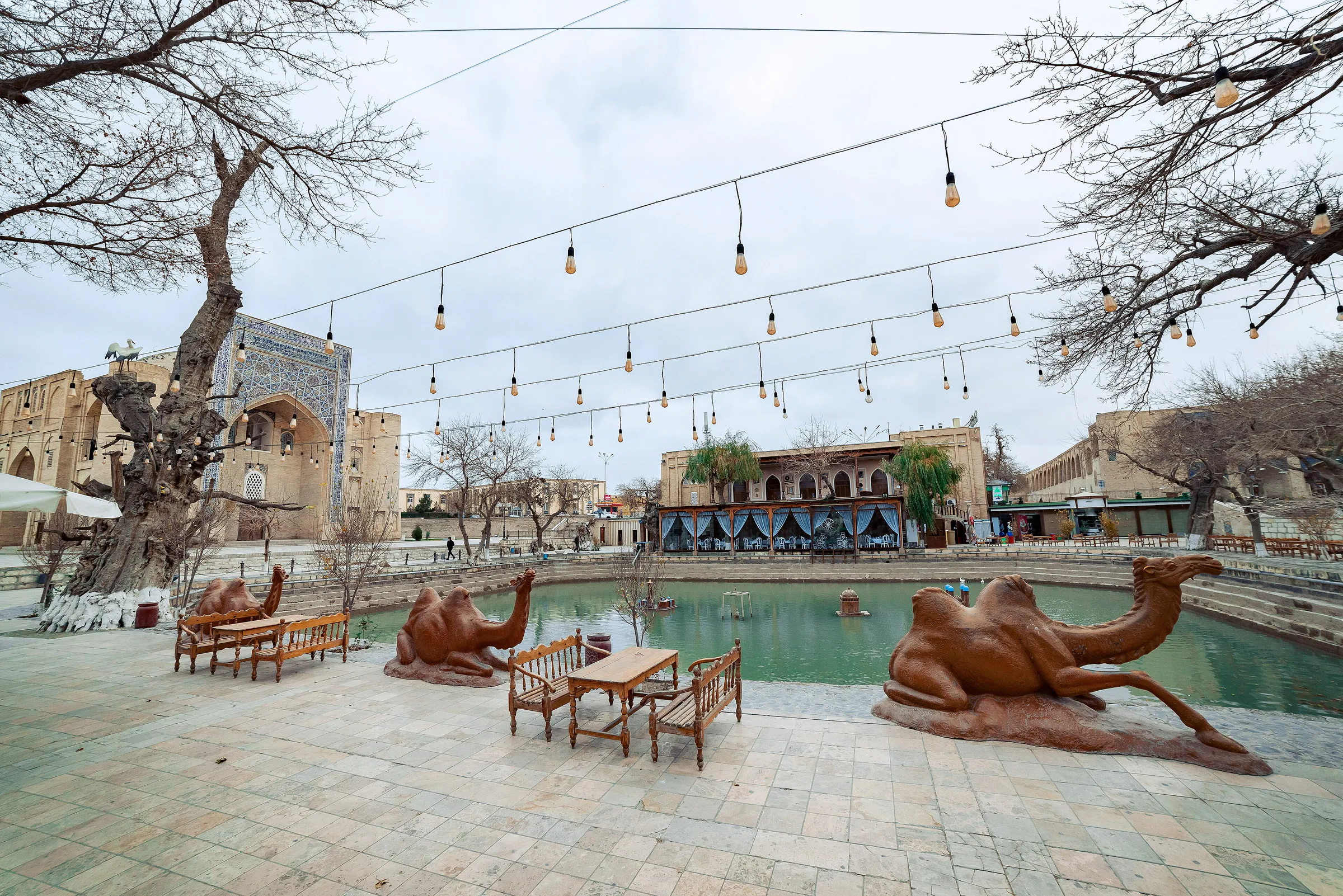
Built up in the 16th and 17th centuries around a pool framed by the Kukeldash Madrasa and the Nadir Divan-Begi madrasa and khanqah, Lyab-i Hauz is the liveliest spot in the old town.
Lyab-i Hauz is Persian for 'by the edge of the pool'. Three large buildings stand around the central pool: the Kukeldash Madrasa of 1568–1569 to the north, the Nadir Divan-Begi Khanqah of 1619–1620 to the west, and the Nadir Divan-Begi Madrasa of 1622–1623 to the east. Khanqah and madrasa face each other across the water to form a kosh. The whole ensemble measures about 150 by 200 m.
In the Middle Ages this was a busy market square: the main commercial street with its trading domes ran close by, and open space was scarce in the tightly packed city. The pool was fed by the Shakhrud canal.
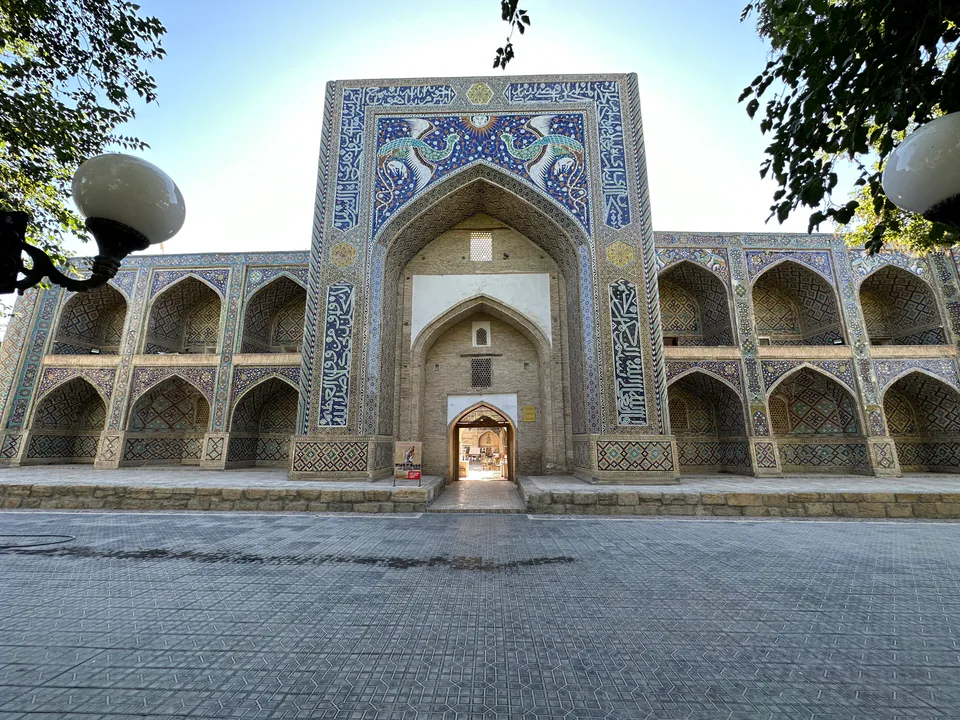
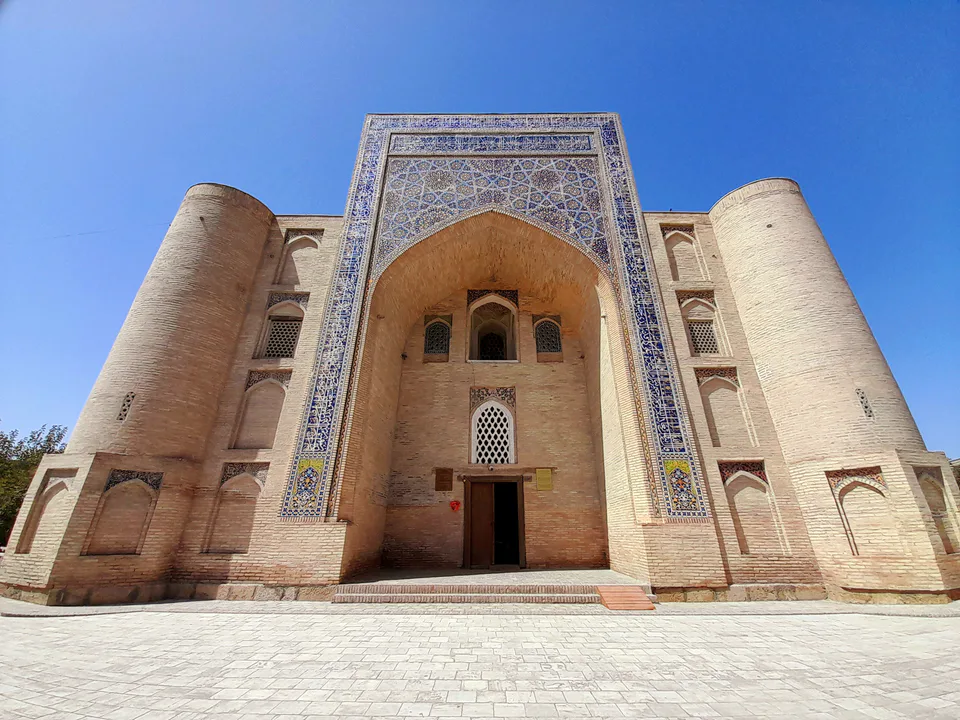
The oldest building on the square is the Kukeldash Madrasa, built by Kulbaba Kukeldash, foster brother and right-hand man of Abdullah Khan II — it is the largest madrasa in Central Asia. In the early 17th century Nadir Divan-Begi, vizier to the Ashtarkhanid ruler Imam Quli Khan, remodelled the square, had the pool dug and built a khanqah on its bank. In 1622–1623 he added a caravanserai on the east side, which was later turned into a madrasa.
In the 20th century most of Bukhara's pools were filled in as health hazards. Lyab-i Hauz survived, though it stood empty for a time; it was refilled in the 1950s after a fire nearby could not be put out for lack of water, and a fountain pipe was laid around its rim.
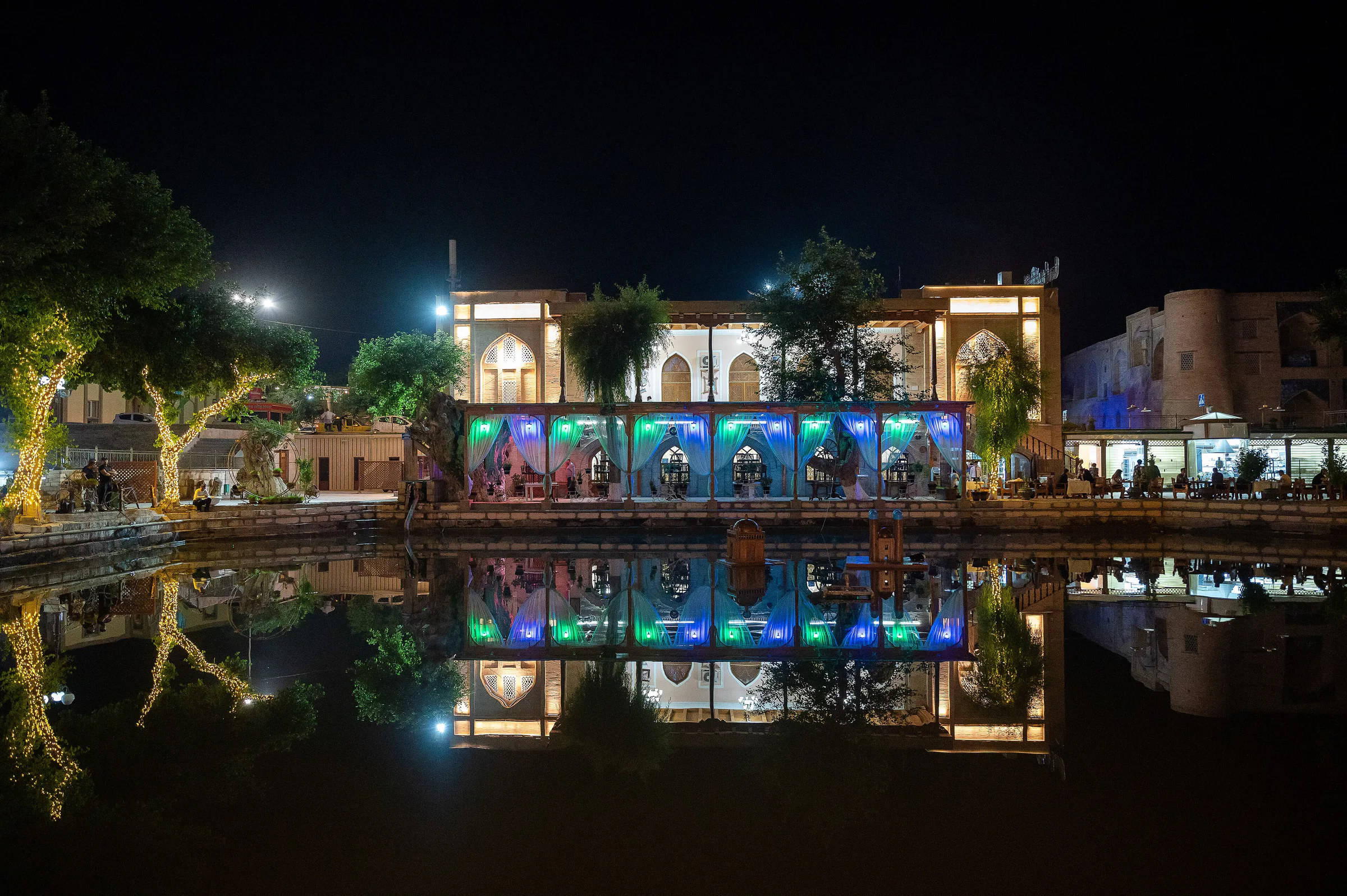
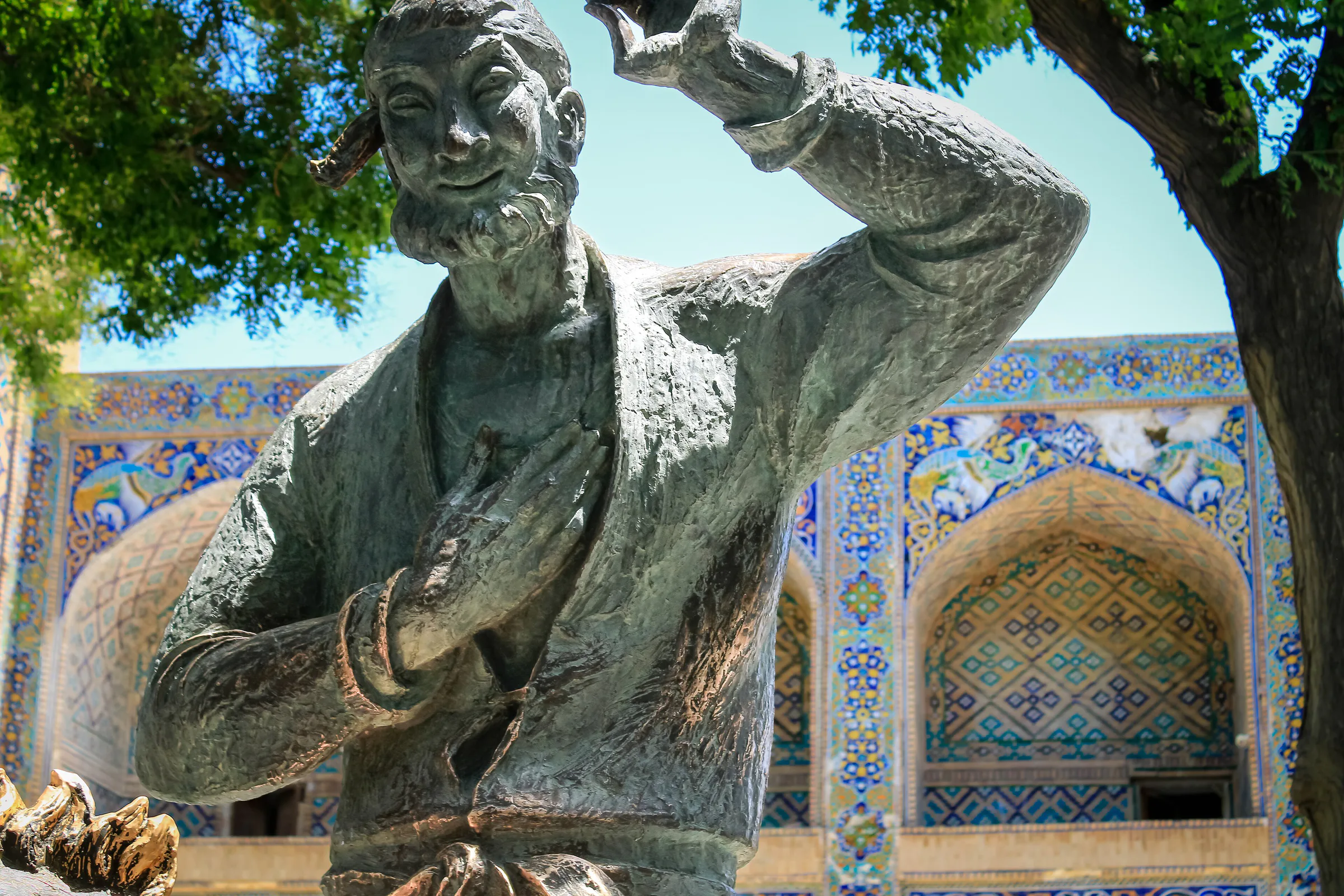
Teahouses and restaurant terraces sit in the shade of old mulberry trees around the pool, and in the evening the square fills with visitors and Bukharans alike. On the west side stands a statue of Hodja Nasreddin on his donkey — one of the most photographed spots in the city.
The Kukeldash Madrasa houses craft workshops and the Museum of the History of Bukhara Literature, while folklore shows are often staged in the courtyard of the Nadir Divan-Begi Madrasa in the evenings. Toqi Sarrafon, the Magok-i-Attari Mosque and the old Jewish quarter are all a few minutes' walk away.
Legend says the land for the pool belonged to an old woman who refused to sell. The vizier supposedly ran a water channel beneath her house until the ground gave way and she had no choice but to agree.
The mosaic on the portal of the Nadir Divan-Begi Madrasa shows two mythical simurgh birds flying towards the sun above white deer — living creatures are a rare sight in Islamic architecture.
Madrasa · Bukhara city
Central Asia's largest madrasa
Madrasa · Bukhara city
The caravanserai that became a madrasa
Mosque · Bukhara city
A Sufi lodge on the edge of the pool
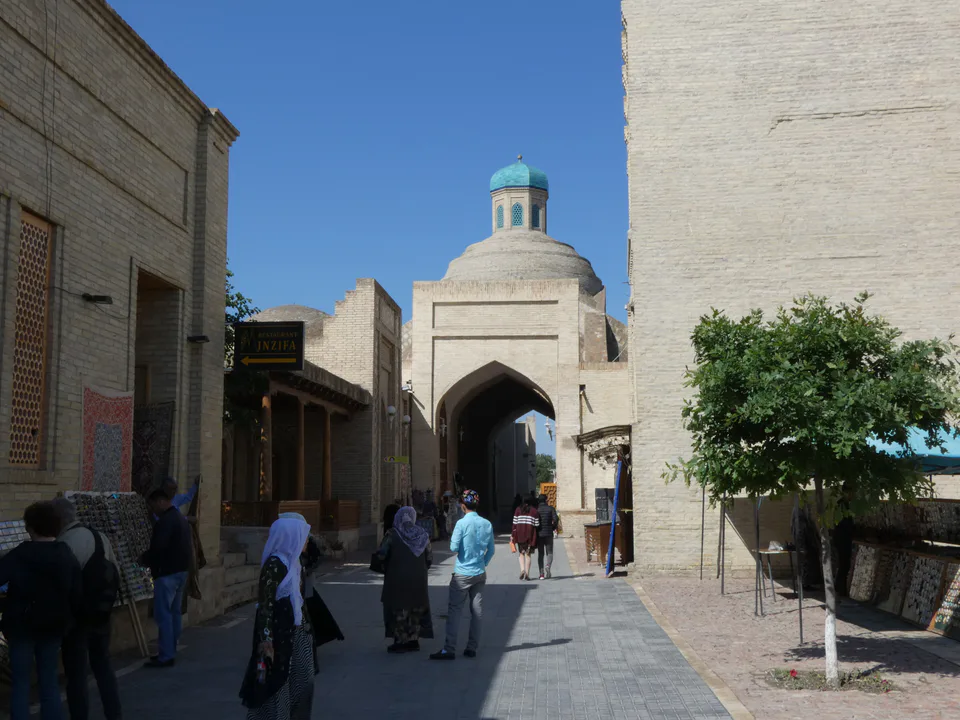
Bazaar · Bukhara city
The money-changers' dome — a Silk Road bureau de change
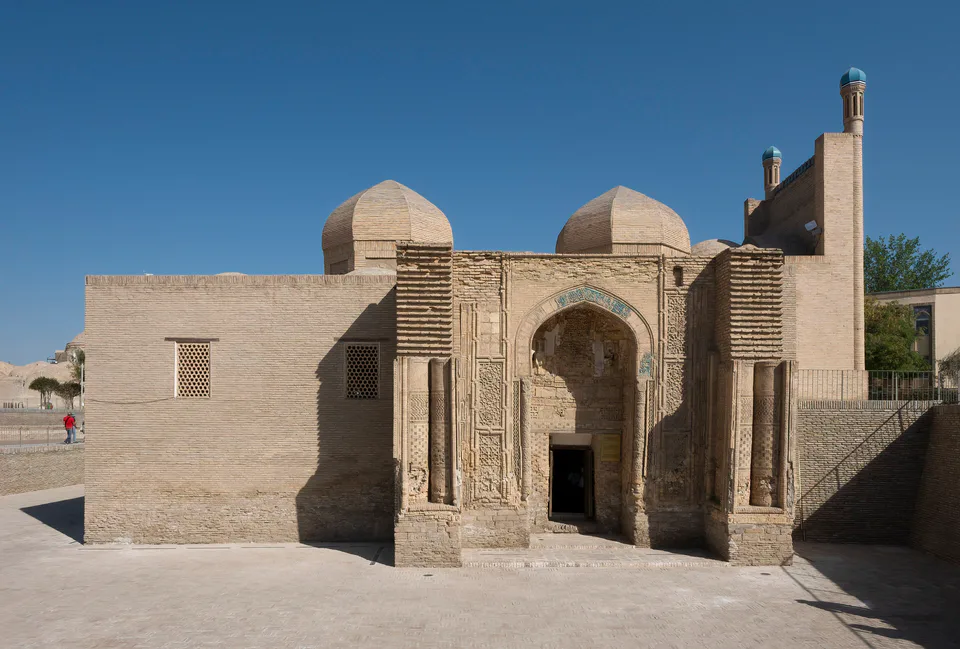
Mosque · Bukhara city
Bukhara's oldest mosque, sunk below the street
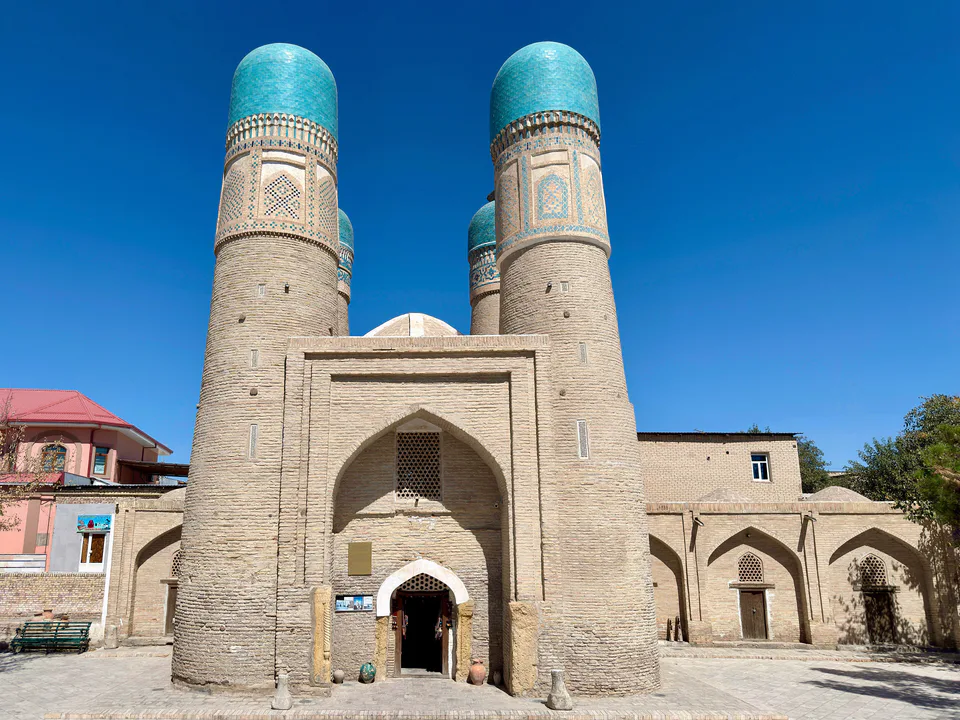
Madrasa · Bukhara city
A four-towered gatehouse — Bukhara's most photogenic building
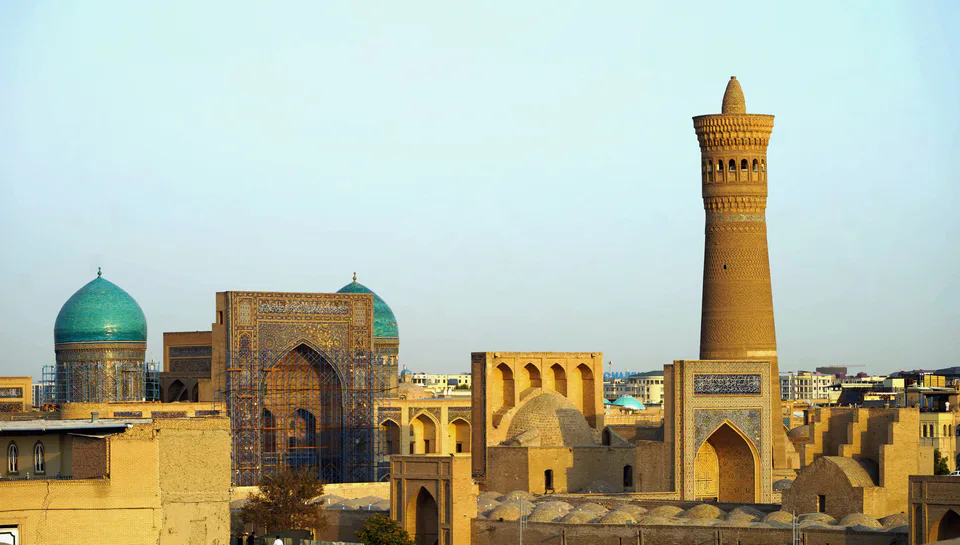
Ensemble · Bukhara city
Central Asia's most complete medieval city
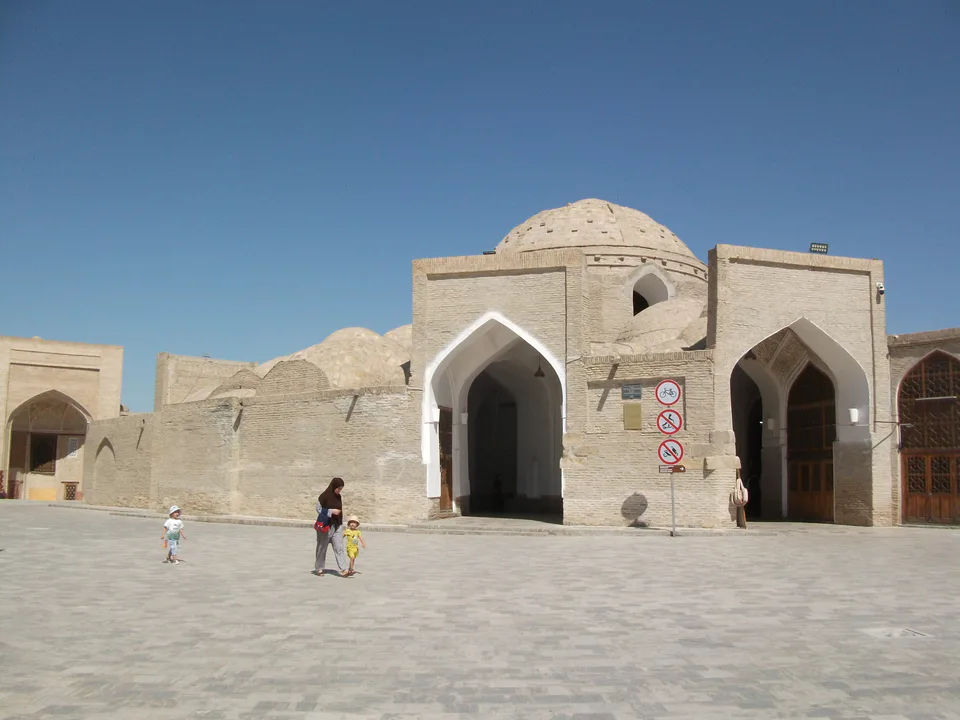
Bazaar · Bukhara city
The hat-sellers' dome over a five-way junction
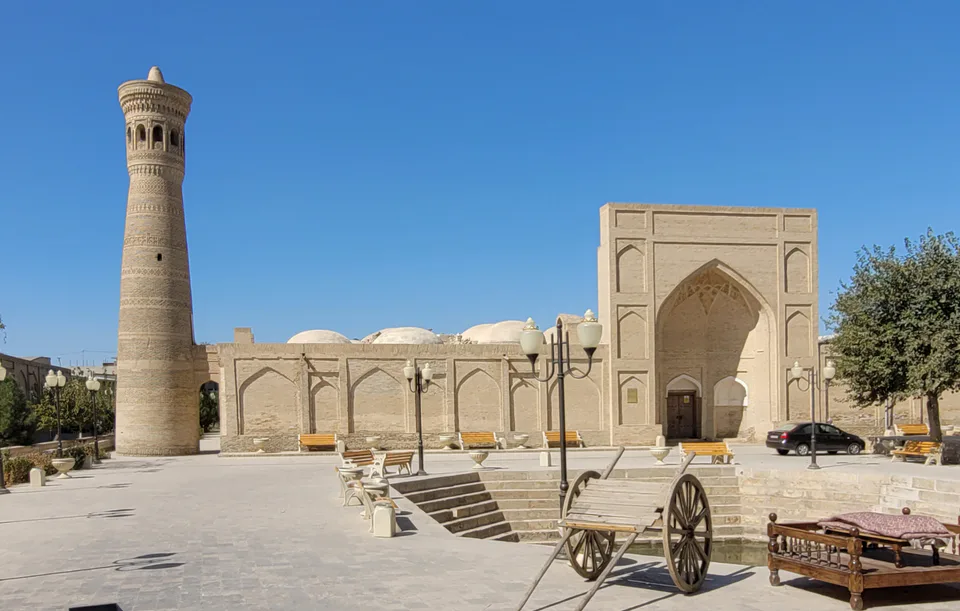
Ensemble · Bukhara city
A madrasa and minaret on the site of an old slaughterhouse
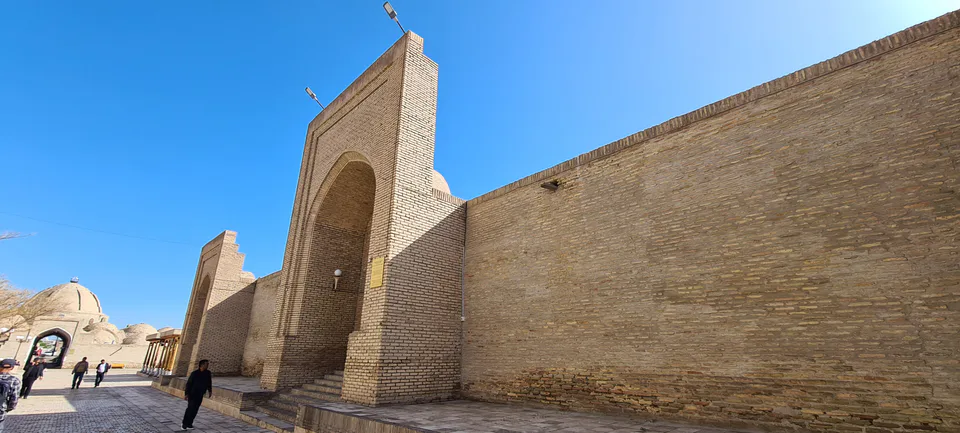
Bazaar · Bukhara city
A gated covered market for silk and carpets