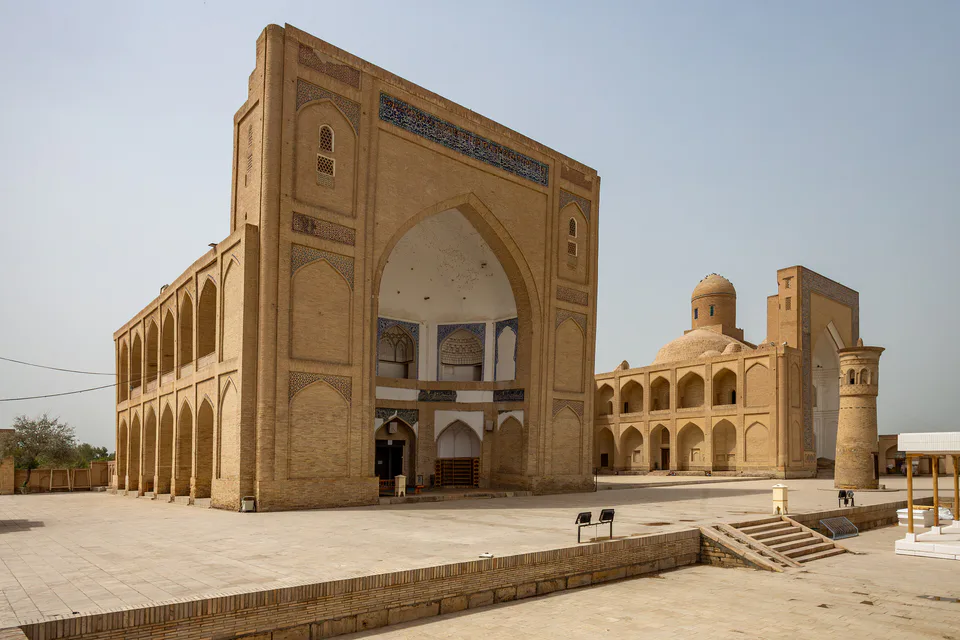
Ensemble · Bukhara District
Chor-Bakr Necropolis
The 'City of the Dead' of the Juybari sheikhs
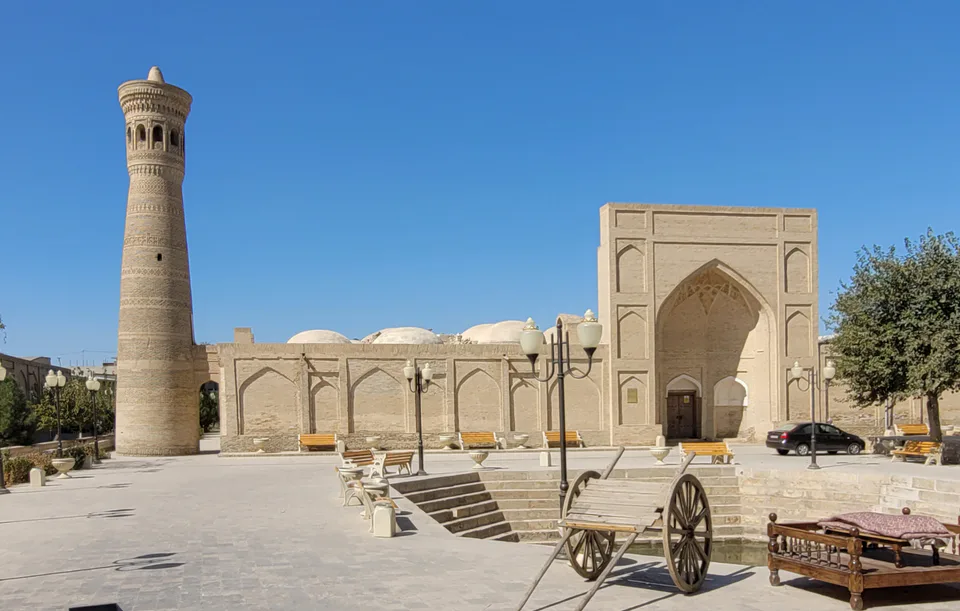
Ensemble · Bukhara city
An ensemble of a madrasa built in 1570 with money from the Juybari sheikh Khoja Sa'd, a Friday mosque of 1598 and the Khoja Kalon minaret, the largest in Bukhara after the Kalyan.
Gaukushan means 'bull-slaughterers': before the madrasa was built a big market square stood here, and before that a slaughterhouse. The ensemble was built under Abdullah Khan II at the expense of the Juybari sheikh Khoja Sa'd, nicknamed Khoja Kalon ('the great khoja') — a name carried by the mosque and the whole complex. Khoja Sa'd is buried in the Juybari family necropolis at Chor-Bakr.
The 1570 madrasa follows the usual courtyard plan but is trapezoidal because it sits at a fork in the street. In 1598 a Friday mosque, the Khoja Mosque, was added to its north. Its Khoja Kalon minaret rivals the Kalyan in girth, though it is shorter.
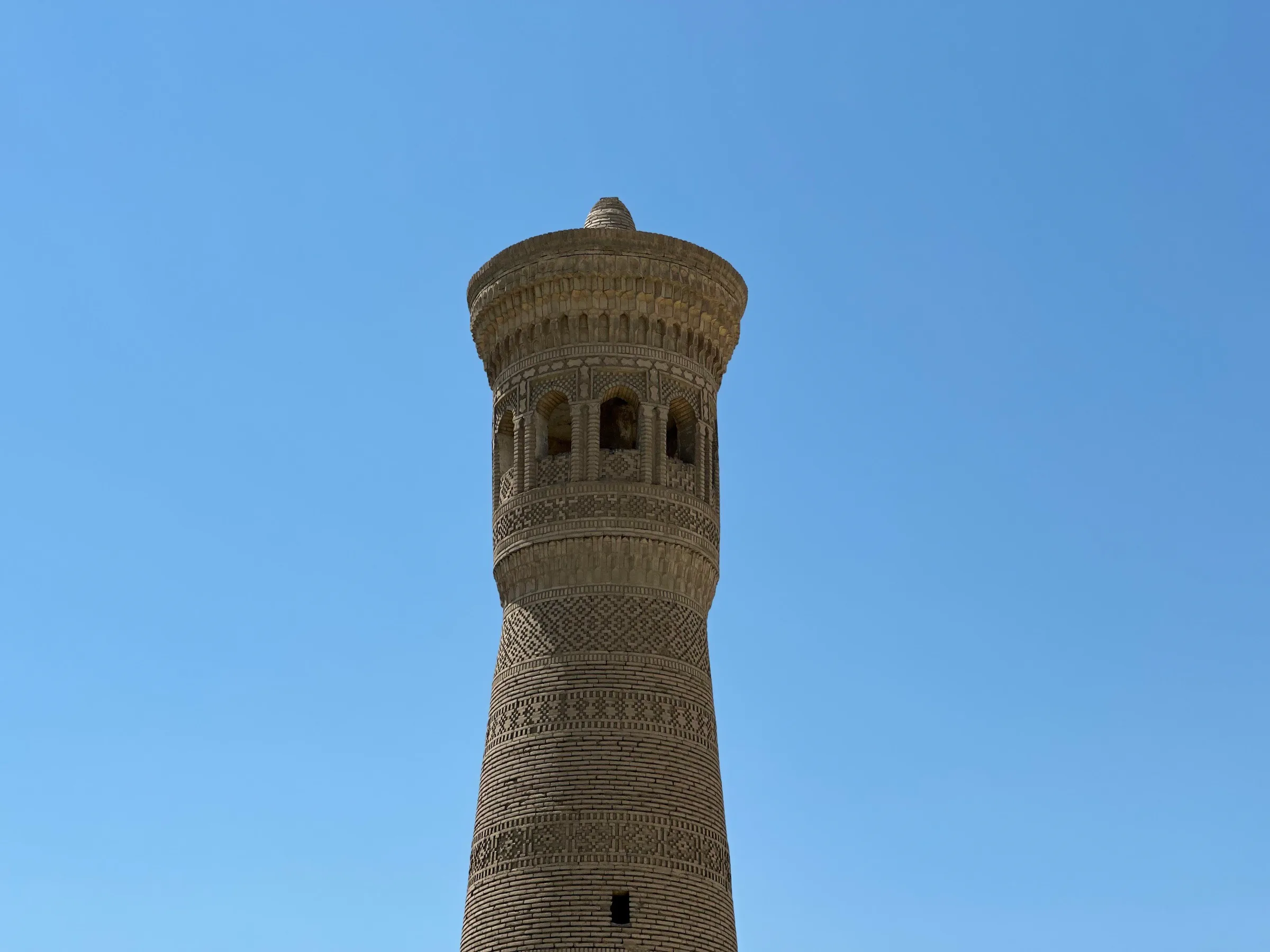
Ensemble · Bukhara District
The 'City of the Dead' of the Juybari sheikhs
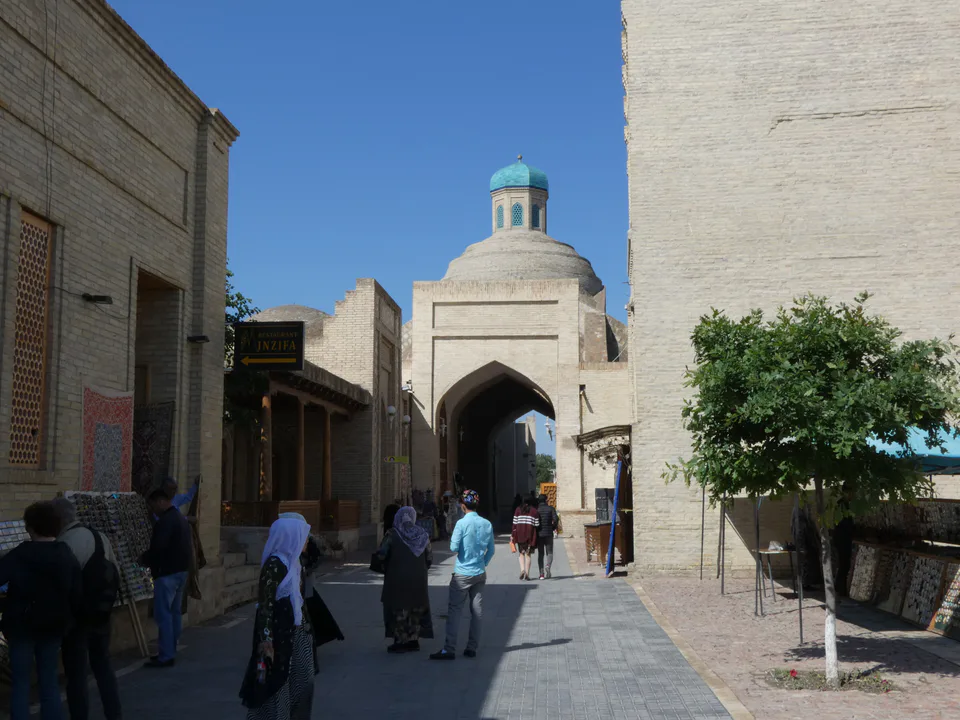
Bazaar · Bukhara city
The money-changers' dome — a Silk Road bureau de change
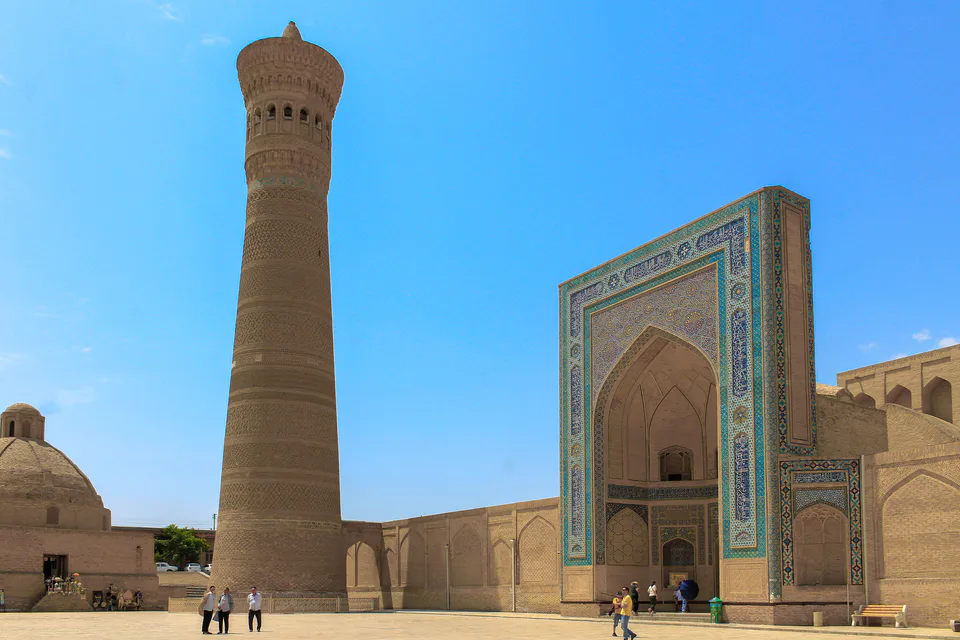
Minaret · Bukhara city
The tower Genghis Khan left standing
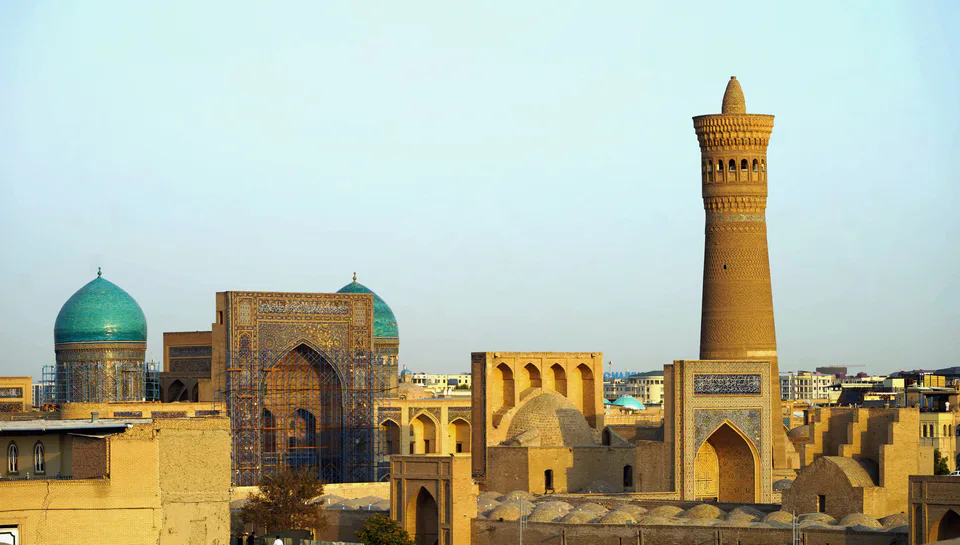
Ensemble · Bukhara city
Central Asia's most complete medieval city
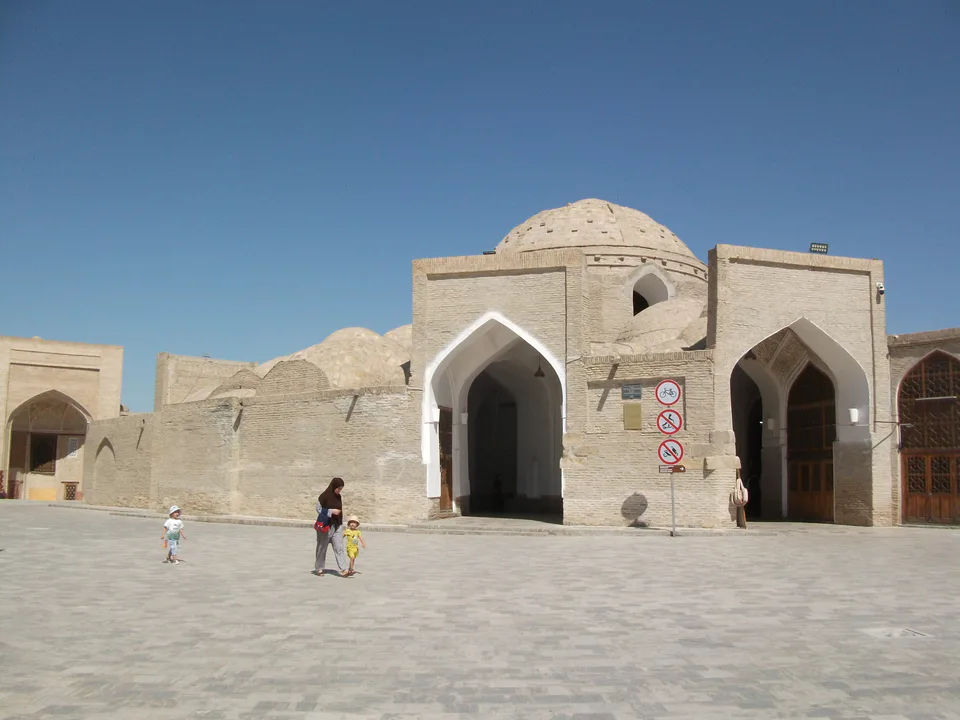
Bazaar · Bukhara city
The hat-sellers' dome over a five-way junction
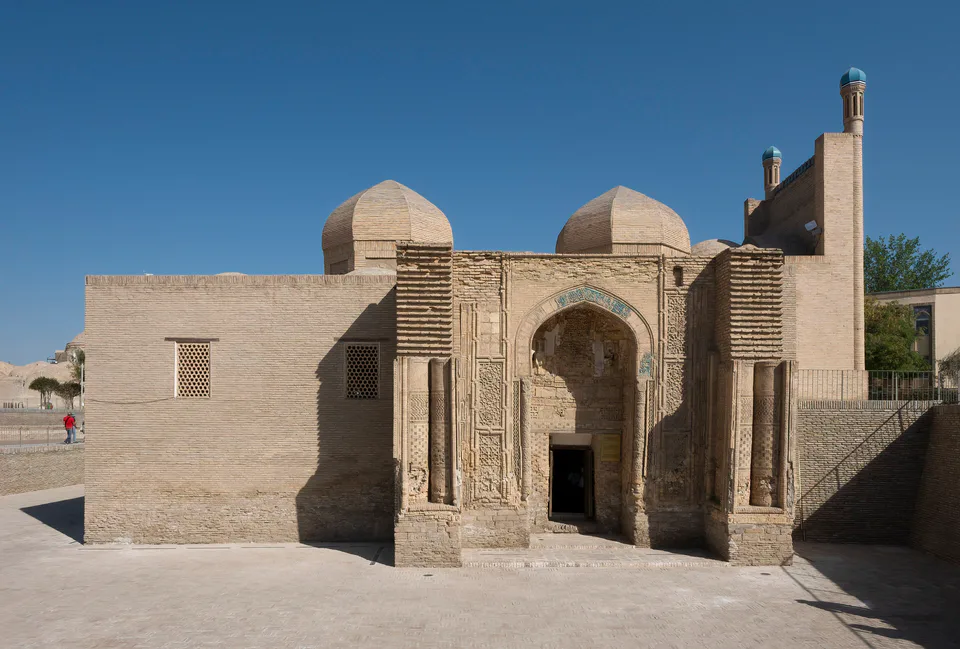
Mosque · Bukhara city
Bukhara's oldest mosque, sunk below the street
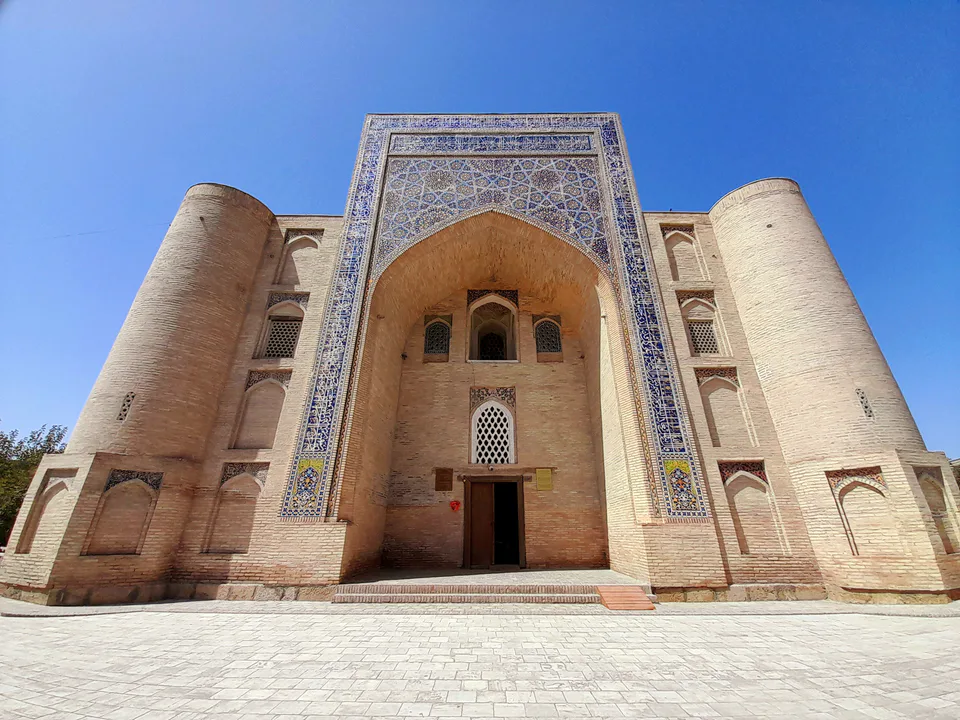
Mosque · Bukhara city
A Sufi lodge on the edge of the pool
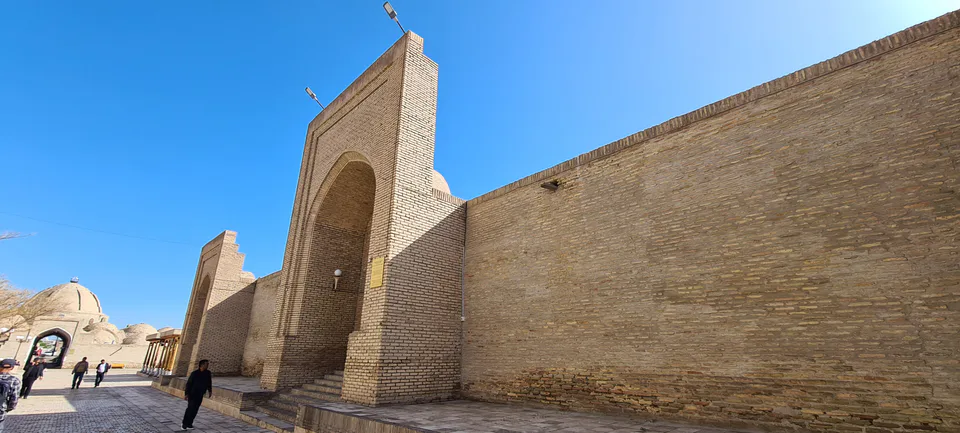
Bazaar · Bukhara city
A gated covered market for silk and carpets
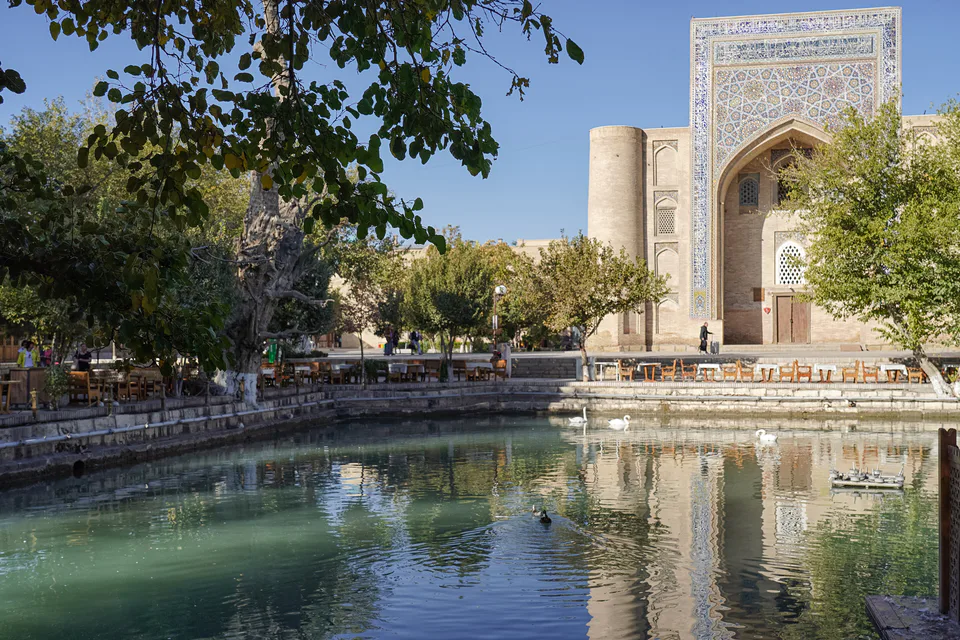
Ensemble · Bukhara city
The square by the pool — old Bukhara's beating heart
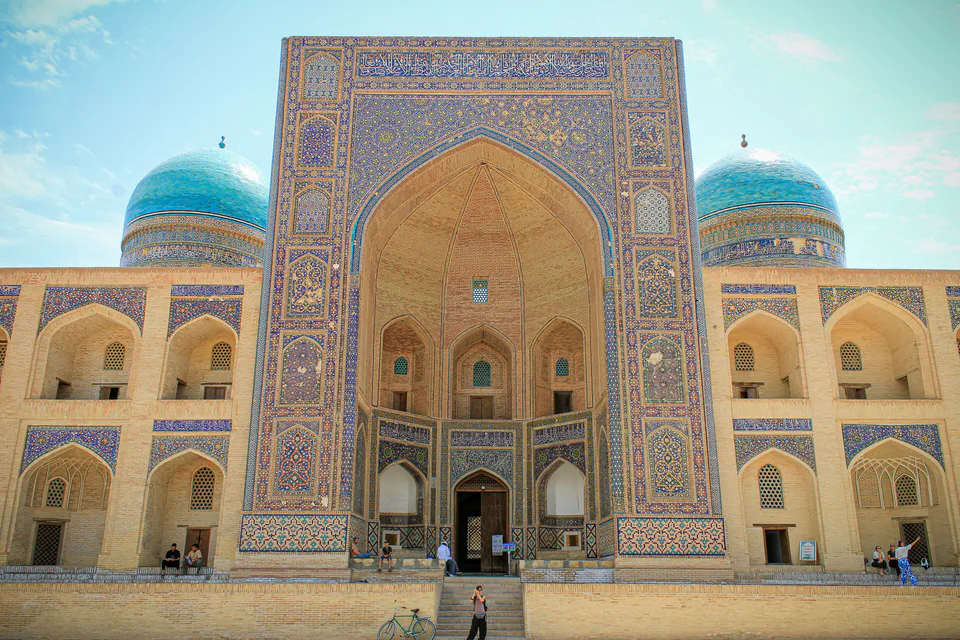
Madrasa · Bukhara city
The madrasa that stayed open under Soviet rule