Bazaar · Bukhara city
Toqi Zargaron
The jewellers' dome — Bukhara's largest trading dome
Bazaar · Bukhara city
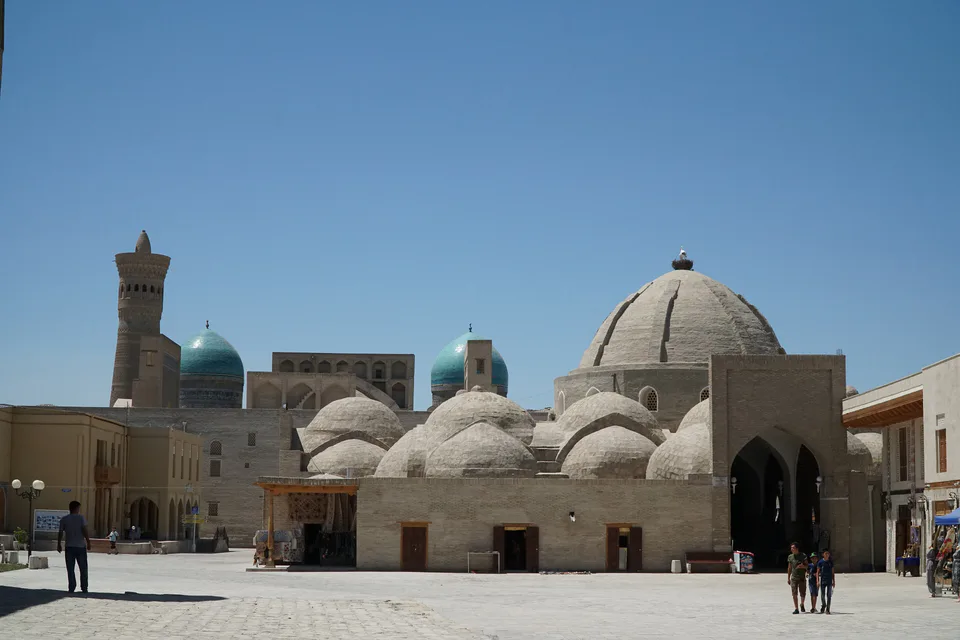
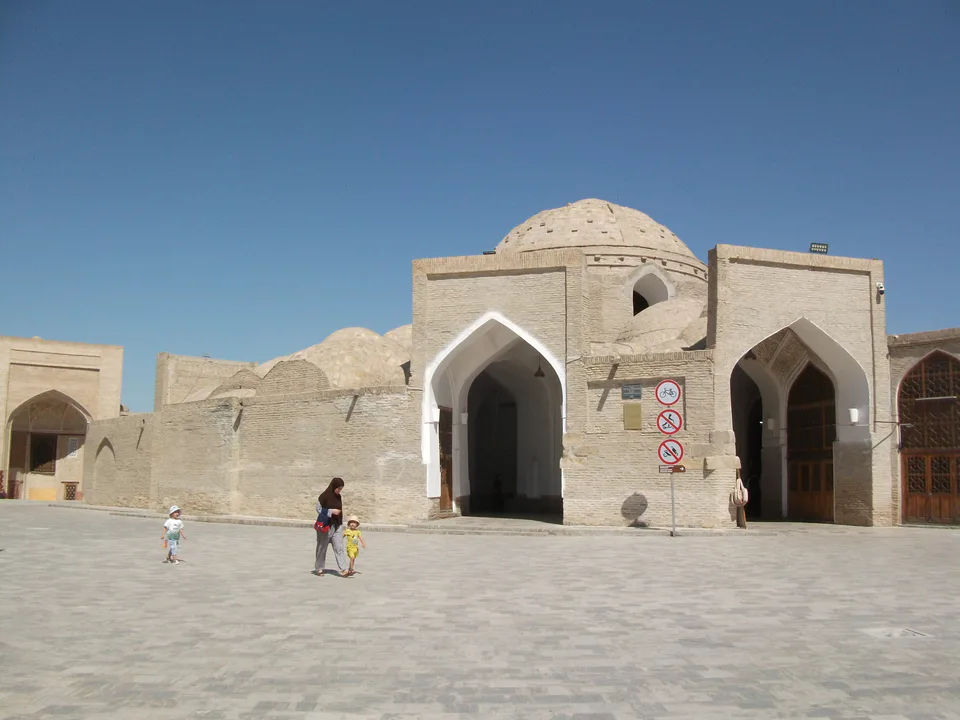
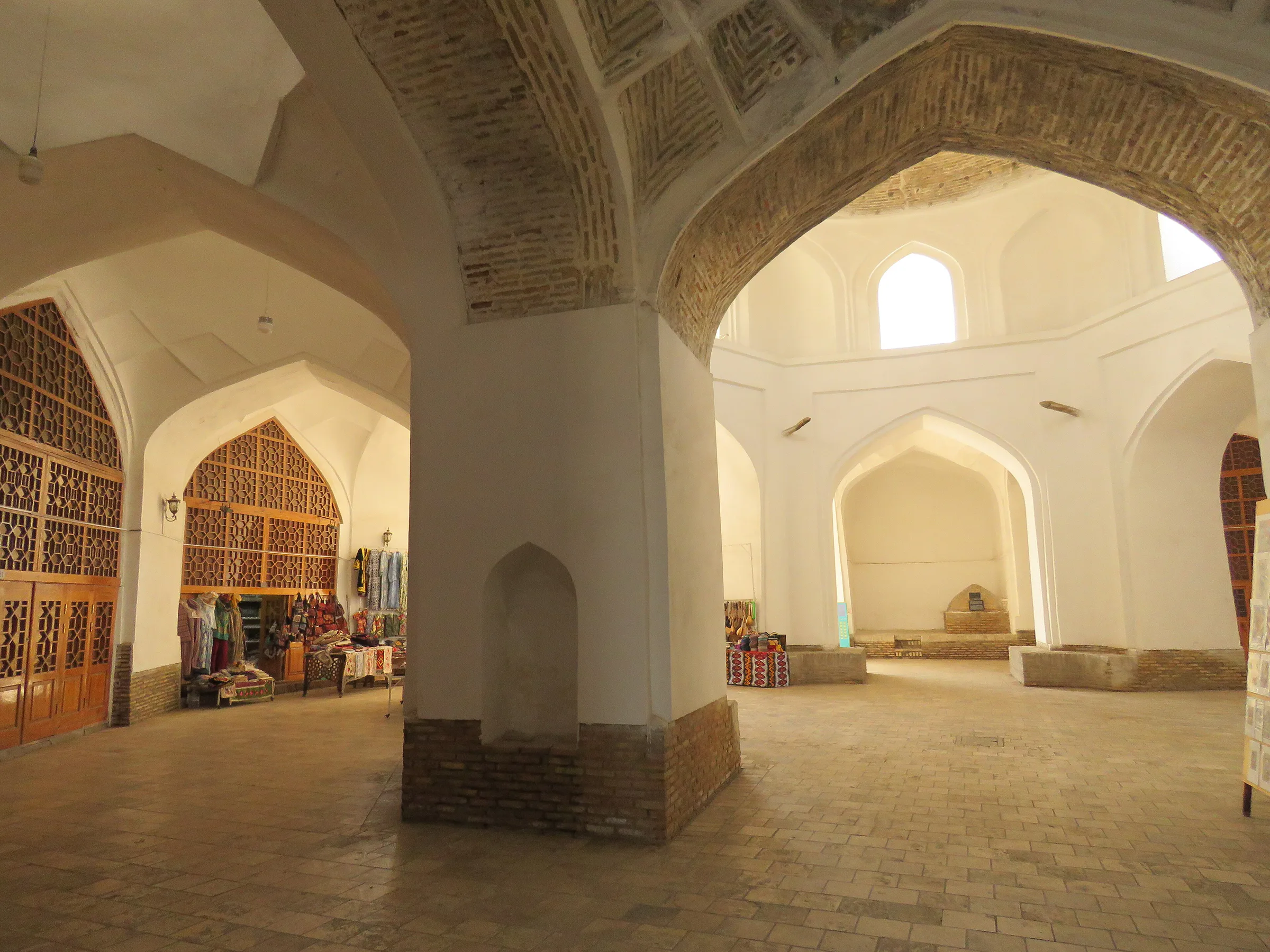
Built in 1570–1571 according to endowment deeds, this dome covers a junction where five streets meet. Its name means 'dome of the hat-sellers'.
The dome went up during the nominal reign of Iskander Khan, when his son Abdullah Khan II actually ran the state. Telpak furushon means 'hat-sellers': men's and women's skullcaps, heavy woollen telpak hats and other headgear were sold here. Over time it was also known as the book-sellers' dome (Toqi Kitobfurushon), the ironmongers' crossing (Chorsu-i Ohanin) and Khoja Muhammad Parron.
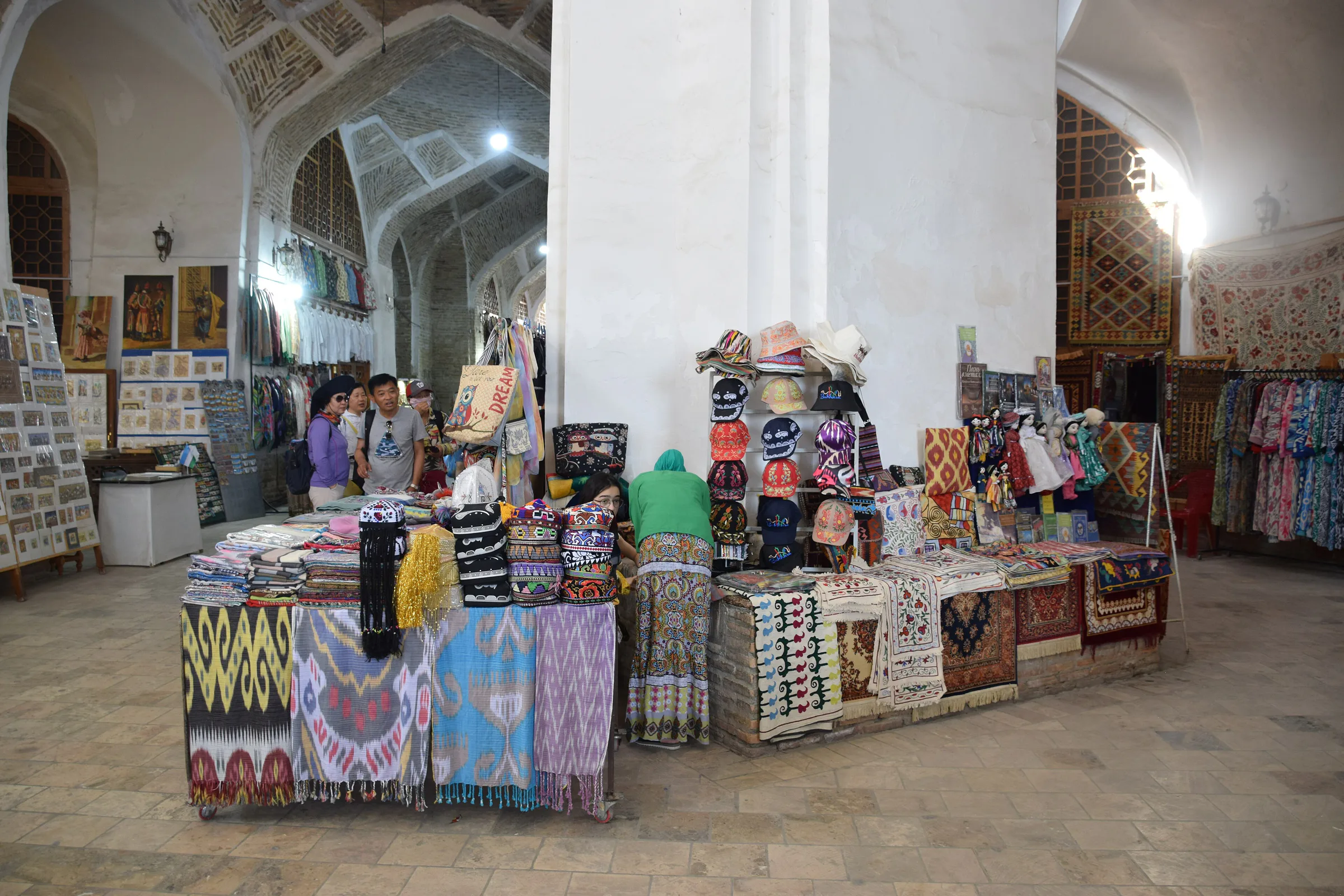
It was an ordinary bazaar until the mid-20th century; today its stalls sell clothing, skullcaps, jewellery and souvenirs.
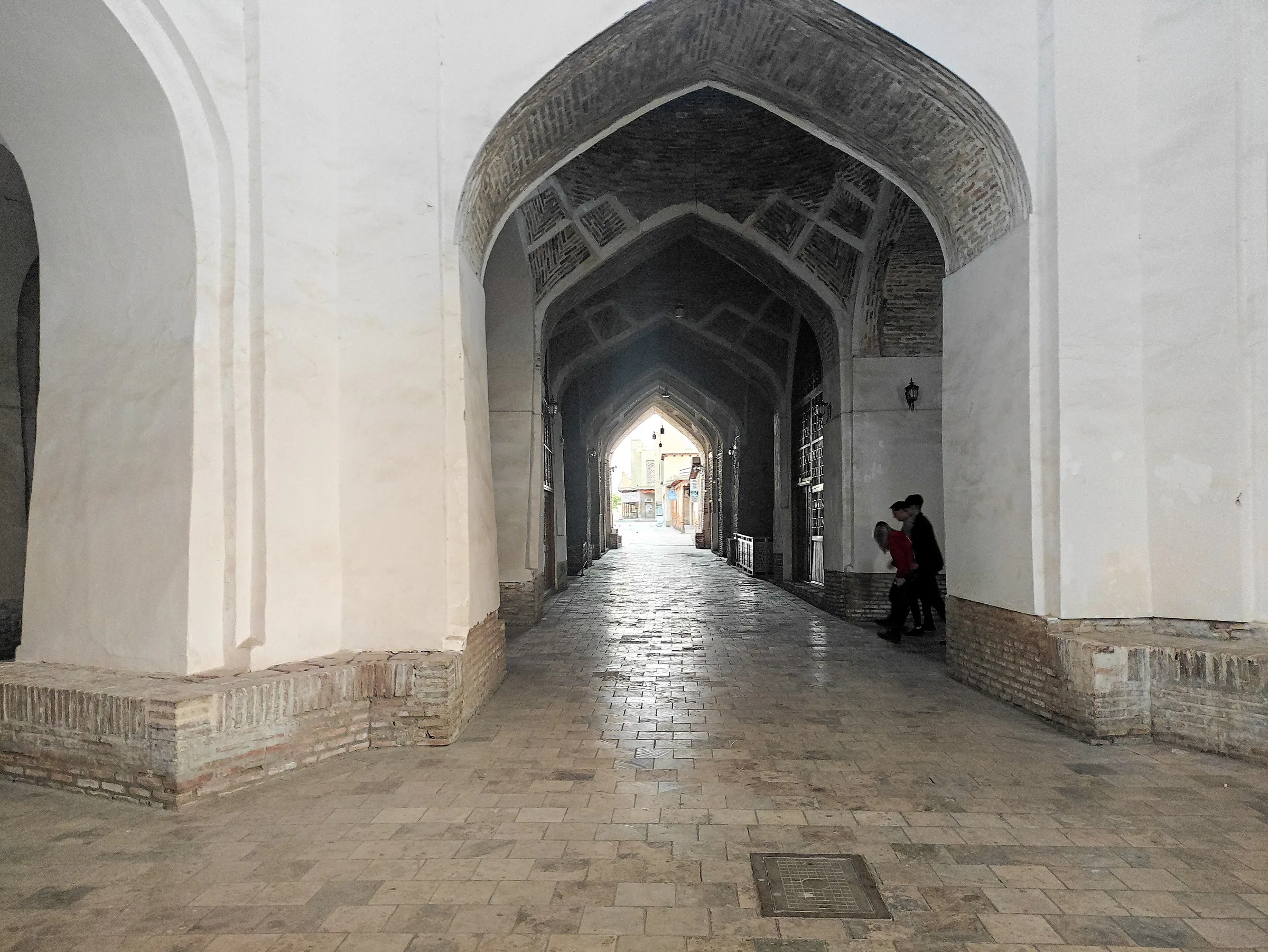
Built of stone, timber, clay and fired brick, the dome gathers five arched passages beneath a central dome with a multi-tiered drum, ringed by smaller domes. It lies about 300 m south of Toqi Zargaron, next to the Magok-i-Kurpa Mosque.
Head south for the Magok-i-Attari Mosque and Toqi Sarrafon, or north for the Tim of Abdullah Khan and Toqi Zargaron — the domes all line up along a single market axis.
The five-street crossing beneath the dome was one of the busiest spots in the city. That is why the dome traded in different goods over the centuries and kept changing its name — books, ironware, hats.
Bazaar · Bukhara city
The jewellers' dome — Bukhara's largest trading dome
Bazaar · Bukhara city
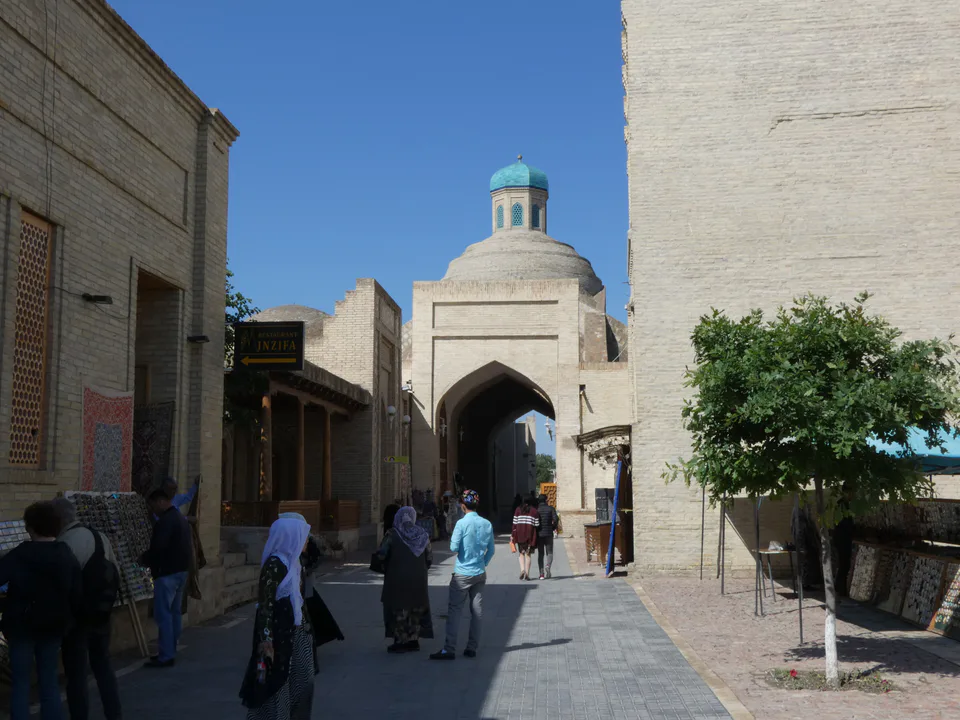
The money-changers' dome — a Silk Road bureau de change
Bazaar · Bukhara city
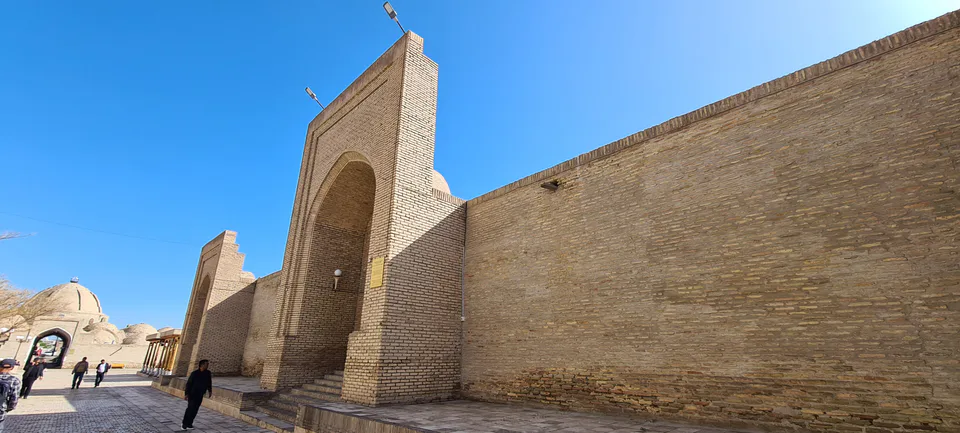
A gated covered market for silk and carpets
Mosque · Bukhara city
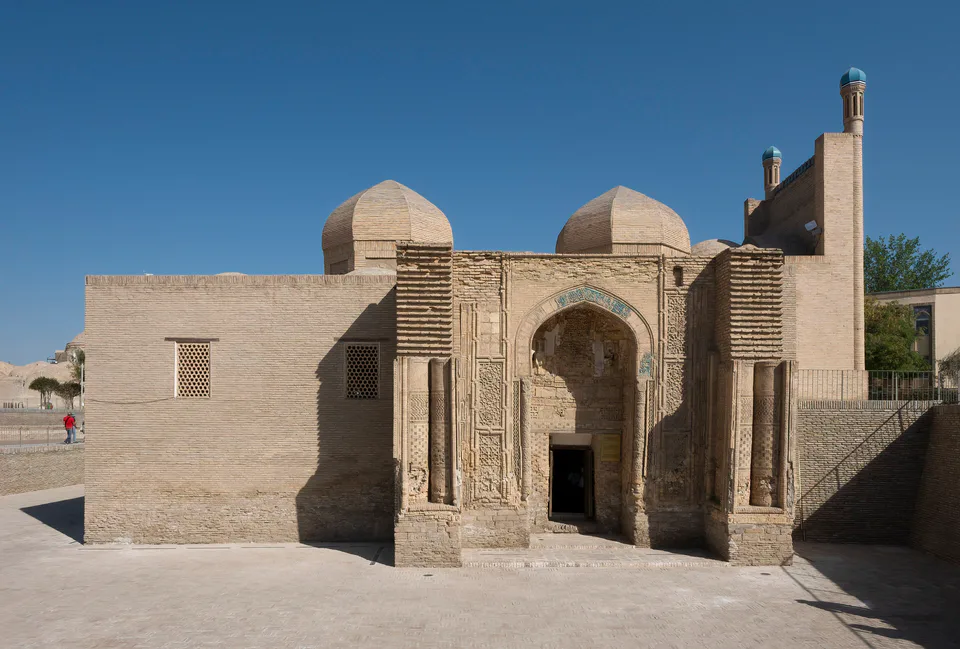
Bukhara's oldest mosque, sunk below the street
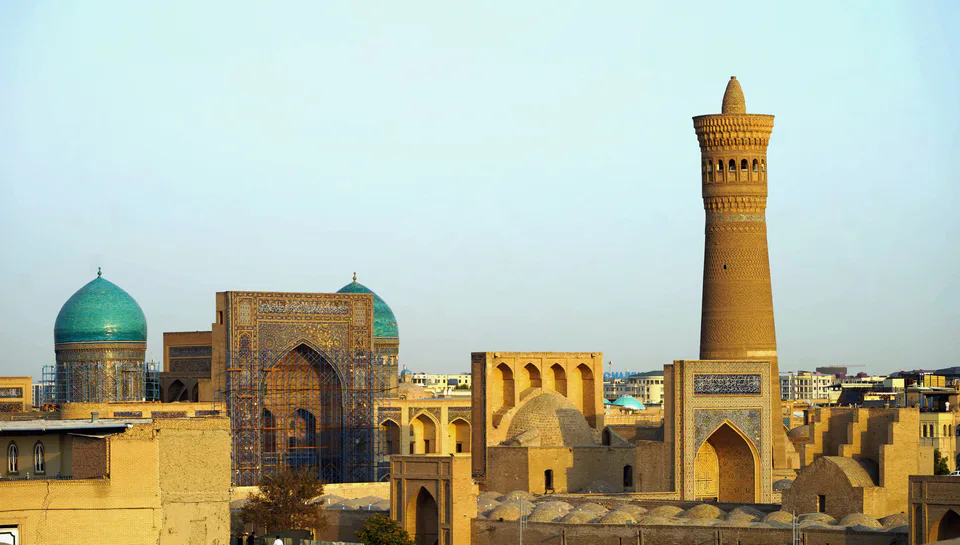
Ensemble · Bukhara city
Central Asia's most complete medieval city
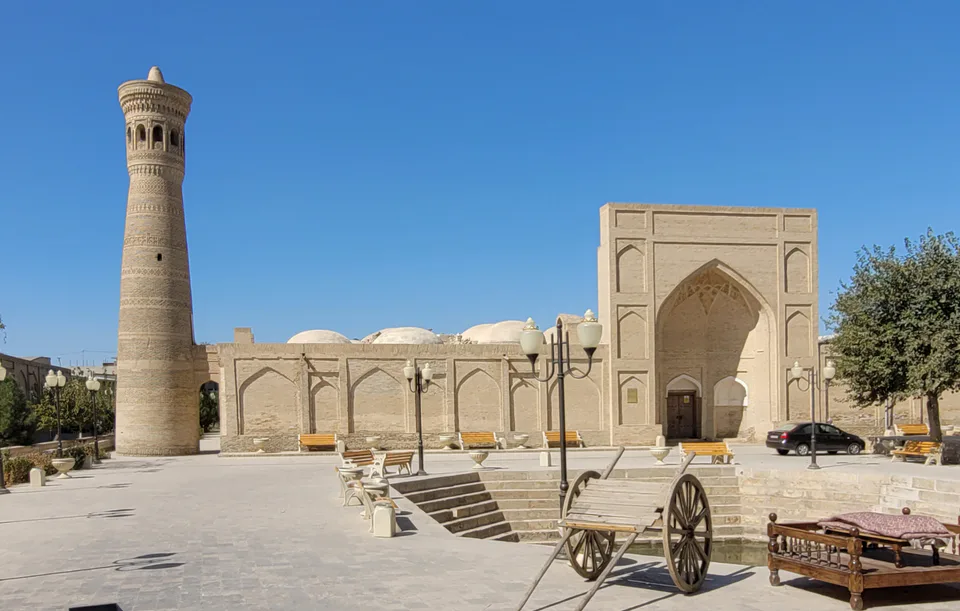
Ensemble · Bukhara city
A madrasa and minaret on the site of an old slaughterhouse
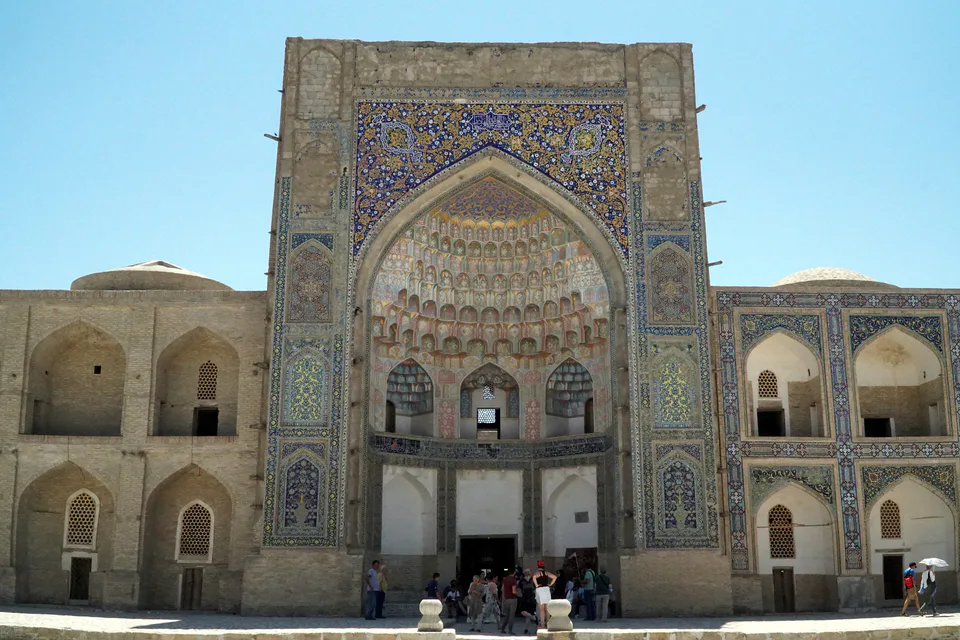
Madrasa · Bukhara city
The last of Bukhara's great madrasas
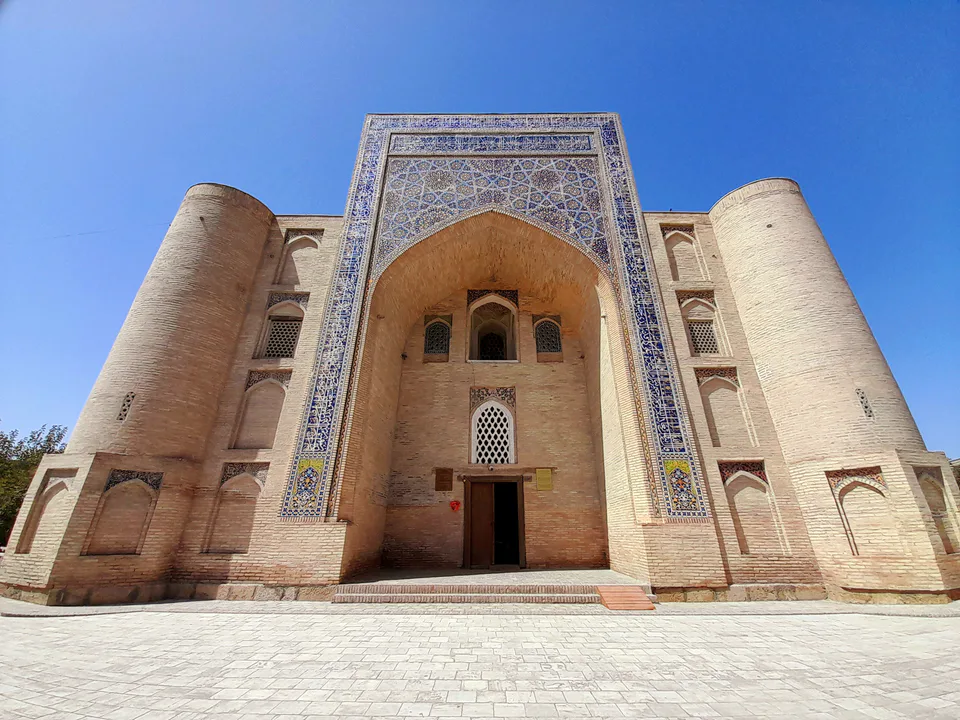
Mosque · Bukhara city
A Sufi lodge on the edge of the pool
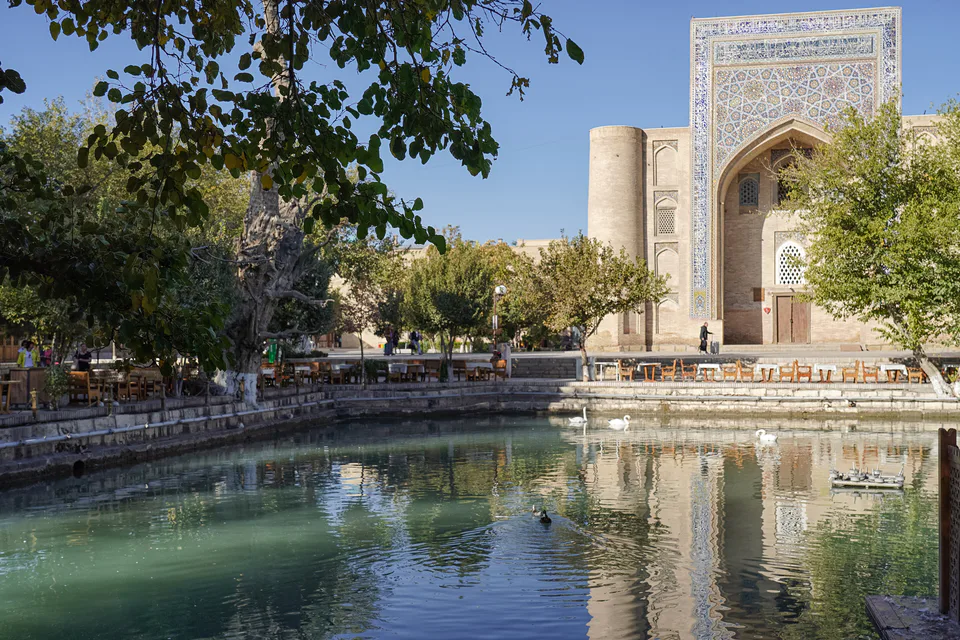
Ensemble · Bukhara city
The square by the pool — old Bukhara's beating heart
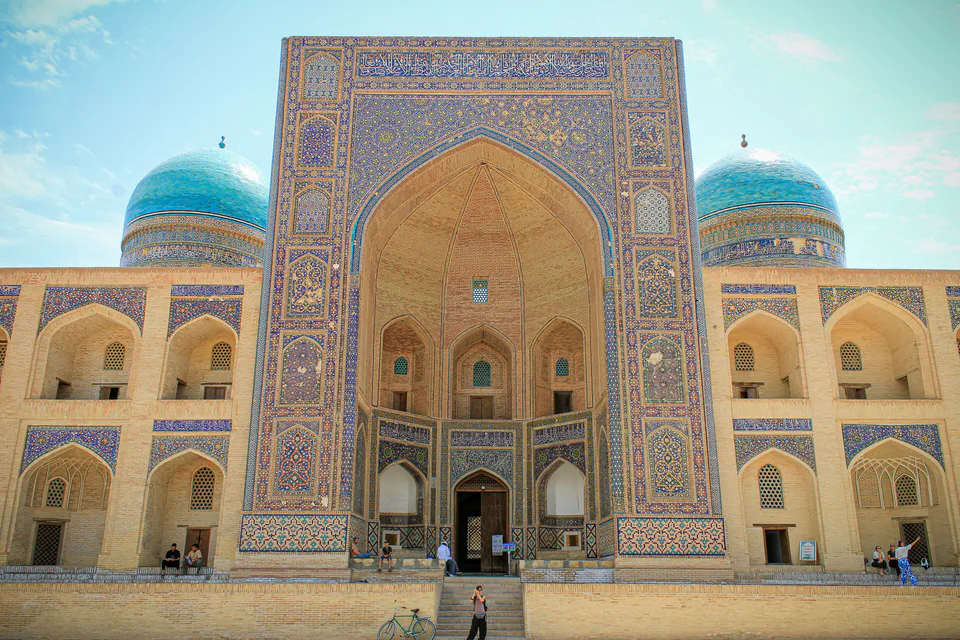
Madrasa · Bukhara city
The madrasa that stayed open under Soviet rule