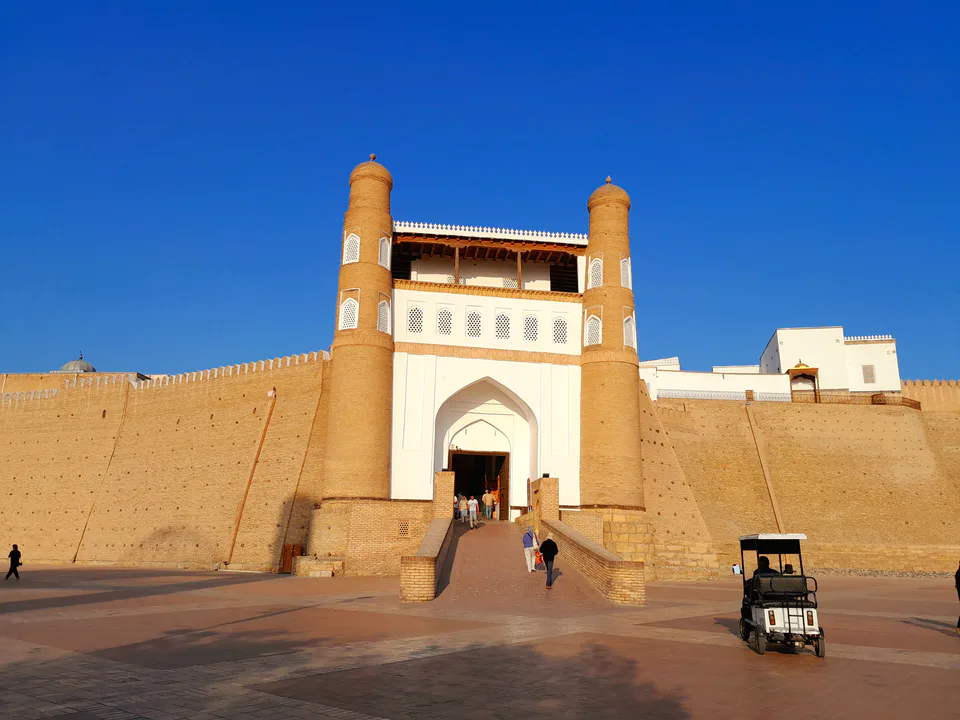
Fortress · Bukhara city
Ark of Bukhara
Seat of Bukhara's rulers for over a thousand years
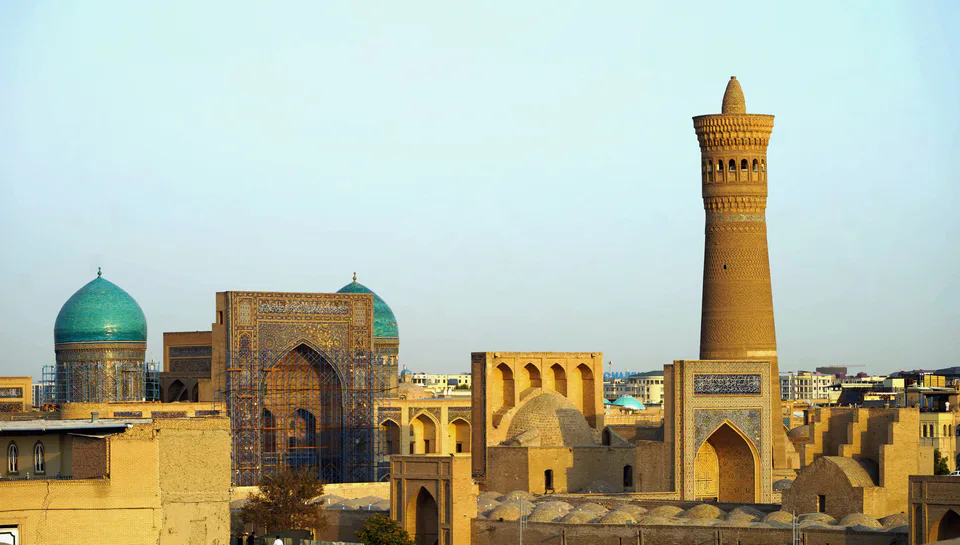
Ensemble · Bukhara city
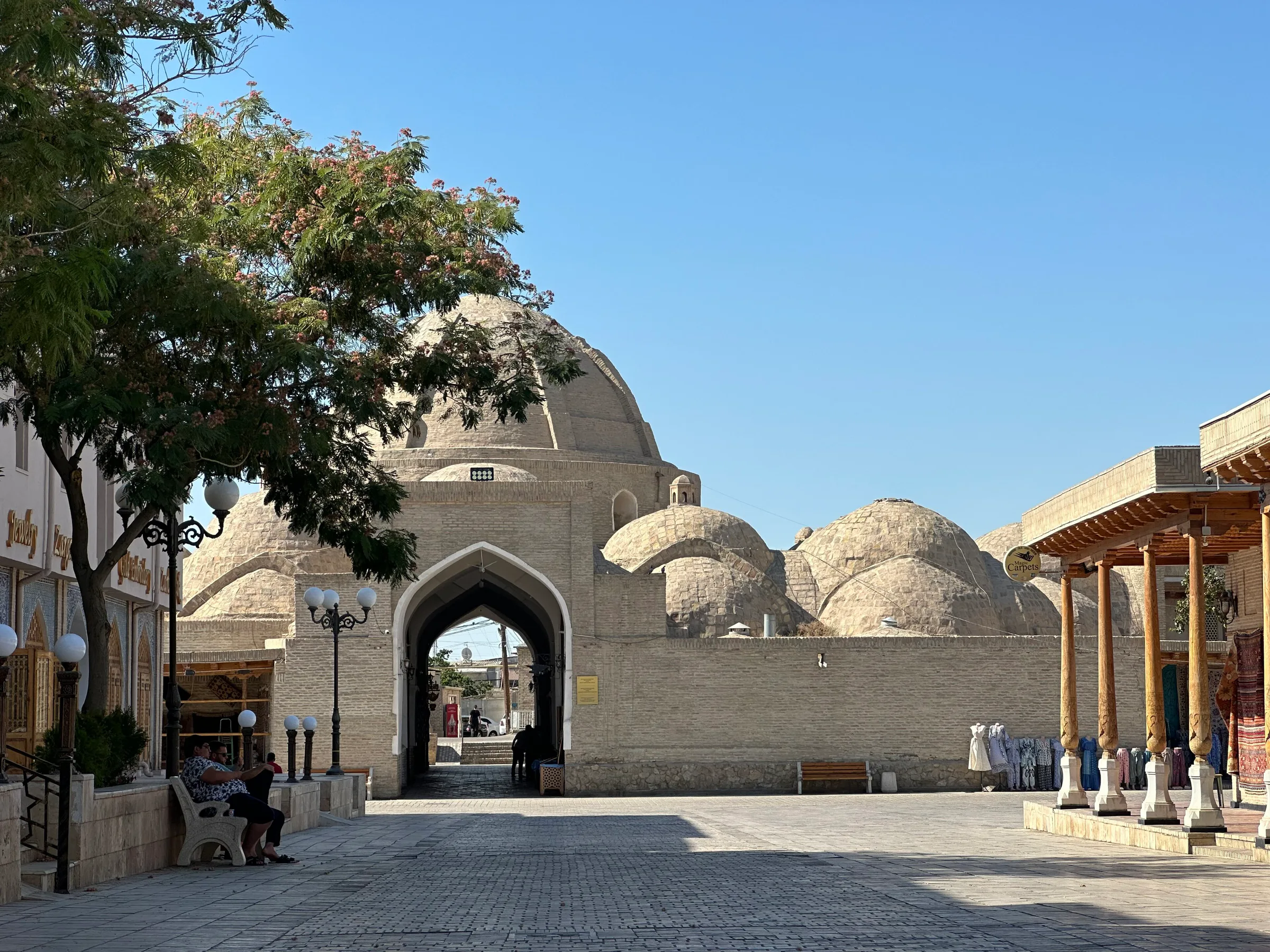
The old town of the Ark, Po-i-Kalyan, Lyab-i Hauz and the trading domes has been a UNESCO World Heritage Site since 1993 — a thousand years of monuments standing among lived-in neighbourhoods.
Bukhara's historic core grew in three layers: the Ark citadel on its artificial mound, the ancient shahristan to the east, and the later rabad — the craftsmen's and merchants' quarters that eventually wrapped around both. The Registan square in front of the Ark joined palace and city, and from there the main commercial street ran south-east past the Po-i-Kalyan ensemble and through the trading domes to Lyab-i Hauz.
In the 16th century the Shaybanids, above all Abdullah Khan II, rebuilt the city and ringed it with a new wall and gates. Stretches of that wall survive, along with the Talipach, Samarkand and Sheikh Jalal gates.
UNESCO inscribed the Historic Centre of Bukhara in 1993 as the most complete example of a medieval Central Asian city, one whose street pattern, neighbourhoods and monuments still hang together. It was listed under criteria (ii), (iv) and (vi).
The oldest building is the Samanid Mausoleum from the turn of the 10th century; the most famous is the Kalyan Minaret of 1127. Around them stand the Timurid Ulugh Beg Madrasa, the Shaybanid trading domes and madrasas, the 17th-century Lyab-i Hauz ensemble, and the Manghit-era Chor Minor and Bolo Hauz Mosque.
The old town is best explored on foot: from Samanid Park (Samanid Mausoleum, Chashma-Ayub) to Bolo Hauz and the Ark, then on to Po-i-Kalyan and through the domes to Lyab-i Hauz — roughly 2 km. Along the way you pass Magok-i-Attari Mosque, the Ulugh Beg and Abdulaziz Khan madrasas and the Tim of Abdullah Khan.
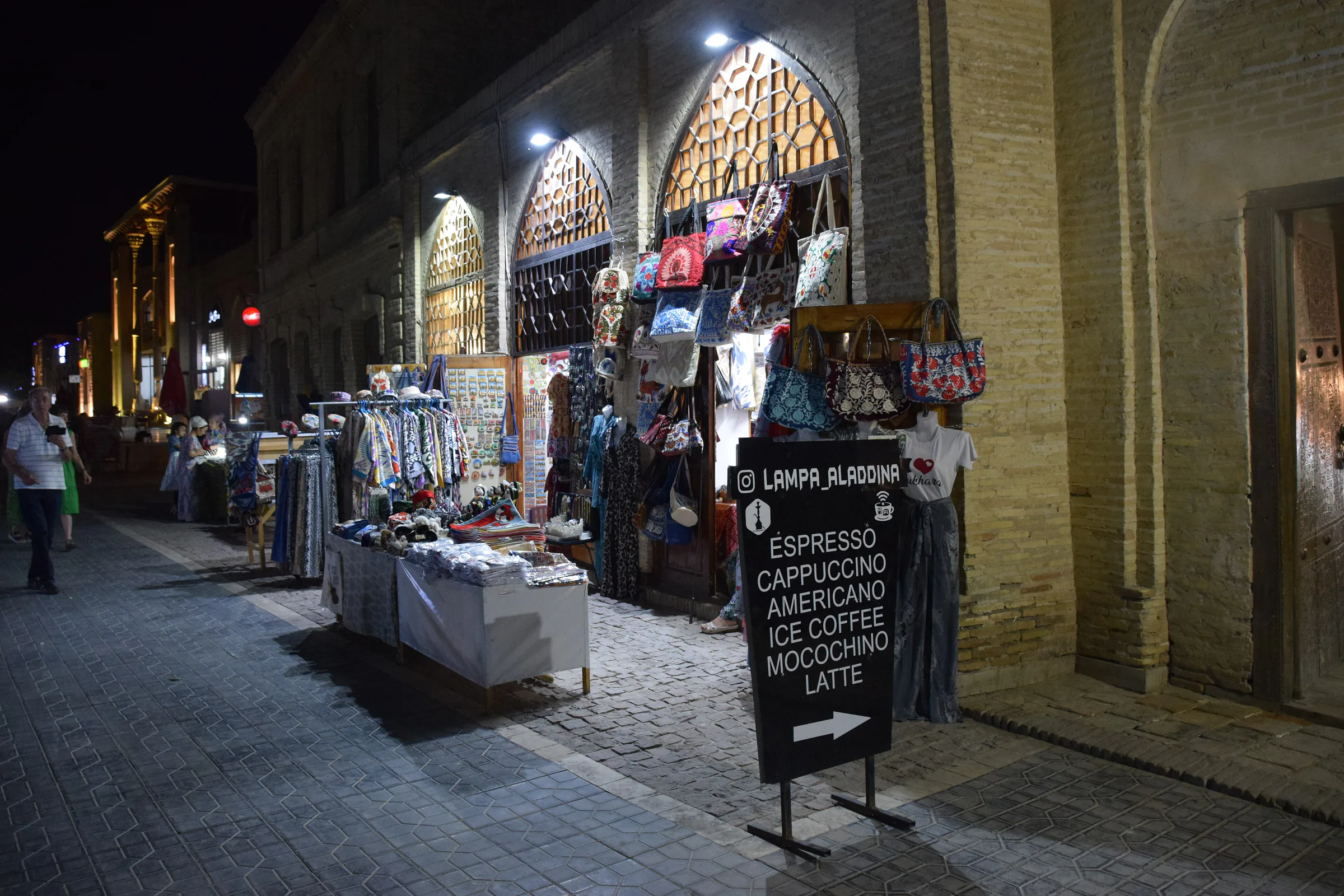
Many madrasas and caravanserais now house workshops, shops and museums, so gold embroidery, metal chasing, carpet weaving, miniature painting and knife-making are all on show inside the old walls.
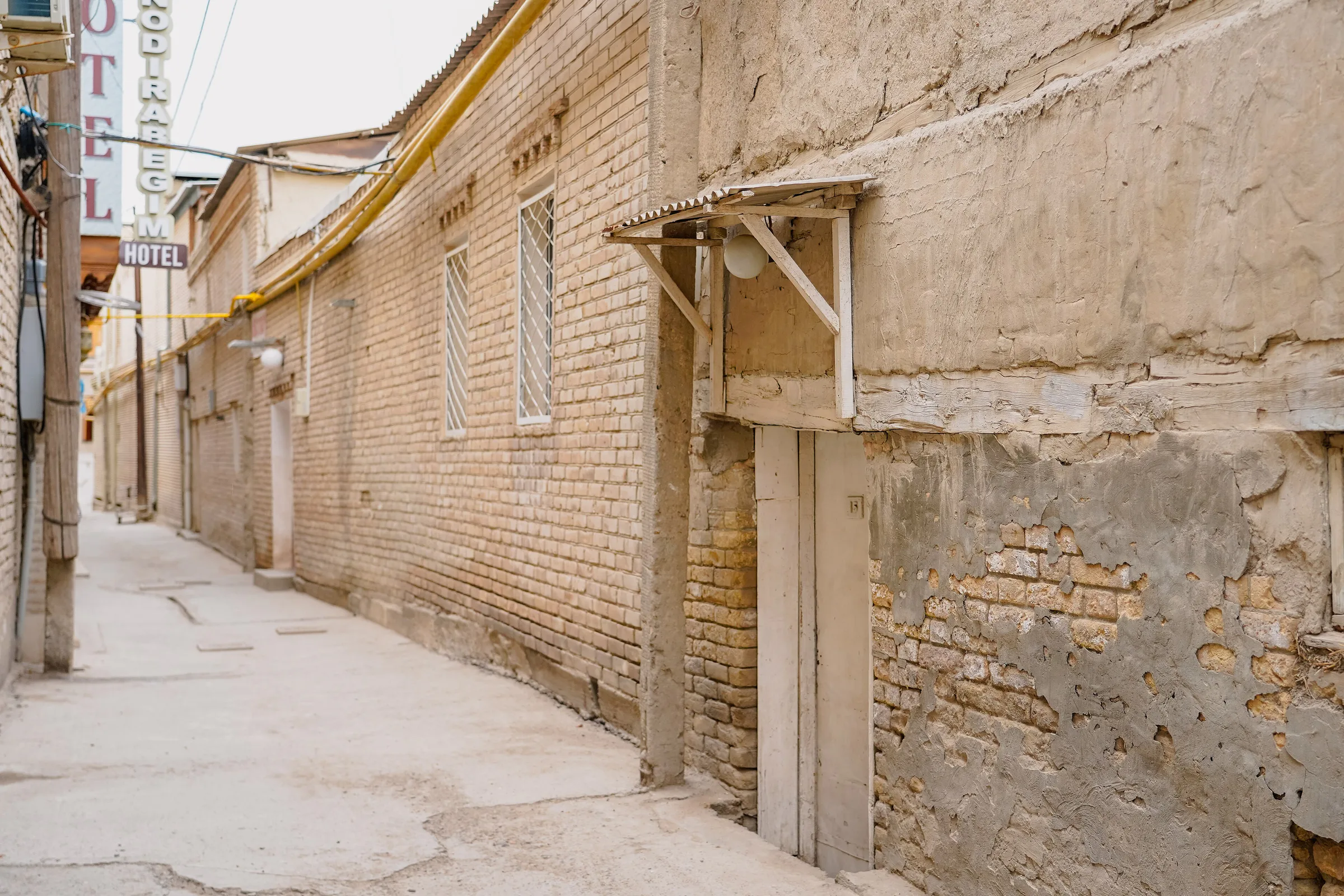
Old Bukhara is more than its monuments. The city was traditionally divided into guzars — quarters with their own mosque, pool, teahouse and bathhouse. Courtyard houses still line the narrow, crooked lanes, presenting only blank walls and gates to the street while family life unfolds inside.
South of Lyab-i Hauz, the old Jewish quarter keeps the historic synagogue of the Bukharan Jews and its residential courtyards. Wander the backstreets and you will find 19th-century merchants' houses, small neighbourhood mosques and bathhouses that show everyday life in the old city better than the great monuments do.
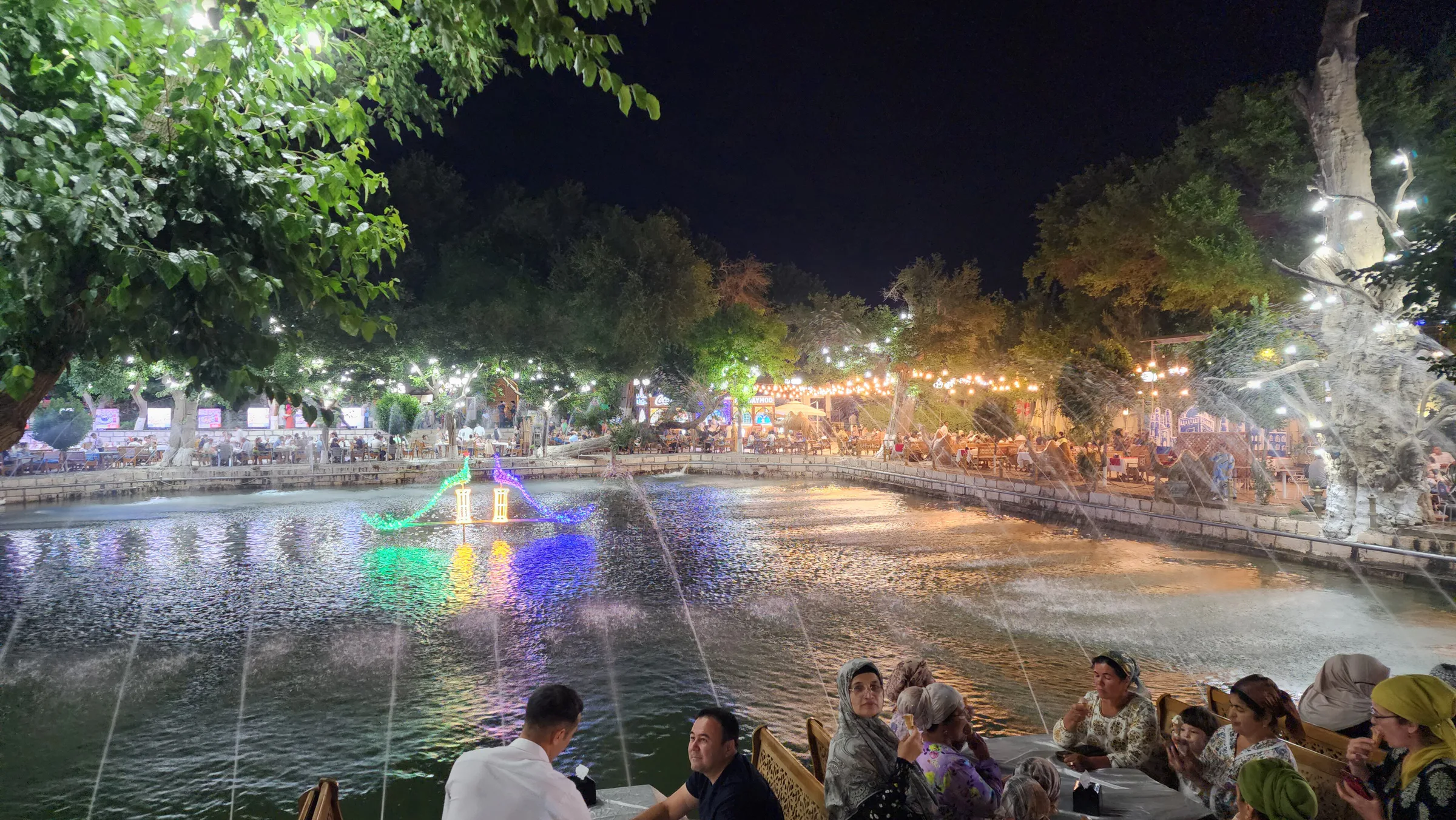
Medieval Bukhara was organised around hauzes — pools fed by the Shakhrud canal. Most were filled in during the 1920s–30s as breeding grounds for disease; Lyab-i Hauz and Bolo Hauz are the survivors.
Bukhara celebrated its 2,500th anniversary in 1997, and many monuments were restored for the occasion.
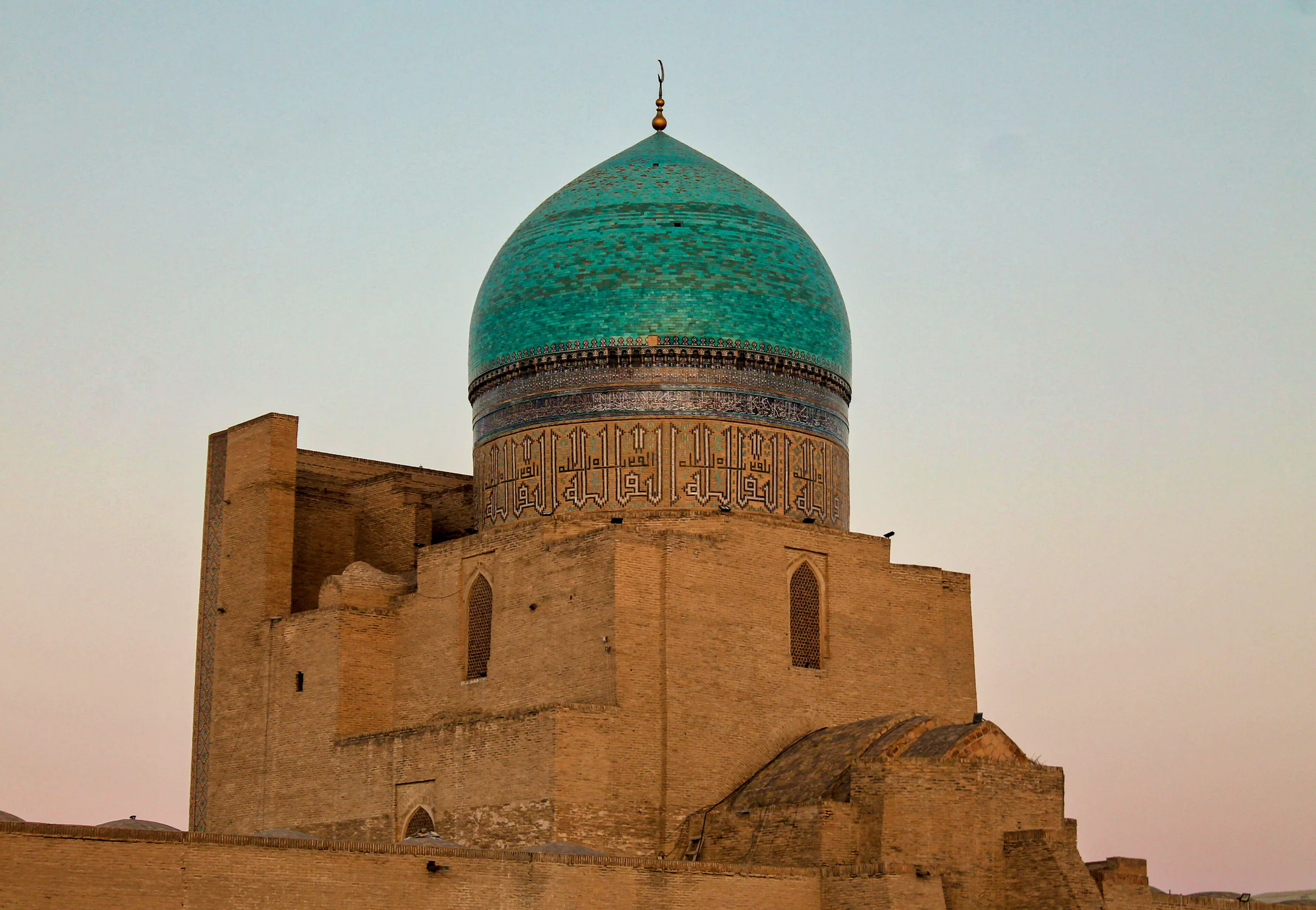
Fortress · Bukhara city
Seat of Bukhara's rulers for over a thousand years
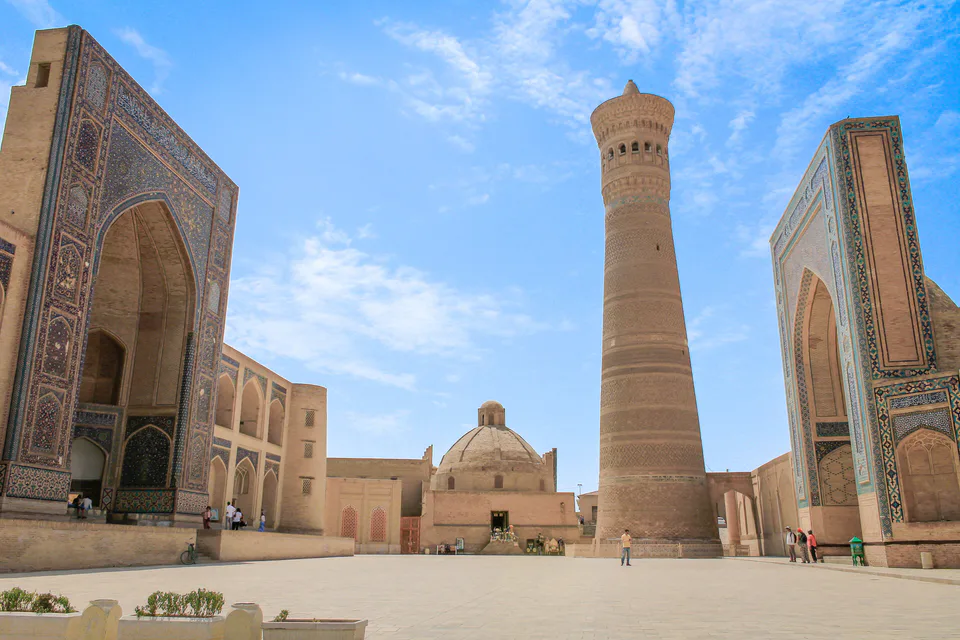
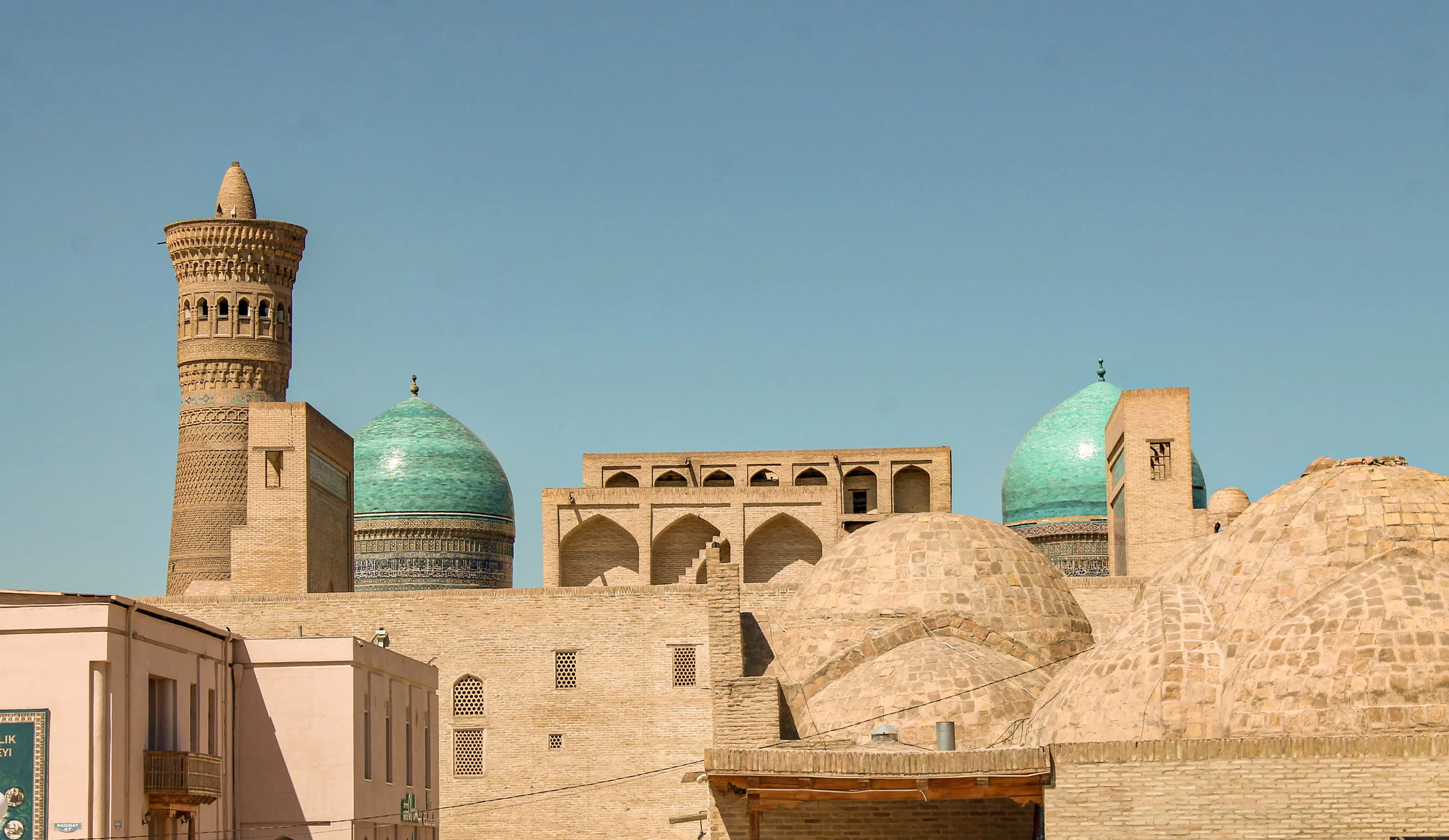
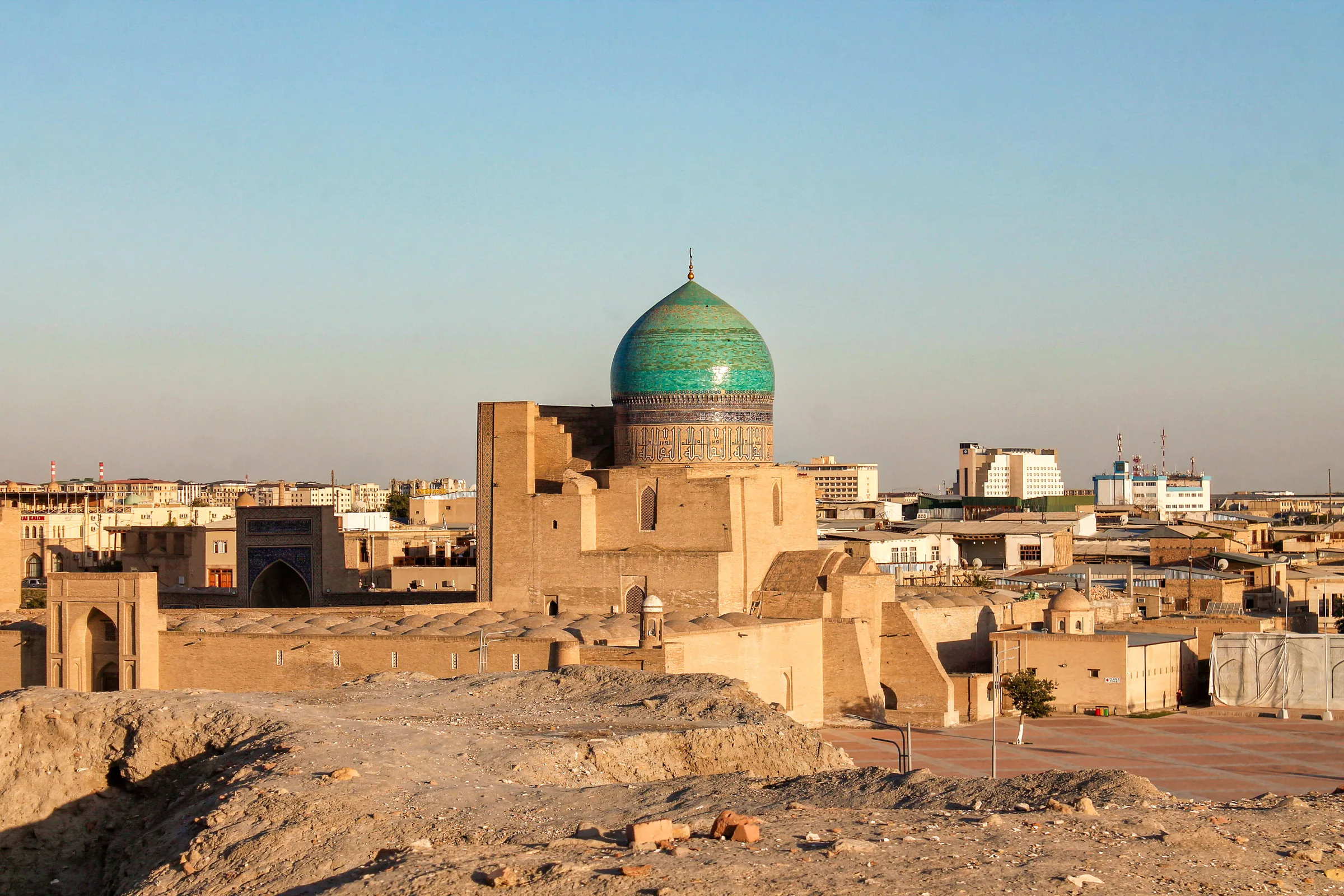
Ensemble · Bukhara city
Bukhara's great square: minaret, mosque and madrasa
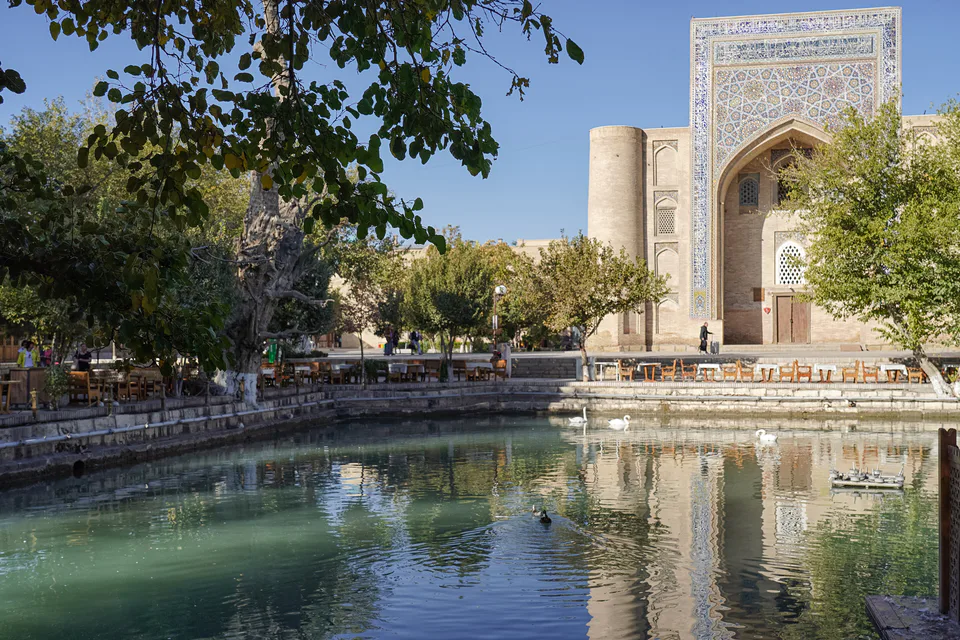
Ensemble · Bukhara city
The square by the pool — old Bukhara's beating heart
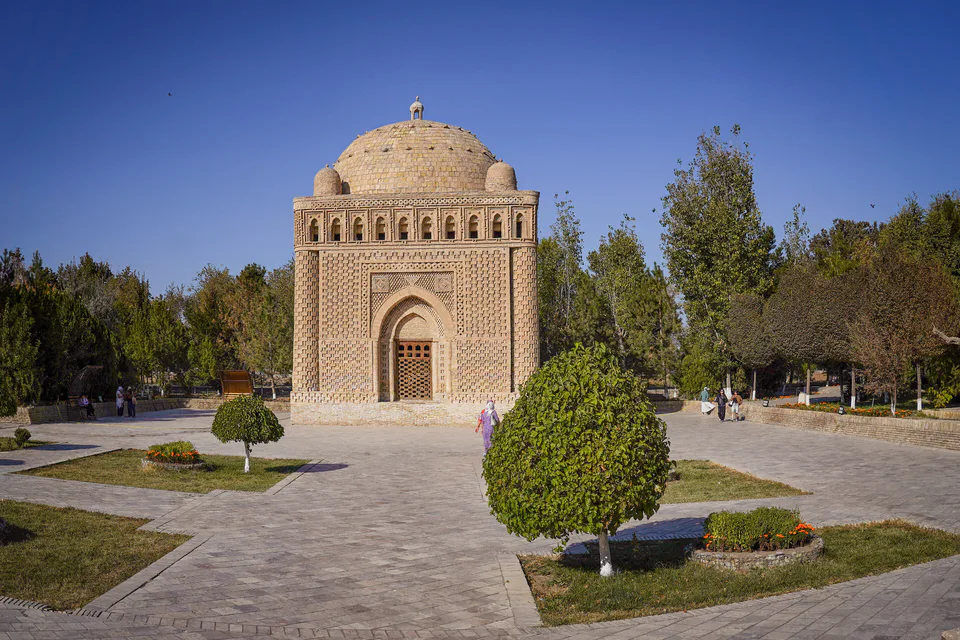
Mausoleum · Bukhara city
A brick masterpiece more than a thousand years old
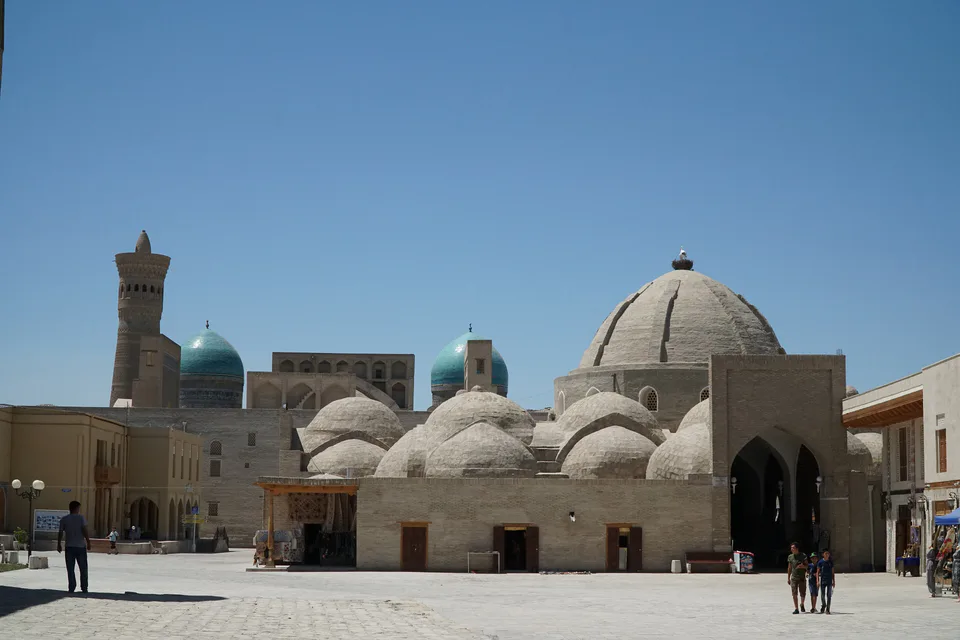
Bazaar · Bukhara city
The jewellers' dome — Bukhara's largest trading dome
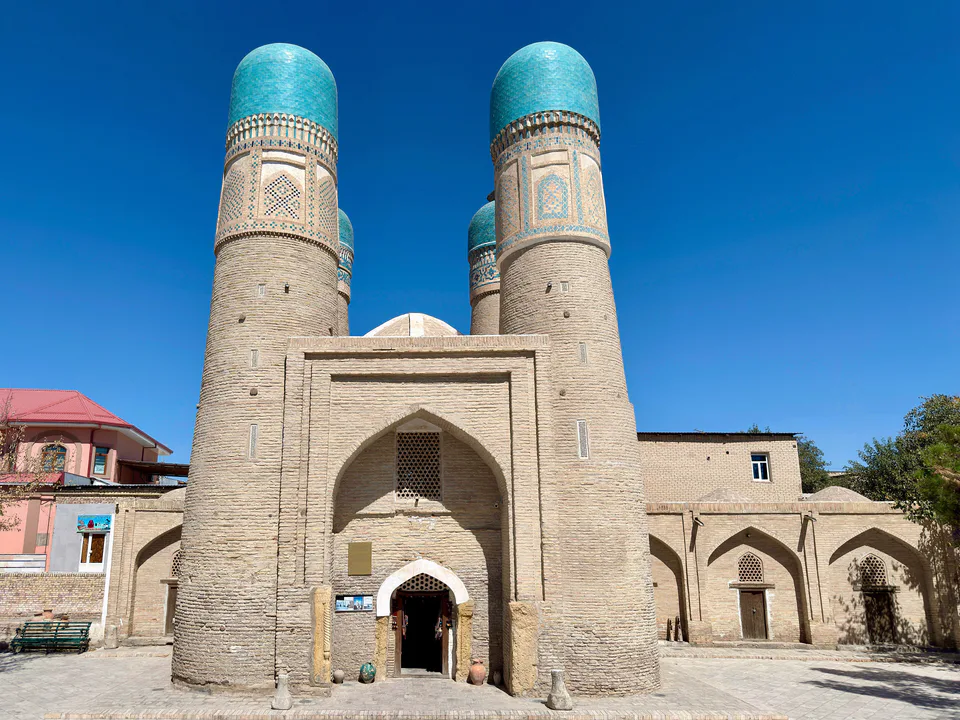
Madrasa · Bukhara city
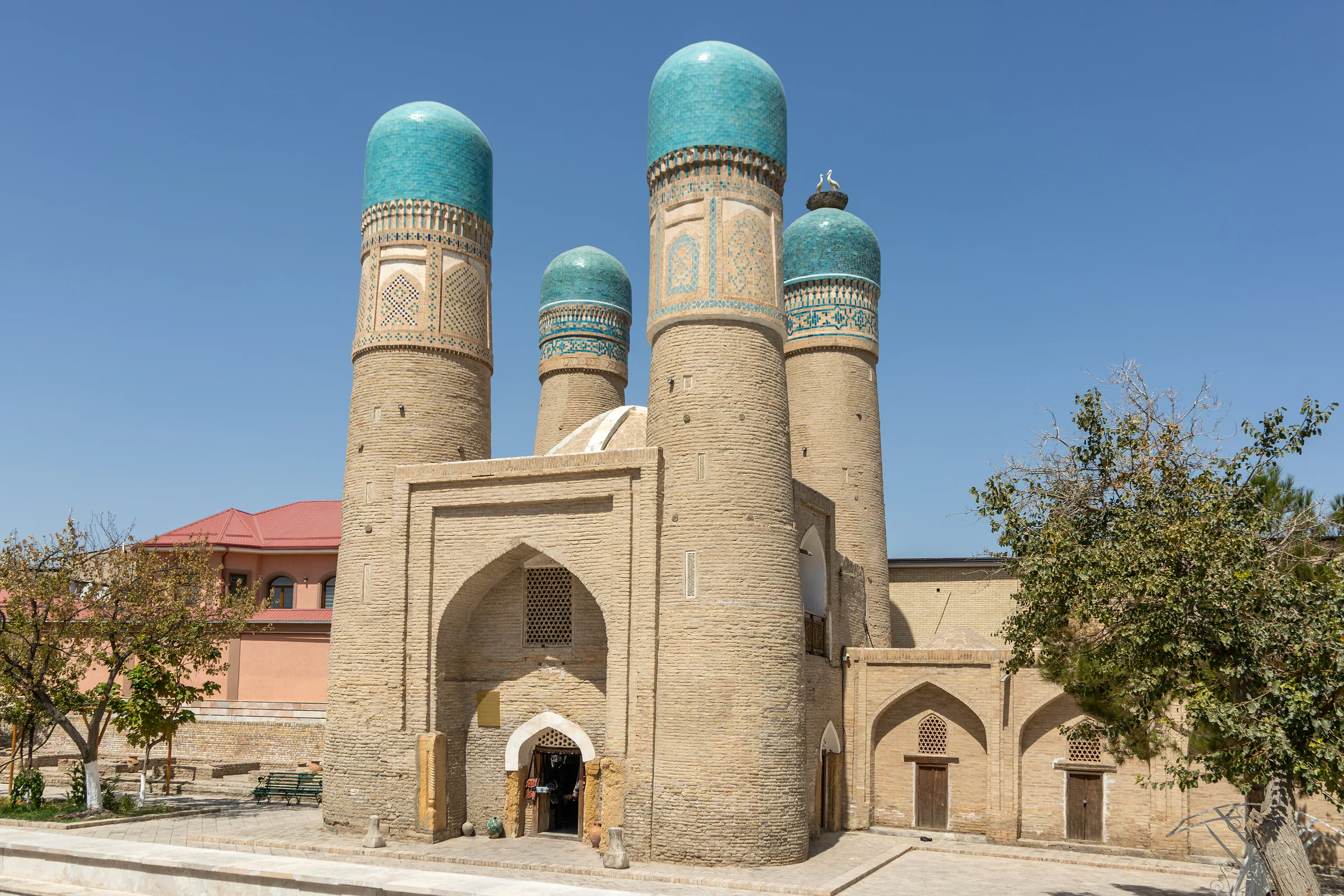
A four-towered gatehouse — Bukhara's most photogenic building
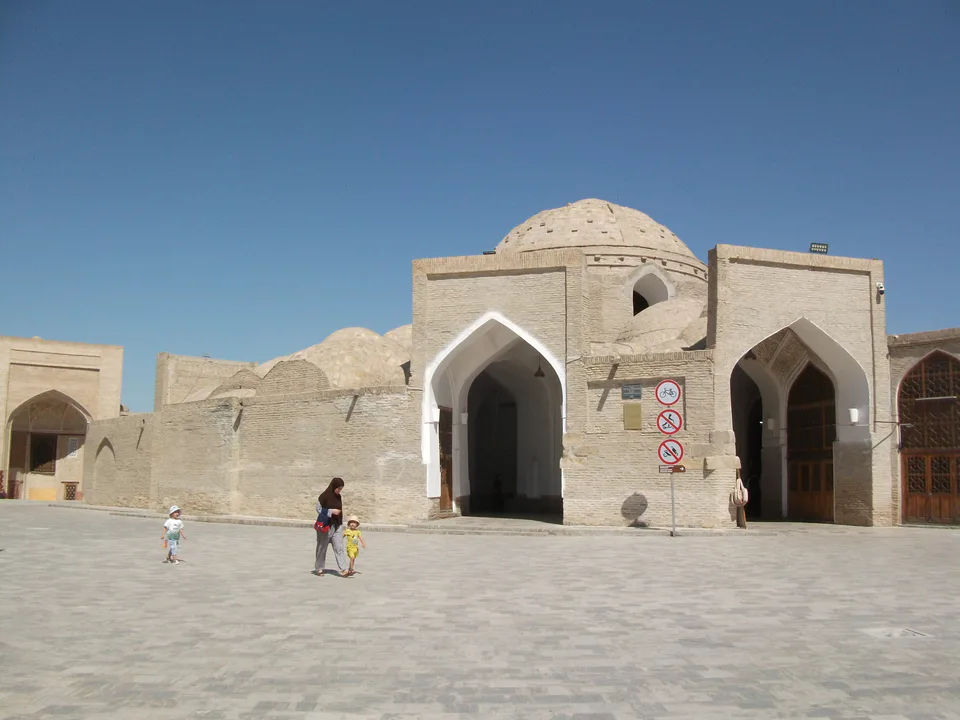
Bazaar · Bukhara city
The hat-sellers' dome over a five-way junction
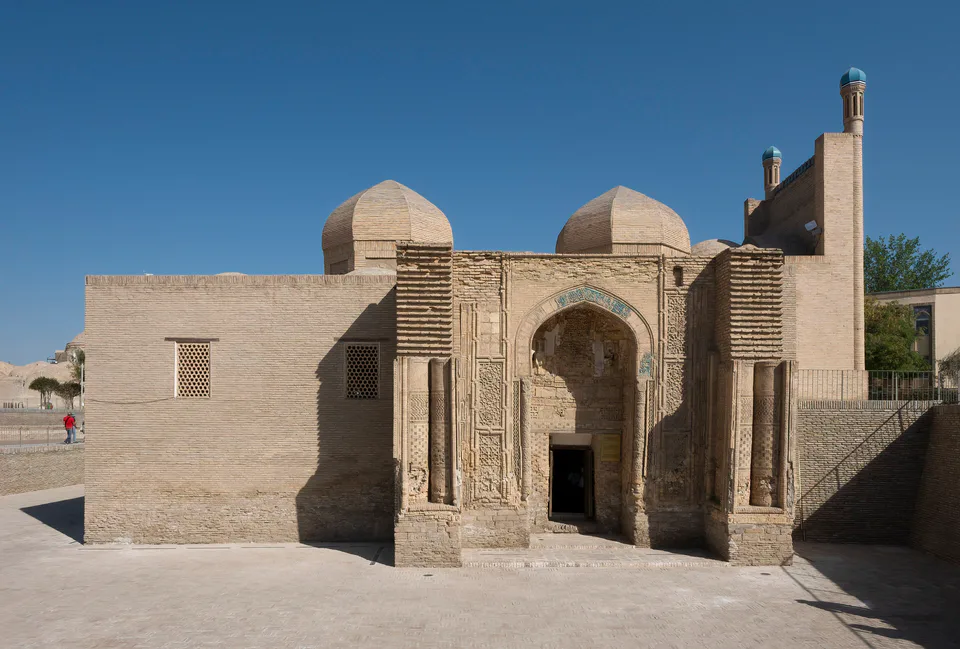
Mosque · Bukhara city
Bukhara's oldest mosque, sunk below the street
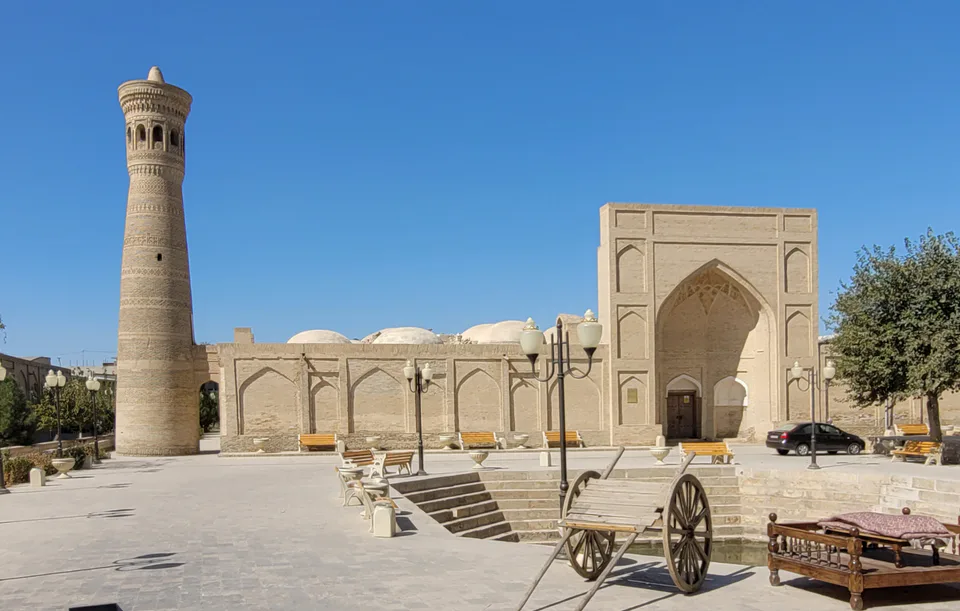
Ensemble · Bukhara city
A madrasa and minaret on the site of an old slaughterhouse
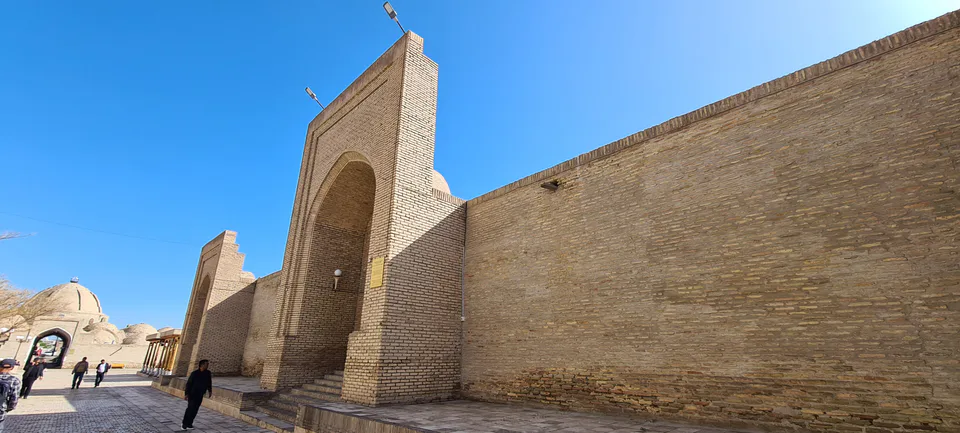
Bazaar · Bukhara city
A gated covered market for silk and carpets