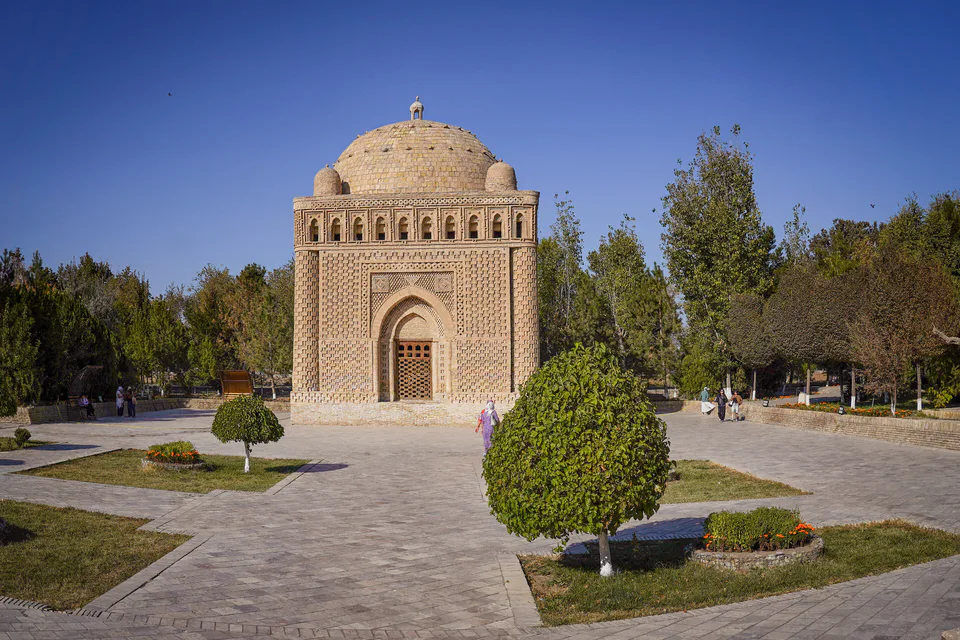
Mausoleum · Bukhara city
Samanid Mausoleum
A brick masterpiece more than a thousand years old
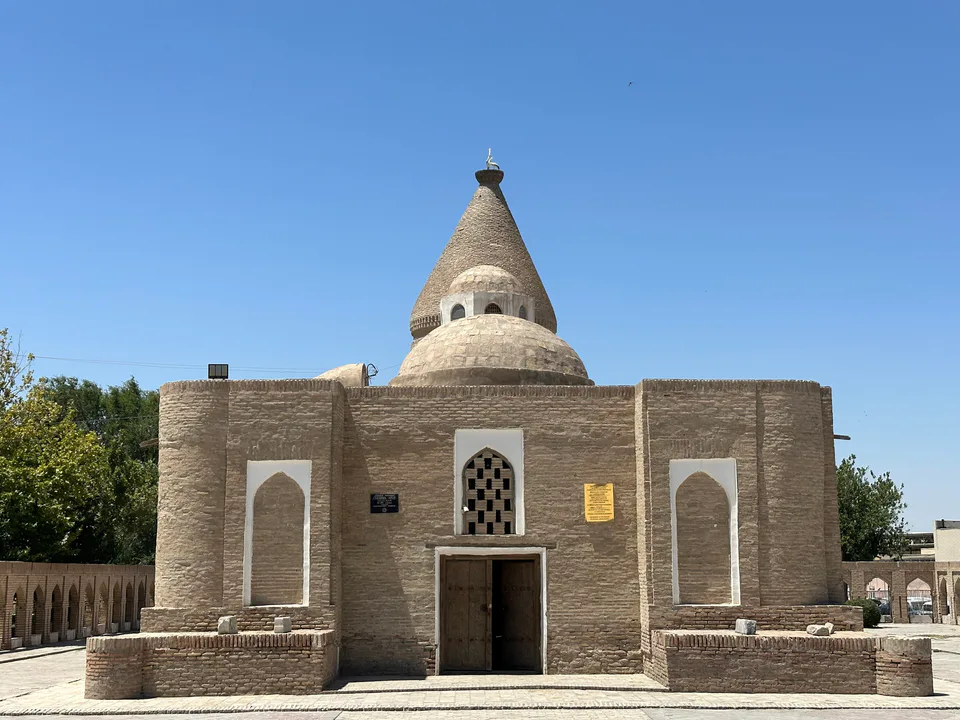
Pilgrimage site · Bukhara city
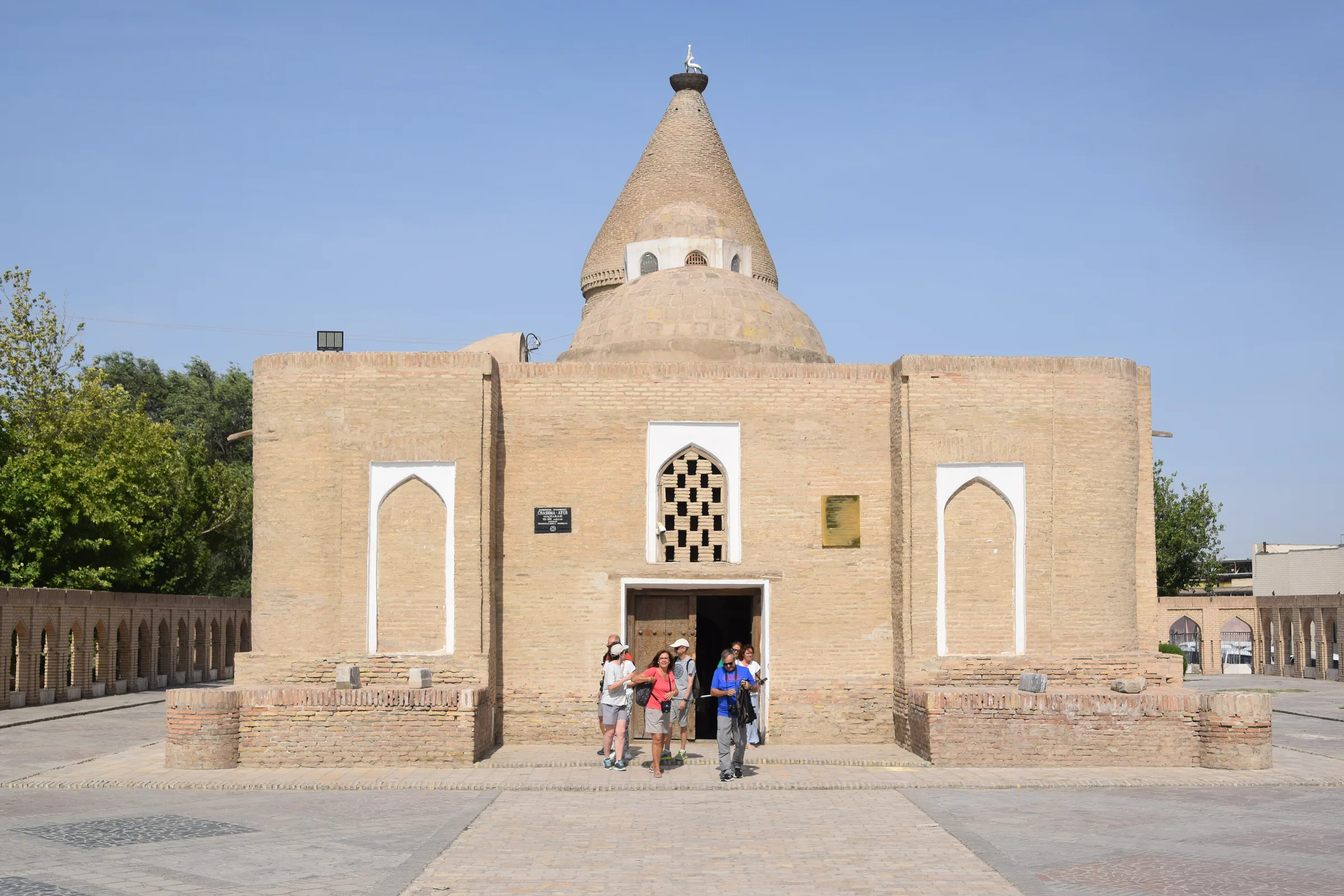
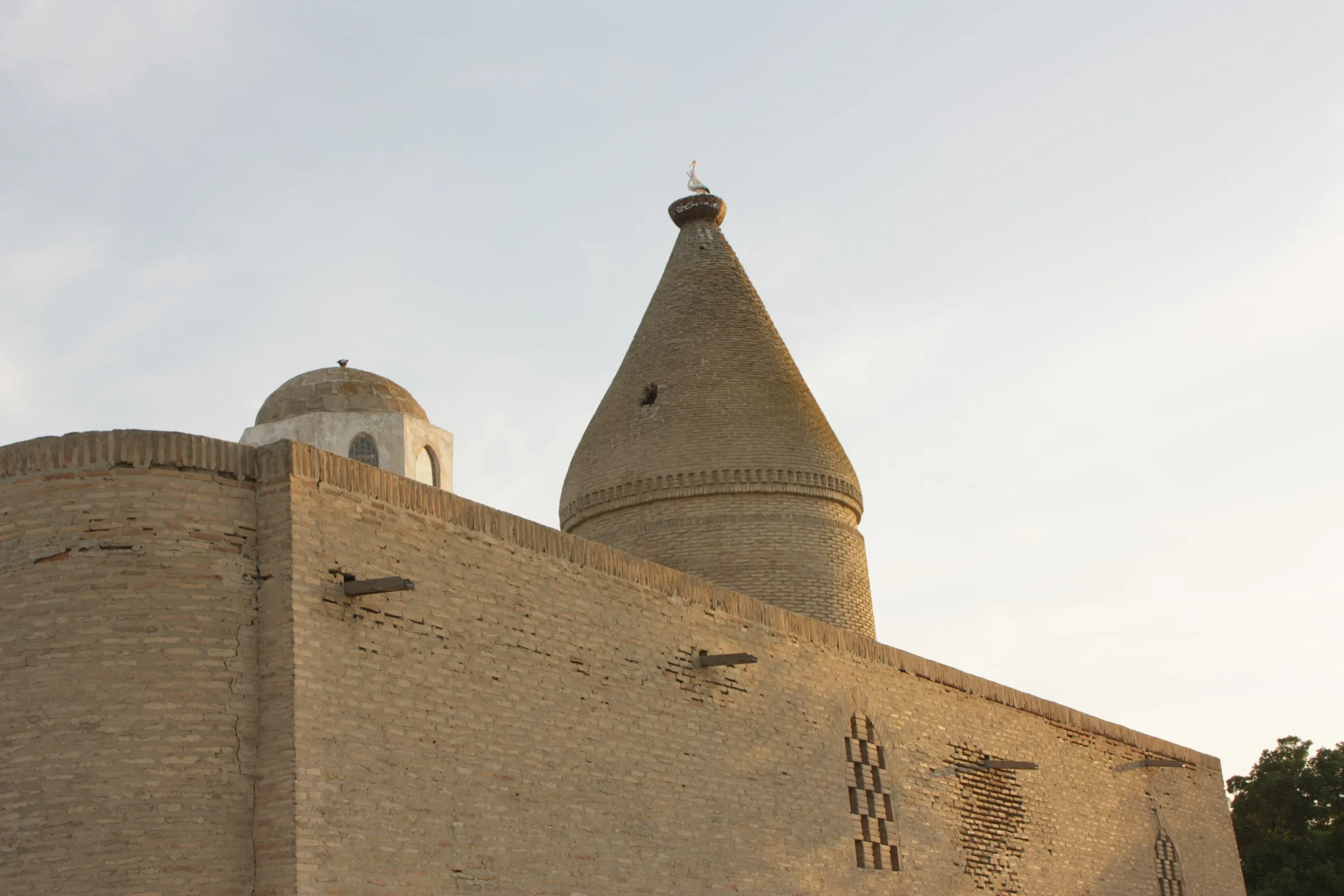
Built over a spring that the Prophet Job is said to have struck from the ground with his staff, Chashma-Ayub is one of Bukhara's oddest buildings. Since 1991 it has housed a museum of water supply.
Chashma-Ayub means 'Job's spring'. Legend tells how the Prophet Ayub — the biblical Job — struck the ground with his staff to give a drought-stricken people a healing spring. The building's own history is tangled: tradition places it in the 12th century under the Qarakhanid Arslan Khan, while a plaque inside says it was built in 1379–1380 in Timur's time. The eastern part nearest the entrance was added between the 14th and 16th centuries.
The shrine has long drawn pilgrims. After Navruz, a three-day commemoration of the dead, the sayli mazor, used to be held in the cemetery beside Chashma-Ayub and the Samanid tomb.
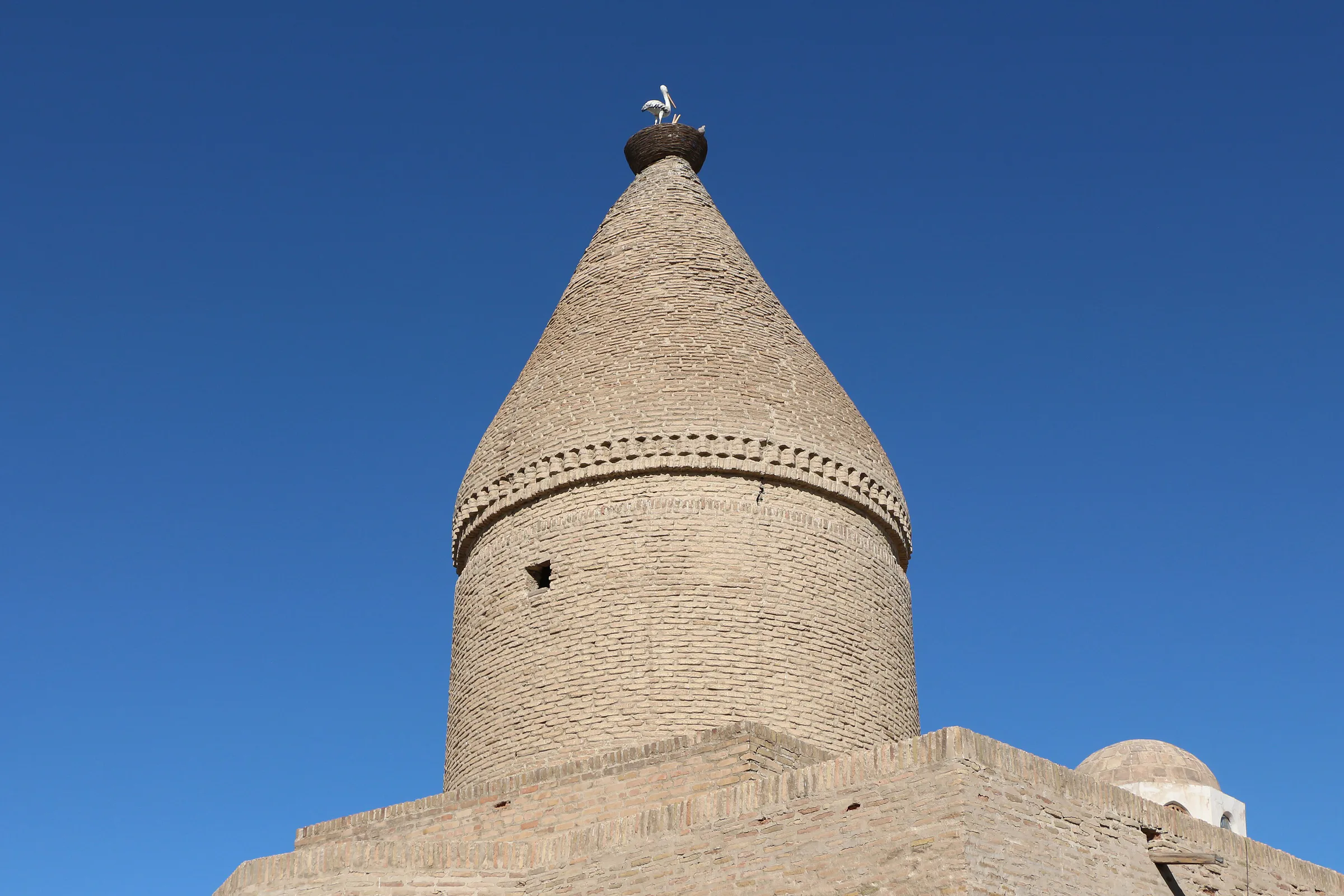
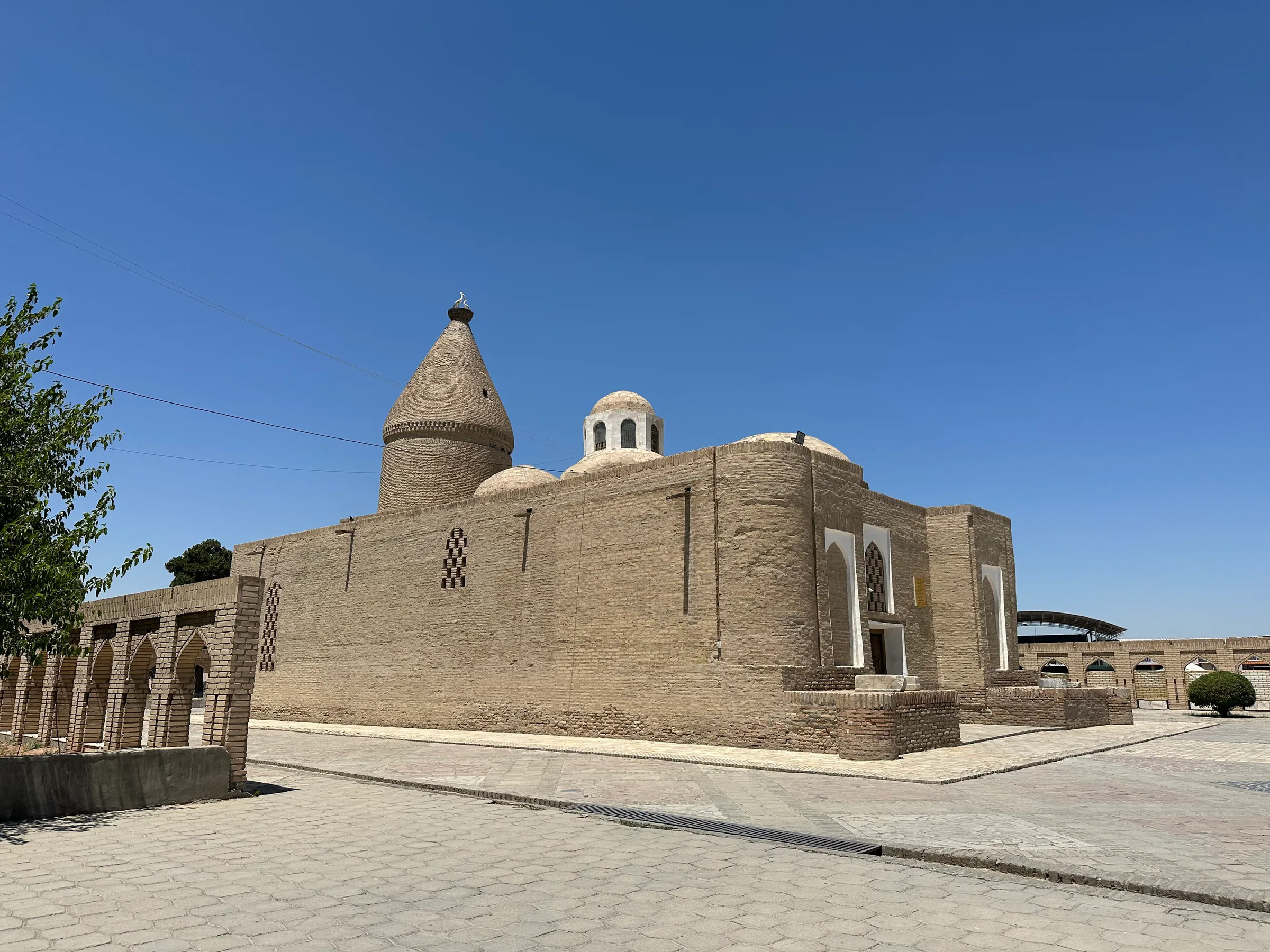
The elongated building is a row of four chambers running west to east, each under a different dome. The most striking is a conical dome typical of Khorezmian architecture. Inside are a vestibule, the room over the sacred well, a mosque with a mihrab and the tomb chamber.
Since 1991 it has housed the Museum of the History of Bukhara's Water Supply, covering irrigation in the oasis, pools, sardoba cisterns and other waterworks. People say the spring water is still drinkable, but caution is wise.
Mausoleum · Bukhara city
A brick masterpiece more than a thousand years old
Mosque · Bukhara city
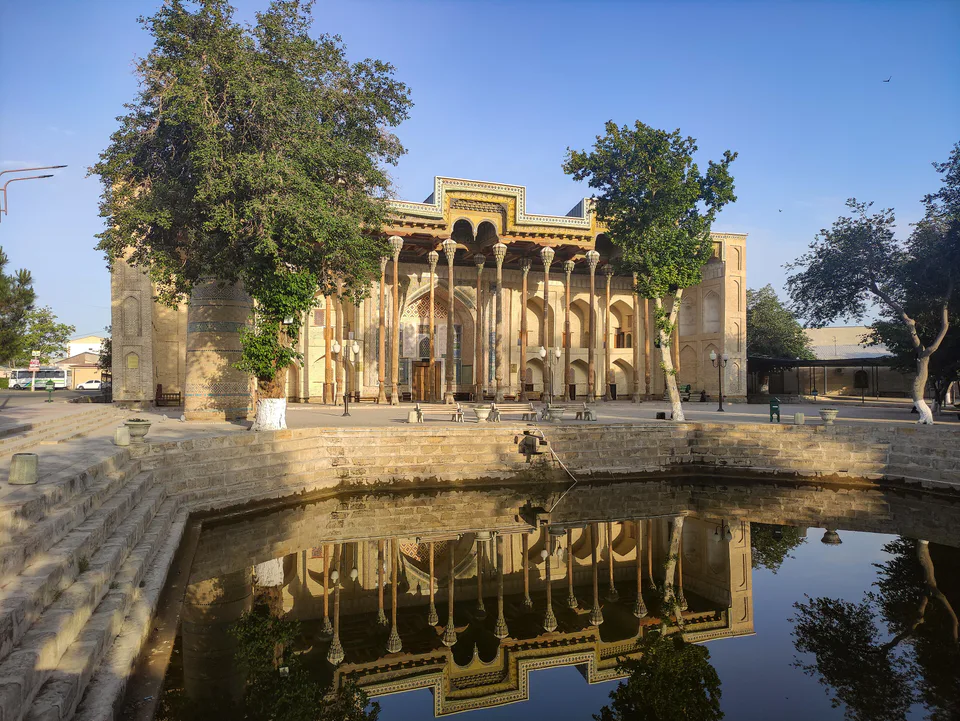
Wooden columns mirrored in a pool
Ensemble · Bukhara city
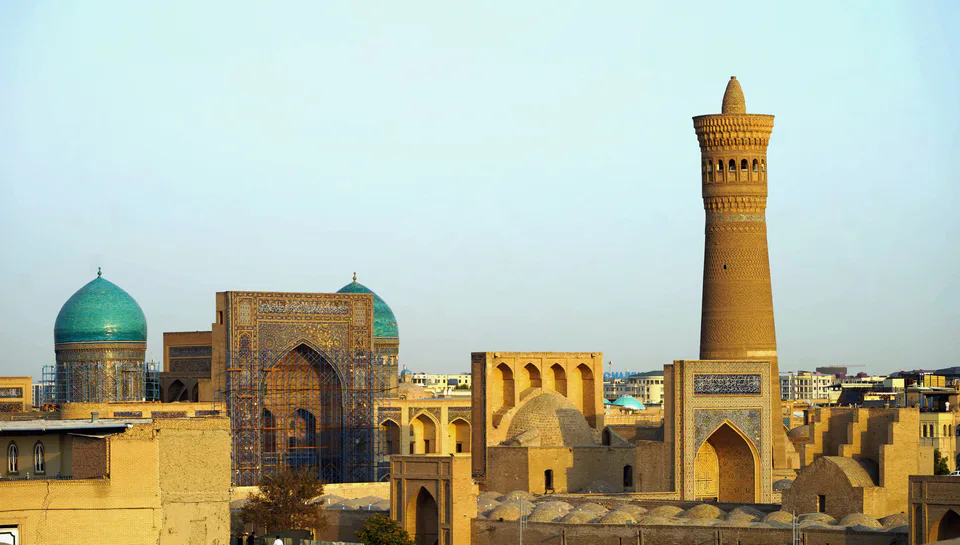
Central Asia's most complete medieval city
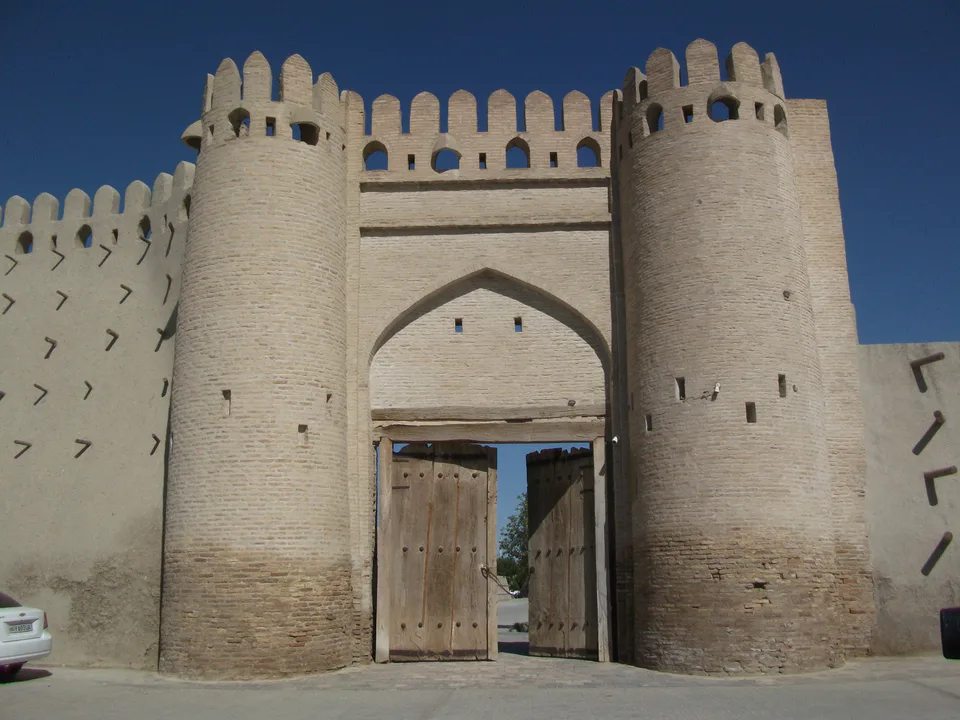
Fortress · Bukhara city
A surviving gate in Bukhara's city wall
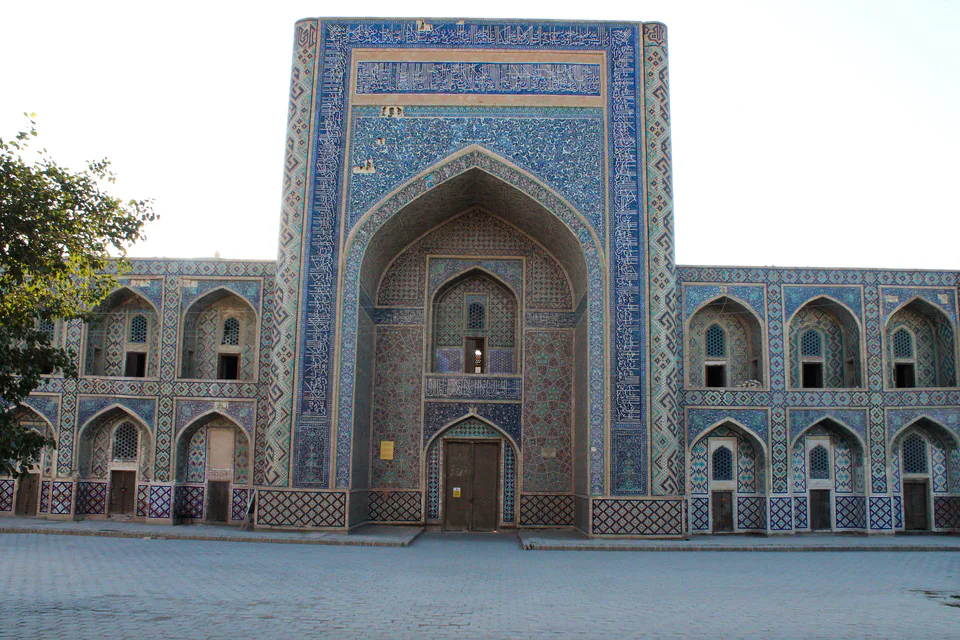
Madrasa · Bukhara city
Two madrasas — for a khan and his mother — face to face
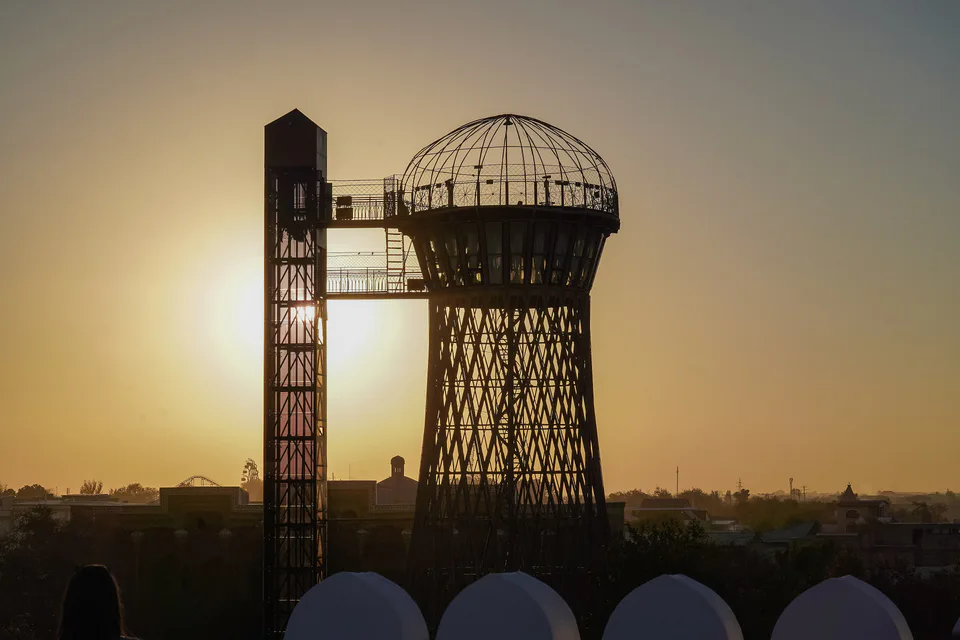
Modern · Bukhara city
A steel hyperboloid facing the Ark
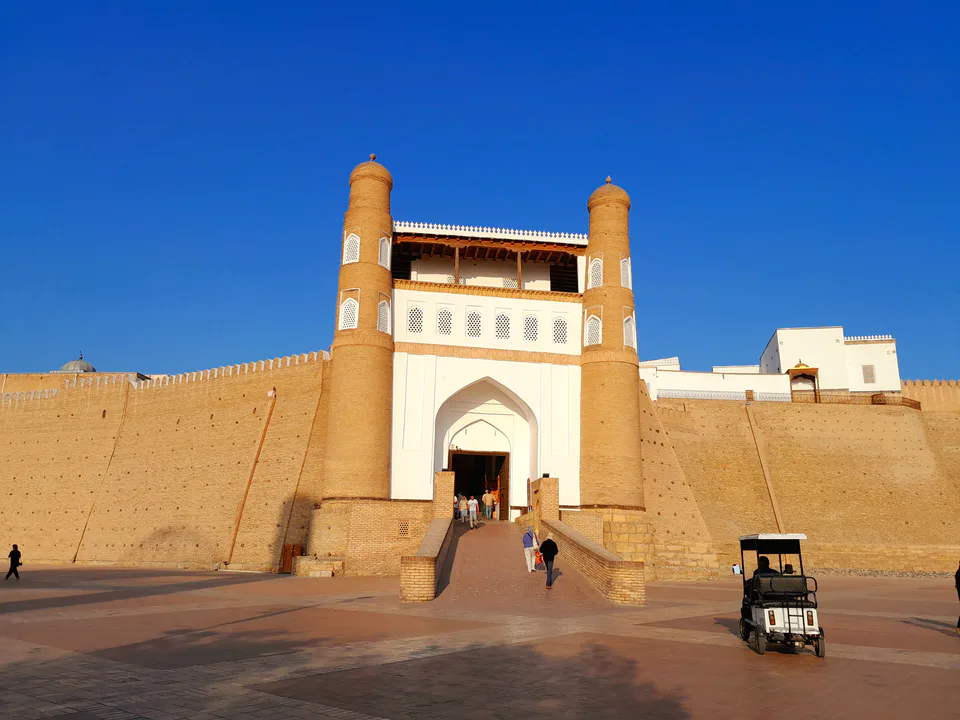
Fortress · Bukhara city
Seat of Bukhara's rulers for over a thousand years
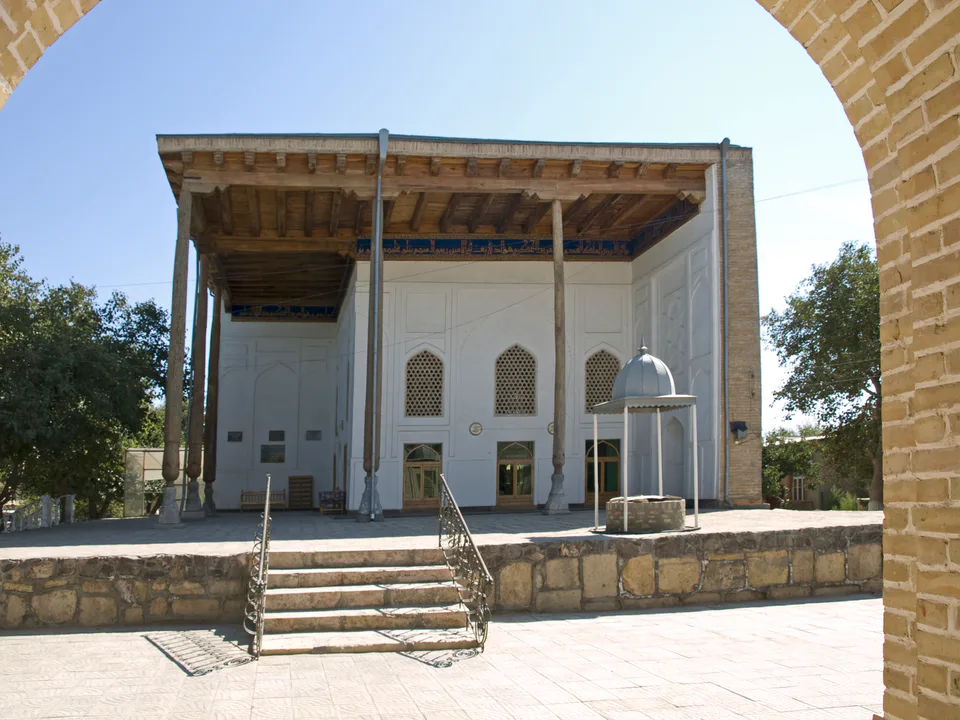
Mosque · Bukhara city
A small neighbourhood mosque with gilded paintwork
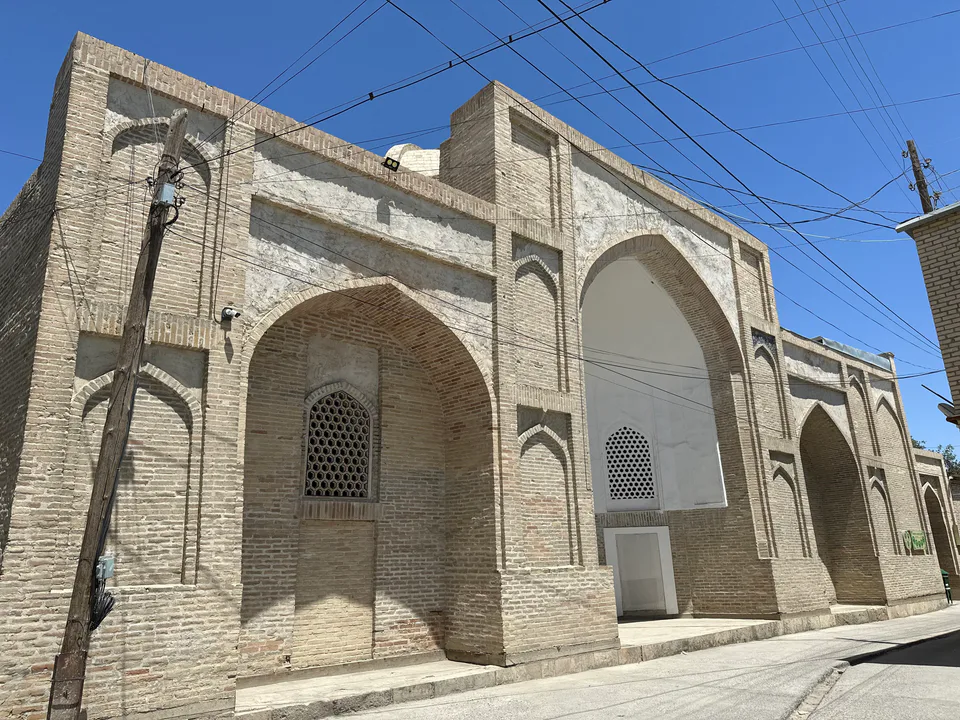
Mosque · Bukhara city
A mosque-khanqah painted in the kundal technique
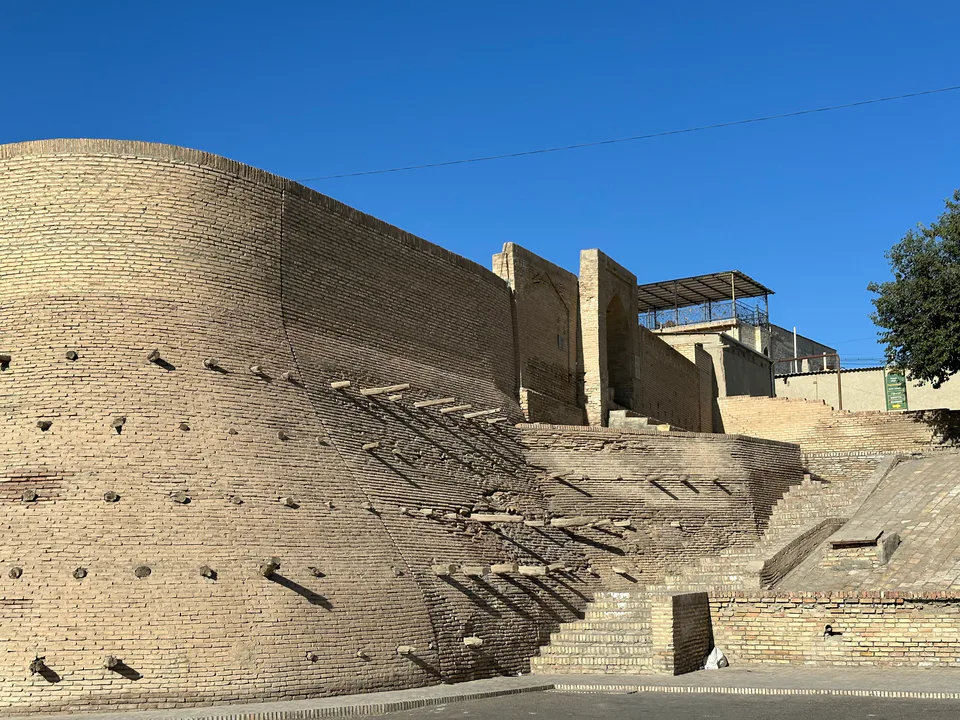
Museum · Bukhara city
The emir's jail and its notorious pit