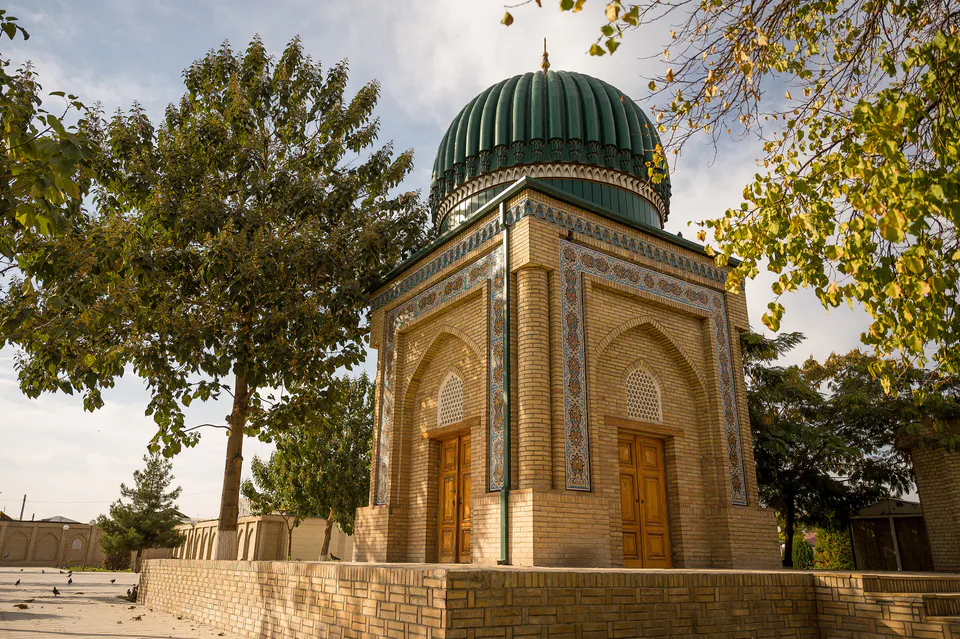
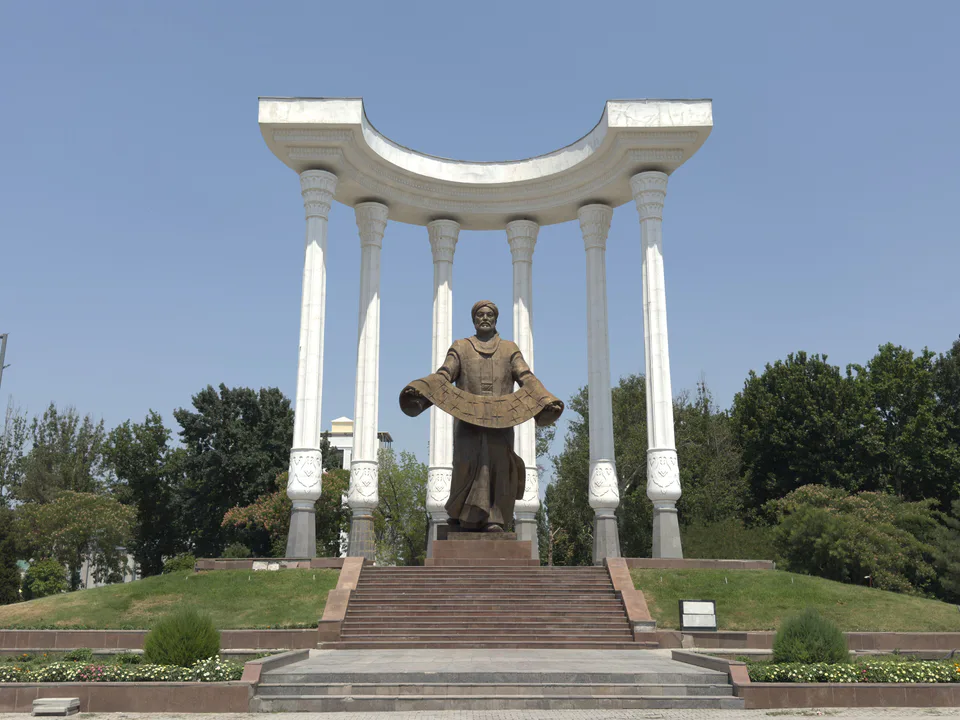
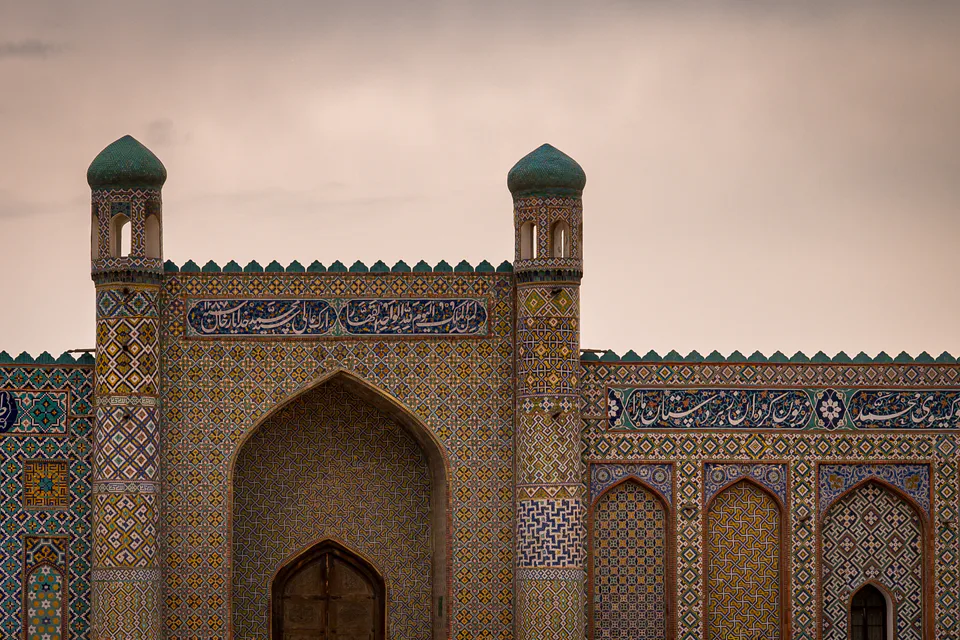
A 12th-century jurist from the Fergana Valley and author of al-Hidaya, one of the most authoritative manuals of Hanafi law. A memorial complex in central Margilan honours him.
Burhan al-Din Abu al-Hasan Ali ibn Abi Bakr al-Marghinani was born into a family of jurists in the Fergana Valley. Accounts of his birth differ: Russian and Uzbek sources give Rishtan and 1117 (or 1123), while English-language works give 1135 and Margilan. He studied with his father and then with scholars in Margilan, Bukhara and Samarkand, and made the pilgrimage in 1149. Honoured with the title shaykh al-Islam, he spent his last years in Samarkand, where he died in 1197 and was buried in the Chokardiza cemetery of scholars.
Al-Hidaya
His most famous work is al-Hidaya fi sharh Bidayat al-mubtadi (“The Guidance: a commentary on the Beginner's Primer”). He first wrote the primer itself, drawing on al-Quduri and Muhammad al-Shaybani, then an eight-volume commentary on it, and finally the more compact Hidaya for practical use. It sets out everything from ritual to trade, family law, inheritance and court procedure. For centuries it was a core textbook in the madrasas of Central Asia, India and the Ottoman Empire. Translated from Persian into English in the late 18th century, it was used by the courts of British India as a guide to Muslim law, and a Russian translation followed in the late 19th century.
Remembrance
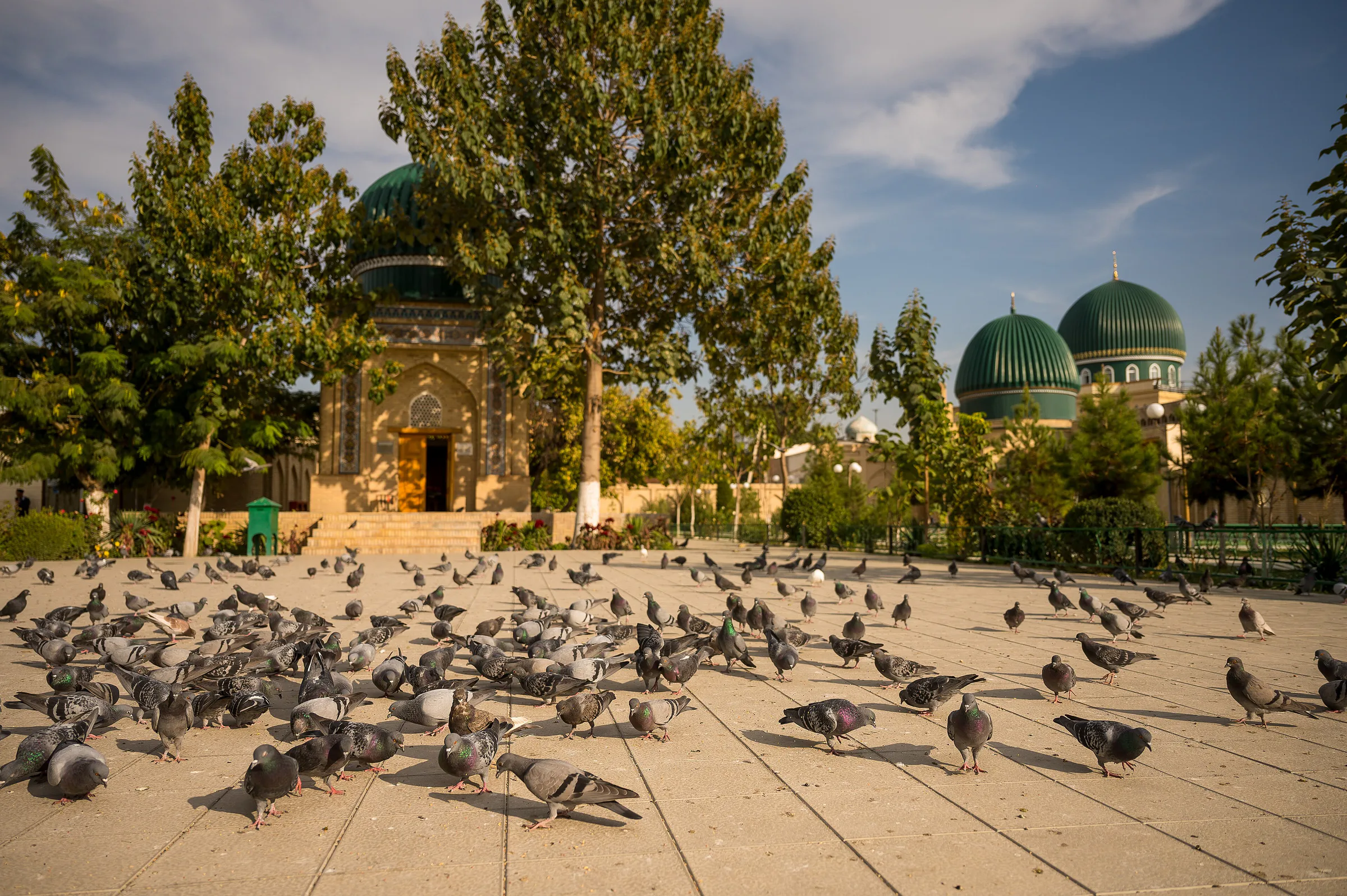
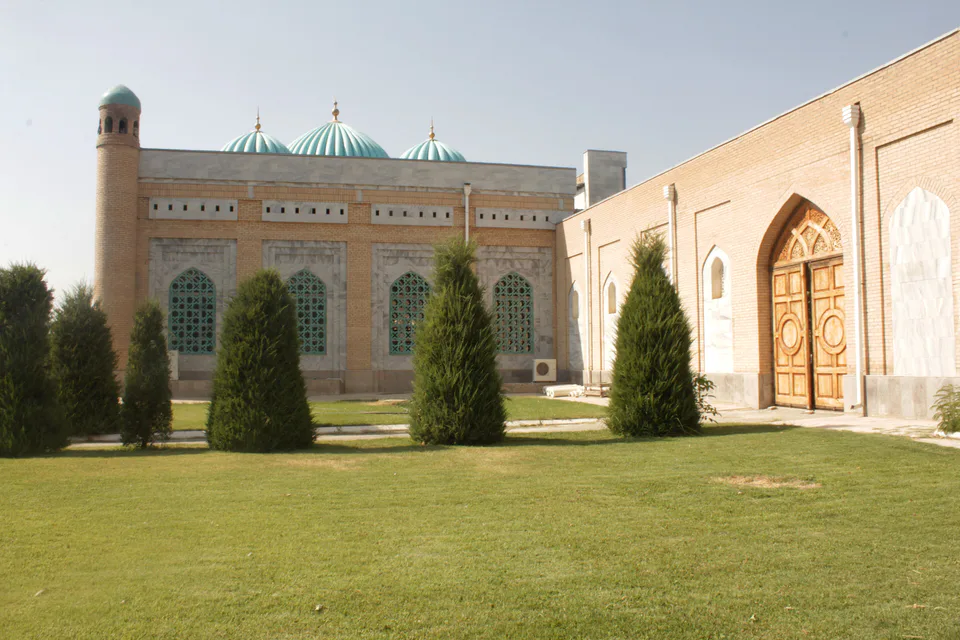
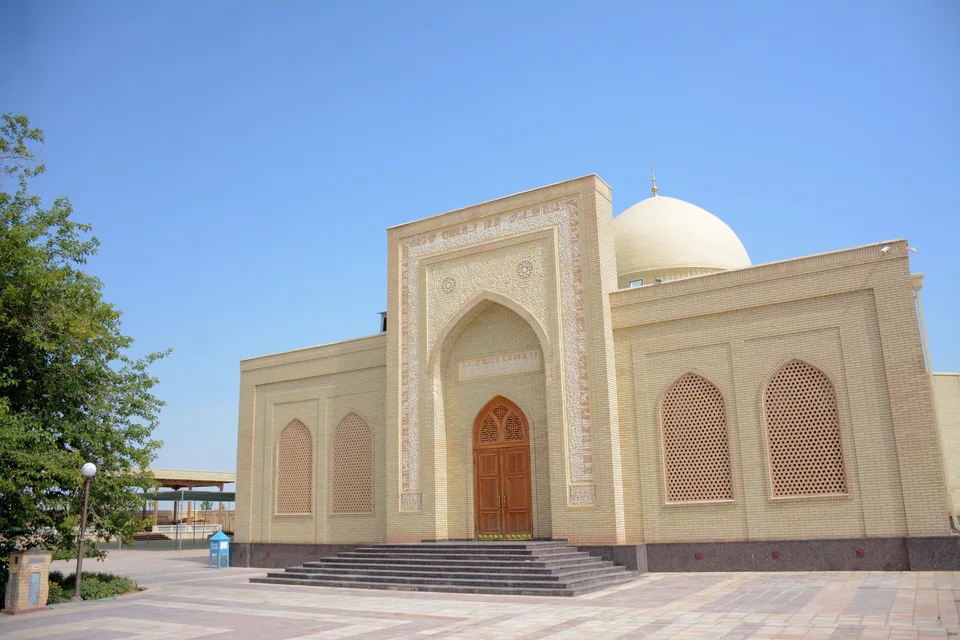
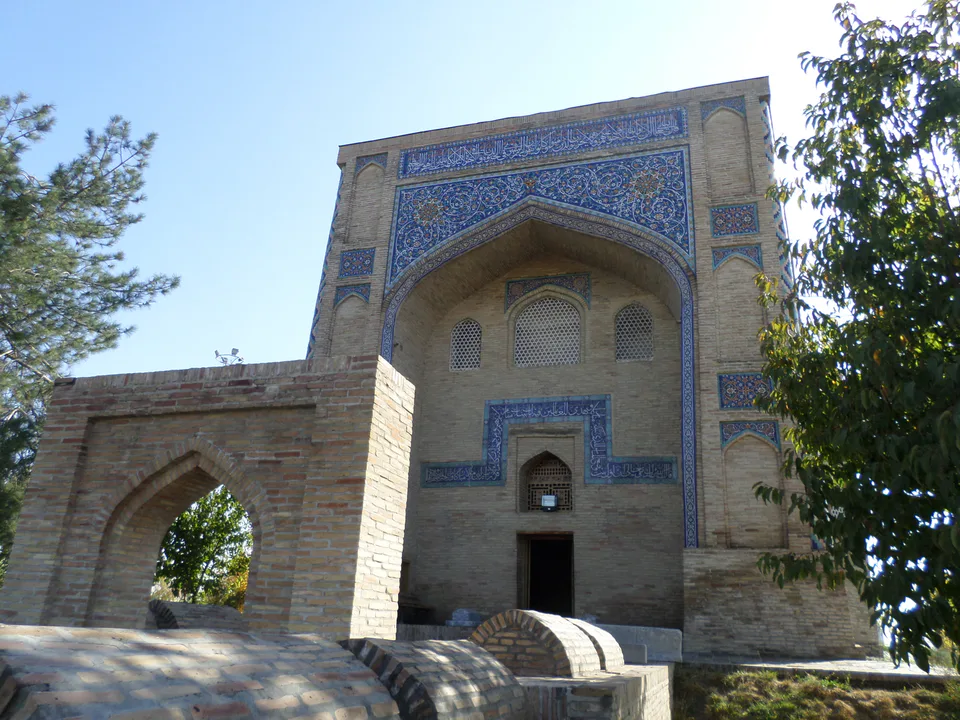
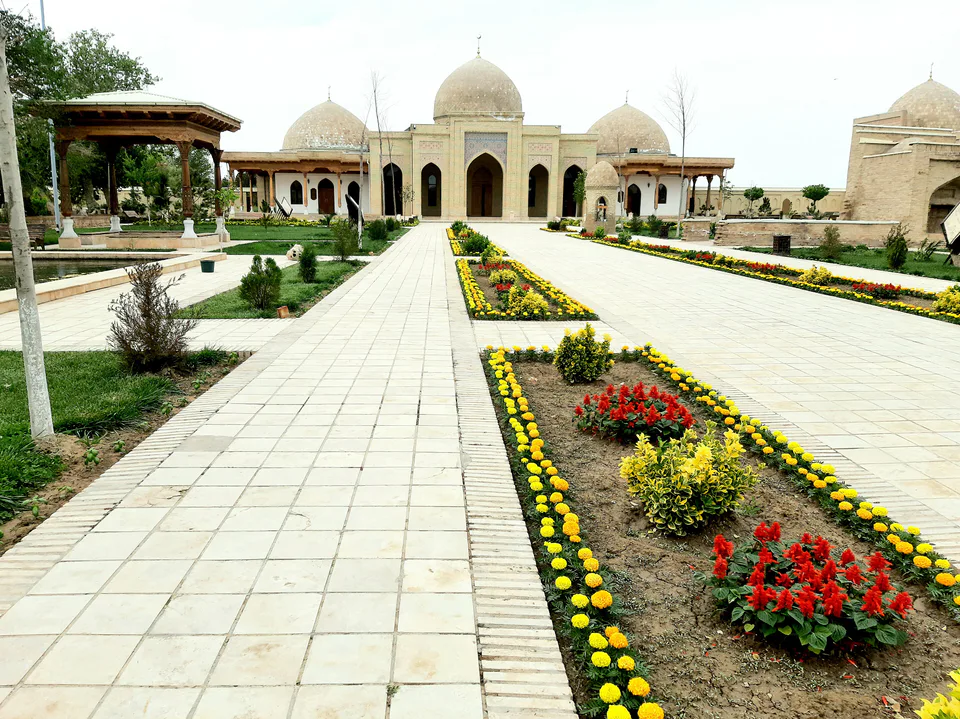
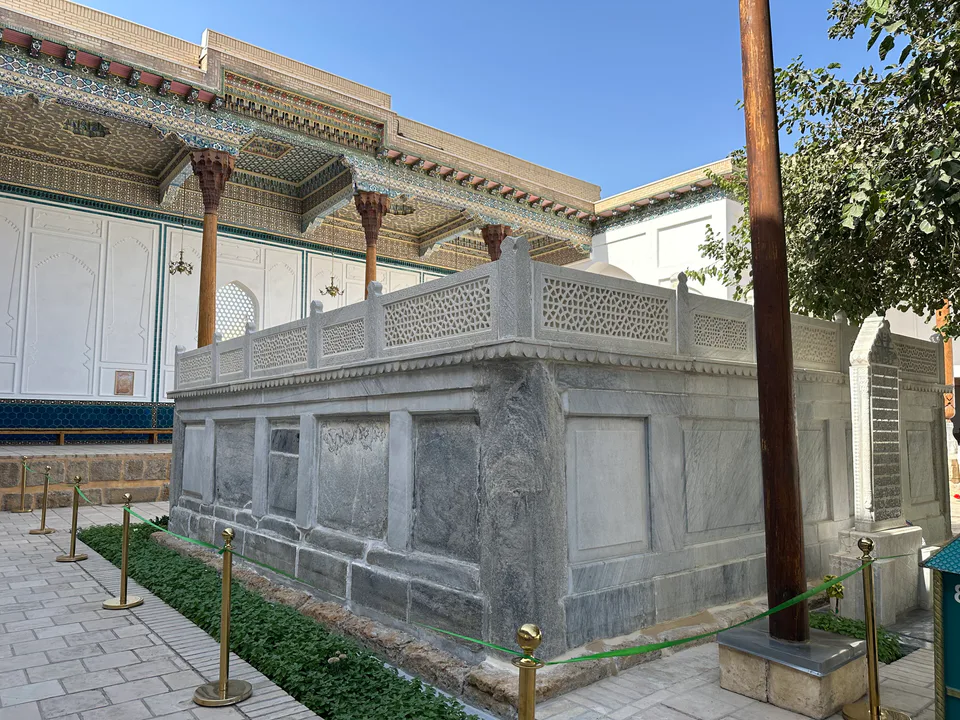
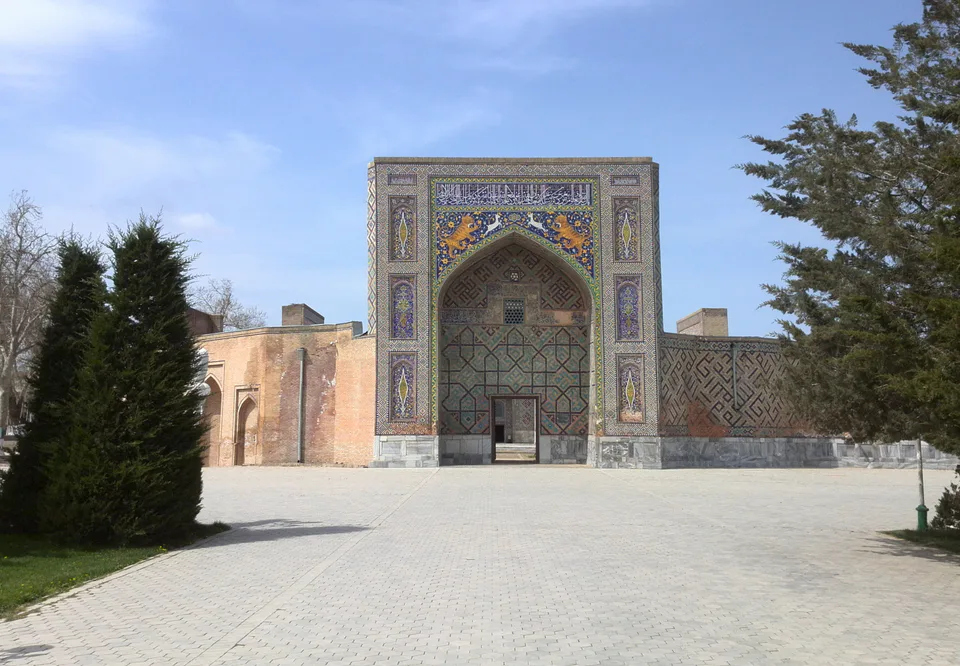
Independent Uzbekistan marked the 800th anniversary of his death in 1997 and the 910th lunar anniversary of his birth in 2000, when a memorial complex with a symbolic mausoleum was built in the centre of Margilan. In this silk-weaving town it combines well with a visit to the Yodgorlik silk factory and Kumtepa bazaar.
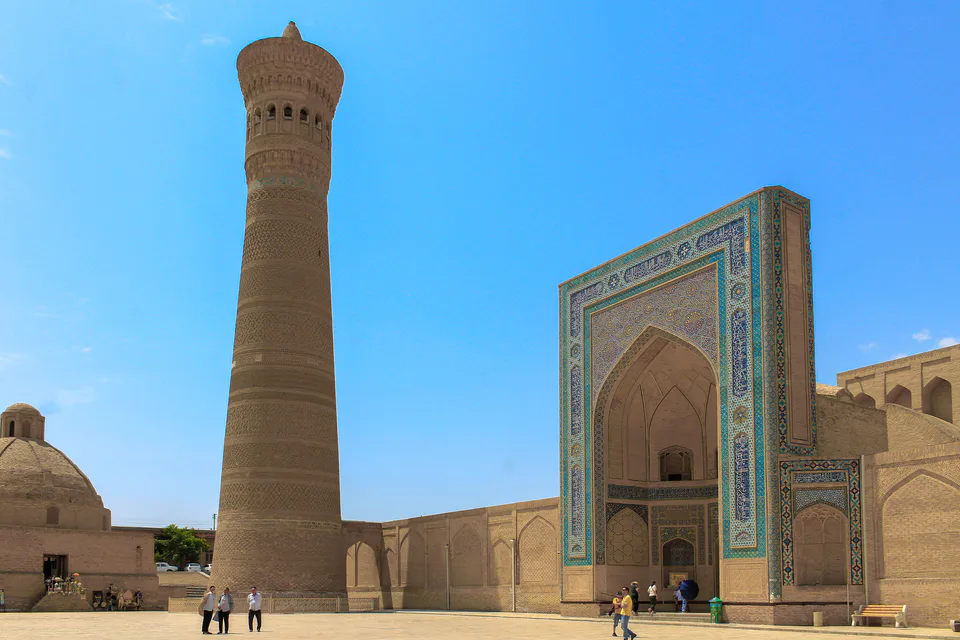
In 1127 the Karakhanid ruler Arslan Khan (Muhammad ibn Sulayman) built the Kalyan Minaret beside Bukhara's Friday mosque. Rising about 46 metres in fired brick, it is wrapped in alternating bands of patterned brickwork, and the arcaded lantern at the top served for the call to prayer and as a lookout. Its construction is linked to a master named Bako. Legend has it that Genghis Khan, who sacked Bukhara in 1220, was so struck by the tower that he ordered it spared. Today it anchors the Po-i-Kalyan ensemble and is the emblem of the Historic Centre of Bukhara, a UNESCO site since 1993.