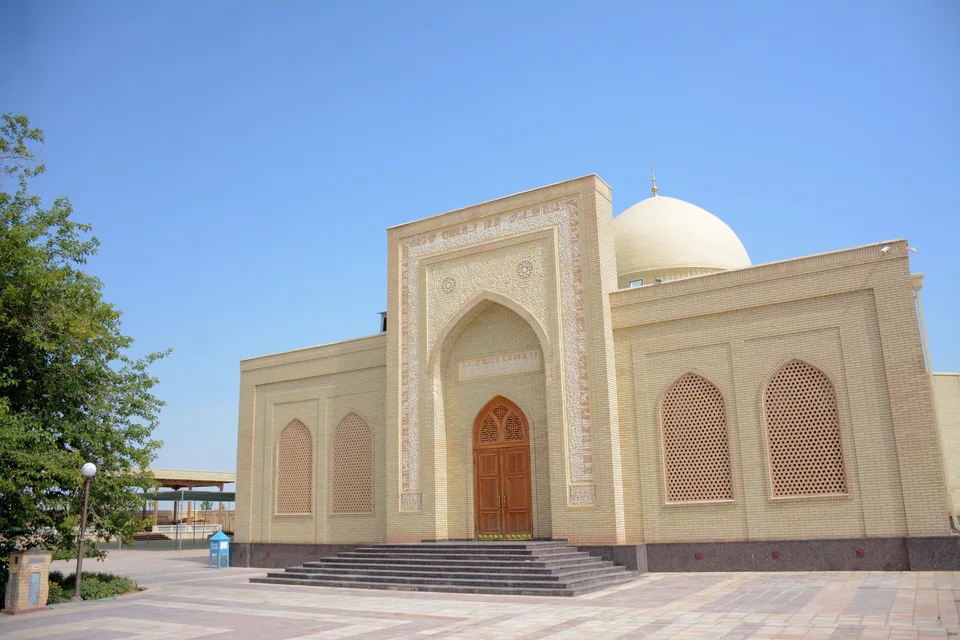
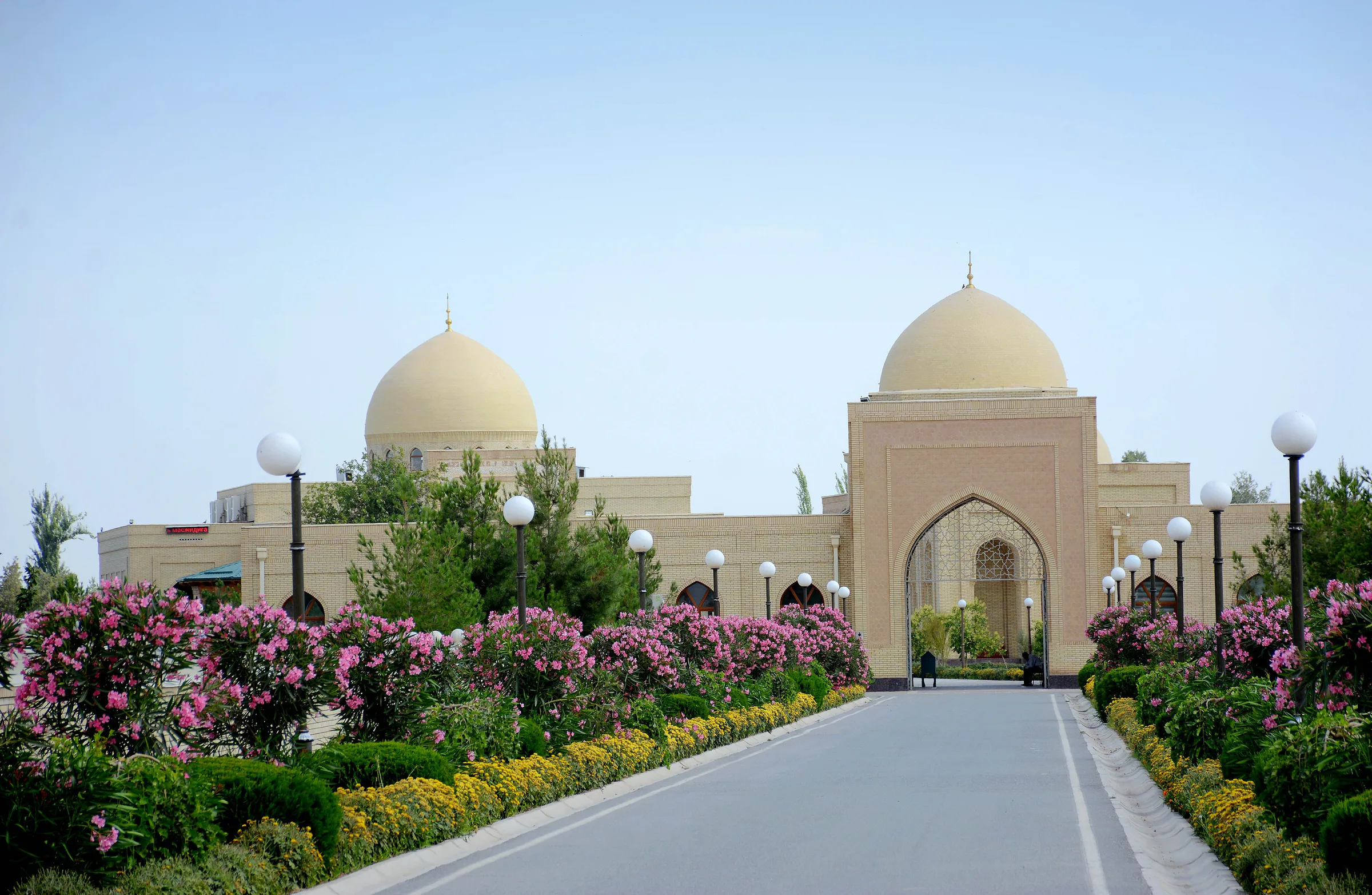
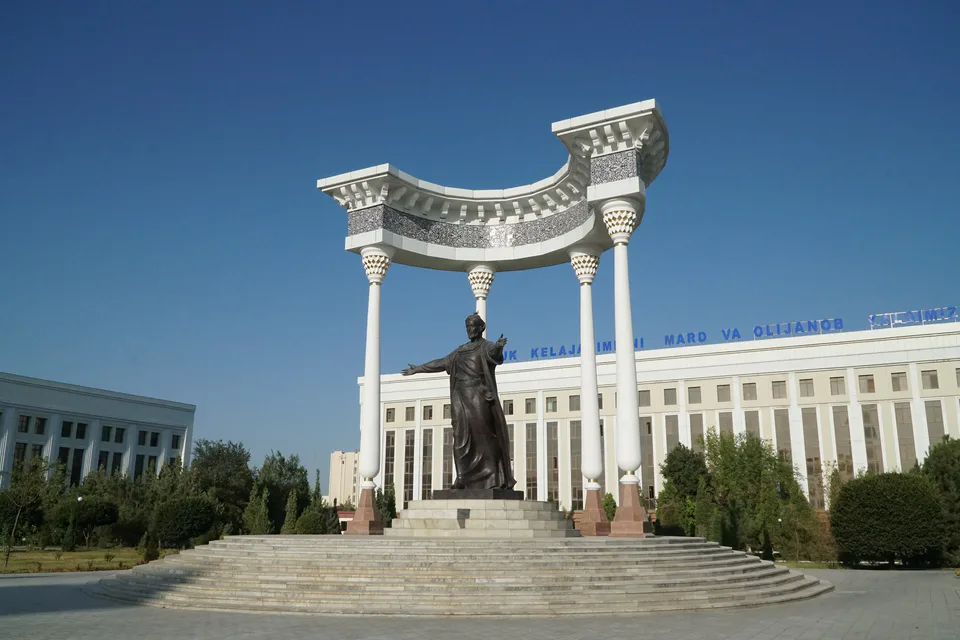
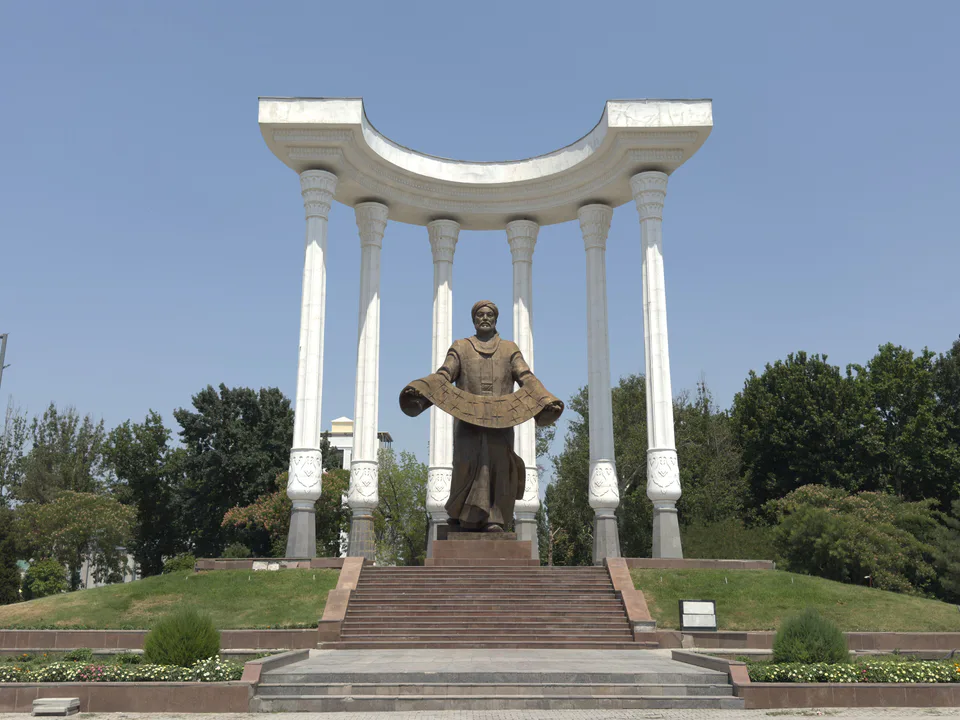
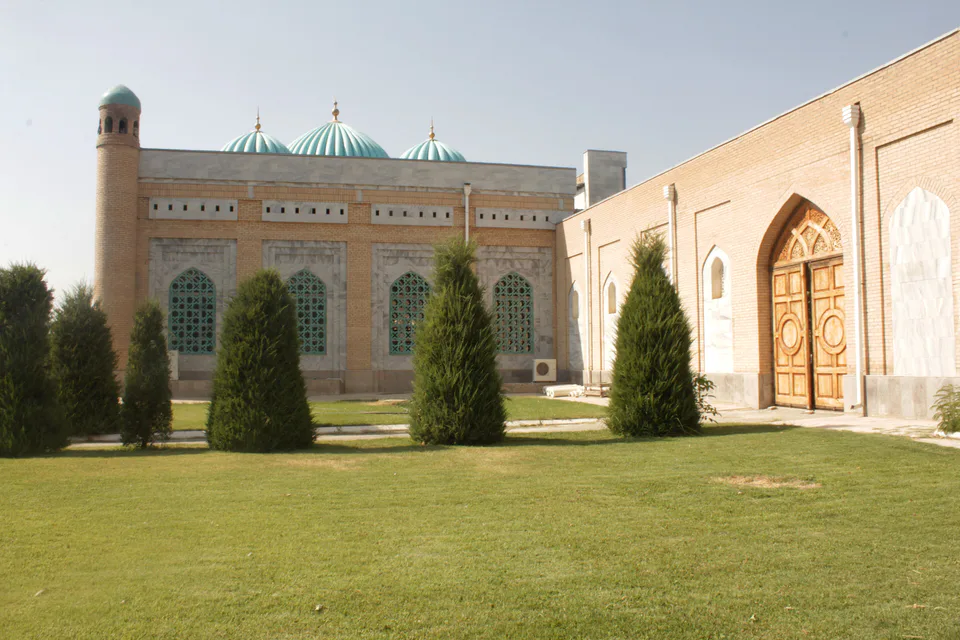
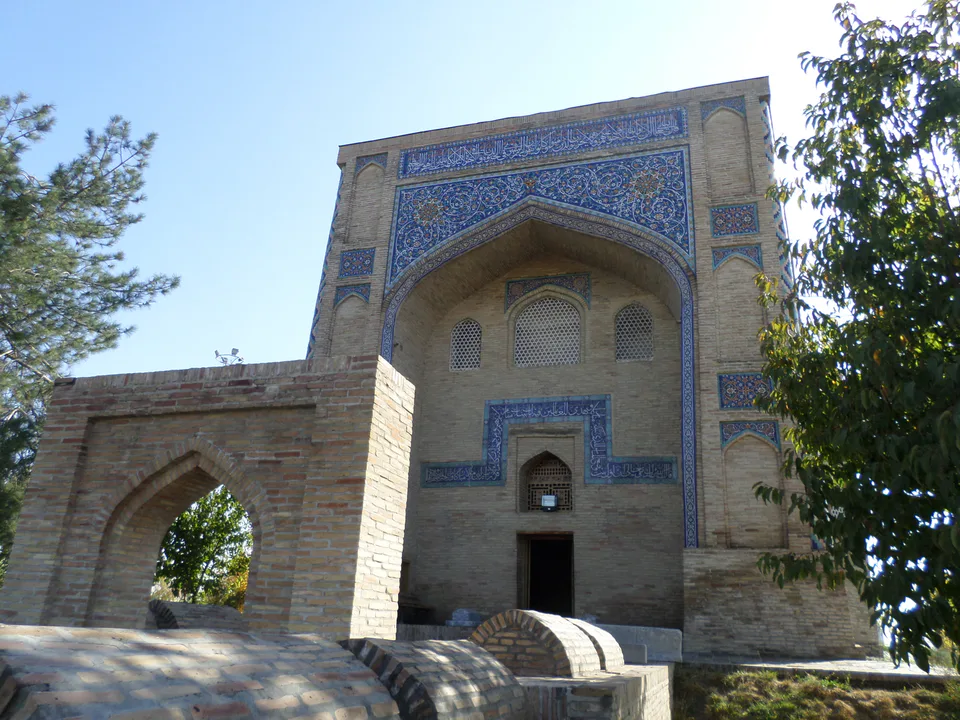
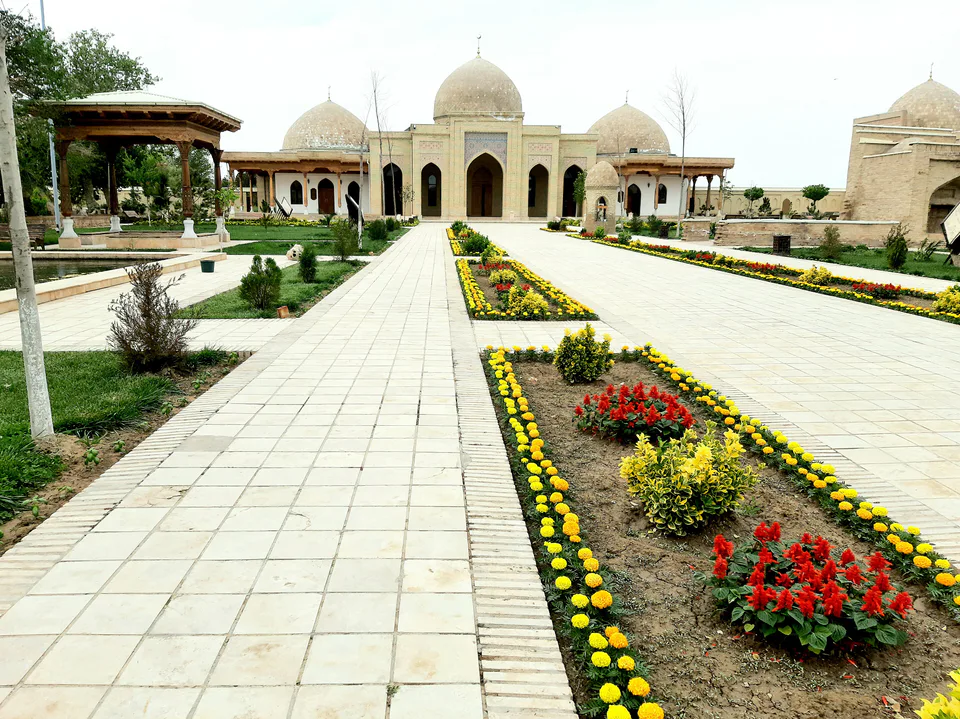
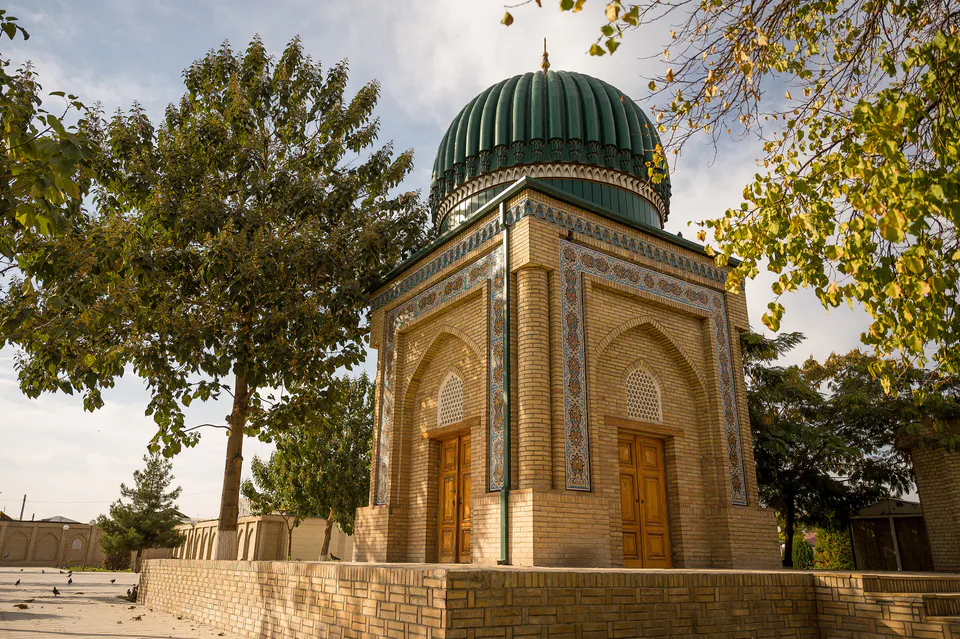
A 9th-century hadith scholar from Termez, compiler of al-Jami' al-Sahih (Sunan al-Tirmidhi), one of the six canonical hadith collections of Sunni Islam. His mausoleum stands in Sherabad district.
Abu Isa Muhammad ibn Isa al-Tirmidhi was born in Termez in 824 and spent his youth and early studies there. Gifted with an exceptional memory, he travelled to Khurasan, Iraq and the Hijaz in search of hadith. His teachers included the great scholars al-Bukhari and Muslim; he learned a great deal from al-Bukhari in particular and often cited his views. He went blind late in life, earning the epithet al-Darir, “the blind”.
Works
His chief work, al-Jami' al-Sahih, better known as the Sunan al-Tirmidhi, is one of the six canonical hadith collections of Sunni Islam. He graded the reliability of each hadith and compared the views of the different legal schools on each question, which sets his collection apart; it is also shorter and less repetitive than others. His al-Shama'il al-Muhammadiyya, on the Prophet's appearance and character, is also widely read. Both have been translated into Uzbek and published several times in Tashkent.
Mausoleum and pilgrimage
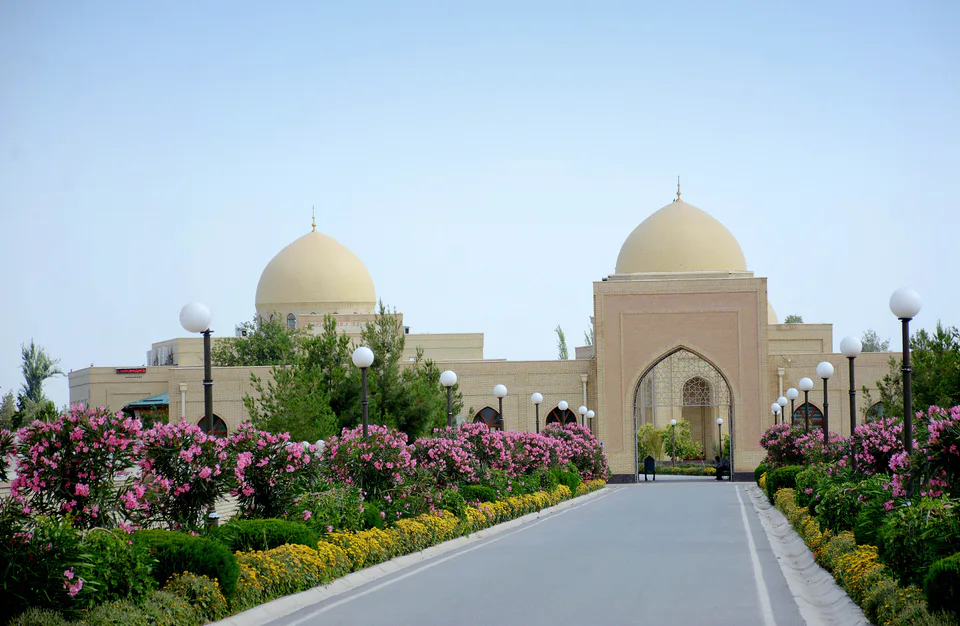
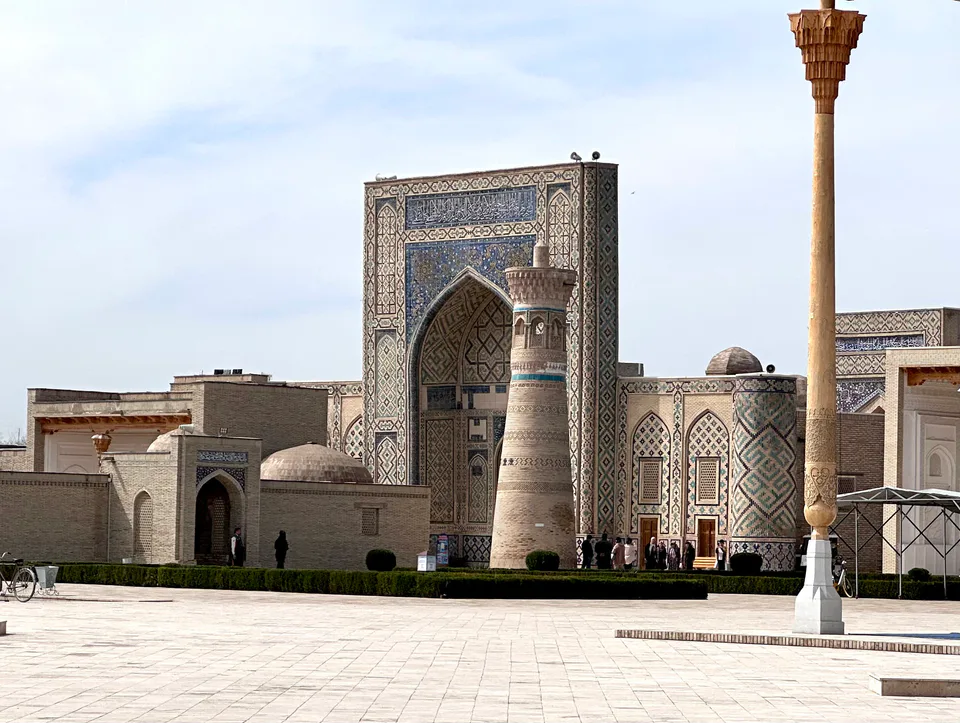
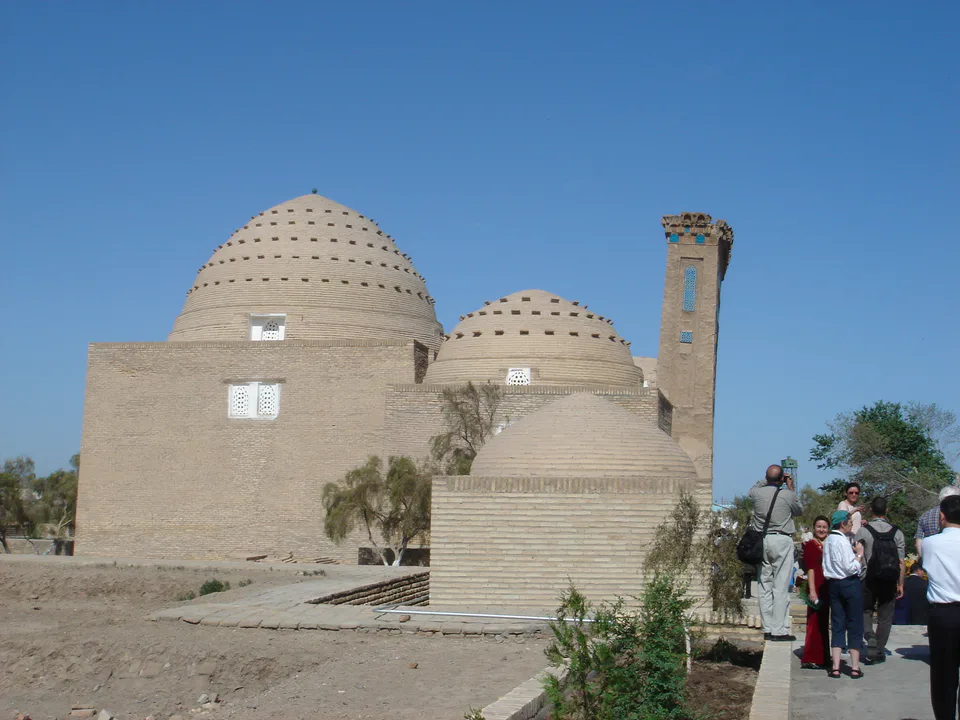
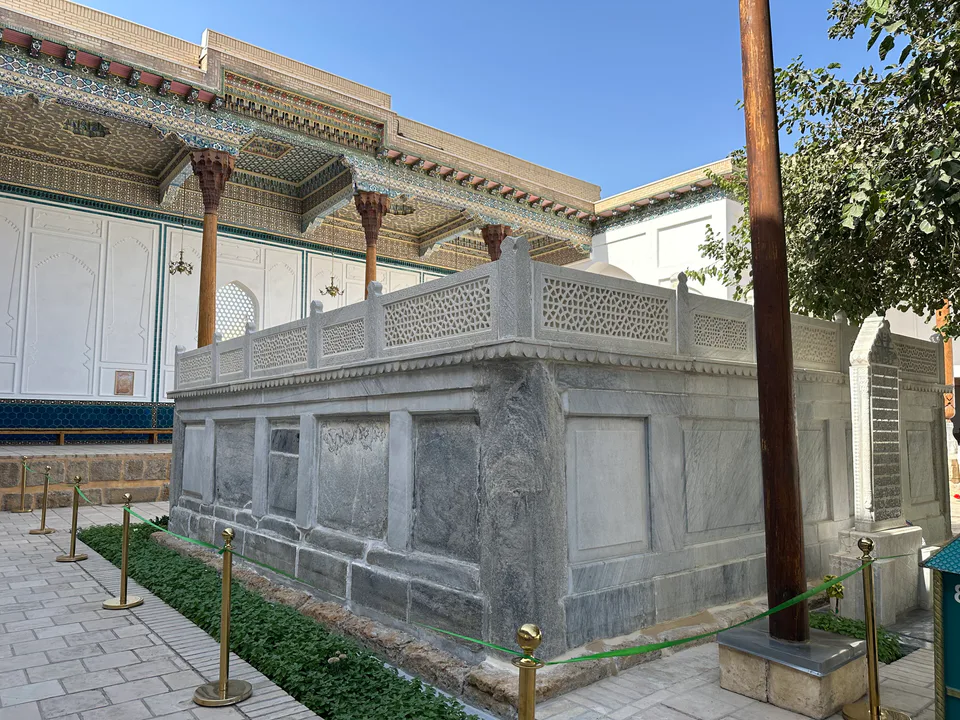
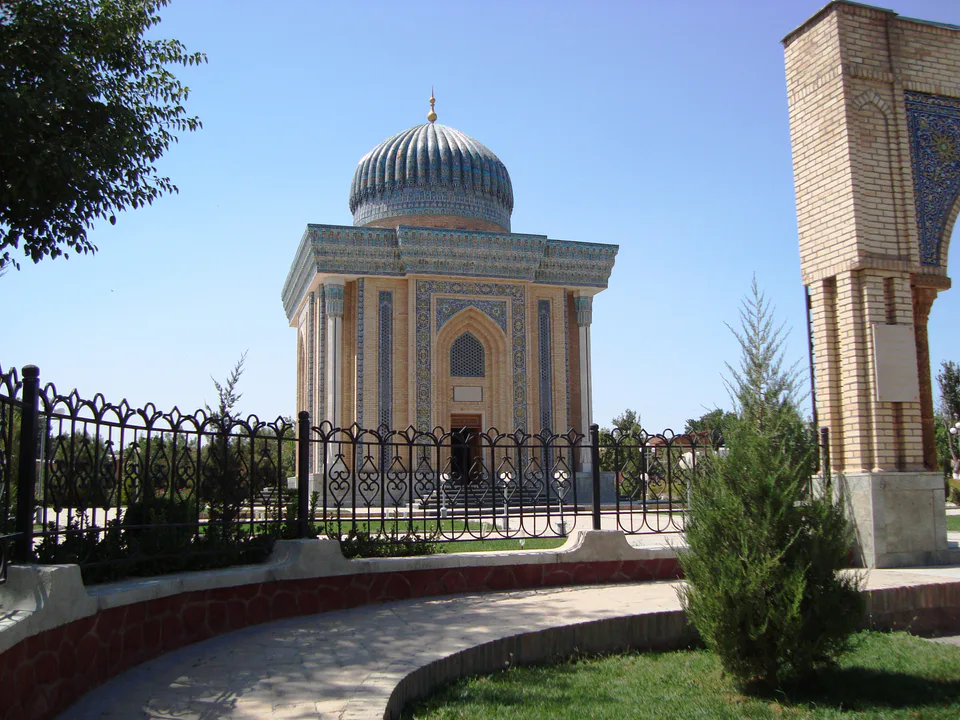
Al-Tirmidhi died in 892 in the village of Bugh near Termez, in today's Sherabad district, and was buried there — hence his additional name al-Bughi. The memorial complex around his mausoleum was restored and enlarged in 2016–2017. Pilgrims to Termez usually combine it with the al-Hakim al-Tirmidhi complex and the Sultan Saodat ensemble; the mausoleum is about an hour's drive from the city.
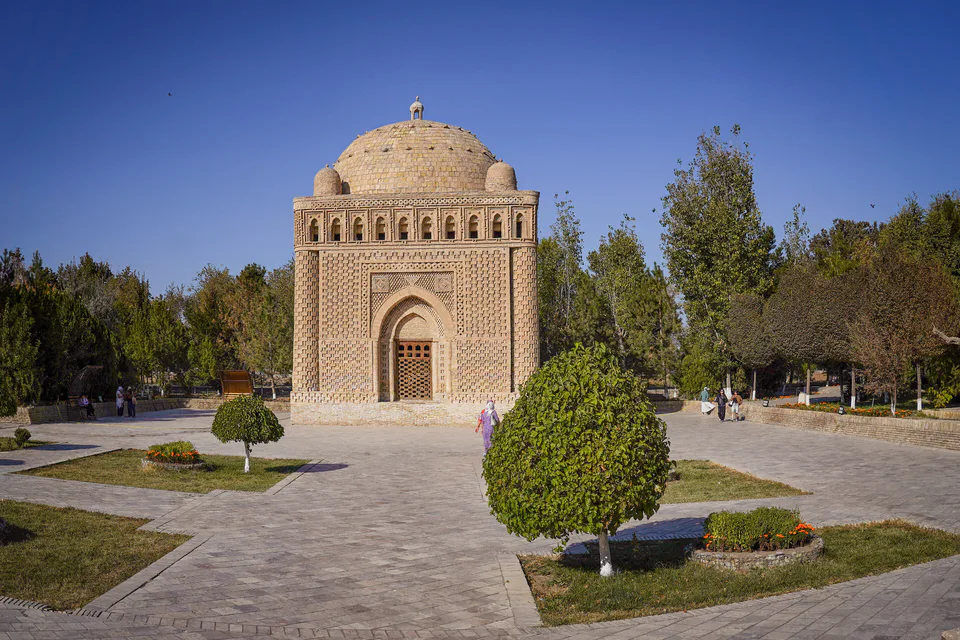
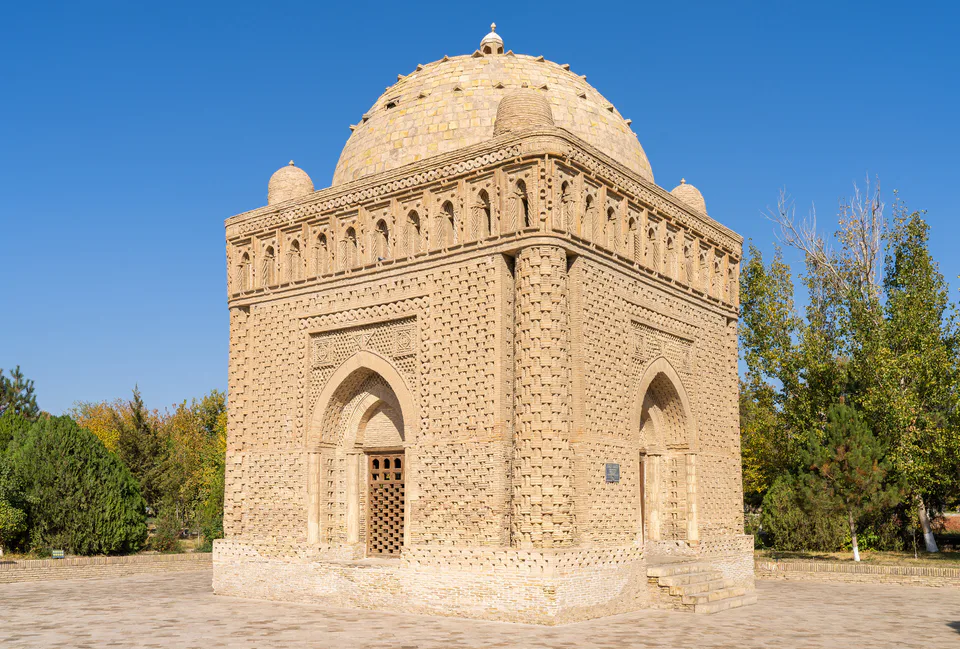
In 819 the grandsons of Saman Khuda were appointed governors of Samarkand, Fergana, Chach and Herat. From 892 Ismail Samani ruled from Bukhara, and in 900 he defeated the Saffarid Amr ibn al-Layth near Balkh, uniting Khurasan and Transoxiana. Nominally loyal to the Abbasids, the Samanids were independent in practice. Under them Bukhara and Samarkand became centres of learning: Persian poetry flourished with Rudaki, the young Ibn Sina studied in the Bukhara library, and Samarkand paper spread far and wide. The state fell to the Karakhanids in 999. Its best-known legacy is the Samanid Mausoleum in Bukhara.