UNESCO
Pilgrimage site · Samarkand
Imam al-Maturidi Memorial Complex
A memorial to the 'Imam of Guidance'
Theologian · Early Islamic period
Theologian, founder of the Maturidi school
died 944
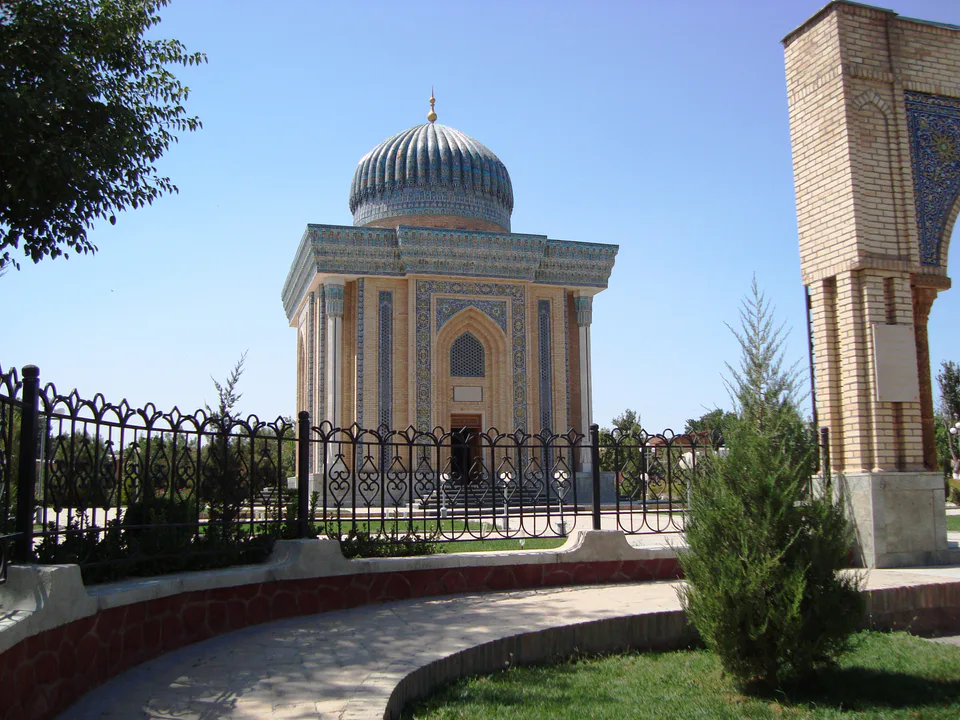
A 10th-century Samarkand scholar who founded the Maturidi school, one of the two main traditions of Sunni theology. He is buried in Samarkand's Chokardiza cemetery, where a memorial complex was built in 2000.
His full name was Muhammad ibn Muhammad ibn Mahmud; the name al-Maturidi refers to Maturid, a village or quarter near Samarkand. His year of birth is uncertain, with many sources suggesting around 853, and little is known of his life — biographical works mostly list his writings. He studied with the Samarkand Hanafi jurists Abu Nasr al-Iyadi and Abu Bakr al-Juzjani, held no state office and lived austerely. He died in Samarkand in 944 (333 AH) and was buried in Chokardiza, later famous as the “cemetery of scholars”.
In theology al-Maturidi opposed the Mu'tazilites while making full use of rational argument against them. He defined faith as affirmation in the heart and confession with the tongue, and stressed human free will and responsibility for one's deeds. His main works are the Kitab al-Tawhid and a Quran commentary, Ta'wilat Ahl al-Sunna. The Maturidi school he founded became, alongside the Ash'ari school, one of the two pillars of Sunni theology, spreading among Hanafi Muslims from Central Asia to Turkey and South Asia. Later scholars such as Abu al-Mu'in al-Nasafi developed it further.
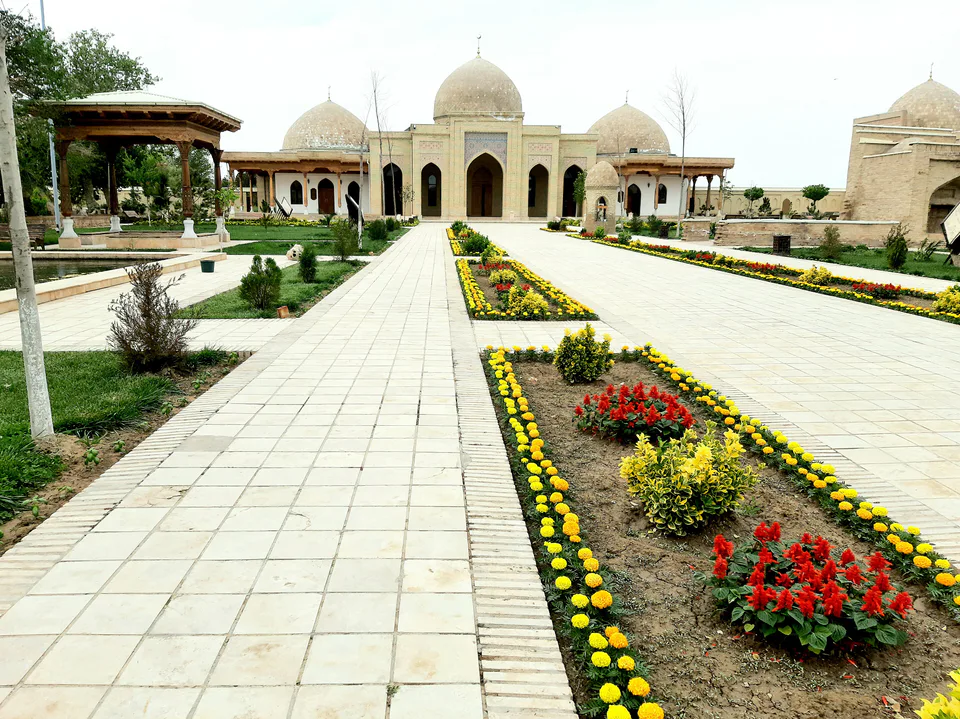
Fifteenth-century sources record that his grave drew many pilgrims. In Soviet times burials were banned, the land was given over to housing and the gravestones destroyed. In 2000, for his anniversary, a memorial complex was built about a kilometre south-east of the Registan; the inner dome of its central mausoleum is decorated with muqarnas and carved stucco screens. It is an easy walk from the Registan.
Places
810–870
Hadith scholar, compiler of the Sahih al-Bukhari
824–892
Hadith scholar, compiler of the Sunan al-Tirmidhi
904–976
Jurist, hadith scholar, philologist, poet
1027–1115
Theologian of the Maturidi school
1103–1179
Sufi master, founder of the Khwajagan path
1117–1197
Jurist, leading authority on Hanafi law
1145–1221
Sufi master, founder of the Kubrawiya order
1318–1389
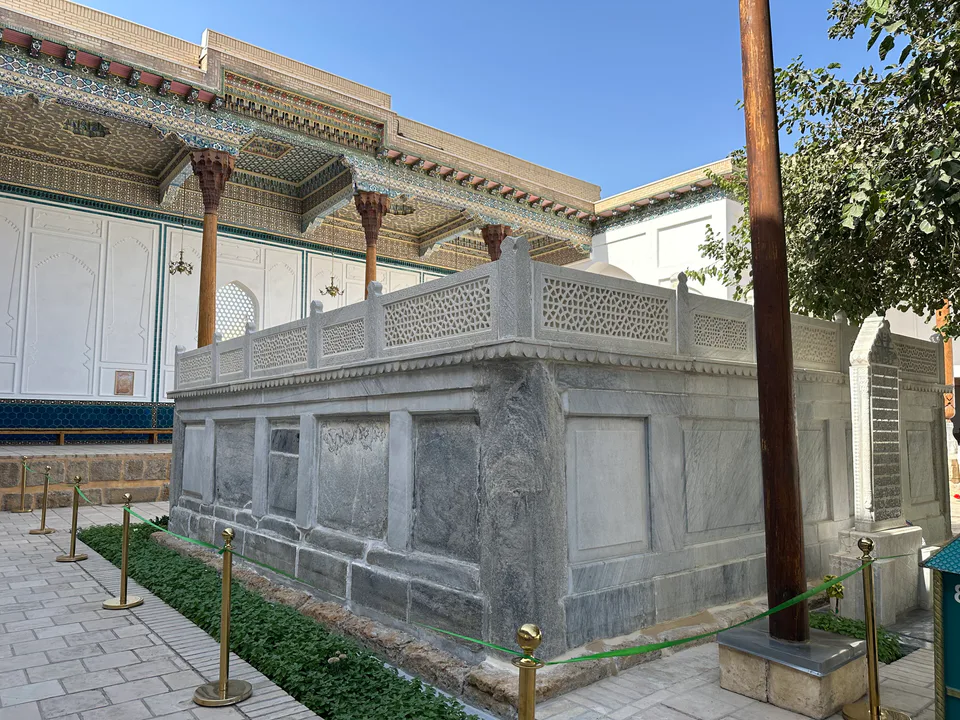
Sufi master, founder of the Naqshbandi order
1336–1405
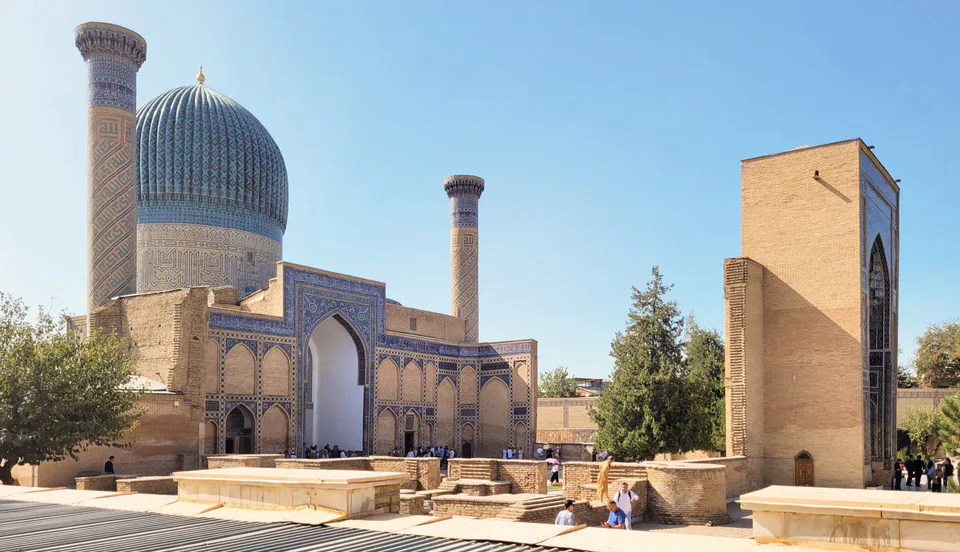
Ruler, conqueror, founder of the Timurid Empire
1394–1449
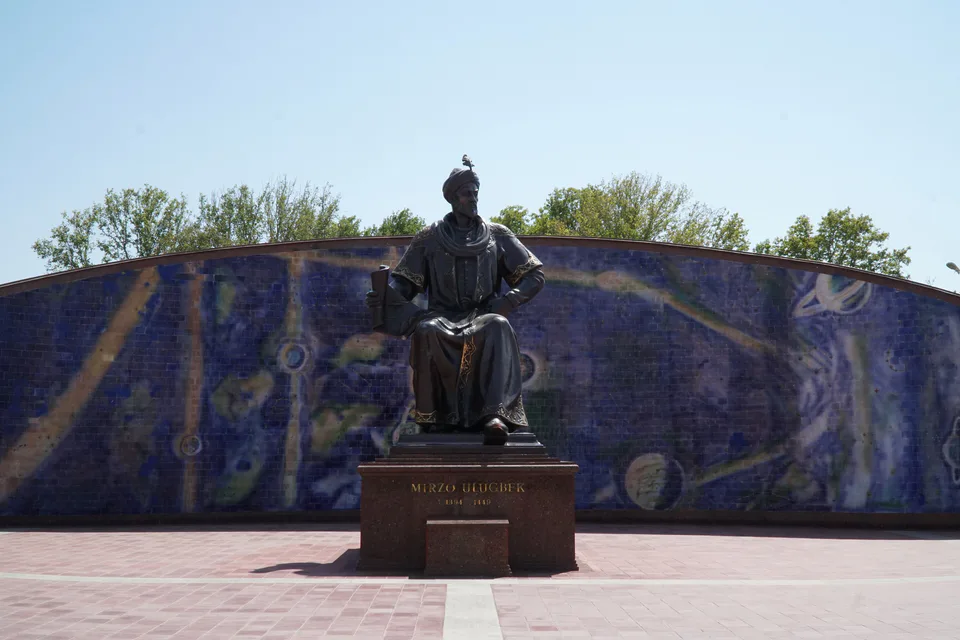
Ruler, astronomer, mathematician
1404–1490
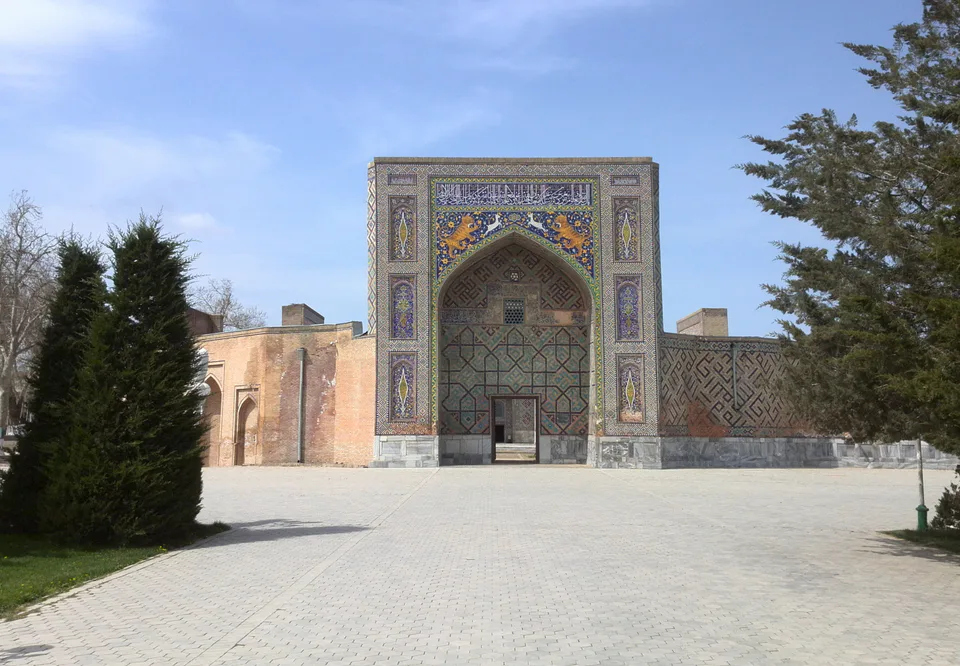
Naqshbandi sheikh, statesman and public figure
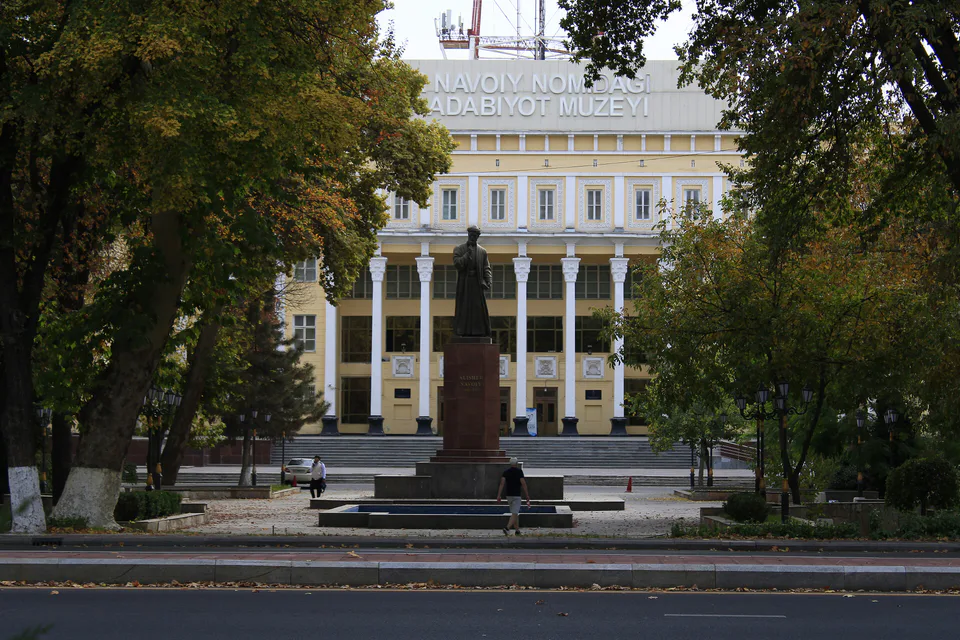
1441–1501
Poet, thinker, statesman, founder of Uzbek literature