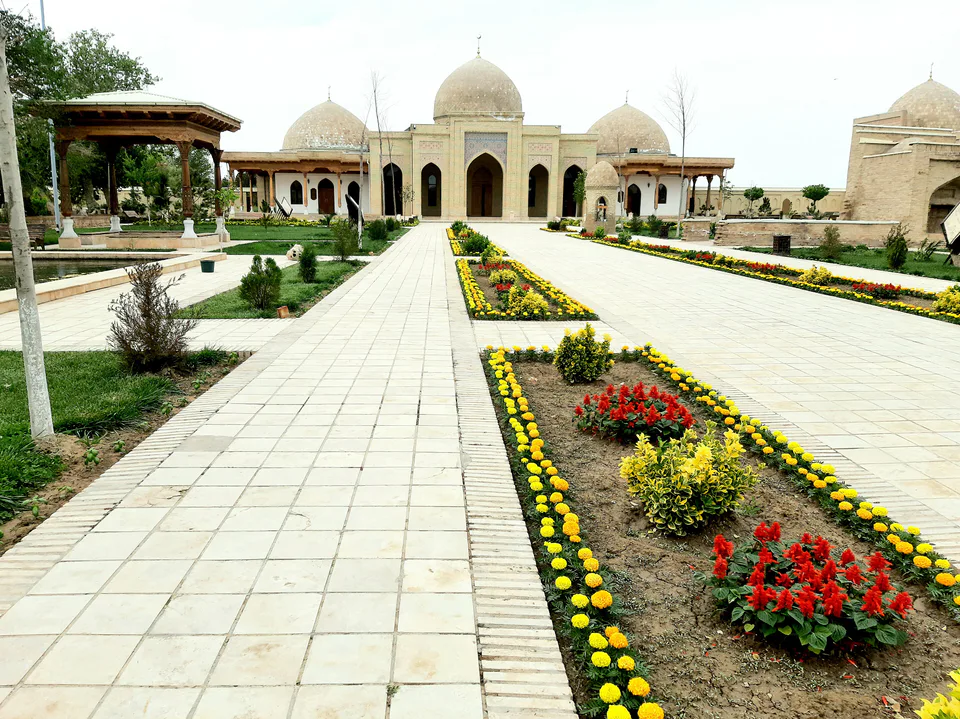
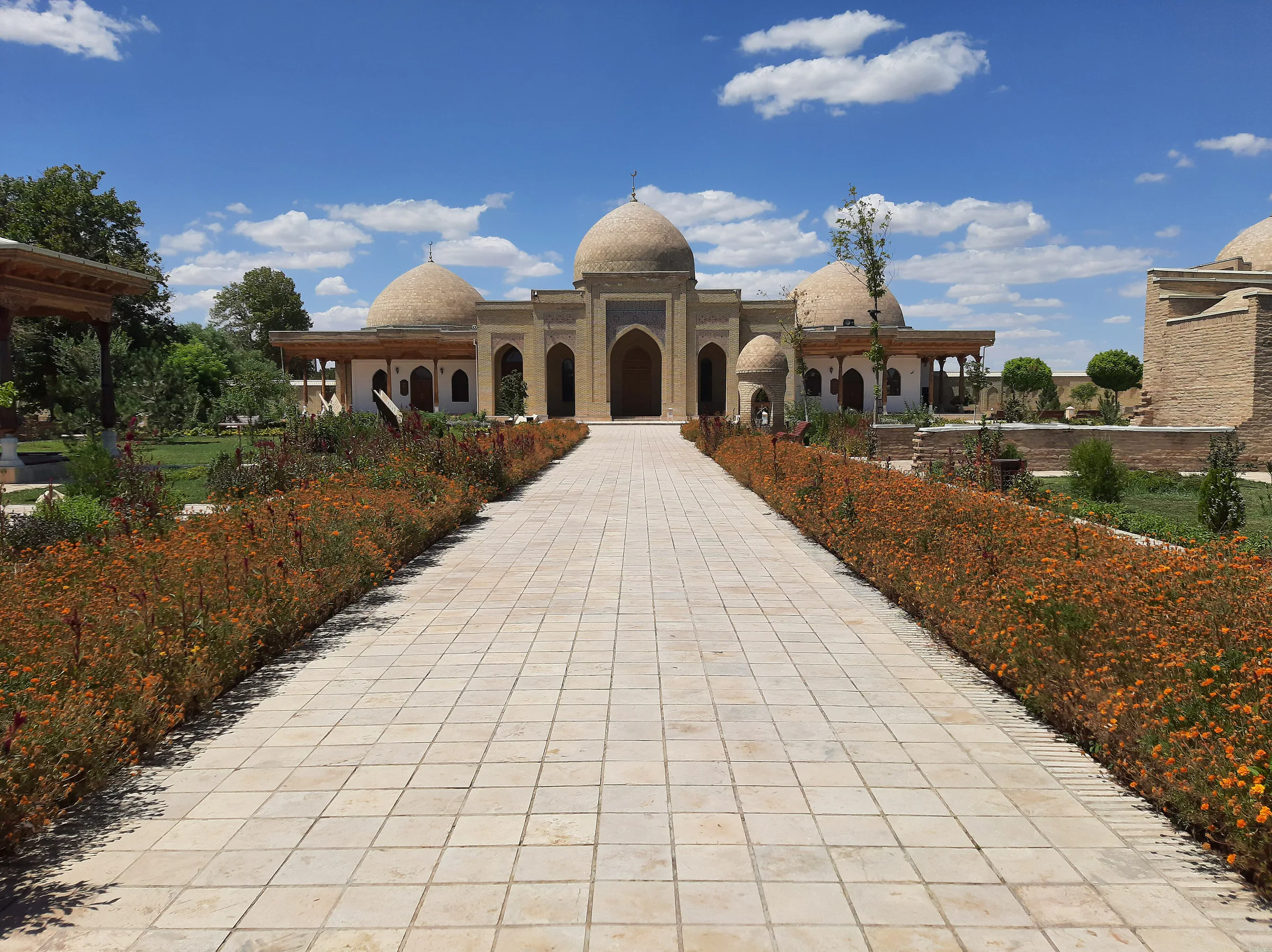
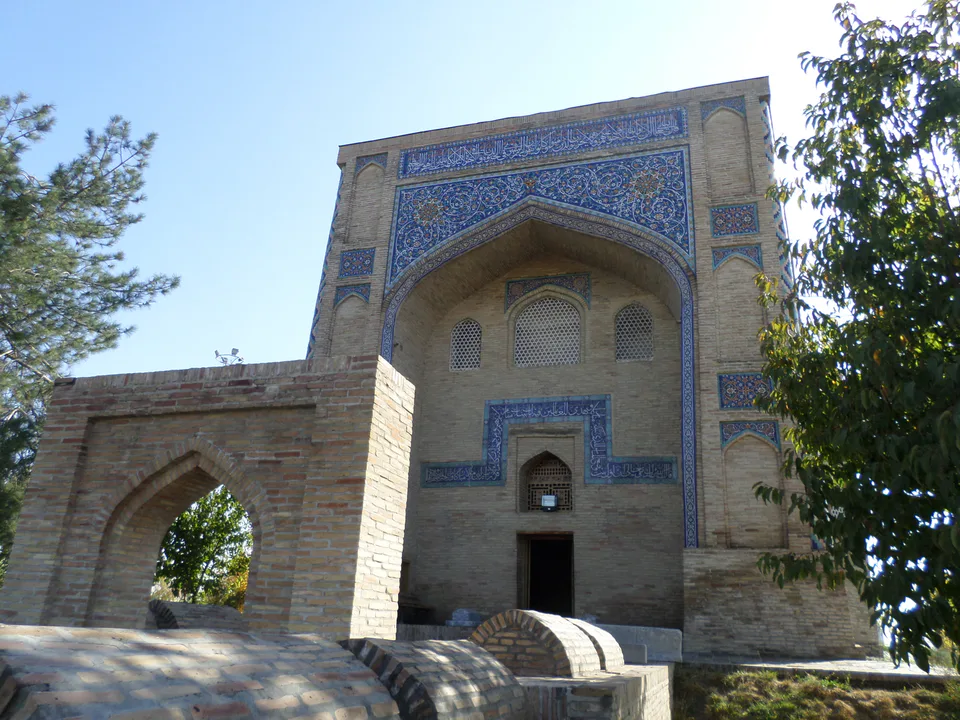
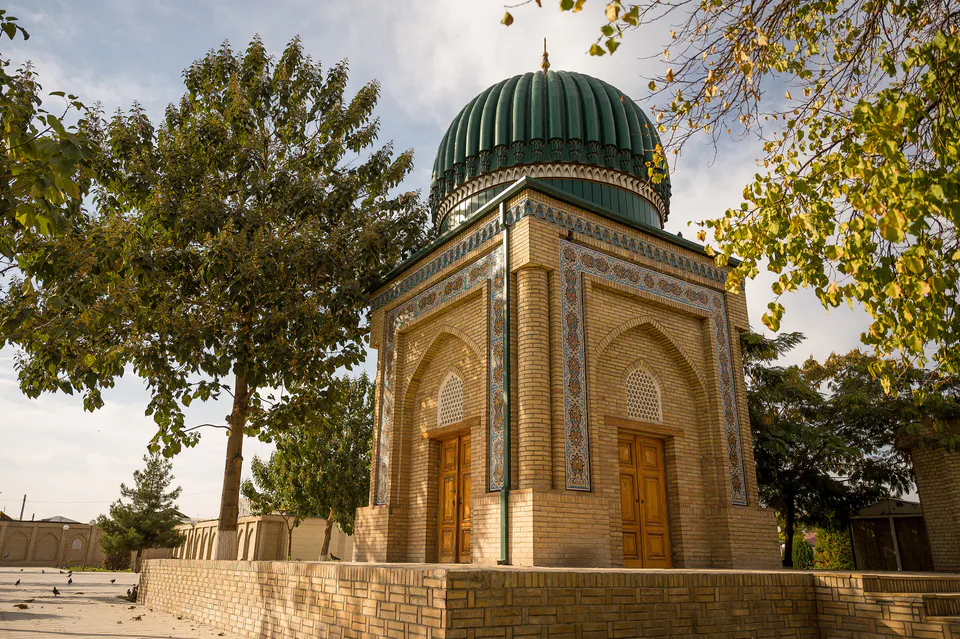
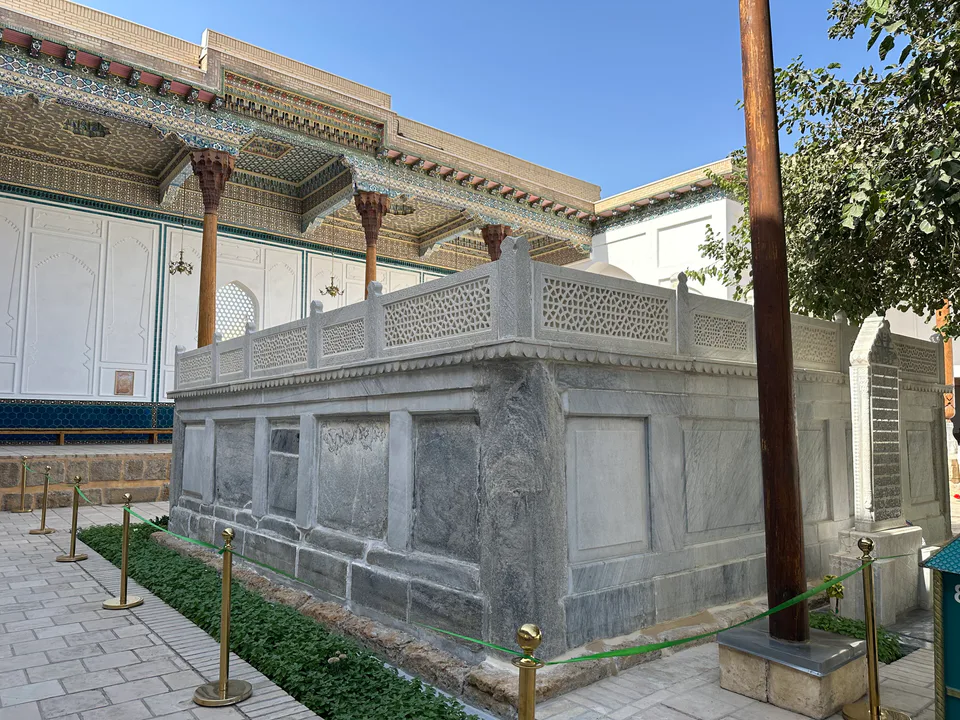
Born in Nakhshab (today's Karshi), he was the most important Maturidi theologian after al-Maturidi himself. His mausoleum stands in the village of Kovchin in Karshi district.
Abu al-Mu'in Maymun ibn Muhammad al-Nasafi was born in Nakhshab, today's Karshi, into a family of scholars. Sources give his birth as either 418 AH (1027) or 438 AH (1046). His great-grandfather Makhul al-Nasafi had been a student of al-Maturidi, and his grandfather Mu'tamid ibn Makhul was a noted Hanafi jurist. Taught first by his grandfather and father, he later studied with Abu al-Yusr al-Pazdawi and others, and spent much of his life in Samarkand and Bukhara teaching and debating. He died in 508 AH (1114 or 1115).
A pillar of Maturidi theology
Al-Nasafi systematised and spread the Maturidi creed, and is described as the school's most significant theologian after its founder. His main work, Tabsirat al-adilla fi usul al-din (“The Elucidation of Proofs on the Principles of Religion”), ranks second only to al-Maturidi's own Kitab al-Tawhid in the tradition and preserves valuable information about al-Maturidi's Central Asian predecessors. He also wrote al-Tamhid li qawa'id al-tawhid and Bahr al-kalam, works later studied in the madrasas of the Ottoman Empire and India.
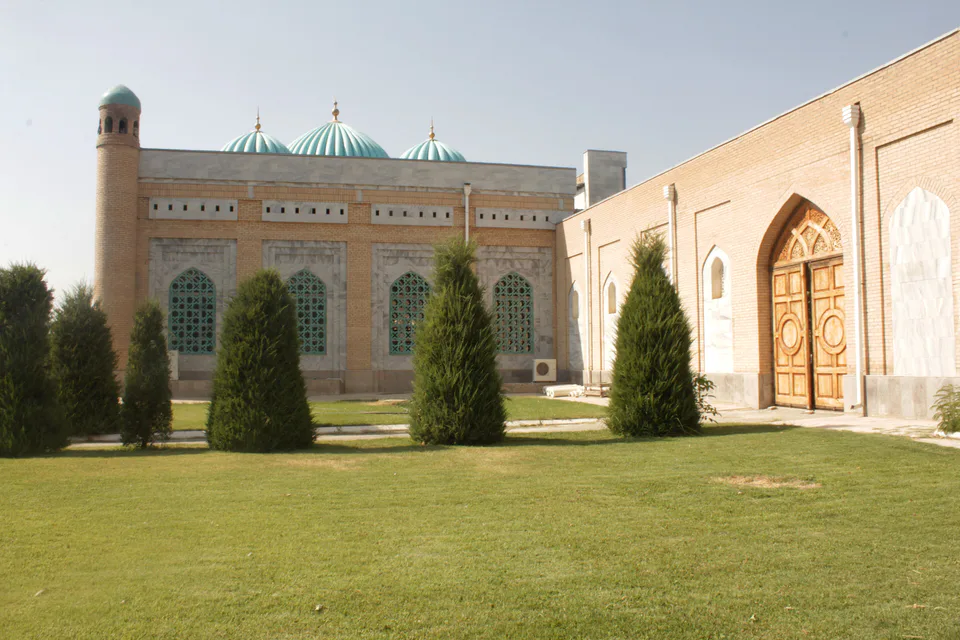
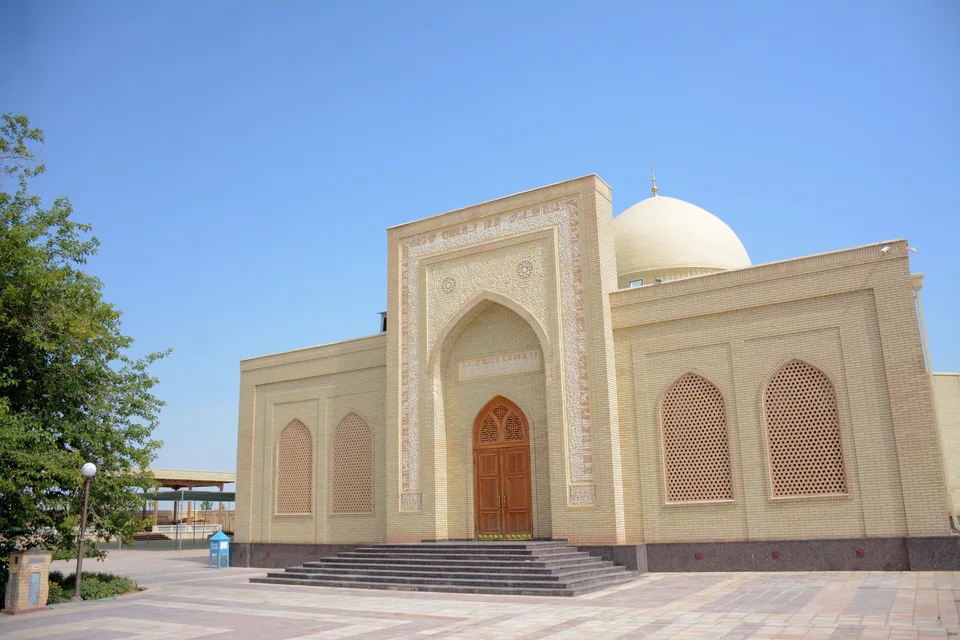
The mausoleum at Kovchin
His mausoleum in the village of Kovchin, Karshi district, has long been a place of pilgrimage, and its surroundings were landscaped for visitors from 2017. In Karshi it pairs well with the city's own monuments — the Odina mosque, the Kok Gumbaz Friday mosque and the 16th-century brick bridge.
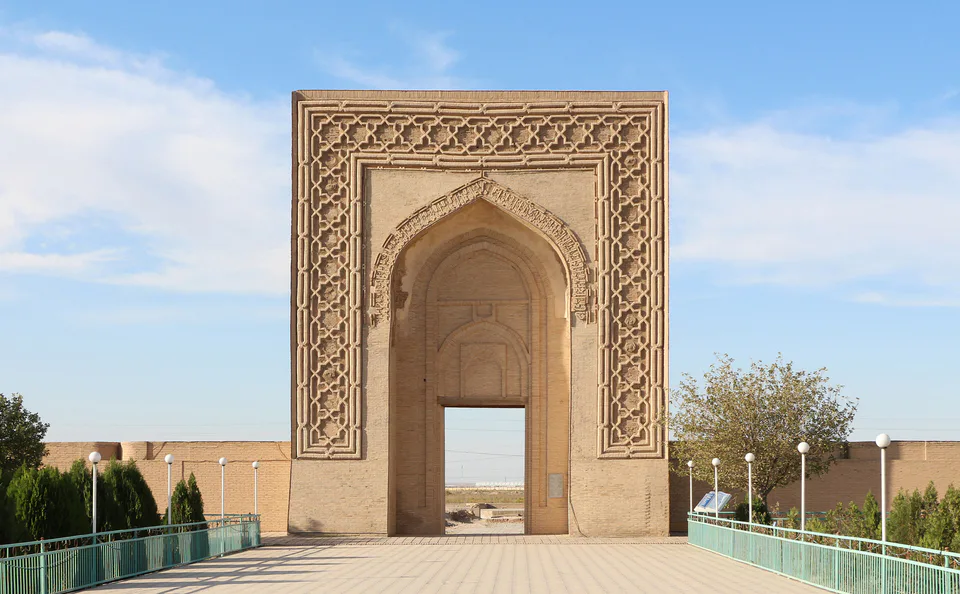
On the Samarkand–Bukhara road, in the Malik steppe of today's Navoiy Region, the Karakhanid ruler Shams al-Mulk Nasr (r. 1068–1080) built a palatial caravanserai. Barthold dated it to 1078–1079, though later research has questioned that date. From the 13th to the early 18th century it served as a caravan halt. What survives is the monumental portal facade, articulated by engaged columns, with an underground cistern, or sardoba, across the road. In 2023 Rabati Malik was inscribed on the UNESCO World Heritage List as part of “Silk Roads: Zarafshan-Karakum Corridor”.
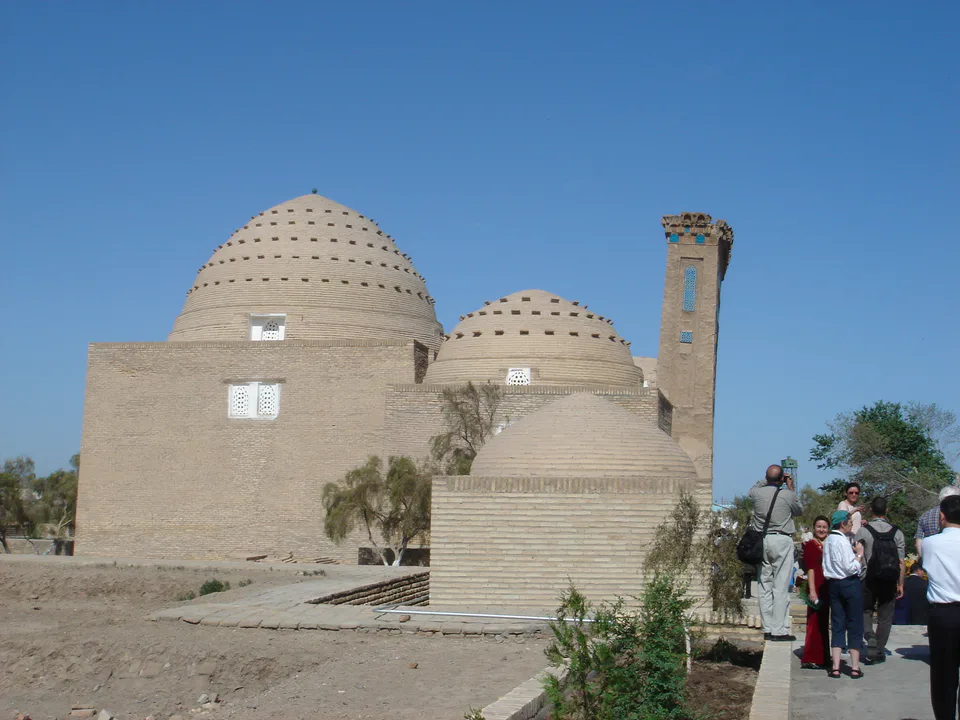
The Seljuk governors of Khwarazm, the Anushteginid dynasty, took the title of Khwarazmshah from 1097 and gradually won independence. Tekish (1172–1200) defeated the last Seljuk sultan of Iraq in 1194, and his son Ala ad-Din Muhammad (1200–1220) wrested Transoxiana from the Kara-Khitai and in 1212 ended the Karakhanid dynasty in Samarkand. The empire reached from the Caspian to the Persian Gulf and from the Syr Darya to the Hindu Kush, and its capital Gurganj (Kunya-Urgench) became one of the richest cities of the Islamic world. Yet it was riven by internal feuds, and the Otrar incident of 1218 gave the Mongols their pretext for invasion. The last Khwarazmshah, Jalal ad-Din, died in 1231.