Archaeology · Karmana District
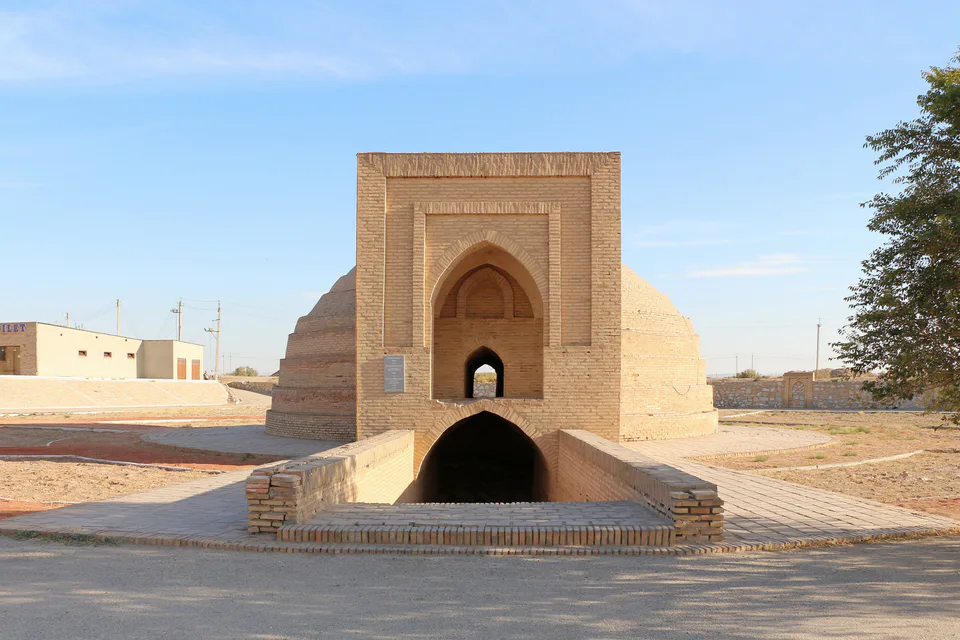
Malik Sardoba
A domed cistern for passing caravans
Archaeology · Karmana District
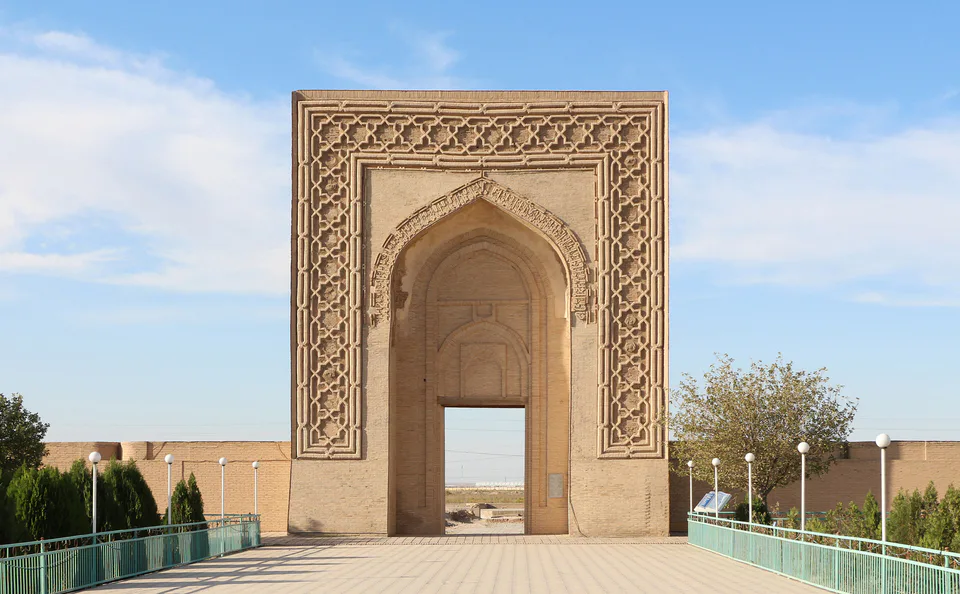
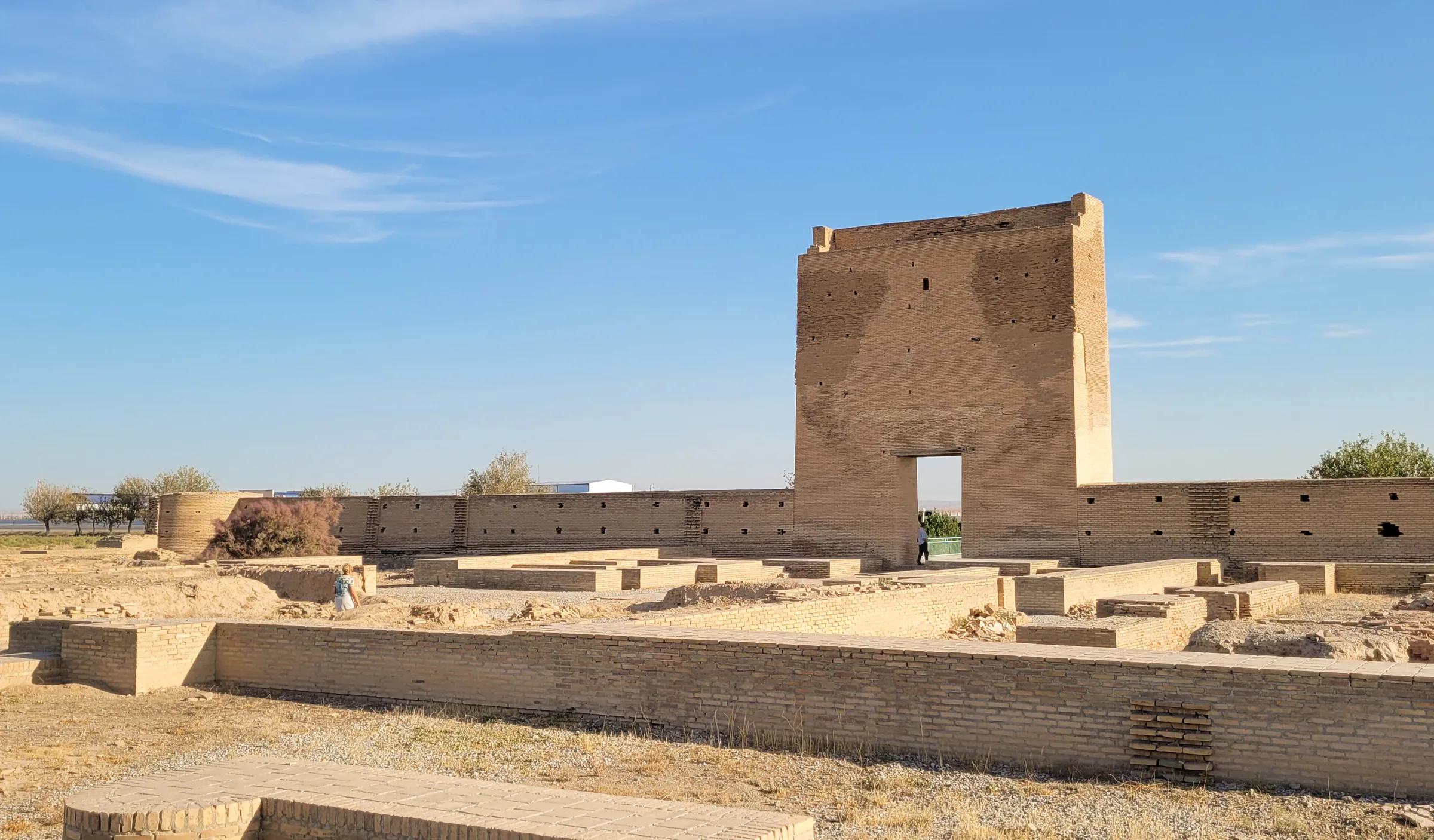
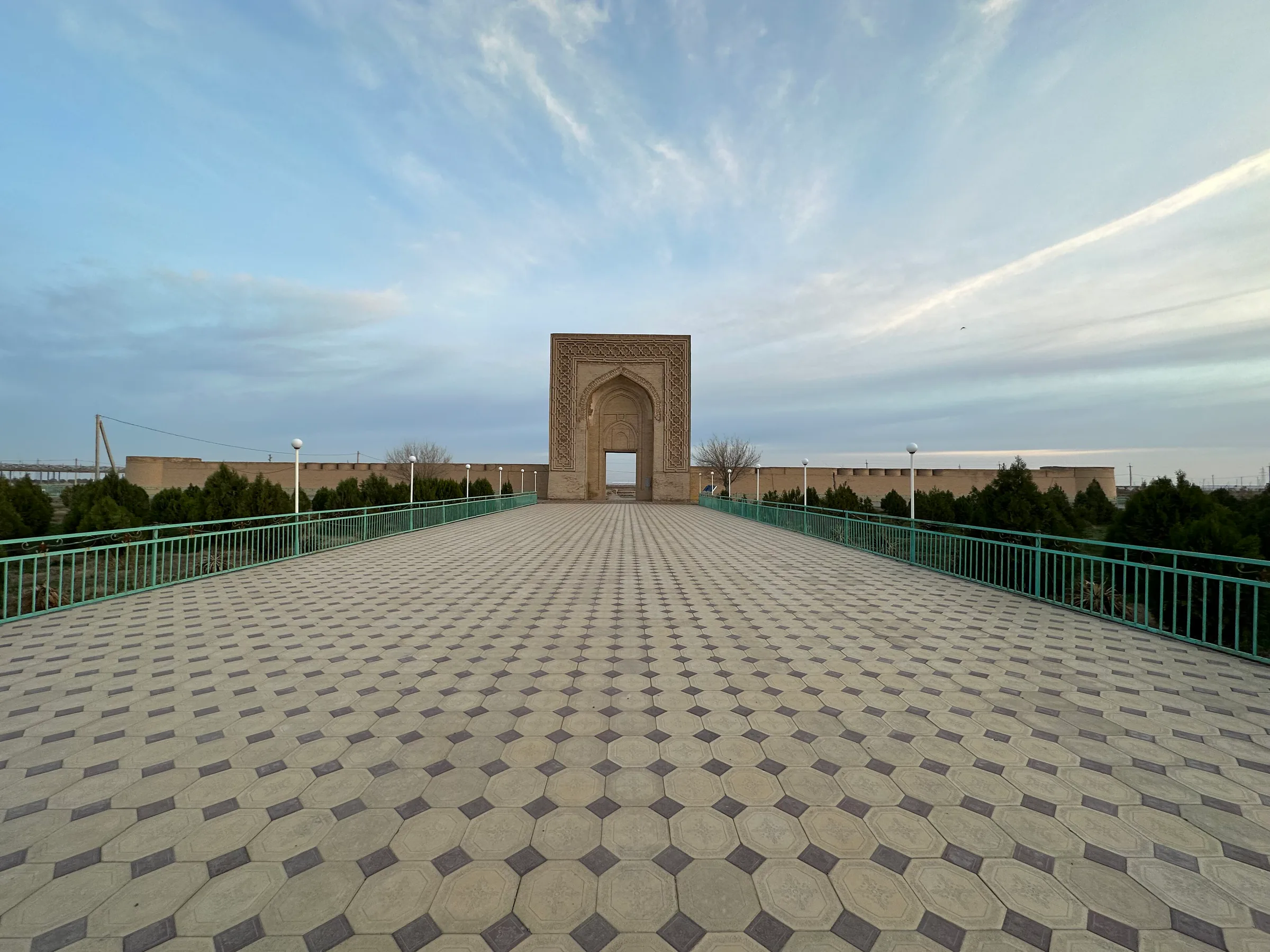
On the Samarkand–Bukhara road, Rabati Malik was built in the 11th century as a Qarakhanid residence and later became a caravanserai. Its huge portal survives; since 2023 it has been part of a UNESCO site.
Rabati Malik means 'the royal ribat' or 'royal fortress'. The Bukharan historian Hafiz Tanish Bukhari credits it to the Qarakhanid Shams al-Mulk, and tradition links it to Shams al-Mulk Nasr, who ruled in Samarkand in 1068–1080 — an attribution the orientalist A. A. Semyonov disputed. Excavations show the fortress was built in the late 11th century and rebuilt in the 12th.
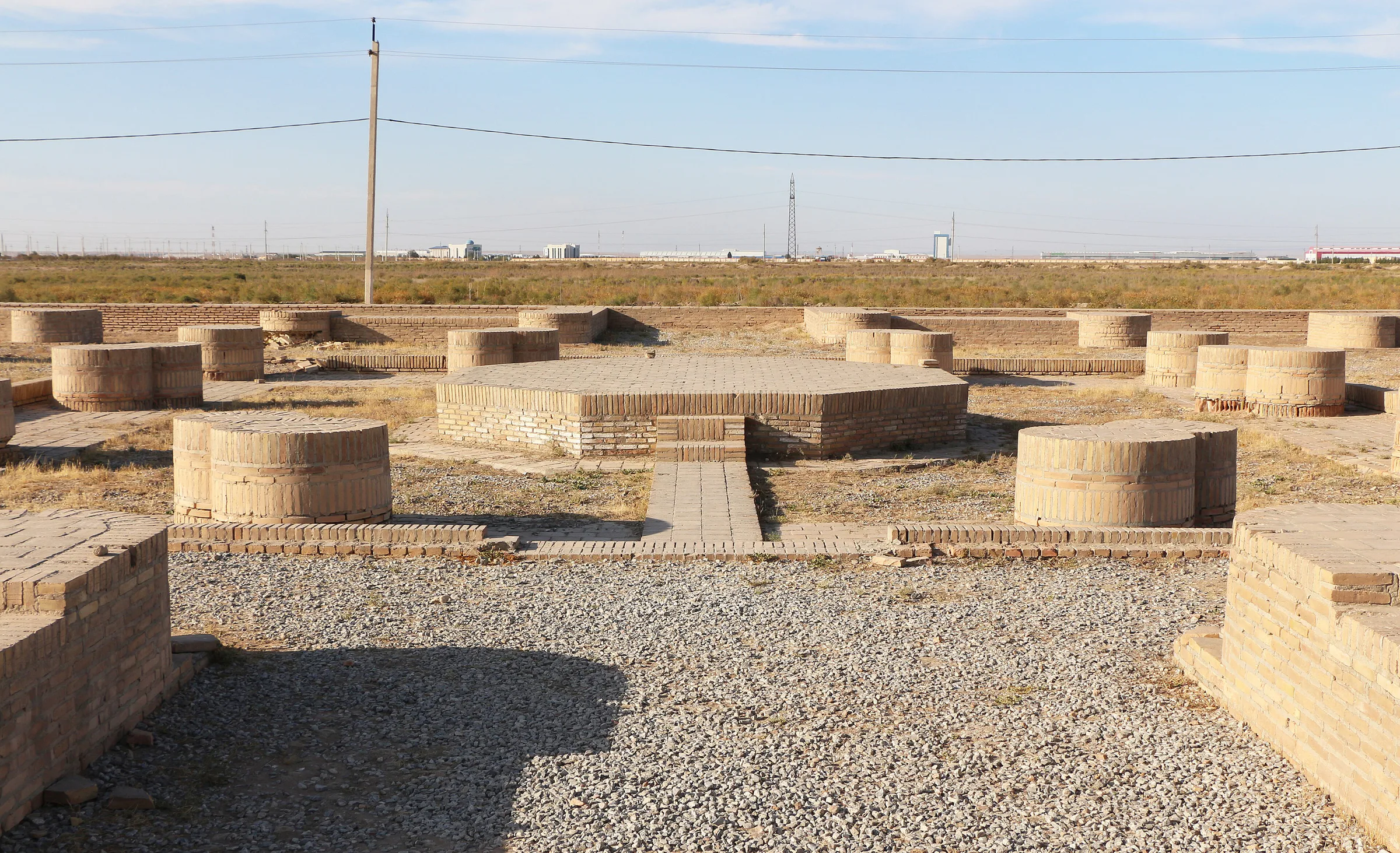
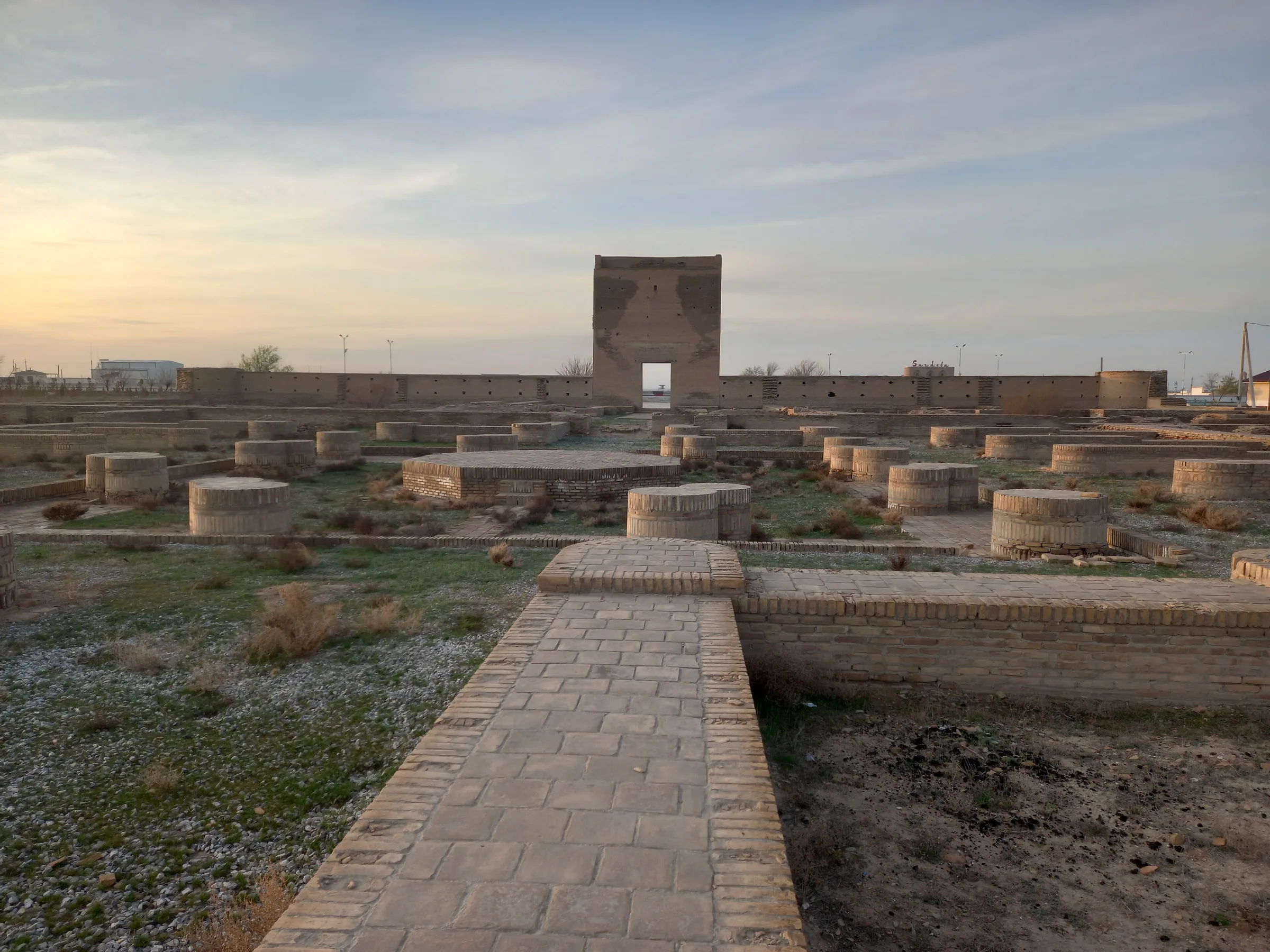
Digs in 1973–1975, 1977 and 1997–2001 led by N. B. Nemtseva established that this was no ordinary caravanserai but a fortified Qarakhanid residence of palace type. After the Mongol conquest in the 13th century it ceased to be a dynastic seat and slowly became a roadside caravanserai, serving trading caravans until the early 18th century.
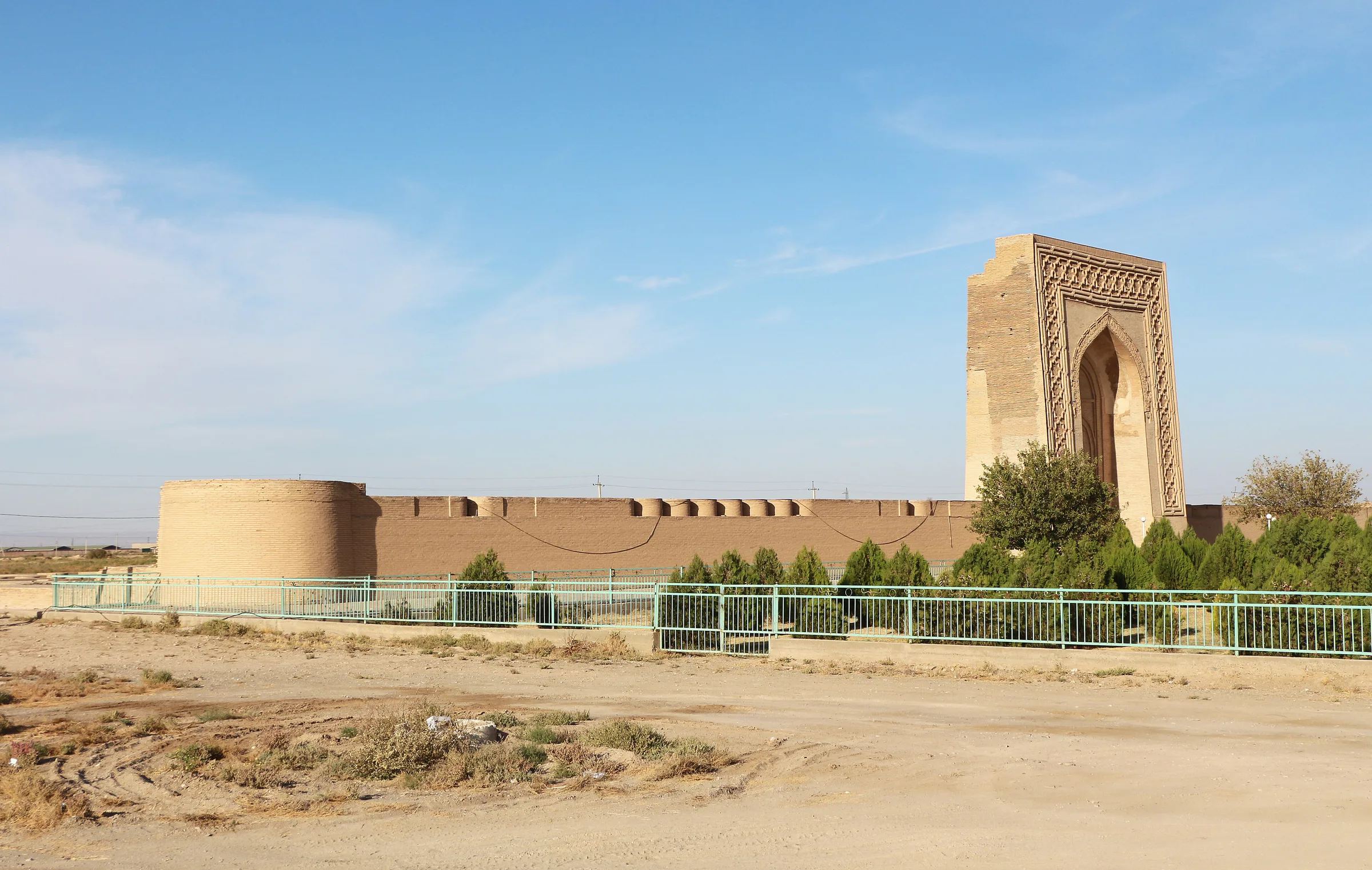
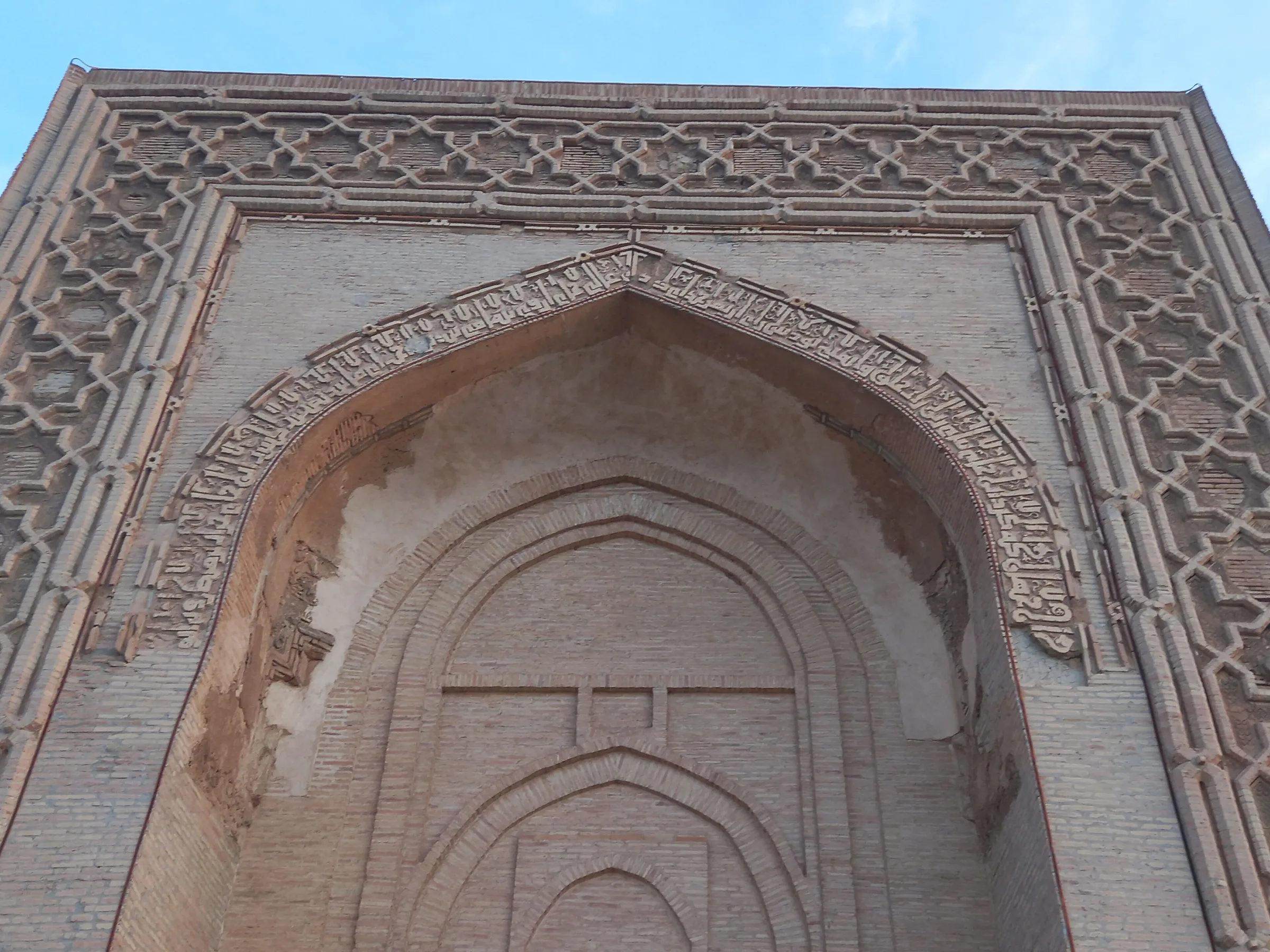
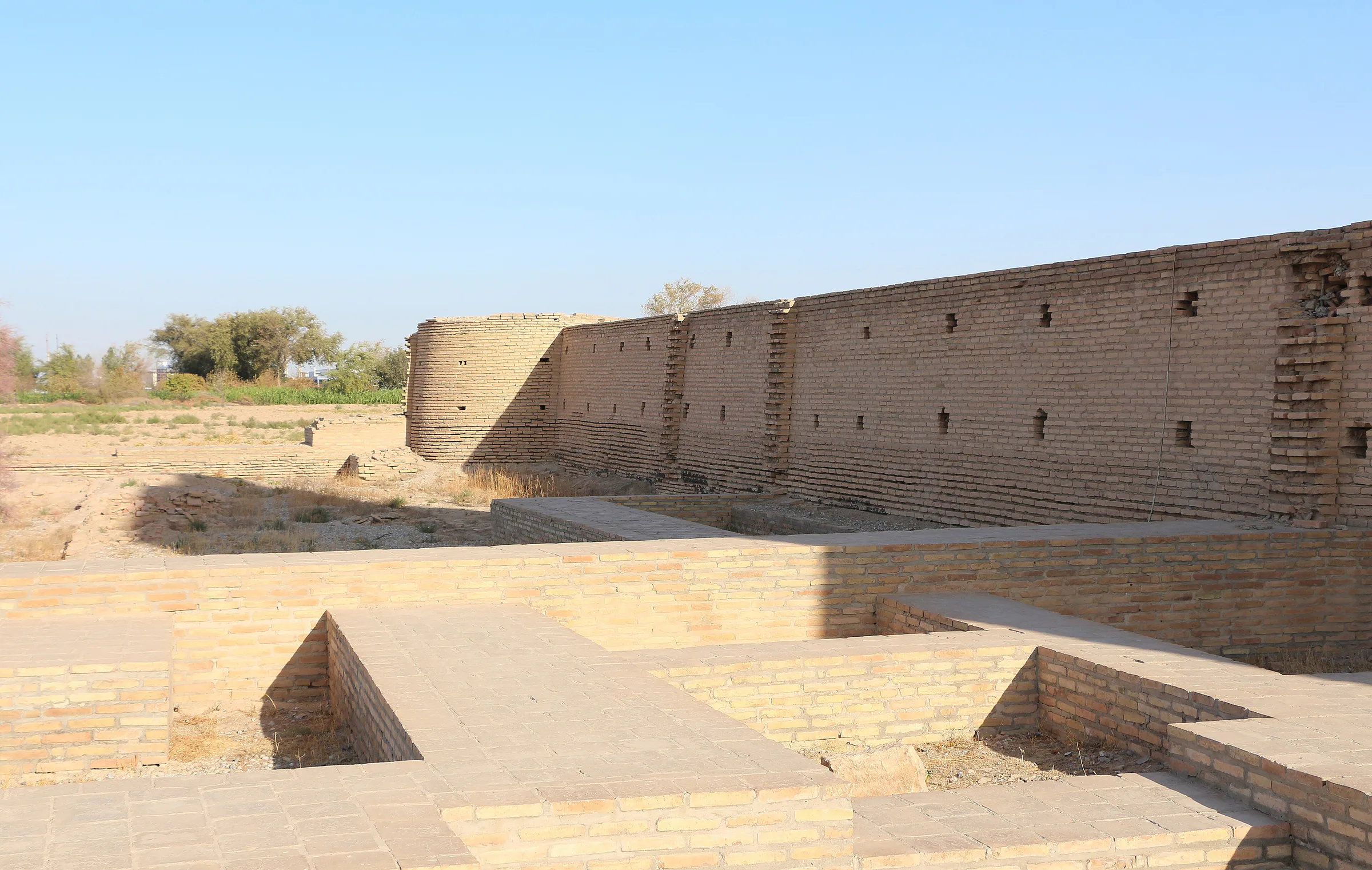
The fortress had two rings of walls; the inner one formed an 84–86 m square with round towers at the corners. The main facade faced south, centred on an enormous portal about 18 m high and 12 m wide. Its arch is framed in carved terracotta with eight-pointed stars, geometric patterns and Arabic inscriptions — one of the oldest surviving portals in Central Asia.
The walls were of mud brick faced with fired brick. Inside, two-storey rooms surrounded a 22.5 × 22.5 m courtyard, supplied with water through ceramic pipes, and behind the portal lay a single-arcade iwan and a domed audience hall.
Members of K. F. Butenev's Russian mission to Bukhara in 1841–1842 were struck by the grandeur of the ruins, and the naturalist A. A. Lehmann sketched the facade and described the interiors. In the 19th and early 20th centuries villagers from nearby Malik carted off the ruins for bricks. In the 1940s the facing of the main facade was stripped and its mud-brick core quickly washed away, and in the 1950s, while Navoiy was being built, an asphalt road was driven straight through the middle of the fortress and the surroundings were bulldozed flat.
Today you can see what remains of the portal and the excavated wall footings, and across the road stands the Malik sardoba of the same period.
In 2023 Rabati Malik and its sardoba became part of the UNESCO World Heritage Site Silk Roads: Zarafshan-Karakum Corridor, which links dozens of monuments in Tajikistan, Uzbekistan and Turkmenistan.
It is regarded as the only palace-type monument of medieval Transoxiana to have been studied archaeologically.
Archaeology · Karmana District
A domed cistern for passing caravans
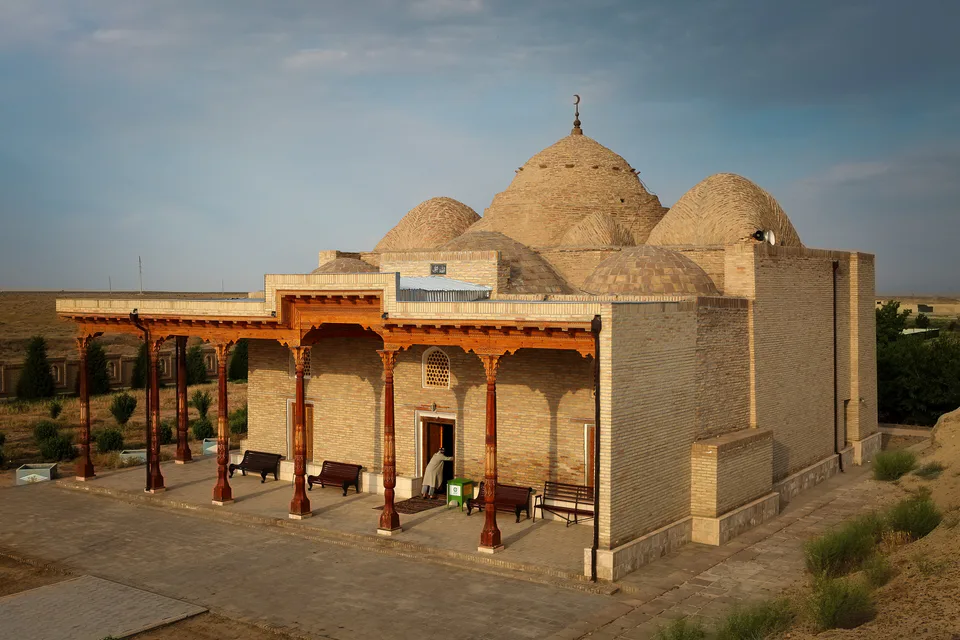
Mosque · Karmana District
A dome on four pillars — one of Uzbekistan's oldest mosques
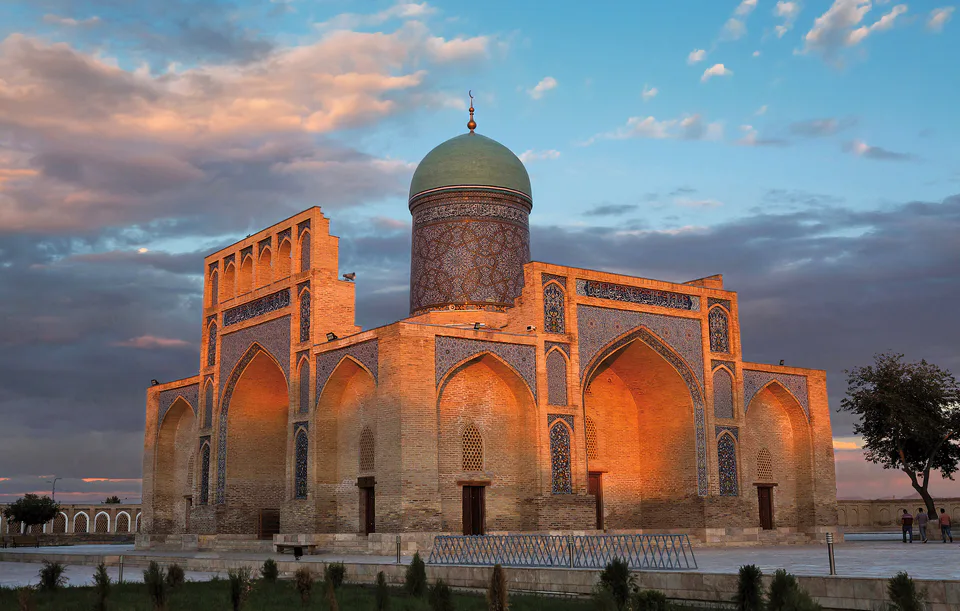
Pilgrimage site · Karmana District
The lodge of the sheikh who saved Abdullah Khan II
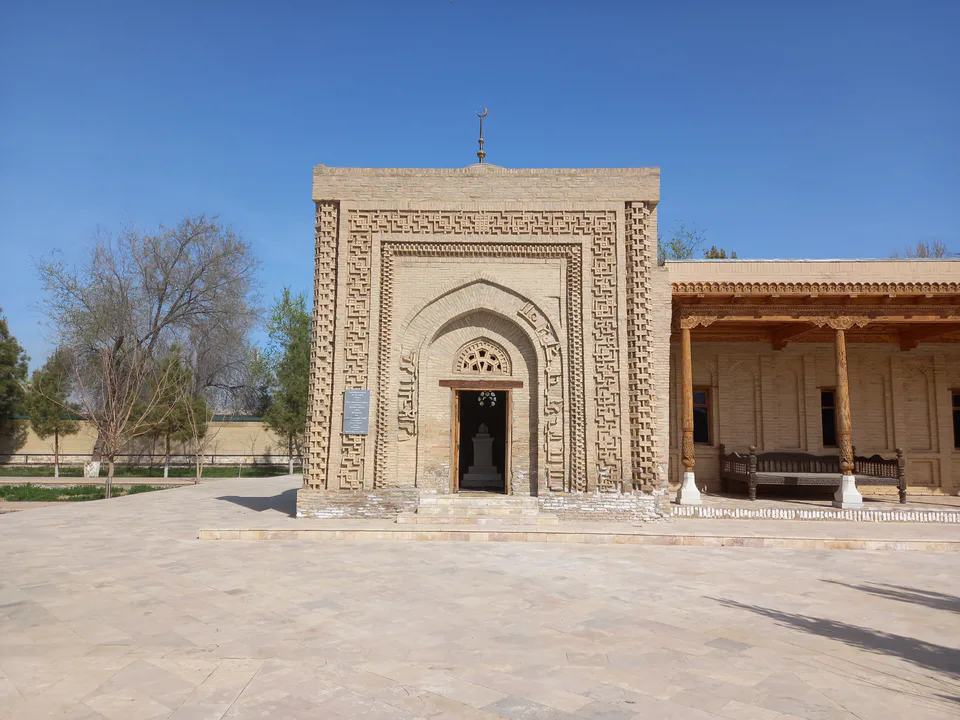
Mausoleum · Karmana District
Karmana's cousin of the Samanid Mausoleum
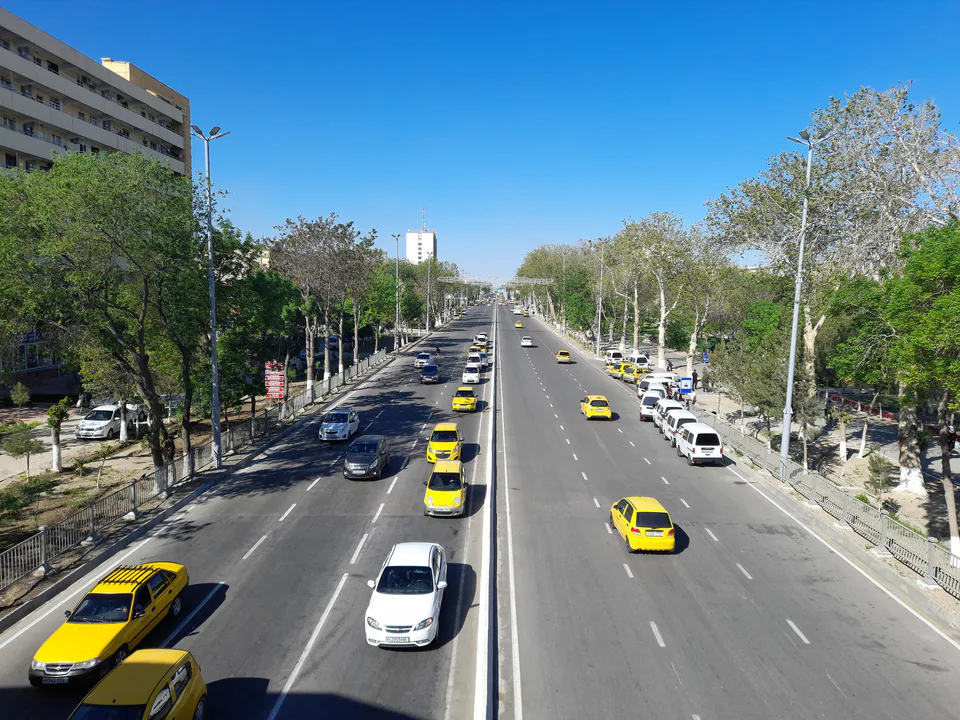
Modern · Navoiy city
An industrial city built to a single master plan
Museum · Karmana District
A treasure house of the Zarafshan oasis
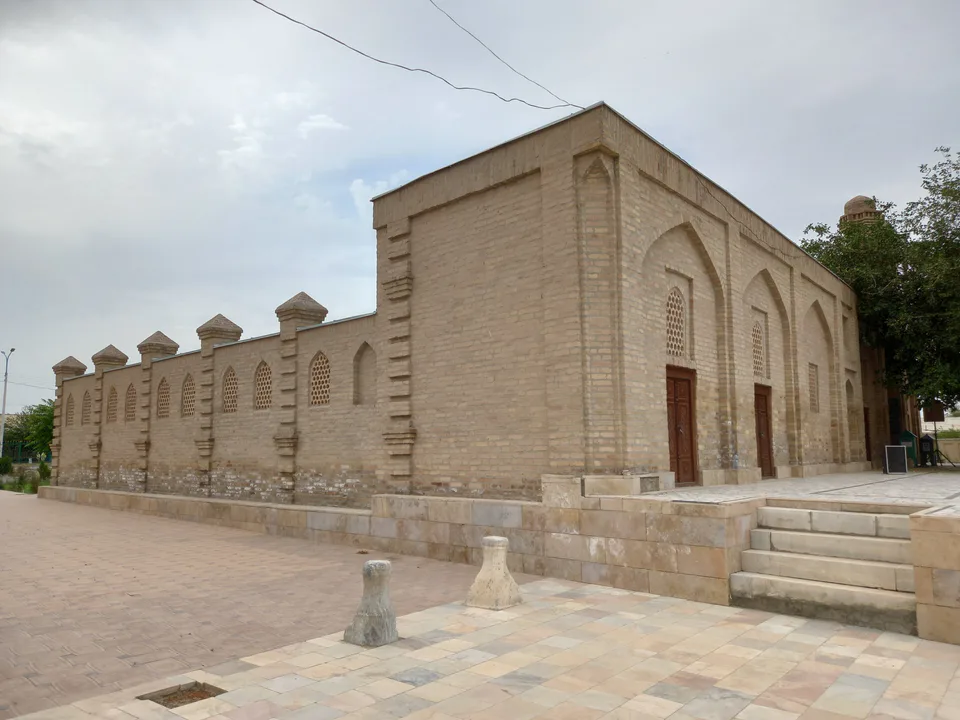
Mausoleum · Karmana District
A Bukharan emir's grave in Karmana
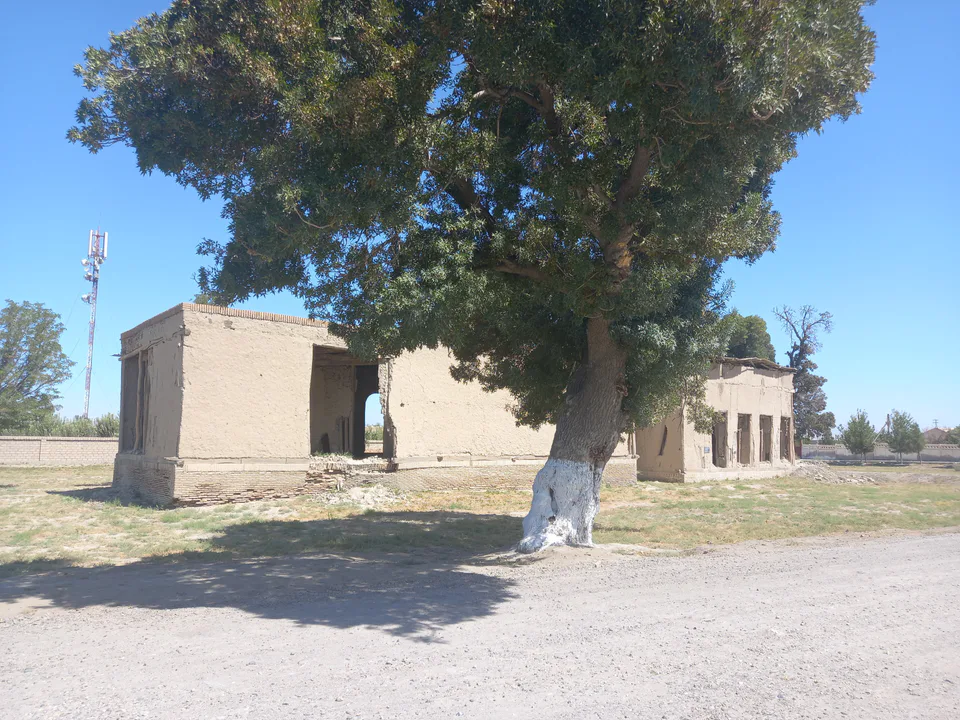
Ensemble · Karmana District
The Bukharan emirs' summer palace in Karmana
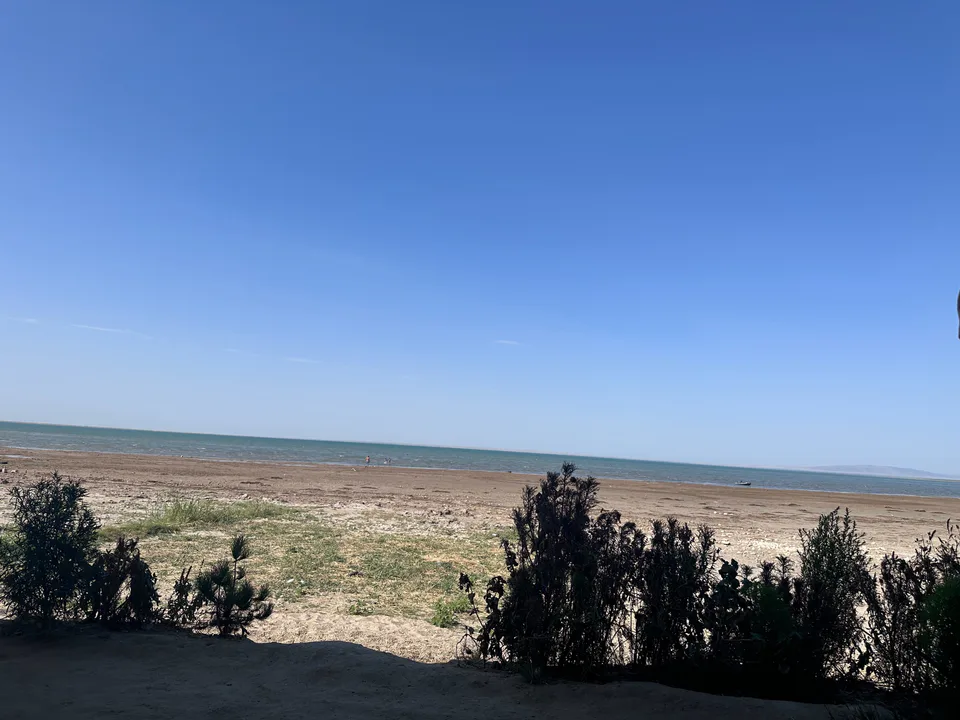
Nature · Qiziltepa District
A bird lake near Bukhara