Archaeology · Karmana District
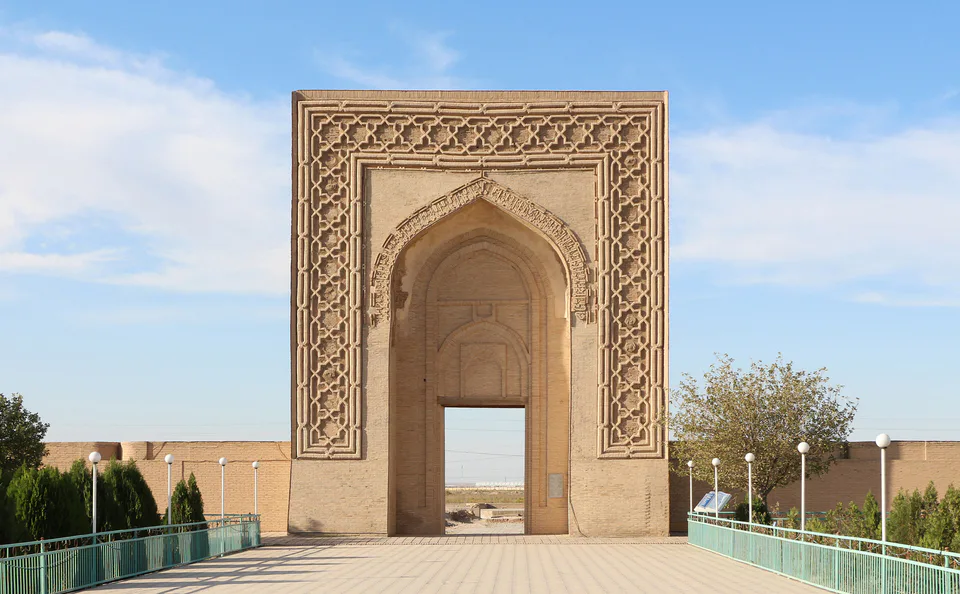
Rabati Malik
The Qarakhanids' 'royal fortress' in the steppe
Mosque · Karmana District
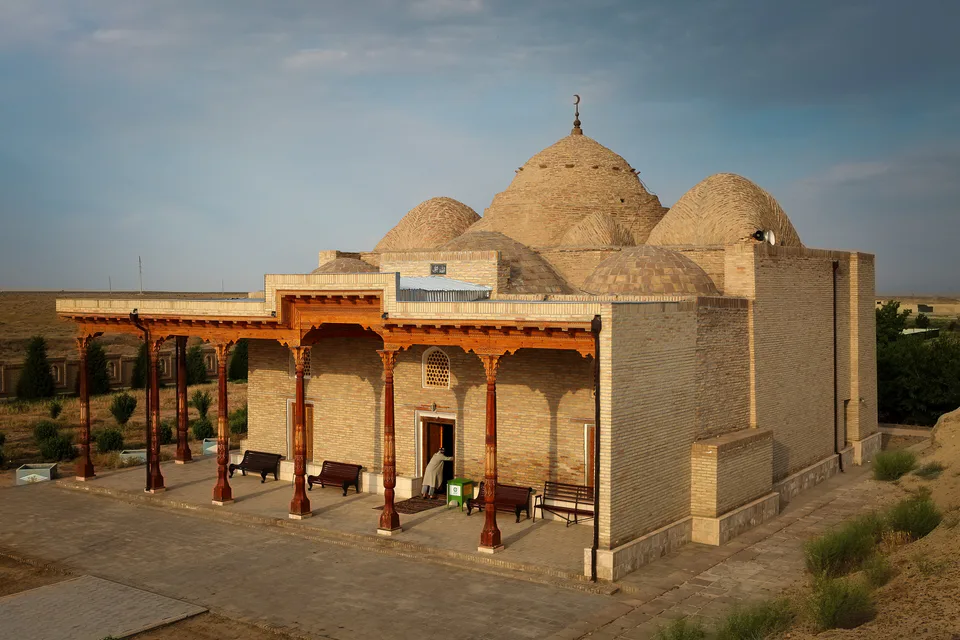
The Deggaron Mosque in the village of Hazora is one of the earliest Islamic buildings surviving in Uzbekistan, unique for its central dome on four pillars. Since 2023 it has been part of a UNESCO site.
The mosque was studied in 1946 by the Hermitage's Panjakent expedition under A. Yu. Yakubovsky, who dated it to the 7th–9th centuries. More recent research places it around the 11th century and no later than the 12th — scholars still disagree on the date. It was built on the remains of an even older structure, and archaeologists found the walls of an ancient fortified settlement around it. The village was later abandoned after a drought.
Deggaron means 'potters', after the pottery craft that flourished here in the Middle Ages. The mosque has been restored and is still in use; it is part of the Mavlono Orif Deggaroni complex.
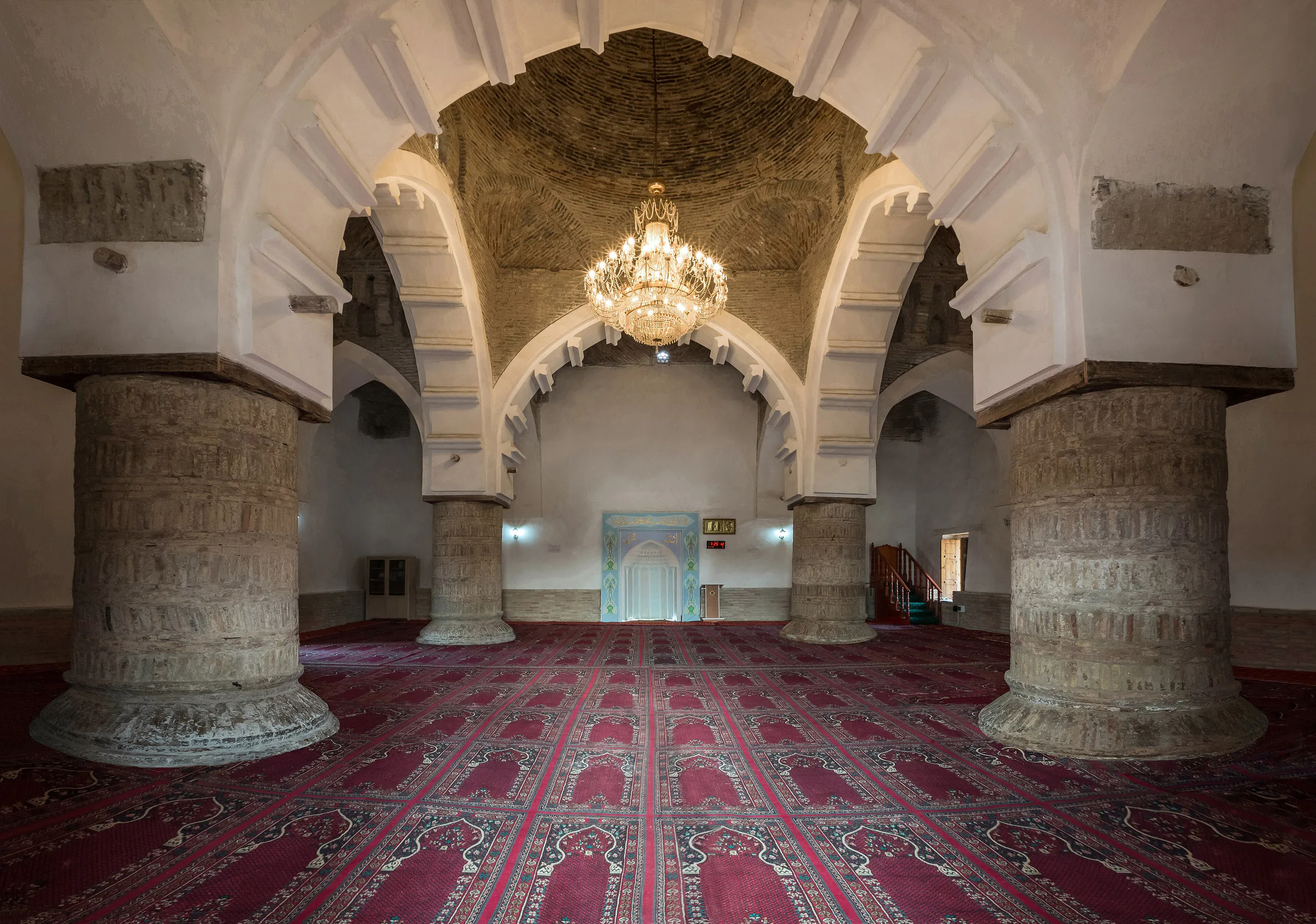
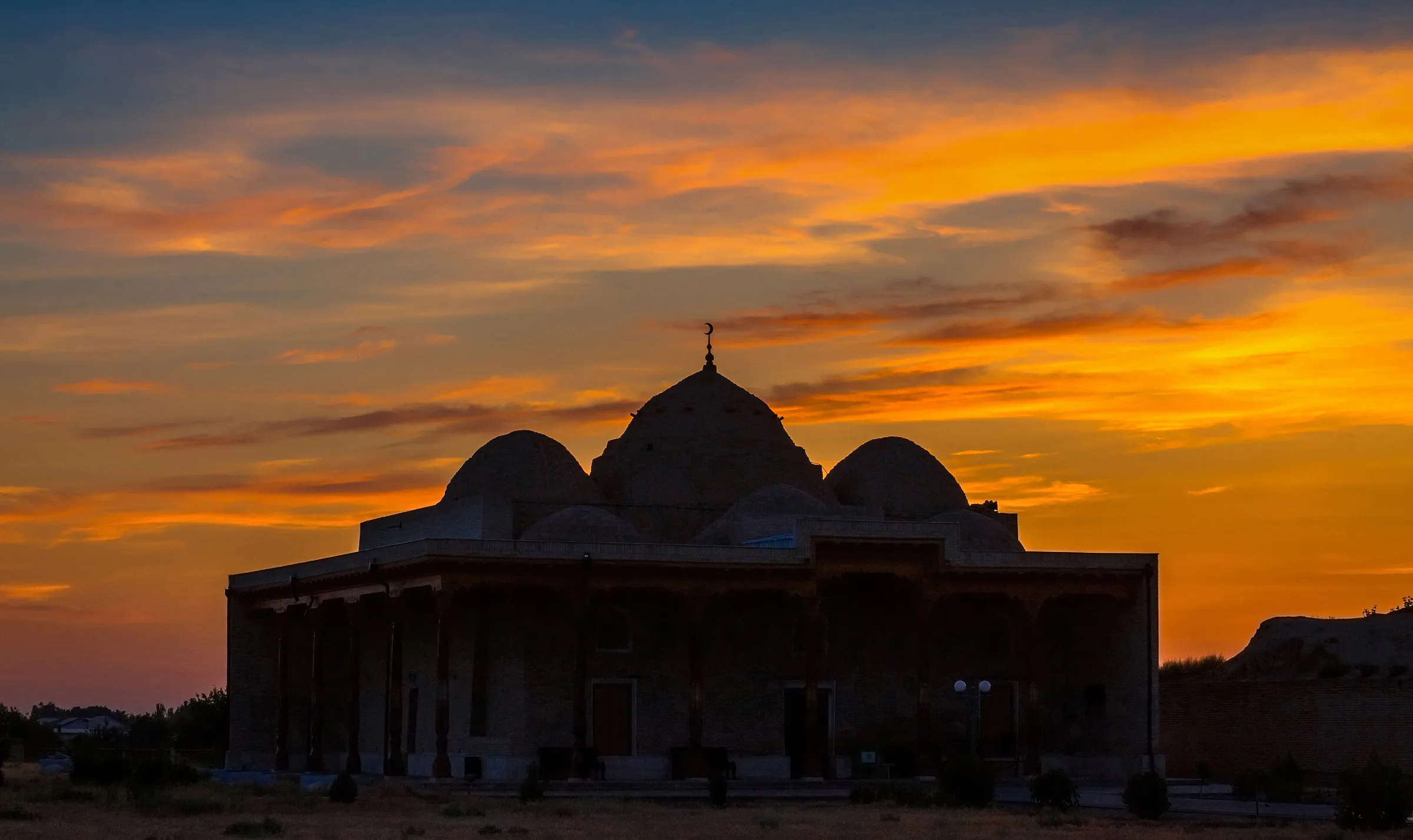
What makes it unique is a plan more typical of pre-Islamic temples: a central dome carried on four pillars and surrounded by smaller domes. The layout recalls Zoroastrian fire temples as well as early Christian churches. Early Islamic builders used clusters of small domes on columns rather than a single large dome, and Deggaron is one of the few such buildings to survive.
It is built of fired brick, with the spaces under the domes flowing into one another.
Archaeology · Karmana District
The Qarakhanids' 'royal fortress' in the steppe
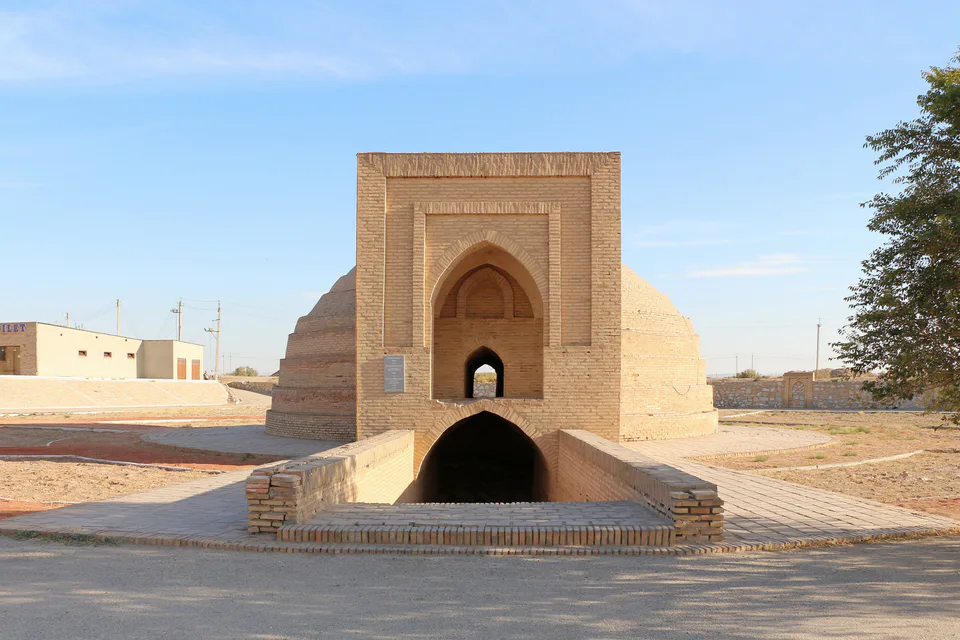
Archaeology · Karmana District
A domed cistern for passing caravans
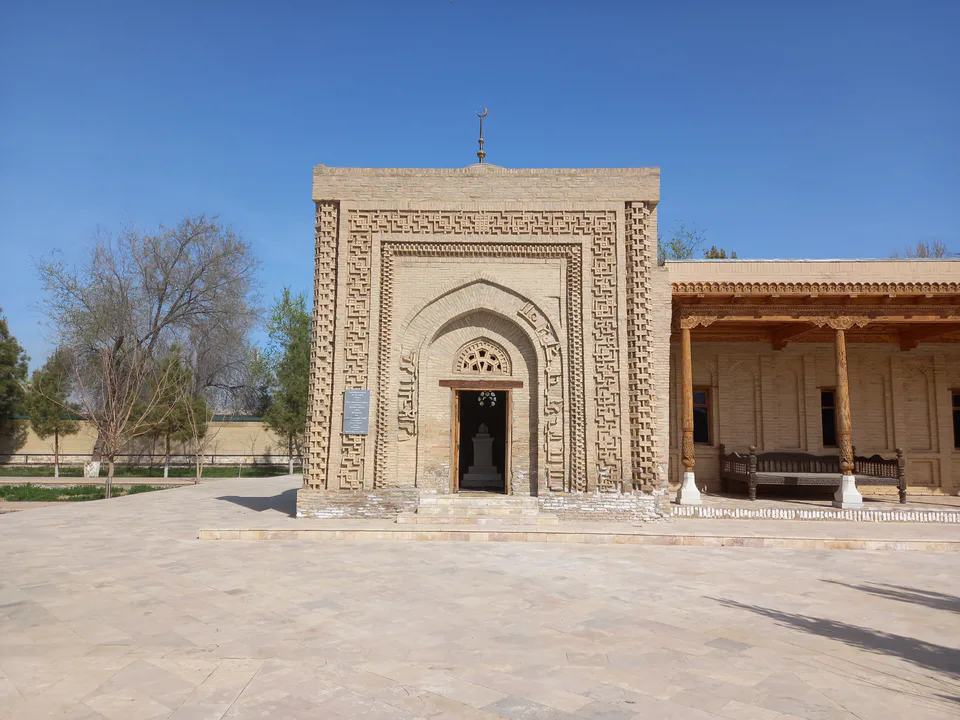
Mausoleum · Karmana District
Karmana's cousin of the Samanid Mausoleum
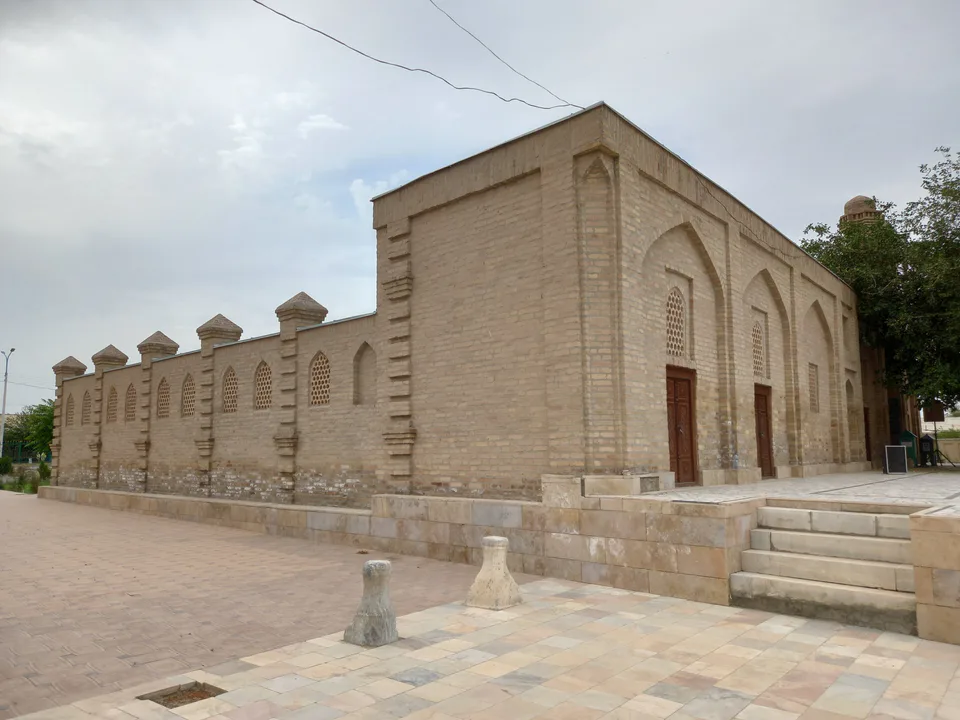
Mausoleum · Karmana District
A Bukharan emir's grave in Karmana
Museum · Karmana District
A treasure house of the Zarafshan oasis
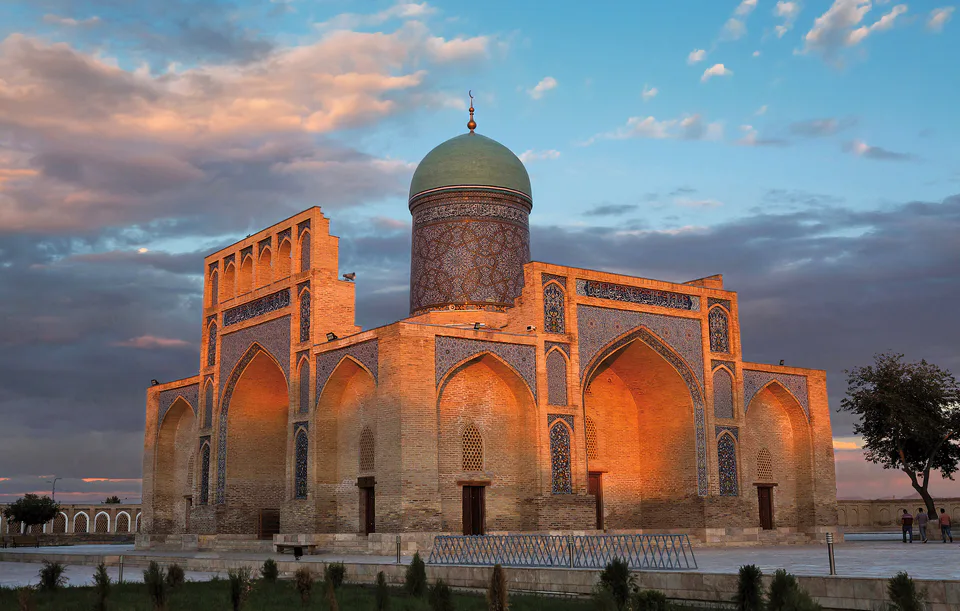
Pilgrimage site · Karmana District
The lodge of the sheikh who saved Abdullah Khan II
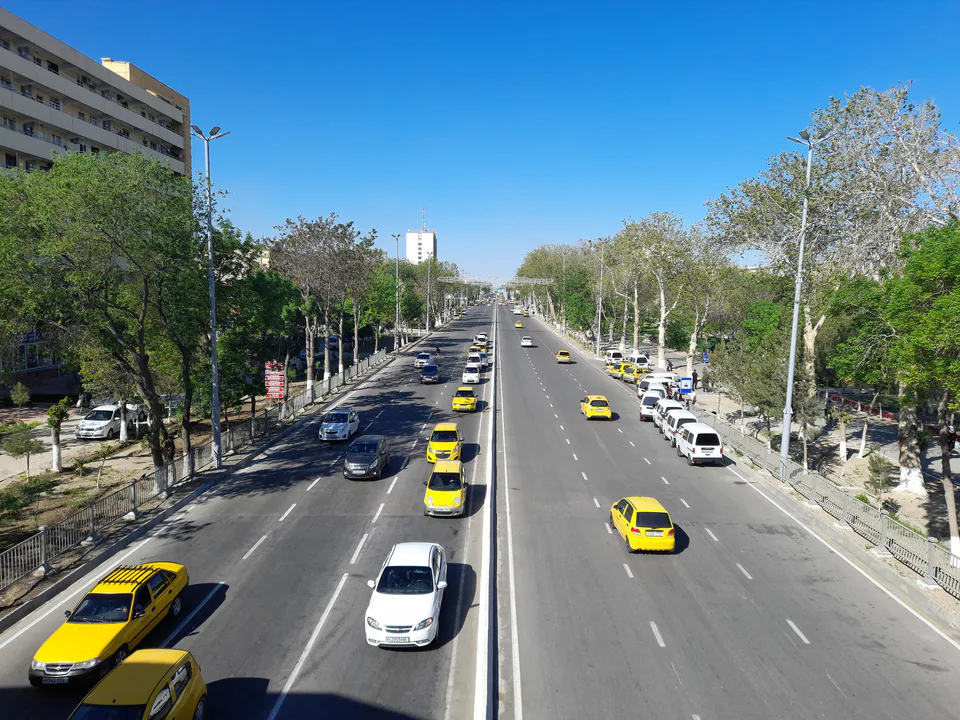
Modern · Navoiy city
An industrial city built to a single master plan
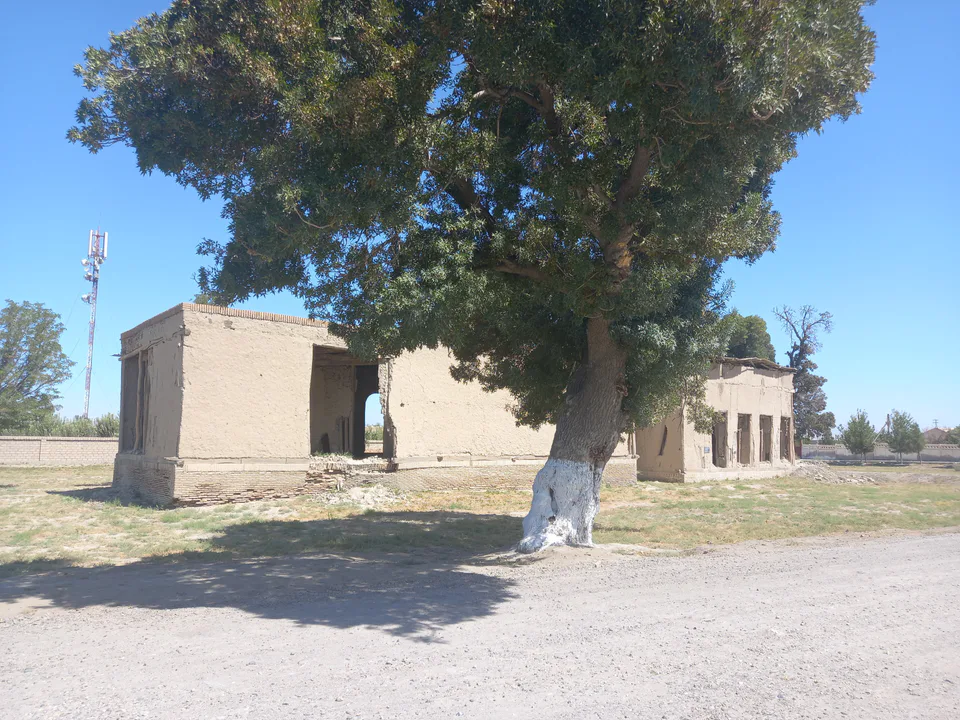
Ensemble · Karmana District
The Bukharan emirs' summer palace in Karmana
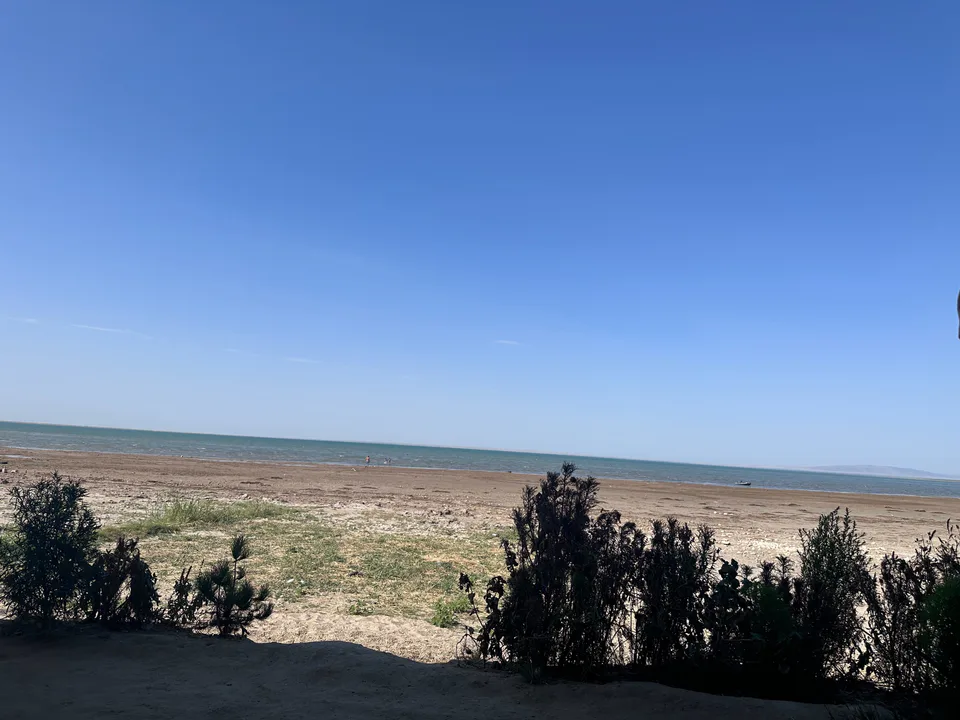
Nature · Qiziltepa District
A bird lake near Bukhara