Archaeology · Karmana District
Rabati Malik
The Qarakhanids' 'royal fortress' in the steppe
Ruler · Early Islamic period
Khan of the Western Karakhanid Khanate
died 1080
The Karakhanid khan who ruled from Samarkand in 1068–1080. The Rabati Malik caravanserai in Navoiy Region and buildings in Bukhara are linked with his name, and it was at his invitation that the young Omar Khayyam came to Samarkand.
Shams al-Mulk Nasr ibn Ibrahim was the son of Ibrahim Tamghach Khan, founder of the Western Karakhanid Khanate. When his father was paralysed, Nasr took the throne in 1068 and had to defend it against his brother Shu'ays, ruling from Samarkand. In 1072 the Seljuk sultan Alp Arslan invaded Transoxiana but was unexpectedly killed; Shams al-Mulk seized Termez and Balkh, only for the new sultan, Malik Shah, to retake them and march on Samarkand in 1074. Peace was made and sealed with marriages between the two dynasties. That his coins were struck in his name alone suggests a strengthening of central power.
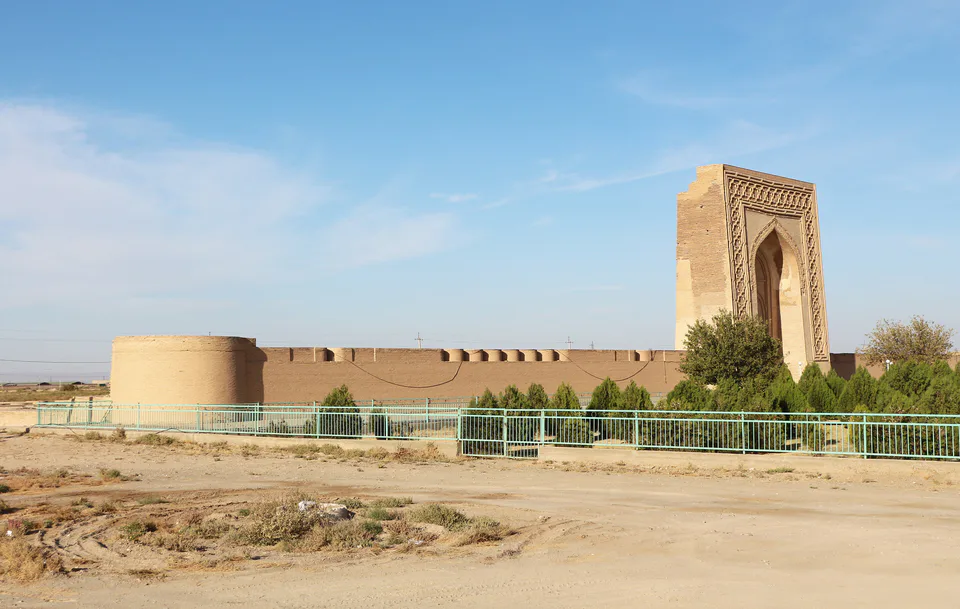
Shams al-Mulk is remembered as one of the dynasty's greatest builders. According to Narshakhi's History of Bukhara, he rebuilt Bukhara's Friday mosque (1069) and laid out the palace and gardens of Shamsabad outside the city. Under him the palatial caravanserai of Rabati Malik rose in the Malik steppe near Karmana on the Samarkand–Bukhara road, traditionally dated to 1078–1079, though later research has questioned the date. According to the sources, the young scholar and poet Omar Khayyam came to Samarkand at his invitation and wrote his first scientific works there. Shams al-Mulk died in 1080 and was succeeded by his brother Khidr Khan.
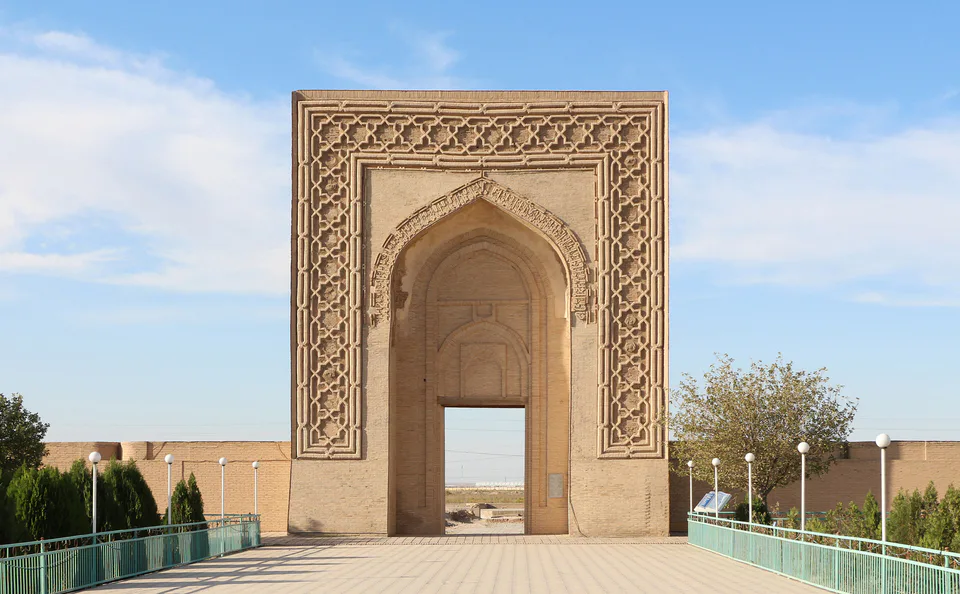
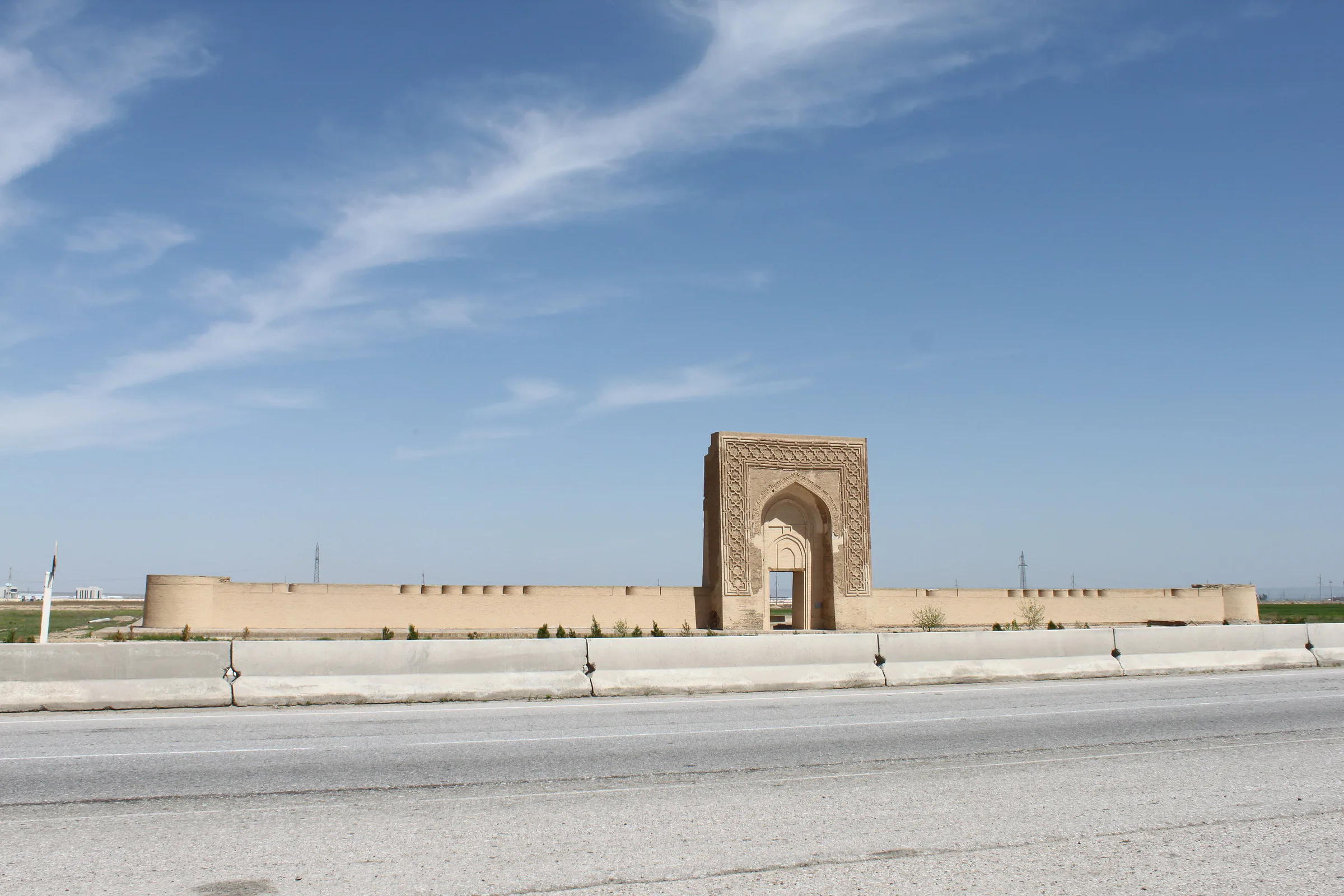
What survives of Rabati Malik is the caravanserai's monumental portal facade, with a domed underground cistern, or sardoba, across the road. In 2023 it was inscribed on the UNESCO World Heritage List as part of “Silk Roads: Zarafshan-Karakum Corridor”. It lies about 20 km from Navoiy beside the Bukhara–Samarkand highway — a natural stop between the two cities.
Places
810–870
Hadith scholar, compiler of the Sahih al-Bukhari
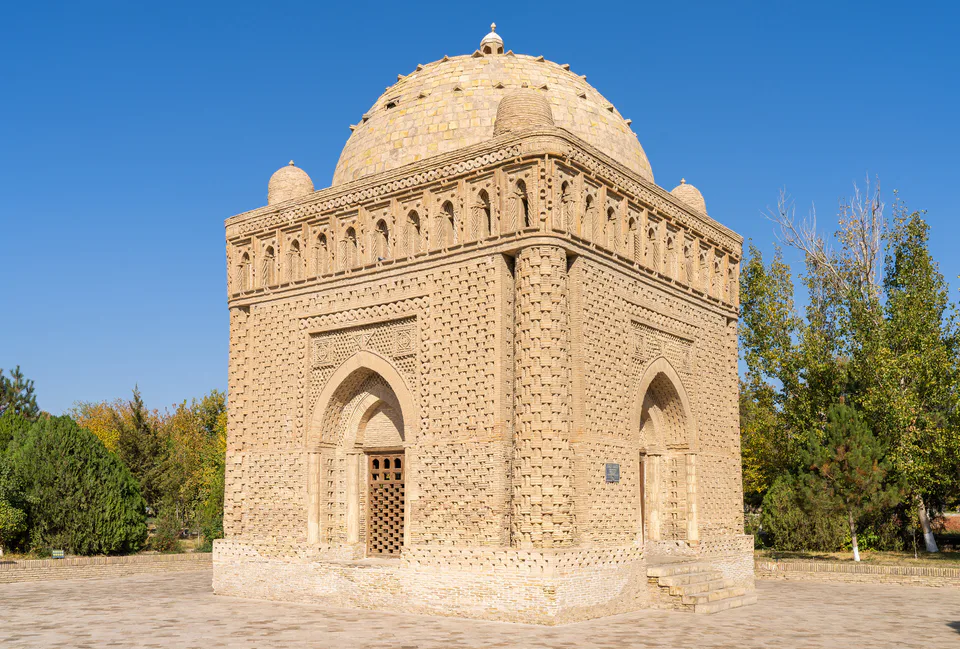
849–907
Samanid emir, founder of the Bukharan state
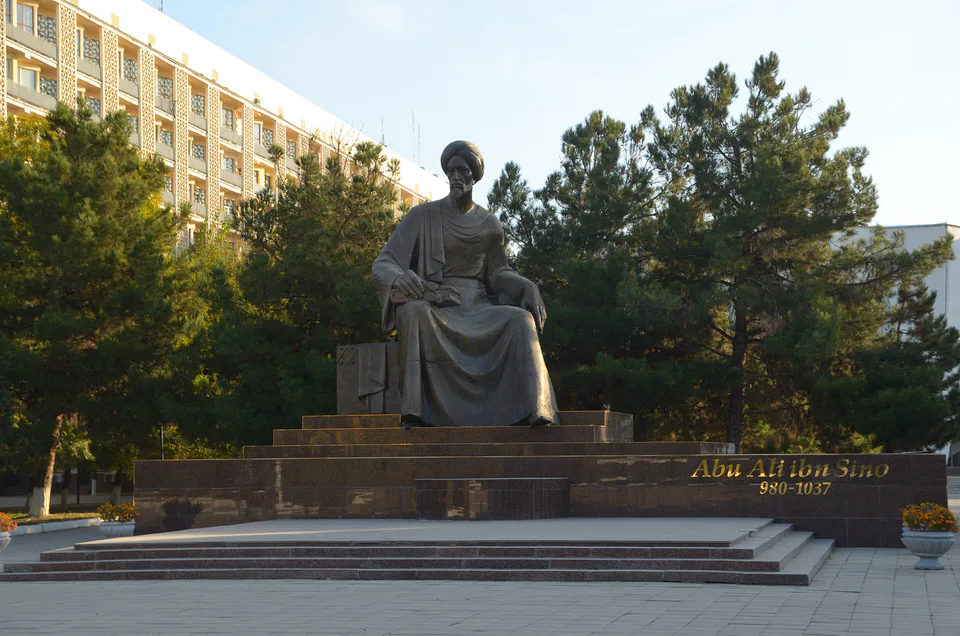
980–1037
Physician, philosopher, polymath
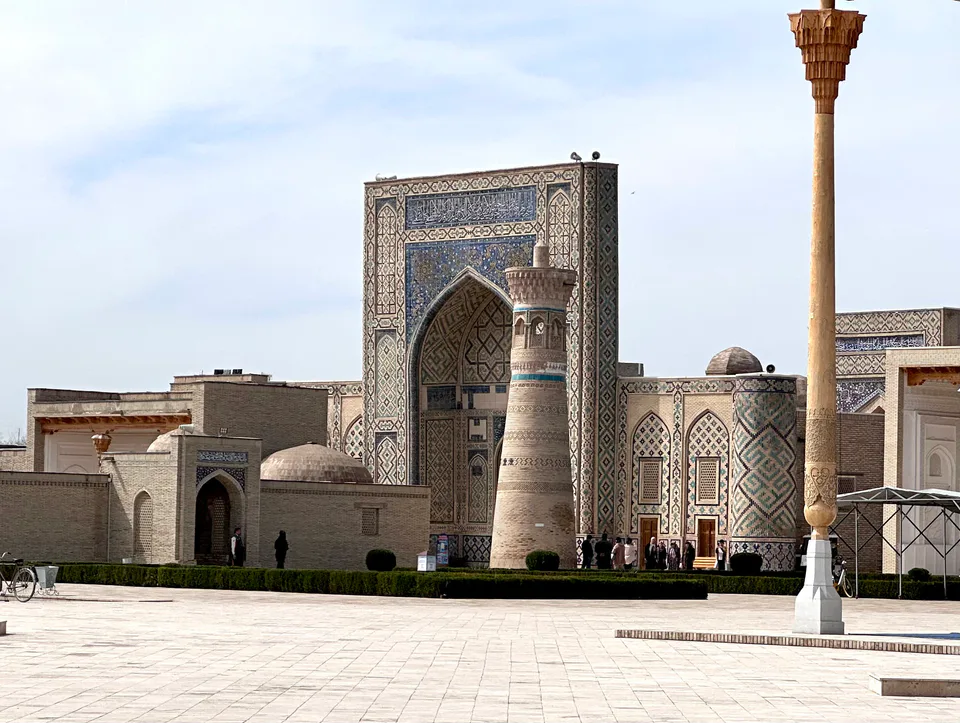
1103–1179
Sufi master, founder of the Khwajagan path
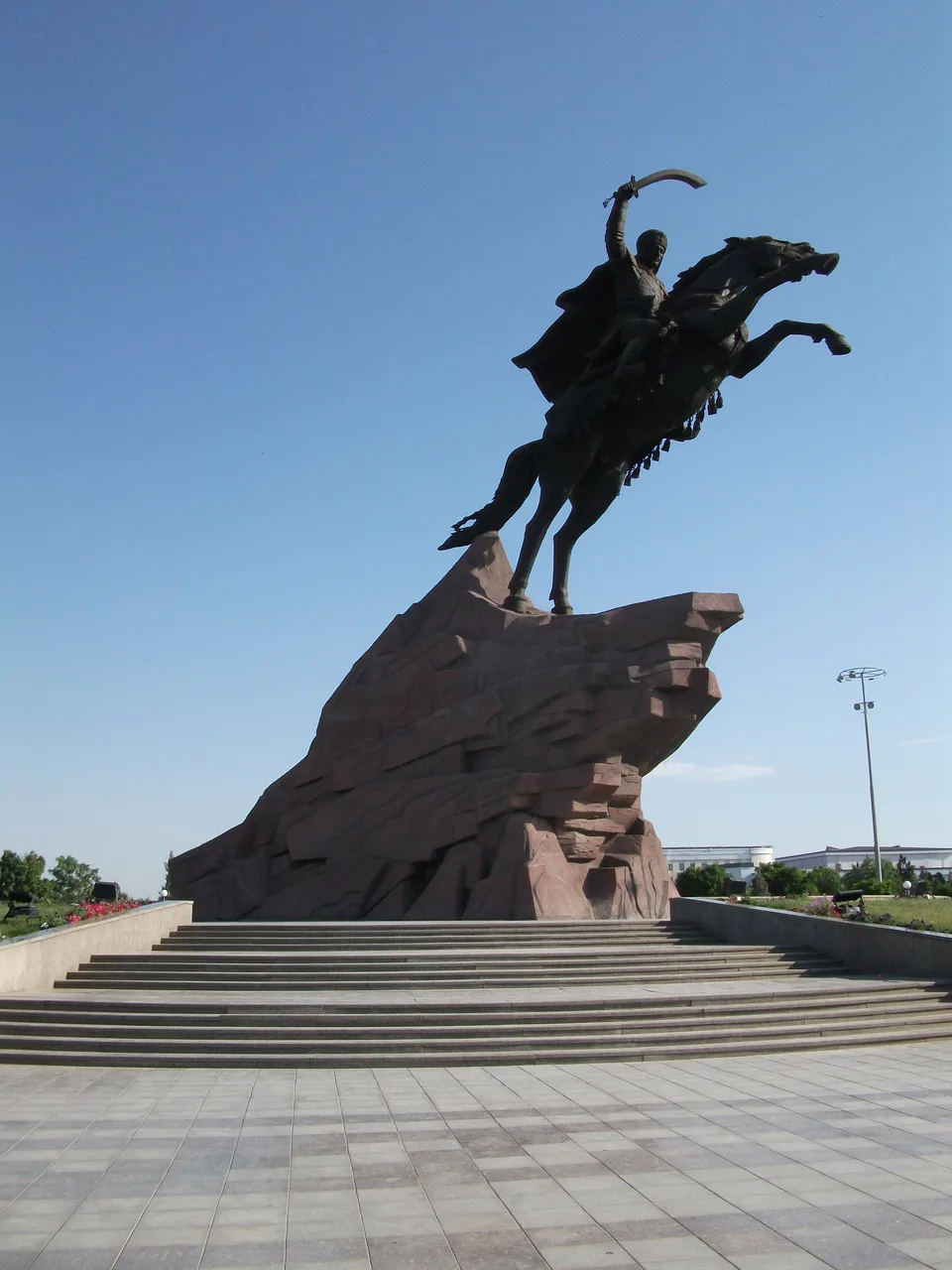
1199–1231
Last Khwarazmshah, military commander
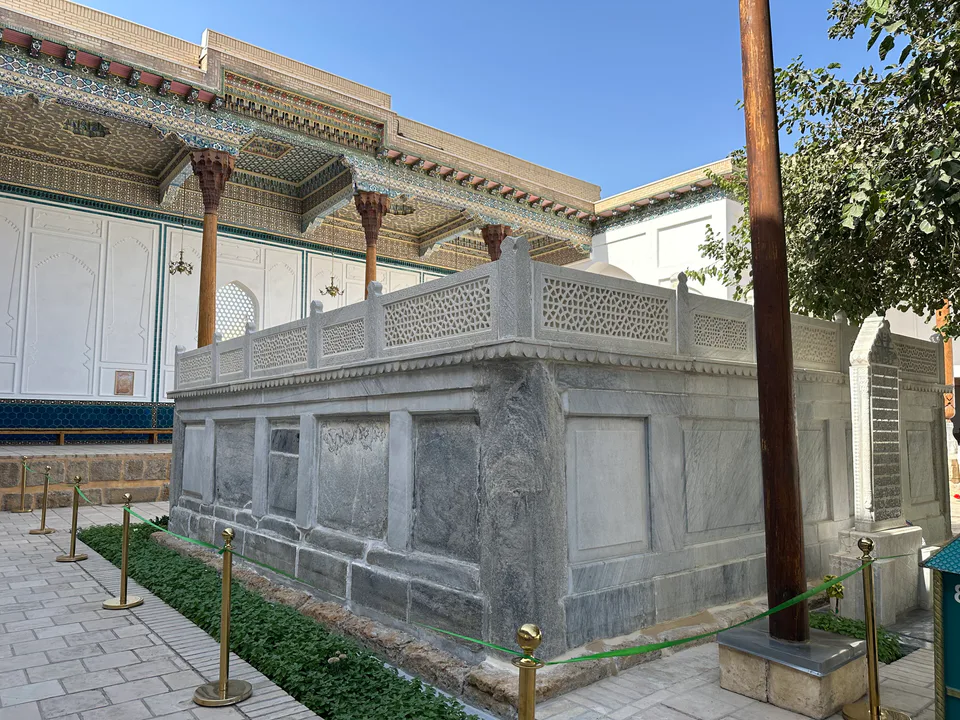
1318–1389
Sufi master, founder of the Naqshbandi order
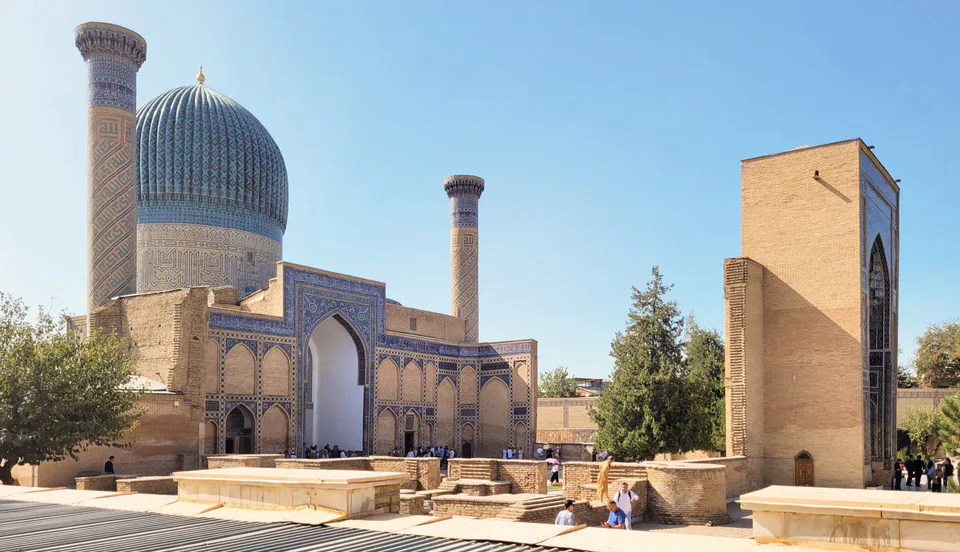
1336–1405
Ruler, conqueror, founder of the Timurid Empire
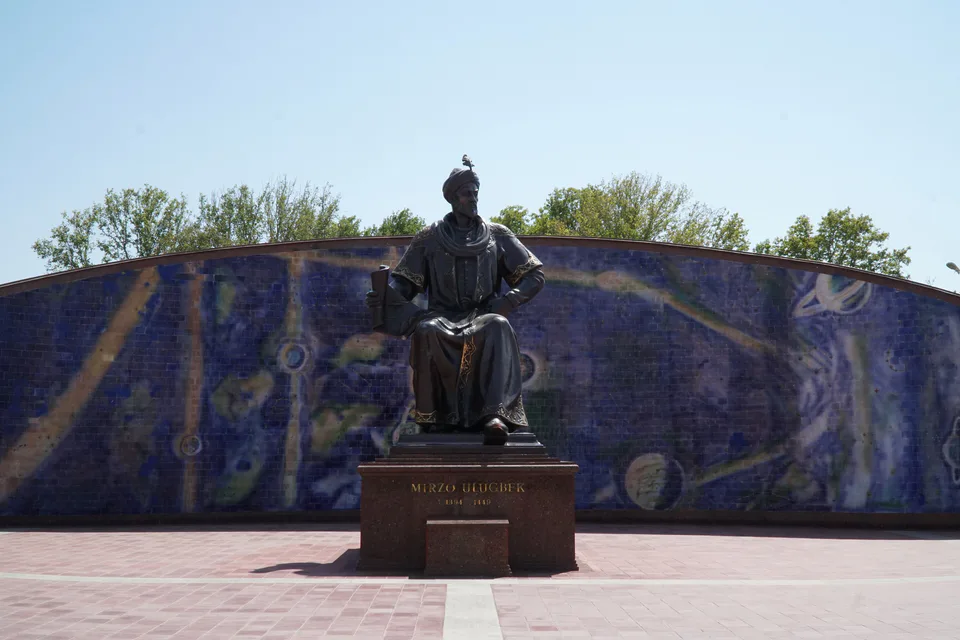
1394–1449
Ruler, astronomer, mathematician
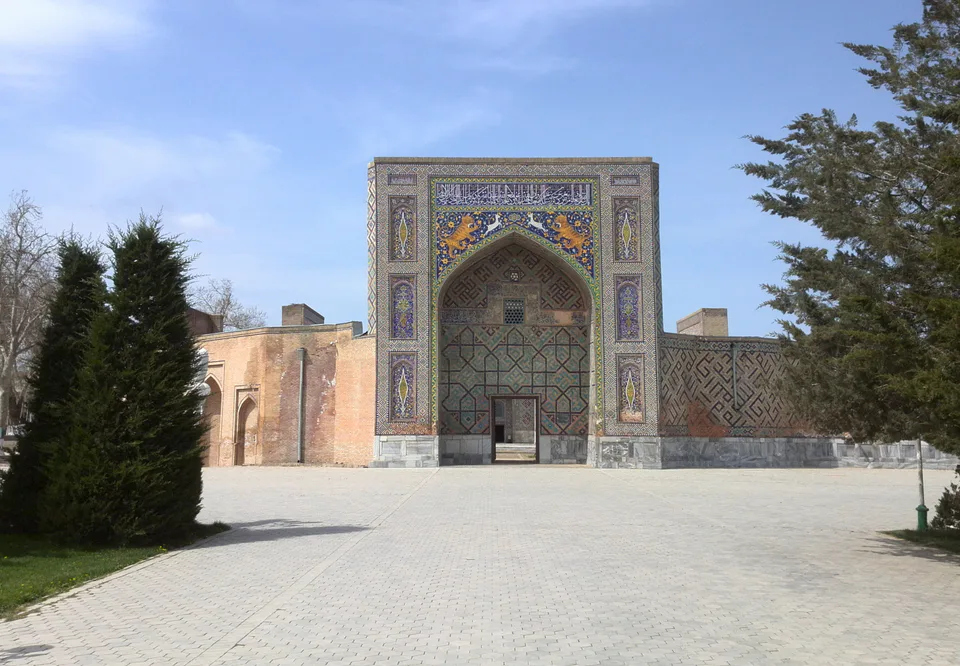
1404–1490
Naqshbandi sheikh, statesman and public figure
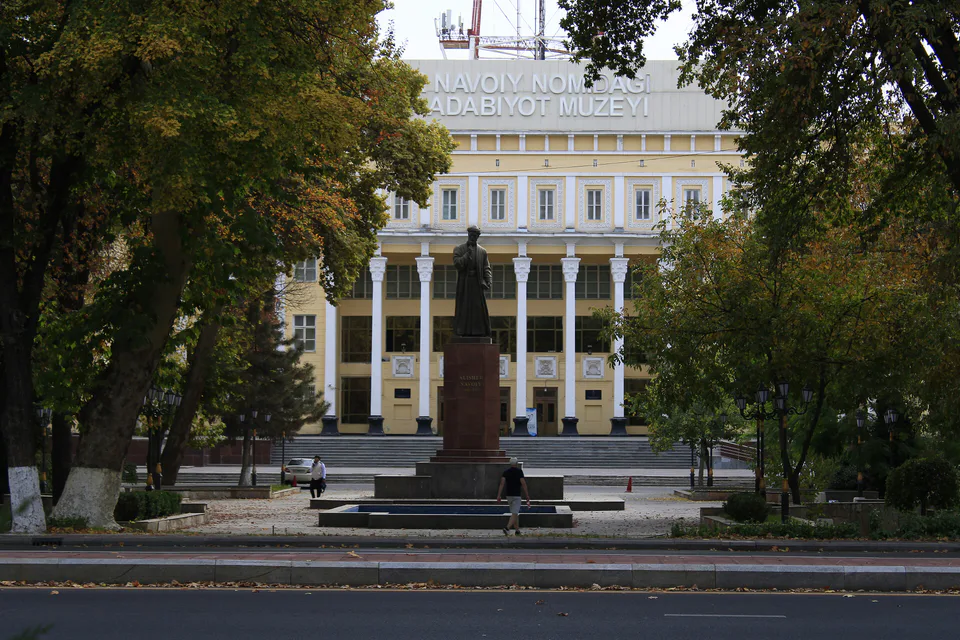
1441–1501
Poet, thinker, statesman, founder of Uzbek literature
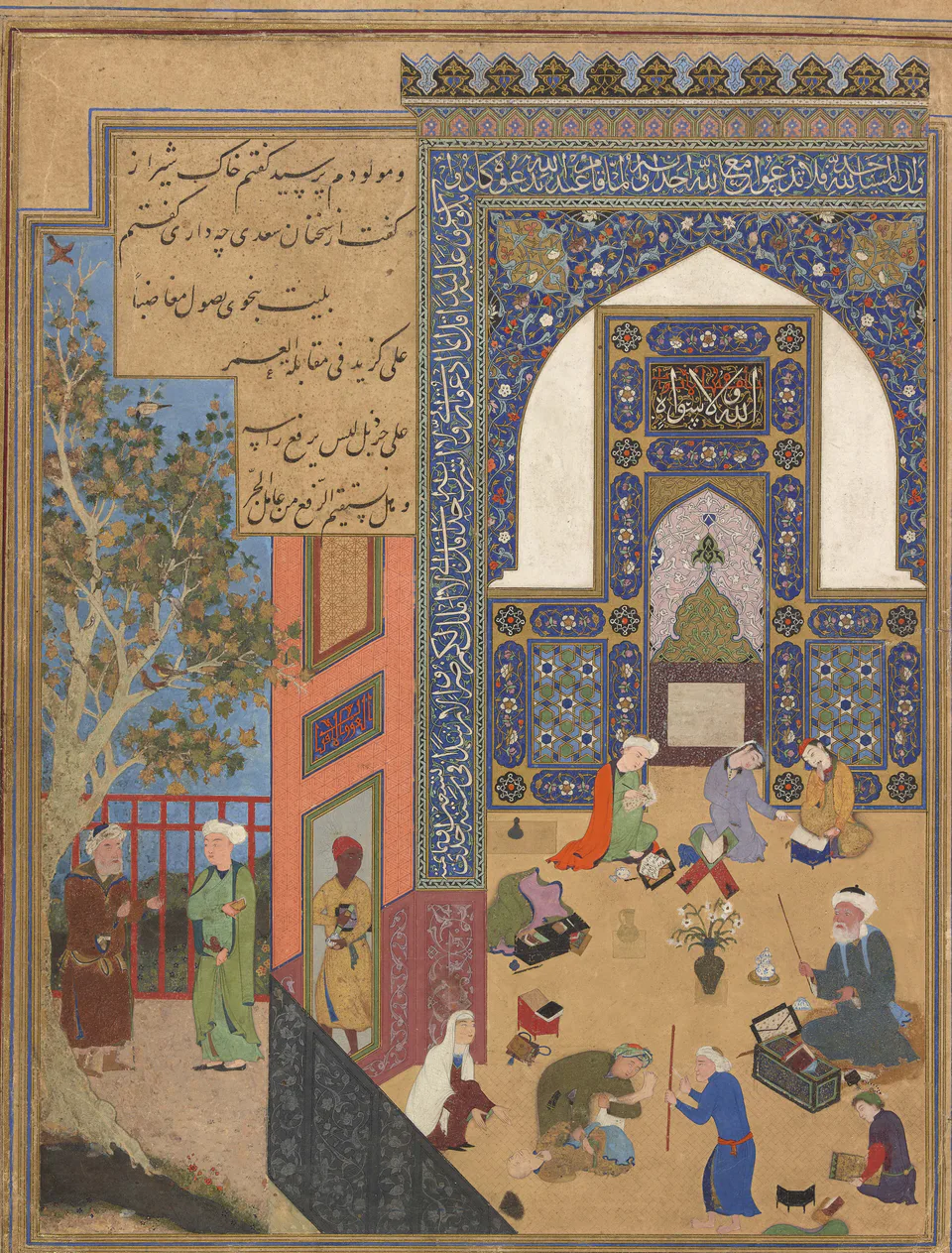
1455–1535
Miniature painter
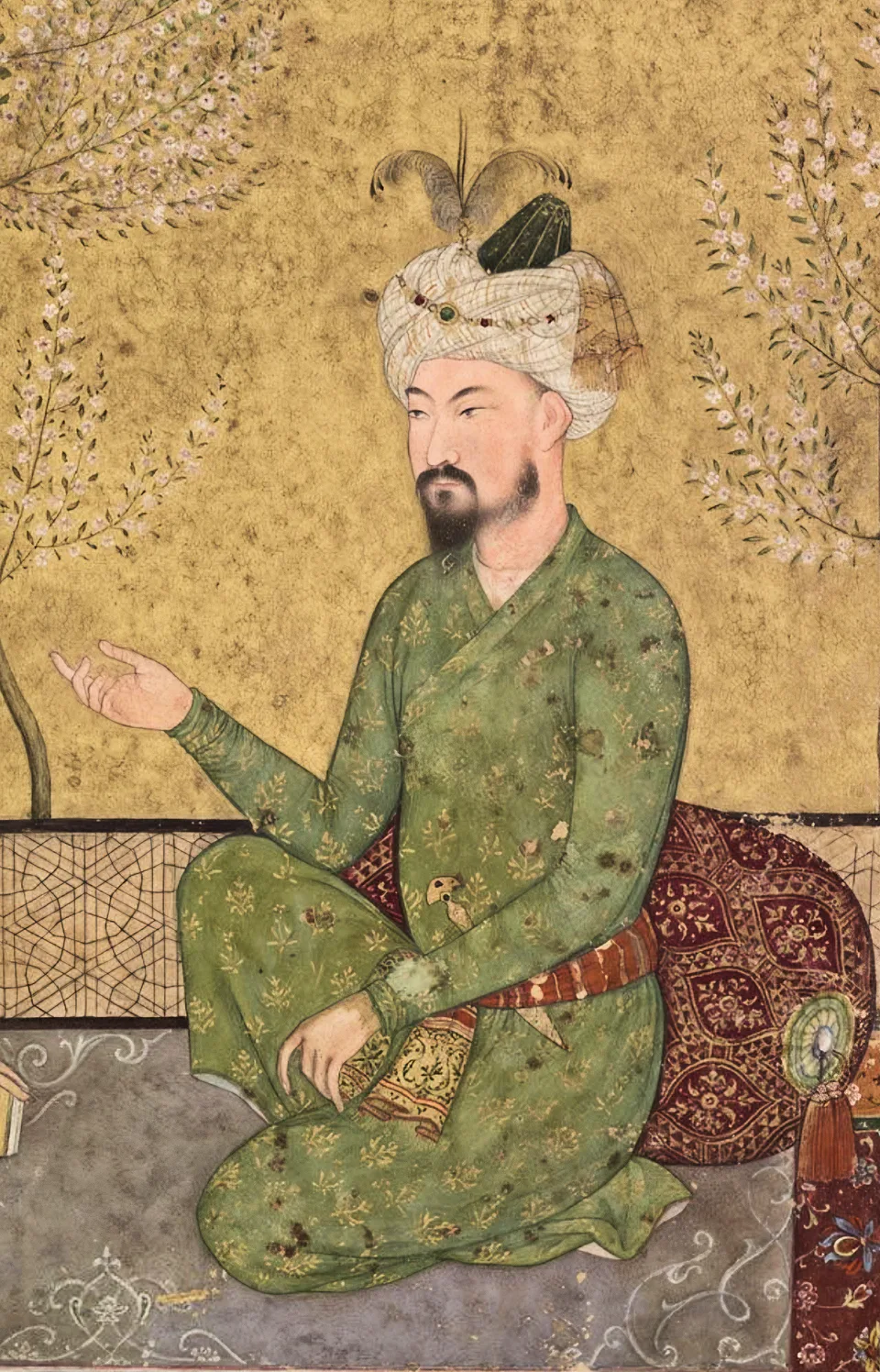
1483–1530
Ruler, poet, author of the Baburnama, founder of the Mughal Empire