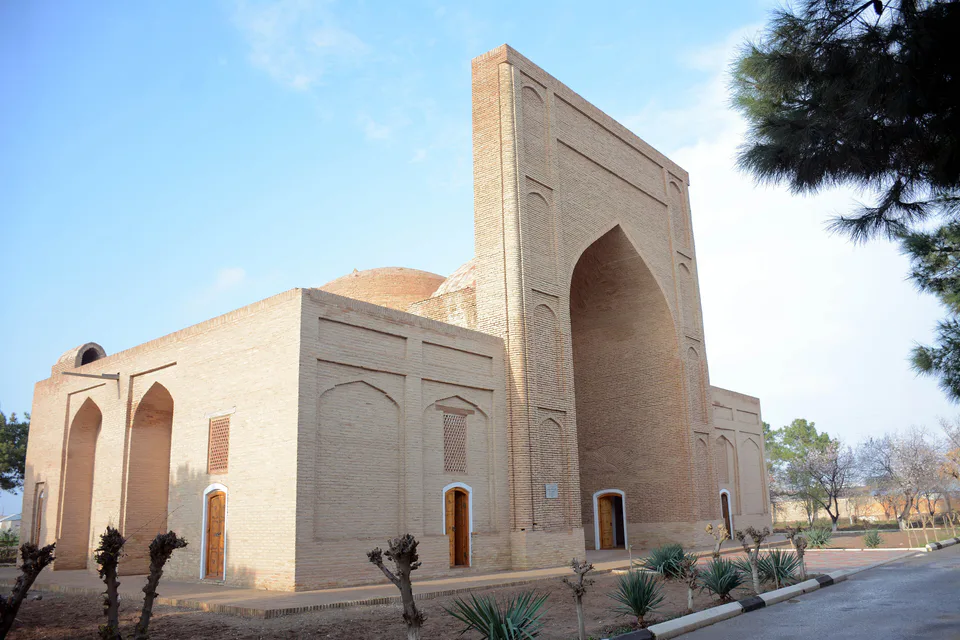
Pilgrimage site · Termez City
Kokildor Ota Khanqah
A ganch-carved dome and a first-haircut ritual
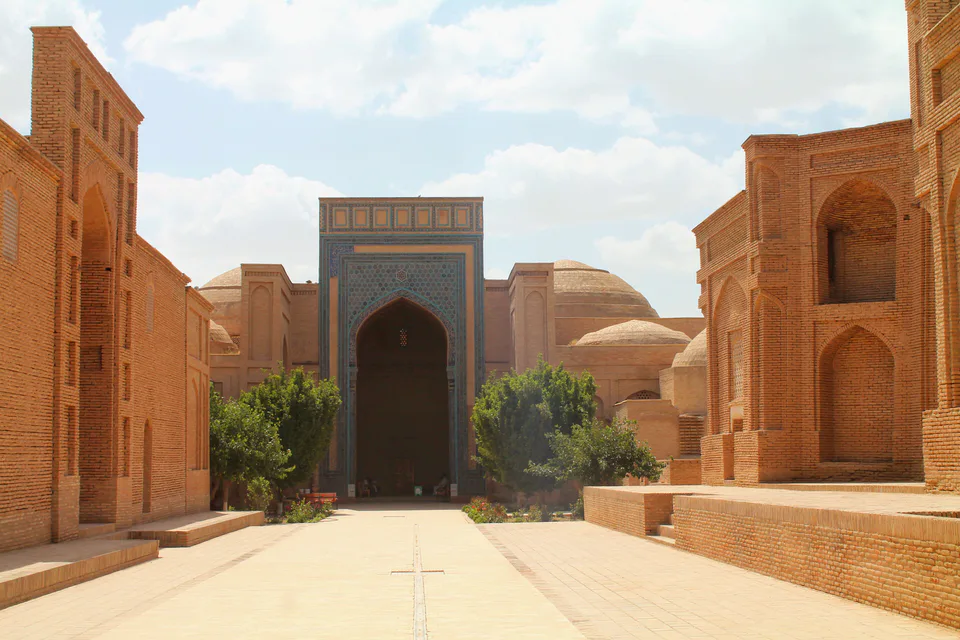
Ensemble · Termez City
A 10th–17th-century ensemble of mausoleums, mosques and khanqahs: the burial ground of the influential sayyids of Termez, descendants of the Prophet.
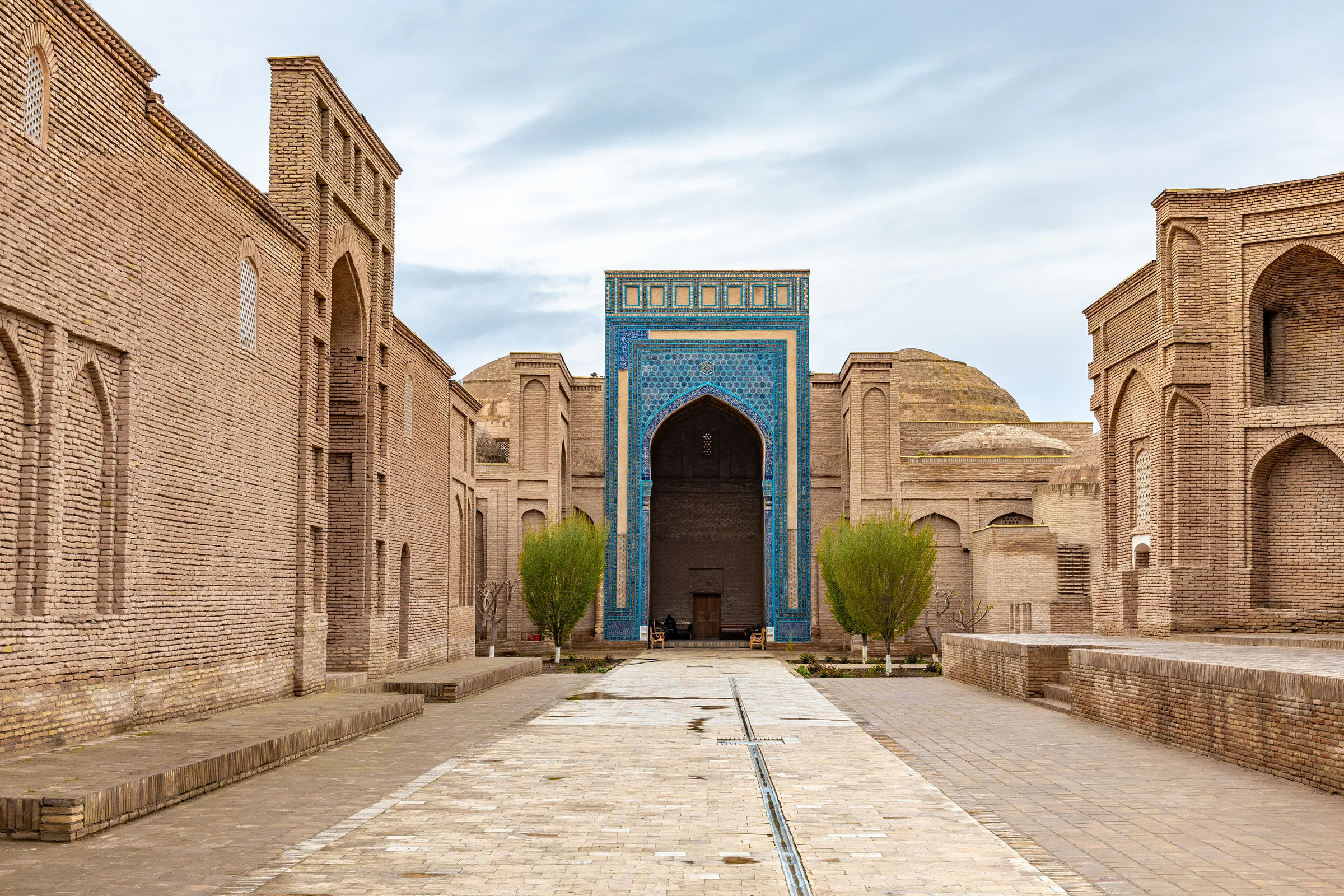
The Sultan Saodat ensemble stands on the eastern outskirts of Termez. Buried here are the sayyids of Termez, who traced their descent to Imam Husayn, grandson of the Prophet Muhammad. The family’s founder is named as Hasan al-Amir; another tradition holds that Sultan Saodat, “Sultan of the Sayyids”, was the epithet of Sayyid Ali Akbar Termizi, who died in Termez in the late 9th or early 10th century, and that the ensemble is named after him.
In the Middle Ages the sayyids wielded great influence in Termez as spiritual leaders and, at times, as participants in its government. Their family burial ground grew over the centuries into one of the largest architectural ensembles in Surkhandarya.
The sayyids were also close to Timur’s dynasty. According to the sources, it was in the village of Buyo near Termez that the young Timur first met Sheikh Sayyid Baraka, who gave him a banner and a drum as tokens of future victories. Under the Timurids the sayyids of Termez were honoured at court, and some were buried in the Gumbazi Sayyidon mausoleum in Shahrisabz.
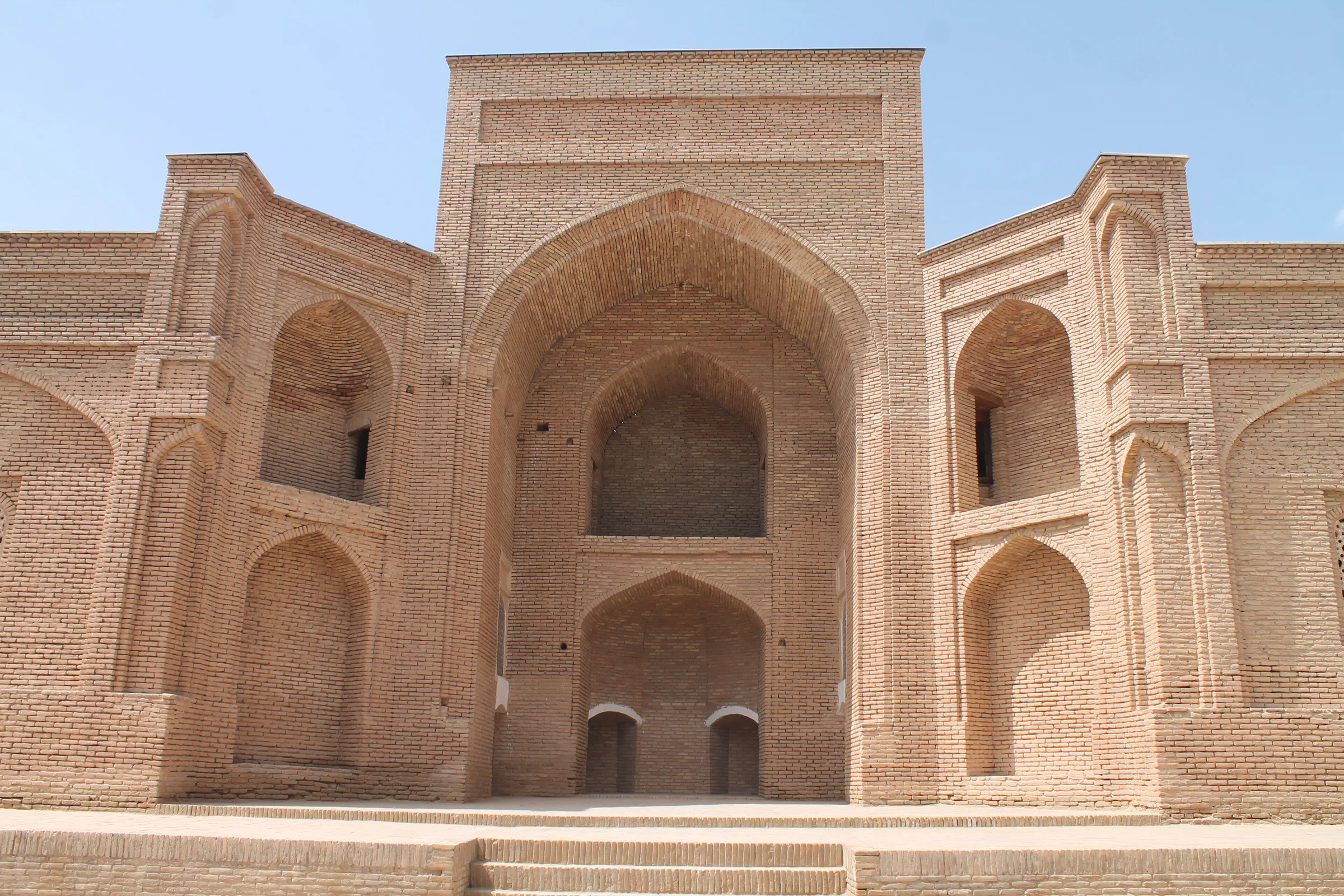
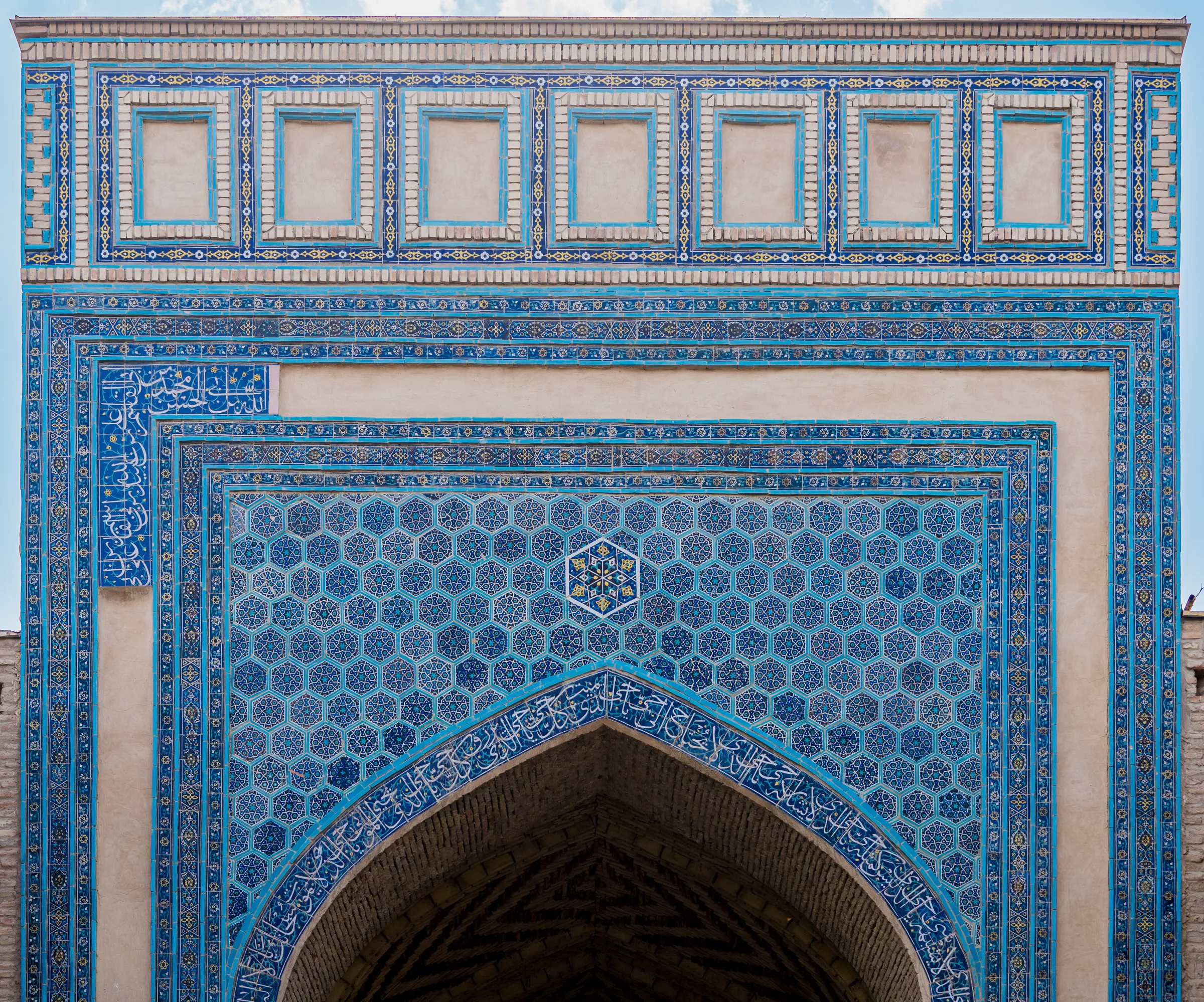
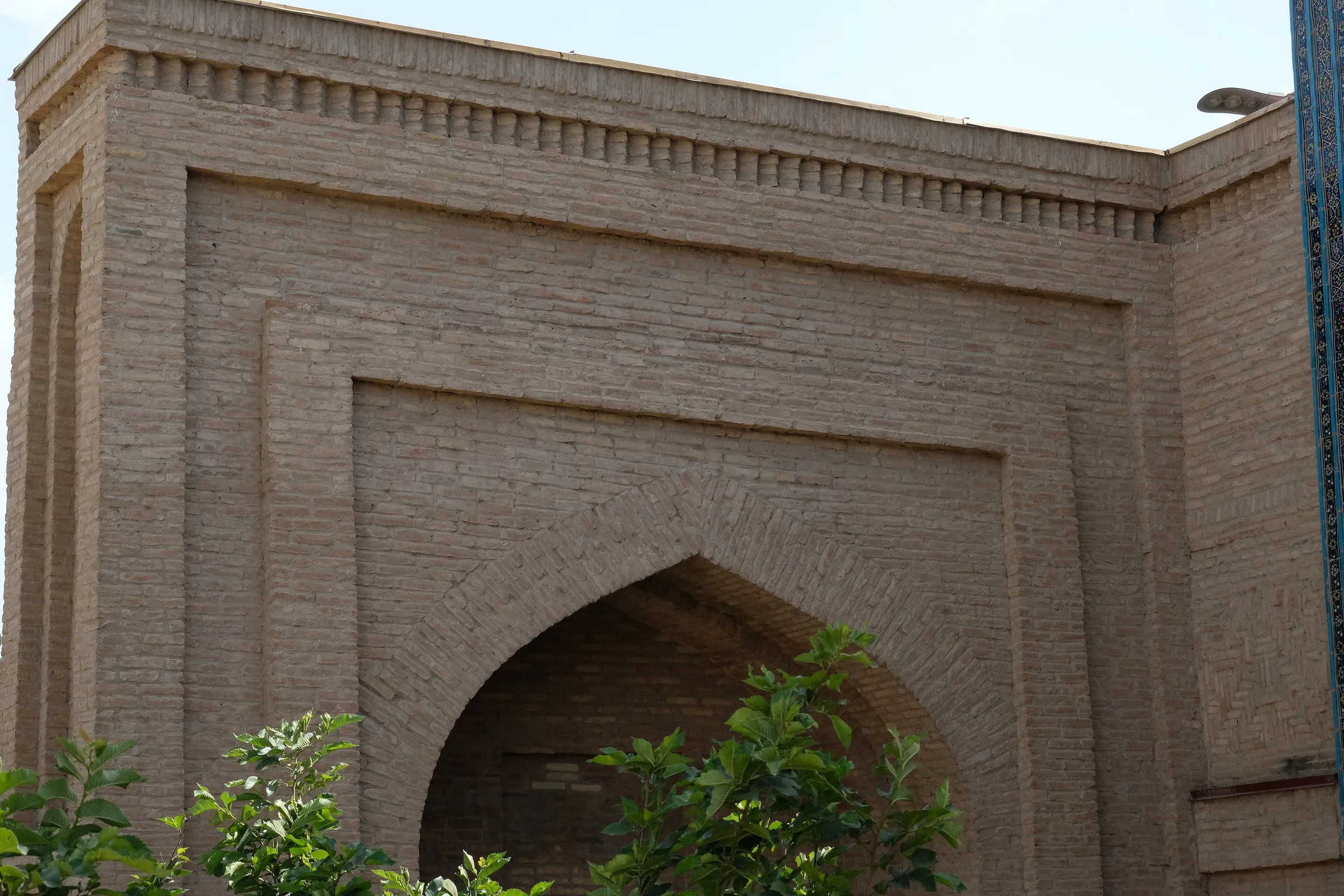
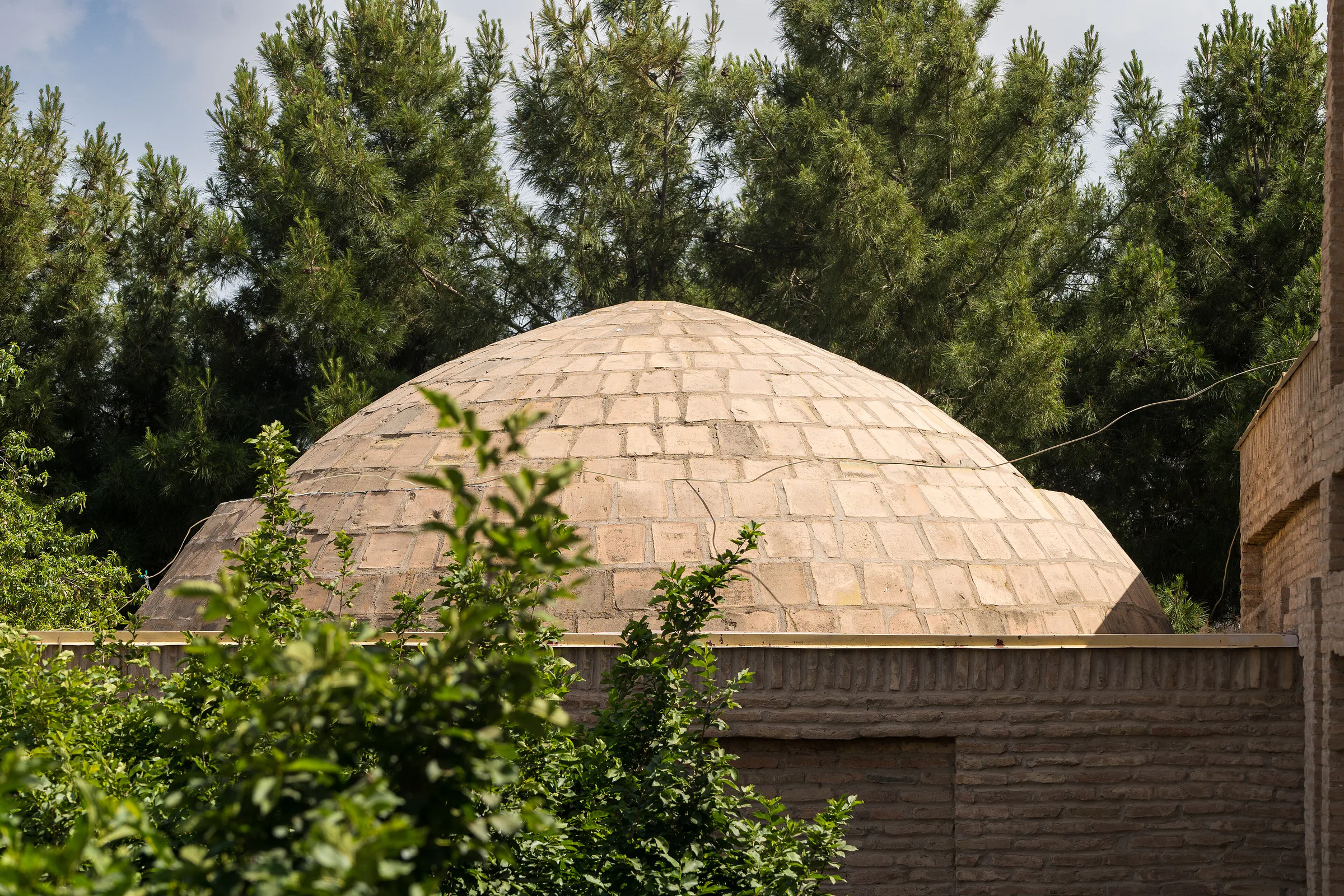
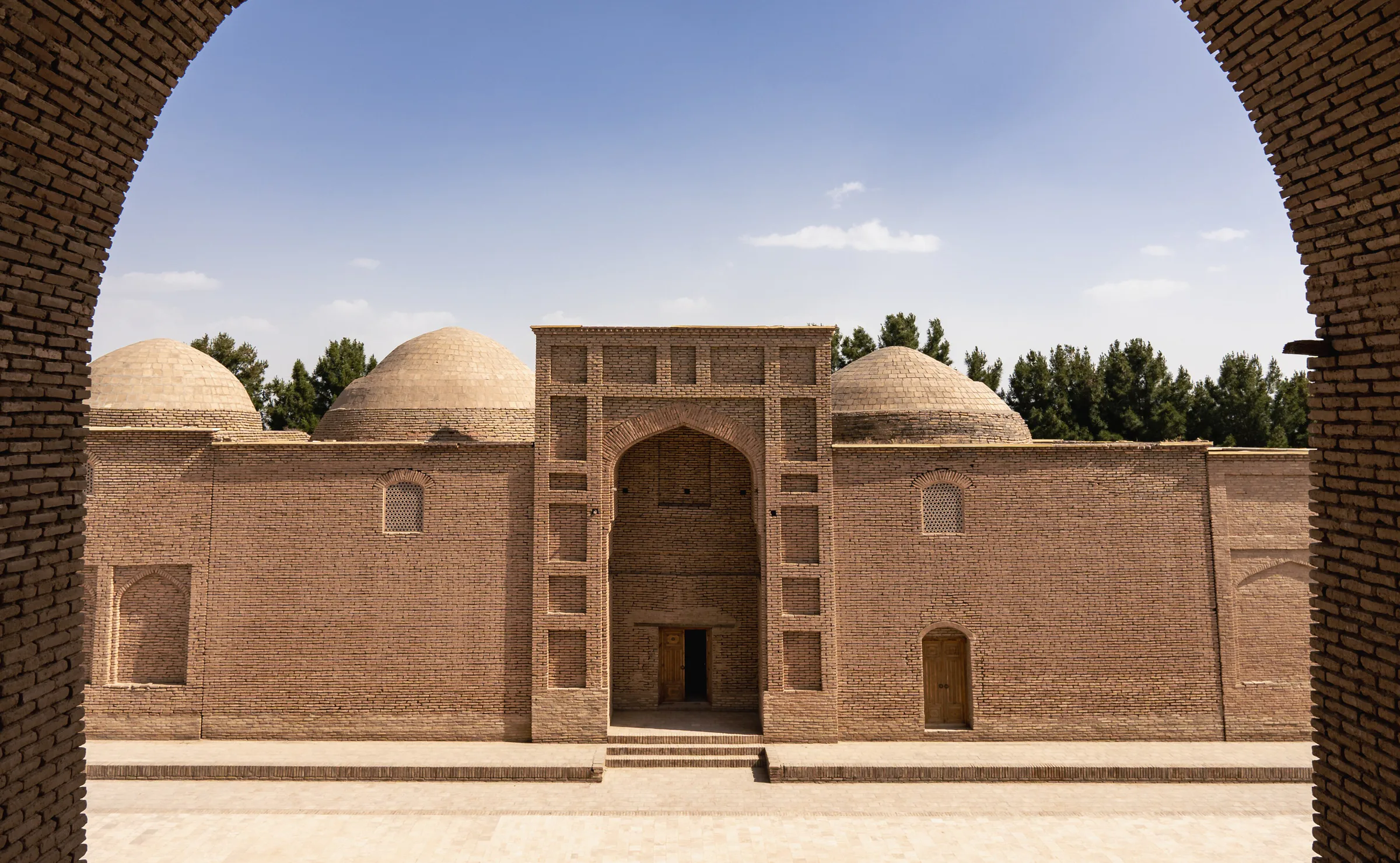
Mausoleums, a mosque and khanqahs line a central passage. The oldest buildings are two large single-chamber, square, domed mausoleums of the 10th century, roughly 9 × 9 m and 10 × 10 m, joined in the 15th century by an iwan into a single façade.
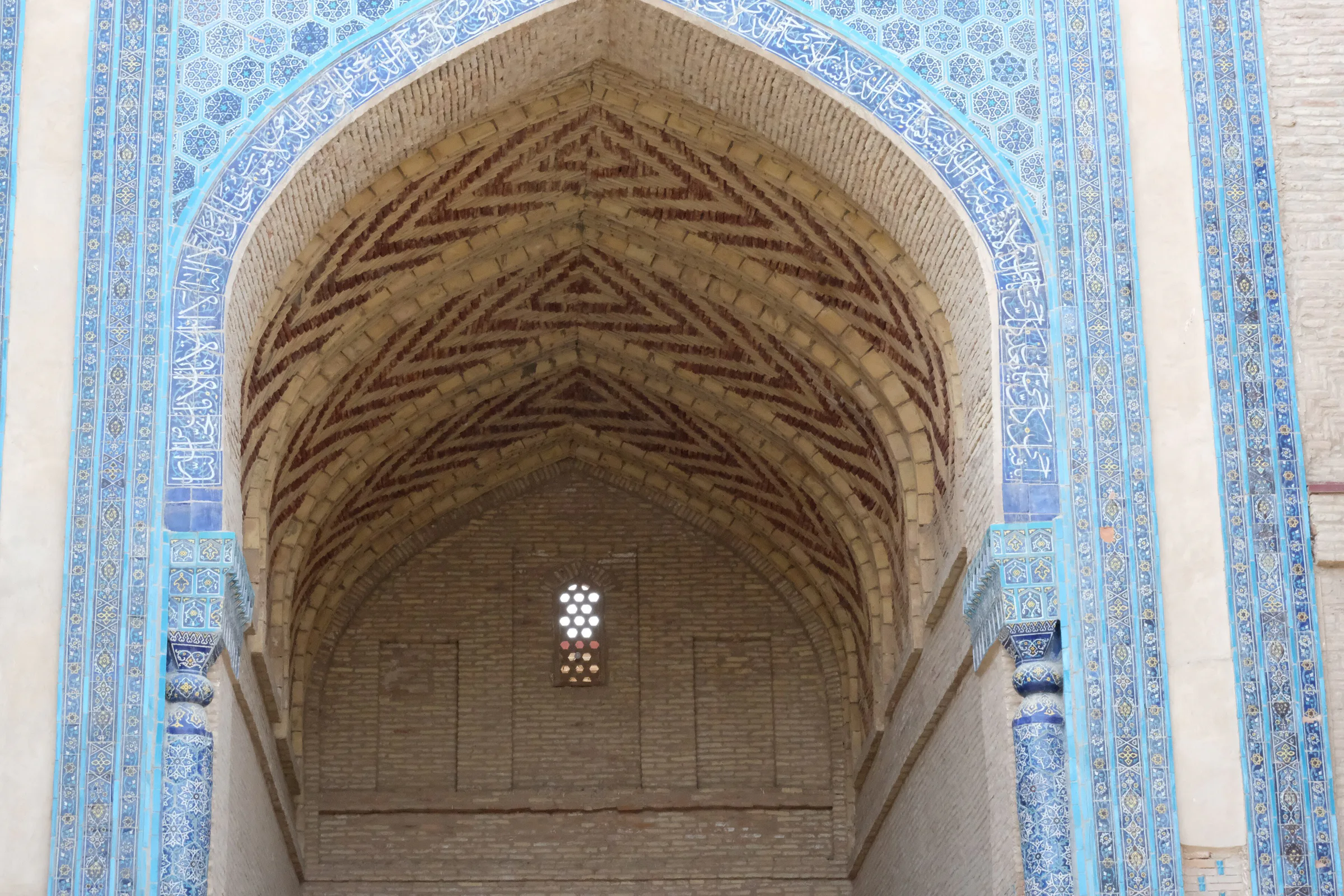
The façade of the north-western tomb is laid with paired 27 × 27 × 5 cm bricks forming a wave-like pattern, and carved brick arches adorn the interior. In the later 15th century new buildings rose in front of the two mausoleums; in the 15th–17th centuries two parallel rows were added, and in the 16th–17th centuries the southern and northern courtyards filled with tombs of different sizes as the entrance moved to the west.
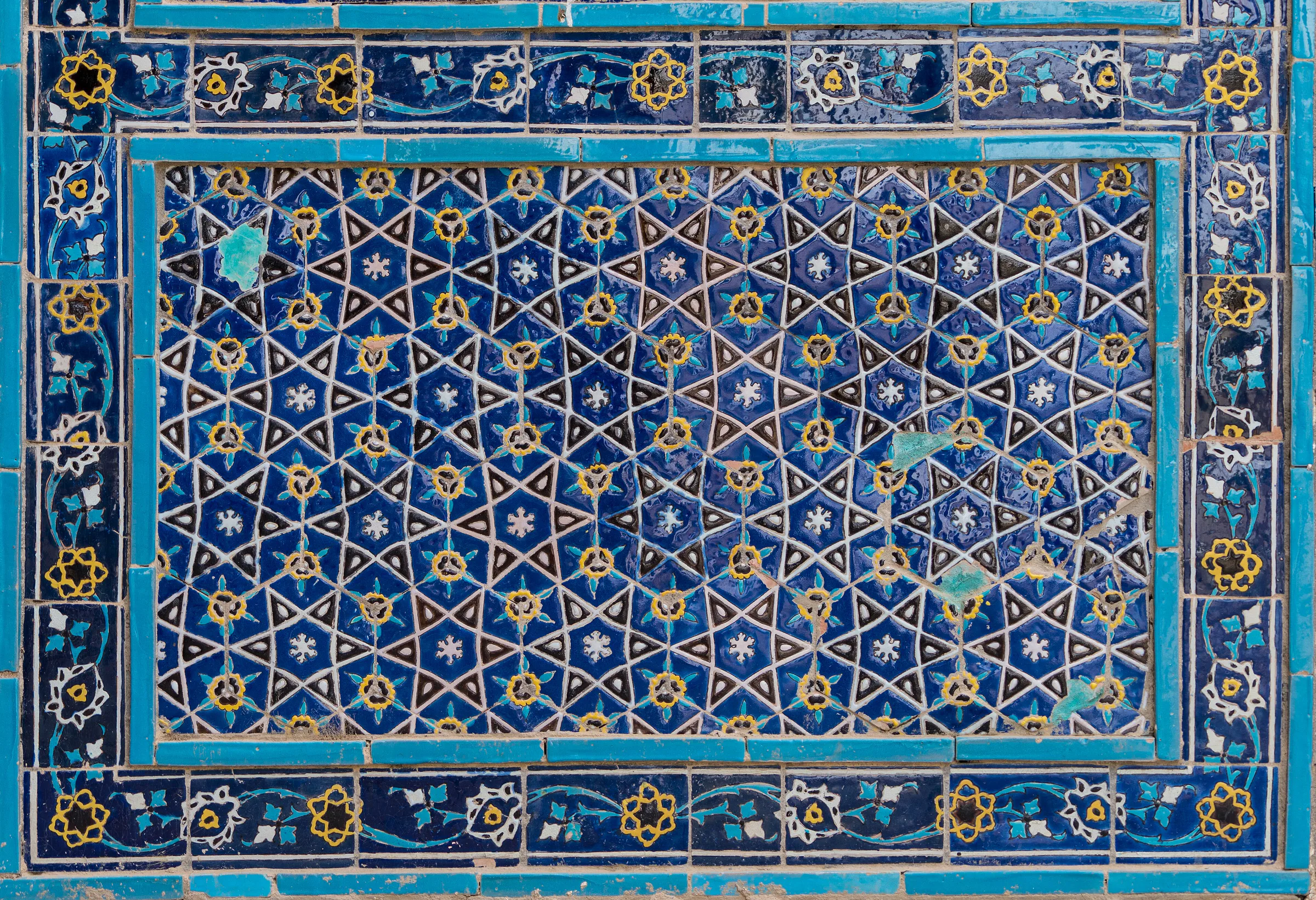
The result is a group of tombs from many periods that is nonetheless remarkably coherent in structure and decoration, tracing the development of Termez architecture from the Samanids and Karakhanids to the Timurids and Shaybanids.
According to the tradition linked with the nearby Kokildor Ota khanqah, the remains of Kokildor Ota were reburied in the Sultan Saodat cemetery in 2001, so the two monuments are closely tied today.
Many graves carry inscribed tombstones; look closely and you can tell apart scripts and ornament from different centuries.
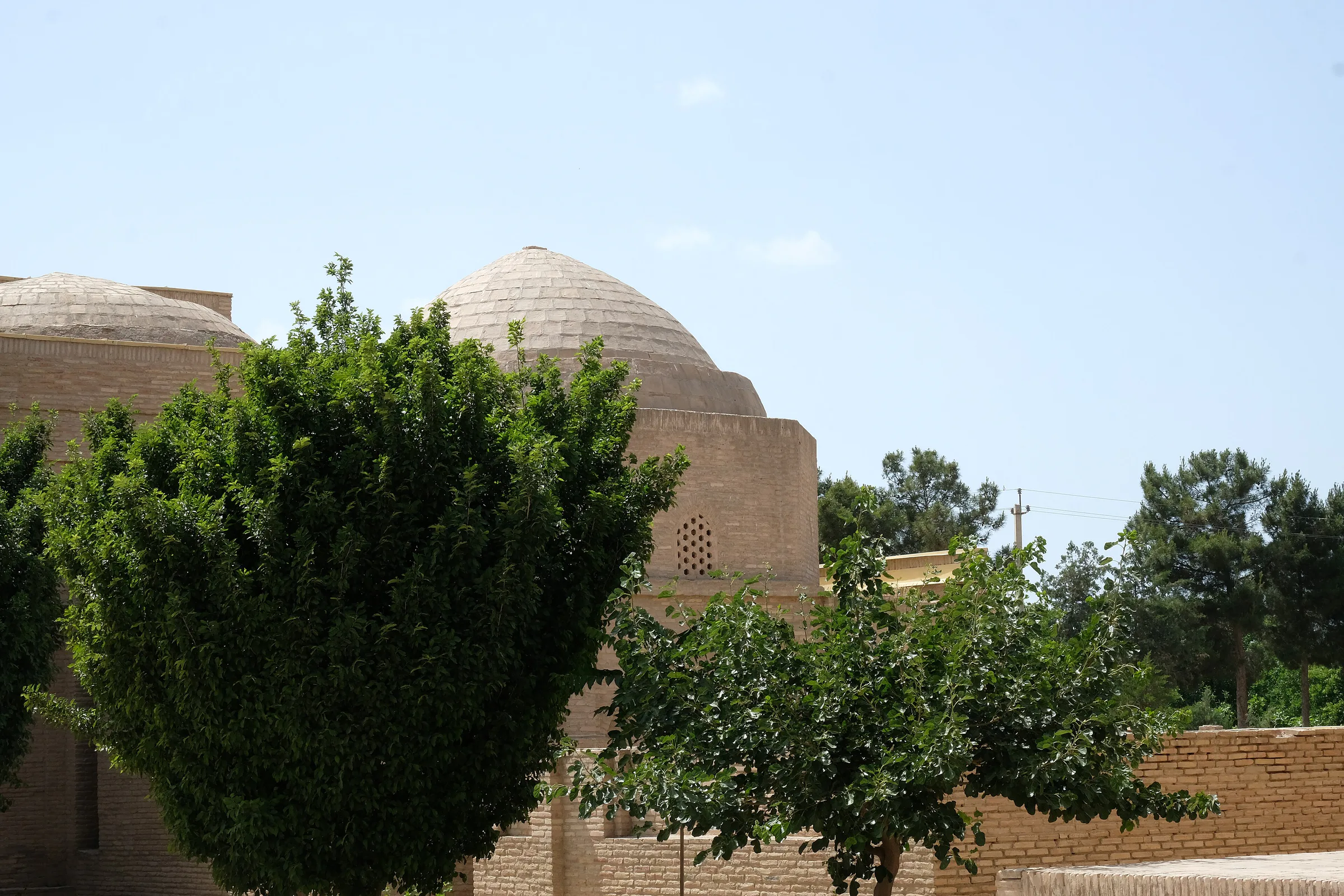
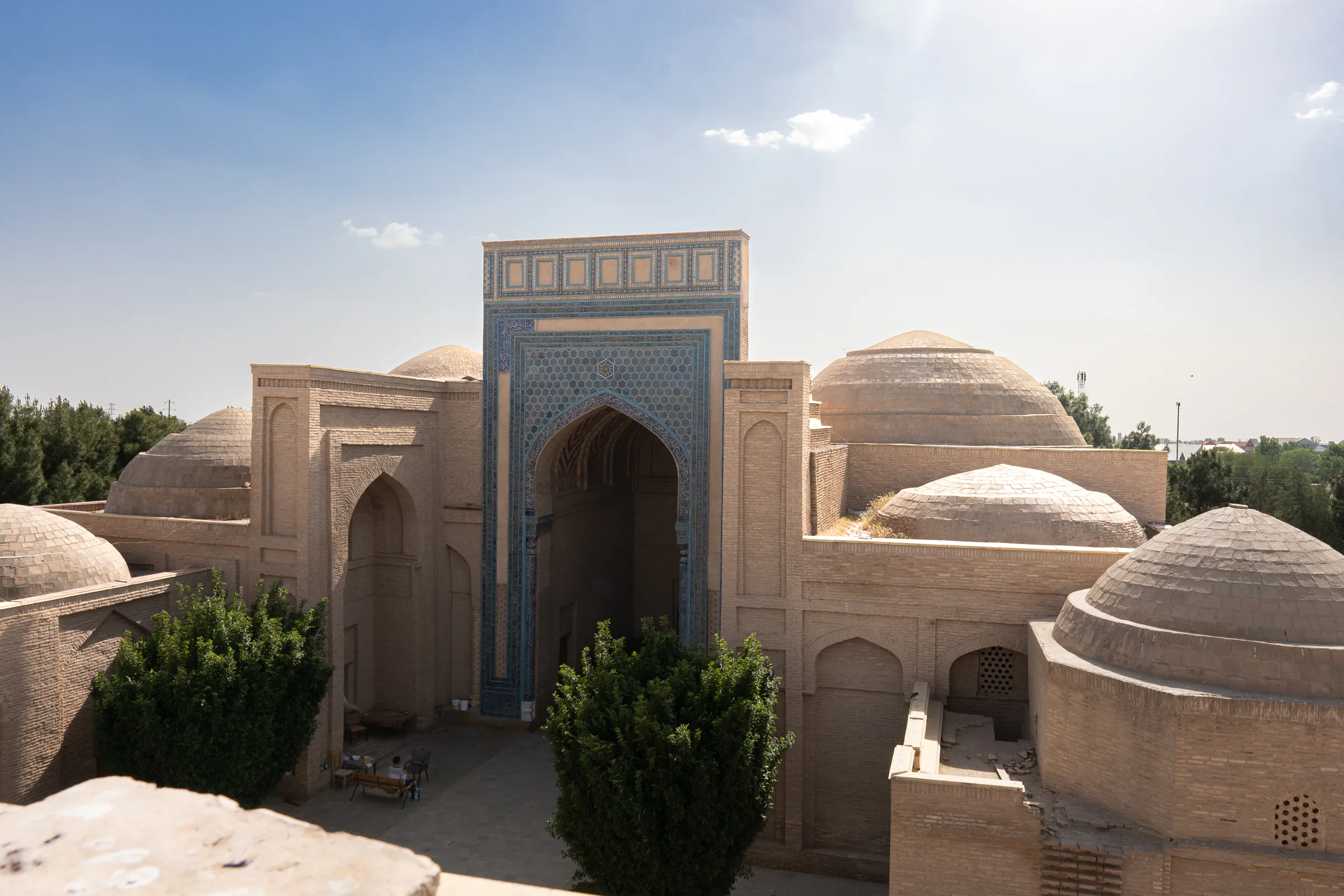
Pilgrimage site · Termez City
A ganch-carved dome and a first-haircut ritual
Fortress · Termez District
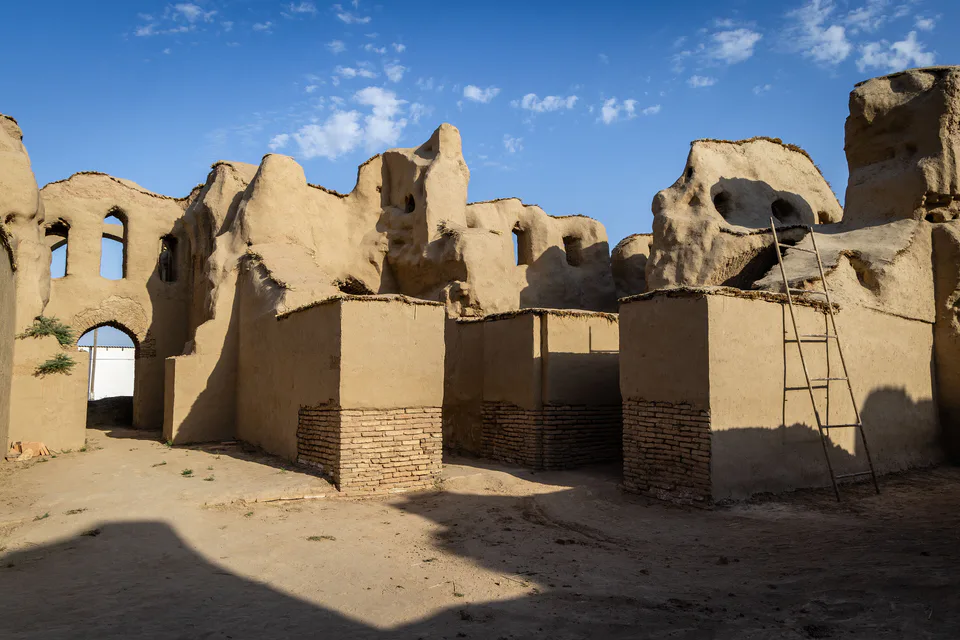
A Samanid building whose purpose remains a mystery
Pilgrimage site · Termez District
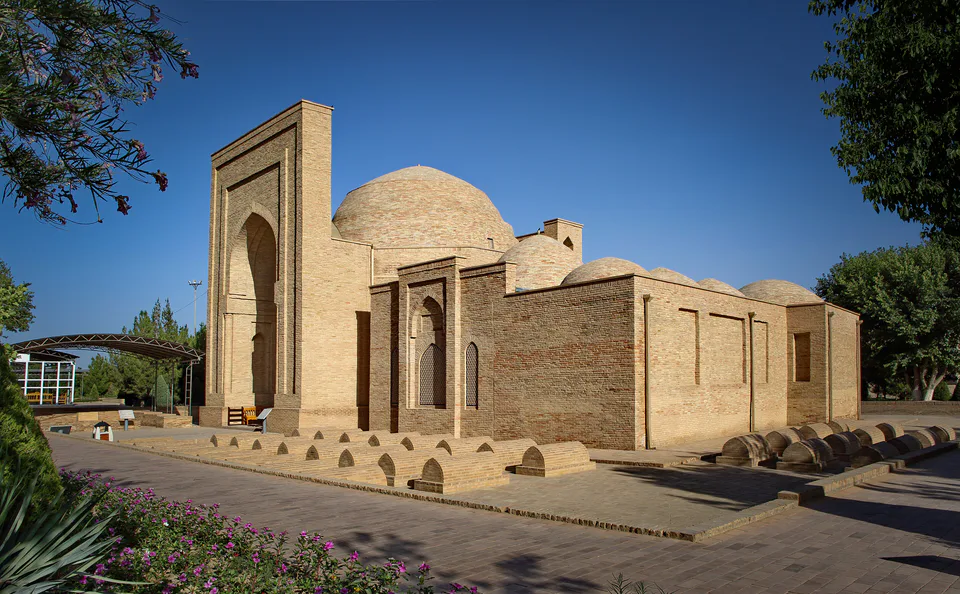
The shrine of “Termiz Ota”, the city’s patron saint
Museum · Termez City
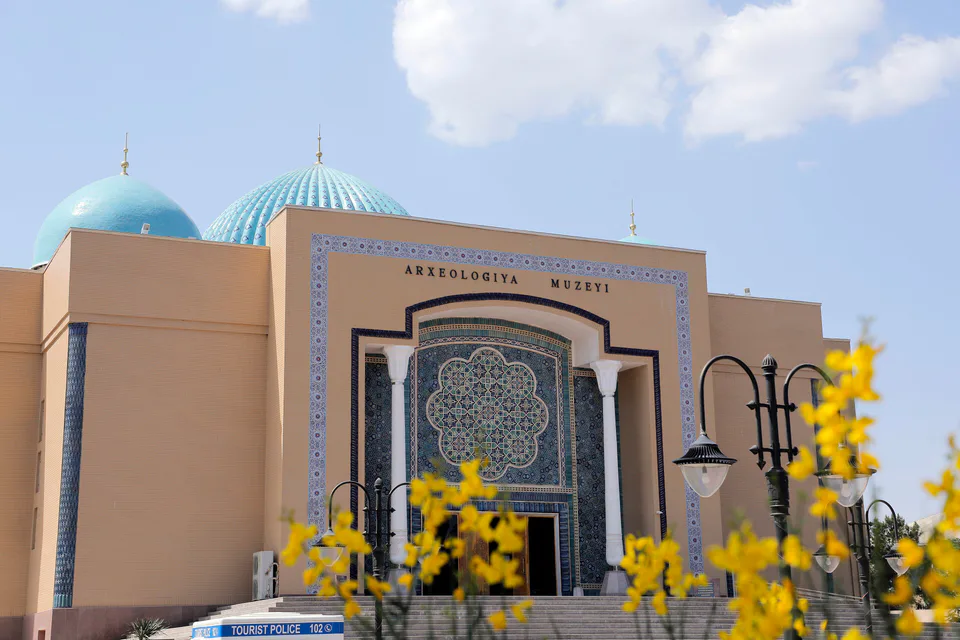
Bactrian and Kushan treasures under one roof
Archaeology · Termez District
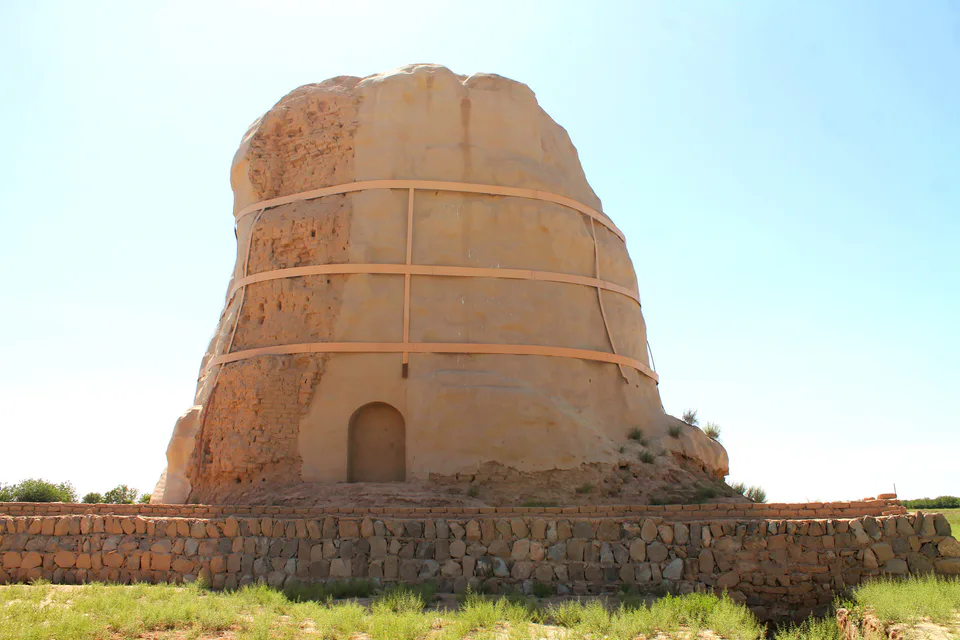
One of the oldest standing structures in Uzbekistan
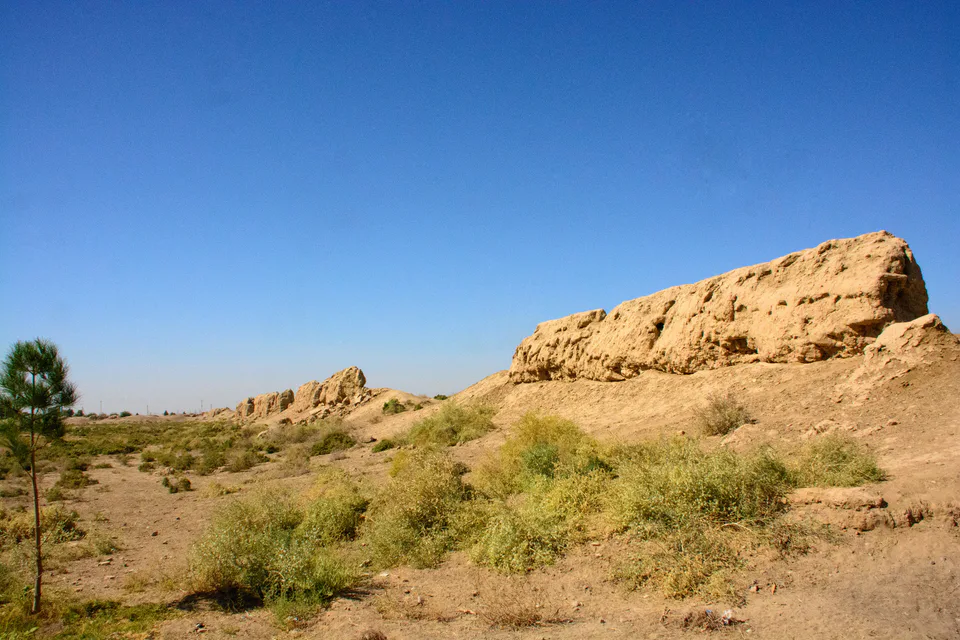
Archaeology · Termez District
The ruins of a 2,500-year-old city at an Amu Darya crossing
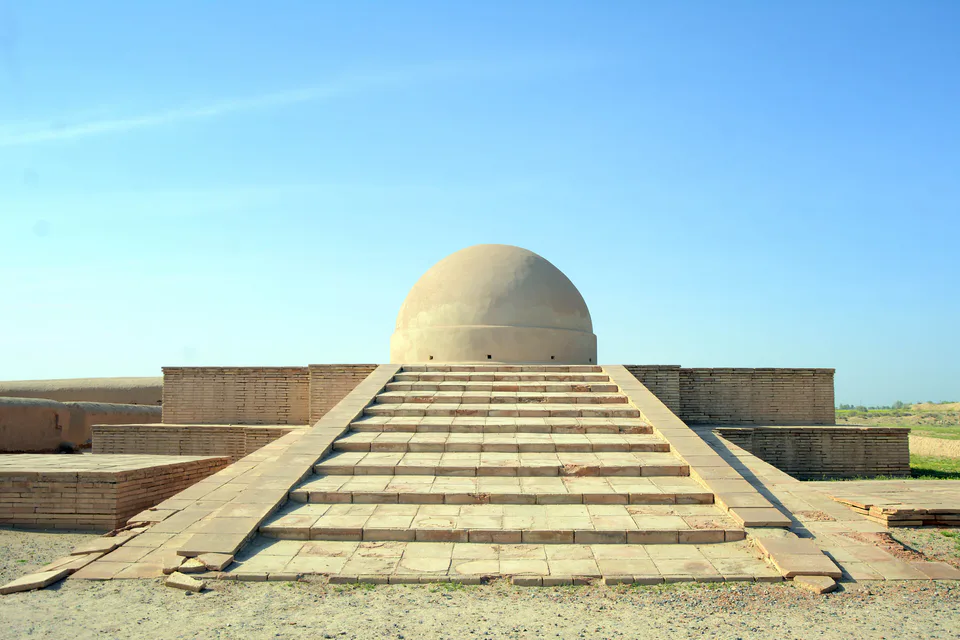
Archaeology · Termez District
A Buddha found by a shepherd and a Kushan monastery
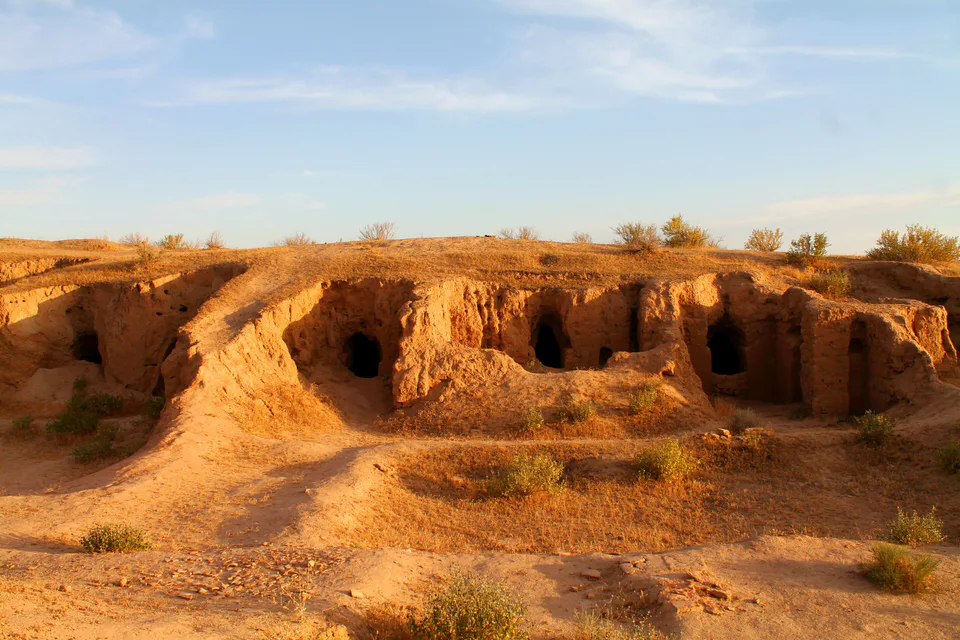
Archaeology · Termez District
Buddhist cave monasteries cut into the hills
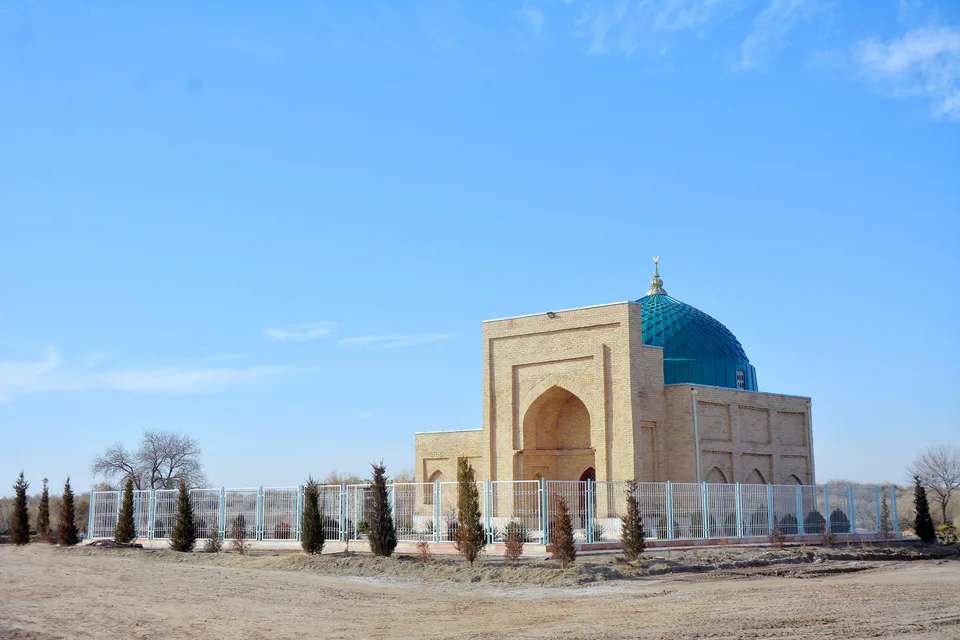
Pilgrimage site · Termez District
The shrine that named the Prophet’s Island
Archaeology · Angor District
The Kushan-era hub of the Sherobod oasis