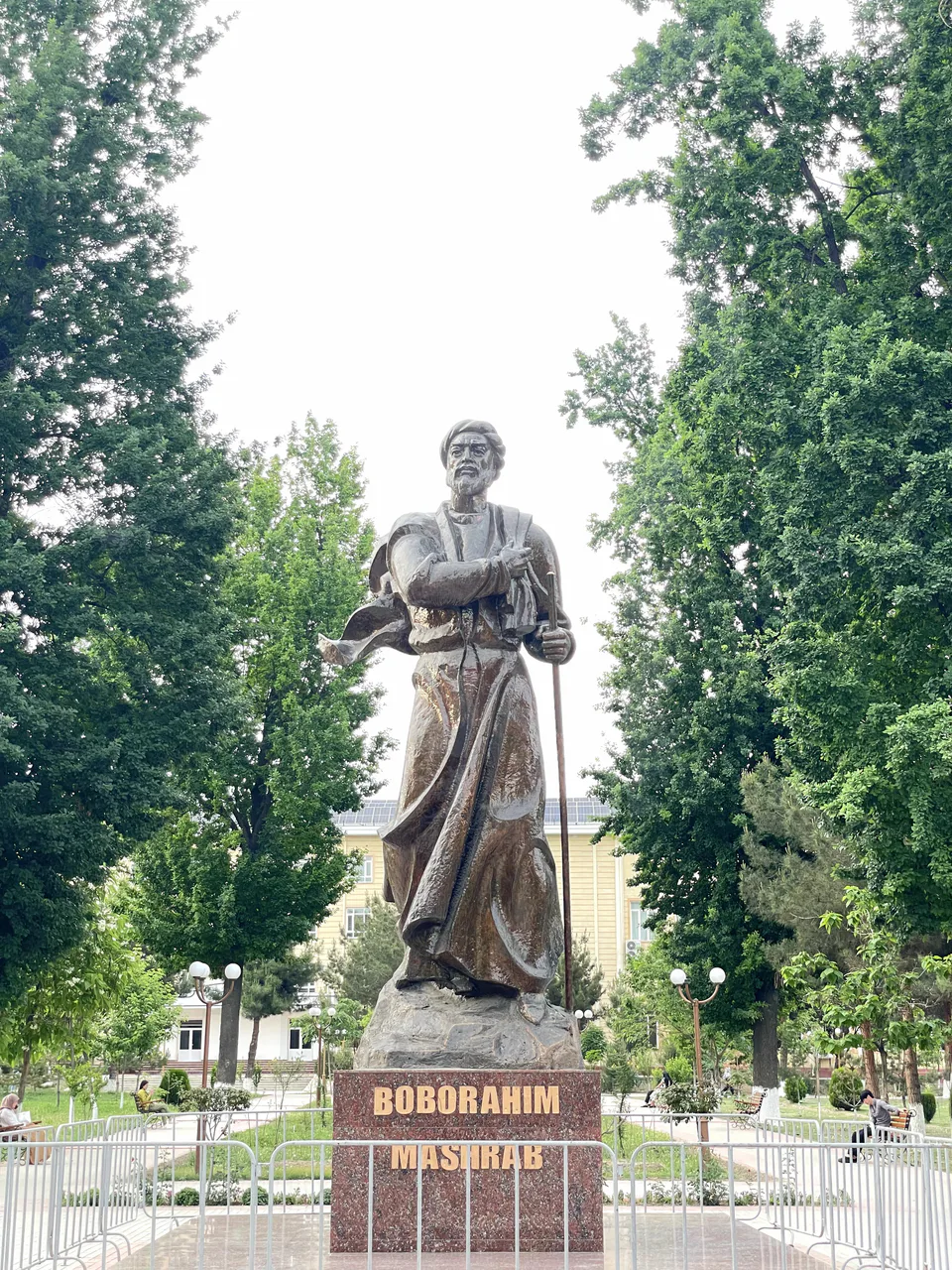
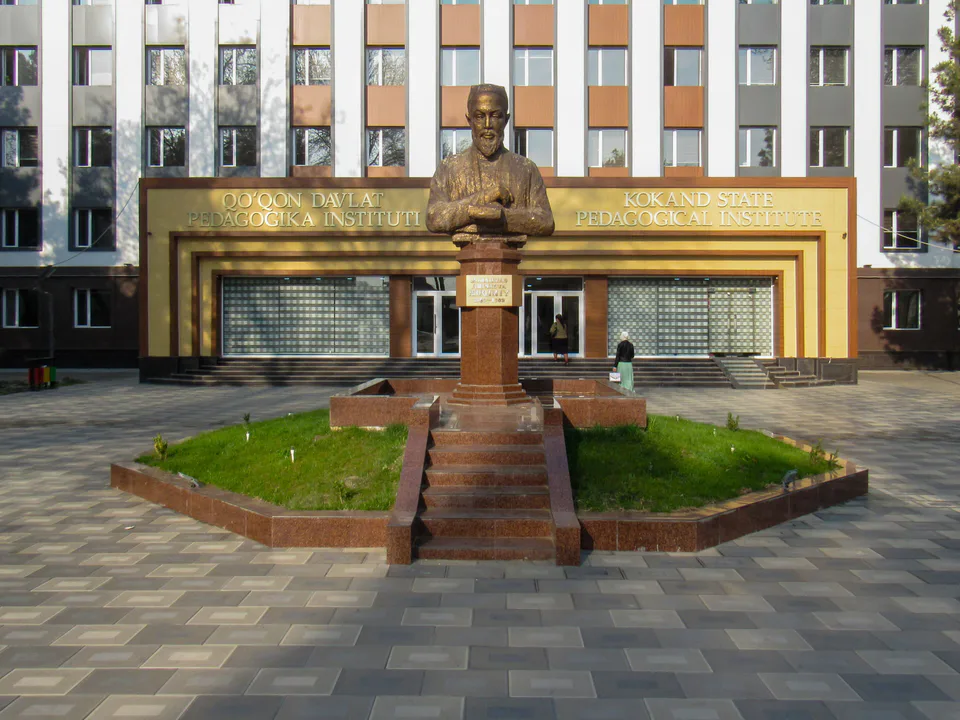
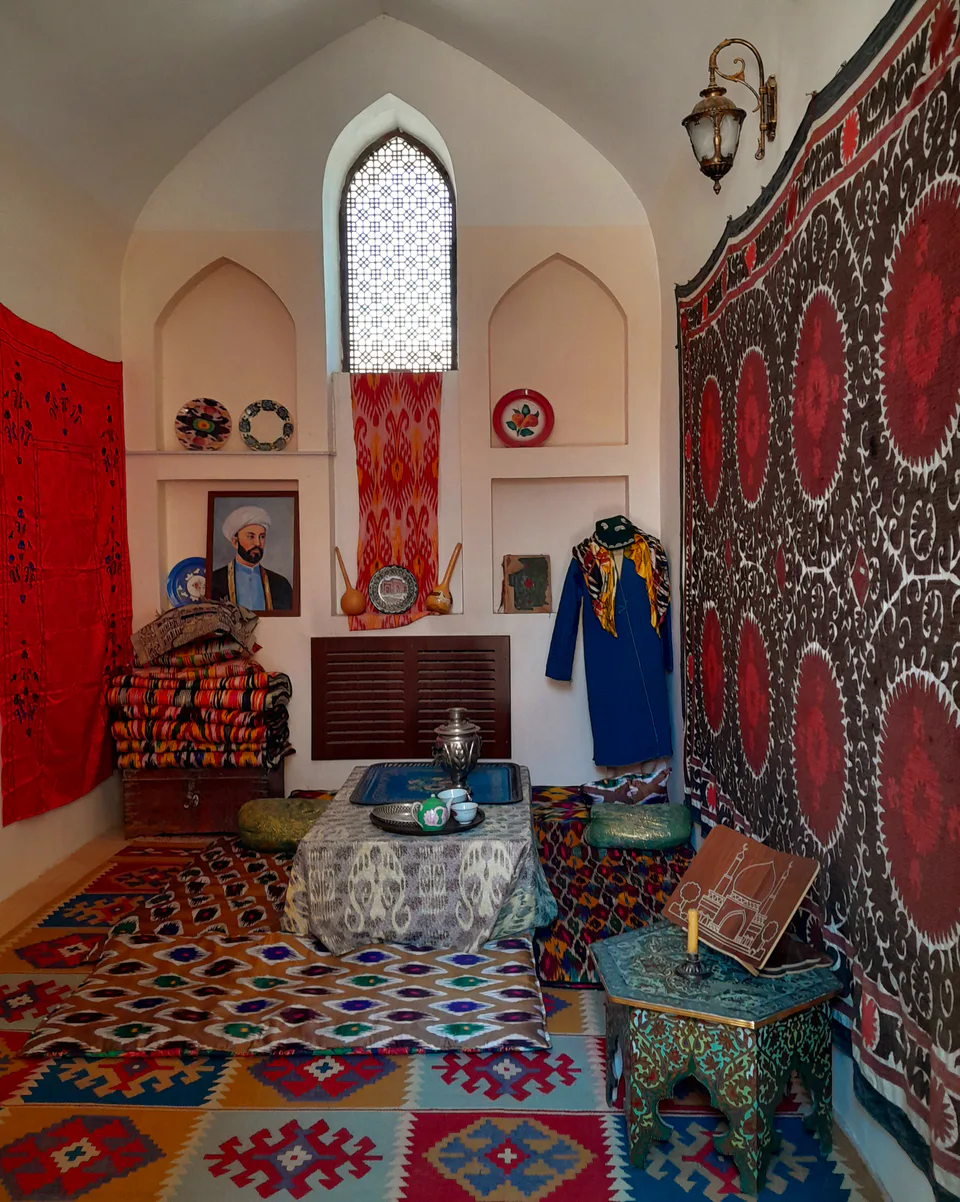
A 17th-century poet from Namangan and wandering Sufi dervish whose free-spirited verse and adventurous life became legend. He was executed in Balkh in 1711.
Boborahim, son of Mulla Vali, known as Mashrab, was born in Namangan or the nearby village of Andigan; sources give his birth year as 1640, 1653 or 1657. Much of his biography comes from legendary works such as the anonymous “Tale of Mashrab”. He studied as a youth with the Namangan scholar Mulla Bozor Okhun and, on his recommendation, went to Kashgar in 1665 to follow the famous sheikh Afaq Khoja. In 1672–1673, after a falling-out over ideas, he was expelled from Kashgar.
The dervish poet
For almost forty years Mashrab lived as a qalandar, a wandering dervish, travelling to Tashkent, Bukhara, Samarkand, Khujand, Balkh and India. His poems celebrate divine love and human dignity and attack hypocritical clerics, cruel officials and the greedy. Written in a simple, vivid language in the tradition of Navoi and Fuzuli, his ghazals passed from mouth to mouth and were sung as songs, and legends recount his wit and his fearless truth-telling before rulers. In 1711 he was executed on the orders of Mahmud Biy, ruler of Balkh; his death too is the subject of differing legends.
Remembered in Namangan
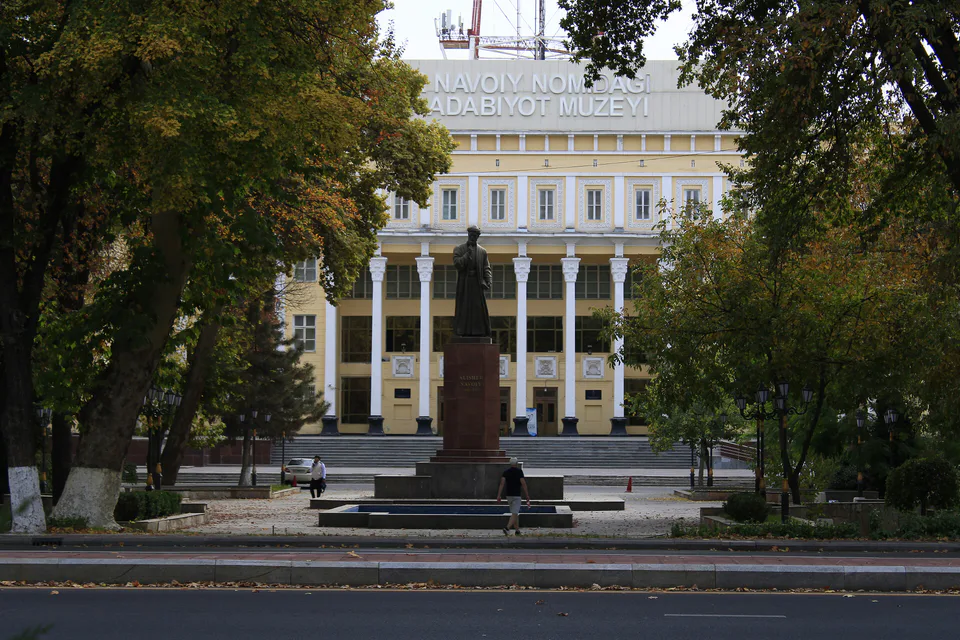
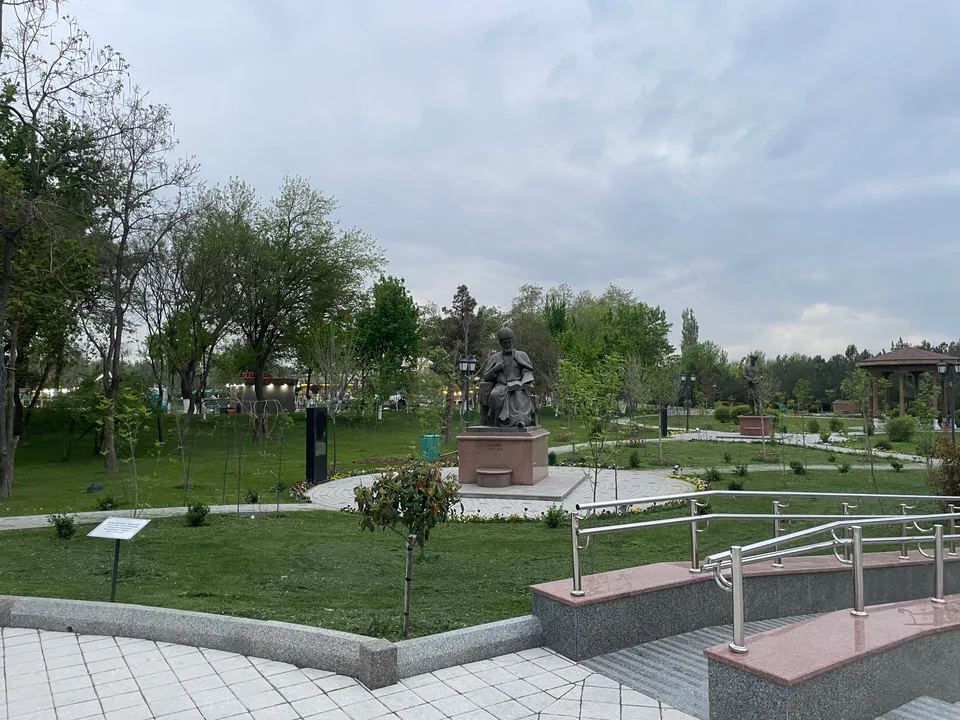
His verse survived for centuries in handwritten anthologies and in popular memory, and his divan has been published several times. On 23 May 1992 a museum and monument to the poet opened in Namangan, where a central street, a park and a cinema bear his name. In Namangan the Mashrab museum pairs well with the Mullah Kyrgyz Madrasa.
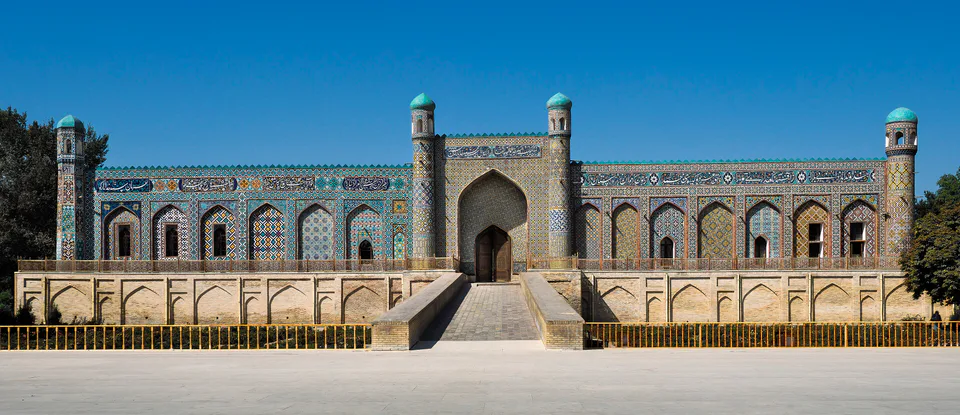
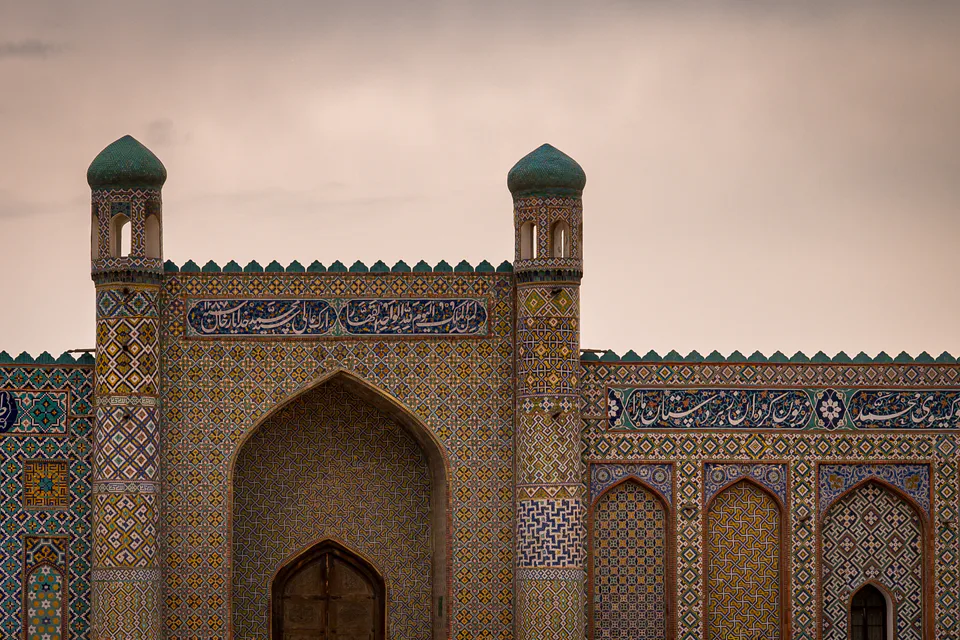
In 1709 Shahrukh Biy, chief of the Uzbek Ming tribe, took advantage of Bukhara's weakness to set up independent rule in the Fergana Valley — the beginning of the Khanate of Kokand. In 1740 Abd al-Karim Biy built a new fortress on the ruins of Eski Urda, and Kokand quickly grew into a capital. Alim Khan (1798–1810) adopted the title of khan and took Tashkent in 1809; under Umar Khan (1810–1822) court literary life flourished, with the poets Nodira and Uvaysiy. The khanate stretched along the Syr Darya into today's Kazakhstan and Kyrgyzstan. In 1876 Russia abolished it and created Fergana Oblast in its place.