Museum · Fergana
Fergana Regional Museum of Local Lore
One of the oldest museums in Uzbekistan
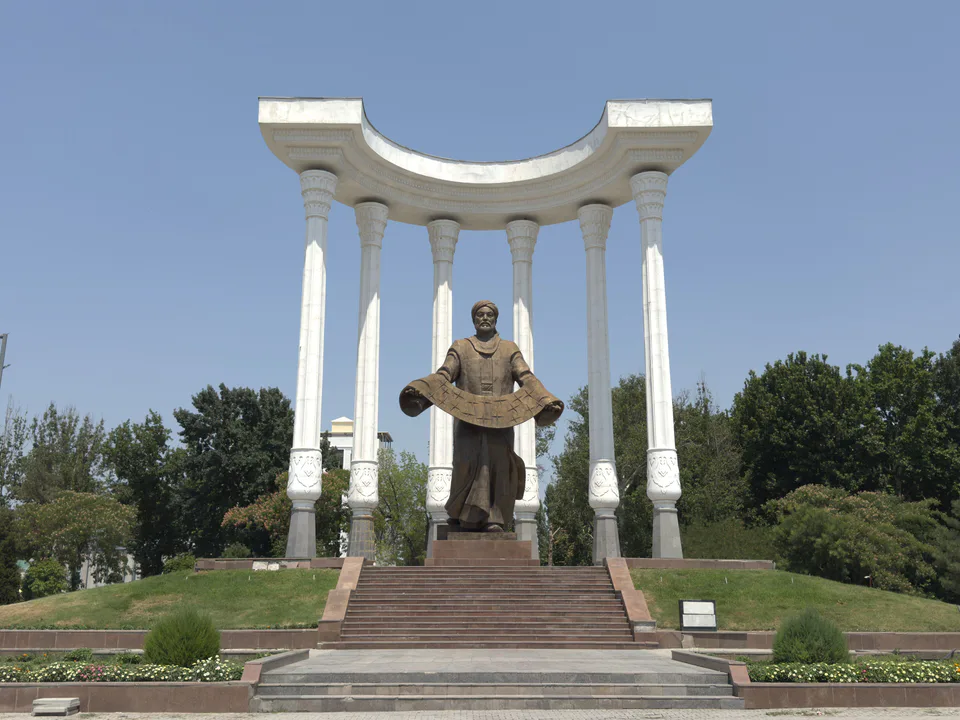
Park & garden · Fergana
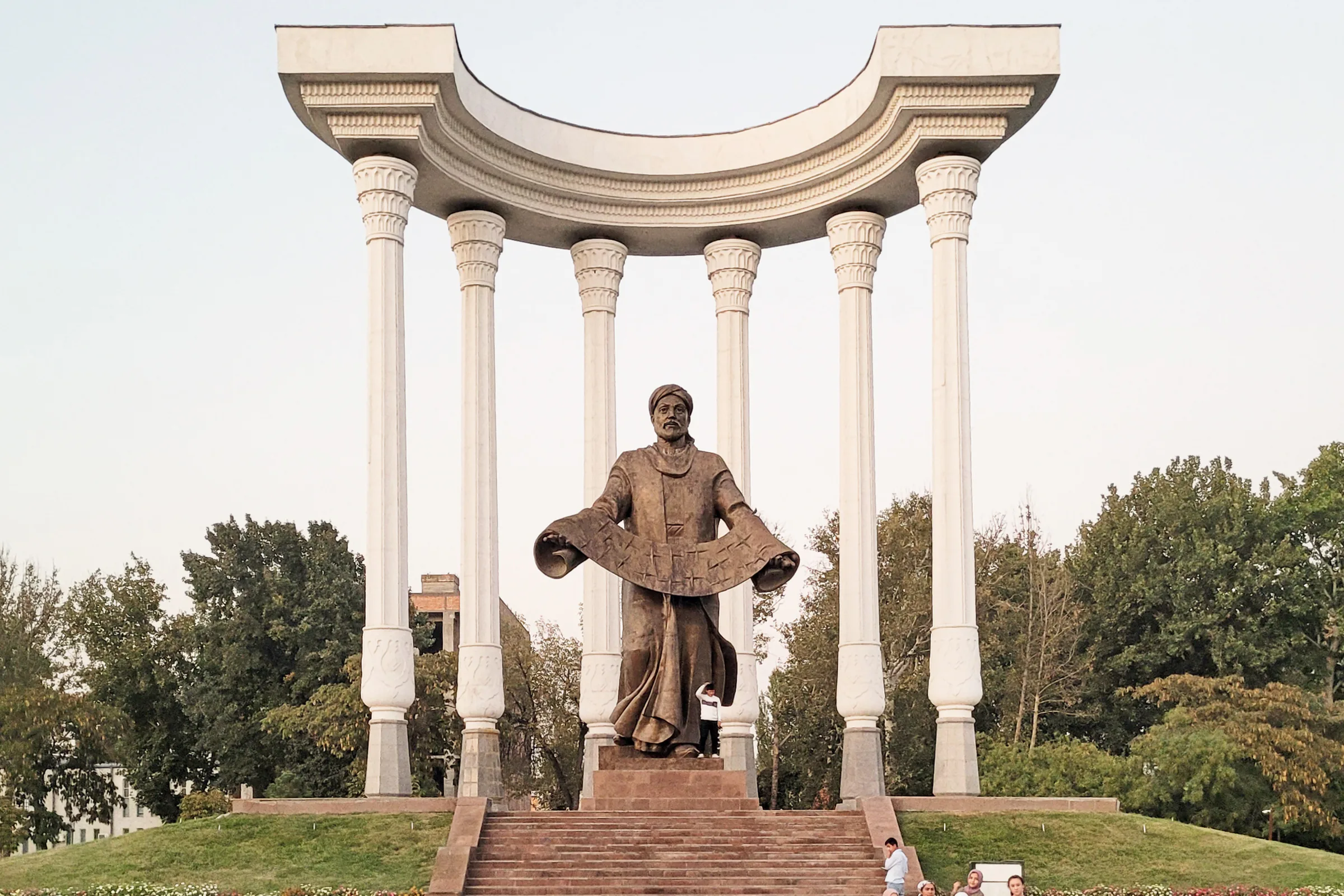
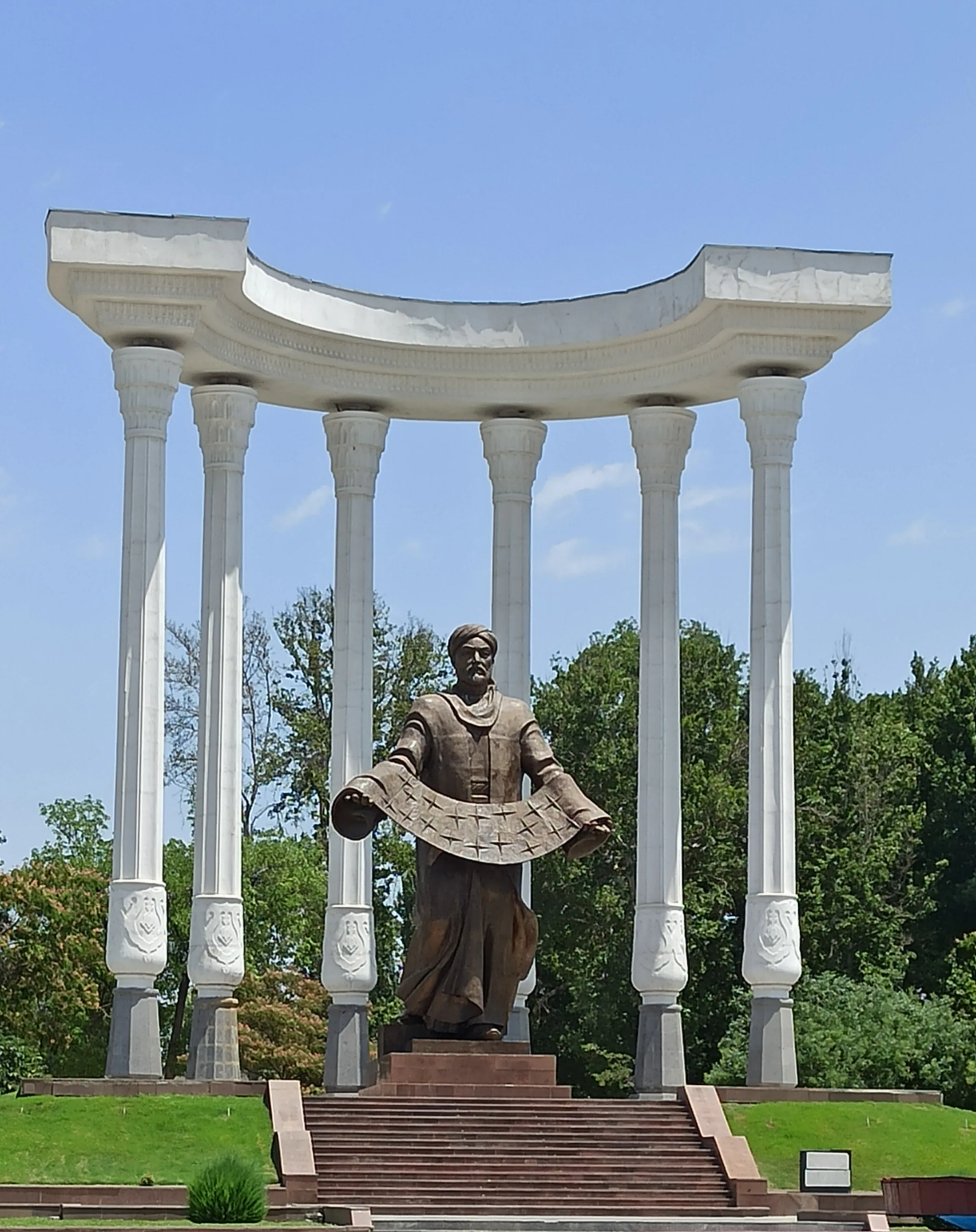
A large park in central Fergana with a memorial complex to the 9th-century astronomer Ahmad al-Farghani — the townspeople's favourite place for a stroll.
Ahmad al-Farghani Park in the centre of Fergana is a big leisure park of avenues, fountains and fairground rides; in the evenings and at weekends the whole city seems to be here. Beside it stands the Ahmad al-Farghani memorial complex, created in 1998, the year his 1,200th anniversary was celebrated. In 2019 it was added to the national list of cultural heritage as a work of monumental art.
Fergana's tradition of a city garden goes back a long way: a public garden was laid out in New Margelan as early as 1886–1887, during the Russian period. Today's central park carries on that tradition, its shady avenues offering refuge from the summer heat.
Abu al-Abbas Ahmad ibn Muhammad ibn Kathir al-Farghani (c. 800–870) was an astronomer at the Abbasid court in Baghdad and one of the best-known scientists of the 9th century, known in the West as Alfraganus. His 'Elements of Astronomy' reworked Ptolemy's Almagest with more accurate data and circulated widely in Europe in Latin translation. He took part in measuring a degree of the meridian under Caliph al-Ma'mun, and in Cairo he supervised construction of the 'New Nilometer' for gauging the Nile, completed in 861. The lunar crater Alfraganus bears his name. His nisba points to Fergana, and some scholars believe he was born in Kuva.
Museum · Fergana
One of the oldest museums in Uzbekistan
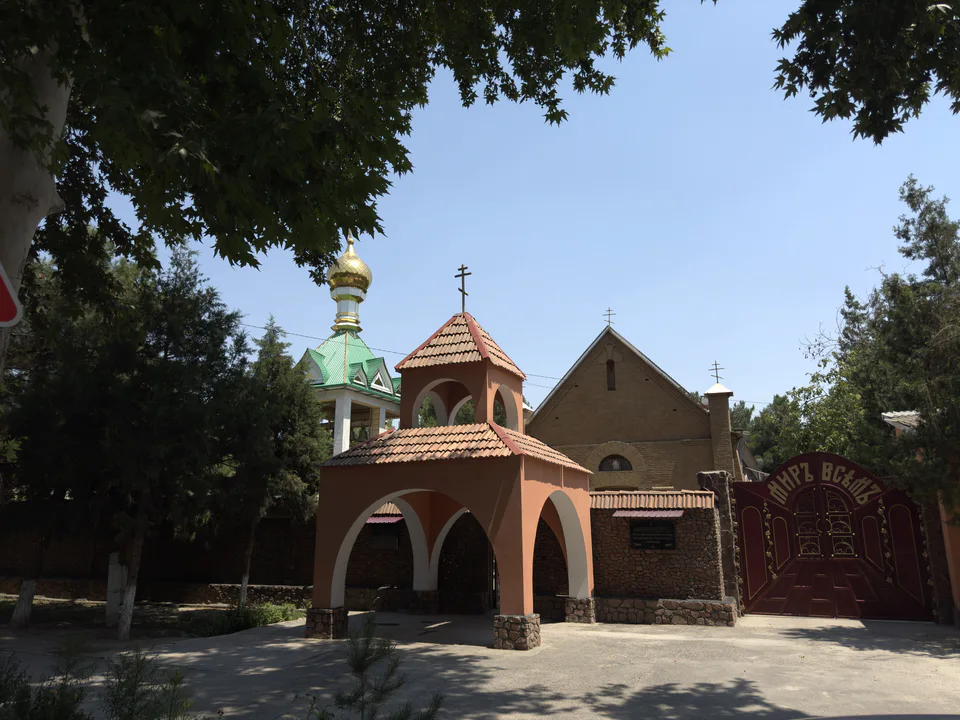
Temple & church · Fergana
Fergana's Orthodox church
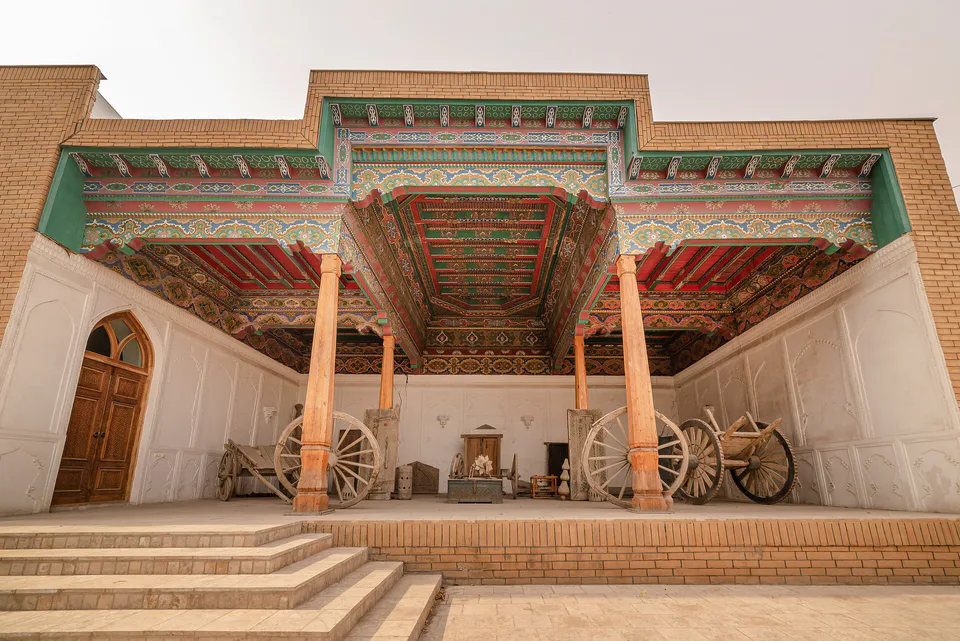
Madrasa · Margilan
Where Margilan's craftsmen work
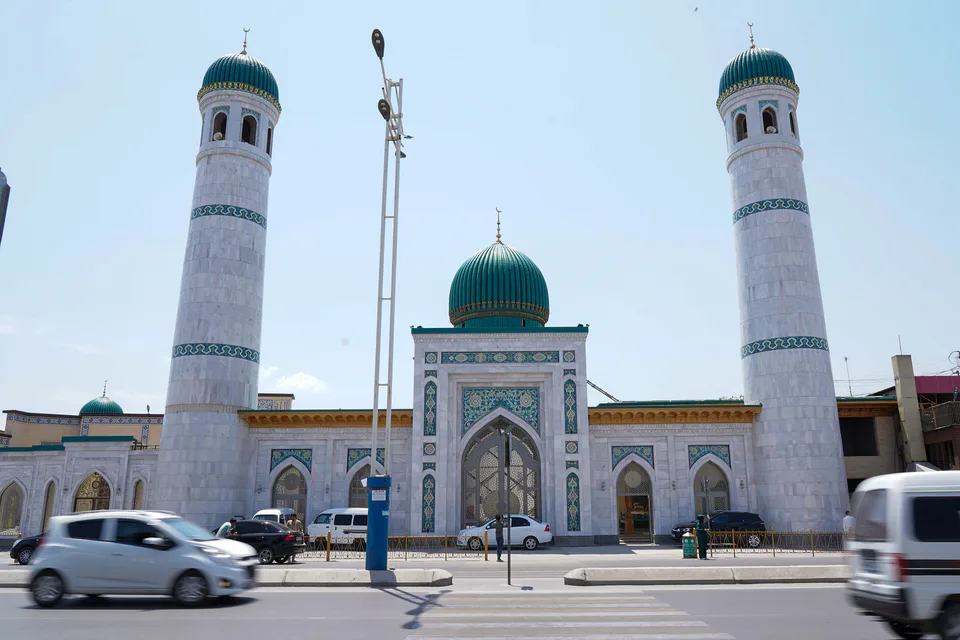
Mosque · Margilan
Margilan's main Friday mosque
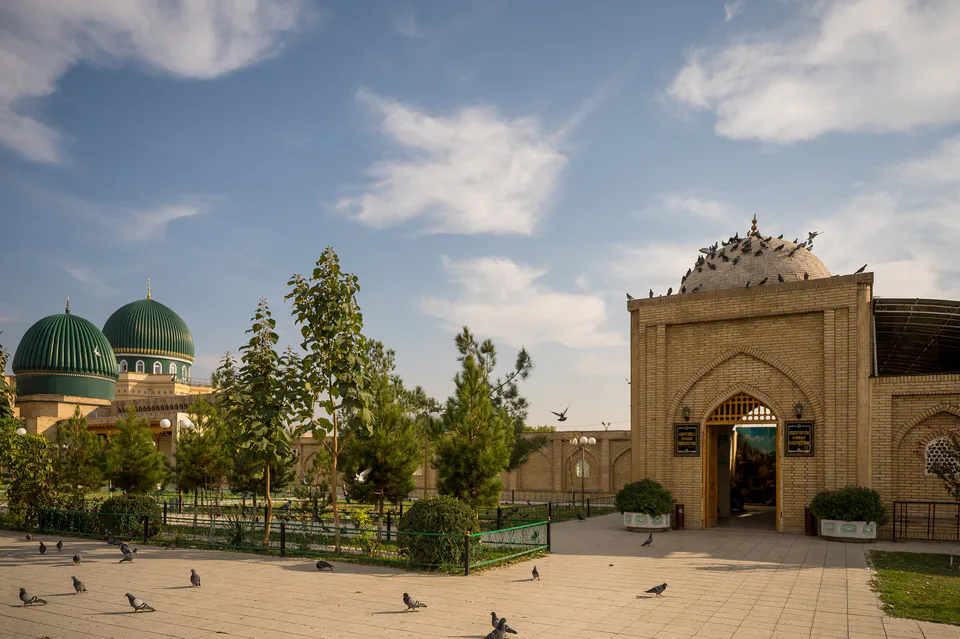
Pilgrimage site · Margilan
The saint who was saved by pigeons
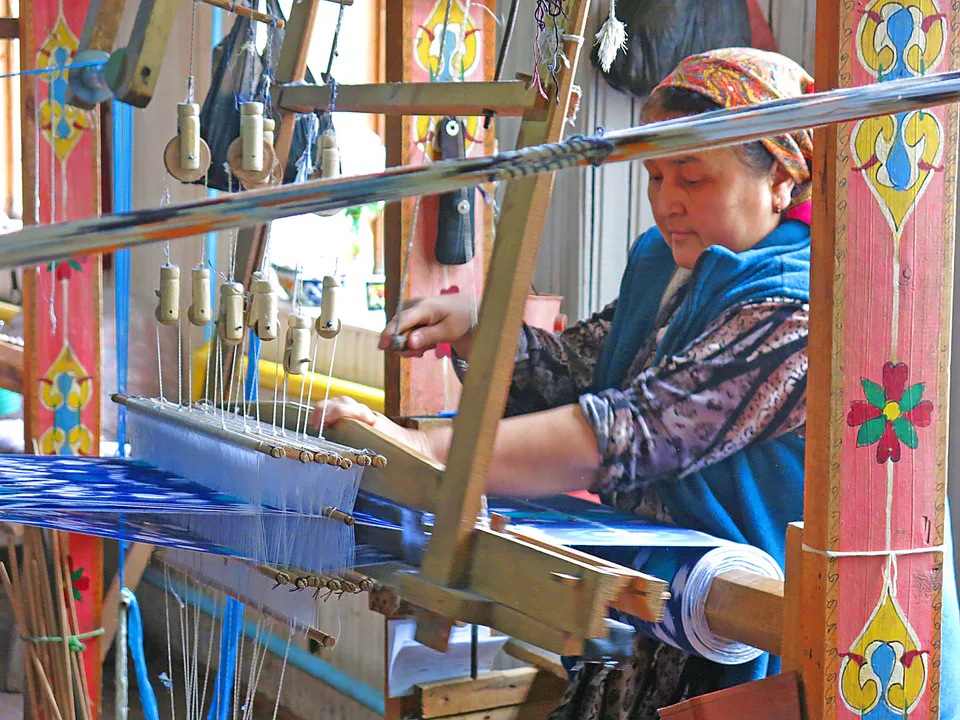
Culture & arts · Margilan
From cocoon to ikat under one roof
Bazaar · Qoshtepa District
A traditional valley market near Margilan
Archaeology · Quva District
The ruins of Kuba and its Buddhist temple