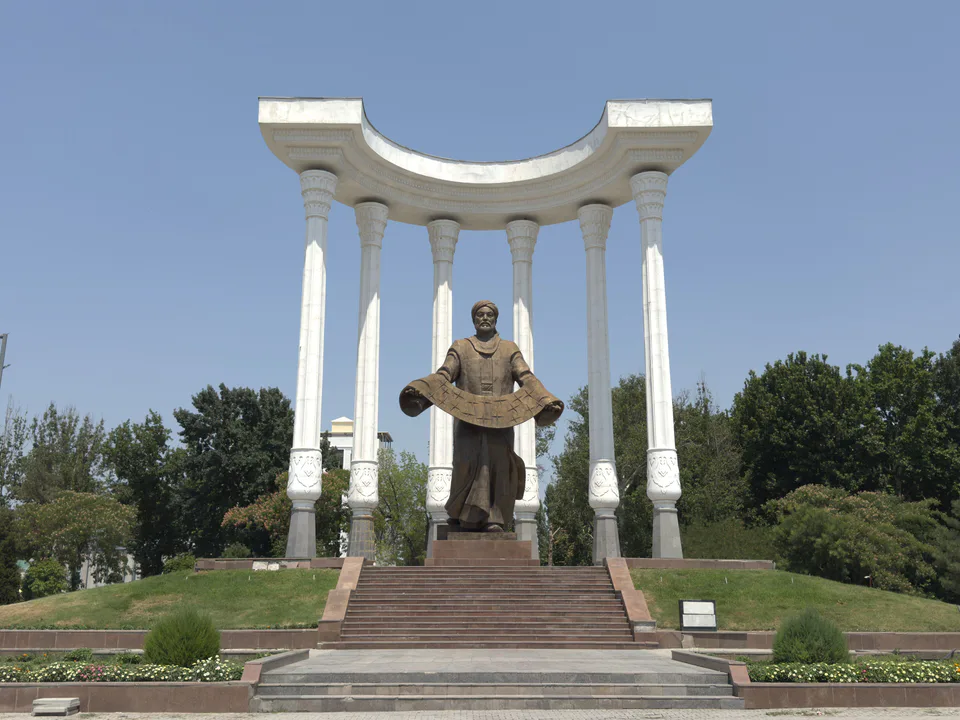
Park & garden · Fergana
Ahmad al-Farghani Park
A city park named after an astronomer
Archaeology · Quva District
One of the oldest towns in the Fergana Valley: the ruins of Kuba, the valley's second city in the 10th century, and the site of a 7th–8th-century Buddhist temple.
Kuva is one of the valley's oldest towns, its origins dated by archaeologists to the 3rd century BC. It stood on the ancient caravan road linking Fergana with Kashgar. As Kuba it appears in the Hudud al-'Alam and in the works of the Arab geographers al-Istakhri, Ibn Hawqal and al-Muqaddasi: in the 10th century the city comprised a citadel, a shahristan and a rabad, enclosed by walls with towers and gates, and in Fergana it was second in size only to Akhsikath. In 739 Nasr ibn Sayyar, governor of Khorasan and Transoxiana, is recorded as besieging Kuva. The city was destroyed in the Mongol invasion of the early 13th century, but its ruins survive.
Excavations in 1956–1958 uncovered a Buddhist temple of the 7th–8th centuries in the rabad. It stood on a solid platform 3.6 metres high and was destroyed during the Arab conquest. Fragments of clay statues of the Buddha and Buddhist deities came from the temple, along with many everyday objects — proof that Buddhism also had a following in pre-Islamic Fergana.
The archaeological zone in the centre of Kuva lies beside the town park, close to a monument to Ahmad al-Farghani: the 9th-century astronomer's name points to Fergana, and some scholars believe he was born in Kuva itself. To the untrained eye the ruins are little more than mounds and wall stumps, so come with a guide or look at the finds in the Fergana museum first.
Park & garden · Fergana
A city park named after an astronomer
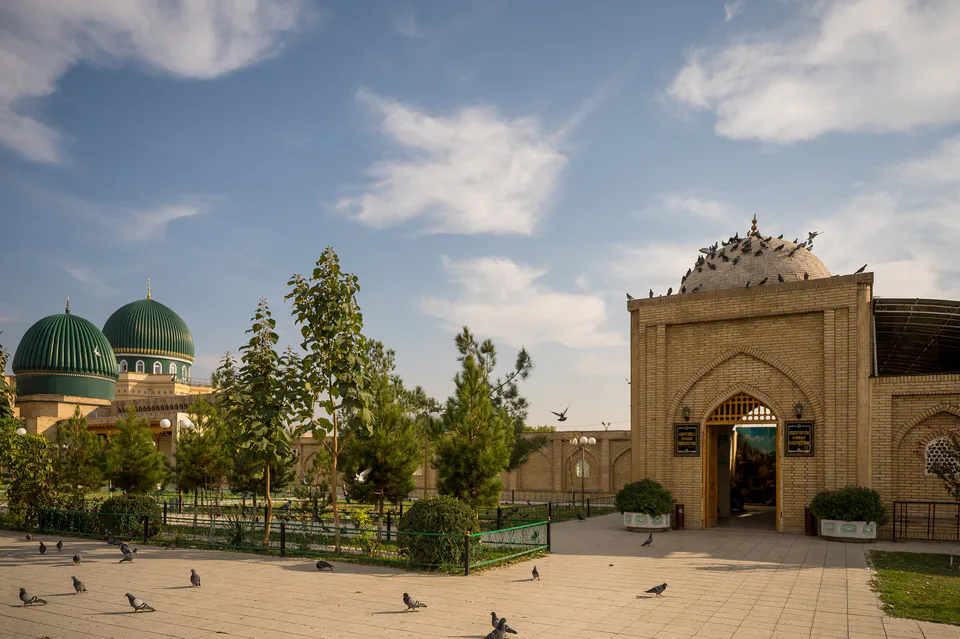
Pilgrimage site · Margilan
The saint who was saved by pigeons
Museum · Fergana
One of the oldest museums in Uzbekistan
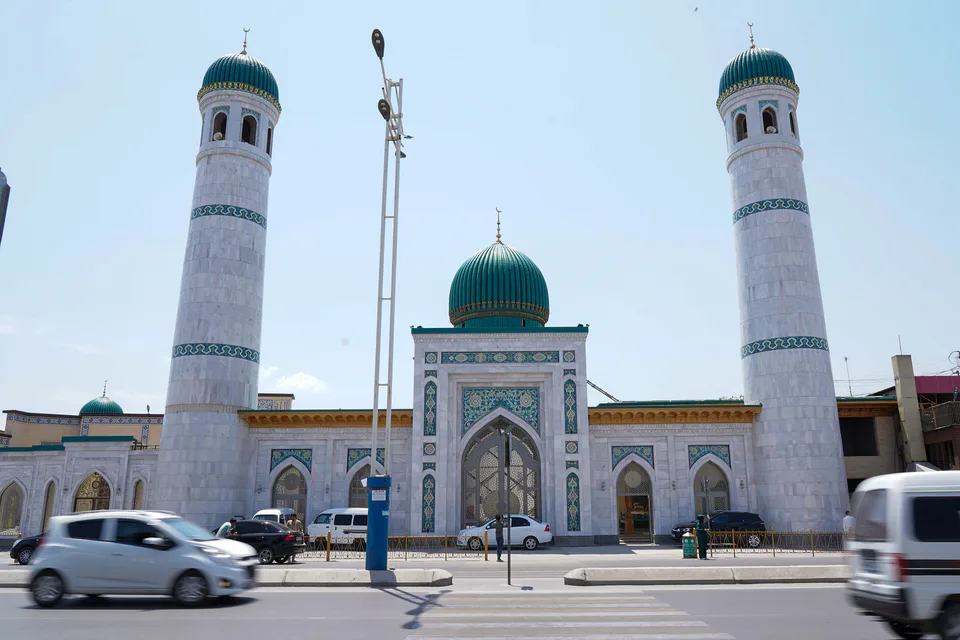
Mosque · Margilan
Margilan's main Friday mosque
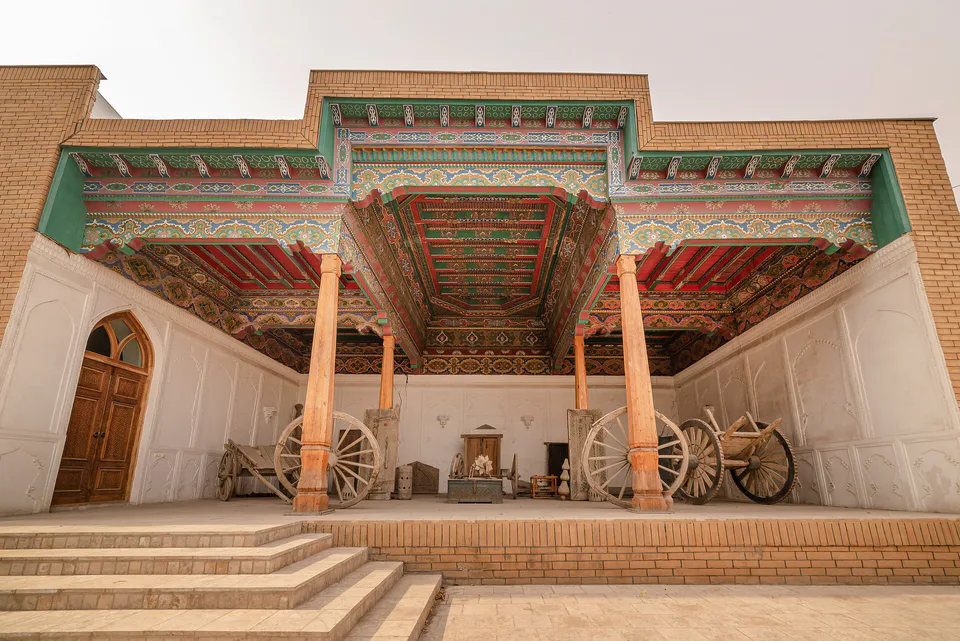
Madrasa · Margilan
Where Margilan's craftsmen work
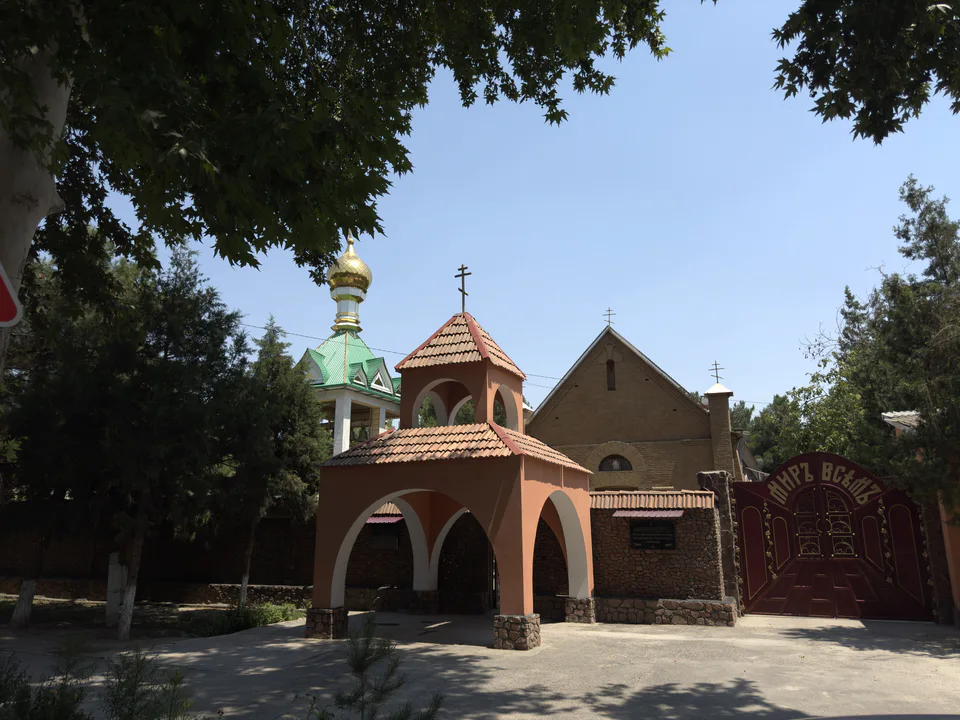
Temple & church · Fergana
Fergana's Orthodox church
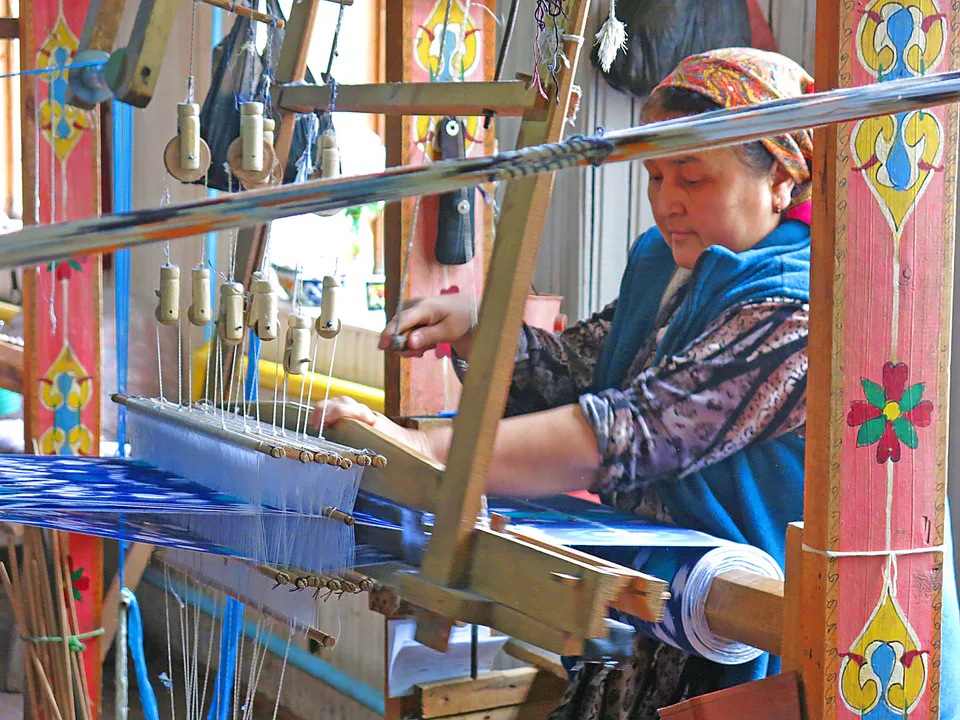
Culture & arts · Margilan
From cocoon to ikat under one roof
Bazaar · Qoshtepa District
A traditional valley market near Margilan