The first human traces
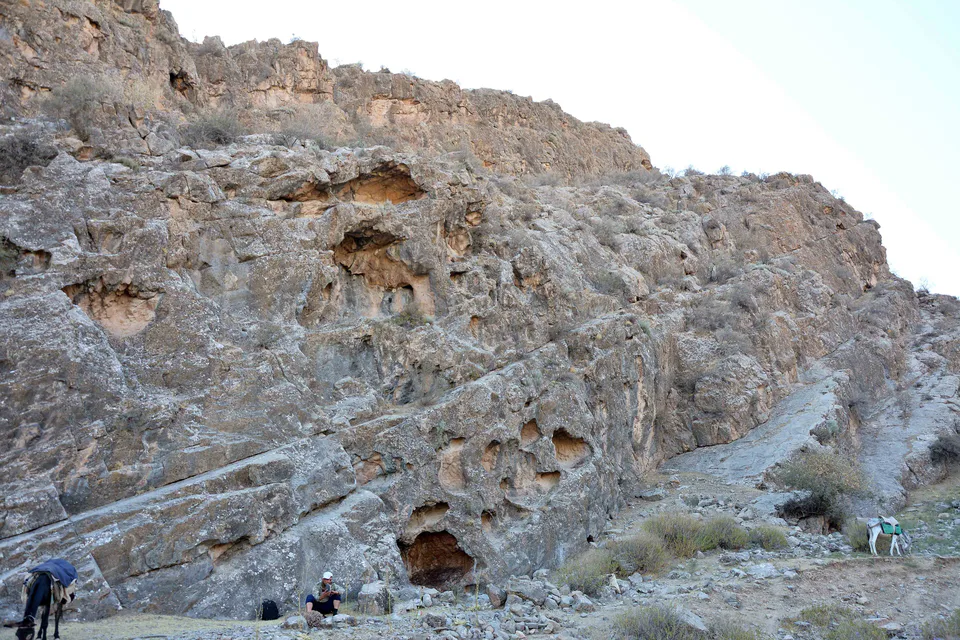
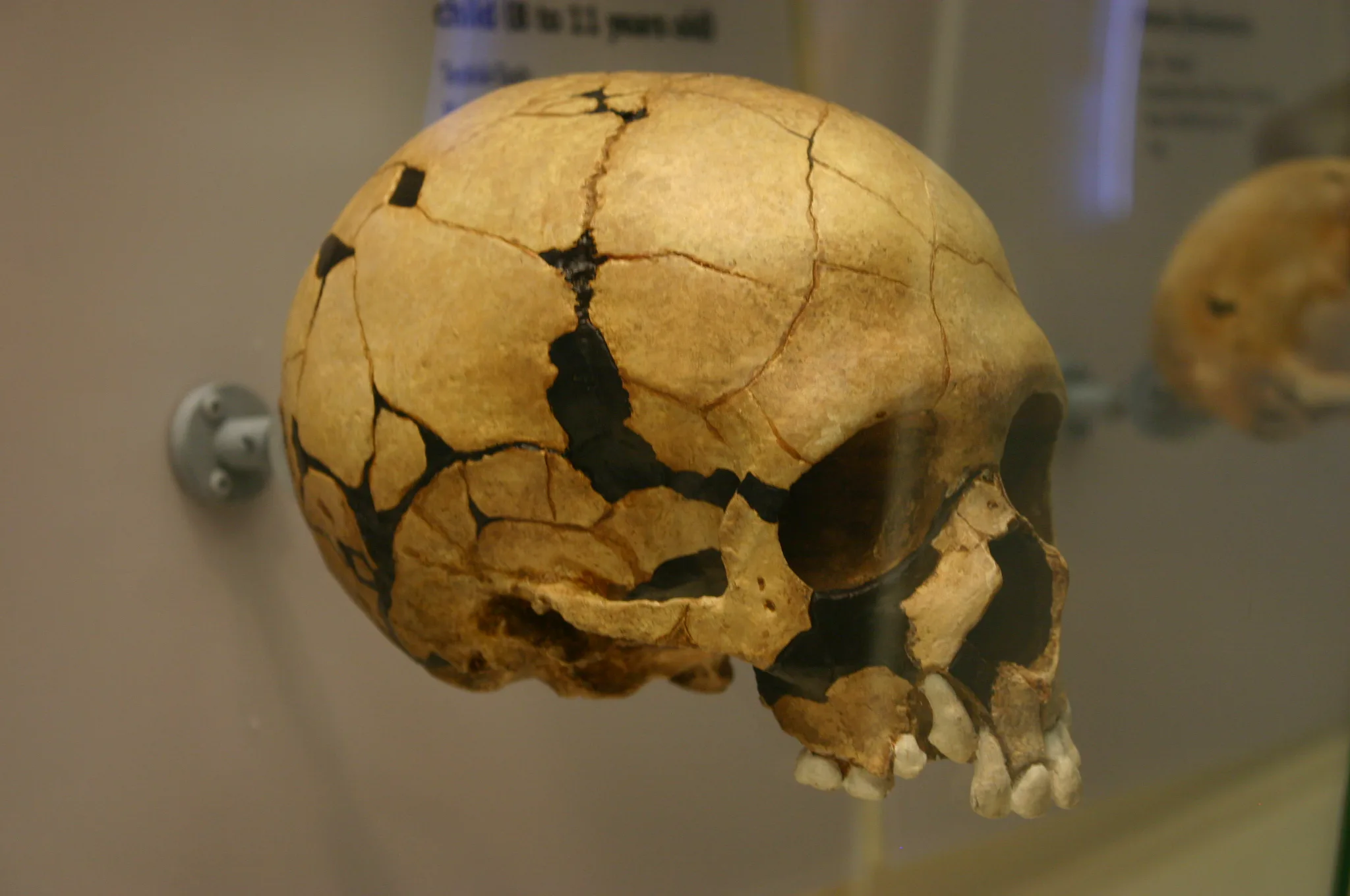
Uzbekistan's foothills and river valleys have drawn people since remote antiquity. The lowest layers at Kulbulak in the Akhangaran valley belong to the Lower Palaeolithic (Acheulean) and rank among the oldest human traces in the region. The Middle Palaeolithic, the age of the Neanderthals, is especially well documented. In 1938–1939 Alexey Okladnikov found the burial of a Neanderthal child ringed by ibex horns in Teshik-Tash cave in the Baysuntau mountains — the first such find in Central Asia. At Obi-Rakhmat grotto in Bostanliq district, hunters camped again and again over tens of thousands of years; its layers date to roughly 80,000–40,000 years ago.
These people made stone tools, hunted ibex, wild horse and deer, and used fire. Other Surkhandarya sites, such as the Amir Temur and Machai caves, help reconstruct their way of life.
Mesolithic and Neolithic: rock art and fishers
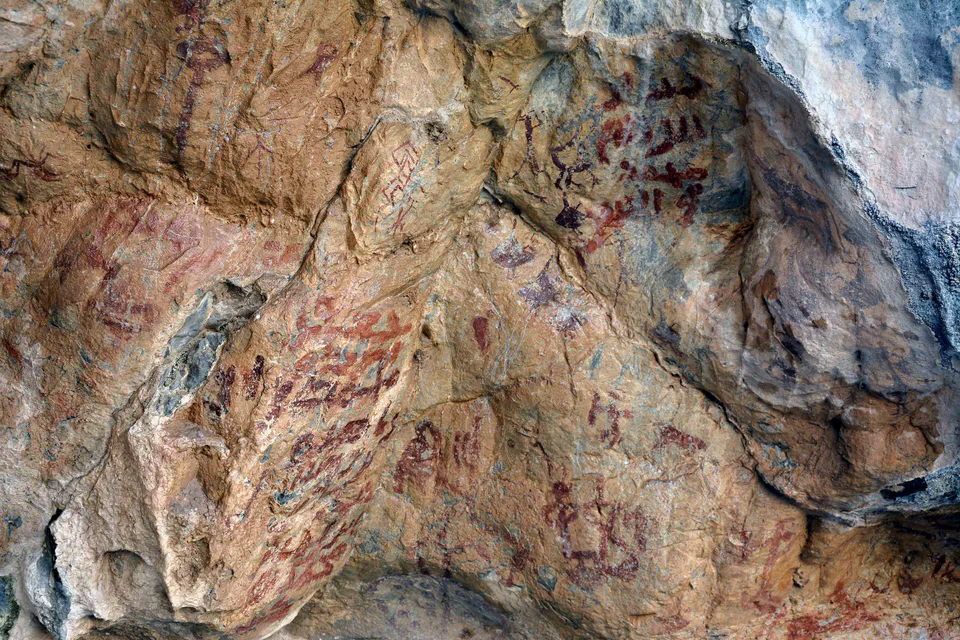
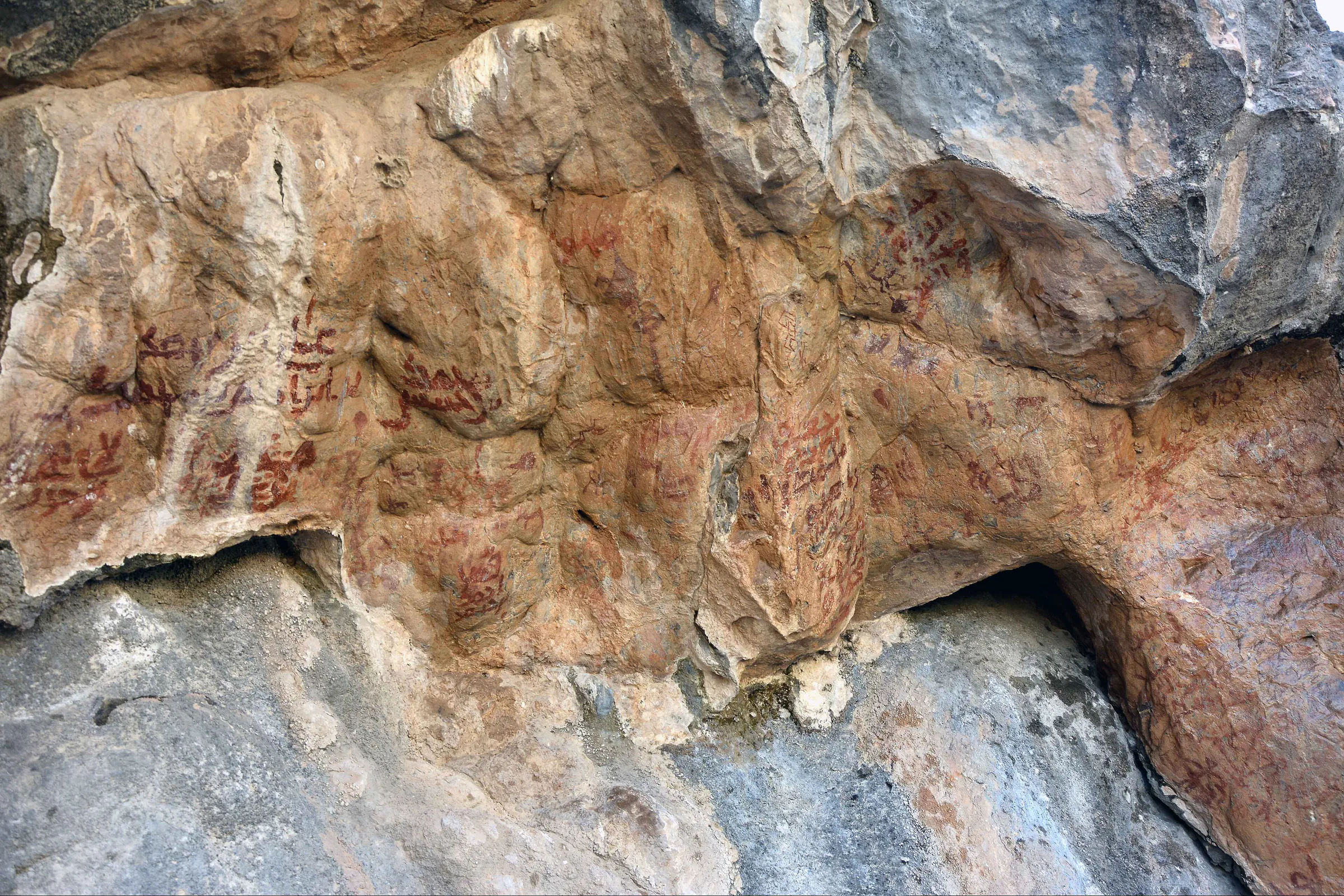
After the Ice Age, hunters took up the bow and arrow and tiny flint tools. In the Zaraut-Sai gorge of Sherabad district, scenes painted in red ochre show hunters in bird-like disguises surrounding wild bulls; estimates of their age range from the Mesolithic to the Neolithic. In the Sarmishsay gorge in Navoiy Region thousands of petroglyphs were pecked into the rock, from the Stone Age to the Middle Ages.
In the Neolithic (6th–4th millennium BC) the Kelteminar culture flourished in the Amu Darya and Zeravshan deltas and on the edges of the Kyzylkum: its people built large reed houses for a whole clan, fished, and made pottery by hand.
The Bronze Age: early farmers and strongholds
In the 3rd–2nd millennium BC irrigated farming took hold in southern Uzbekistan. Sapallitepa in Surkhandarya is a square fortress ringed by three walls, while neighbouring Djarkutan was a proto-town with a temple and palace; both form the northern part of the Bactria–Margiana Archaeological Complex. The lower Zeravshan had its Zamanbaba culture, Khorezm its Tazabagyab culture, and herding tribes roamed the steppe.
In the Fergana Valley the Chust culture thrived in the late Bronze and early Iron Age (c. 1500–900 BC), growing millet, barley and wheat, making painted pottery and walling some settlements. By the early 1st millennium BC the stage was set for the first cities and states.
Where to see it
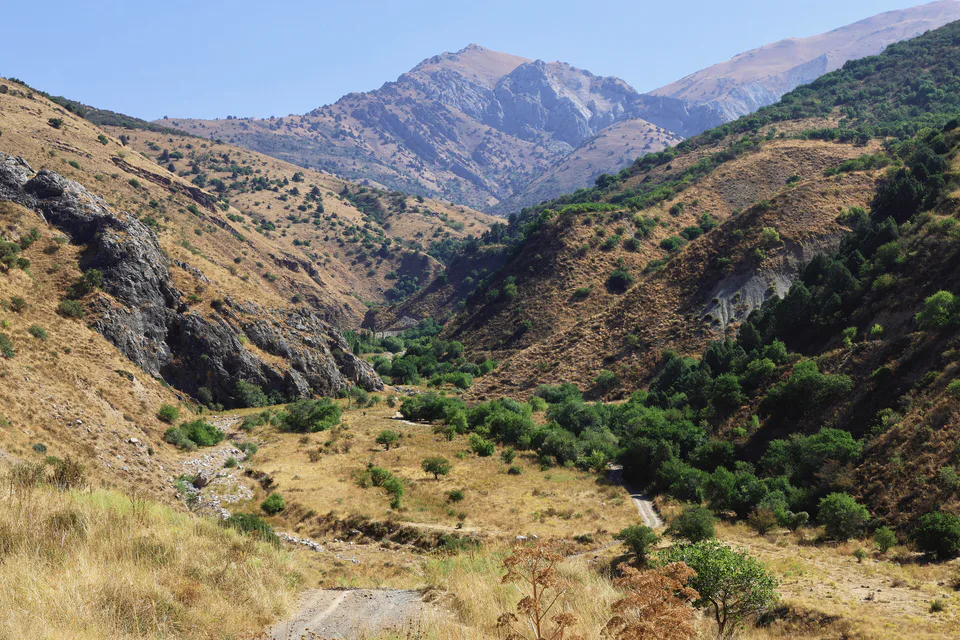
The richest collections of Stone and Bronze Age finds are in the State Museum of History of Uzbekistan in Tashkent and the Termez Archaeological Museum. The Sarmishsay petroglyphs make an easy day trip from Navoiy, while Zaraut-Sai and Teshik-Tash lie in remote mountain gorges best visited with a local guide.