Nature · Bostanliq District
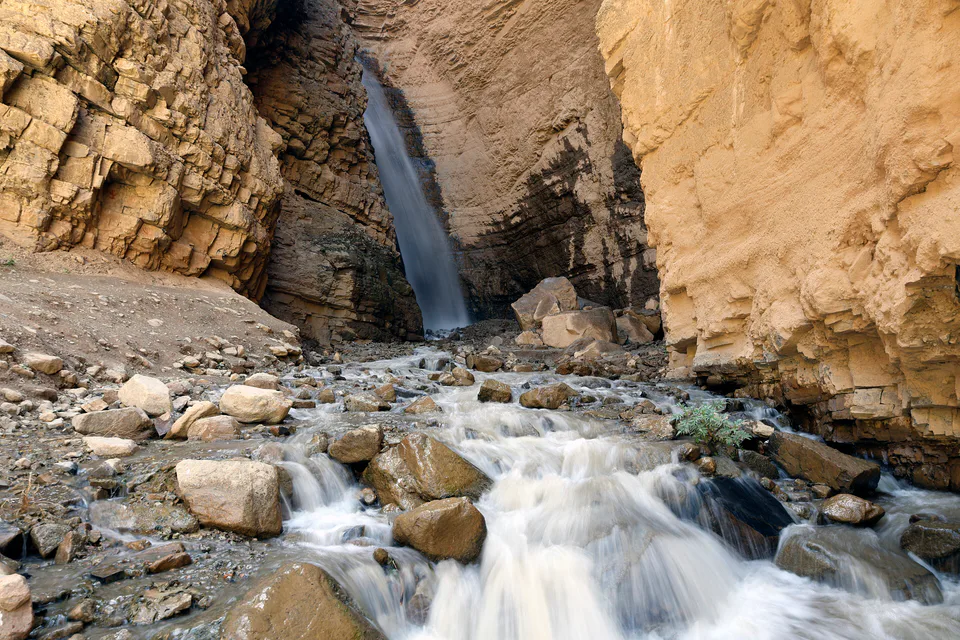
Paltau Valley and Waterfall
A waterfall among the rocks and birch groves
Archaeology · Bostanliq District
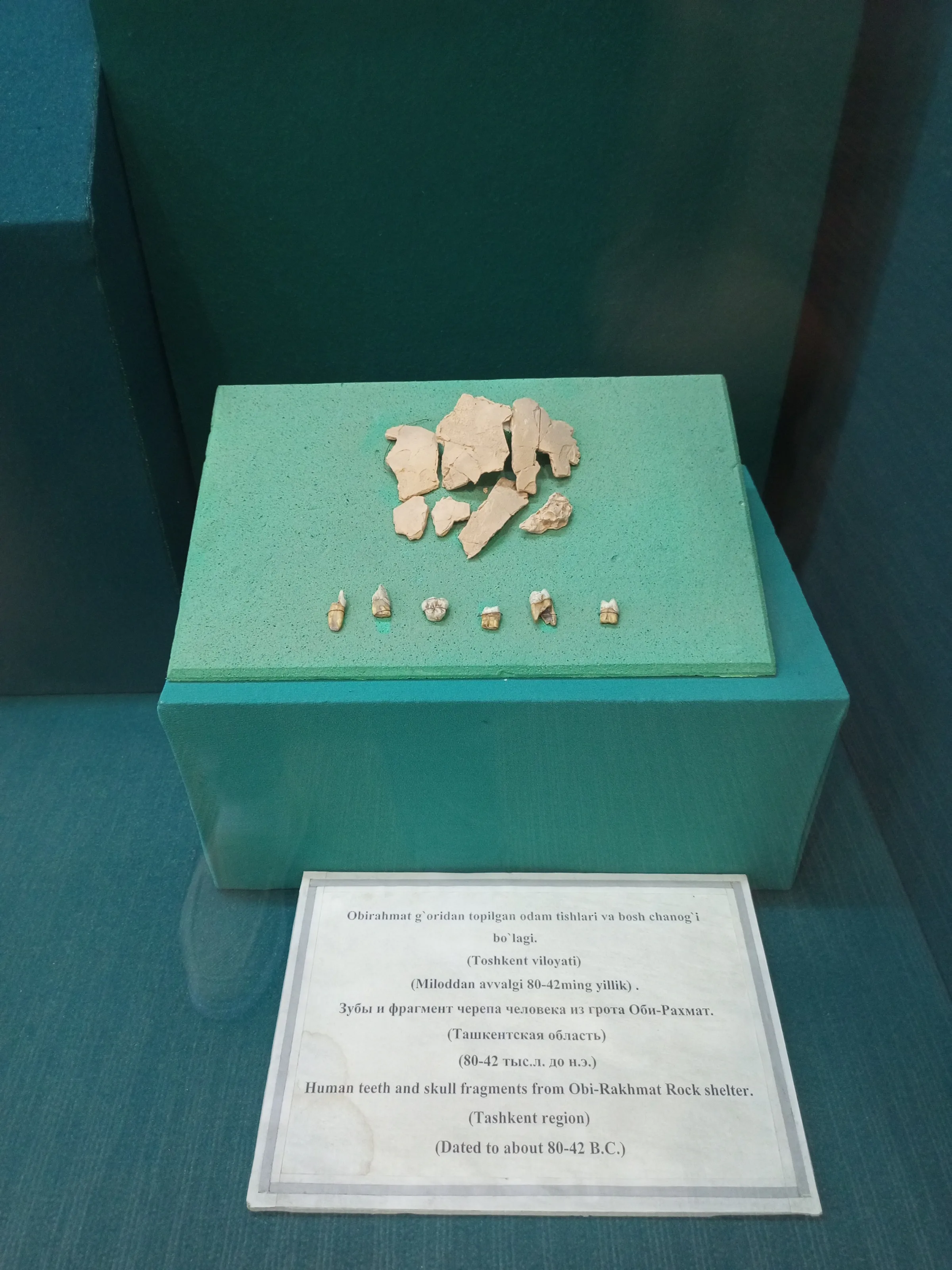
A Middle Palaeolithic site in the Paltau valley where, in 2003, a child’s teeth and skull fragments mixing Neanderthal and modern human traits were found.
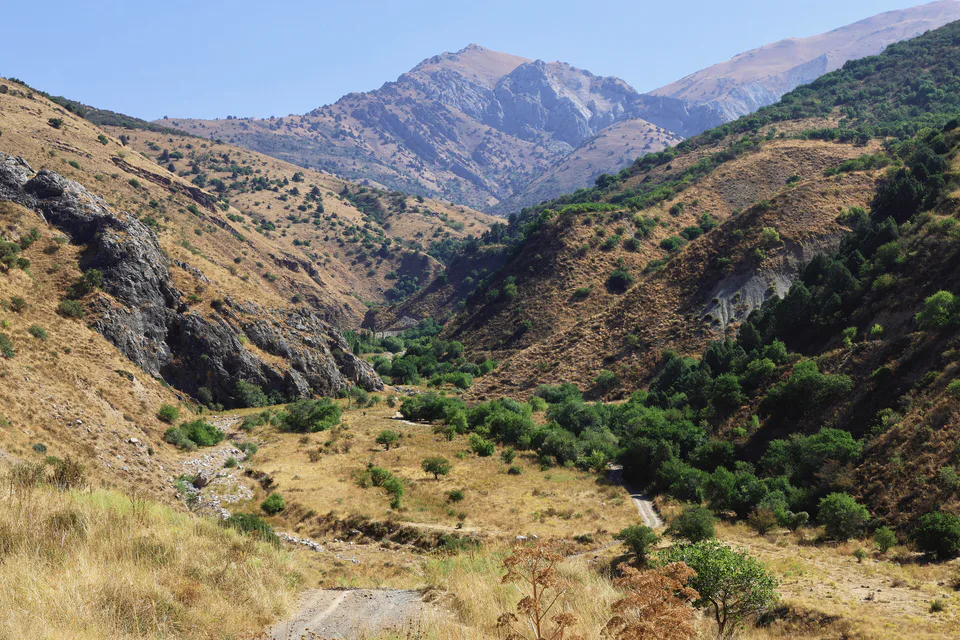
Obi-Rakhmat (from the Tajik obi, “water”, and rahmat, “grace”) lies in Bostanliq District on the right bank of the Paltau at about 1,250 m. A team led by A. R. Mukhamedzhanov found it in 1962 during the archaeological survey made before Lake Charvak was flooded. M. M. Gerasimov and Kh. Nasretdinov carried out the first excavations, R. Kh. Suleimanov dug in 1964–1965, and since 1998 an international team led by Anatoly Derevianko, Andrei Krivoshapkin and Patrick Wrinn has continued the work.
The grotto is a large rounded niche facing south, 20 m wide at the entrance, 9 m deep and up to 11.8 m high. Its roughly 10 m of deposits divide into 22 layers.
In 2003 layer 16 yielded six teeth and 121 skull fragments of a child aged 9–12, combining Neanderthal and modern human features. Dates from different methods range from about 50,000 to over 100,000 years, so the exact age is still debated. Around 90 per cent of the animal bones belong to Siberian ibex and red deer, showing that the grotto served as a short-term hunting camp. Thirty-four bone tools were also found, including one made from a boar’s tusk. Before Obi-Rakhmat, Teshik-Tash cave in Surkhandarya was regarded as the eastern limit of the Neanderthal range.
Nature · Bostanliq District
A waterfall among the rocks and birch groves
Archaeology · Bostanliq District
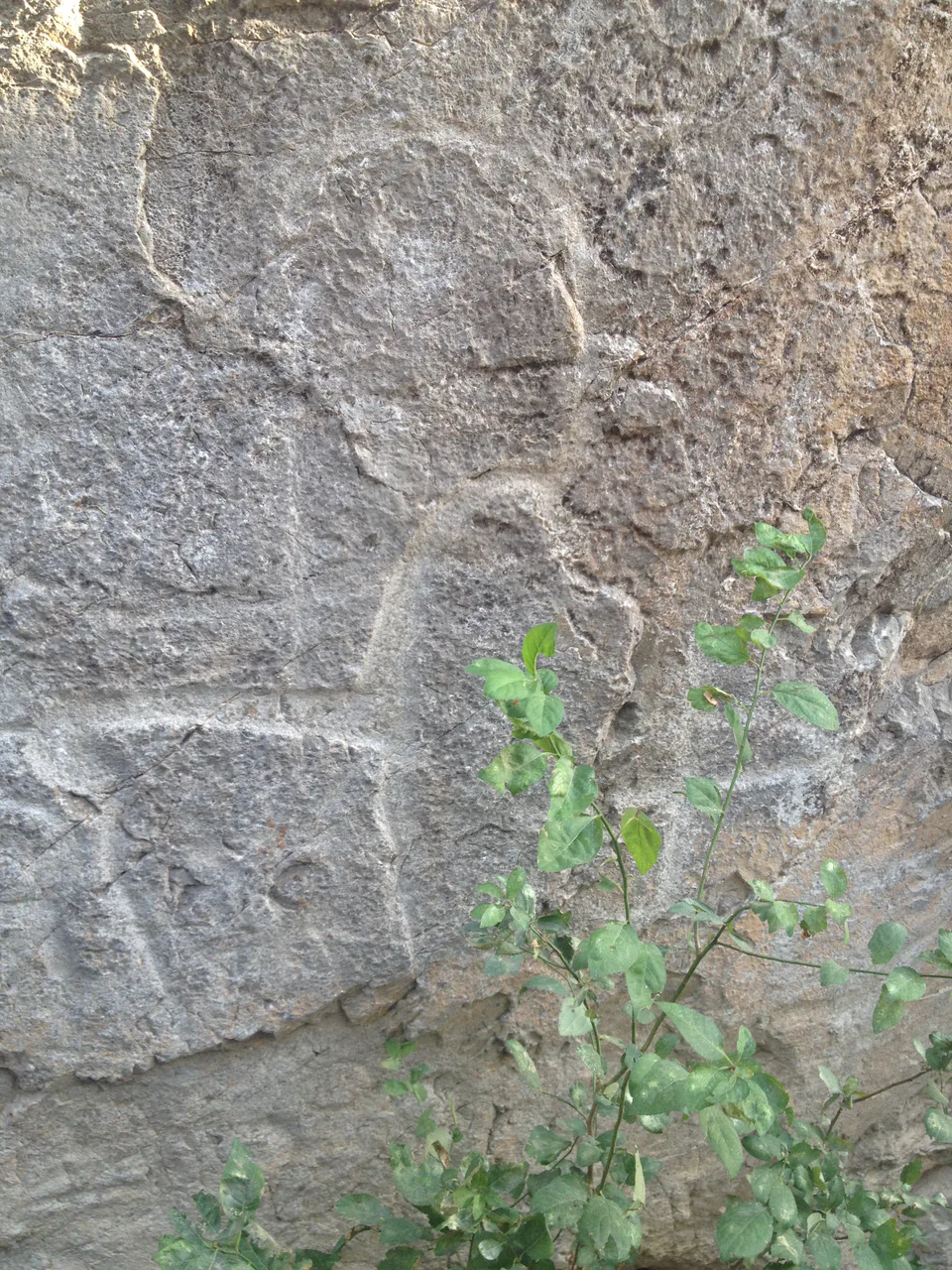
A five-thousand-year-old book in stone
Nature · Bostanliq District
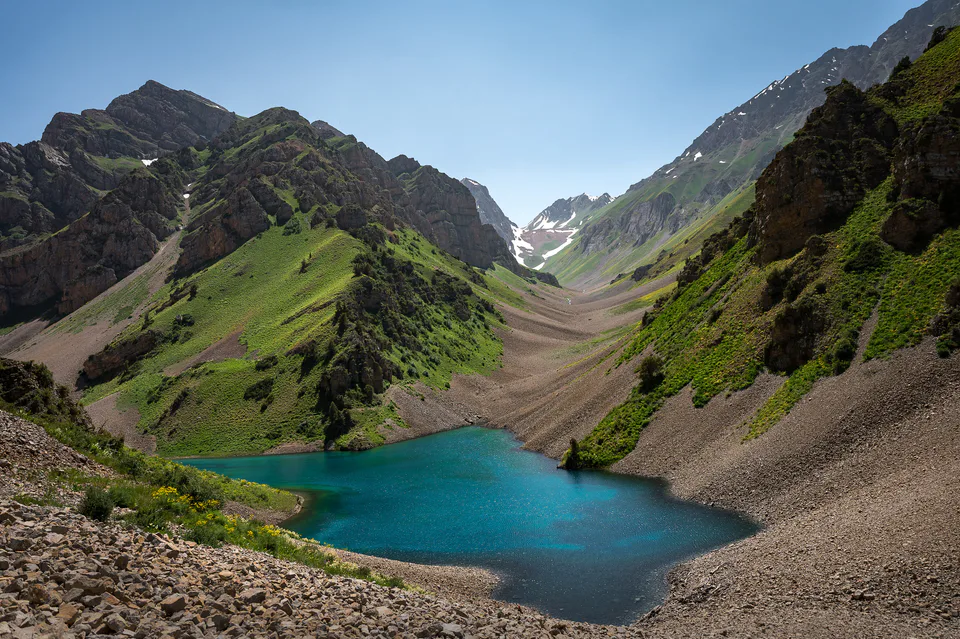
The wild mountains of the Western Tian Shan
Nature · Bostanliq District
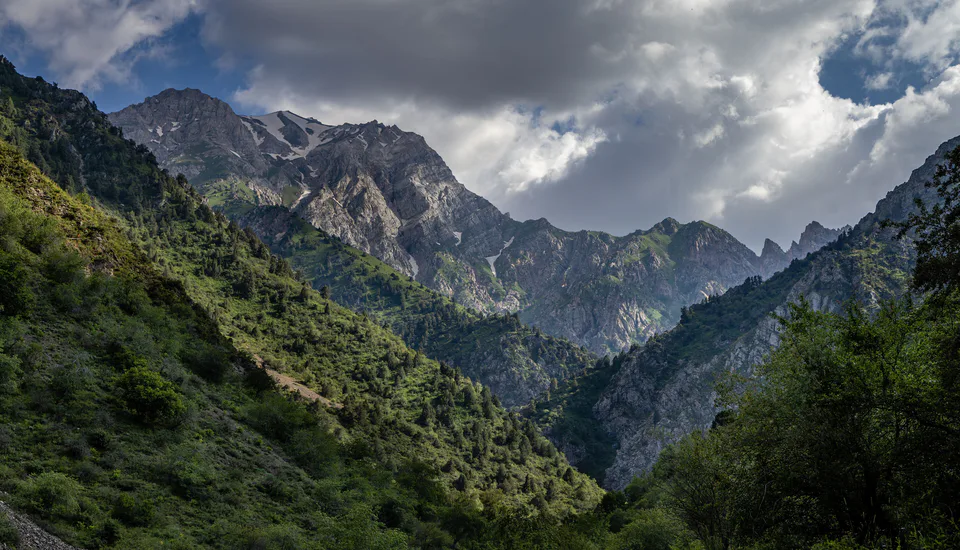
A narrow gorge and a staircase of waterfalls
Resort · Bostanliq District
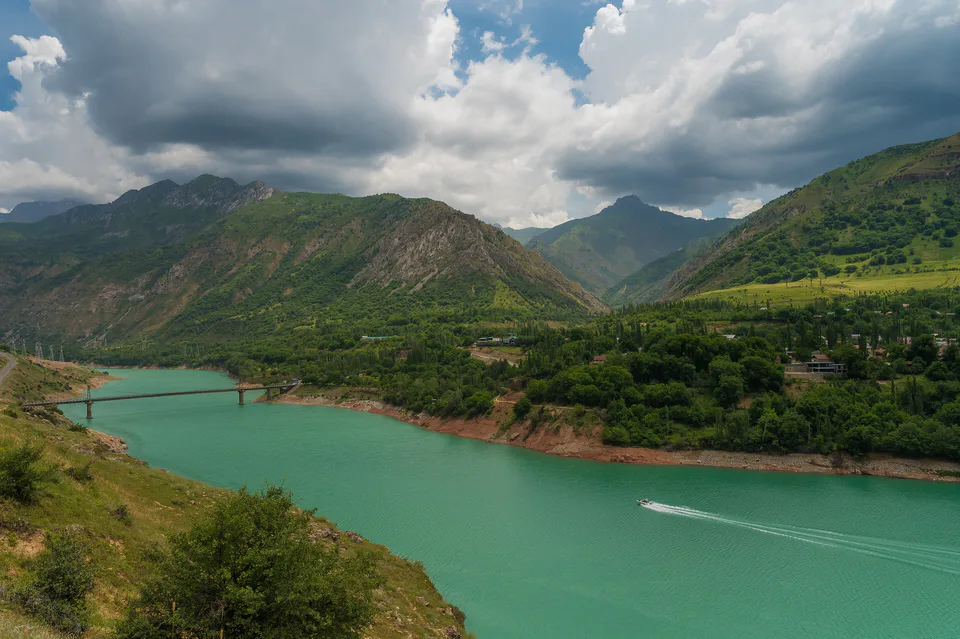
Mountain villages around Lake Charvak
Resort · Bostanliq District
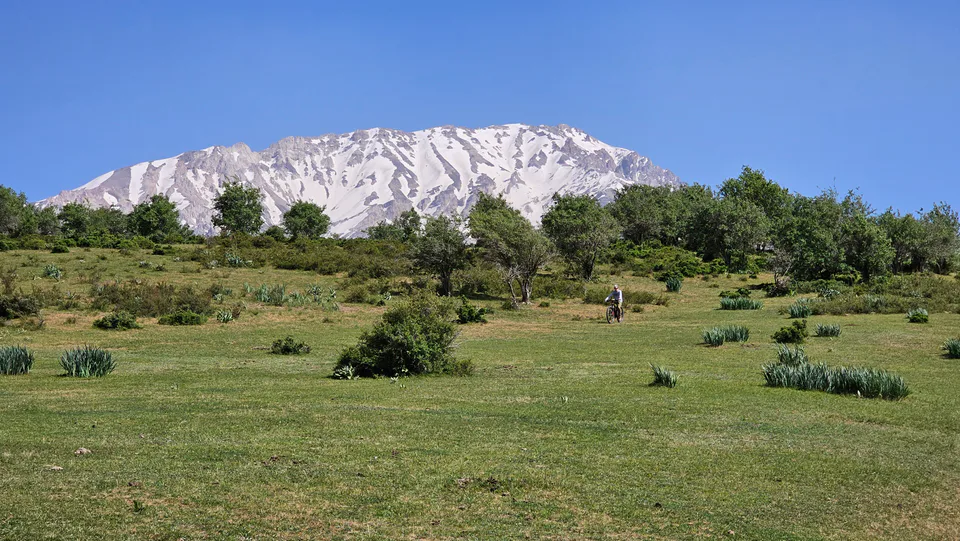
Tashkent’s oldest mountain resort
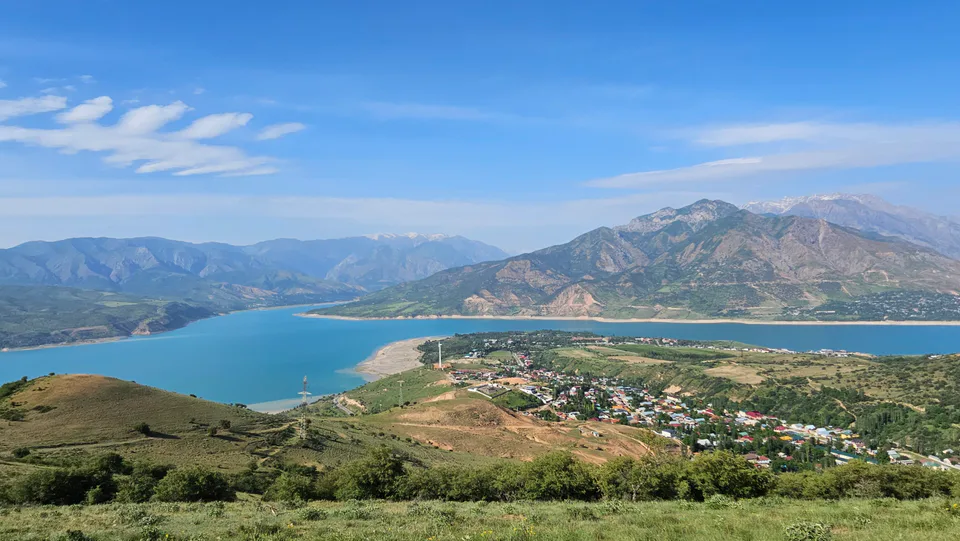
Nature · Bostanliq District
A turquoise “sea” among the mountains
Mausoleum · Bostanliq District
The grave of Sheikh Khovendi at-Tahur’s father
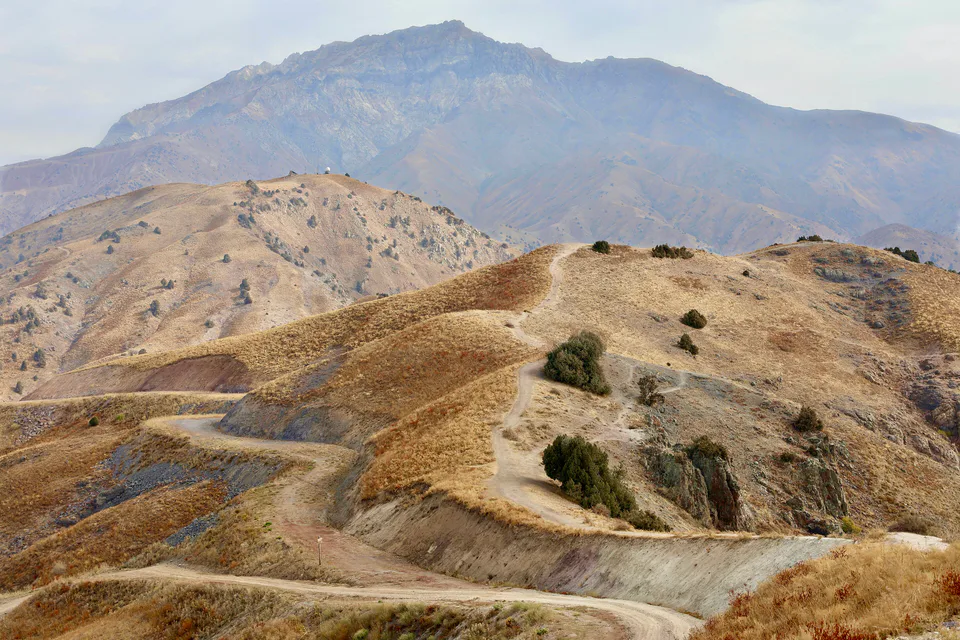
Resort · Bostanliq District
The chairlift to the top of Kumbel
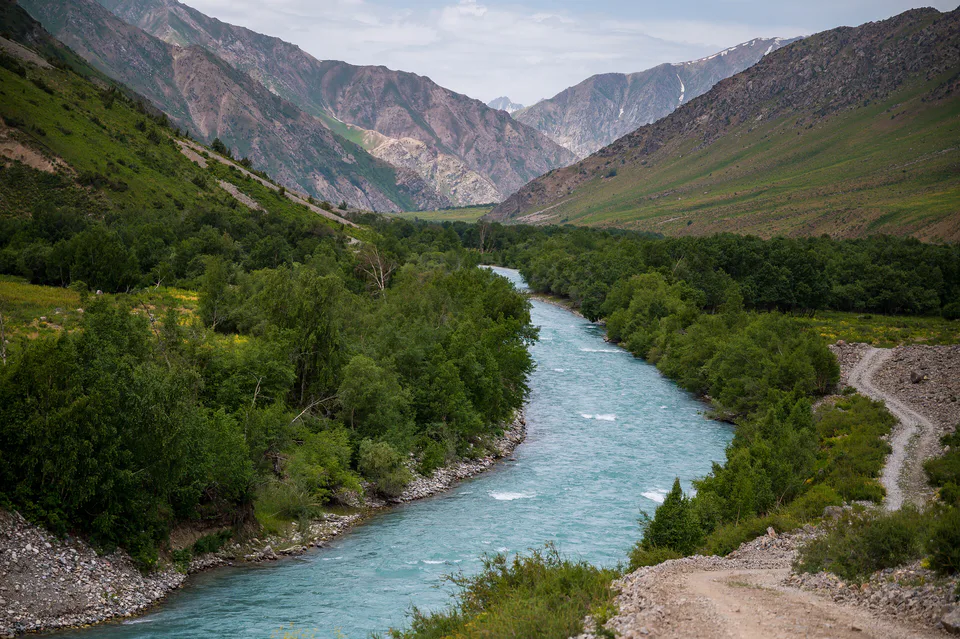
Nature · Bostanliq District
A valley of walnut groves and mountain villages