Nature · Bostanliq District
Chatkal Biosphere Reserve
Mountain forests protected since 1947
Nature · Bostanliq District
A national park of nearly 575,000 hectares in the north-east of Tashkent Region: juniper woods, walnut groves, mountain lakes, brown bears and ibex.
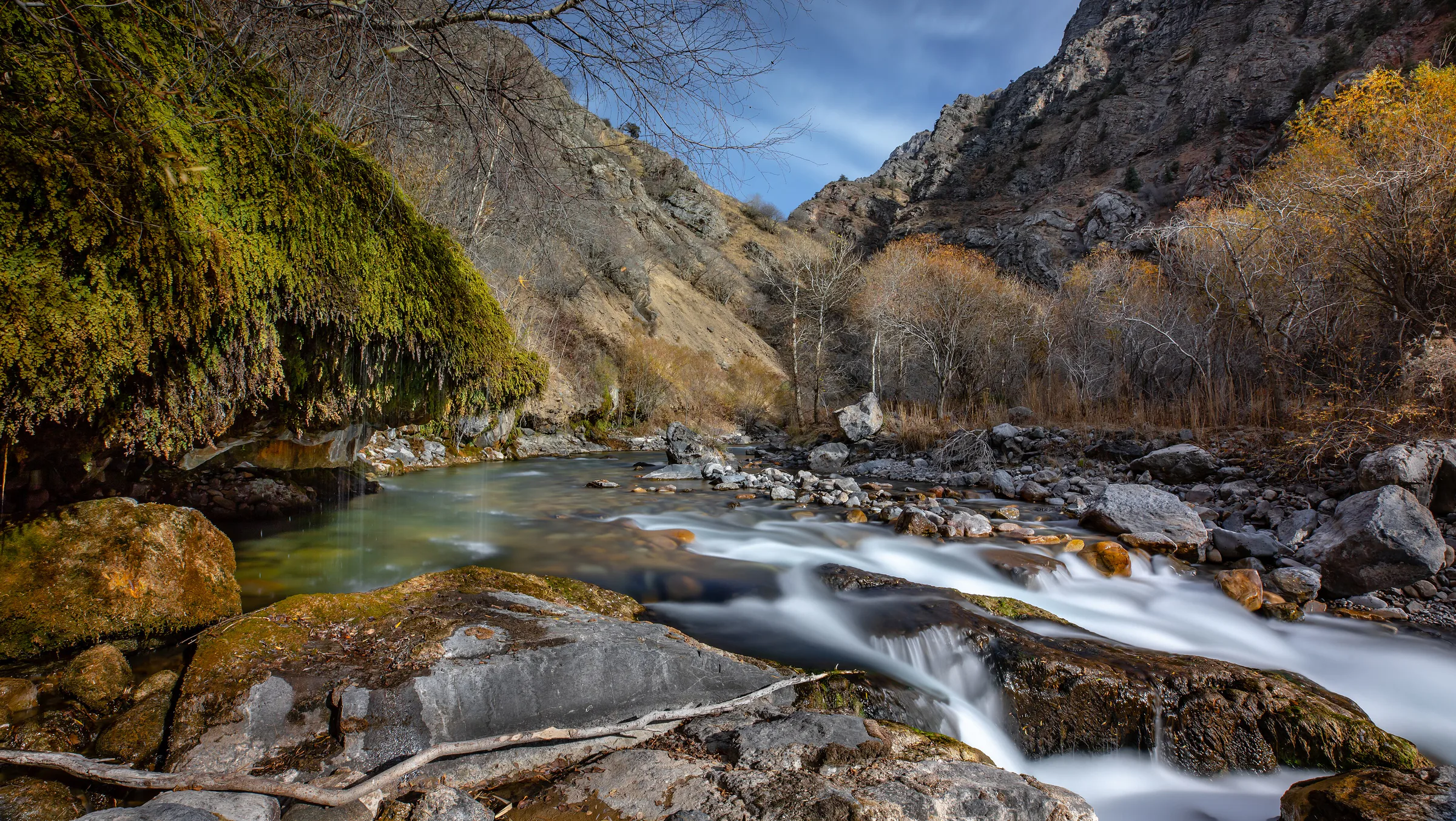
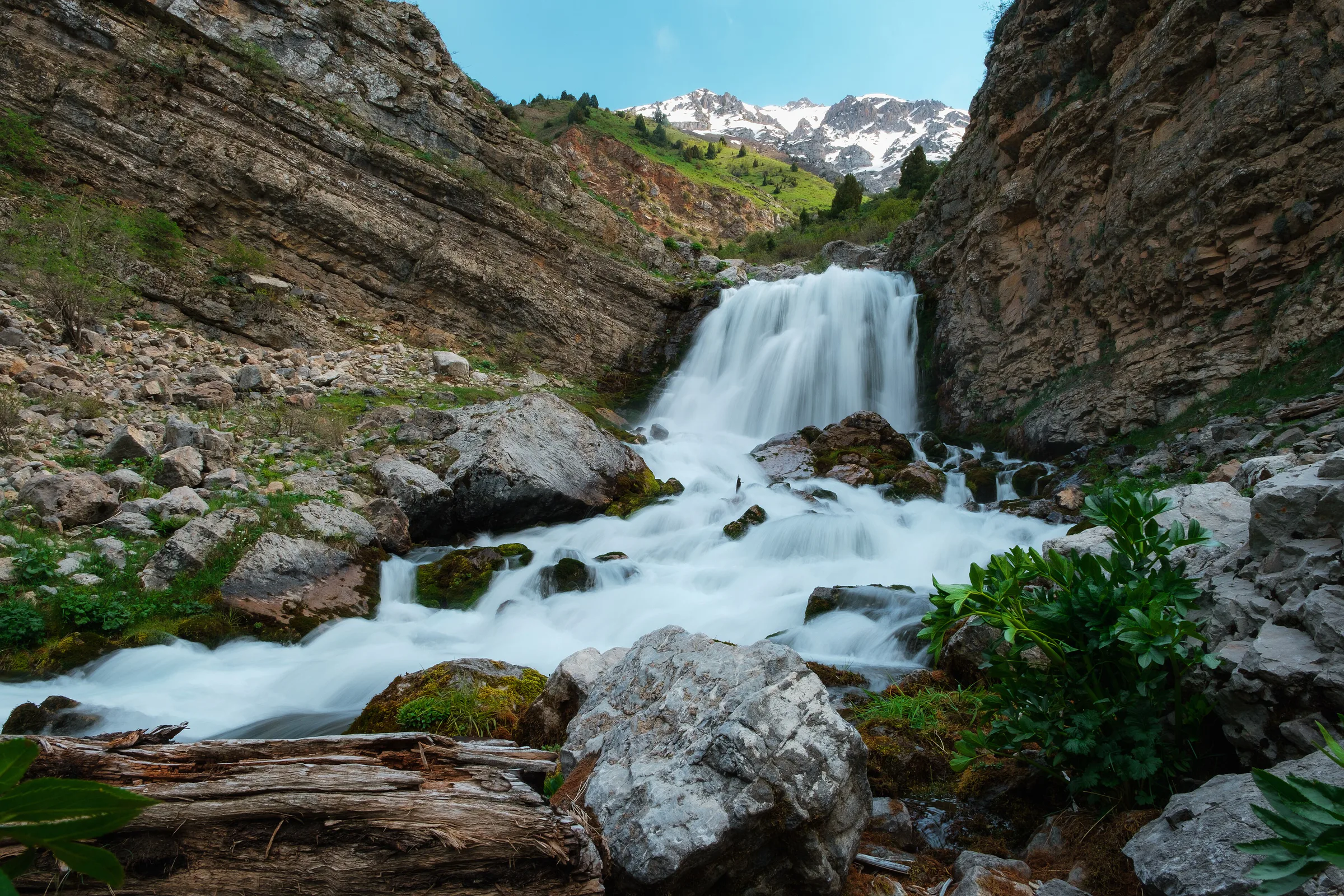
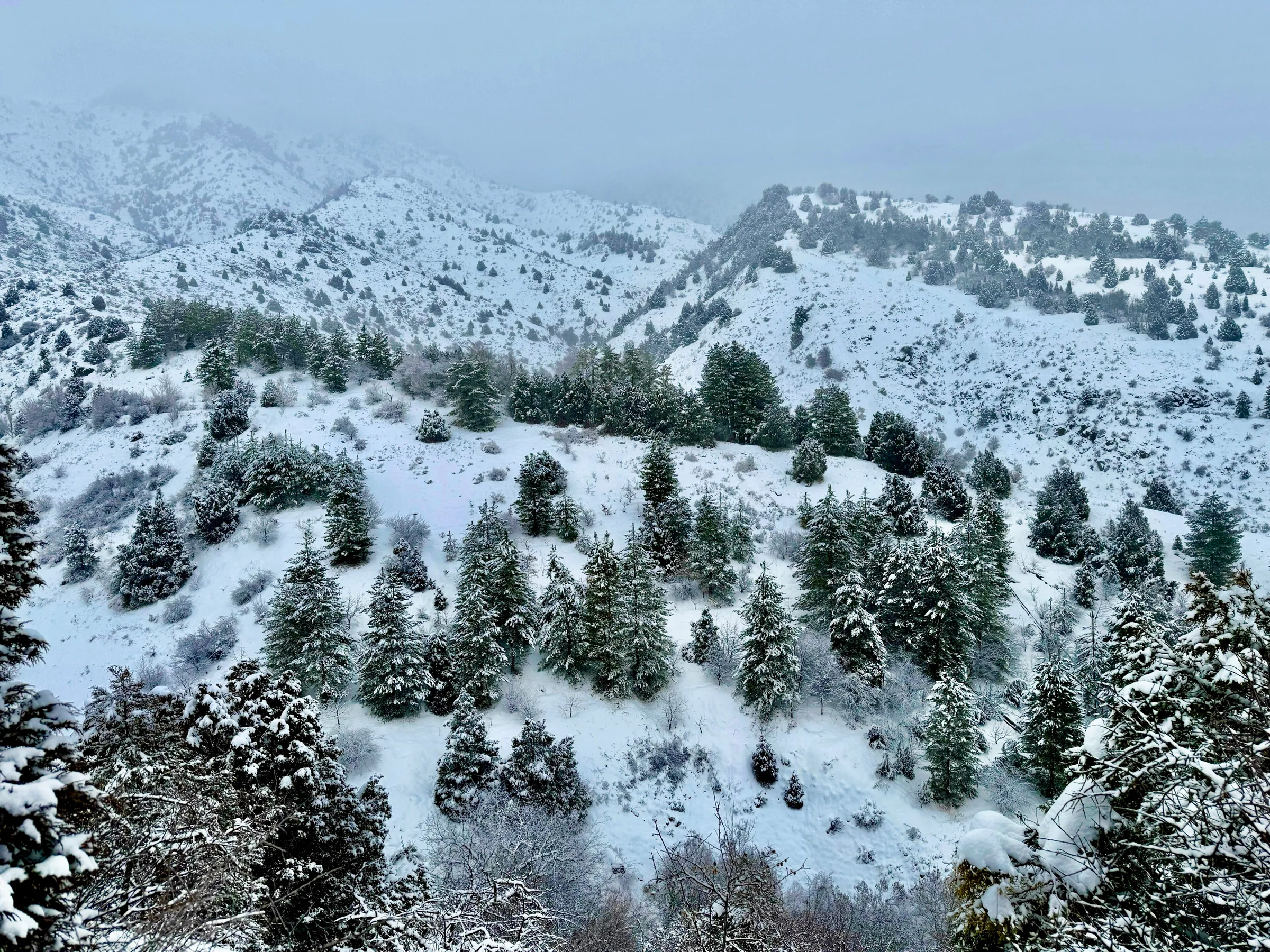
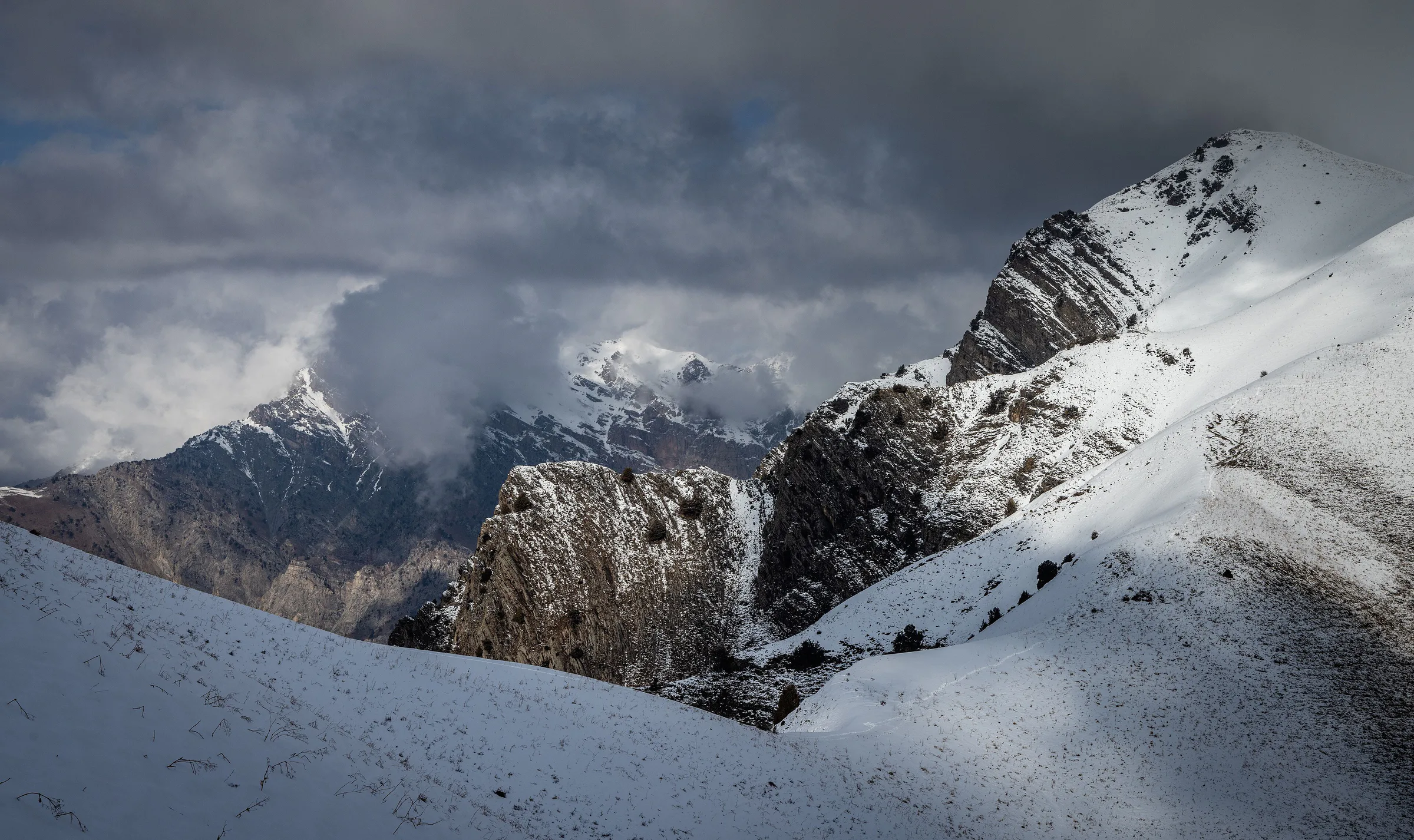
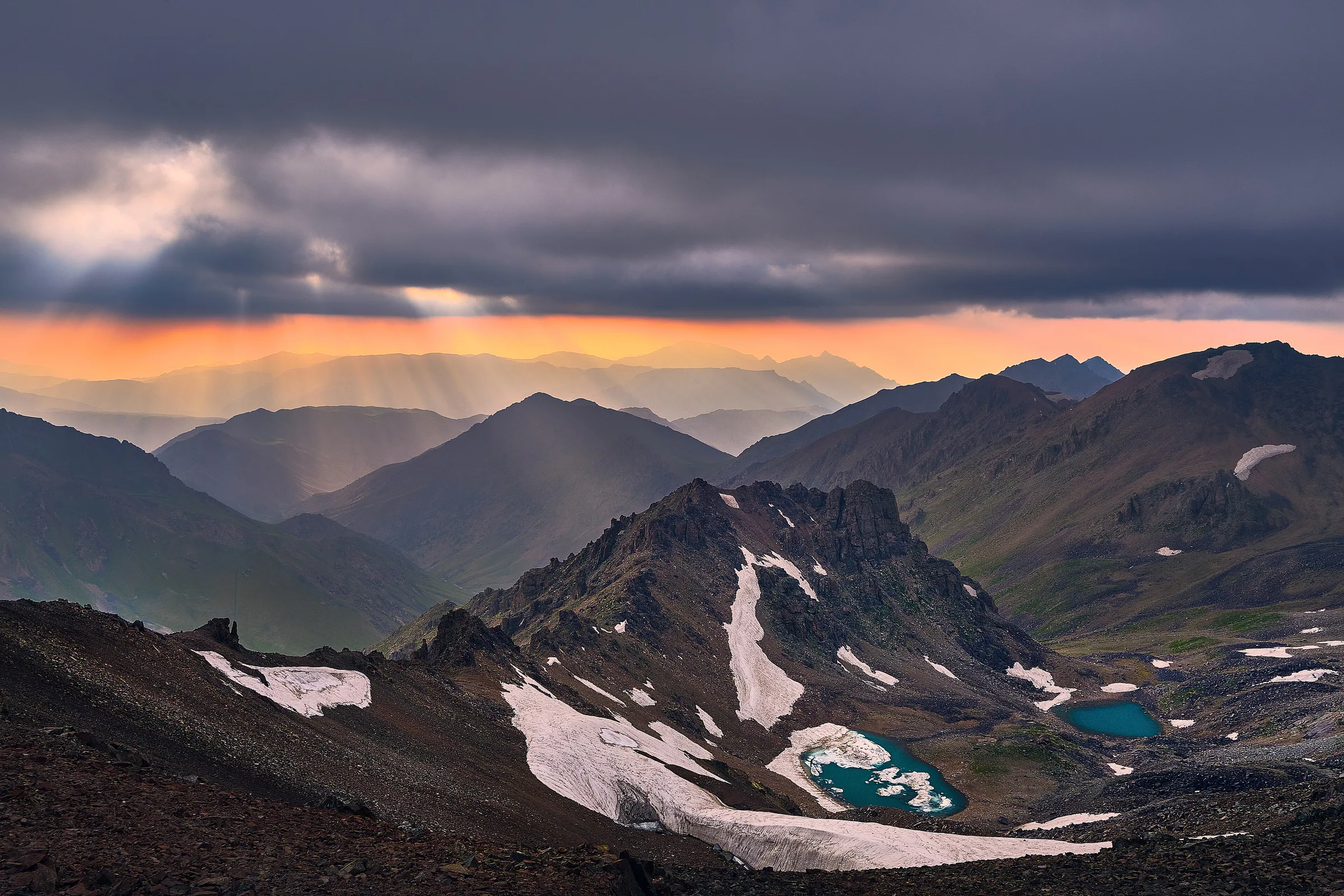
Ugam-Chatkal State National Natural Park was established in 1990 (some international sources give 1992). It takes in the Ugam, Pskem, Koksu and Chatkal ranges of the Western Tian Shan across the mountainous parts of Bostanliq, Parkent and Ohangaron districts. The park covers 574,600 hectares, of which 56,400 are forest, and is run from the town of Gazalkent. The Ugam, Pskem, Koksu, Chatkal, Chirchiq and Ohangaron rivers and hundreds of mountain streams cross its territory.
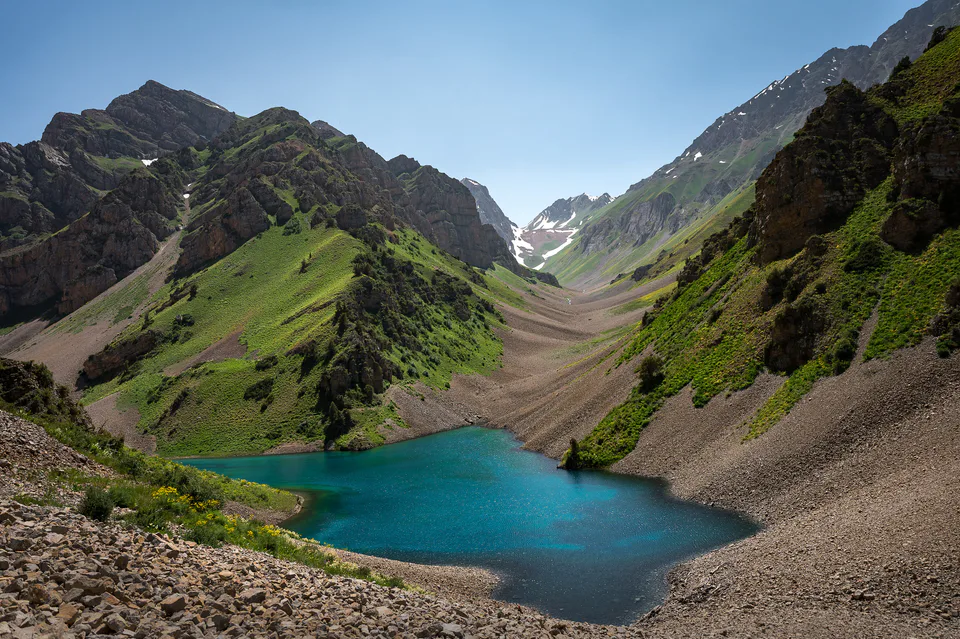
Its strictly protected cores are the Bashkyzylsay and Maidantal sections of the Chatkal Biosphere Reserve. The park also contains the region’s best-known natural sights: Lake Charvak, the Obi-Rakhmat grotto, the Urungach lakes and the Pskem valley.
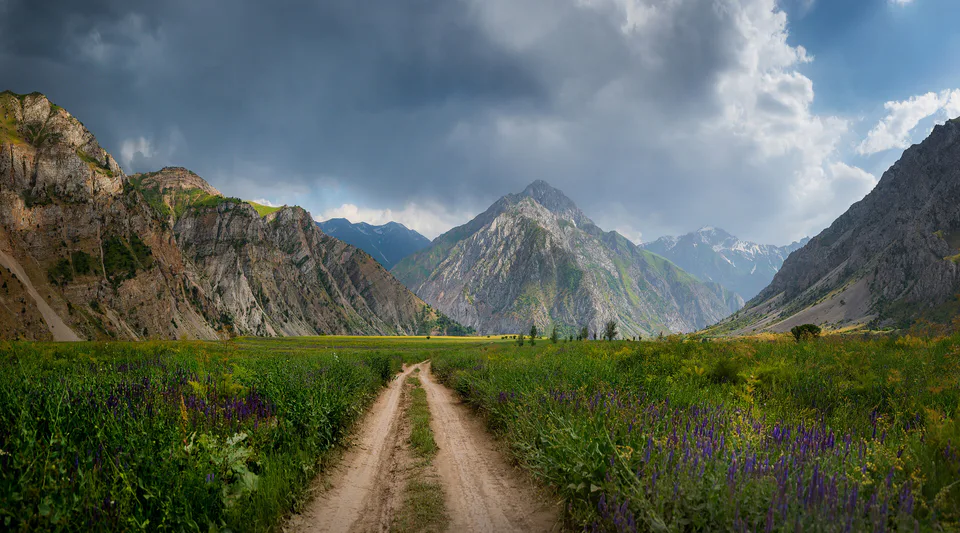
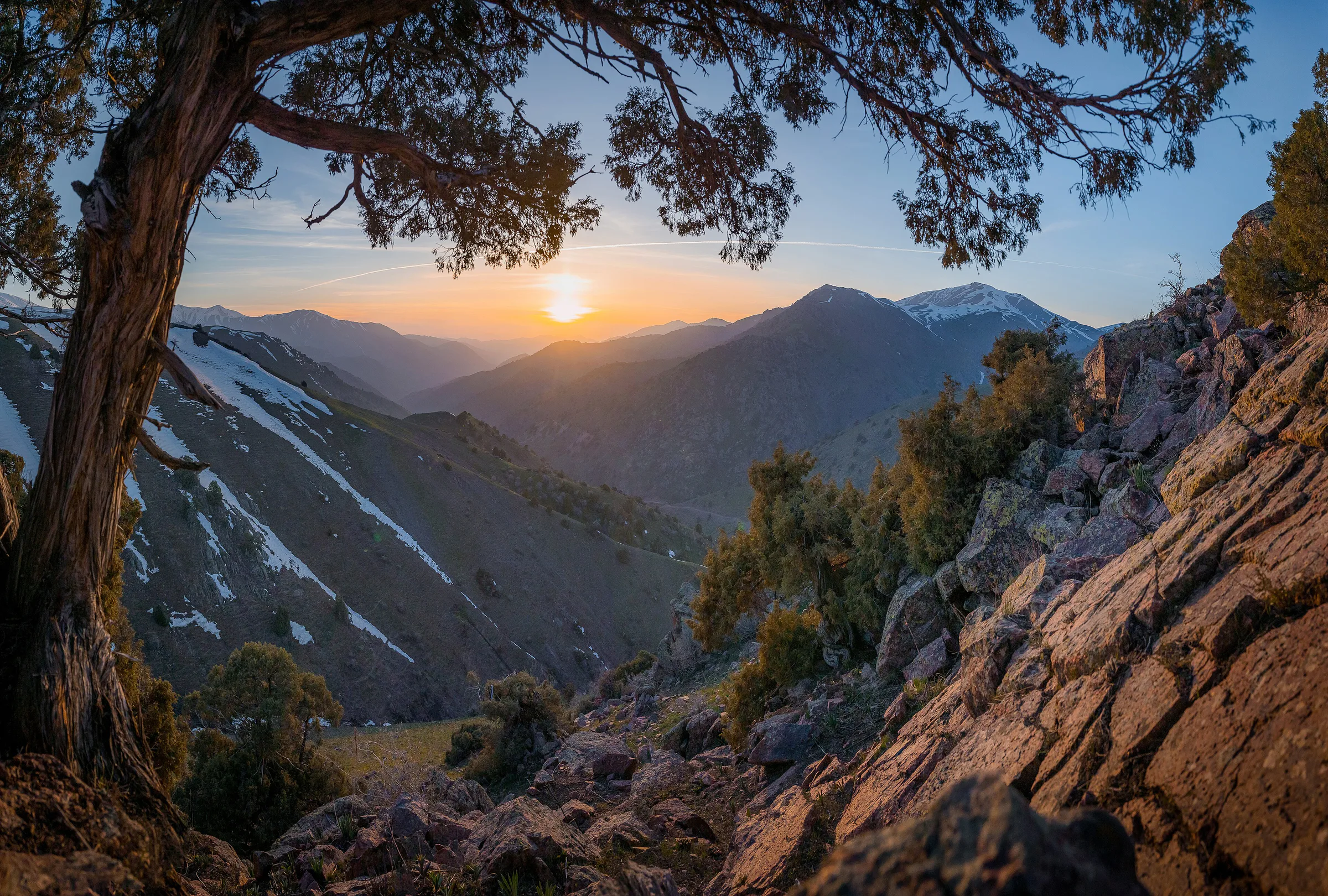
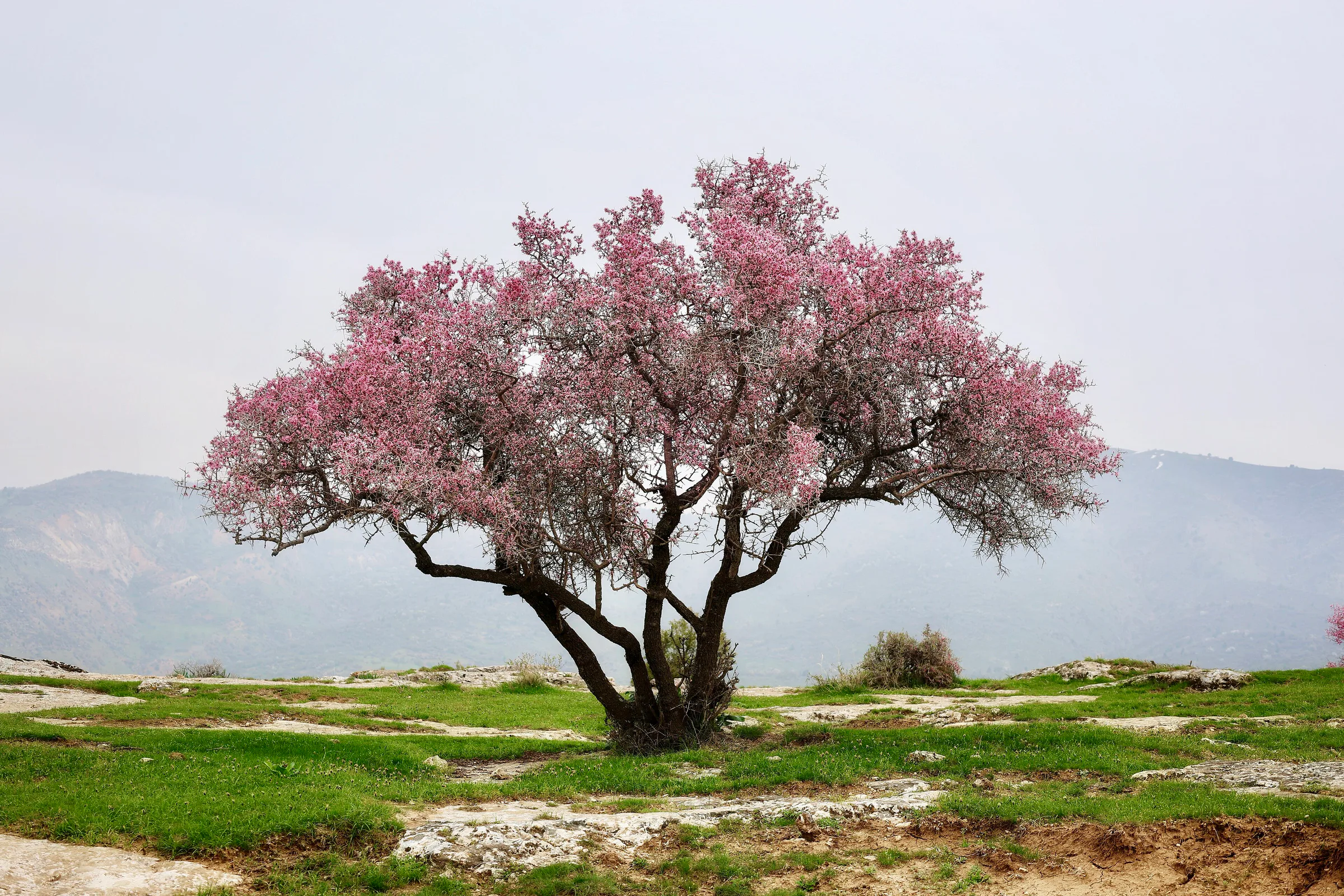
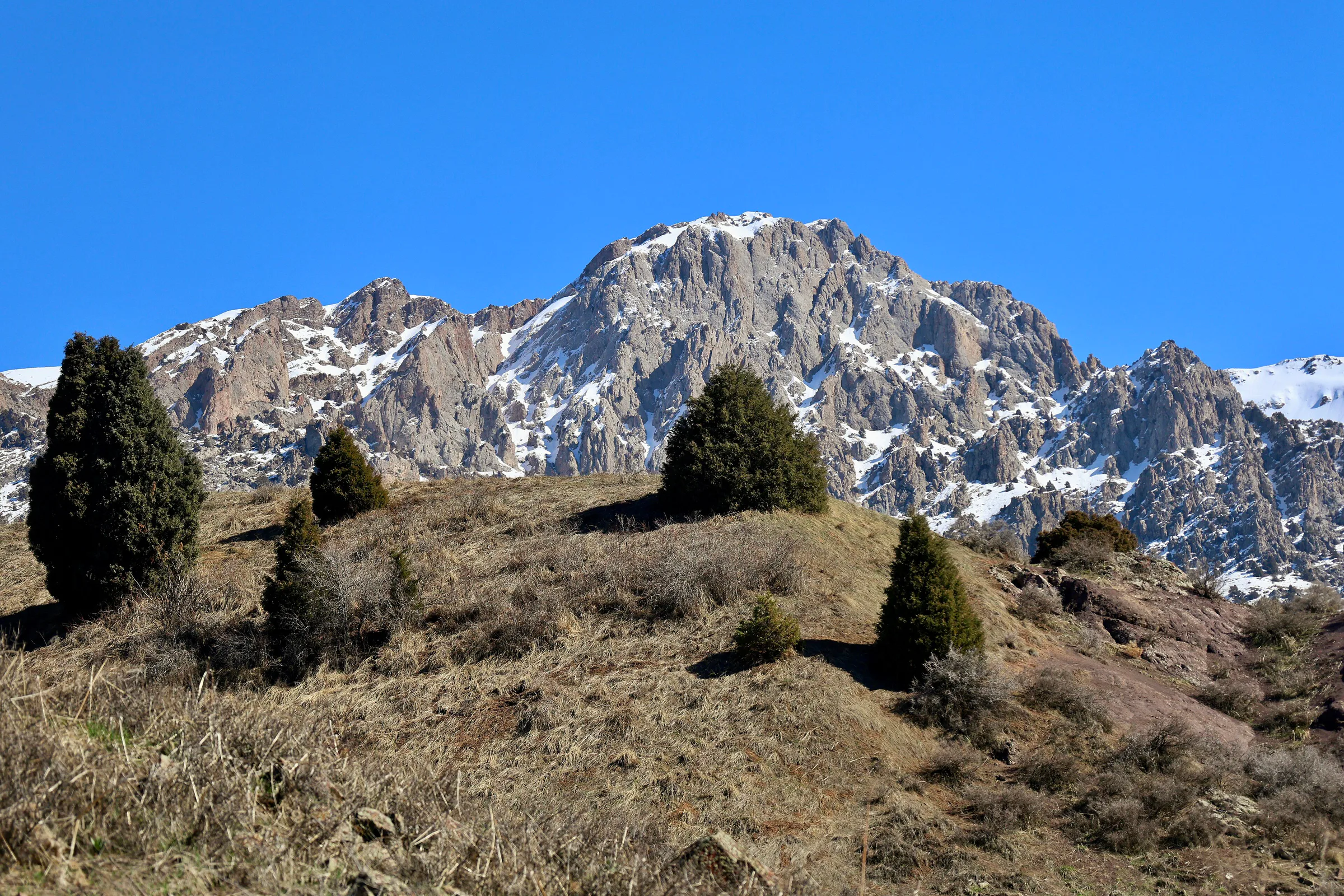
More than a thousand plant species grow here, including over 70 kinds of tree and about 80 shrubs. Forest clings mostly to the north- and east-facing slopes, while south-facing slopes carry open woodland and scrub. Juniper woods cover more than 64,000 hectares, alongside walnut groves and stands of wild apple, almond, hawthorn and birch.
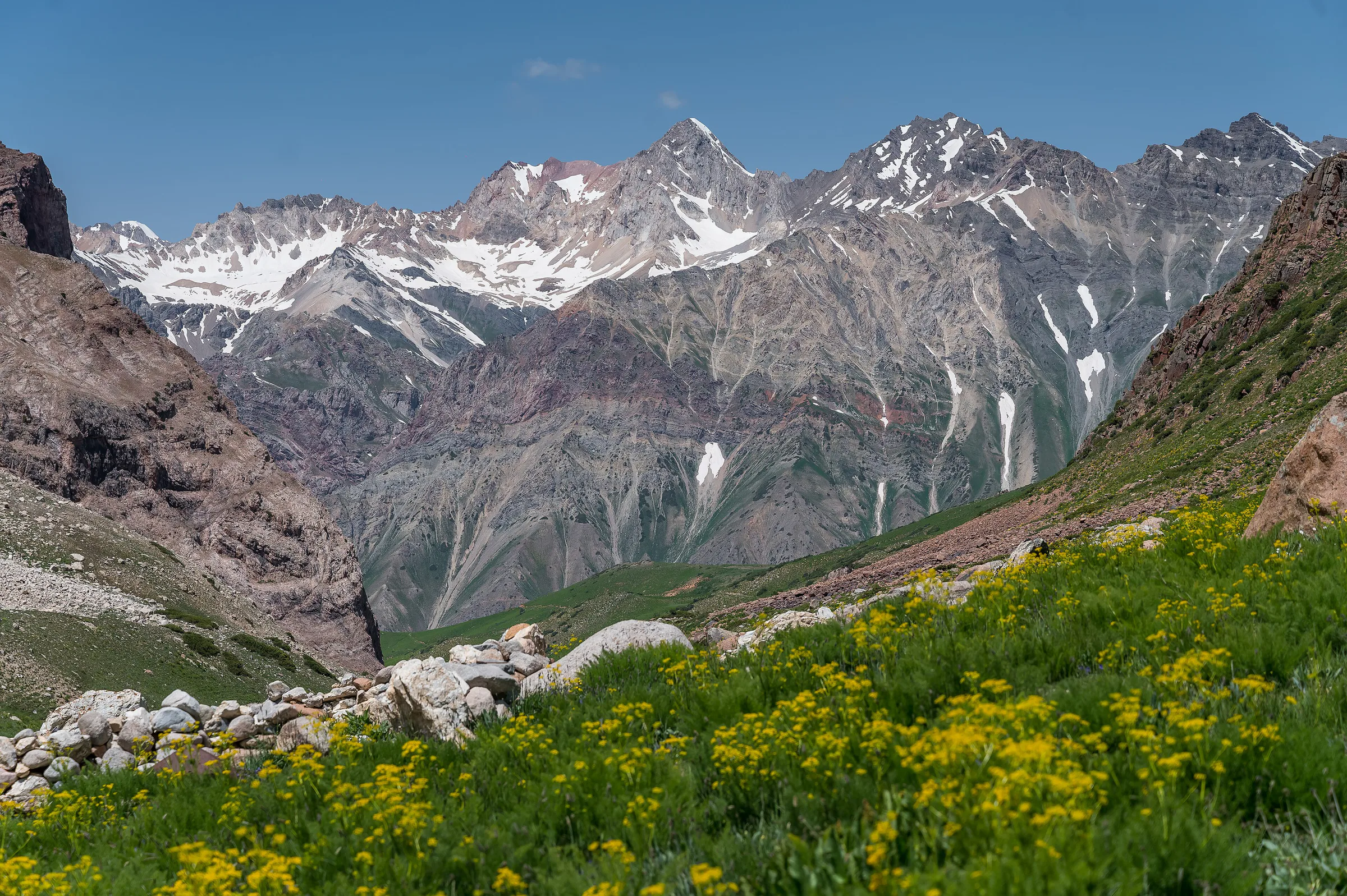
The vegetation changes with altitude: ephemeral grasses up to 1,200 m, broadleaf trees and shrubs at 1,200–1,500 m, juniper at 1,500–2,300 m, thorny cushion plants and mountain steppe at 2,300–2,800 m, and alpine meadows above that.
Around 280 animal species have been recorded: 44 mammals, more than 200 birds, 16 reptiles, 2 amphibians and 20 fish. Brown bear, Siberian ibex, wild boar, wolf and fox live in the mountains, and the birdlife includes chukar partridge, pheasant and golden eagle. Marinka and osman fish live in the mountain rivers and streams.
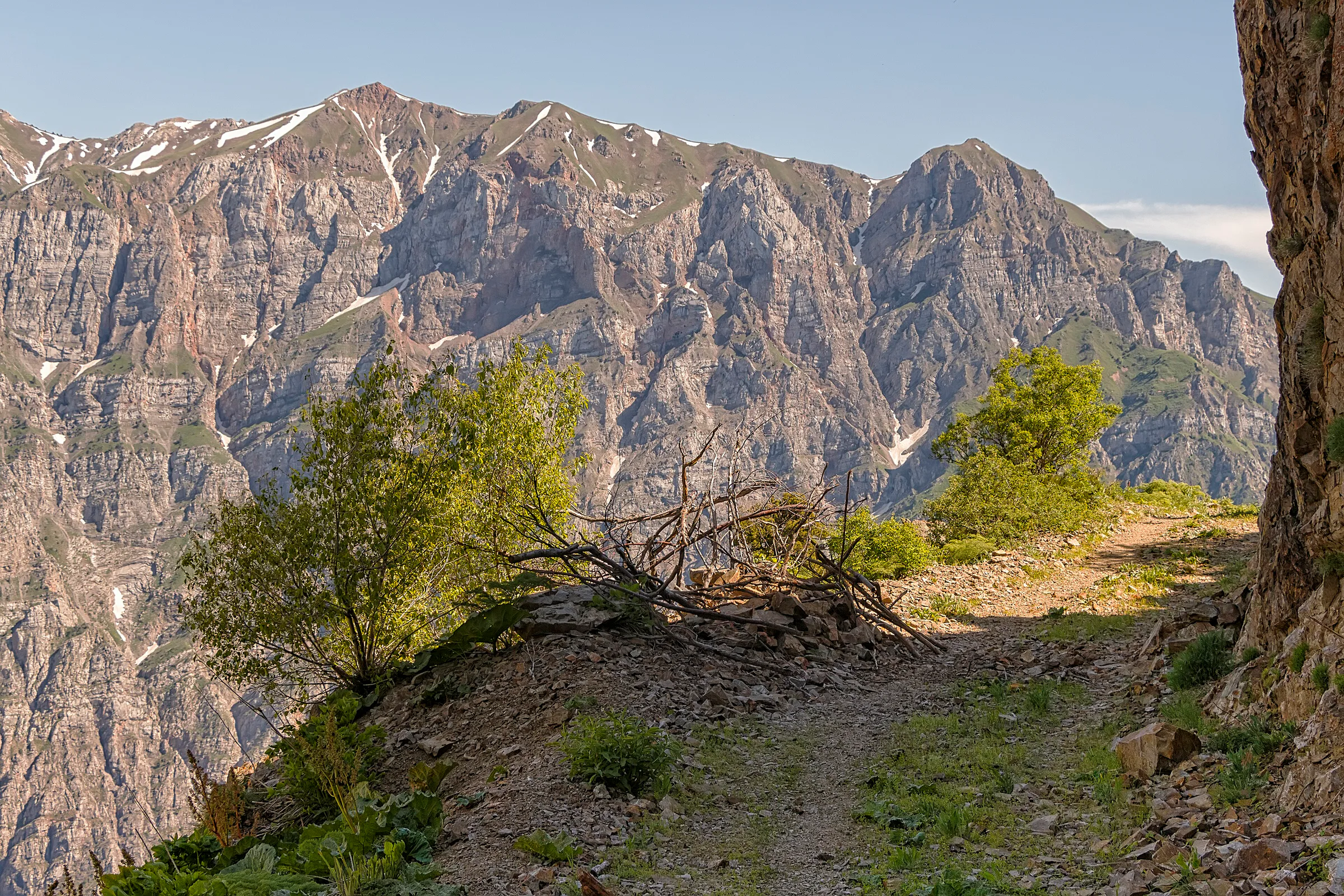
This is the best area in Uzbekistan for trekking and mountain walking. Trails start from the villages around Lake Charvak and lead up the Pskem valley, to the Urungach lakes and into the Koksu gorge. The climate is sharply continental, with 400–900 mm of precipitation a year, harsh winters and summers cooler than on the plains. Some valleys near the border can be entered only with a special permit.
The Charvak, Khojikent and Gazalkent hydropower stations all lie within the park, and a weather station has operated in the Bashkyzylsay section since 1956. In 2003 the teeth and skull fragments of a child aged 9–12 were found in the Obi-Rakhmat grotto by the Paltau River; they combine Neanderthal and modern human features and are at least 50,000 years old.
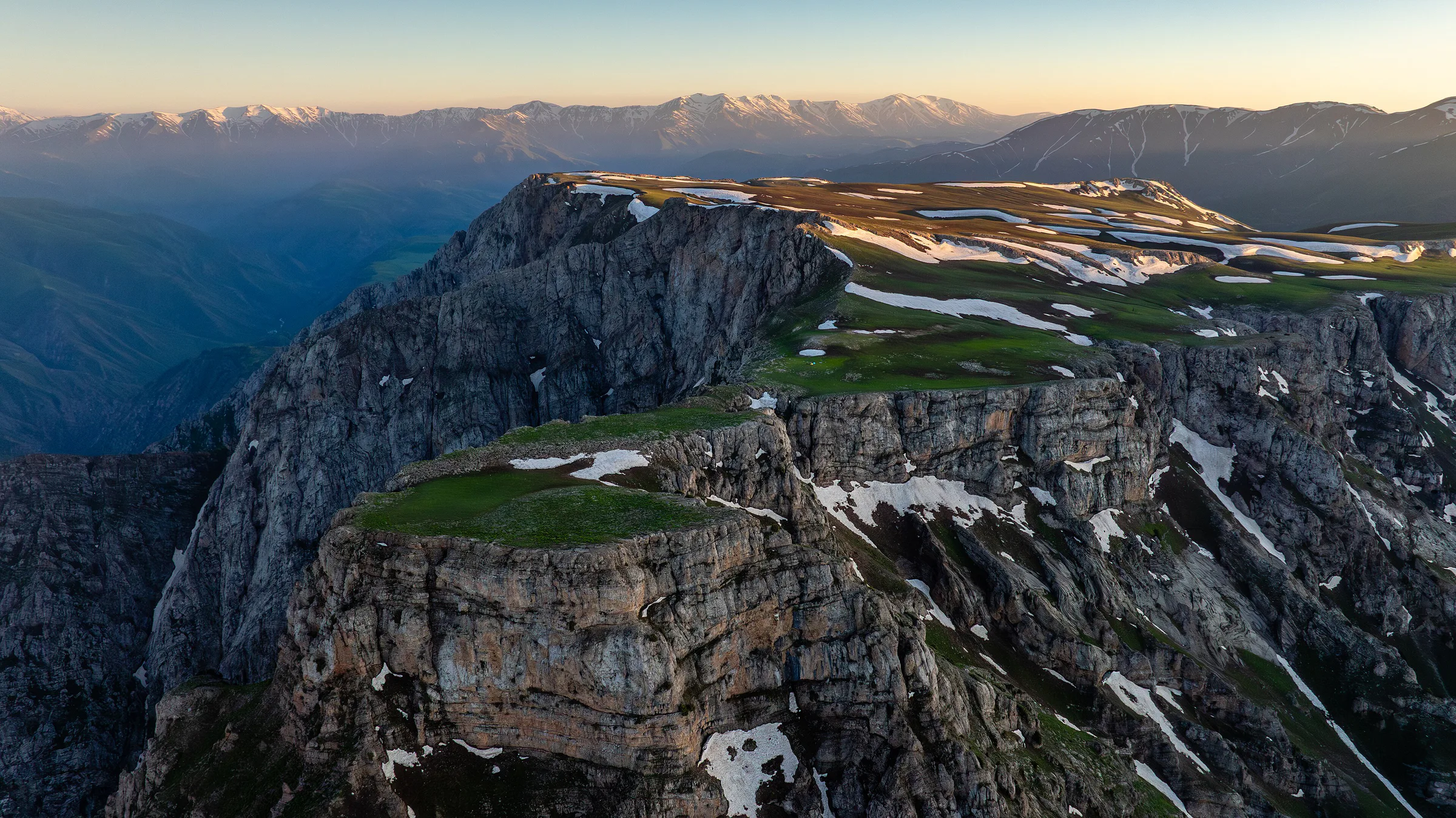
Nature · Bostanliq District
Mountain forests protected since 1947
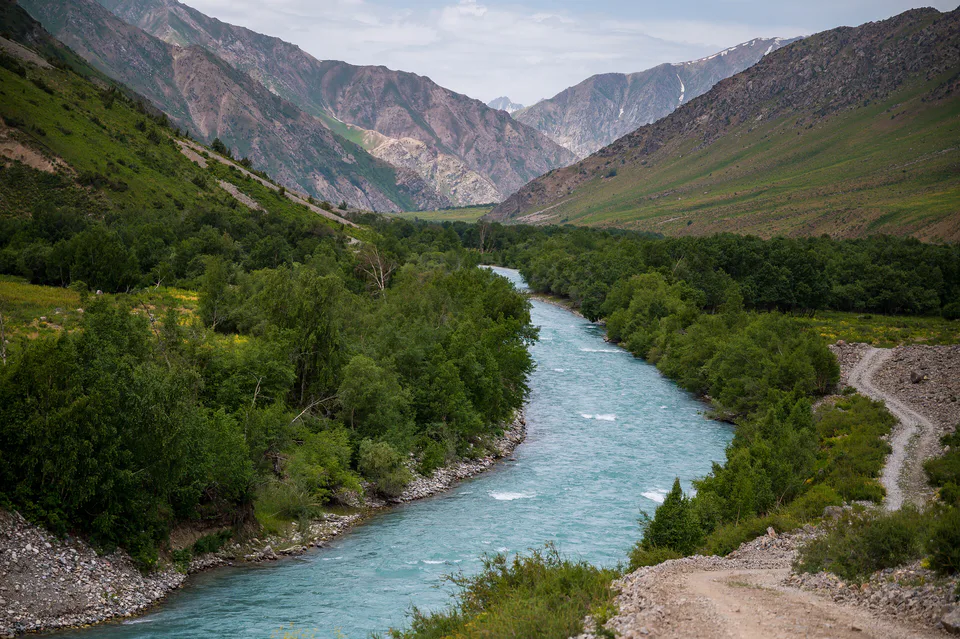
Nature · Bostanliq District
A valley of walnut groves and mountain villages
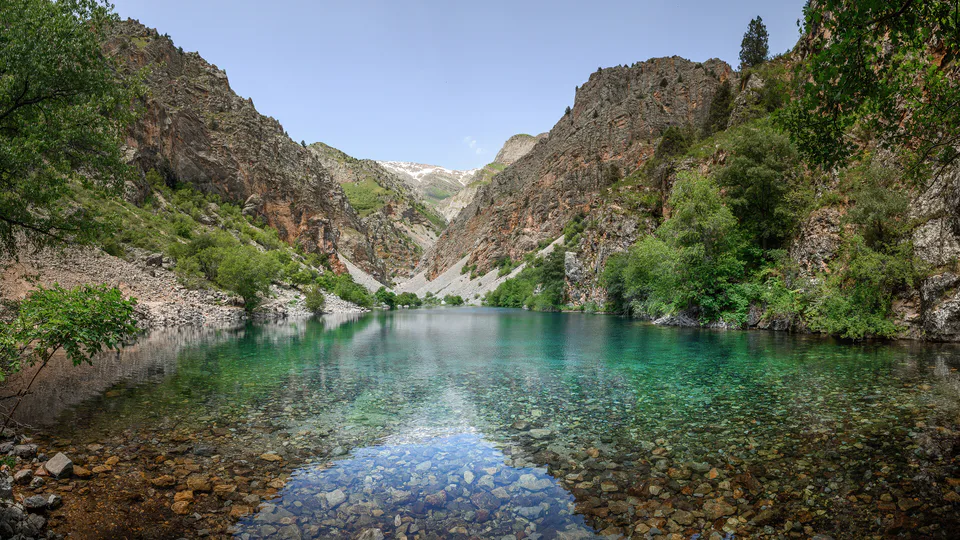
Nature · Bostanliq District
A turquoise lake behind a landslide dam
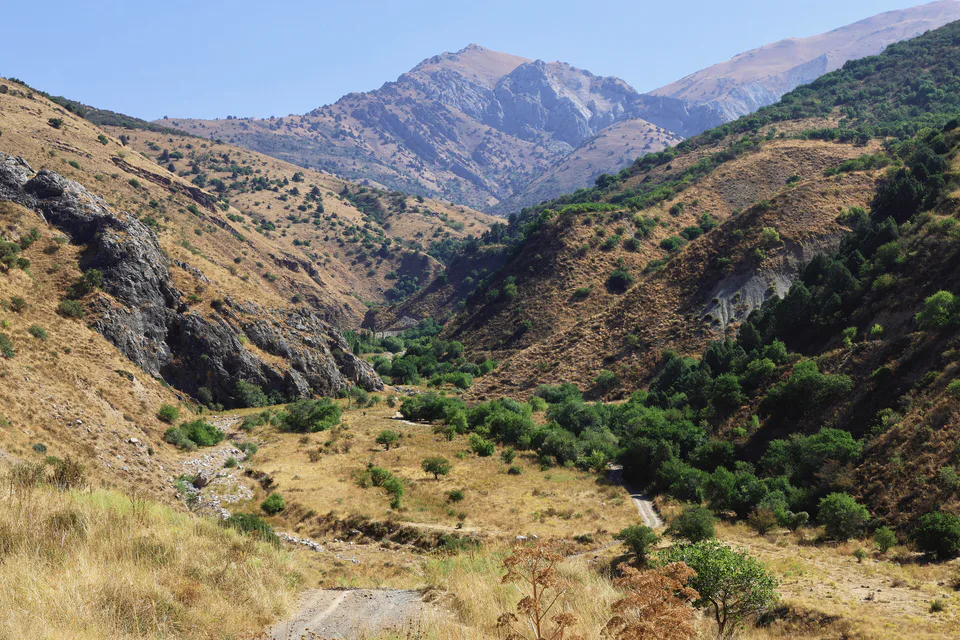
Archaeology · Bostanliq District
A Neanderthal hunting camp
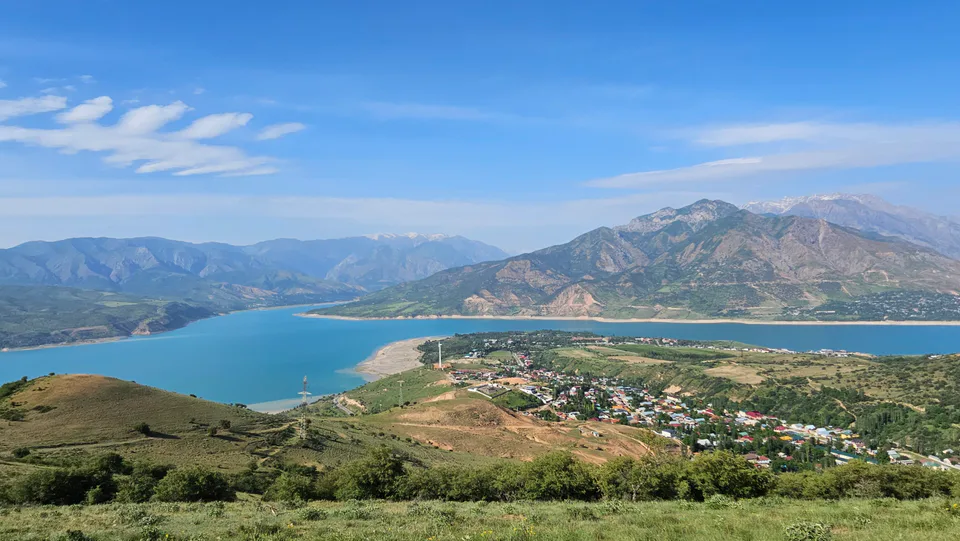
Nature · Bostanliq District
A turquoise “sea” among the mountains
Mausoleum · Bostanliq District
The grave of Sheikh Khovendi at-Tahur’s father