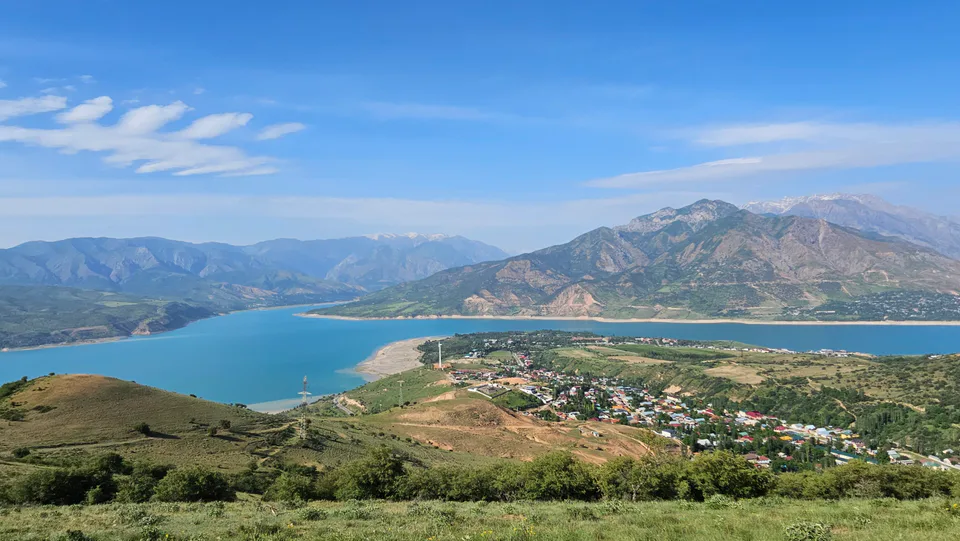
Nature · Bostanliq District
Lake Charvak
A turquoise “sea” among the mountains
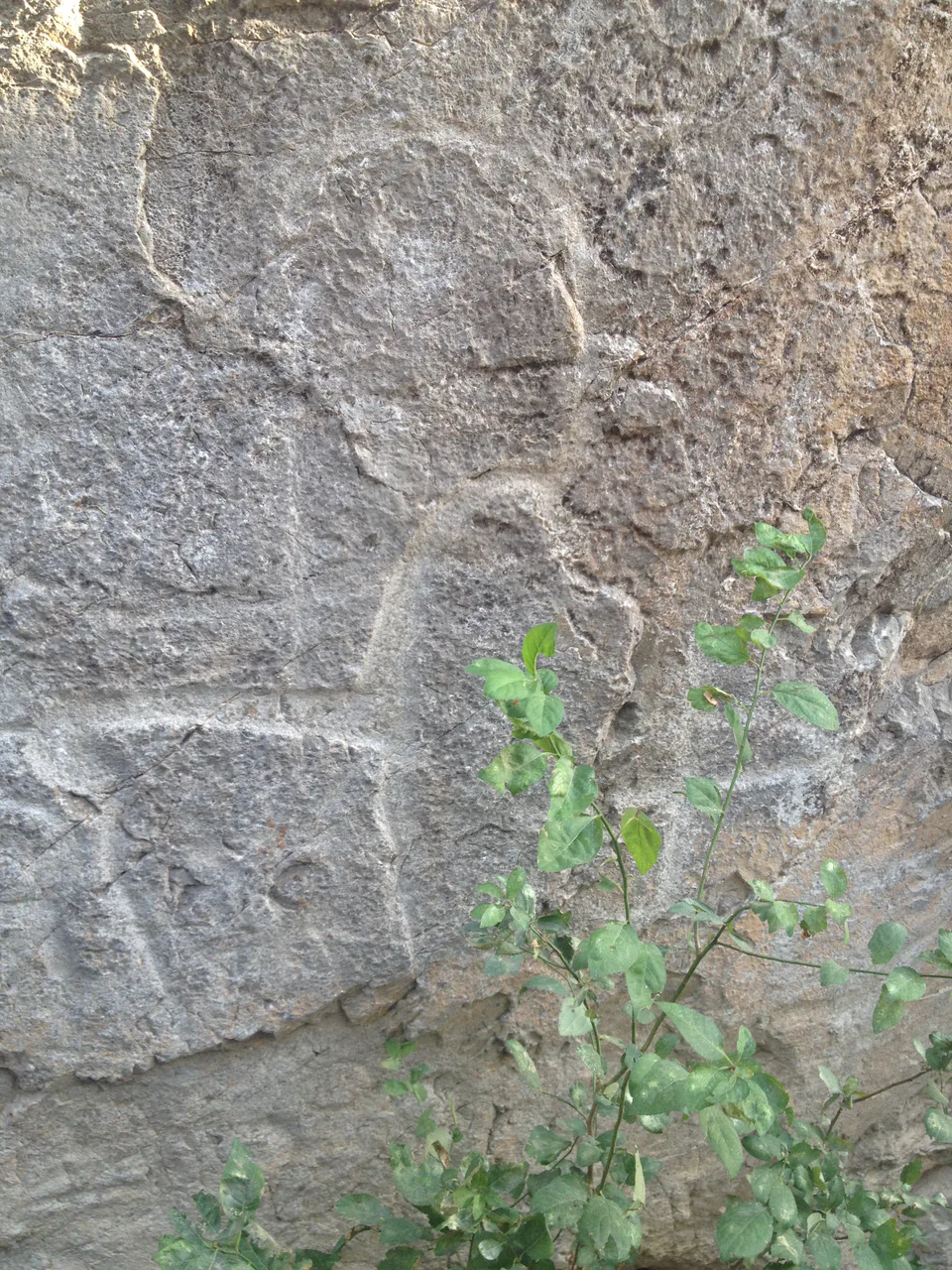
Archaeology · Bostanliq District
Rock carvings by a sacred cliff and spring on the Chirchiq: from Chalcolithic female figures to Saka ibexes in the “animal style”.
The Khojikent petroglyphs lie some 70–75 km north-east of Tashkent in the village of Khojikent, Bostanliq District. On the western slope of the Chatkal Range, on the left bank of the Chirchiq, a sheer rock face rises beside a spring, and the spot has been held sacred for centuries. The images are pecked into the smooth surfaces of the stone.
The archaeologist Kh. Alpysbaev recorded the site in 1949–1950, counting 23 images and dating them to the 1st millennium BC. M. Khujanazarov studied it later, and new fieldwork in 2019–2020 documented 119 images on the “central” rock and found a previously unknown panel with a “rosette”.
Researchers believe the carvings were made over a long period, from the Chalcolithic to the early Middle Ages. The oldest are three female figures of the 4th–3rd millennium BC, without parallel in Central Asian rock art. A later layer belongs to the Saka-Scythian period and includes an ibex in the “animal style”.
The unusual smoothness of the rock is debated: some see it as the polish of countless pilgrims’ hands, others as the work of ancient craftsmen who ground the surface, followed by weathering.
Nature · Bostanliq District
A turquoise “sea” among the mountains
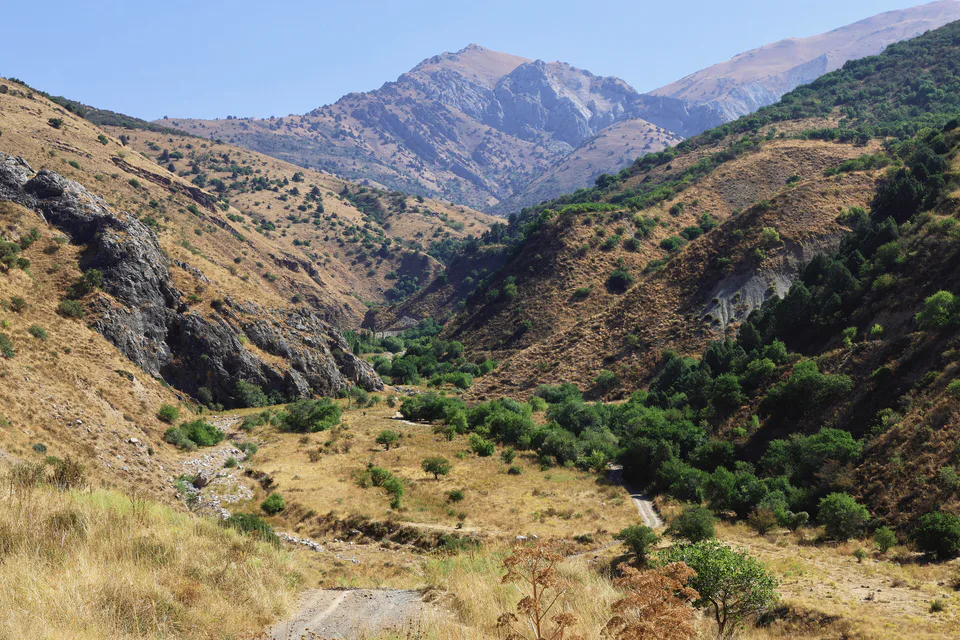
Archaeology · Bostanliq District
A Neanderthal hunting camp
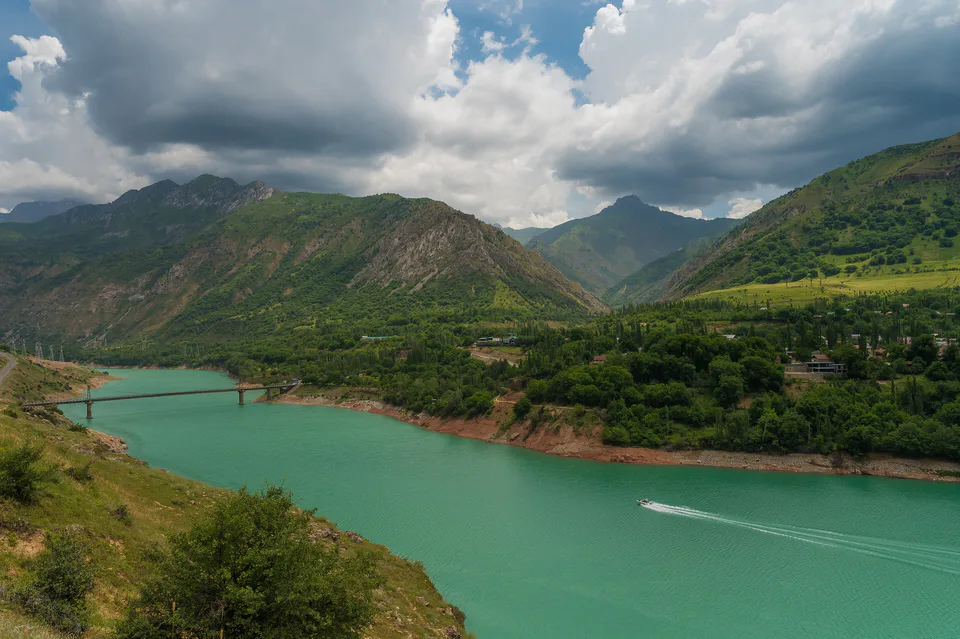
Resort · Bostanliq District
Mountain villages around Lake Charvak
Nature · Bostanliq District
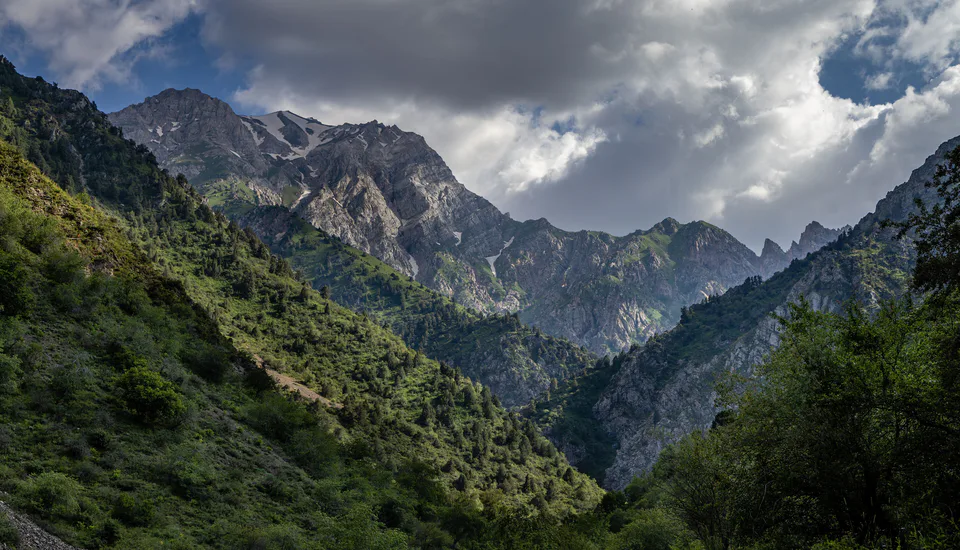
A narrow gorge and a staircase of waterfalls
Mausoleum · Bostanliq District
The grave of Sheikh Khovendi at-Tahur’s father
Resort · Bostanliq District
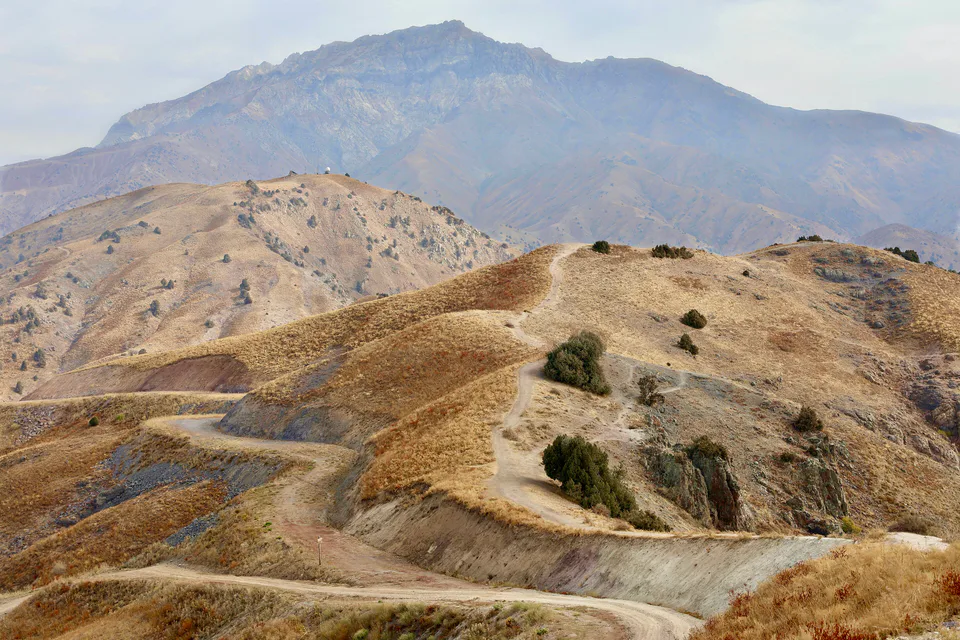
The chairlift to the top of Kumbel
Resort · Bostanliq District
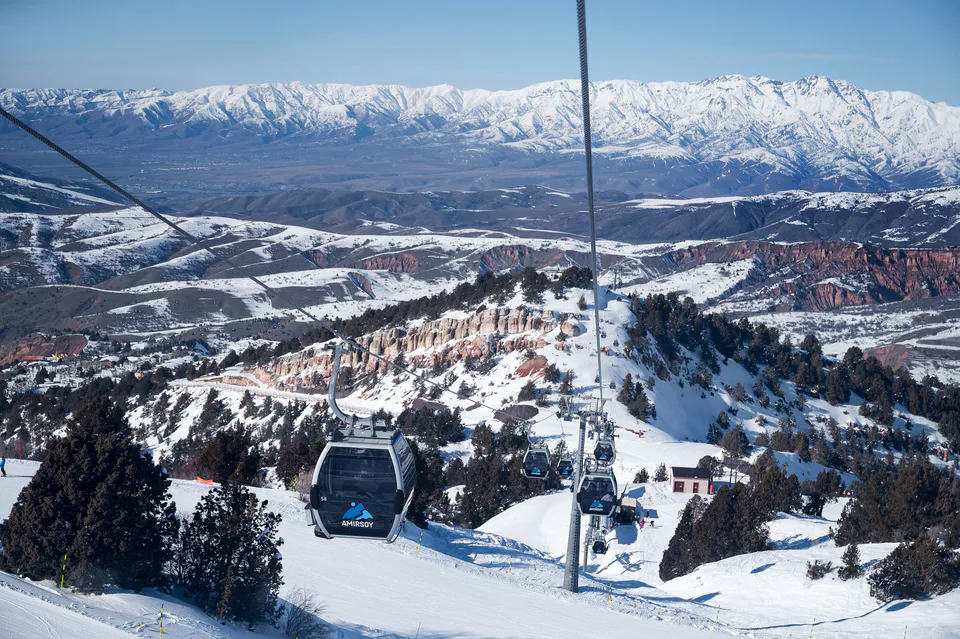
Uzbekistan’s newest ski resort
Nature · Bostanliq District
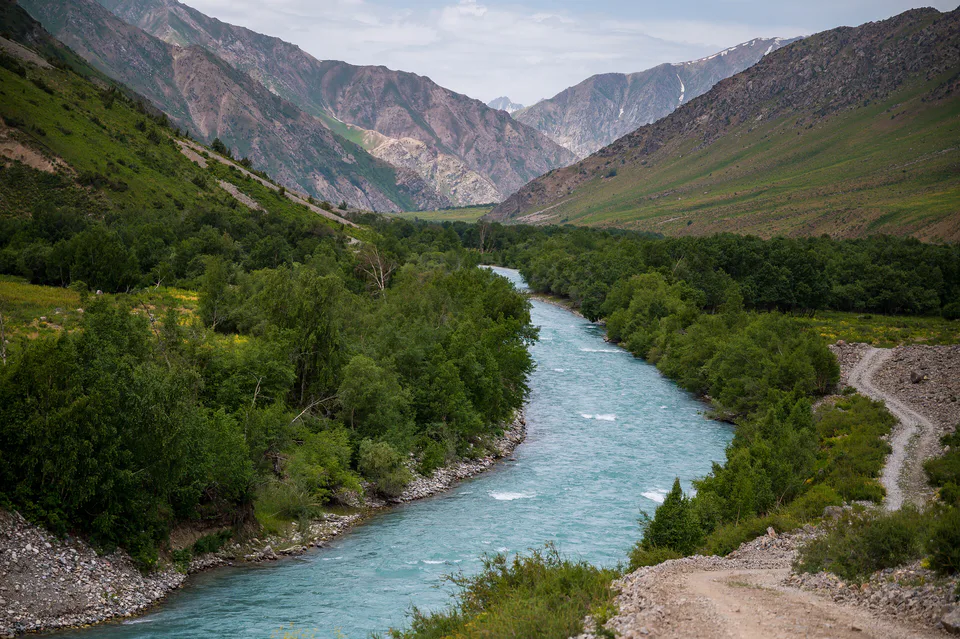
A valley of walnut groves and mountain villages
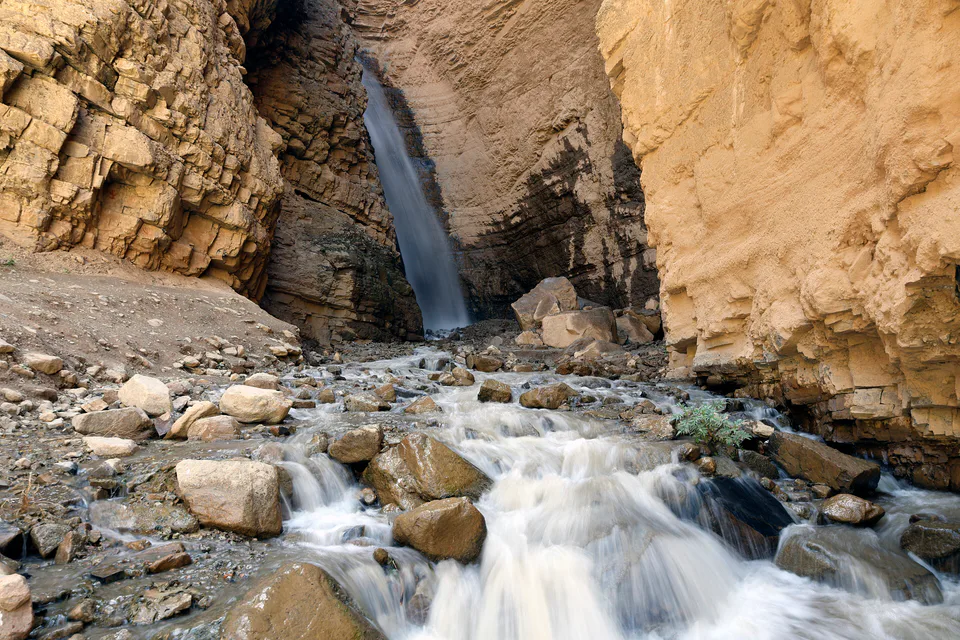
Nature · Bostanliq District
A waterfall among the rocks and birch groves
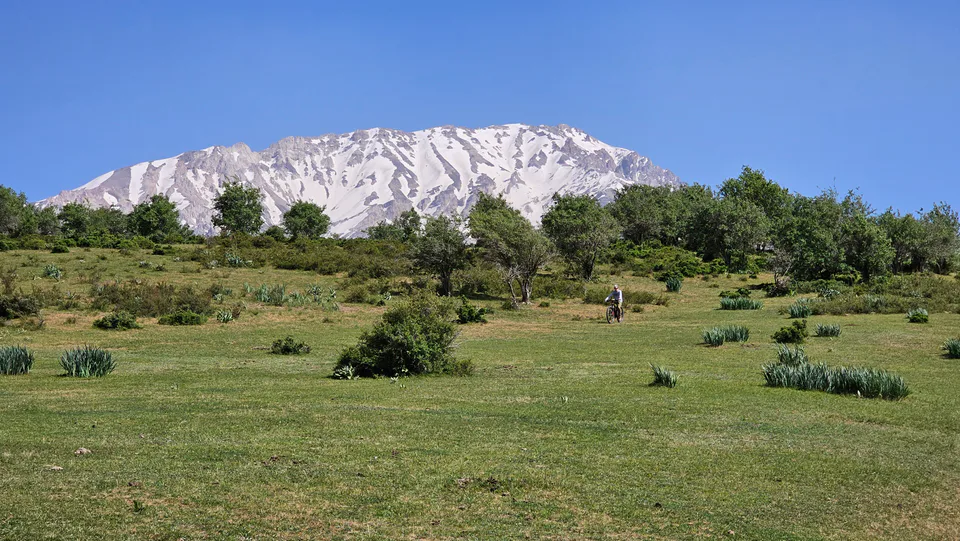
Resort · Bostanliq District
Tashkent’s oldest mountain resort