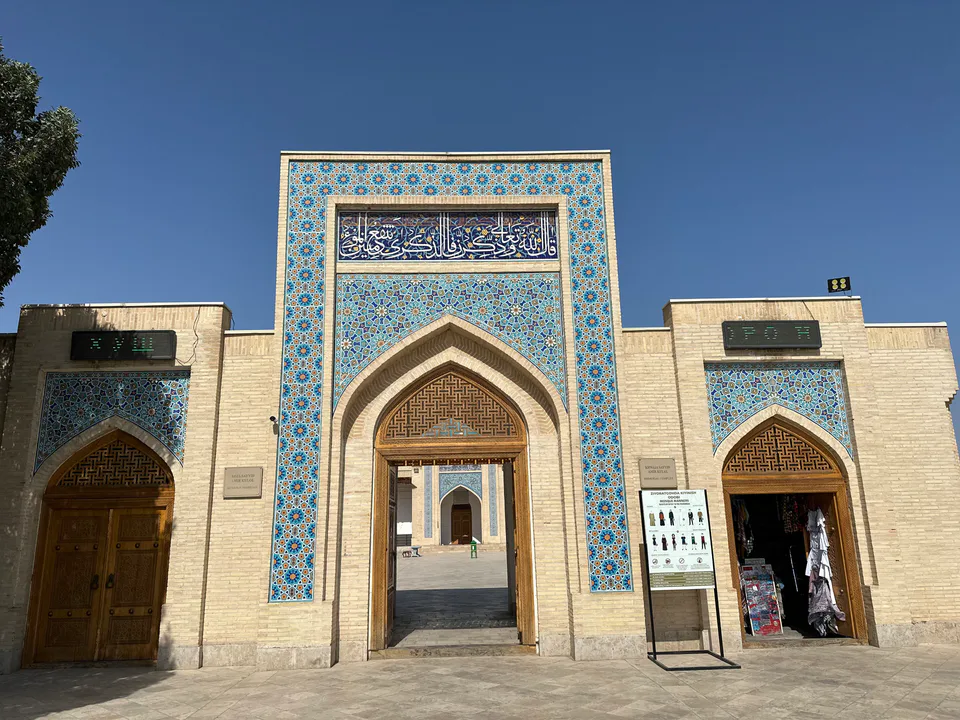
Pilgrimage site · Kogon District
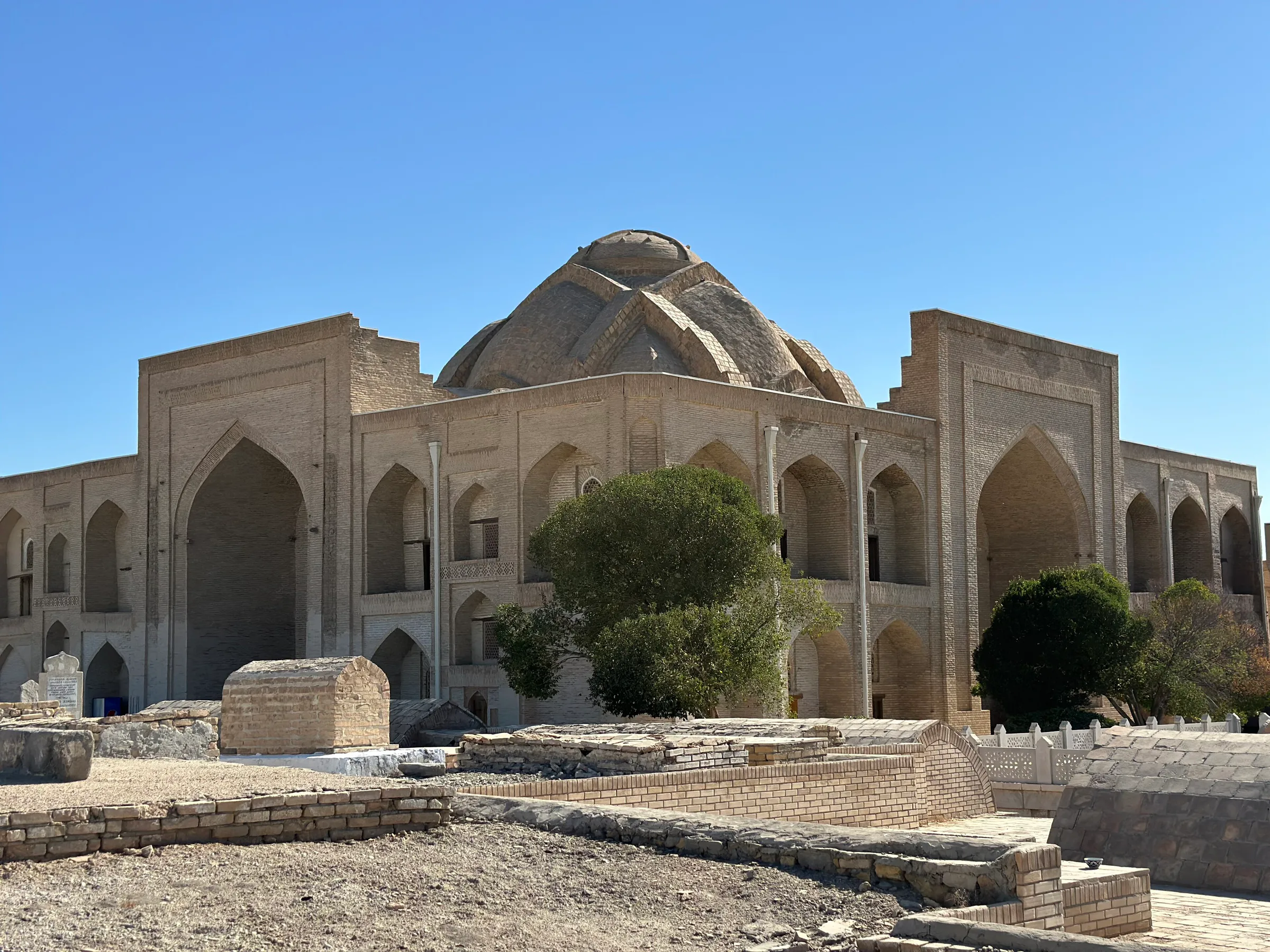
Sayyid Mir Kulol Complex
Resting place of Bahauddin Naqshband's teacher
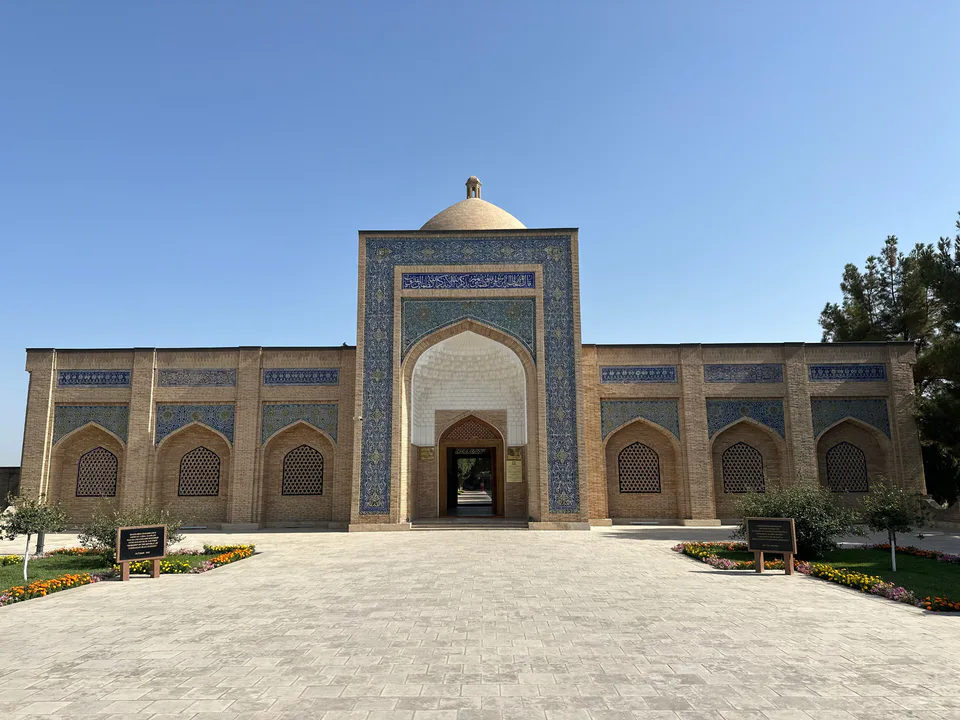
Pilgrimage site · Kogon District
Built up around the grave of Bahauddin Naqshband (1318–1389), founder of the Naqshbandi Sufi order, this is one of Central Asia's most revered shrines and, since 2023, a UNESCO site.
Bahauddin Muhammad ibn Burhoniddin Muhammad al-Bukhari was born near Bukhara in 1318 and died in 1389. He was also known as Shohi Naqshband and Khojai Buzruk. In the chain of Khwajagan masters known as Bukhara's 'seven saints' he is the seventh; his own teacher was Sayyid Amir Kulol.
The order named after him is famous for its motto Dil ba yor, dast ba kor — 'the heart with God, the hands at work' — and spread from Central Asia to Turkey, India, the Caucasus and Indonesia.
The complex began to grow around Bahauddin's grave in the village of Qasri Orifon soon after his death and kept expanding for centuries. Its largest building, the khanqah, dates from 1544–1545. The graves were arranged on the orders of the Shaybanid Abdulaziz Khan, and an inscription on the minaret dates it to 1885.
Visiting the grave was banned in Soviet times. In 1993, for the 675th anniversary of Bahauddin's birth, the complex was restored and enlarged with new buildings, with further restorations in 2003 and 2010. A museum of Sufism and a research centre opened here in 2004.
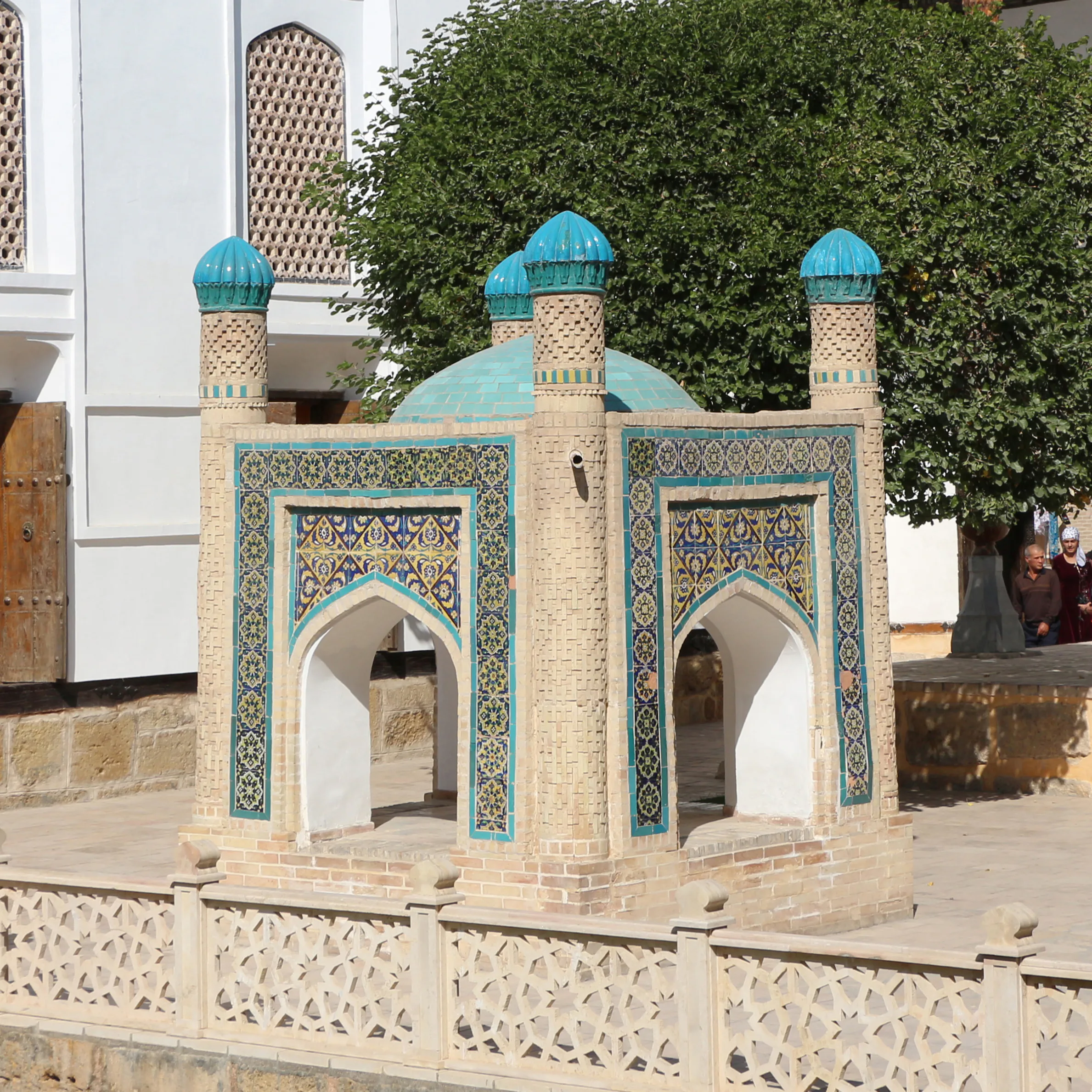
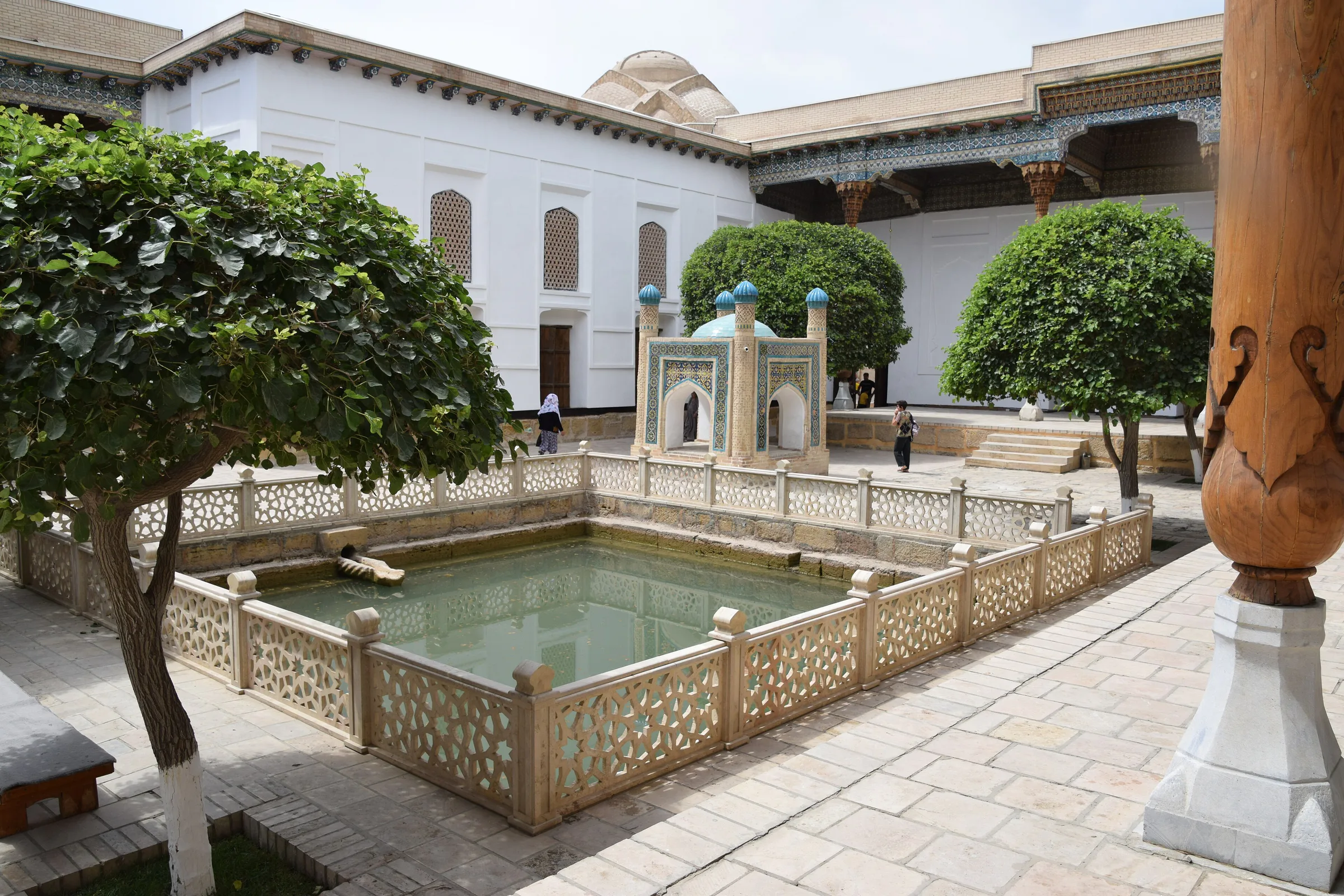
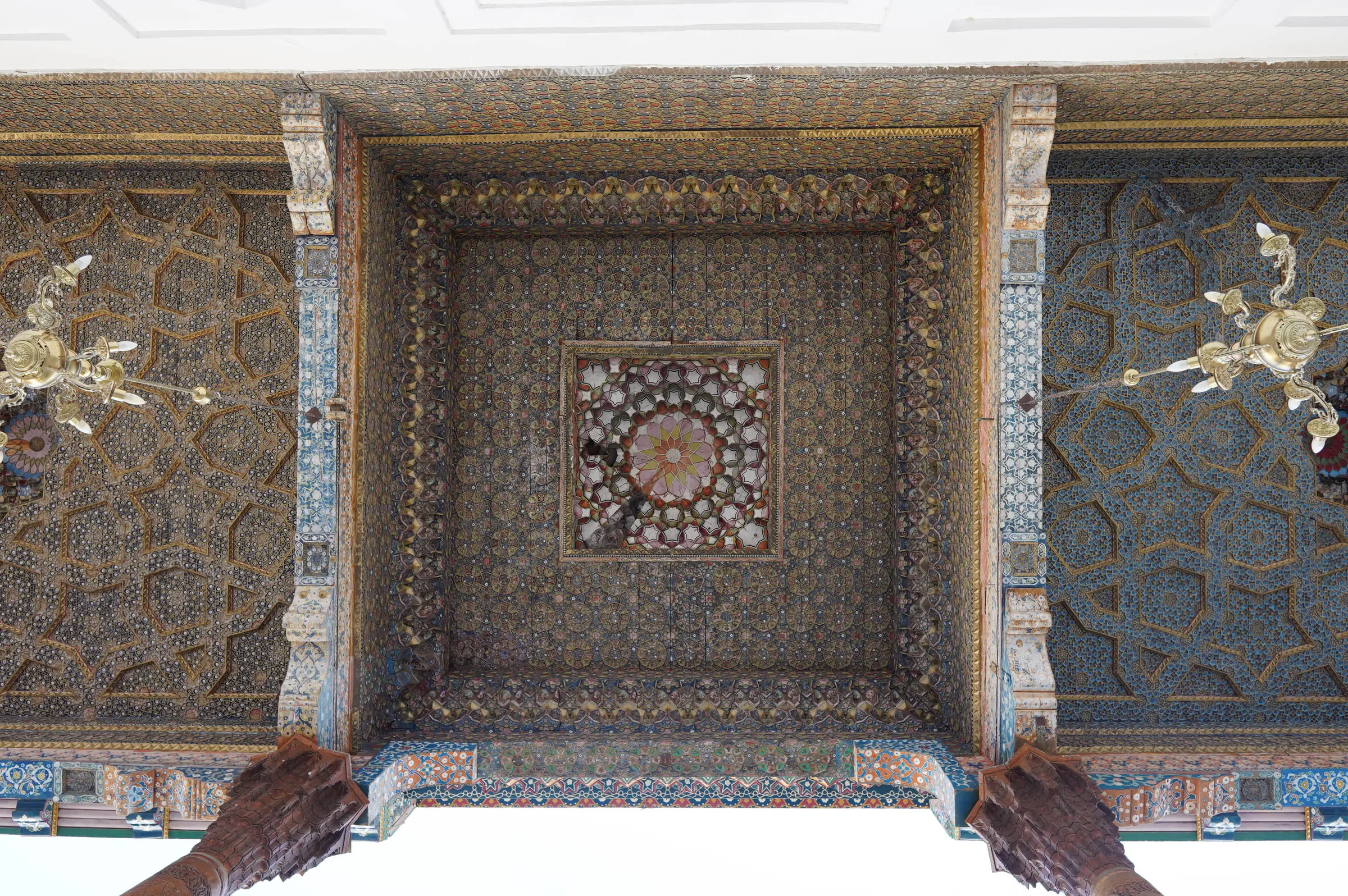
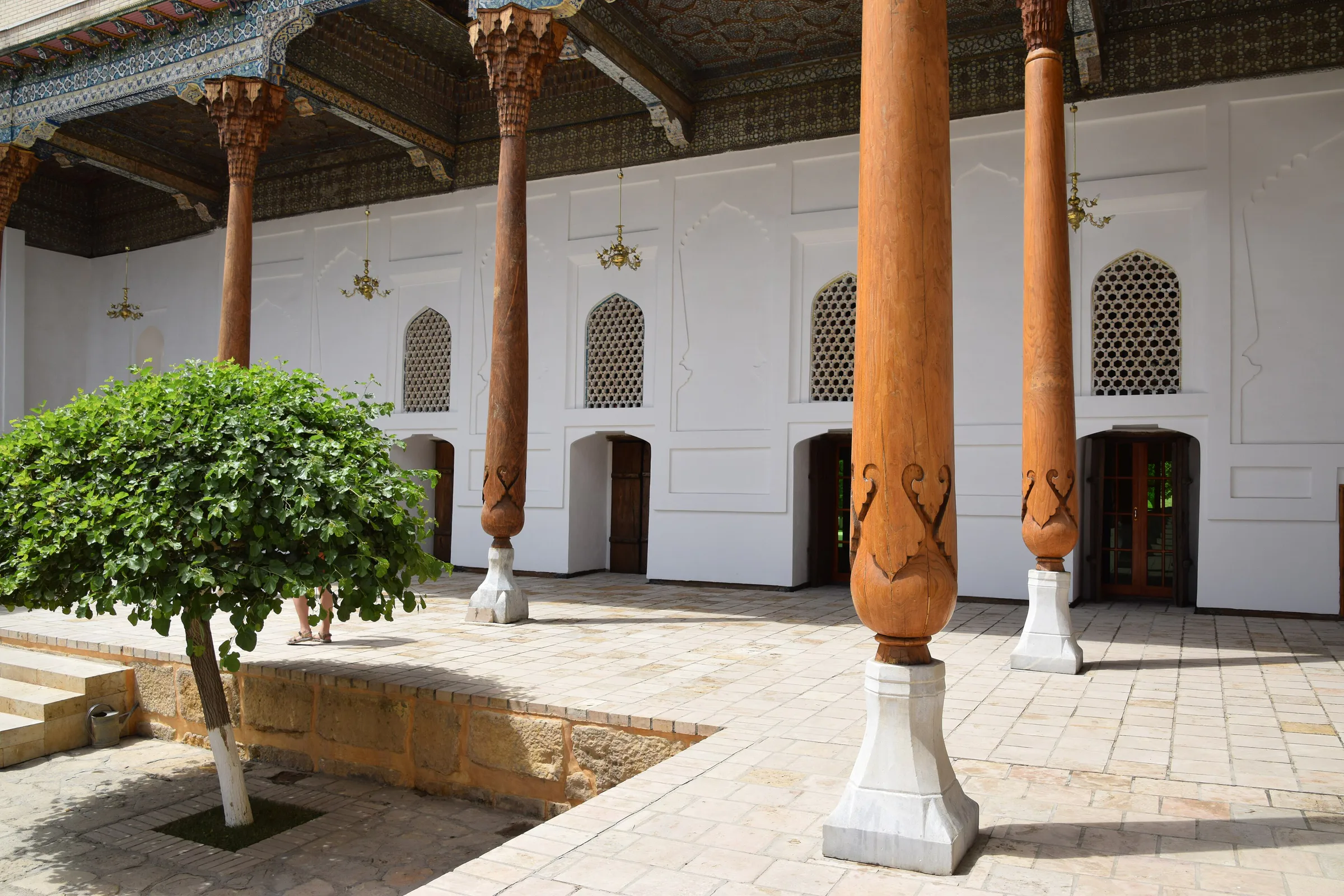
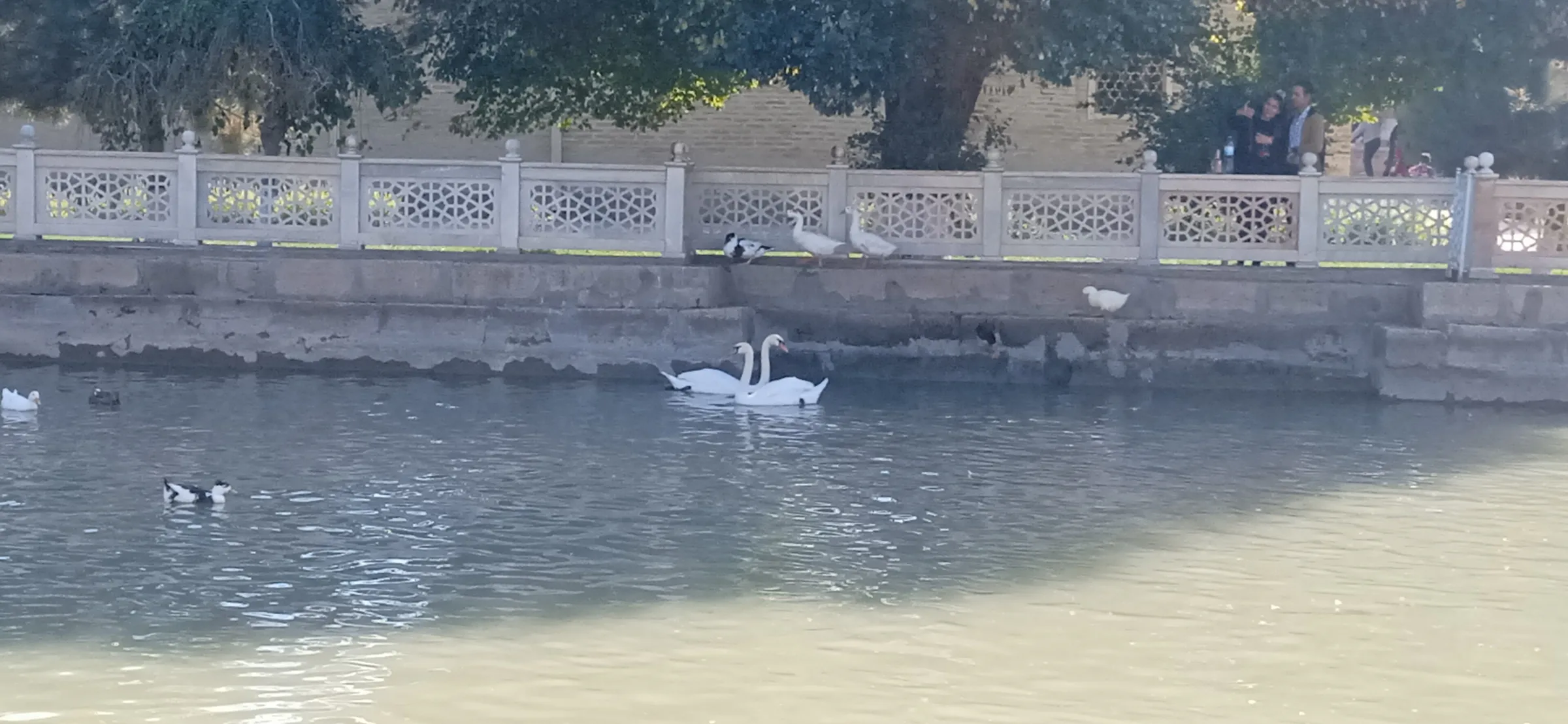
You enter through a small domed gatehouse, the Bobi Islom. Inside, on a raised platform, stands Bahauddin's dakhma, clad in marble blocks and enclosed by a marble lattice, with a small marble-lined pool to its north. Nearby are the khanqah of Abdulaziz Khan, the mosque of Emir Muzaffar, the minaret and the saqqokhona — a four-arched well pavilion with turrets at its corners.
In the courtyard stands the trunk of an ancient tree that legend says grew from Bahauddin's staff when he thrust it into the ground; pilgrims pass beneath it and make a wish.
This is a living shrine that draws Muslims from across Uzbekistan and the world. Dress modestly, women are advised to cover their hair, and ask before photographing pilgrims.
Bukharan tradition is to visit the graves of the 'seven saints' in turn, and the Bahauddin complex is the last stop on that route.
There is no domed mausoleum over Bahauddin's grave: the dakhma stands under the open sky, enclosed only by a marble lattice — often explained by the sheikh's teaching of humility and renunciation of worldly pomp.
The name Naqshband is read in different ways: one explanation links it to the family trade of patterning brocade, another takes it to mean 'one who engraves the remembrance of God on the heart'.
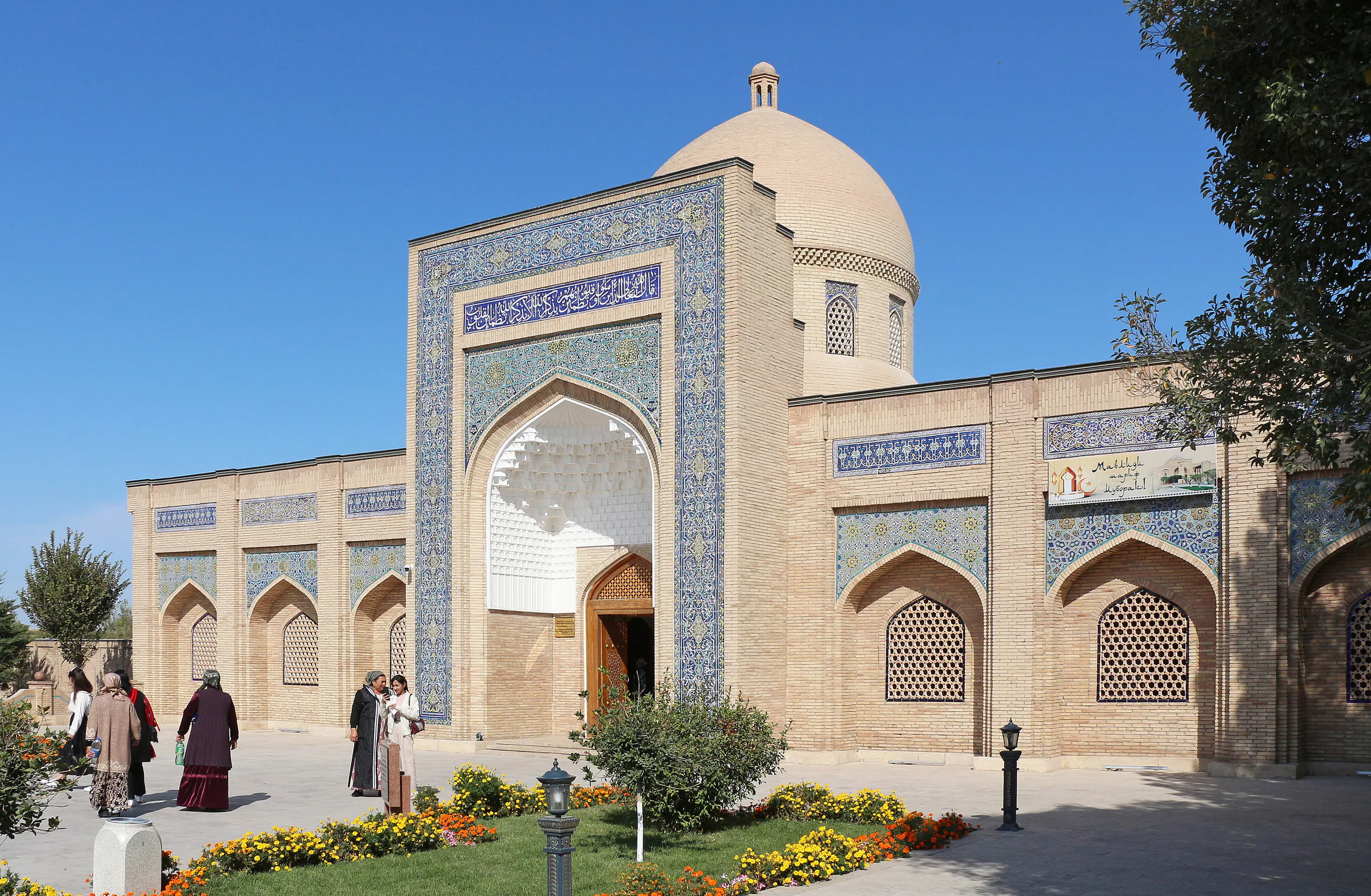
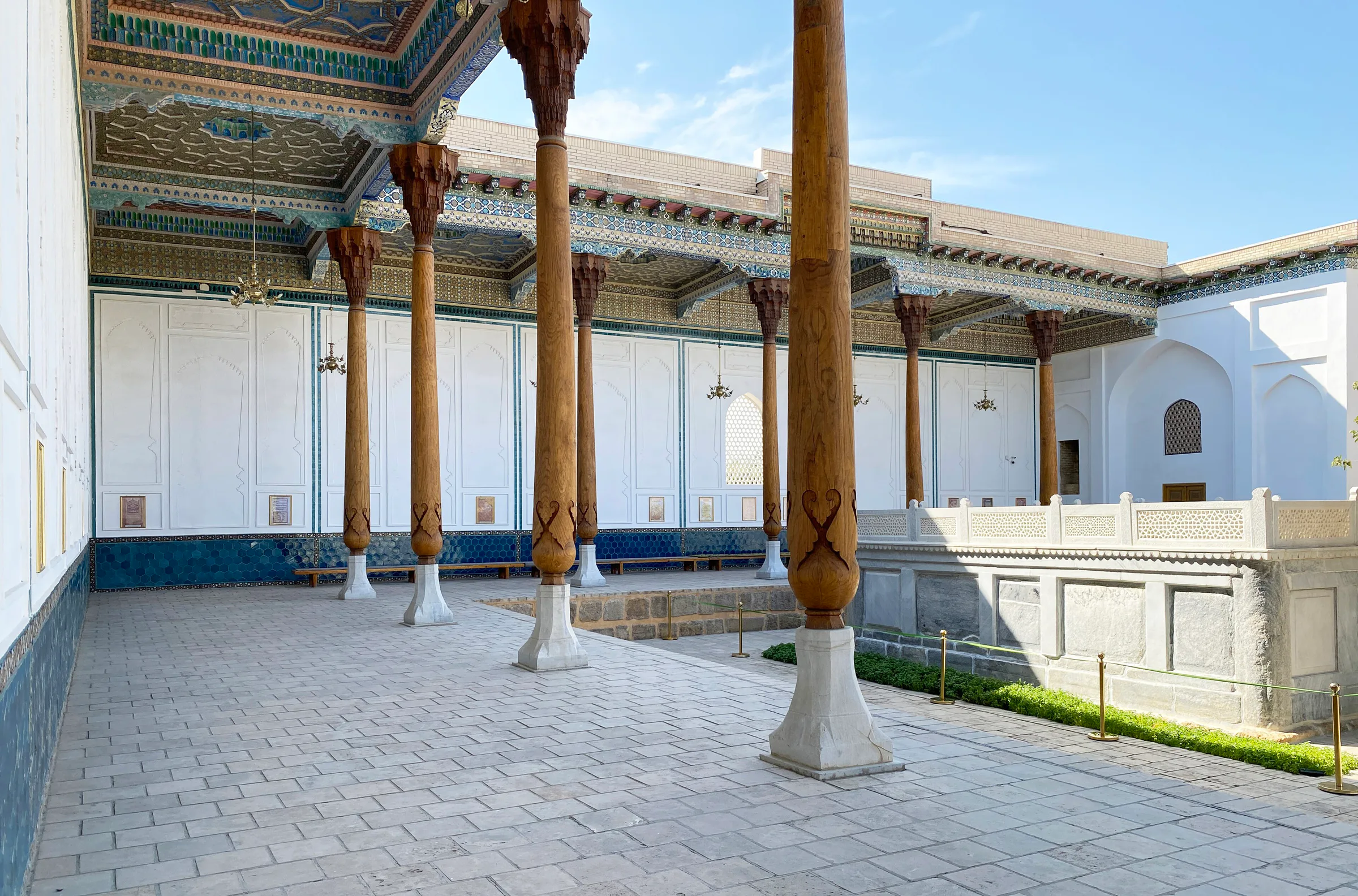
Pilgrimage site · Kogon District
Resting place of Bahauddin Naqshband's teacher
Pilgrimage site · Gijduvan District
Tomb of the Khwajagan founder and Ulugh Beg's last madrasa
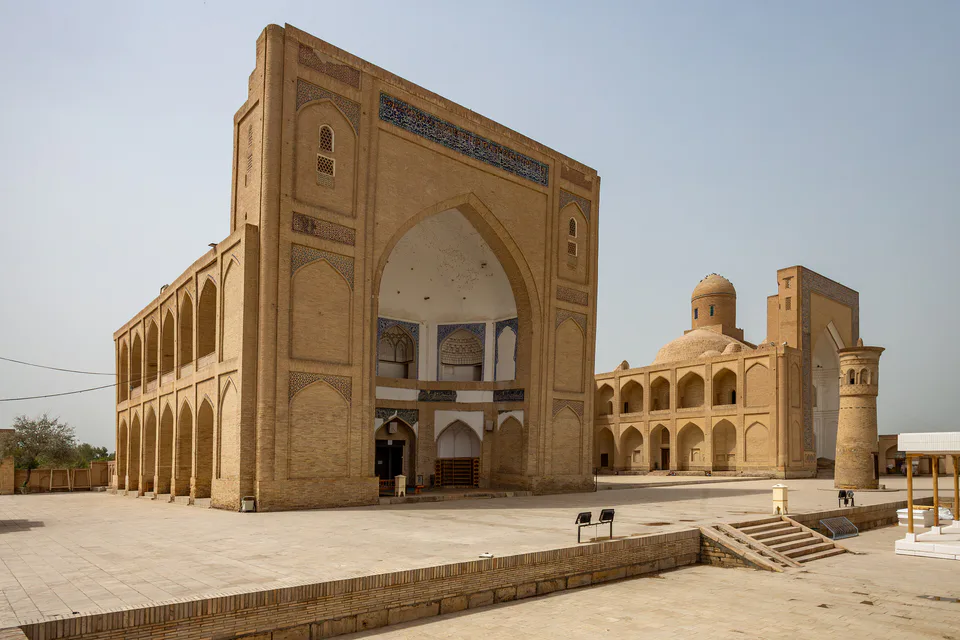
Ensemble · Bukhara District
The 'City of the Dead' of the Juybari sheikhs
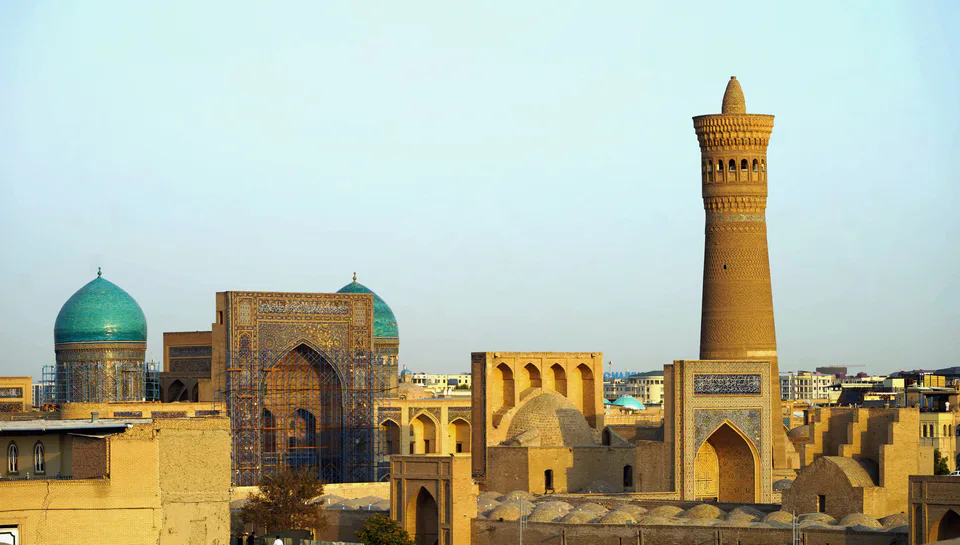
Ensemble · Bukhara city
Central Asia's most complete medieval city
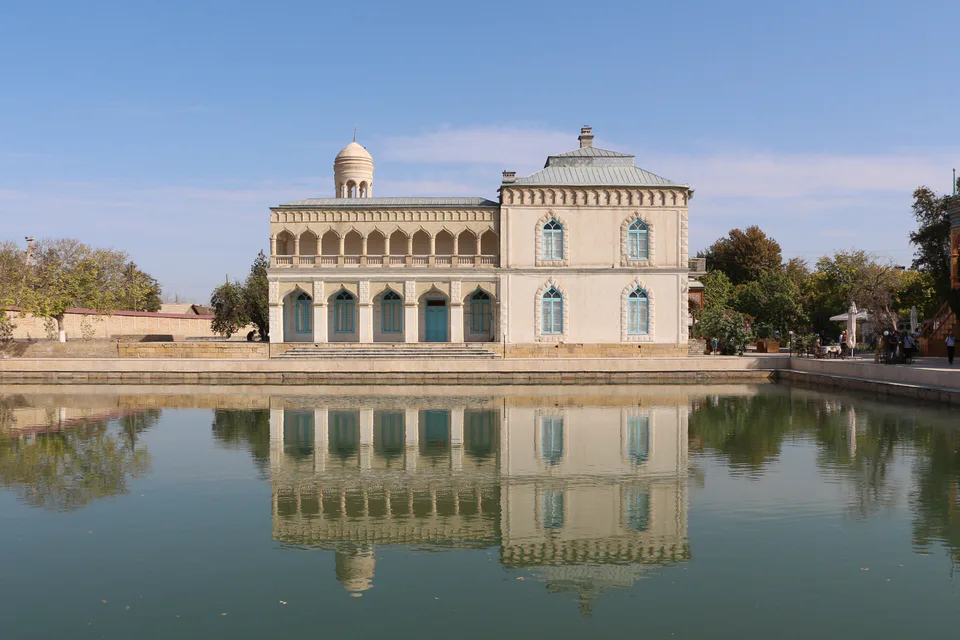
Museum · Bukhara city
The last emir's summer retreat outside the city
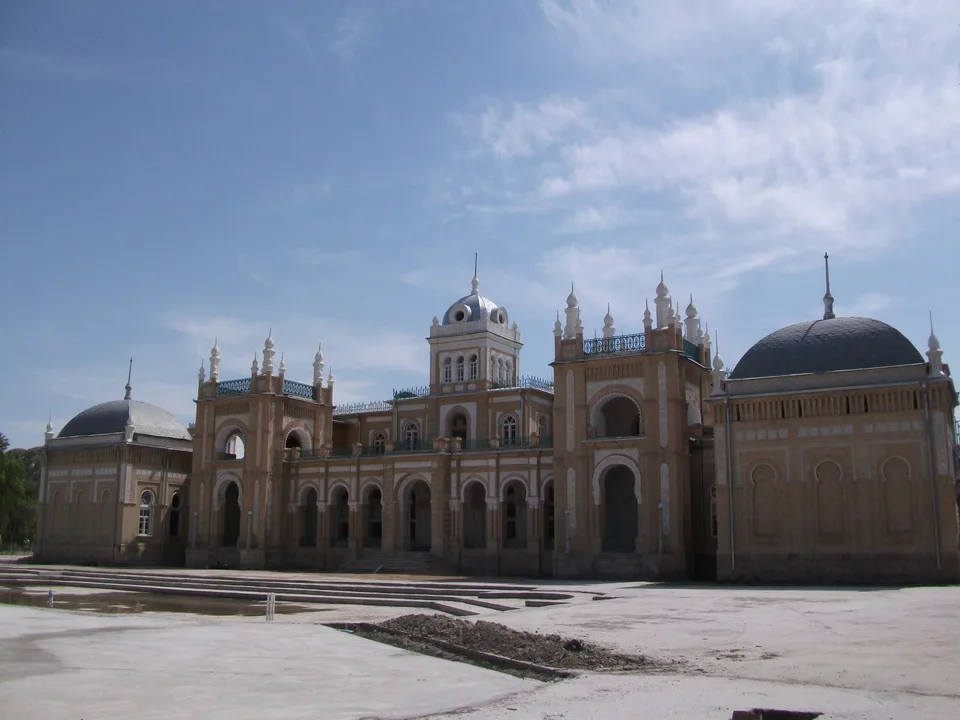
Culture & arts · Kogon city
A neo-Moorish palace in New Bukhara
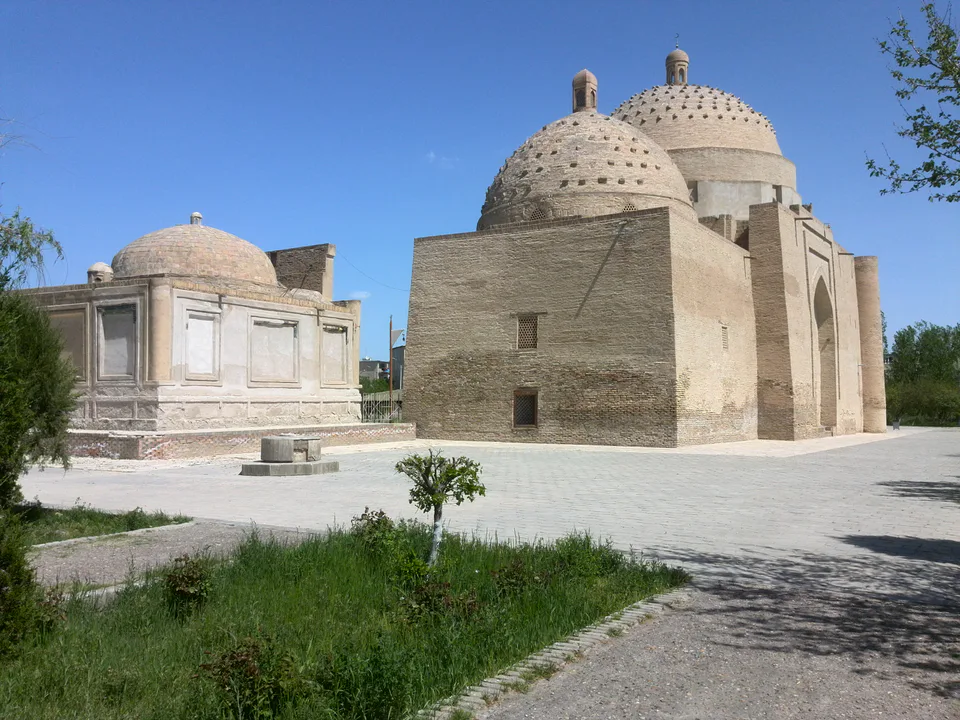
Mausoleum · Bukhara city
A Sufi sheikh and a Chagatai khan side by side
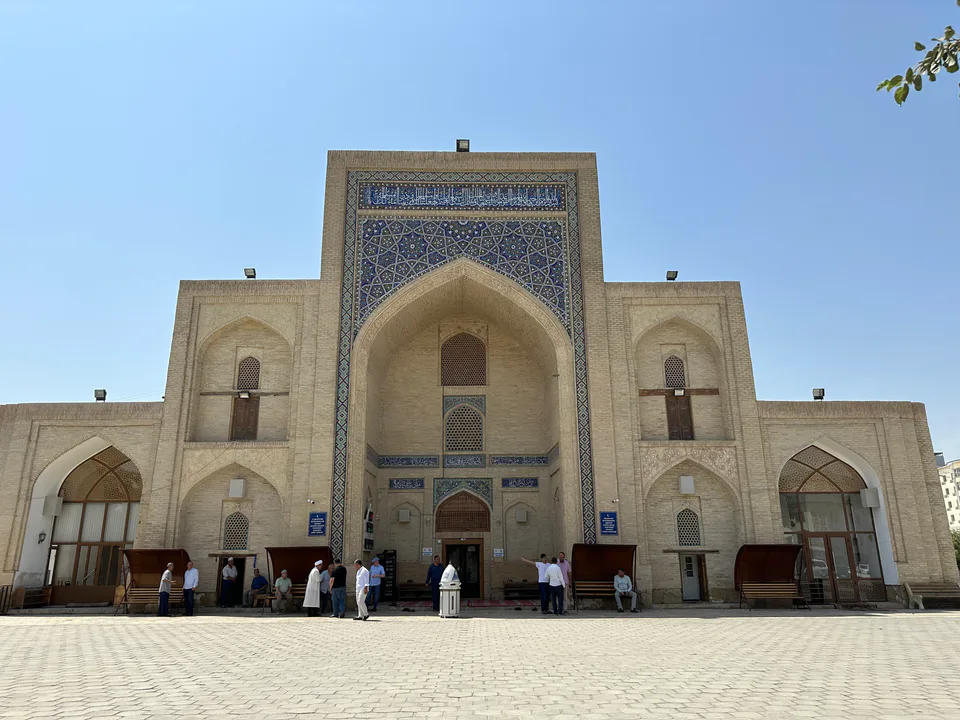
Mosque · Bukhara city
A Sufi lodge on the edge of Bukhara
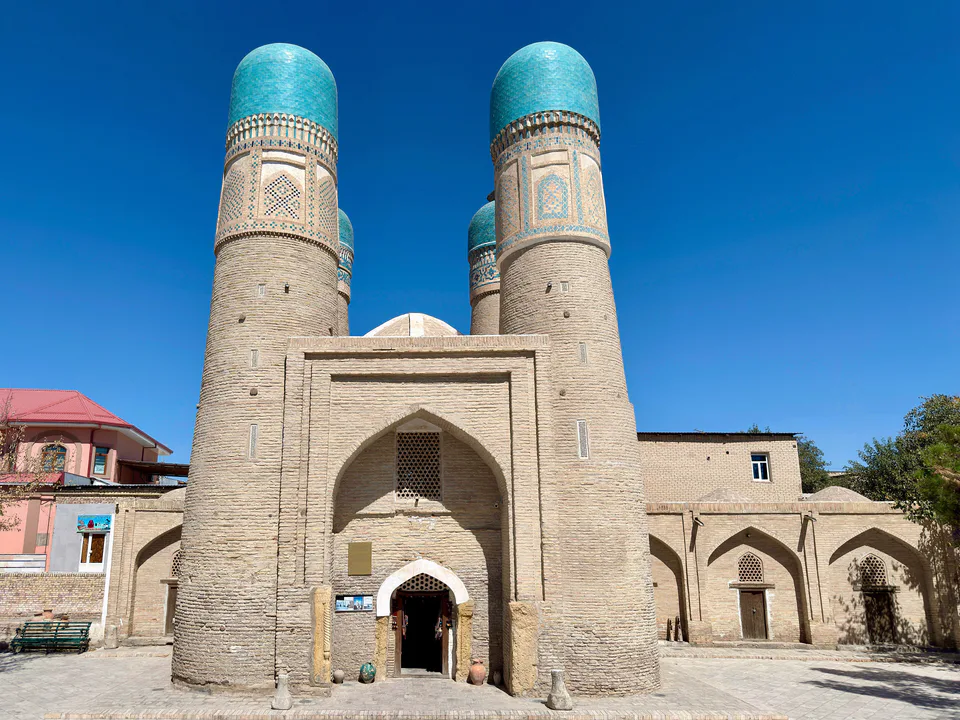
Madrasa · Bukhara city
A four-towered gatehouse — Bukhara's most photogenic building
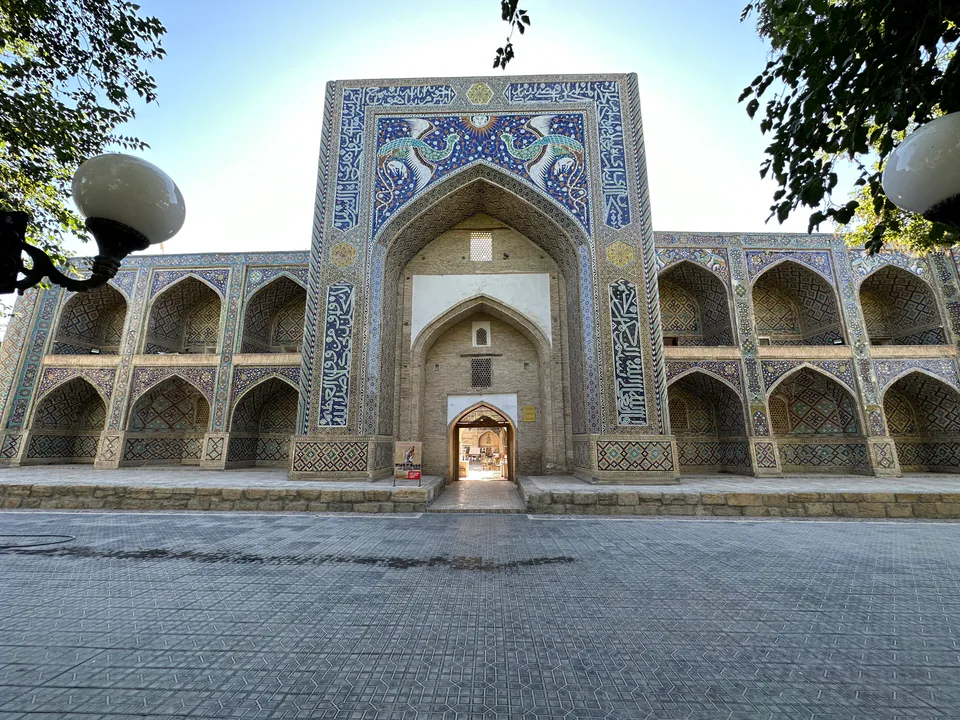
Madrasa · Bukhara city
The caravanserai that became a madrasa