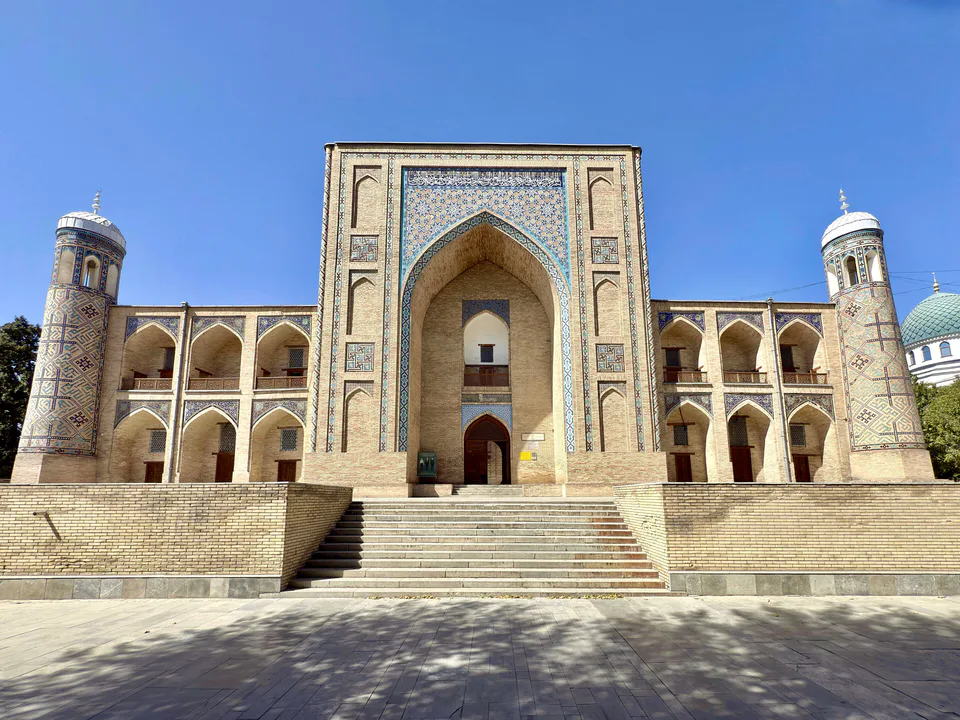
Madrasa · Shaykhantahur District
Kukeldash Madrasah
A 16th-century portal above Chorsu
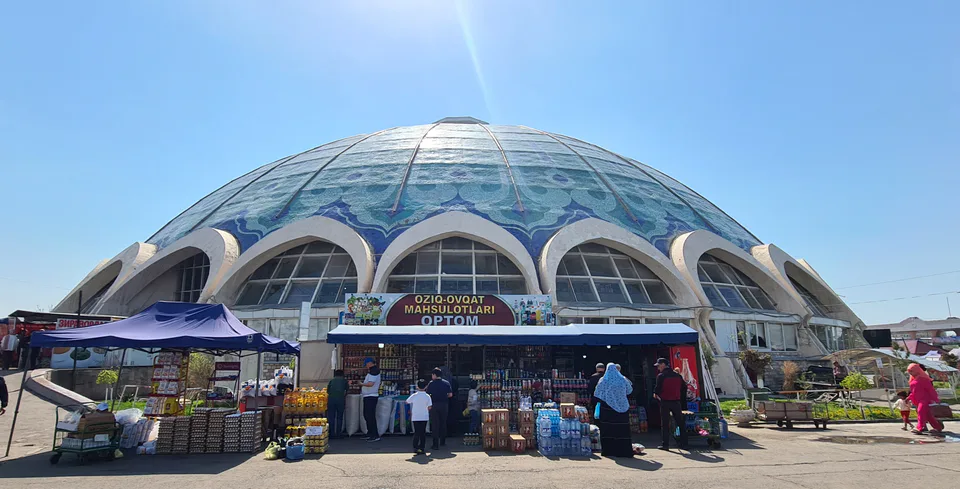
Bazaar · Shaykhantahur District
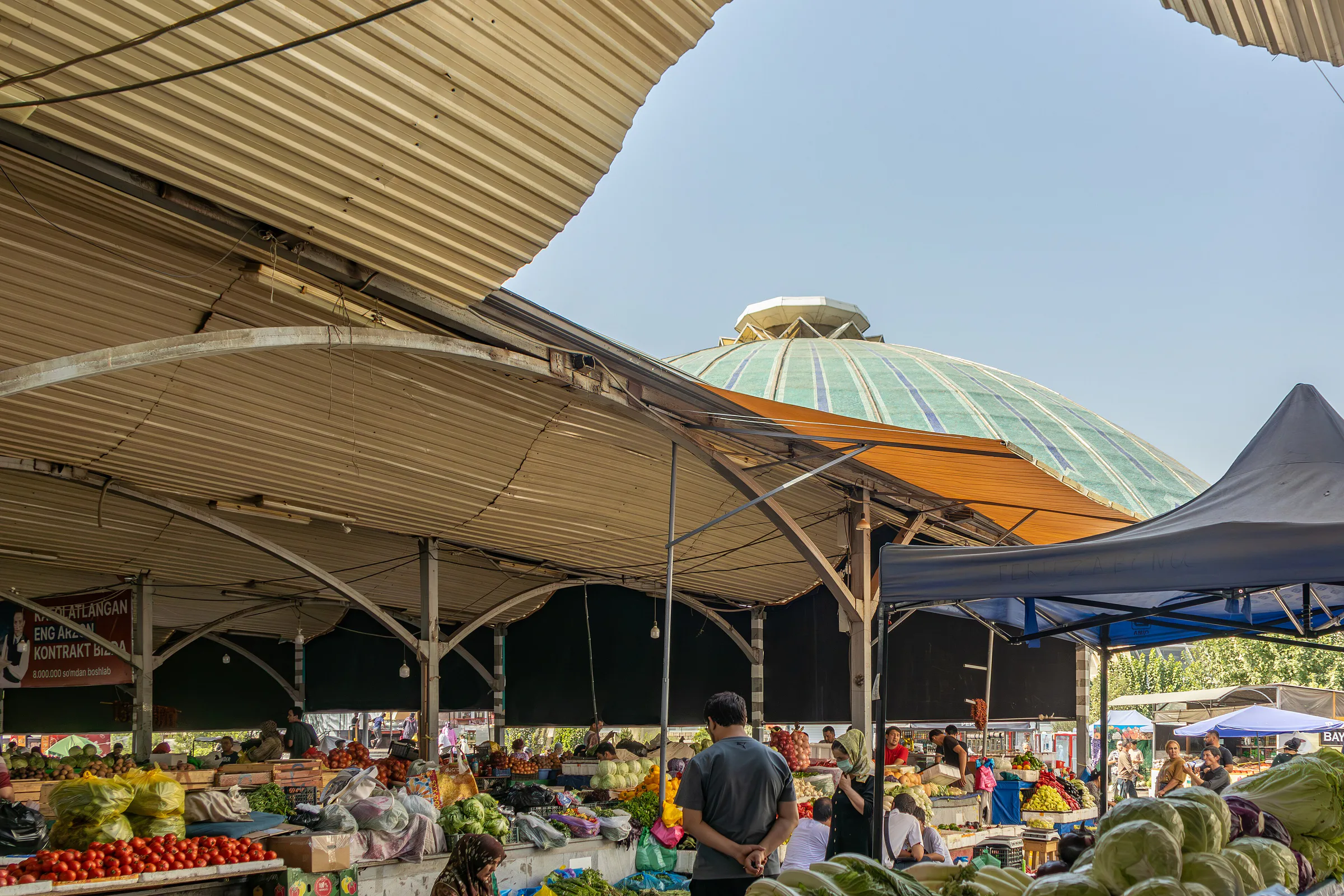
Tashkent's main bazaar, known since the Middle Ages; its domed 1980s building has been part of a UNESCO World Heritage property since 2026.
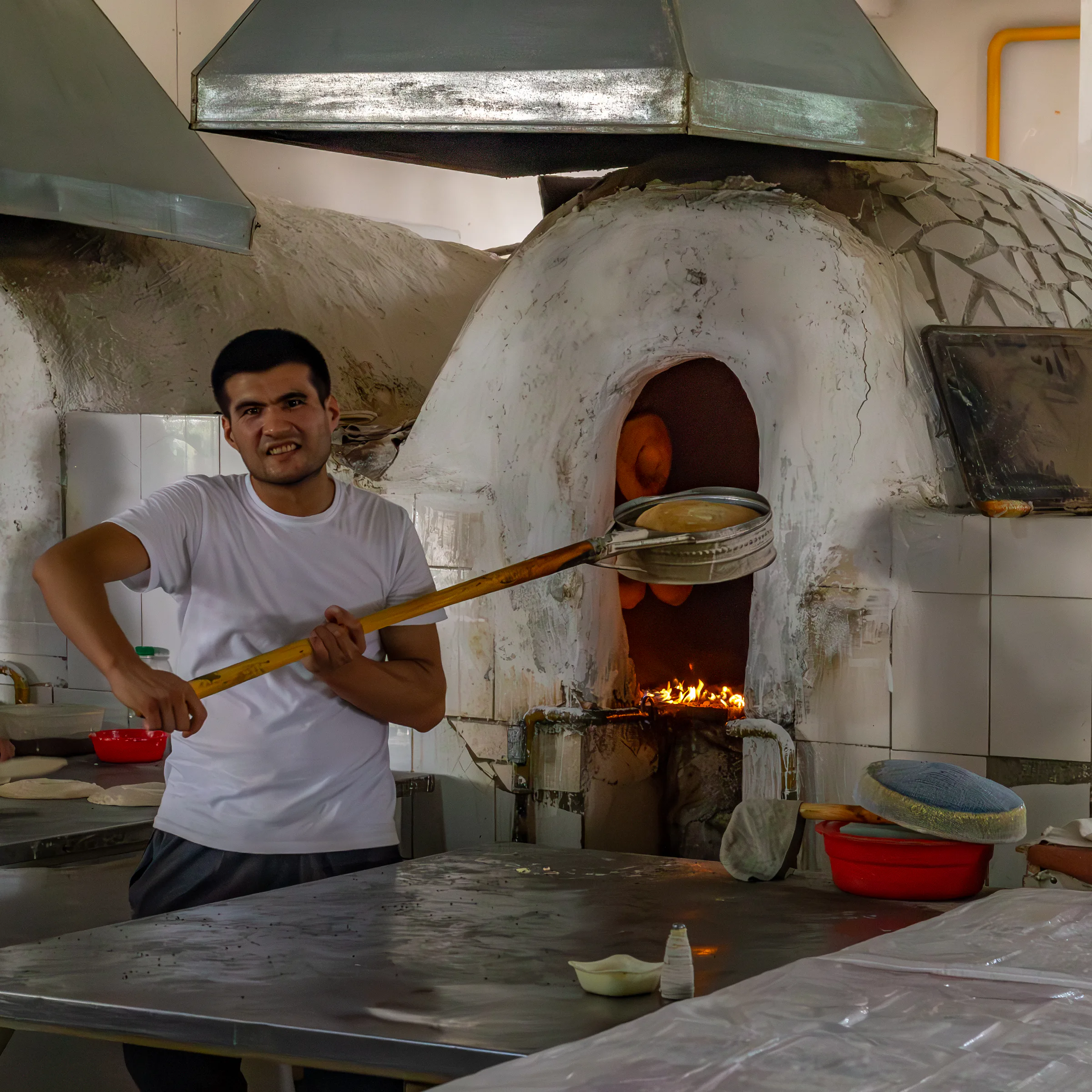
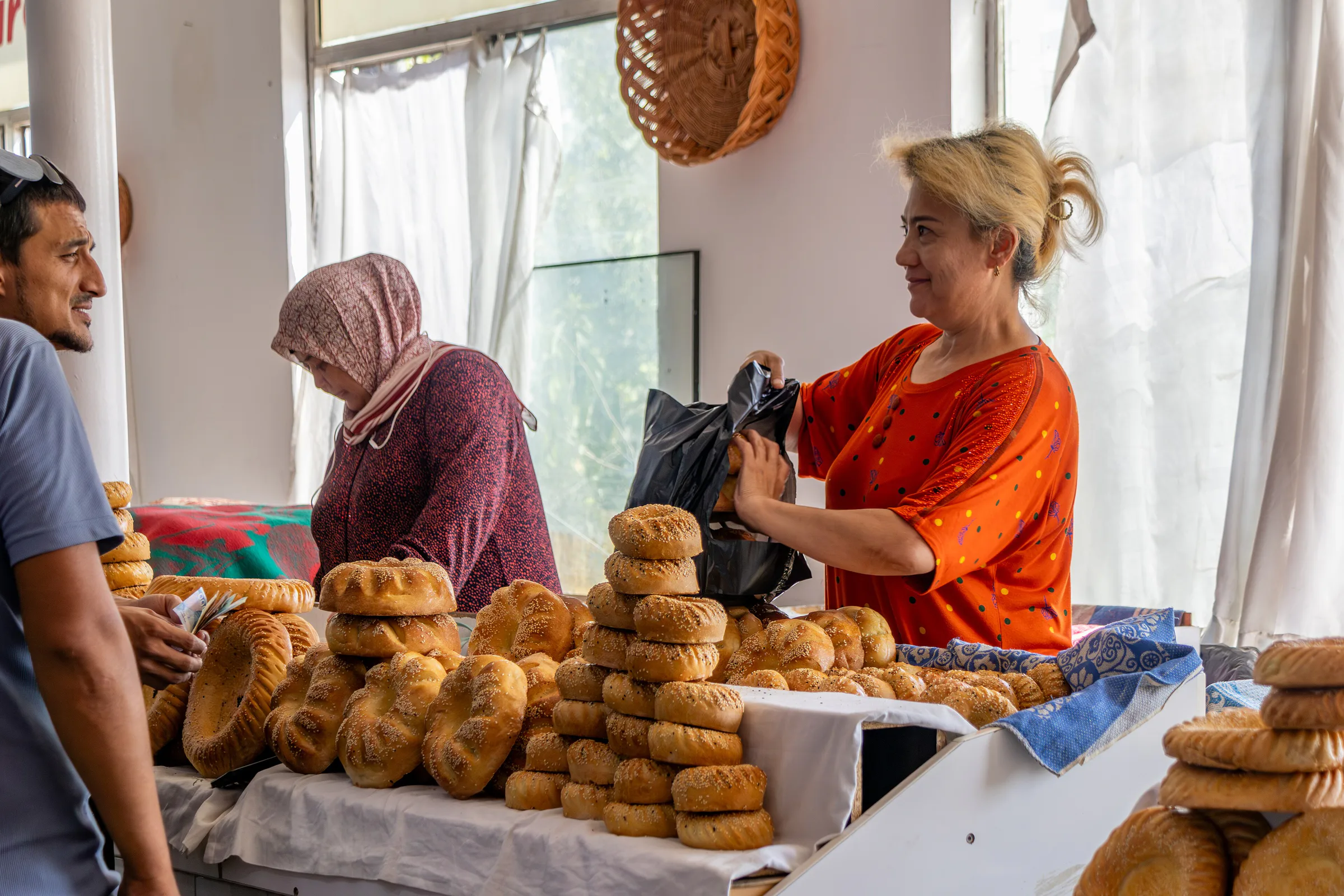
'Chorsu' is Persian for 'four sides' — the Central Asian term for a covered market with four exits at the junction of a city's main streets. Tashkent's bazaar has been known since the Middle Ages and played a significant role in Silk Road trade; its official name is Eski Juva. In Soviet times it was called the October Bazaar, and in the 1950s a row selling ready-made national dishes — nicknamed the 'glutton's row' — was added.
The bazaar is flanked by the Old City's historic monuments, the Kukeldash Madrasah and the Friday mosque. Chorsu metro station opened here on 6 November 1989, its tunnels dug by the cut-and-cover method straight through the market square.
The idea of domed bazaars is credited to architect Andrei Kosinsky, who came to Uzbekistan after the 1966 earthquake: seeing the domed cistern opposite the Rabat-i Malik caravanserai, he became fascinated by the passive cooling of domed structures. In the 1980s Vladimir Azimov and Sabir Adylov of the Tashgiprogor institute designed the market's reconstruction.
By the early 1990s smaller domes 10–15 metres across had been built around a main dome of about 80 metres. The basement holds service corridors; trading rows fill the middle and upper levels. In 2022 it was announced that the seven domes around the main one would be protected as cultural heritage.
On 26 July 2026, at the 48th session of the World Heritage Committee in Busan, Chorsu and nine other landmarks of Tashkent modernism were inscribed as the serial property 'Tashkent Modernist Architecture: Modernity and Tradition in Central Asia' — recognition for a local school that blended Soviet modernism with Uzbek ornament and earthquake-resistant engineering.
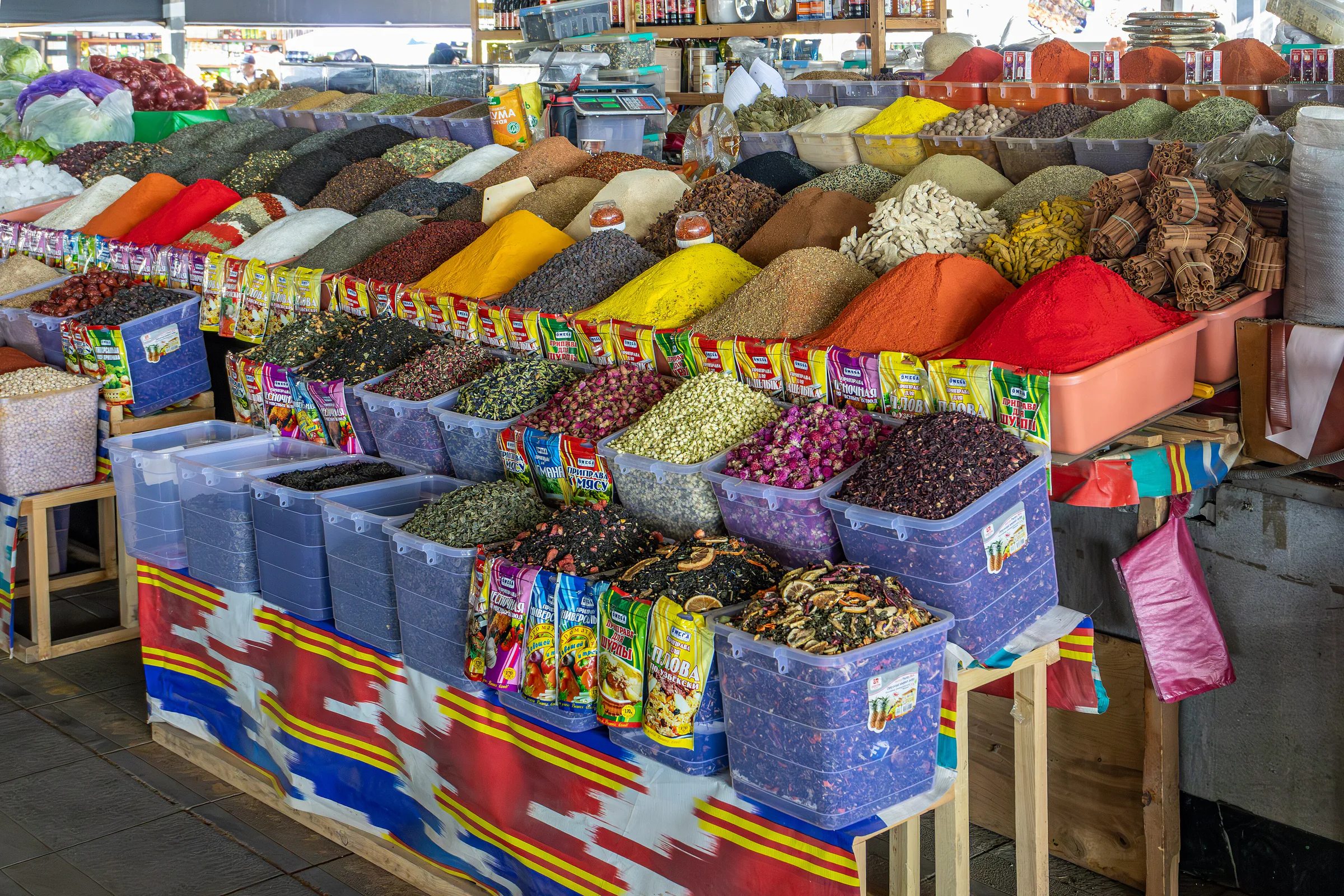
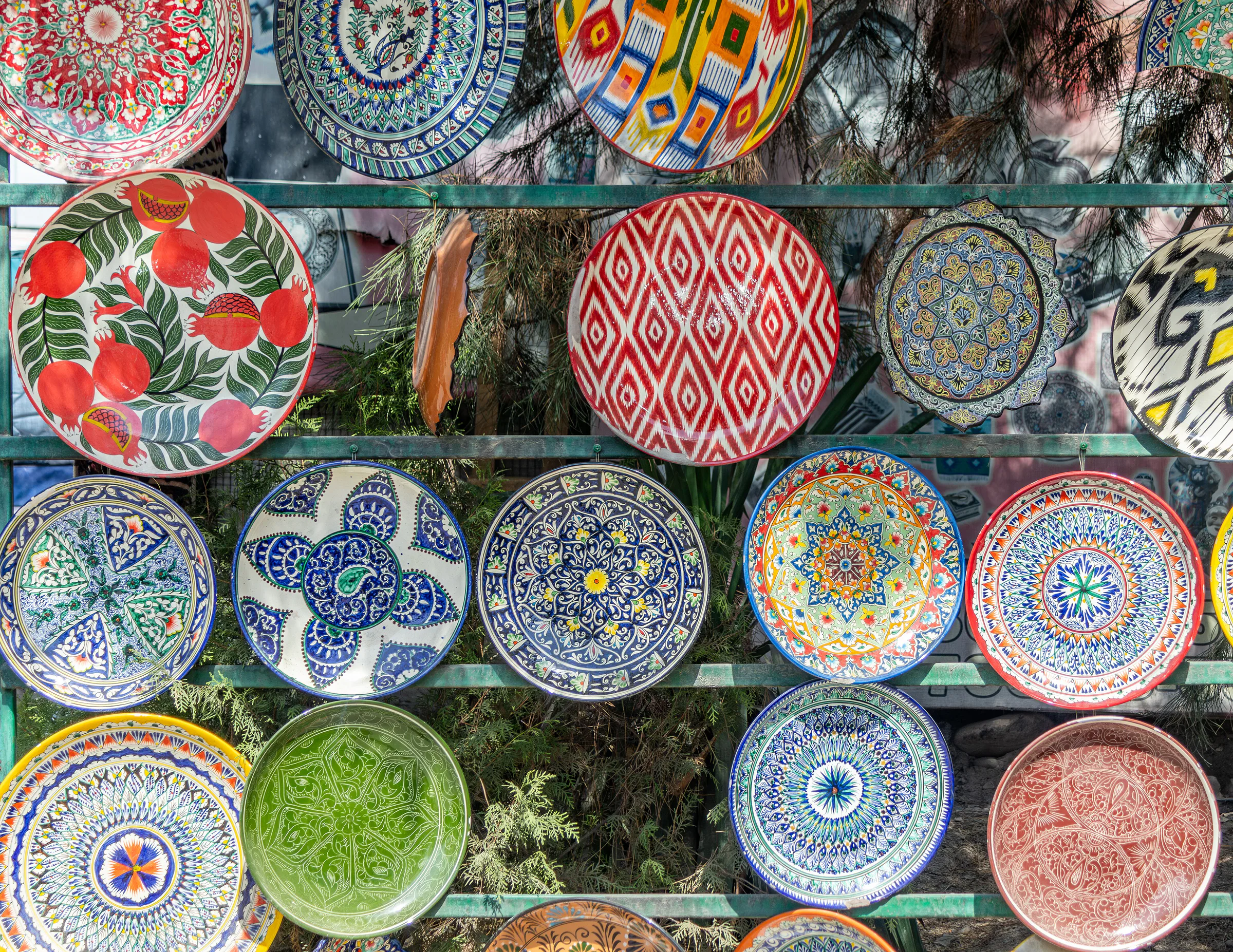
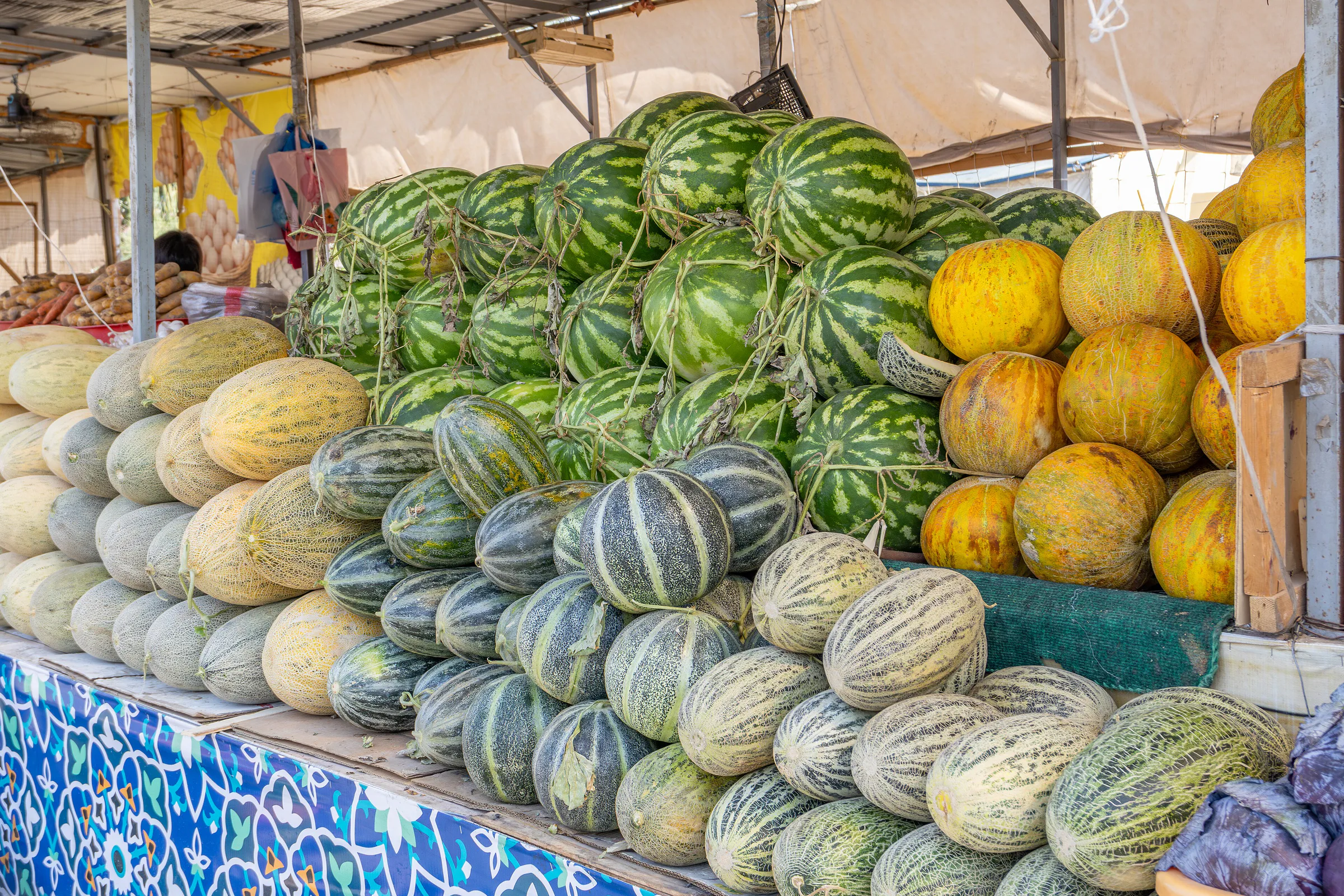
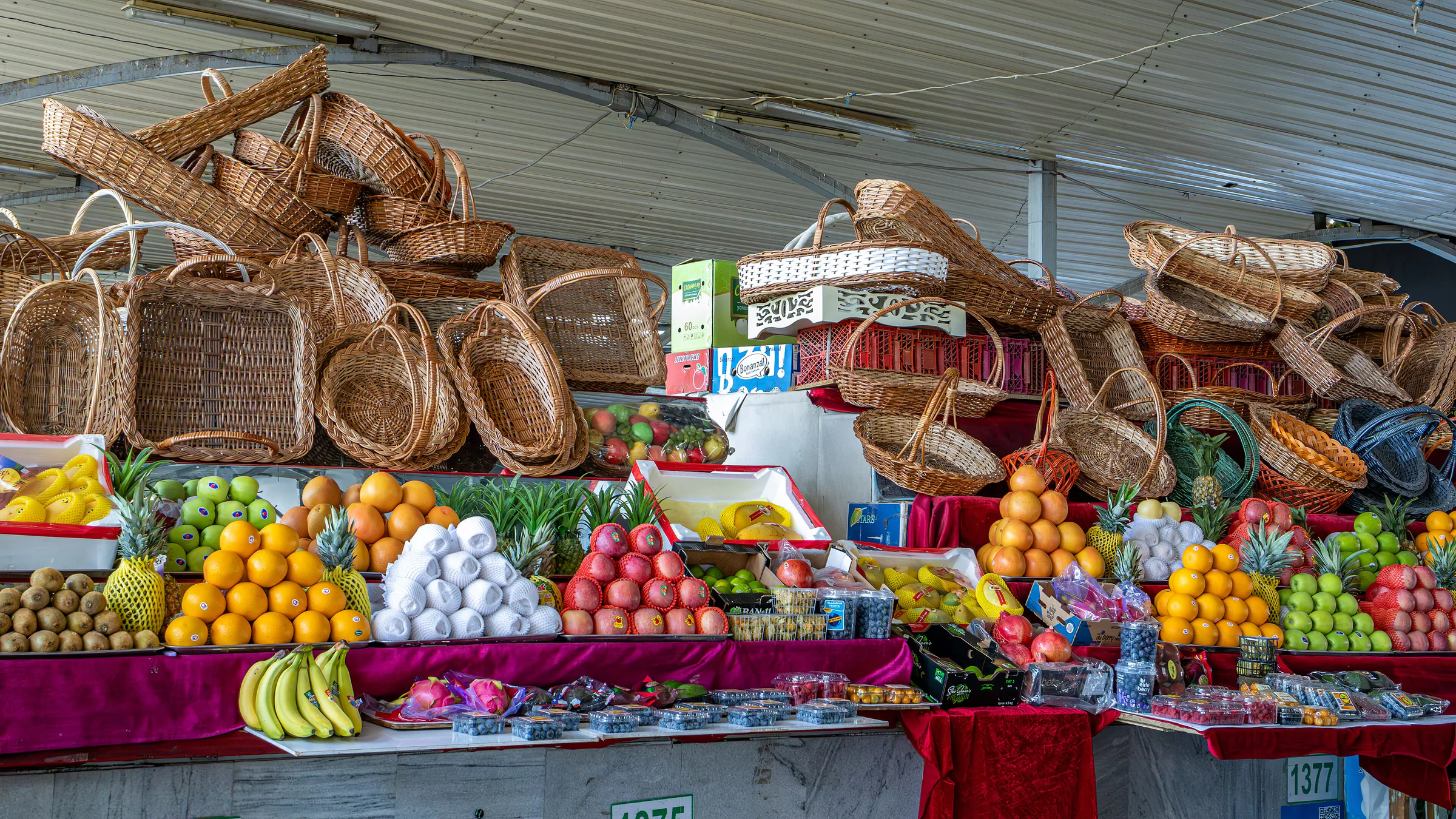
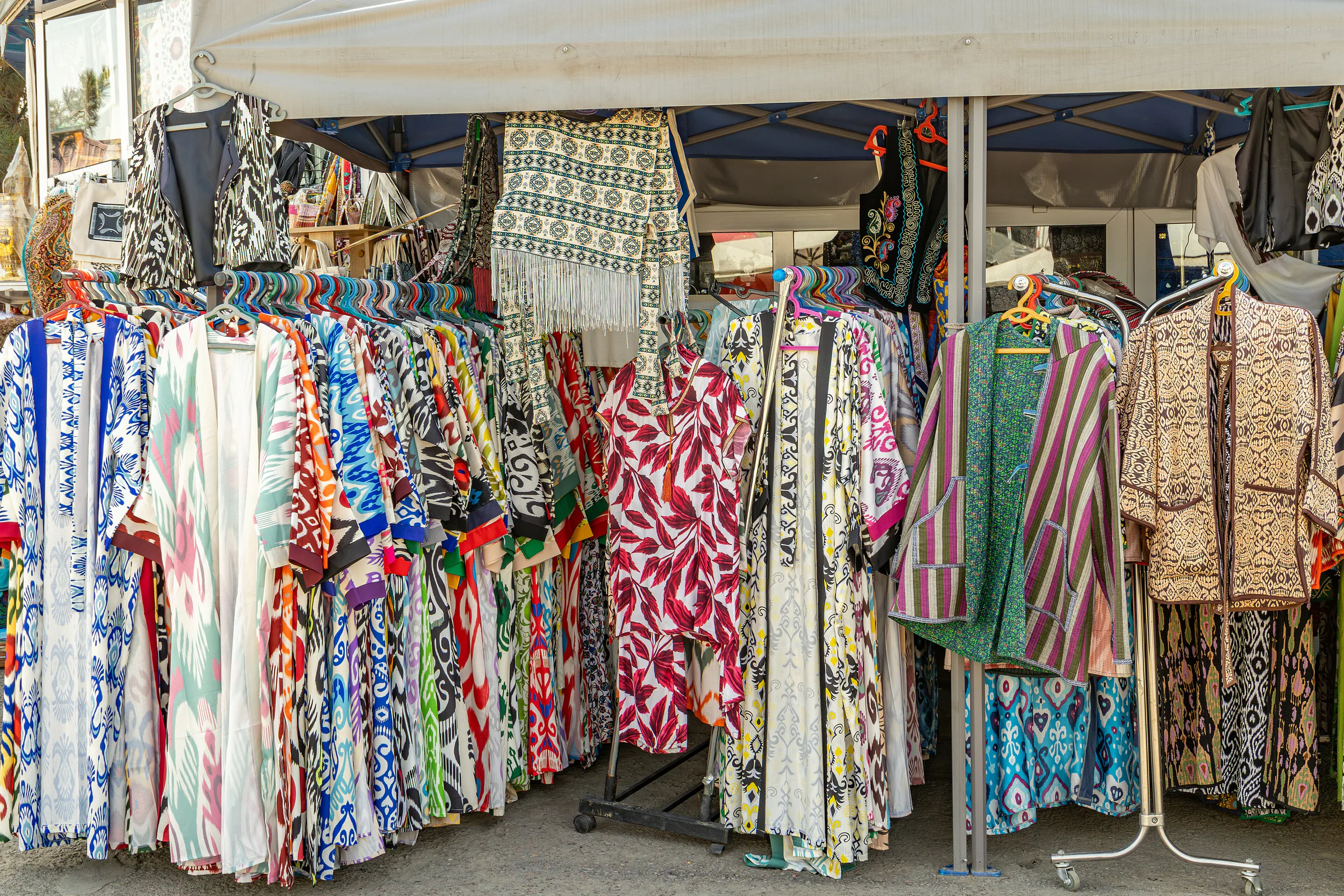
Stalls are grouped by product: vegetables and fruit, nuts and dried fruit, Eastern sweets, spices and grains. The dairy row sells qatiq (yoghurt), suzma (strained curd) and qurut, salty balls of dried curd, including versions with red pepper or smoked. Separate pavilions cover clothes and household goods — the place to look for chapan robes, ikat silk, skullcaps and kurpacha quilts.
Madrasa · Shaykhantahur District
A 16th-century portal above Chorsu
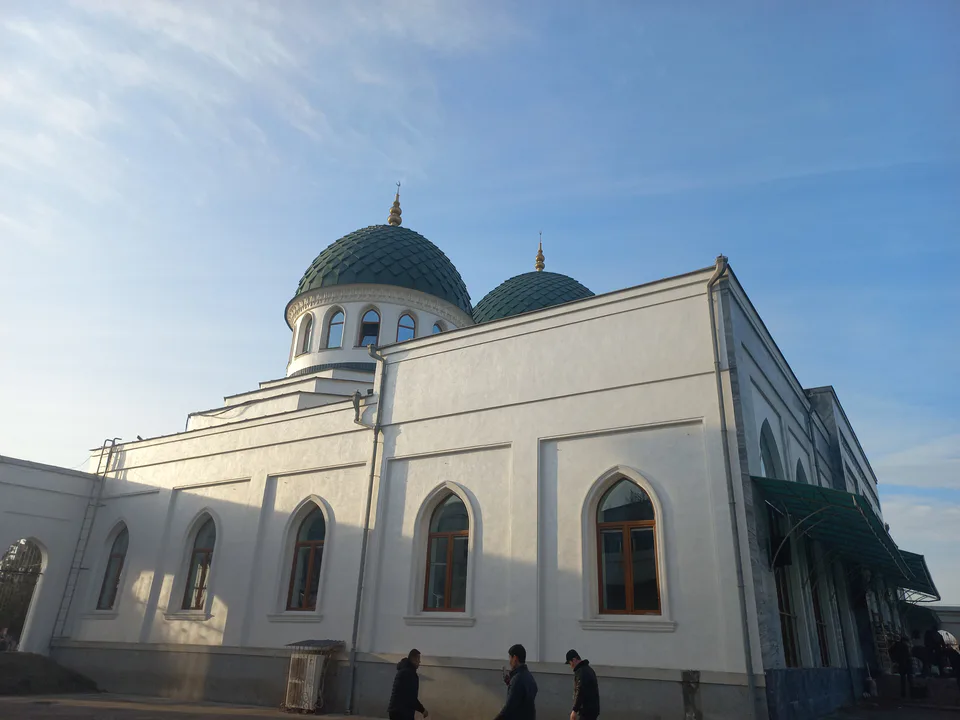
Mosque · Shaykhantahur District
Tashkent's Friday mosque since the 15th century
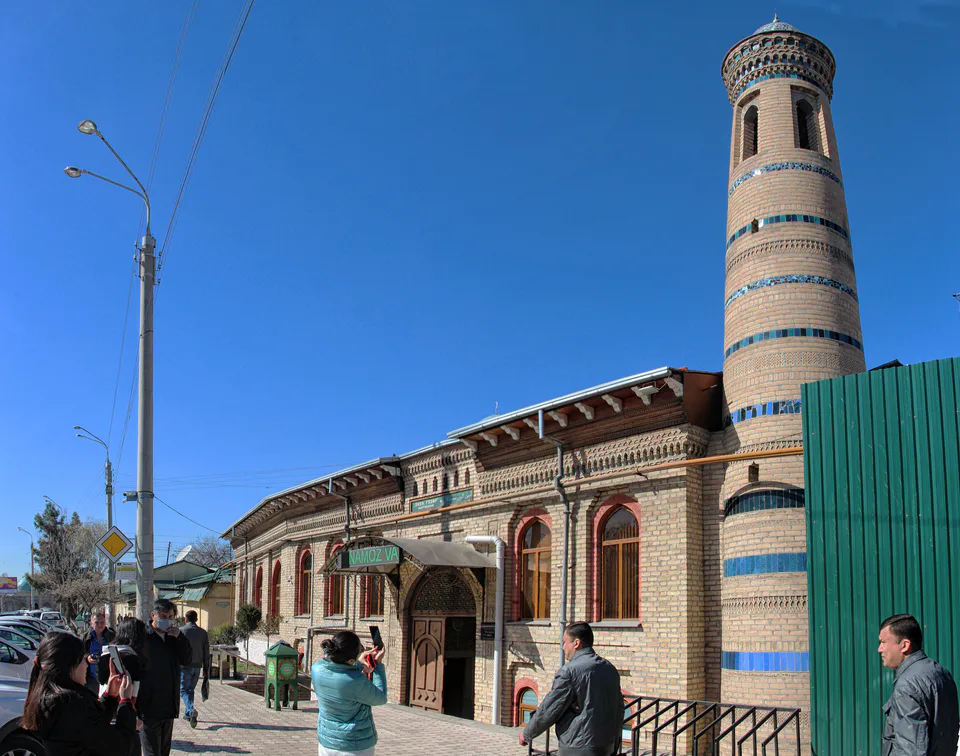
Ensemble · Almazar District
On foot from Chorsu to Hazrati Imam
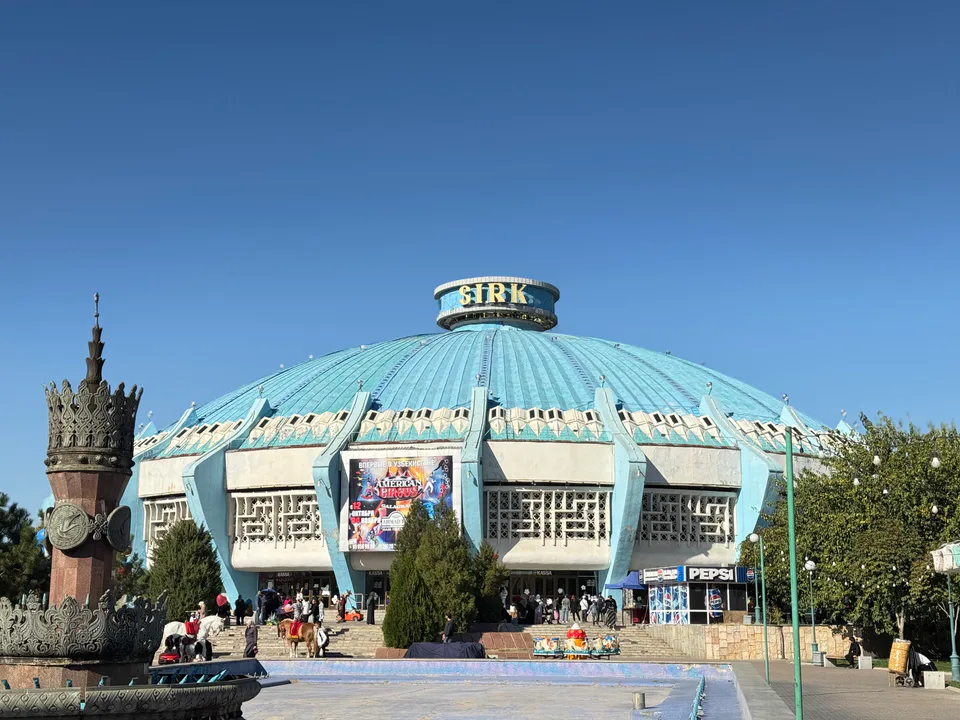
Culture & arts · Shaykhantahur District
The 'flying saucer' of Hadra Square
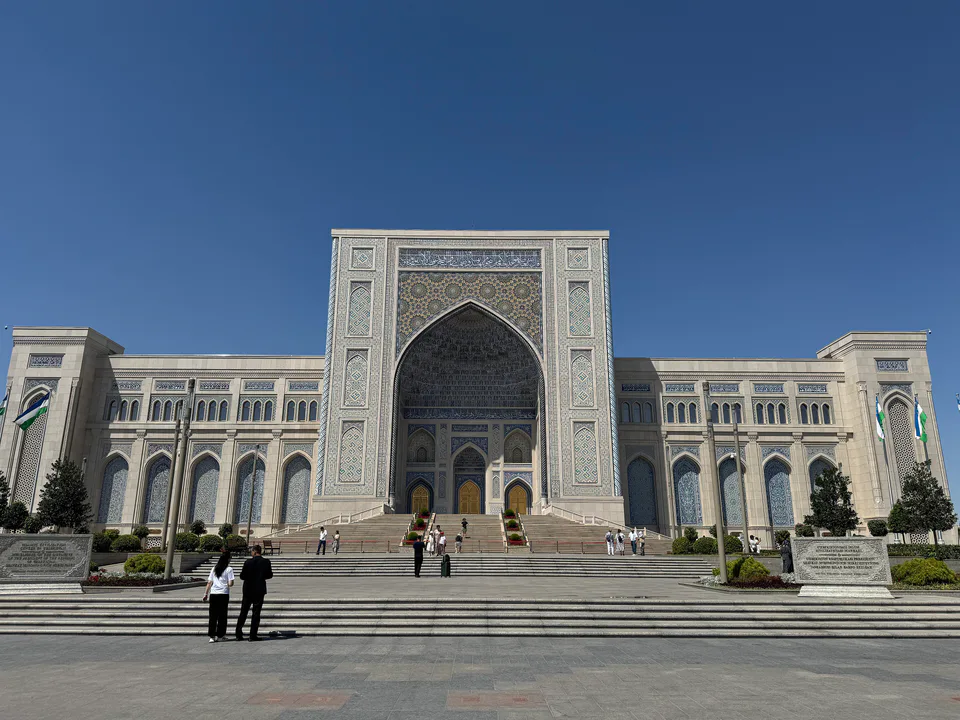
Museum · Almazar District
The new home of the Uthman Quran
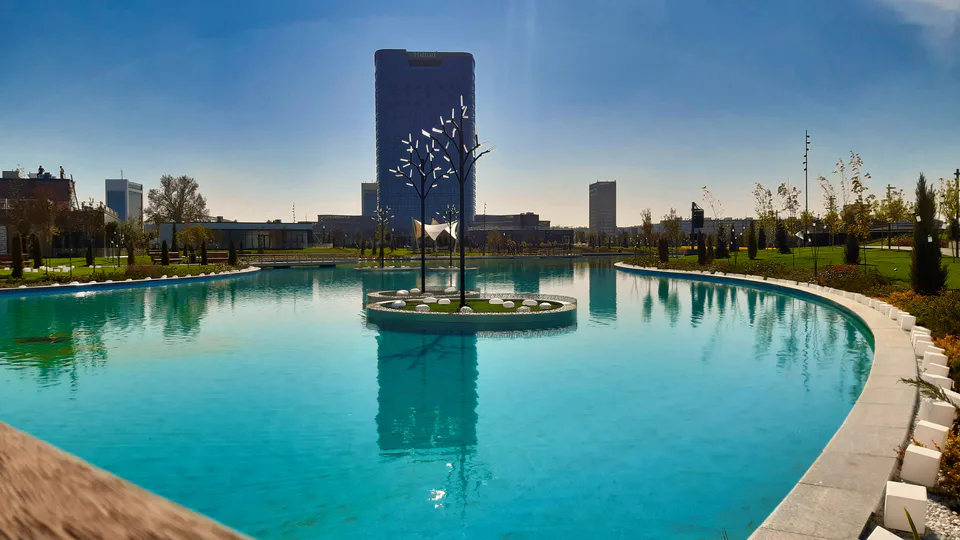
Park & garden · Shaykhantahur District
A fountain park among the skyscrapers
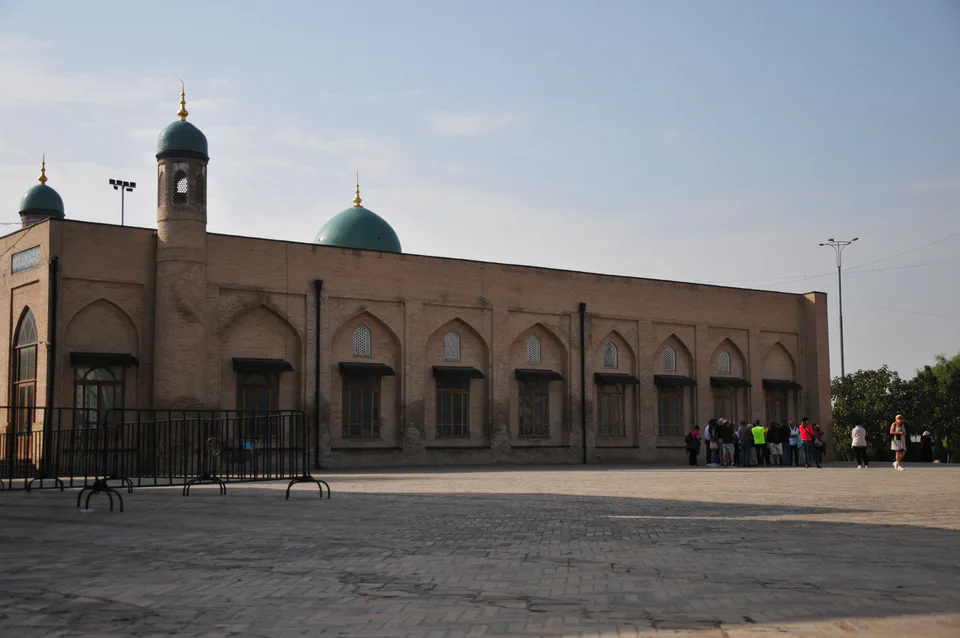
Mosque · Almazar District
Plain outside, richly carved within
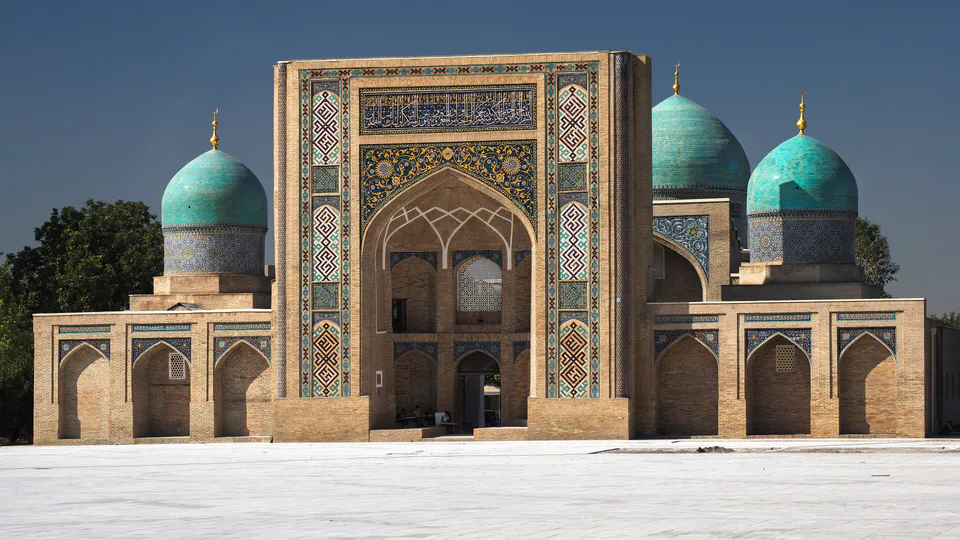
Madrasa · Almazar District
A madrasah grown from two mausoleums
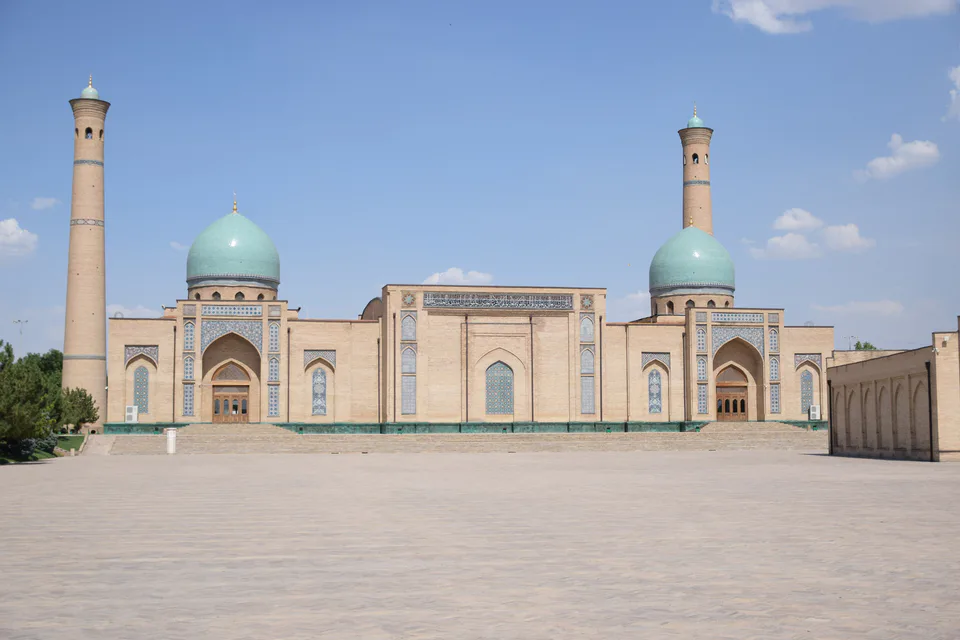
Ensemble · Almazar District
The spiritual heart of old Tashkent
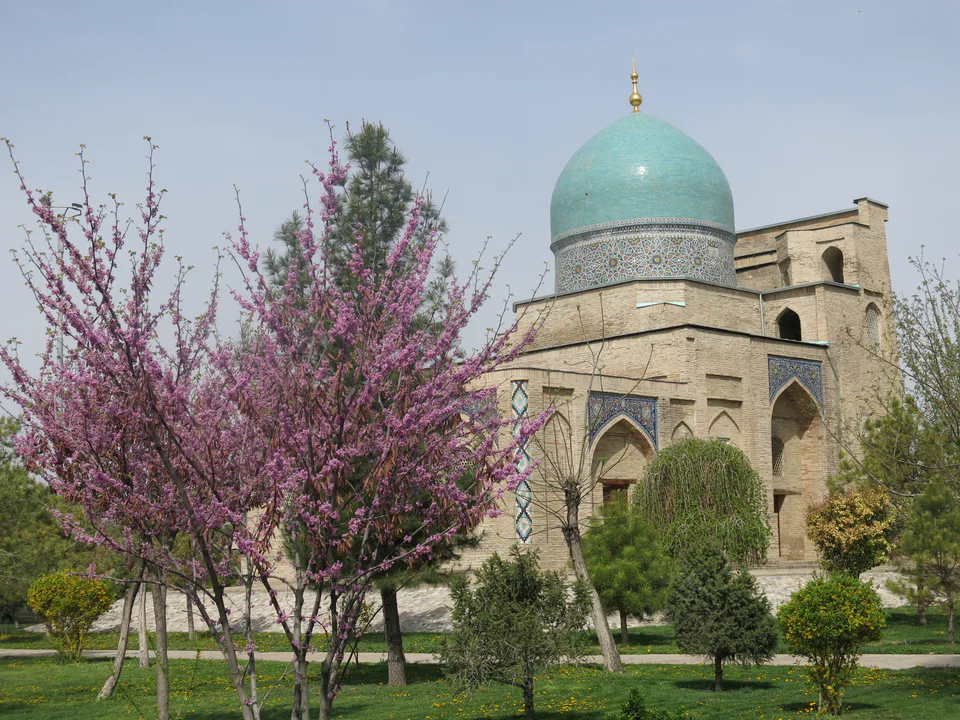
Mausoleum · Almazar District
The tomb where the Hazrati Imam Complex began