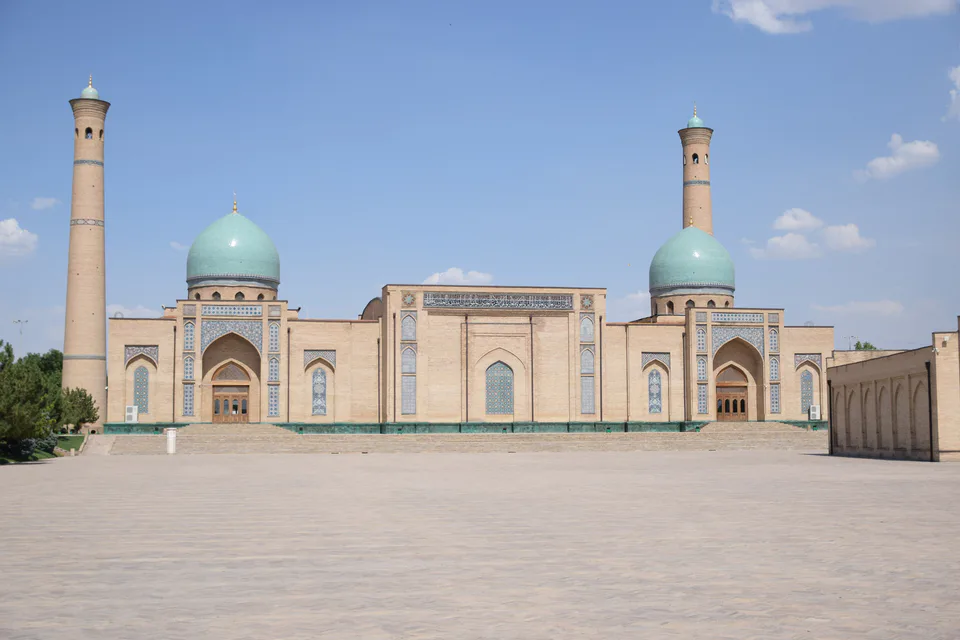
Ensemble · Almazar District
Hazrati Imam (Khast Imam) Complex
The spiritual heart of old Tashkent
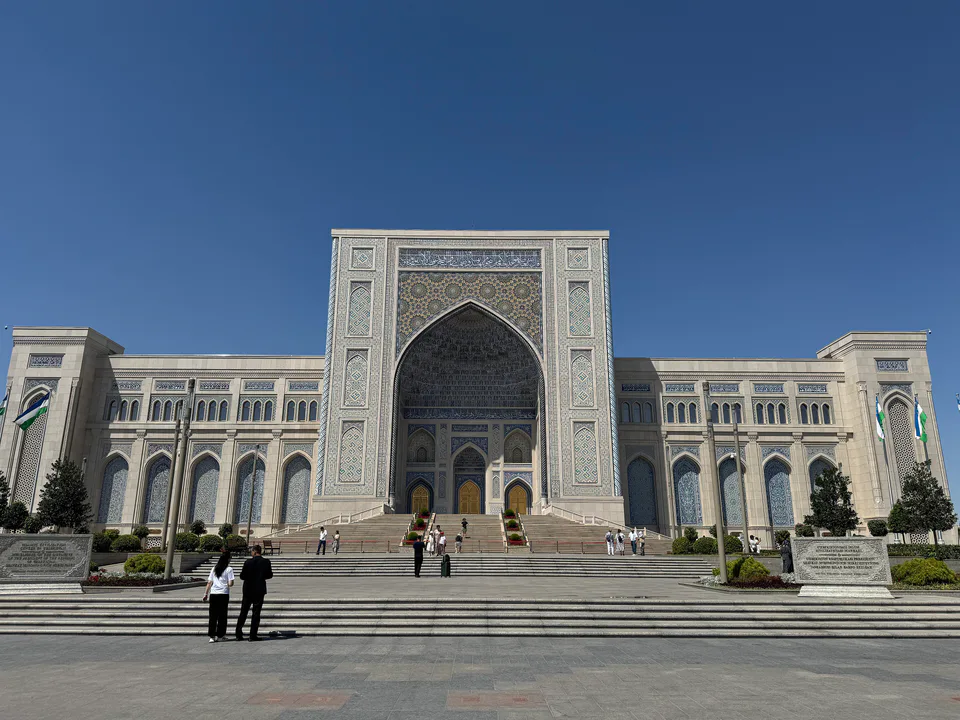
Museum · Almazar District
A museum and research centre beside the Hazrati Imam Complex, opened in March 2026: the Uthman Quran beneath a 65-metre dome and galleries tracing the region's history from pre-Islamic times to today.
The centre was established by a decision of June 2017, initially as the Center for Islamic Culture. About 10 hectares next to the Hazrati Imam Complex were set aside, and the foundation stone was laid on 15 June 2018. Its main private patron, businessman Alisher Usmanov, financed construction and donated a collection of almost 5,000 rare books. More than 1,500 specialists from over forty countries worked on the project.
The centre opened officially on 17 March 2026, on the eve of Eid al-Fitr. In April that year Guinness World Records listed it as the world's largest museum of Islamic civilization.
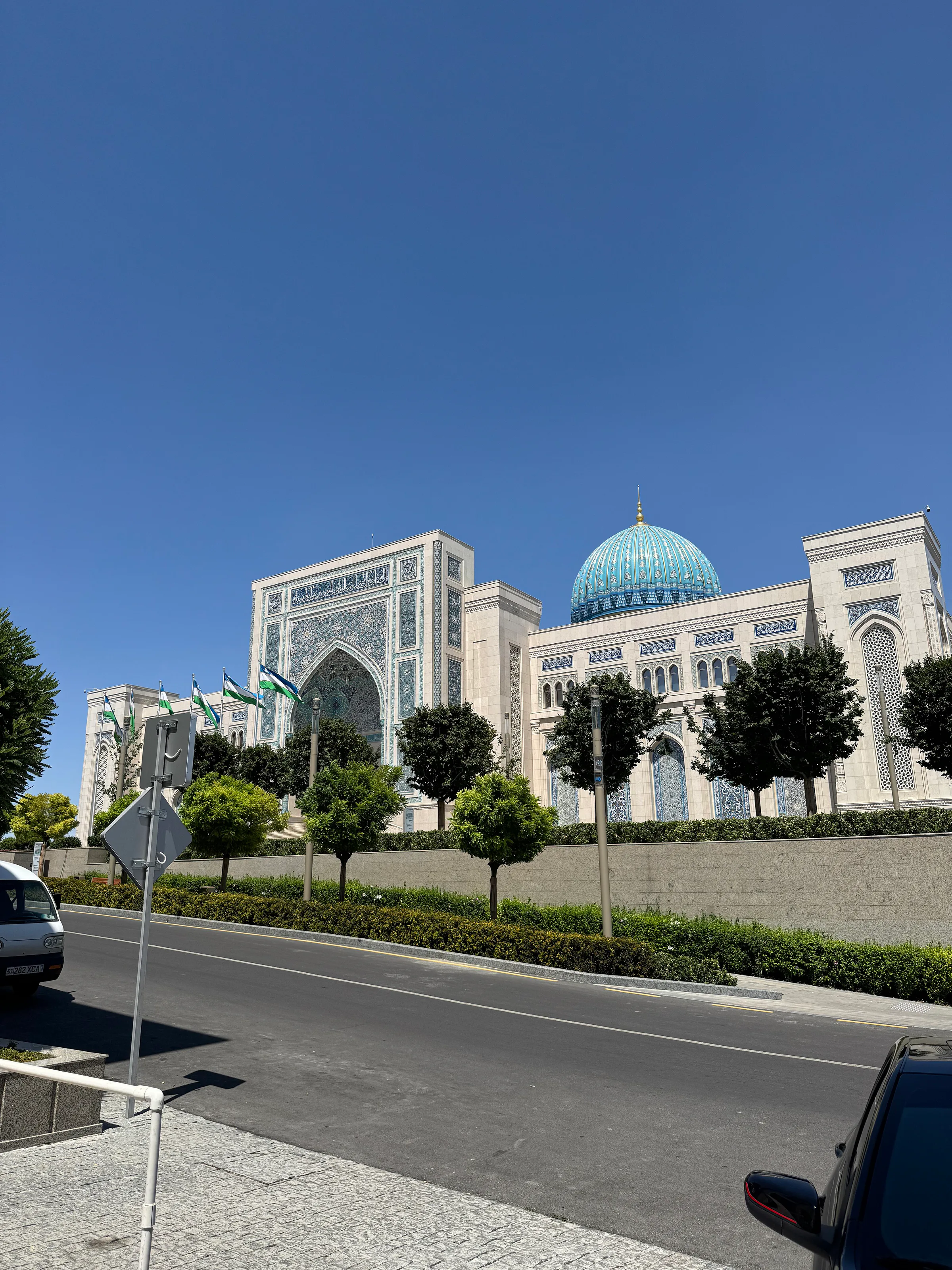
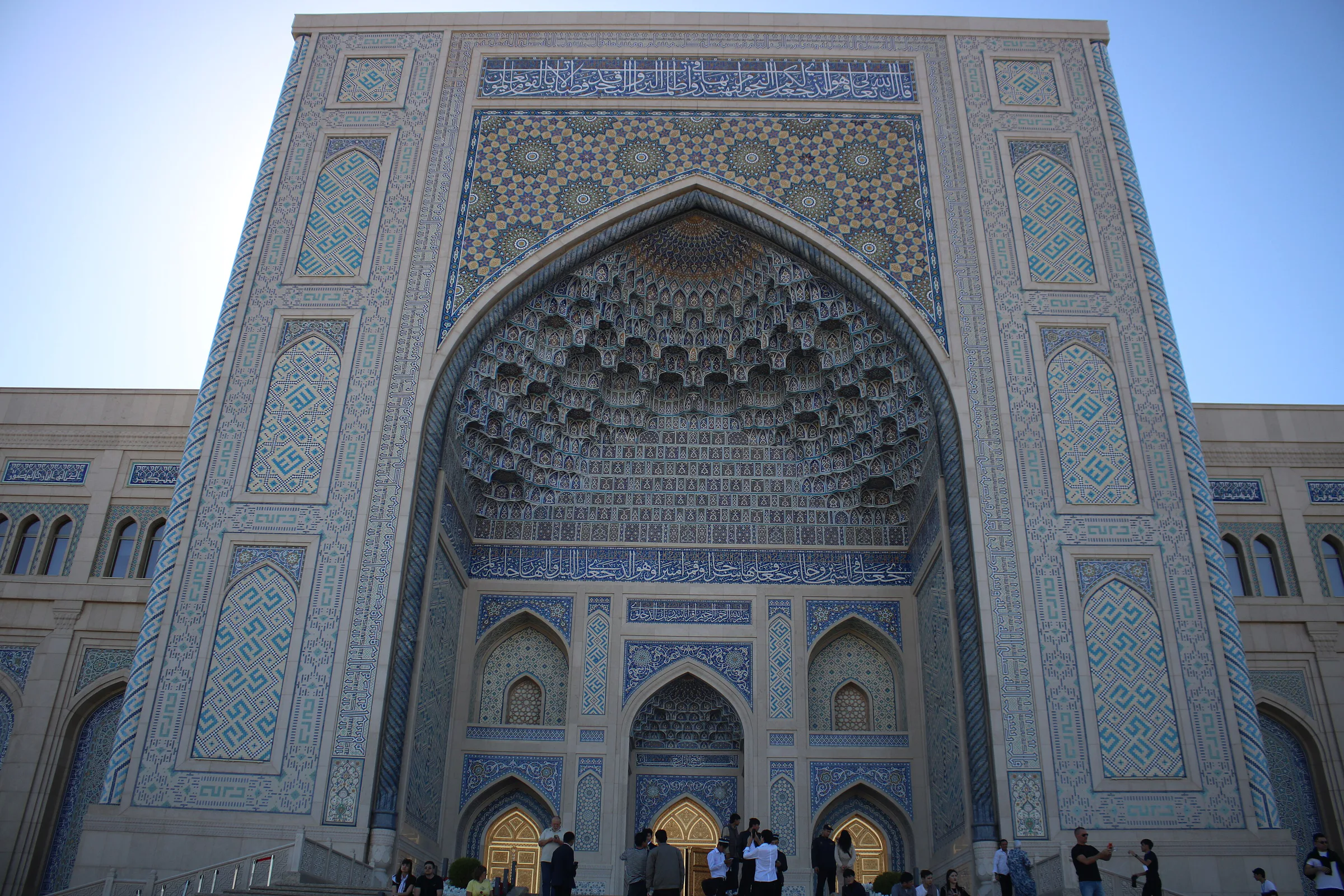
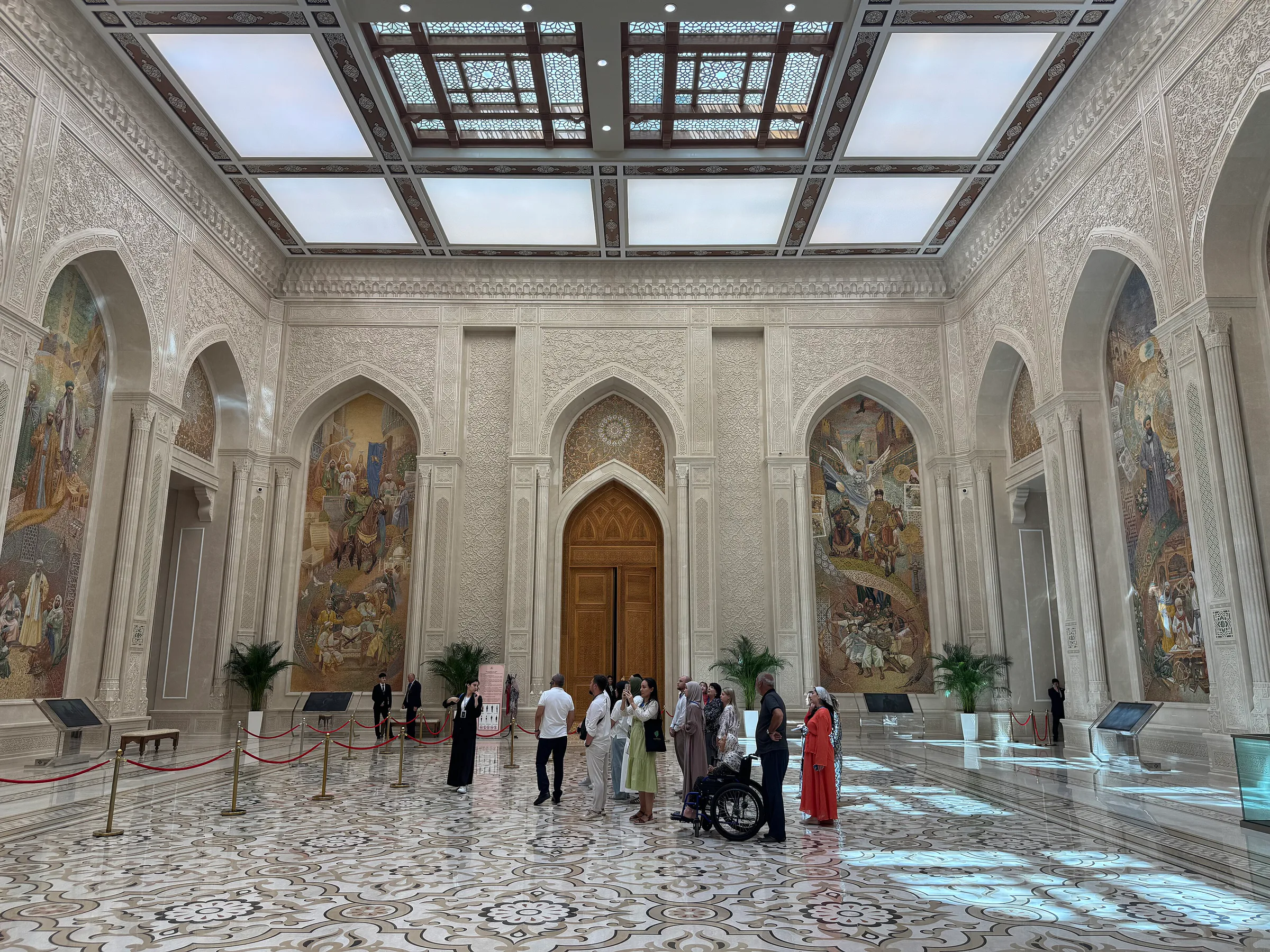
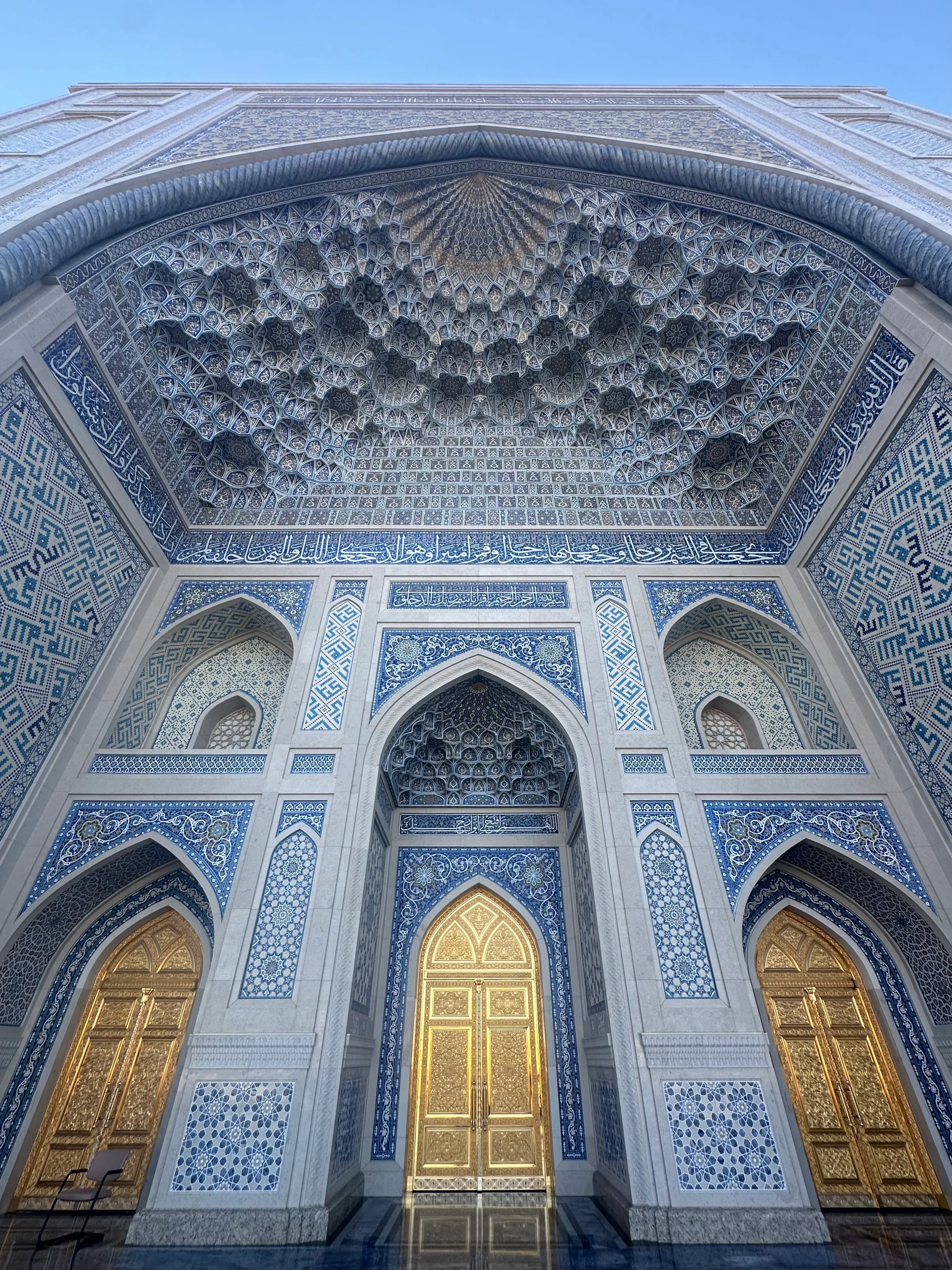
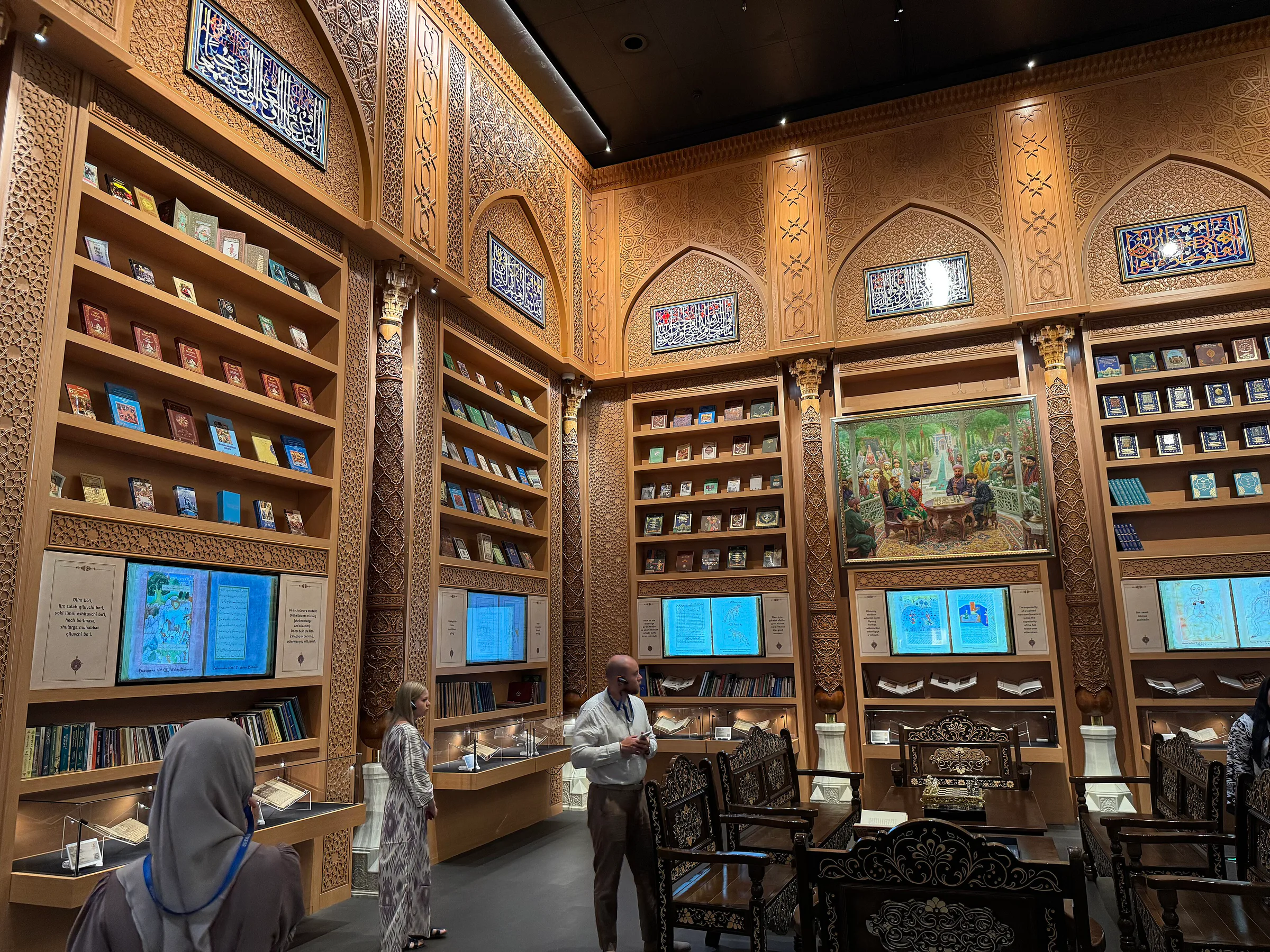
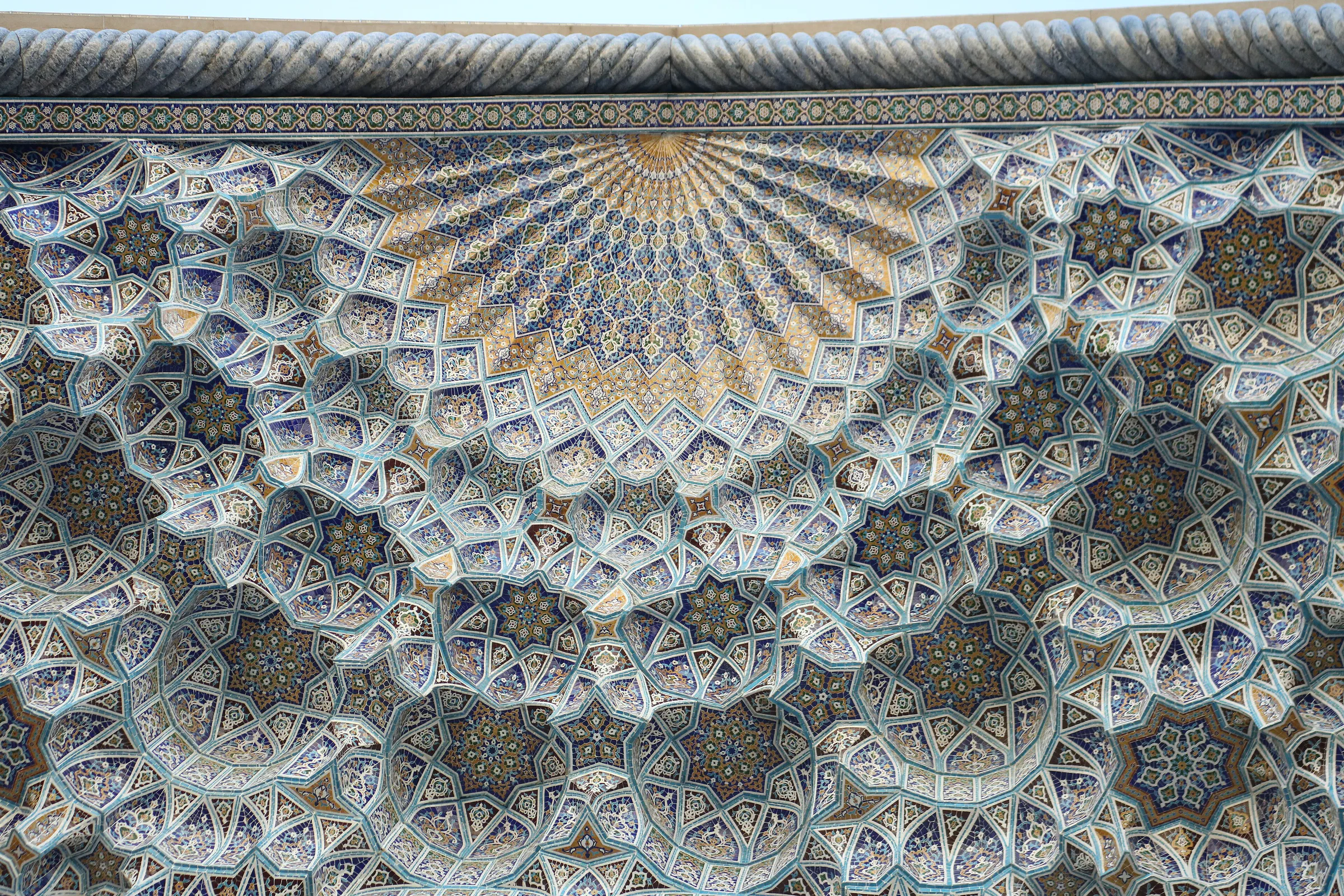
The three-storey building is 145 metres long and 115 metres wide, crowned by a 65-metre central dome; its four portals symbolise the unity of the country's regions. The ground floor holds research departments and laboratories for restoring and digitising manuscripts, the first floor the museum, and the top floor a library.
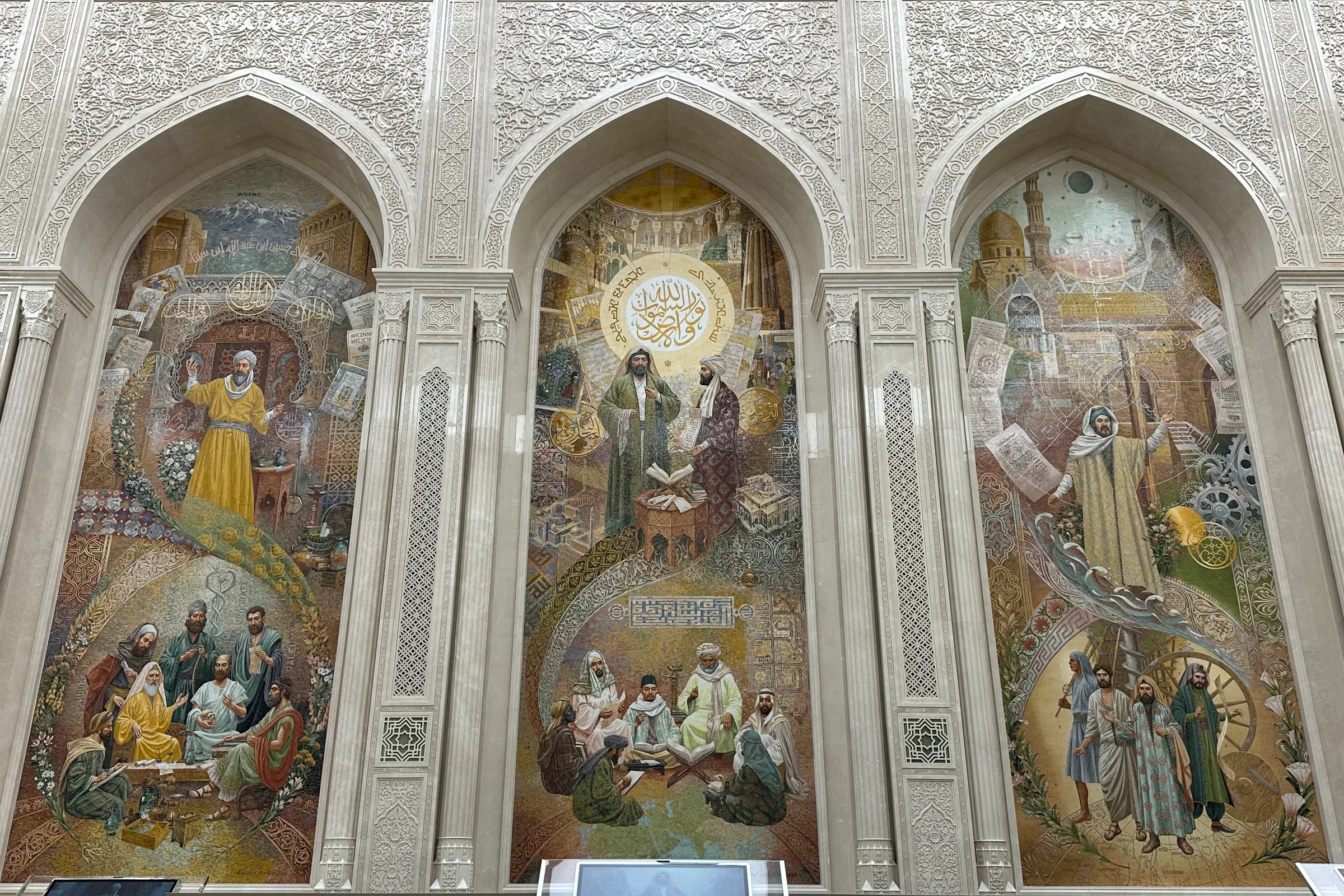
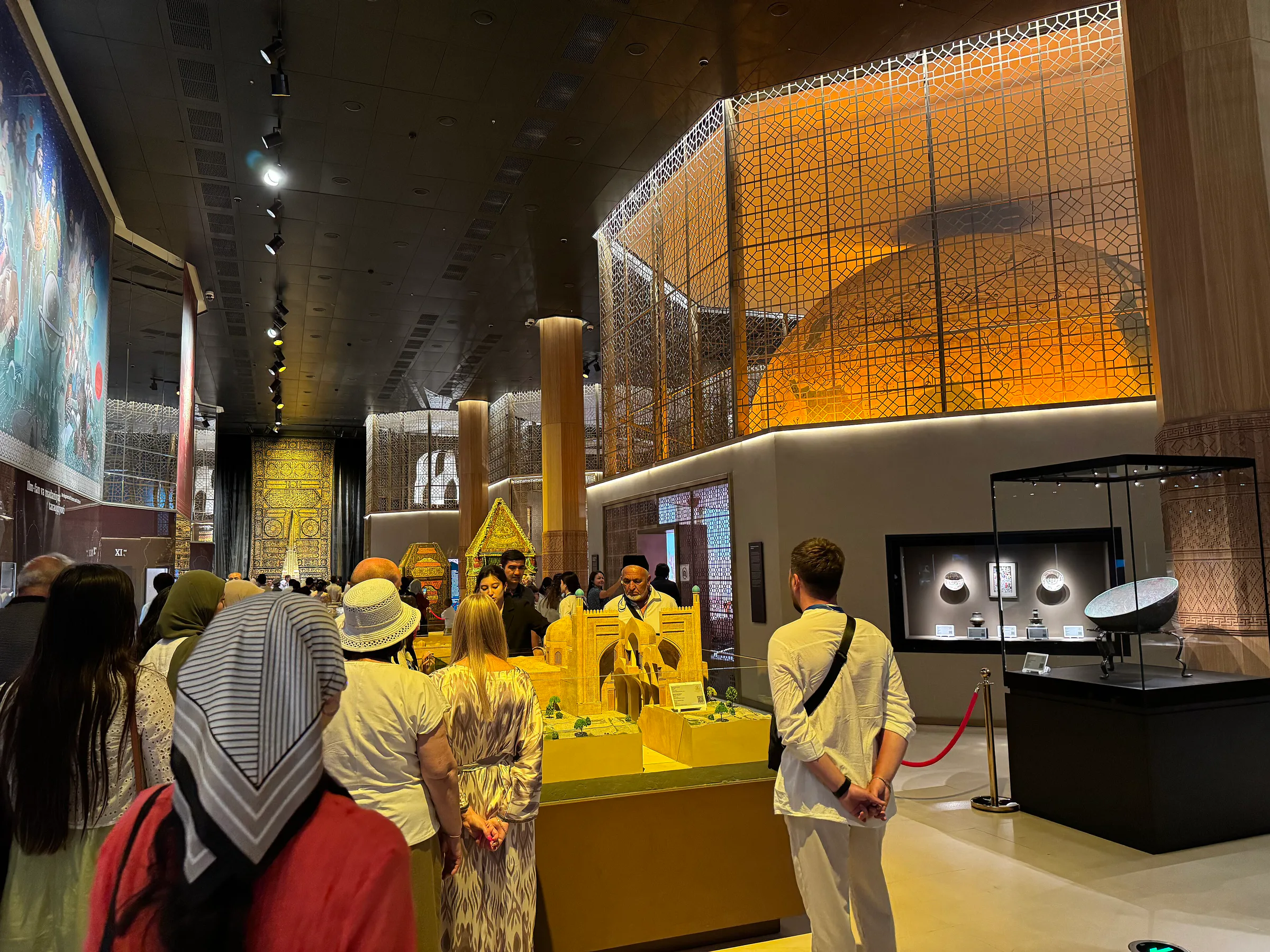
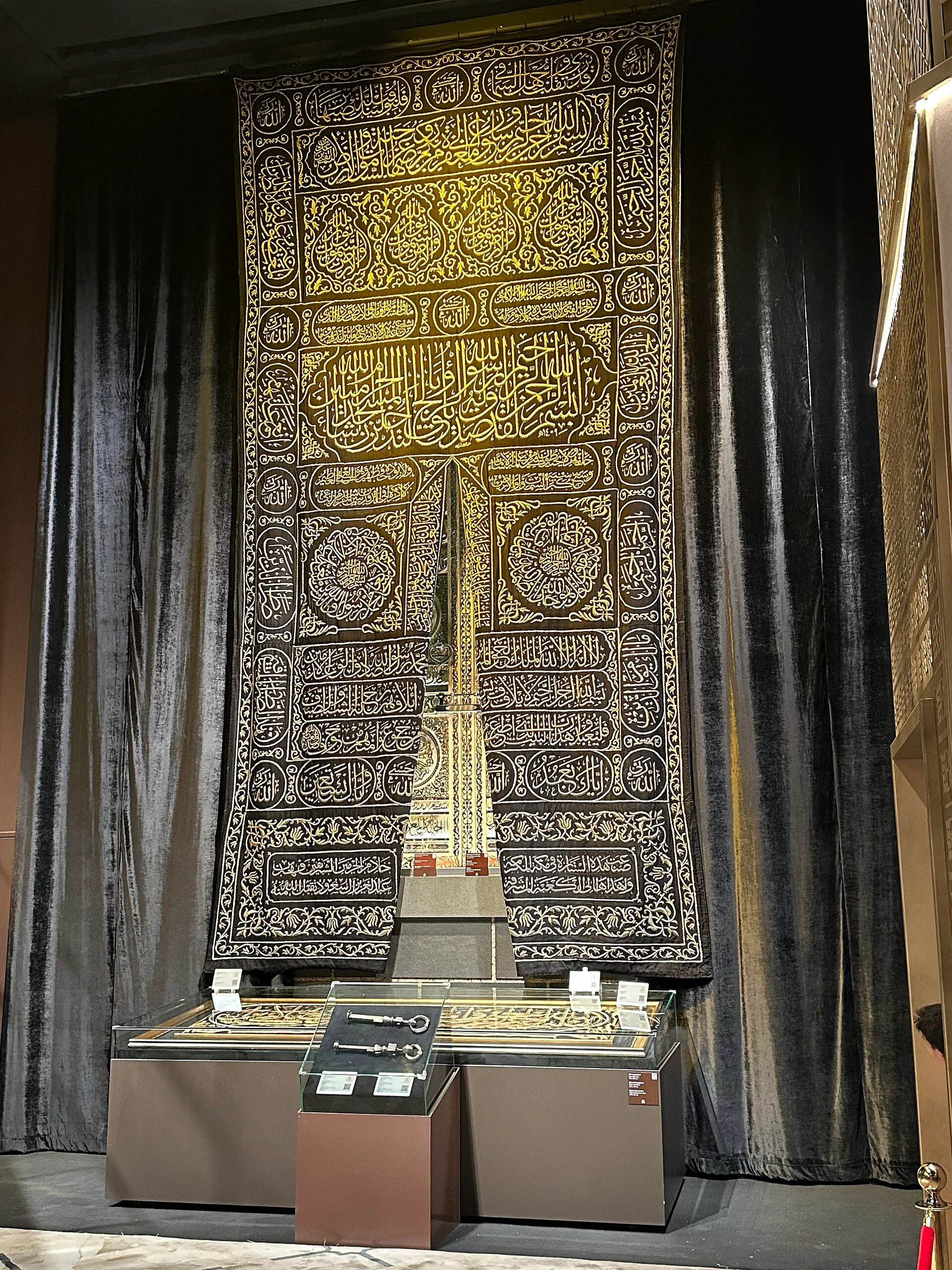
The galleries cover the pre-Islamic heritage, the First Renaissance (8th–13th centuries), the Timurid-era Second Renaissance and modern Uzbekistan, with manuscripts, archaeological finds, weapons and jewellery — some of them bought back at international auctions and from private collections.
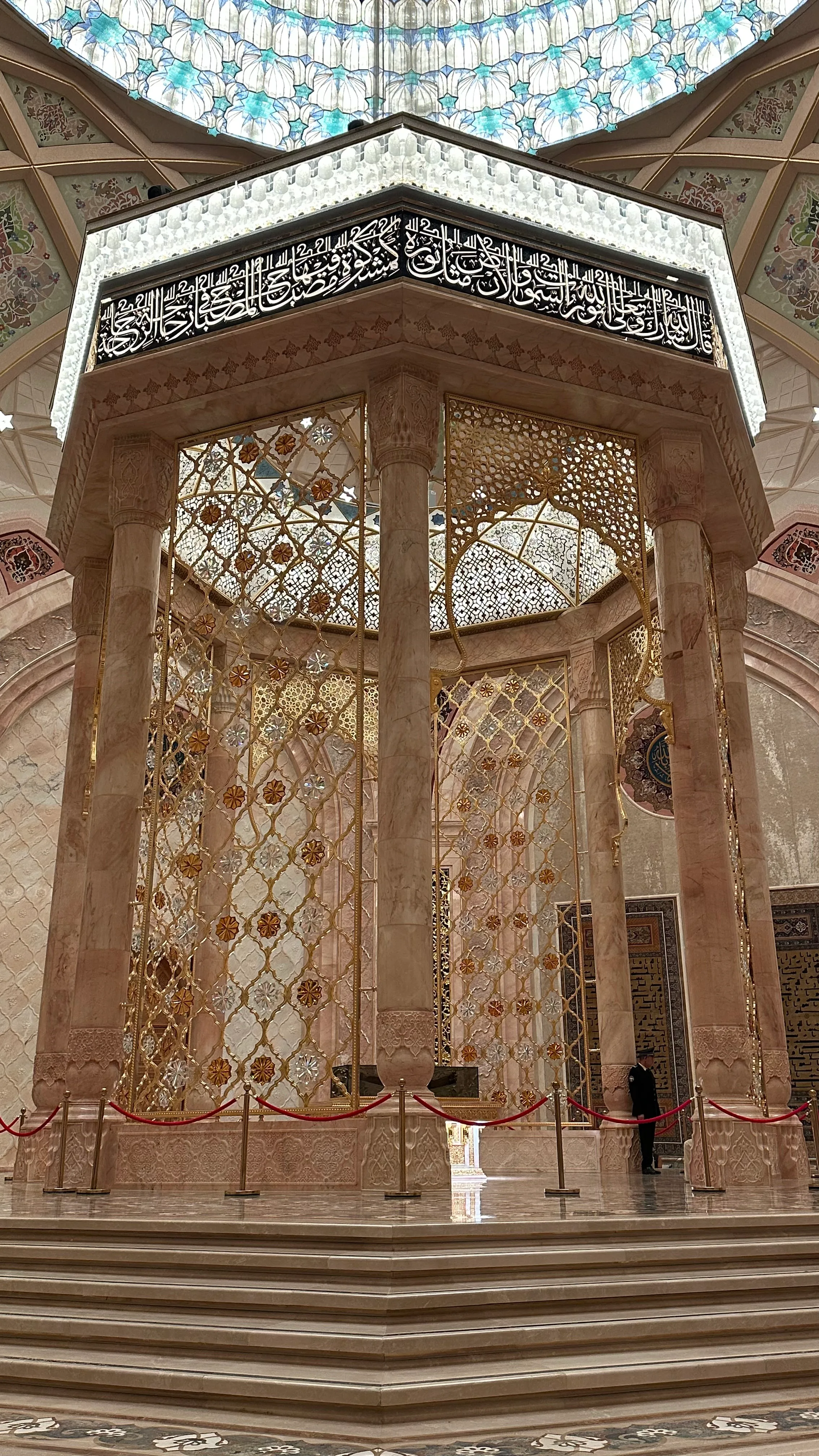
In a rotunda beneath the main dome lies the centre's greatest treasure, the Samarkand Kufic Quran, often called the Mushaf of Uthman. Around the walls, 114 Qurans from different periods — one for each sura — trace the development of calligraphy.
Tradition holds that this was Caliph Uthman ibn Affan's personal copy, stained with his blood at his assassination. Scholars disagree: script and orthography point to the 8th–9th centuries, and radiocarbon dating to 775–995. In the 19th century the manuscript was kept at the Khoja Ahrar madrasah in Samarkand; it was taken to St Petersburg in the late 1860s, handed to Muslim organisations in Ufa in 1917 and returned to Tashkent in 1923. From 1989 it was kept at the Hazrati Imam Complex, and since November 2025 it has been here. UNESCO added it to the Memory of the World Register in 1997.
Only about a third of the manuscript is in Tashkent; the remaining folios are scattered among collections worldwide. In 1905 a facsimile edition of 50 copies was printed in St Petersburg.
Ensemble · Almazar District
The spiritual heart of old Tashkent
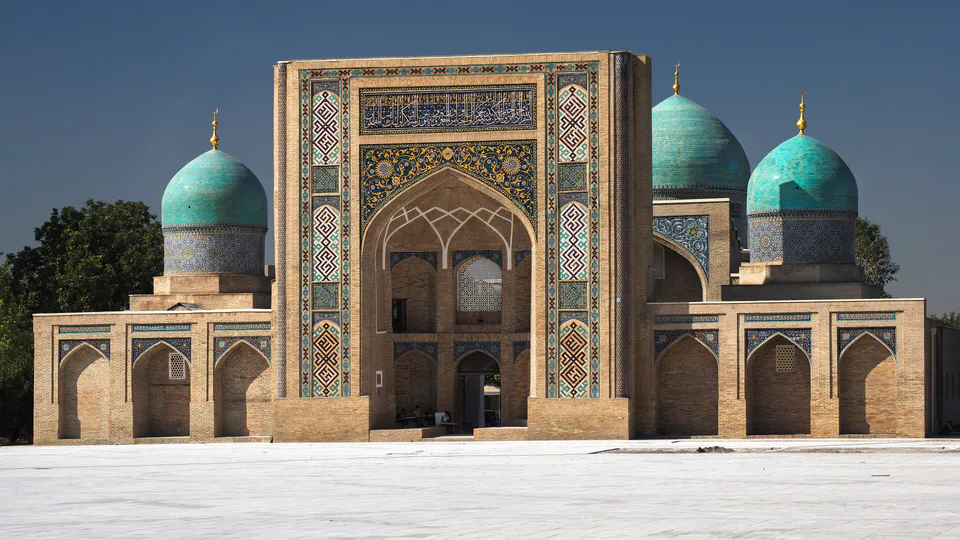
Madrasa · Almazar District
A madrasah grown from two mausoleums
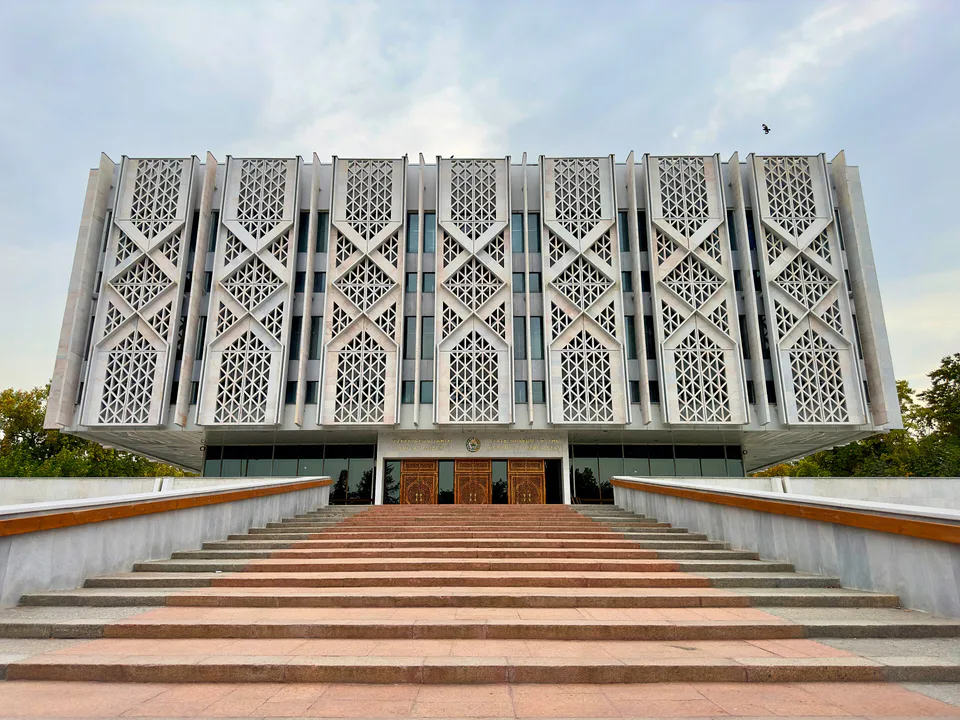
Museum · Yunusabad District
One of Central Asia's oldest museums
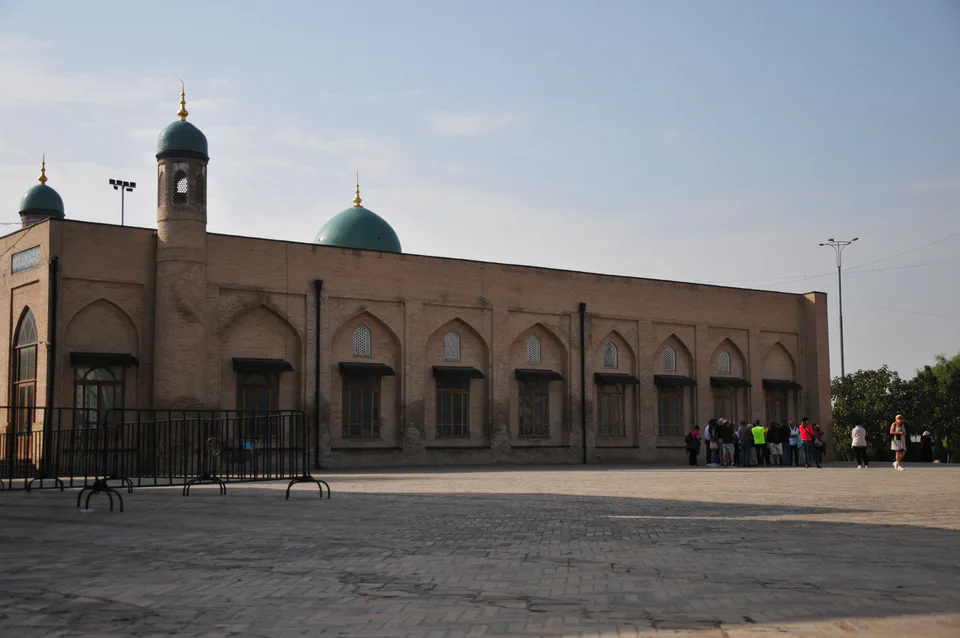
Mosque · Almazar District
Plain outside, richly carved within
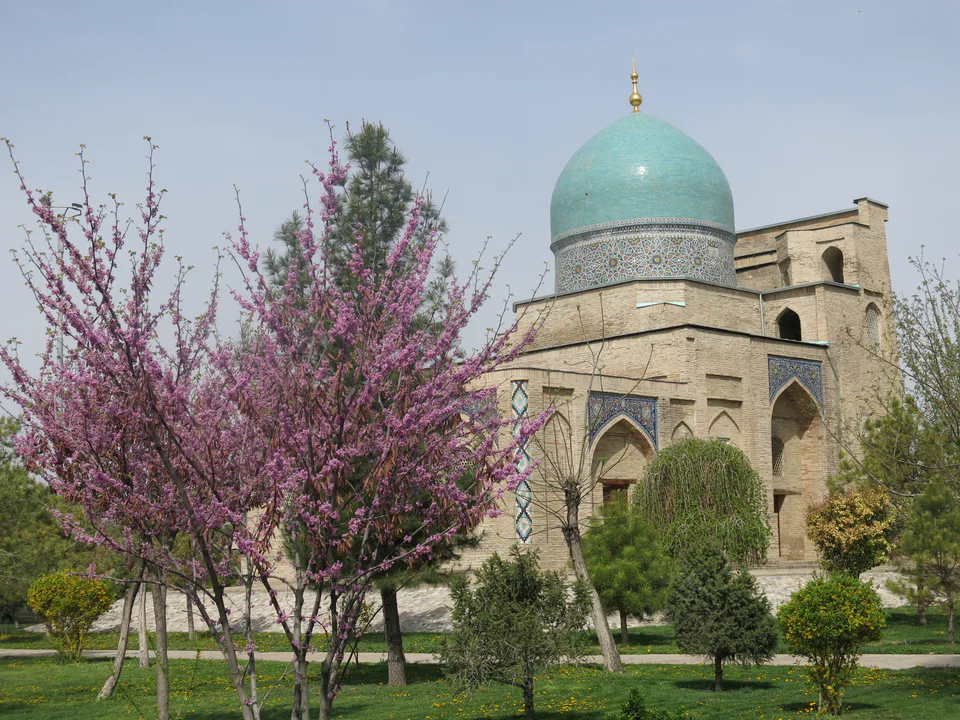
Mausoleum · Almazar District
The tomb where the Hazrati Imam Complex began
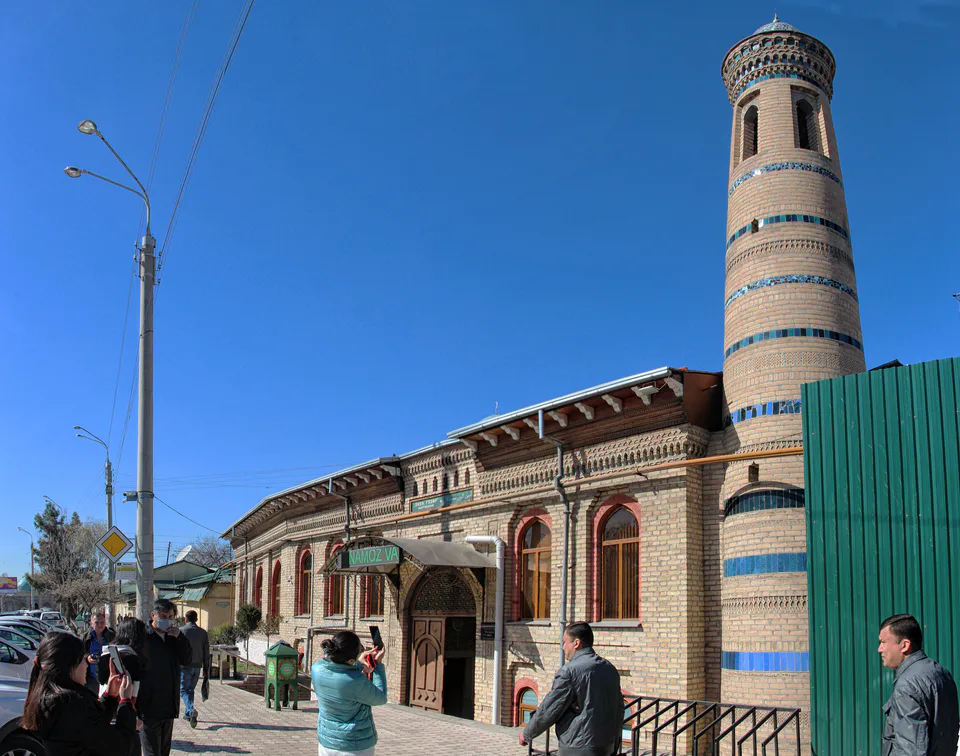
Ensemble · Almazar District
On foot from Chorsu to Hazrati Imam
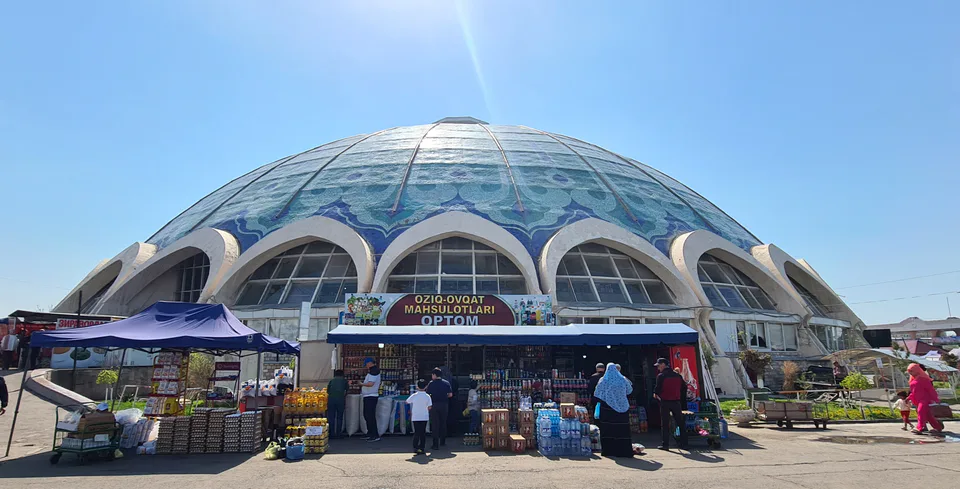
Bazaar · Shaykhantahur District
The Old City market under a blue dome
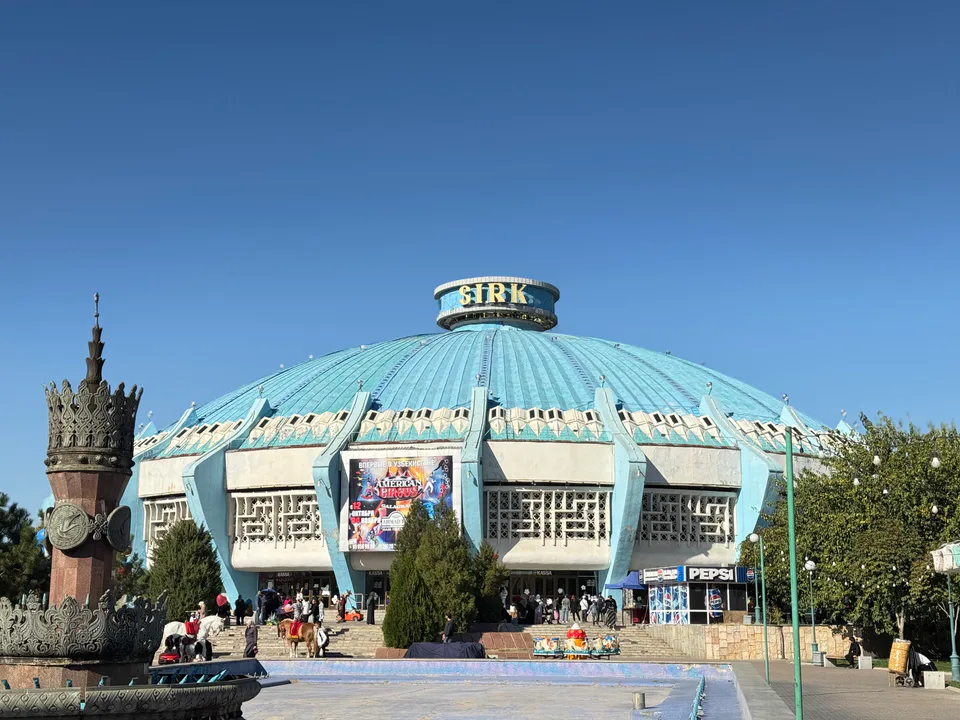
Culture & arts · Shaykhantahur District
The 'flying saucer' of Hadra Square
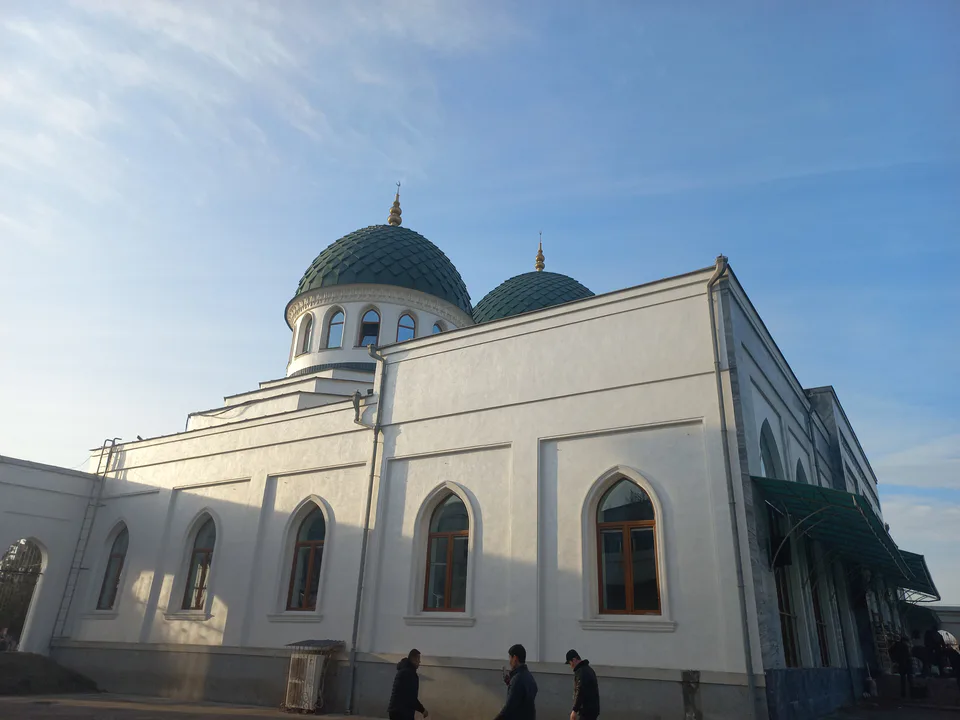
Mosque · Shaykhantahur District
Tashkent's Friday mosque since the 15th century
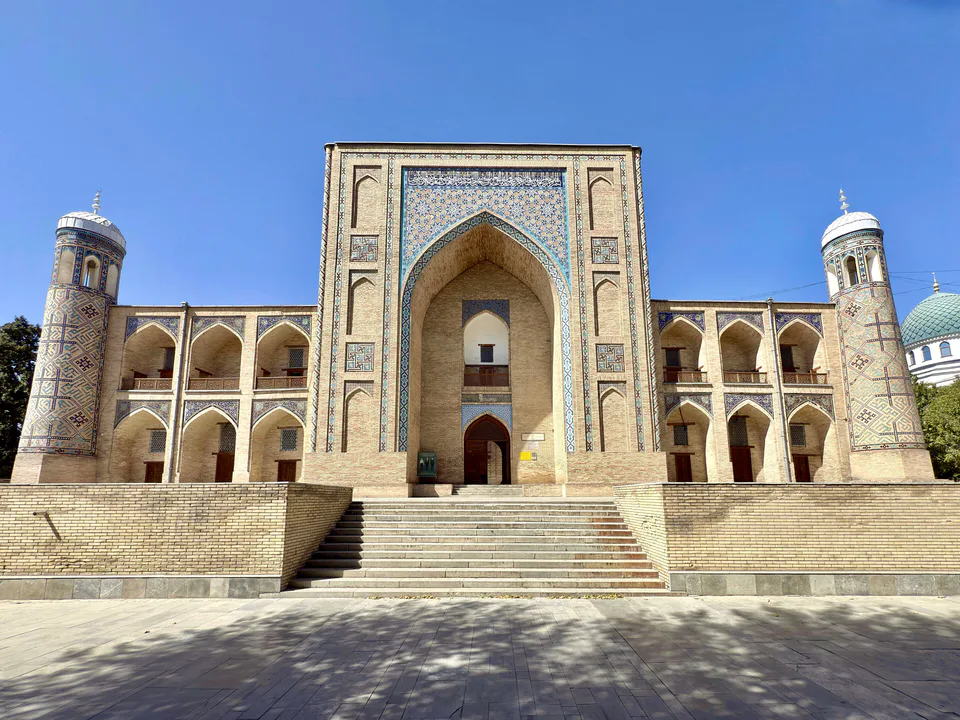
Madrasa · Shaykhantahur District
A 16th-century portal above Chorsu