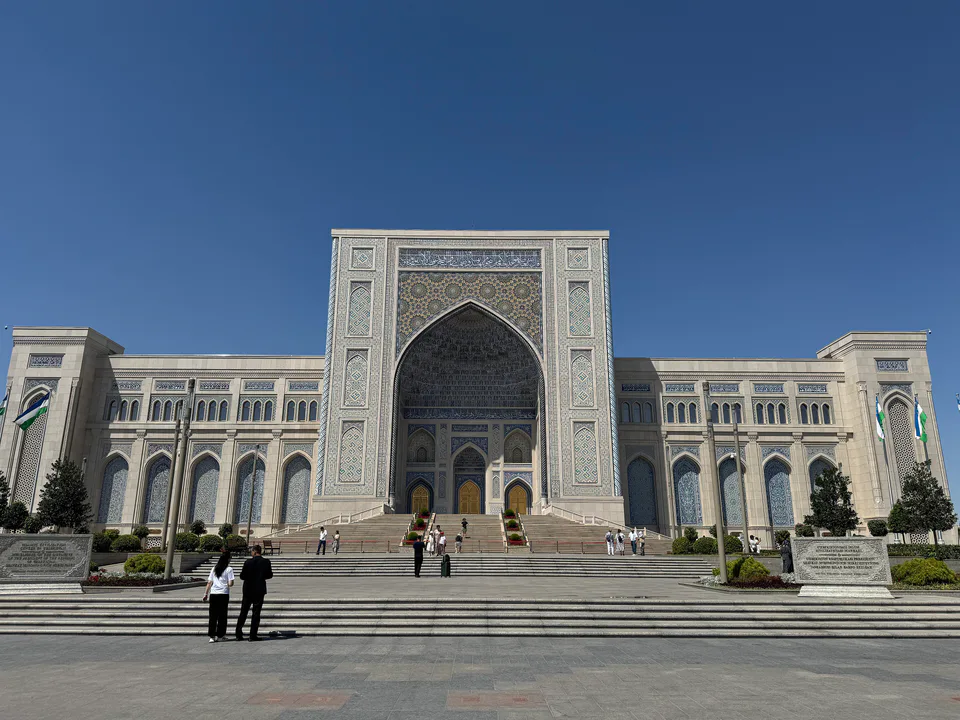
Museum · Almazar District
Center for Islamic Civilization
The new home of the Uthman Quran
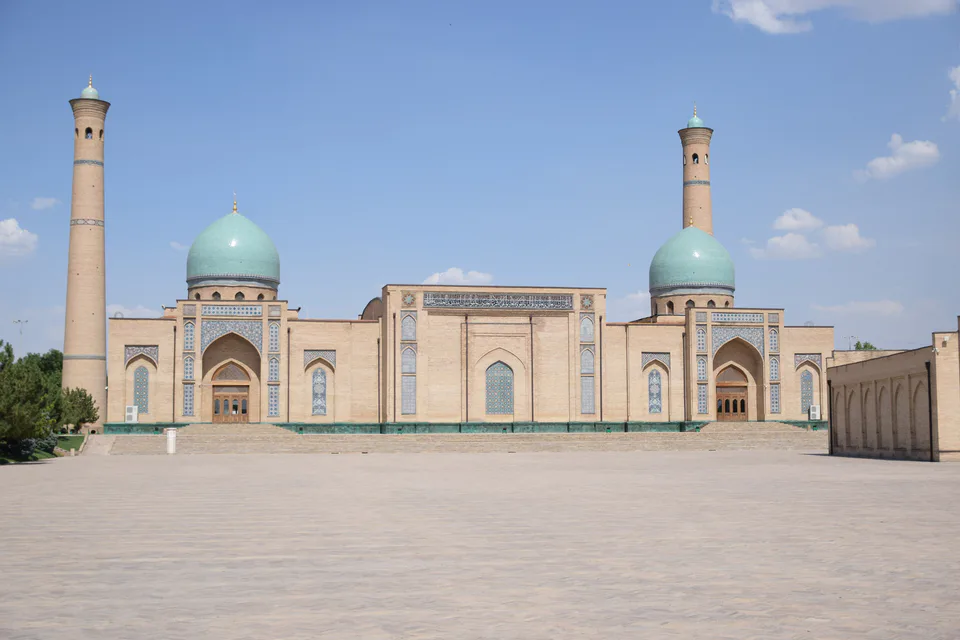
Ensemble · Almazar District
A religious complex that has grown since the 16th century around the tomb of Kaffal Shashi: the Barakhan and Muyi Muborak madrasahs, Tillya Sheikh Mosque and the 2007 Hazrati Imam Mosque.
The complex grew up around the grave of Abu Bakr Muhammad ibn Ali ibn Ismail al-Kaffal ash-Shashi, a 10th-century jurist, hadith scholar and poet, remembered as one of the first preachers of Islam in Tashkent and the city's first imam. Locals simply called him Hazrati Imam, and the name spread to the whole quarter; in everyday speech it is shortened to Khast Imam.
Legend has it that the scholar was also a skilled maker of locks and keys — hence the nickname Kaffal, 'locksmith' — that he spoke 72 languages and translated the Torah into Arabic. These stories rest on tradition rather than documents.
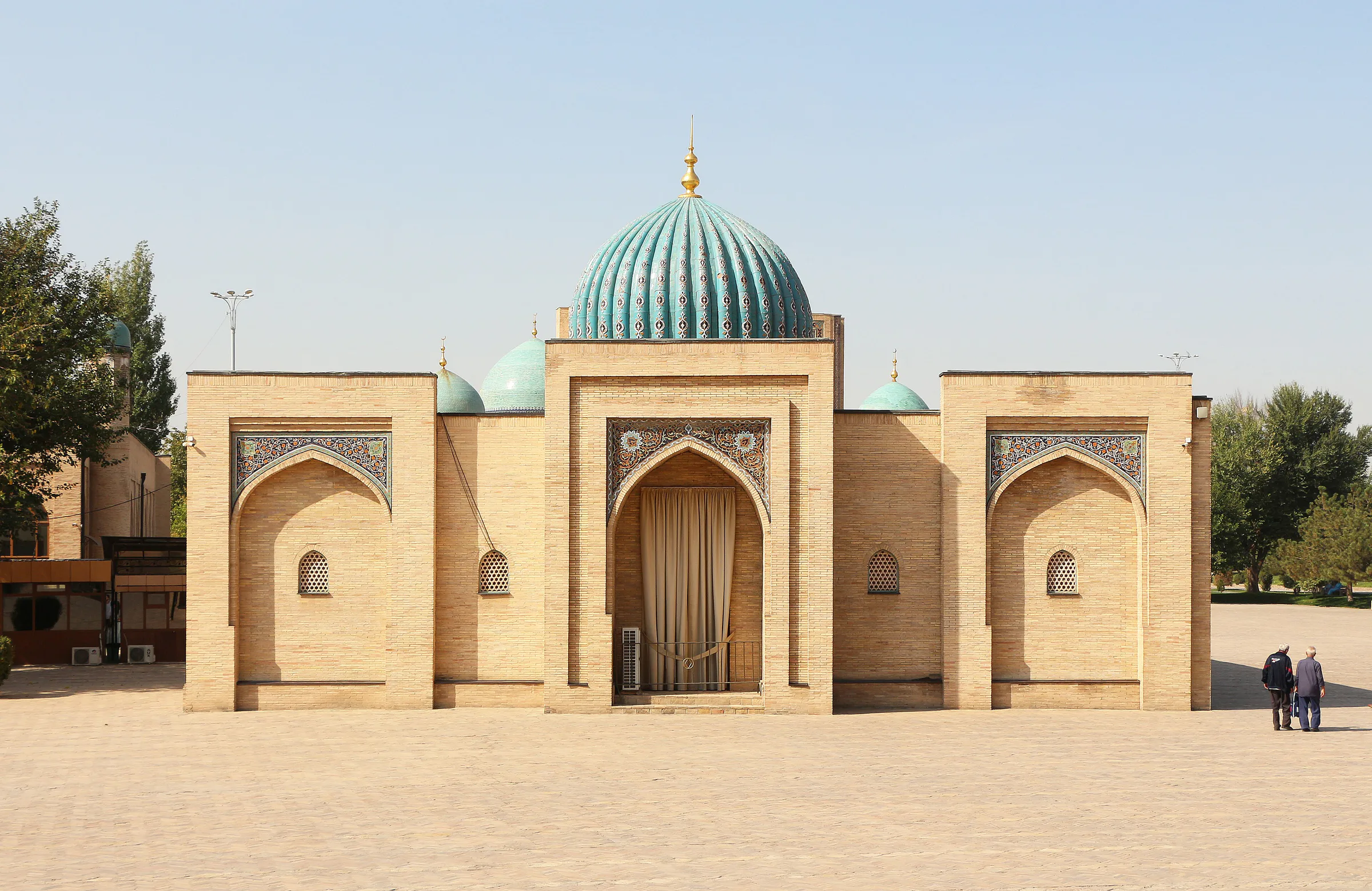
The oldest buildings date from the Shaybanid era. The Barakhan Madrasah went up in the 16th century, and in 1541–1542 the court architect Ghulam Husayn built the Kaffal Shashi Mausoleum. In the mid-19th century they were joined by the Muyi Muborak Madrasah (1856–1857) and the Tillya Sheikh Mosque, which served as the city's main open-air prayer ground.
In Soviet times the complex became the seat of the Spiritual Administration of the Muslims of Central Asia and Kazakhstan, and today it houses the Muslim Board of Uzbekistan. Tucked among the mahallas of the Old City, it survived the 1966 earthquake; a major rebuilding and restoration campaign in 2007 gave the square its present look.
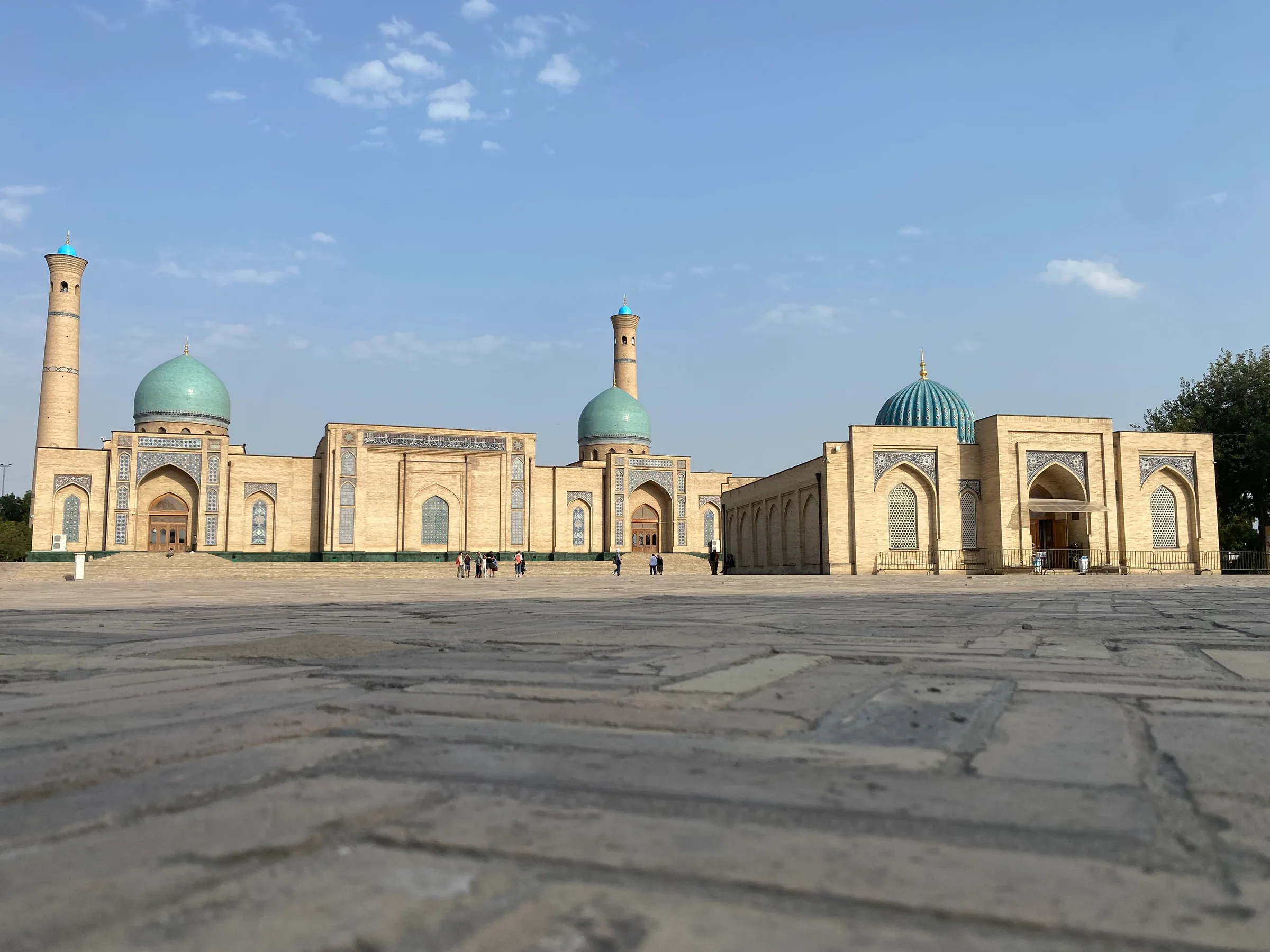
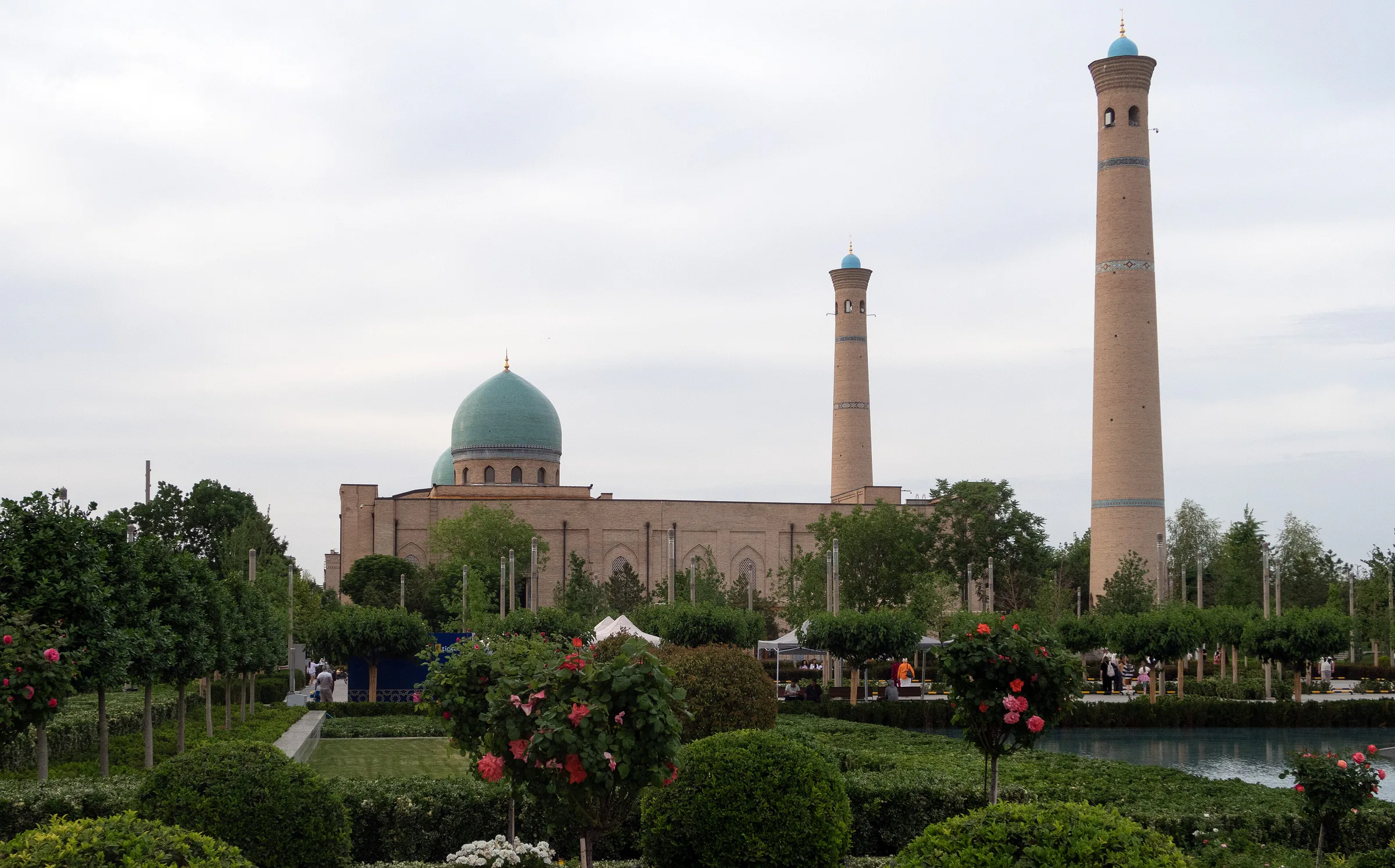
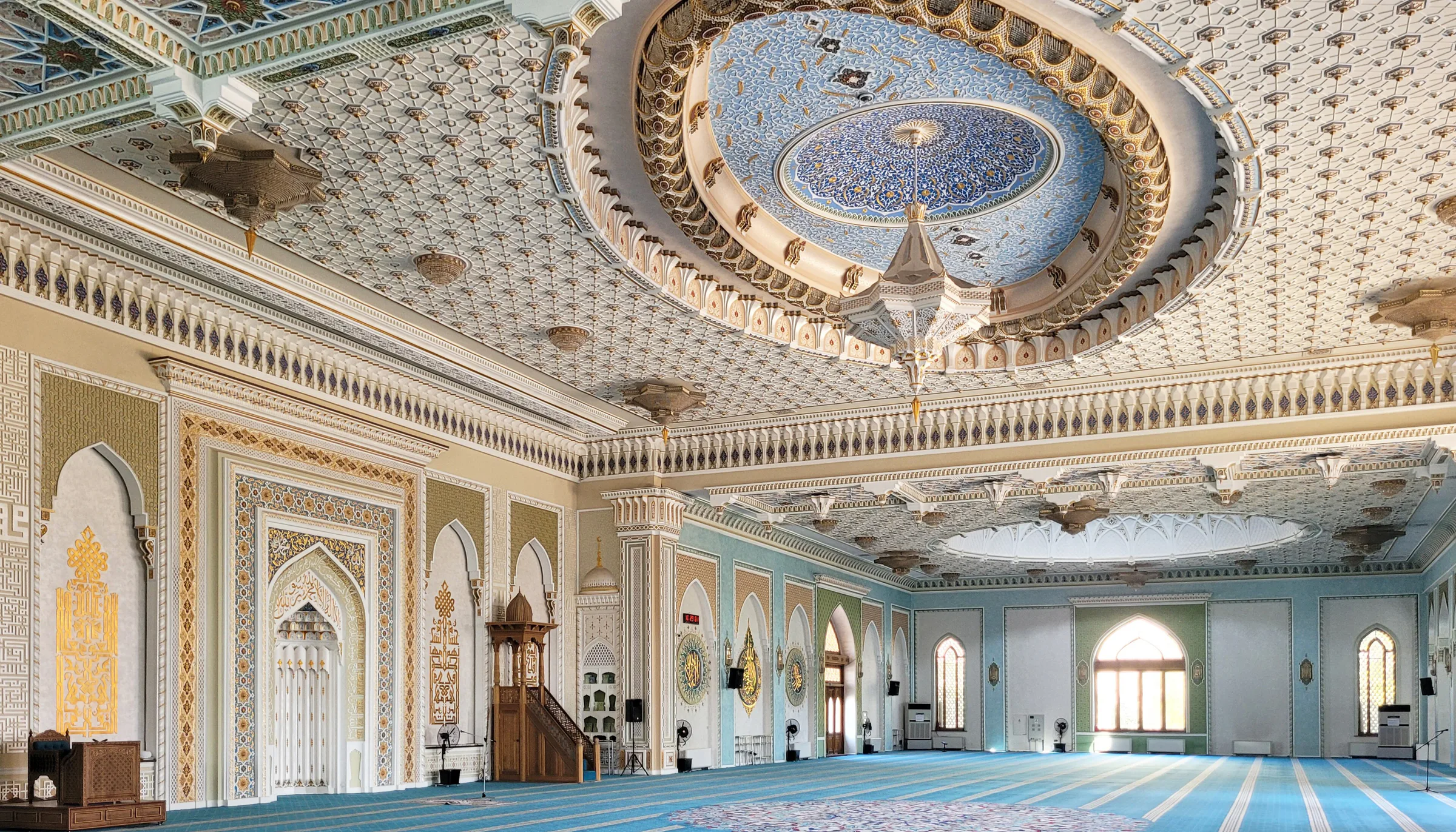
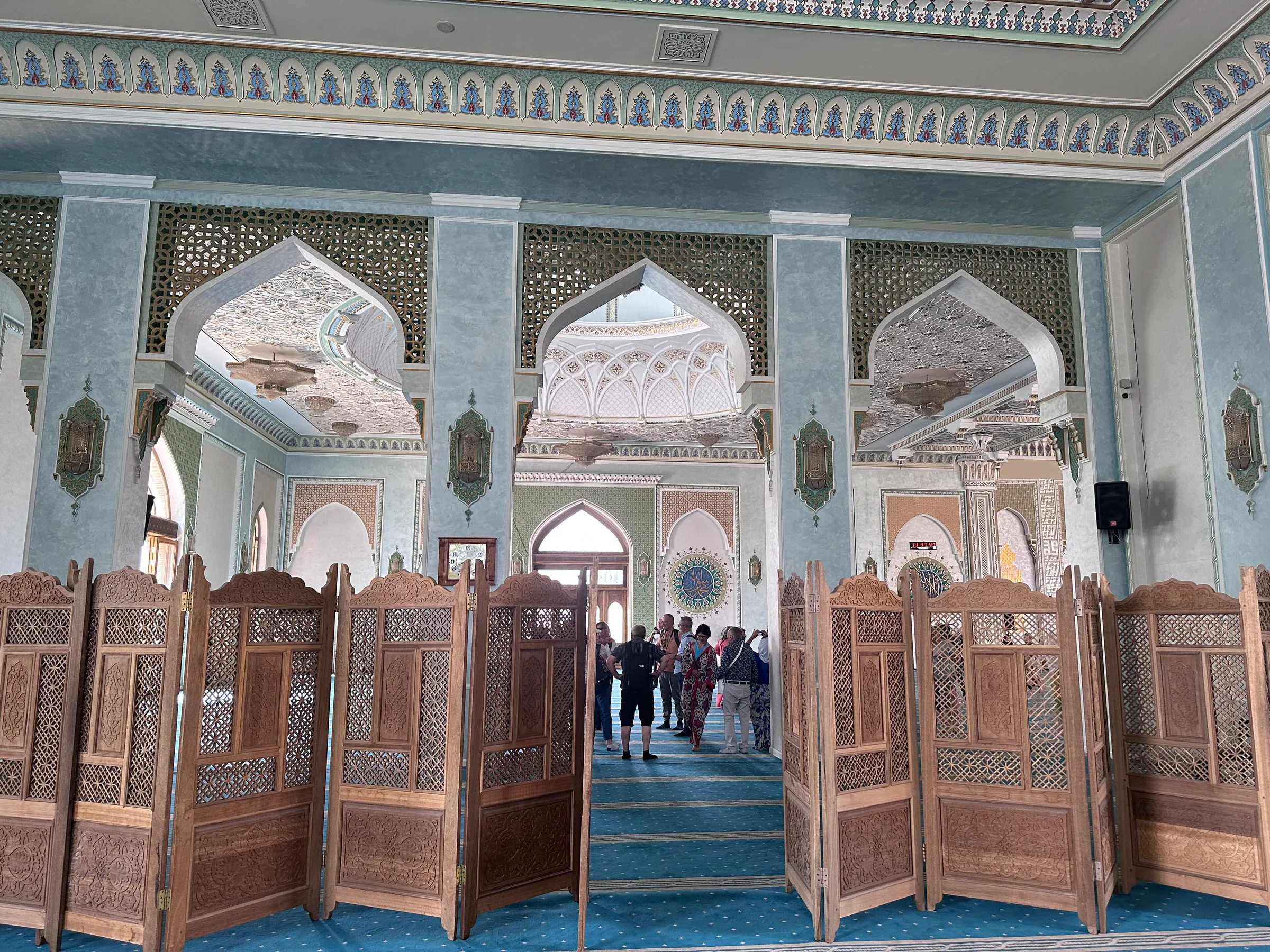
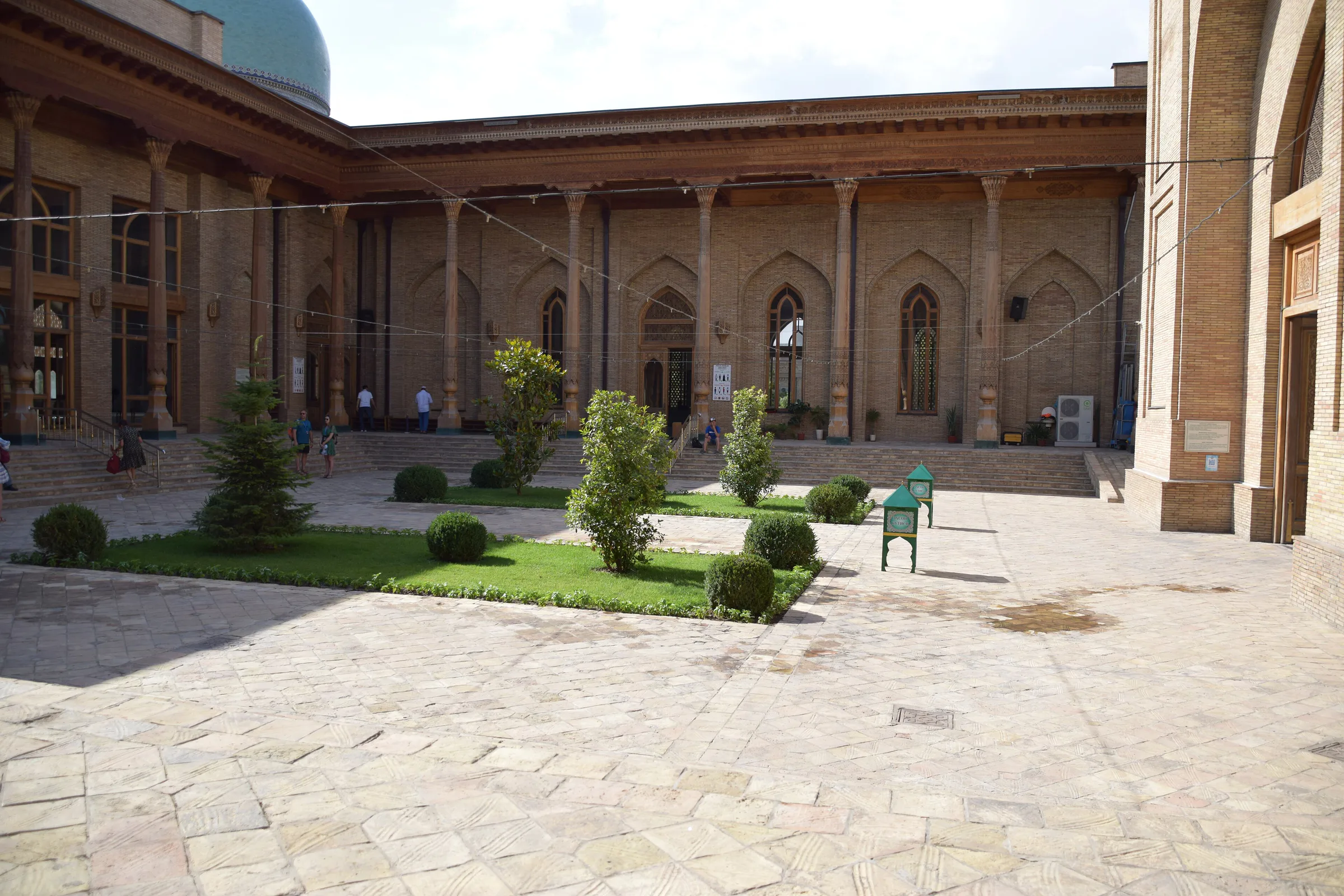
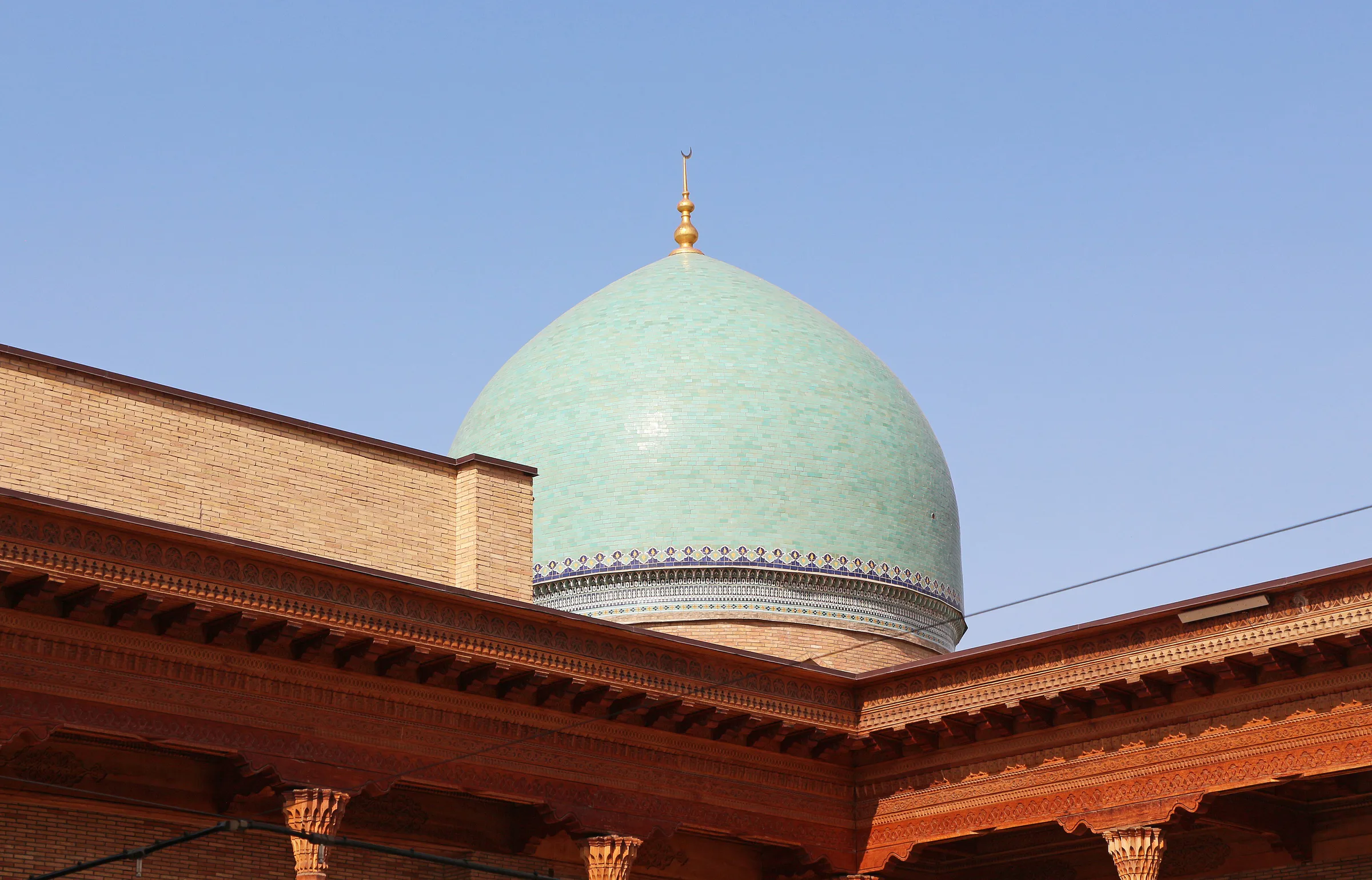
The square is dominated by the Hazrati Imam Friday Mosque of 2007, with two domes, a pair of minarets more than 50 metres tall and a portico of carved sandalwood columns brought from India. One minaret was raised by craftsmen from Khorezm, the other by a team from Samarkand.
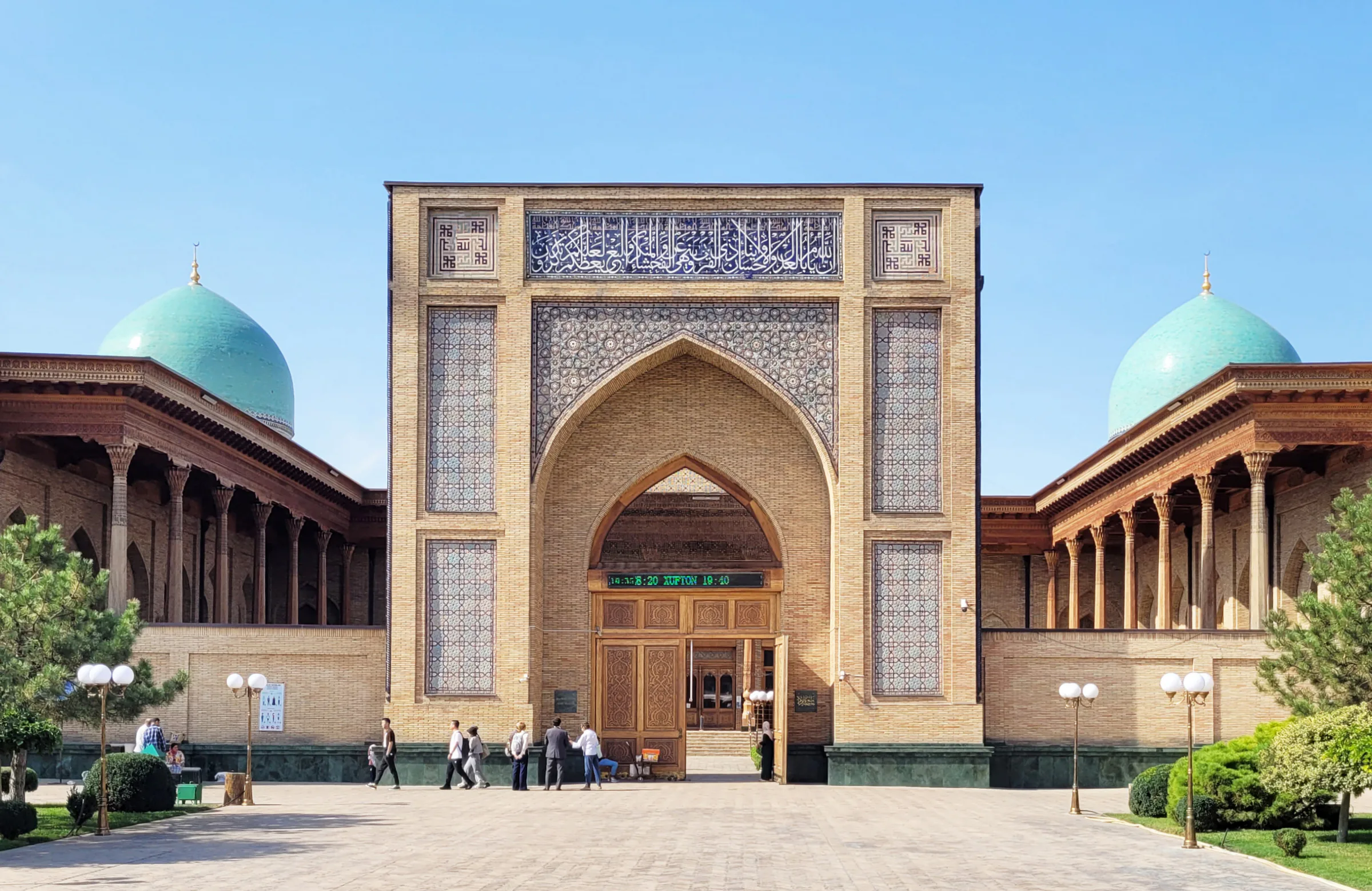
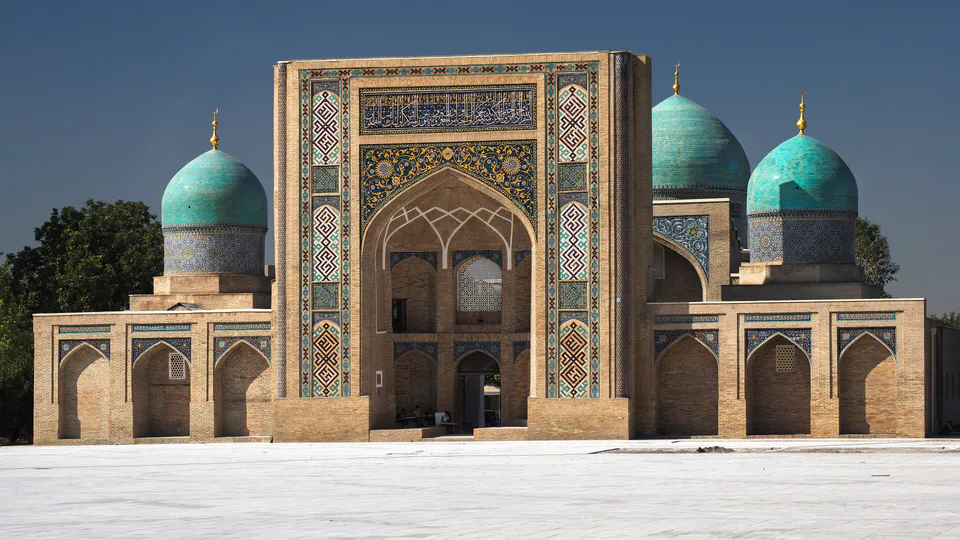
Facing it is the tiled portal of the Barakhan Madrasah. To the north stands the Kaffal Shashi Mausoleum and, next to it, the Muyi Muborak Madrasah, named after a hair of the Prophet Muhammad that, according to tradition, is kept inside. The Tillya Sheikh Mosque and the Imam al-Bukhari Tashkent Islamic Institute, open since 1971, complete the ensemble.
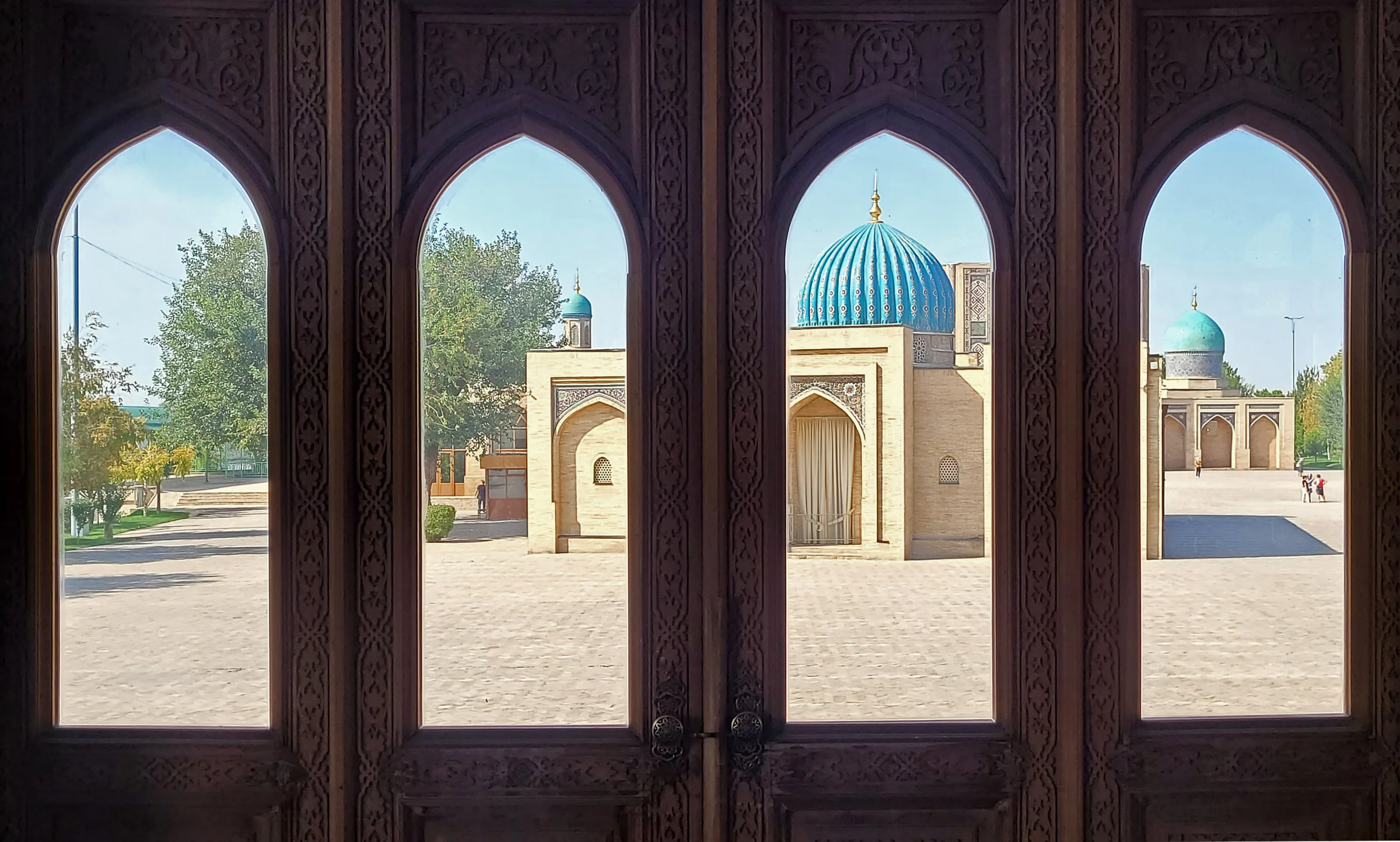
From March 1989 until November 2025 the Muyi Muborak Madrasah kept the Samarkand Kufic Quran, one of the oldest surviving Quran manuscripts, traditionally linked to Caliph Uthman. In November 2025 it was moved to the purpose-built Center for Islamic Civilization next door, which opened on 17 March 2026. The historic square and the new museum are a few minutes' walk apart, so both fit easily into one visit.
Museum · Almazar District
The new home of the Uthman Quran
Madrasa · Almazar District
A madrasah grown from two mausoleums
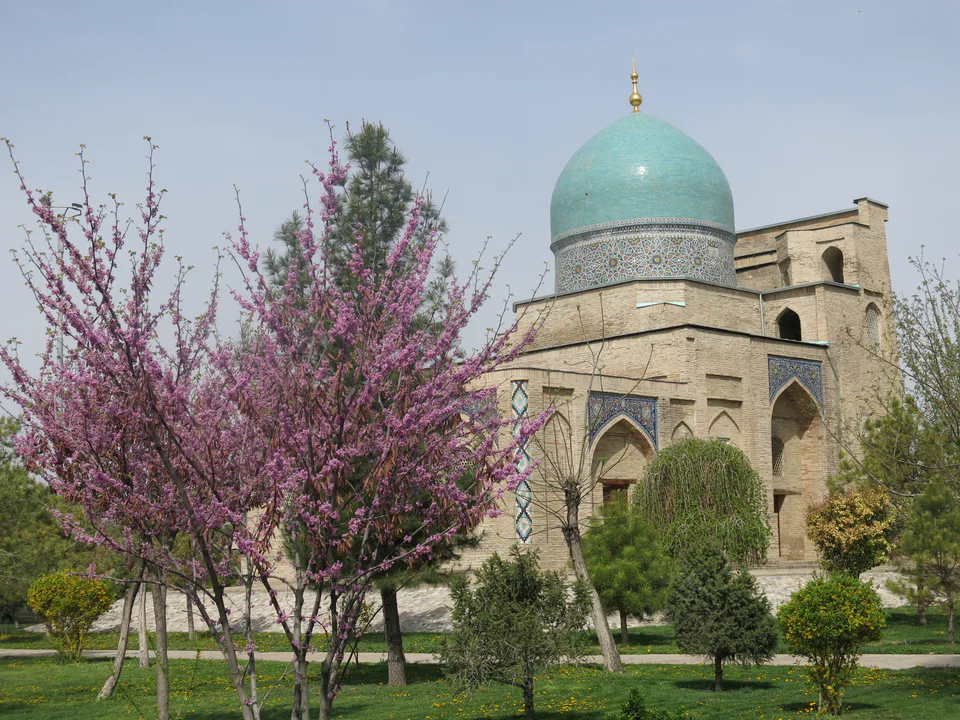
Mausoleum · Almazar District
The tomb where the Hazrati Imam Complex began
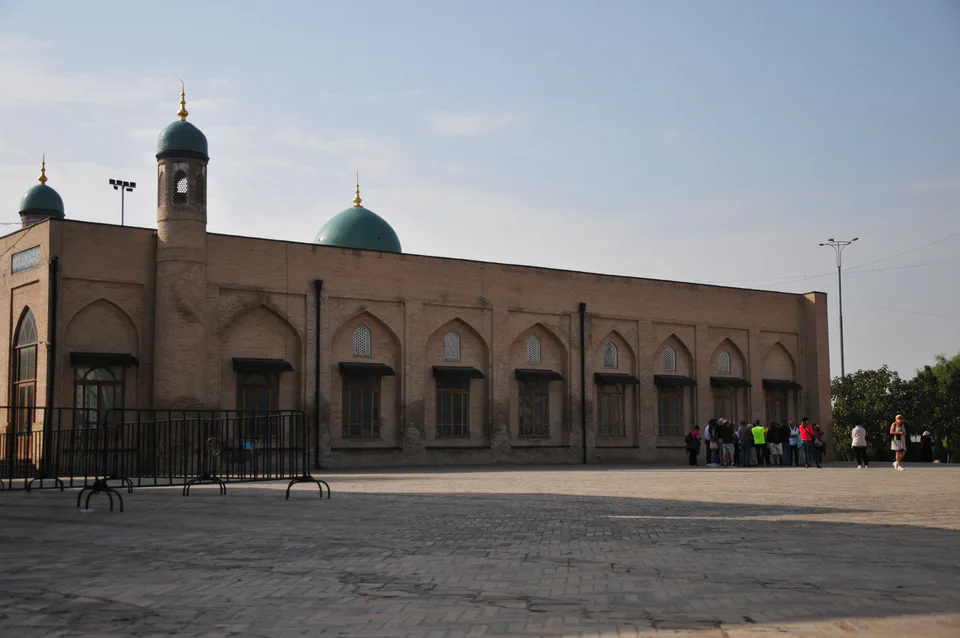
Mosque · Almazar District
Plain outside, richly carved within
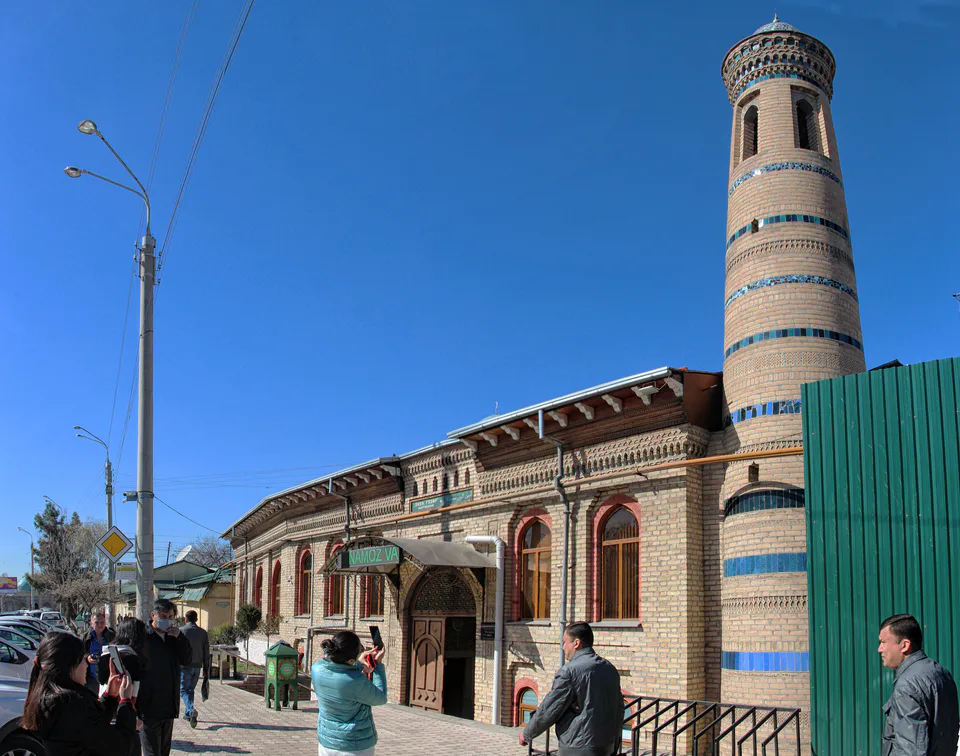
Ensemble · Almazar District
On foot from Chorsu to Hazrati Imam
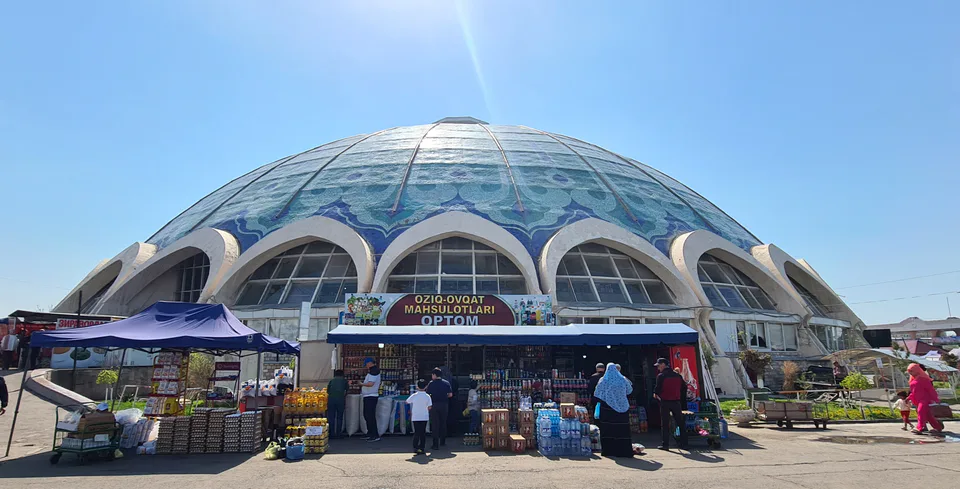
Bazaar · Shaykhantahur District
The Old City market under a blue dome
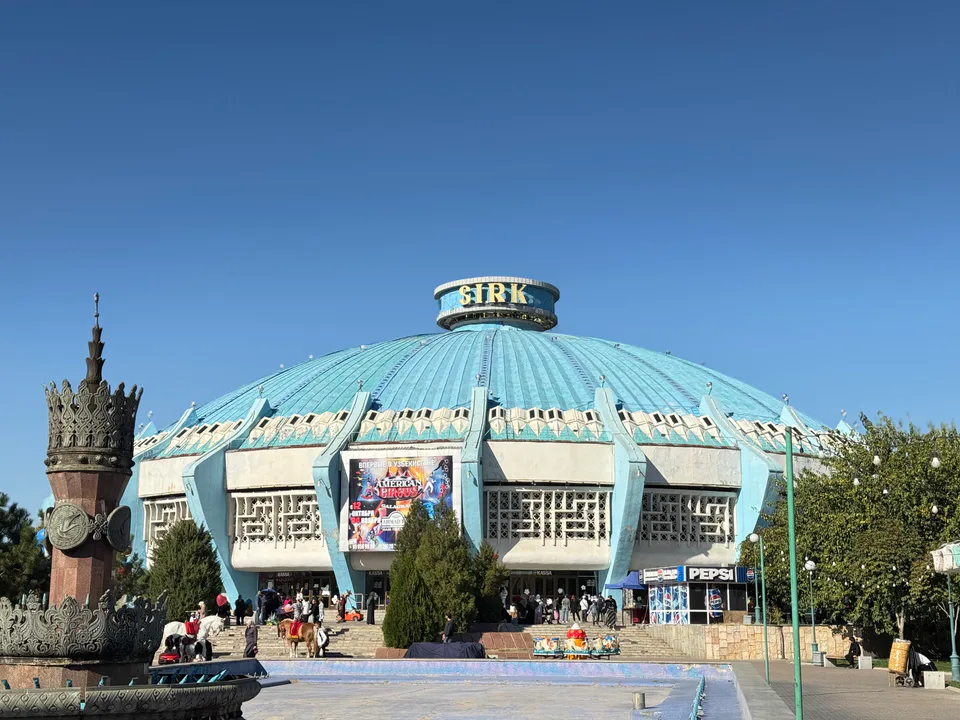
Culture & arts · Shaykhantahur District
The 'flying saucer' of Hadra Square
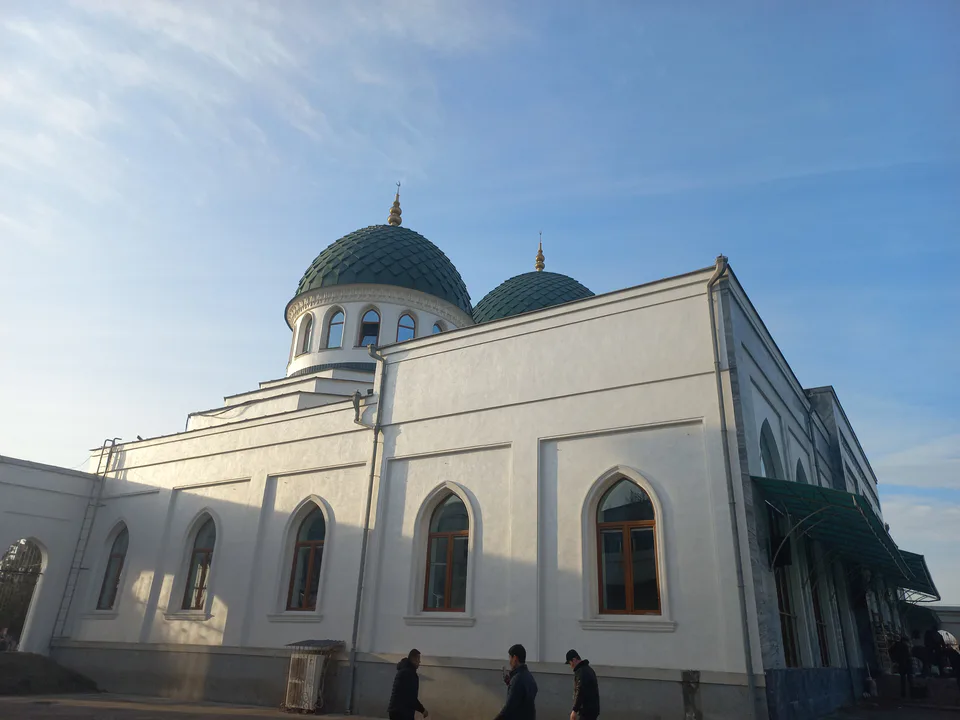
Mosque · Shaykhantahur District
Tashkent's Friday mosque since the 15th century
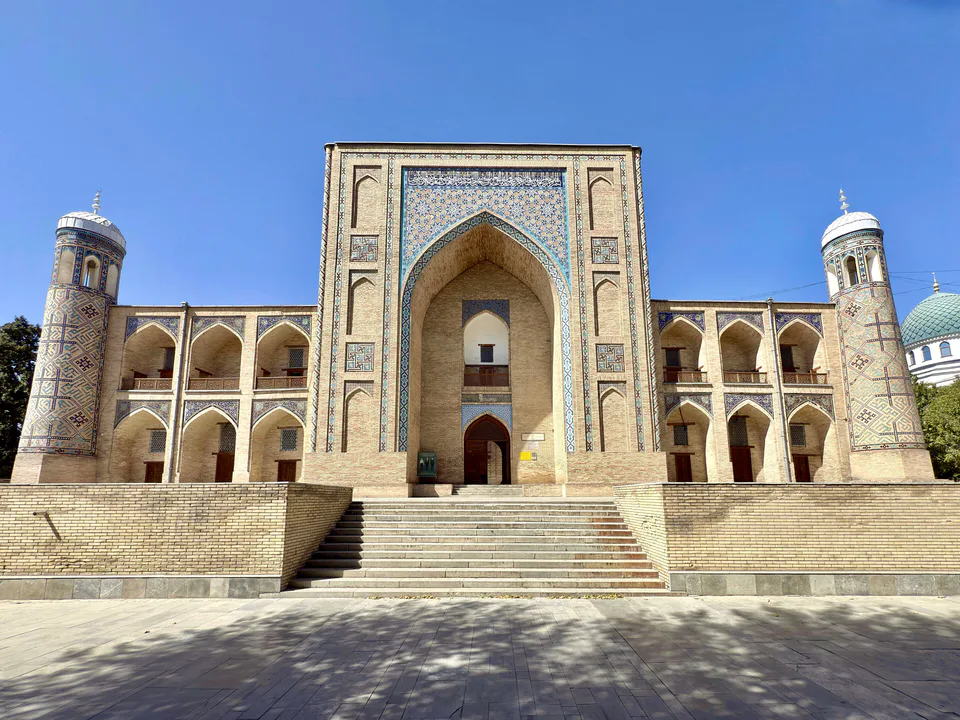
Madrasa · Shaykhantahur District
A 16th-century portal above Chorsu
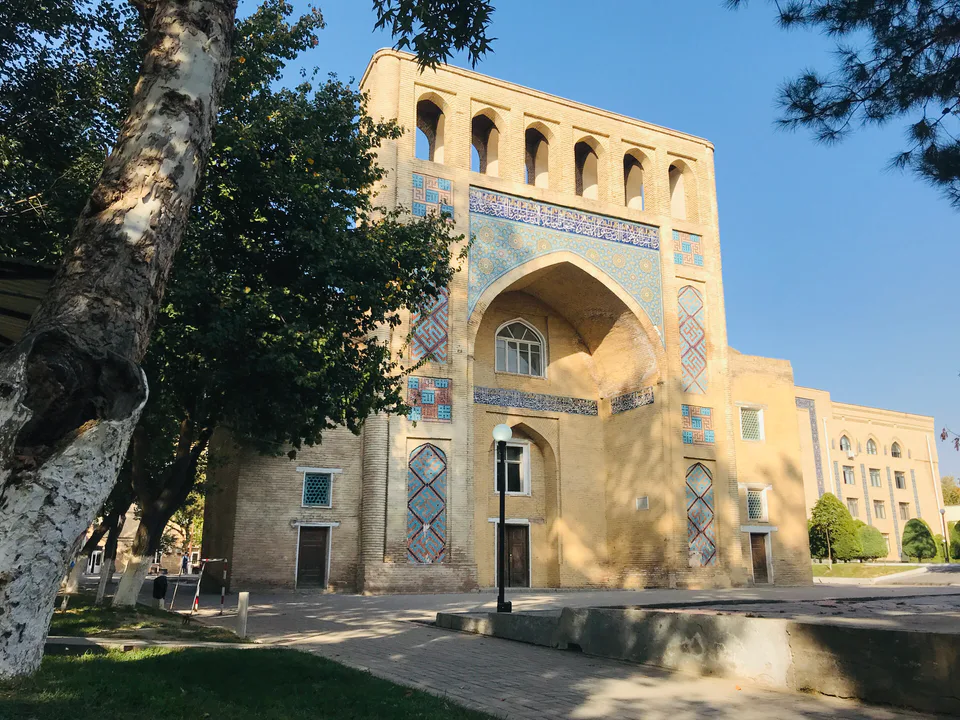
Mausoleum · Shaykhantahur District
A khanqah for Babur's grandfather