Ensemble · Khiva
Itchan Kala
A walled museum-city where people still live
Fortress · Khiva
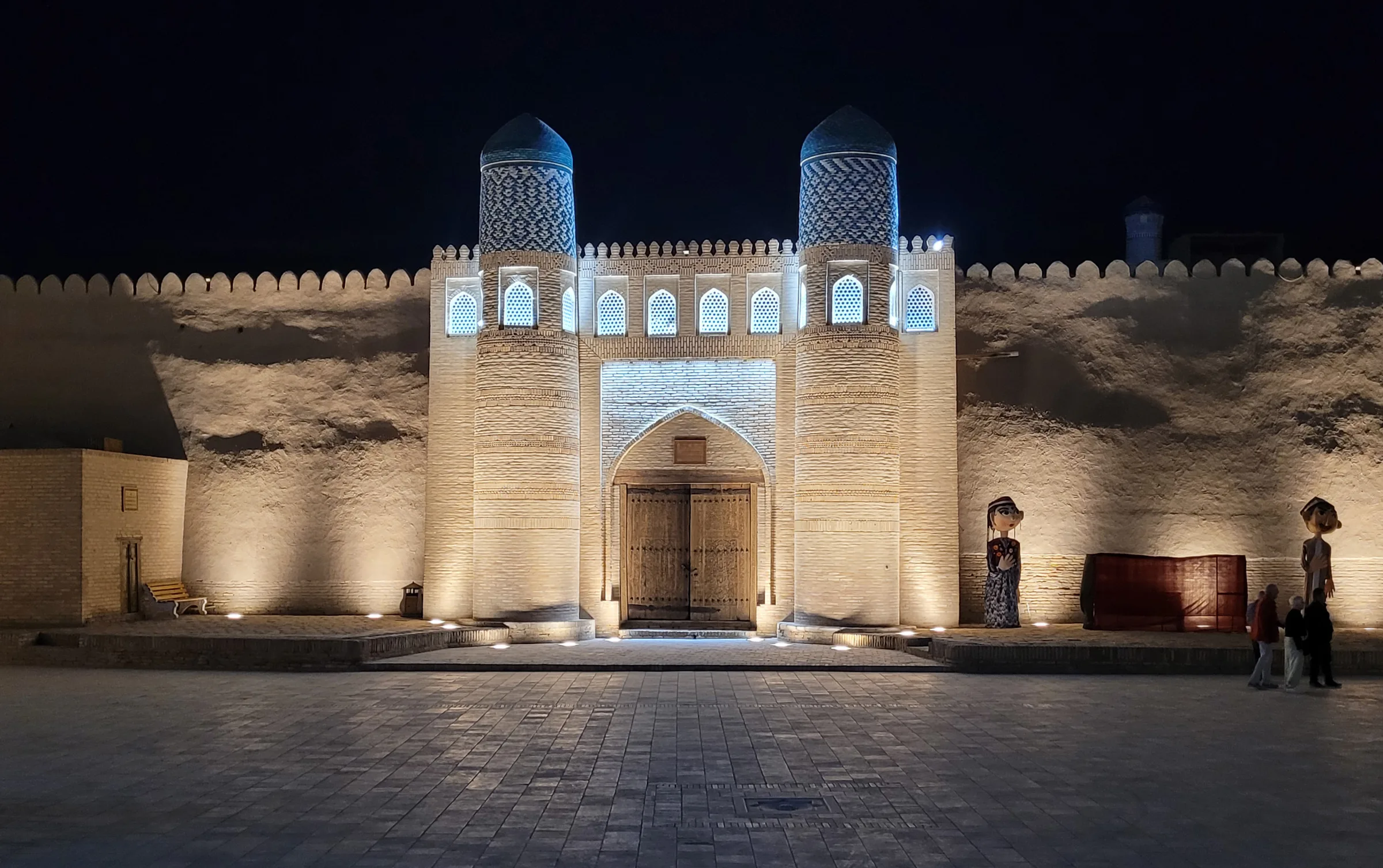
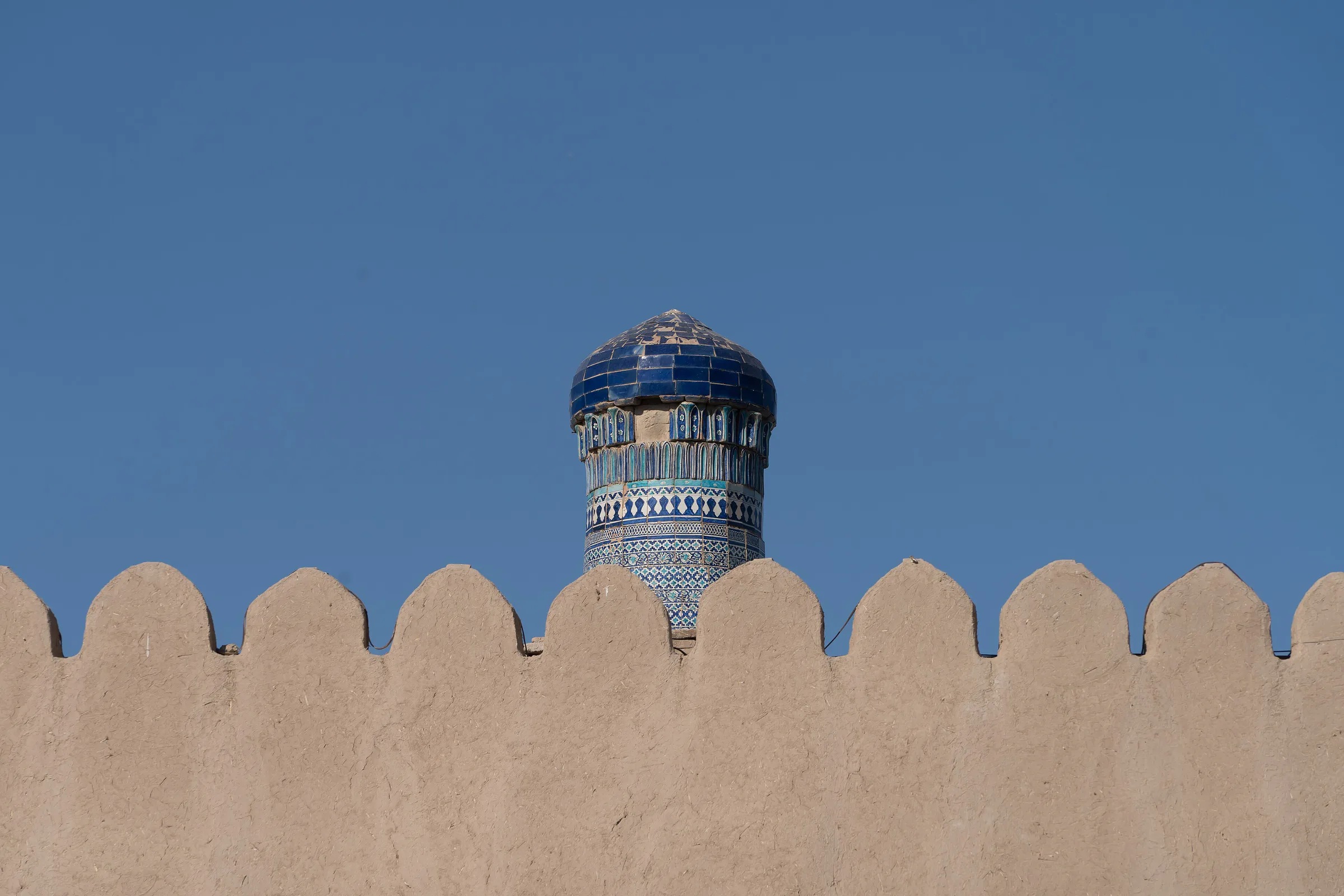
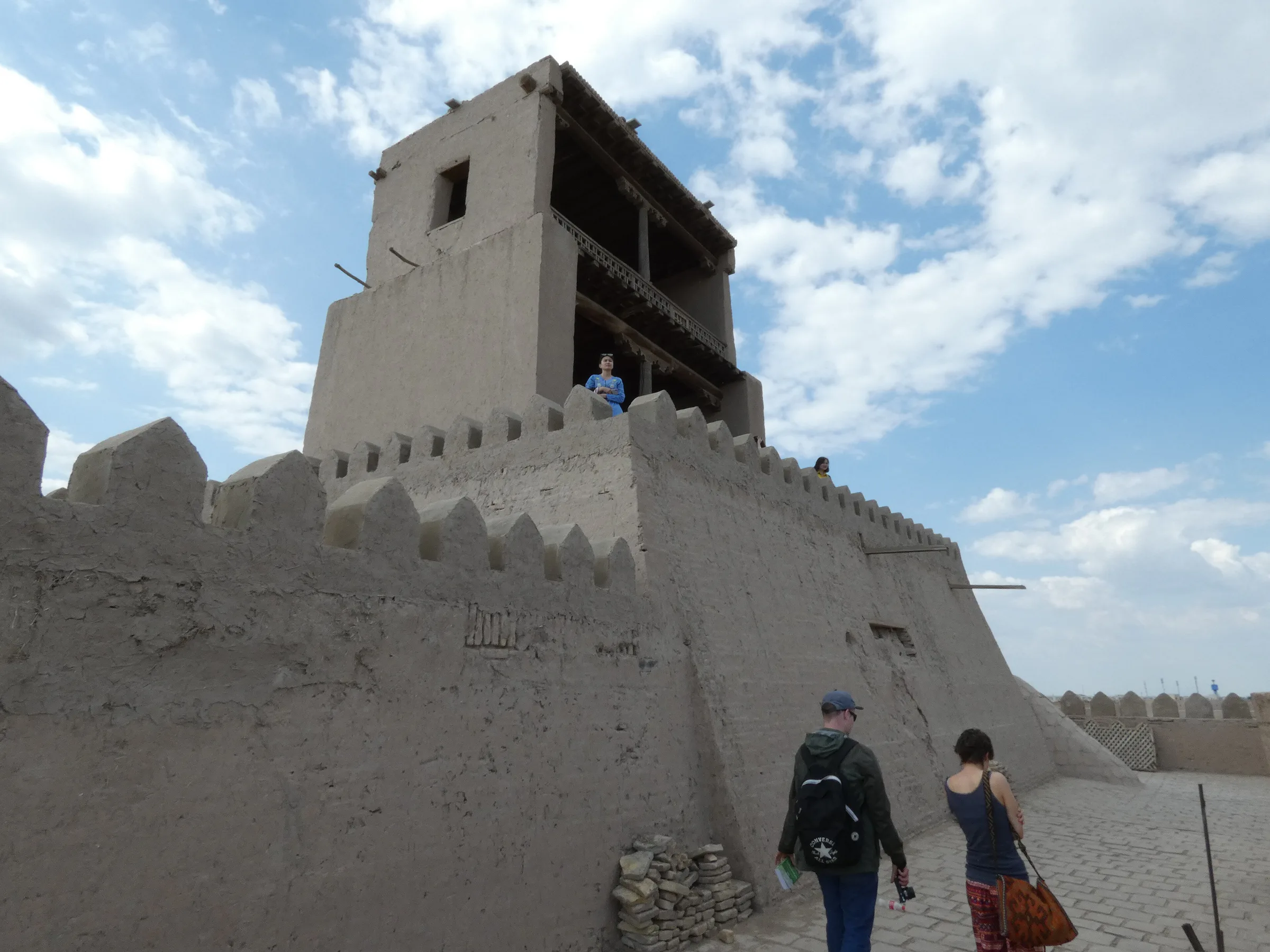
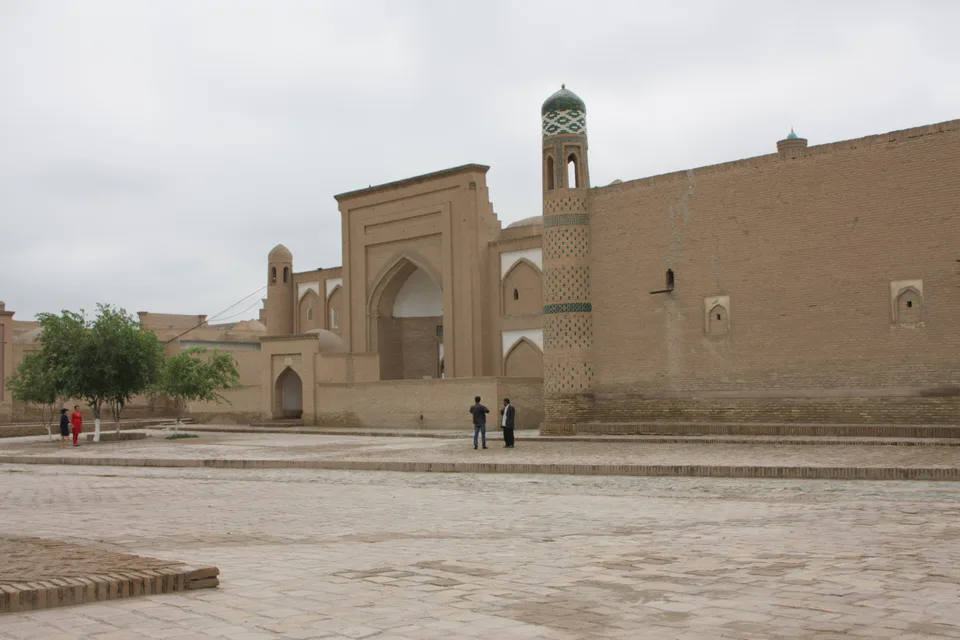
The khans’ residence against Itchan Kala’s western wall: the Kurinishkhana reception hall, a summer mosque, the mint, the harem and the Ak Sheikh Bobo tower with views over all of Khiva. Now a museum complex.
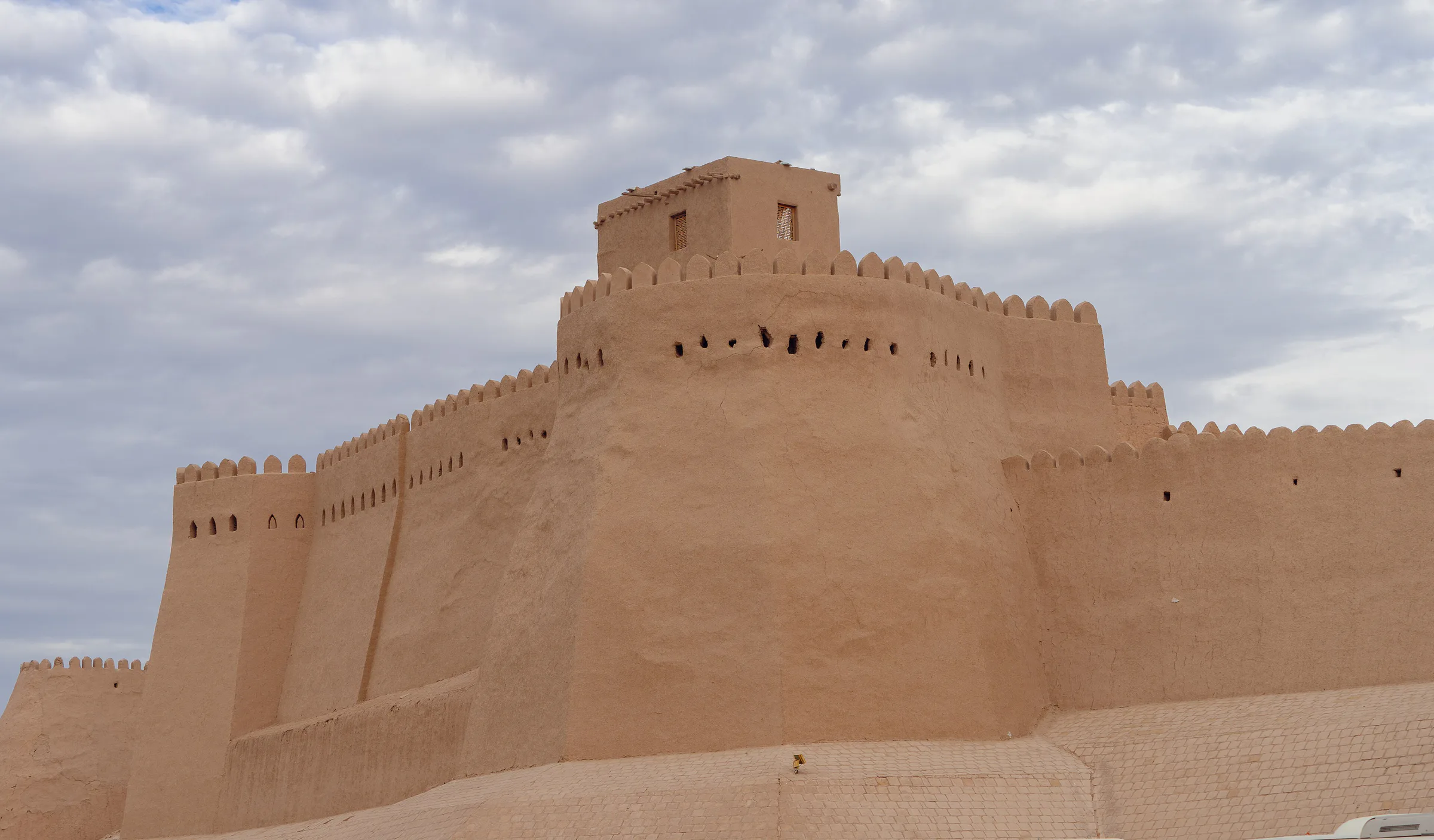
Konya Ark means “old citadel”. In Khiva the ark was the ruler’s fortified palace inside the city, housing his chancellery, audience hall, court of justice, treasury and family quarters. Work began in 1686–1688 under Arang Khan, son of Anusha Khan, and by the late 18th century the Ark had become a town within a town, cut off from the rest of Itchan Kala by a high wall. Once the Toshhovli and Nurullabay palaces were built, the old residence became known as the “old” Ark, though it kept some of its functions.
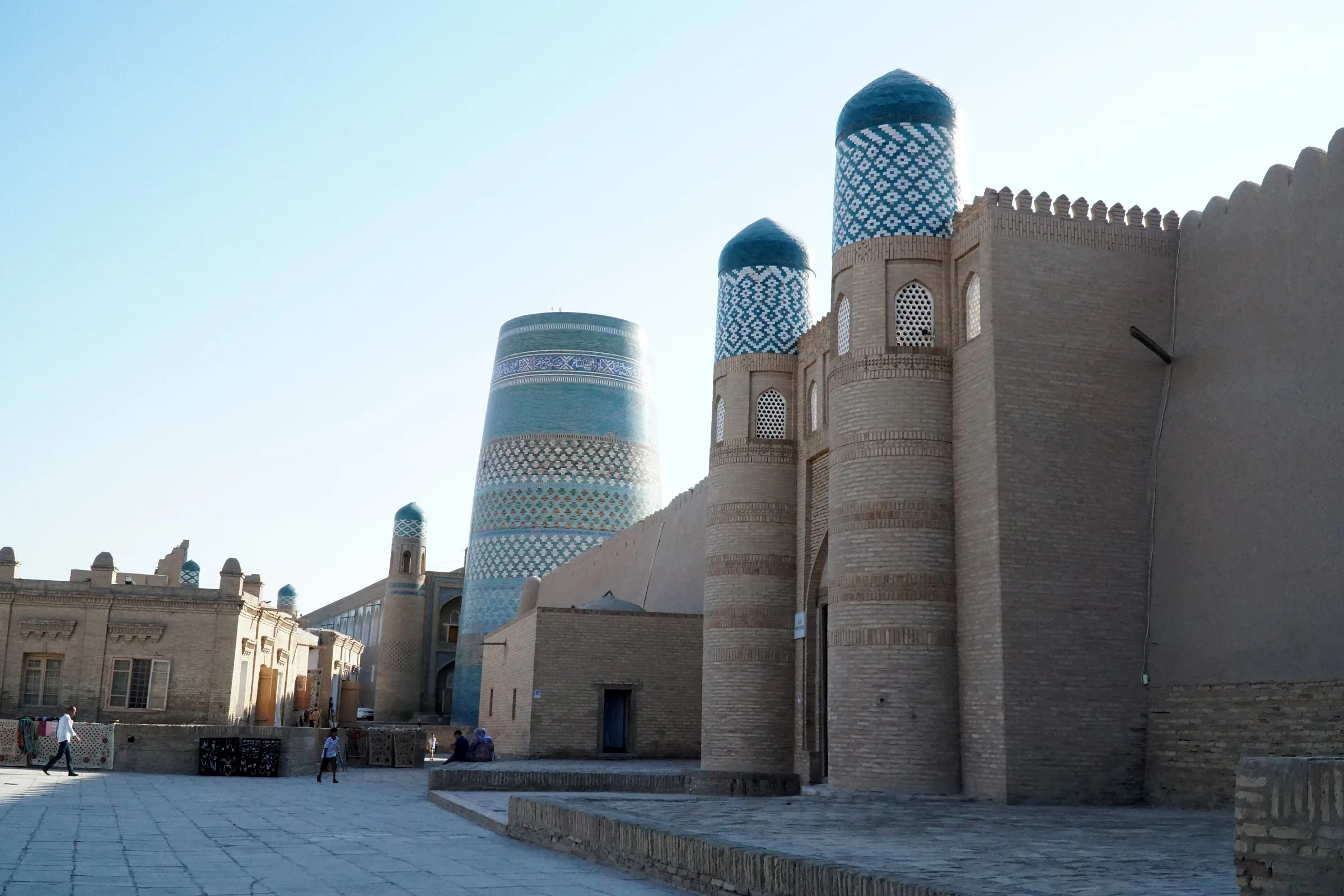
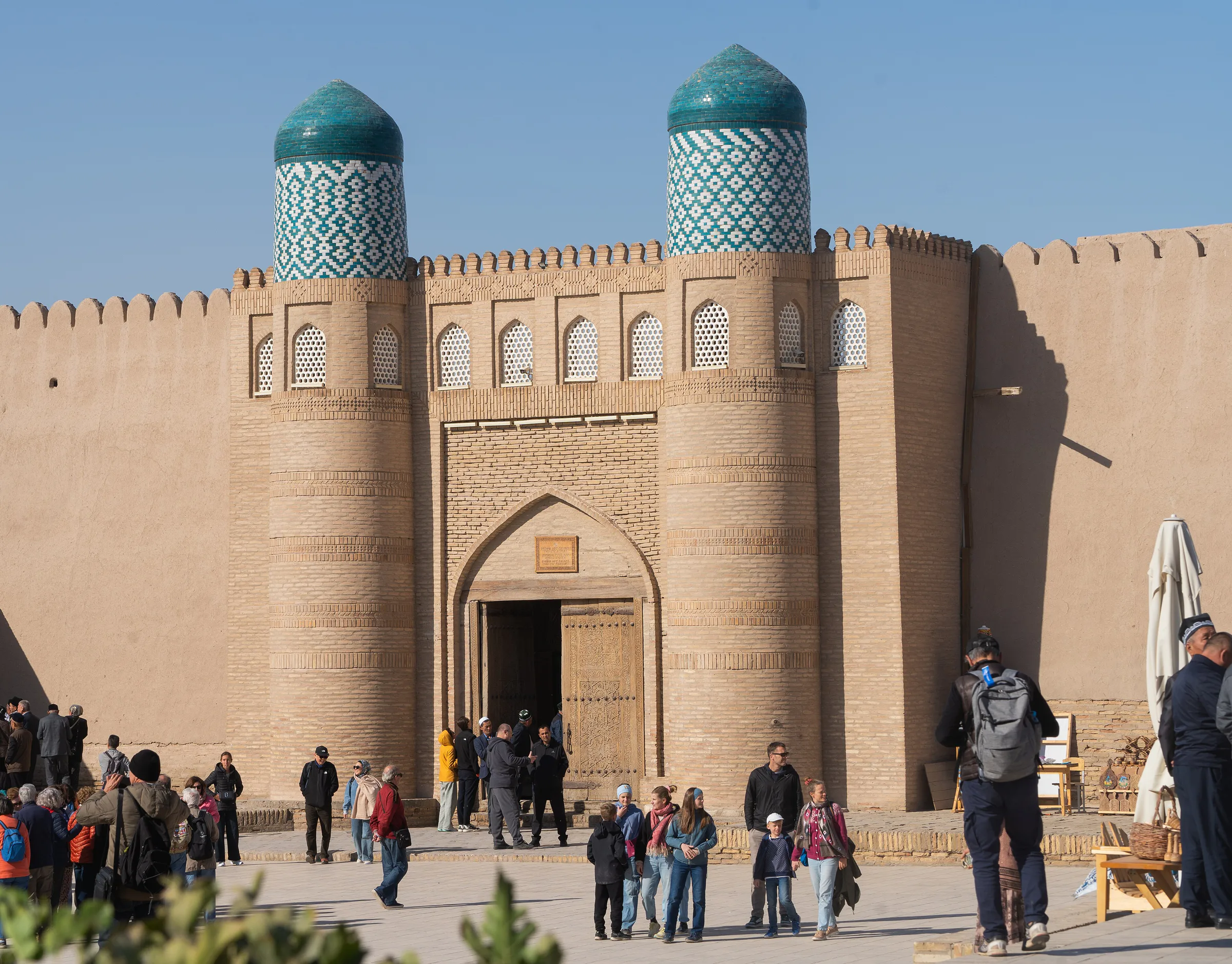
Of its once dense buildings, the east gate and guardroom, the Kurinishkhana, the summer and winter mosques, the mint, the harem and the Ak Sheikh Bobo tower survive. The square in front of the gate hosted military parades, and the zindan, or prison, stood nearby.
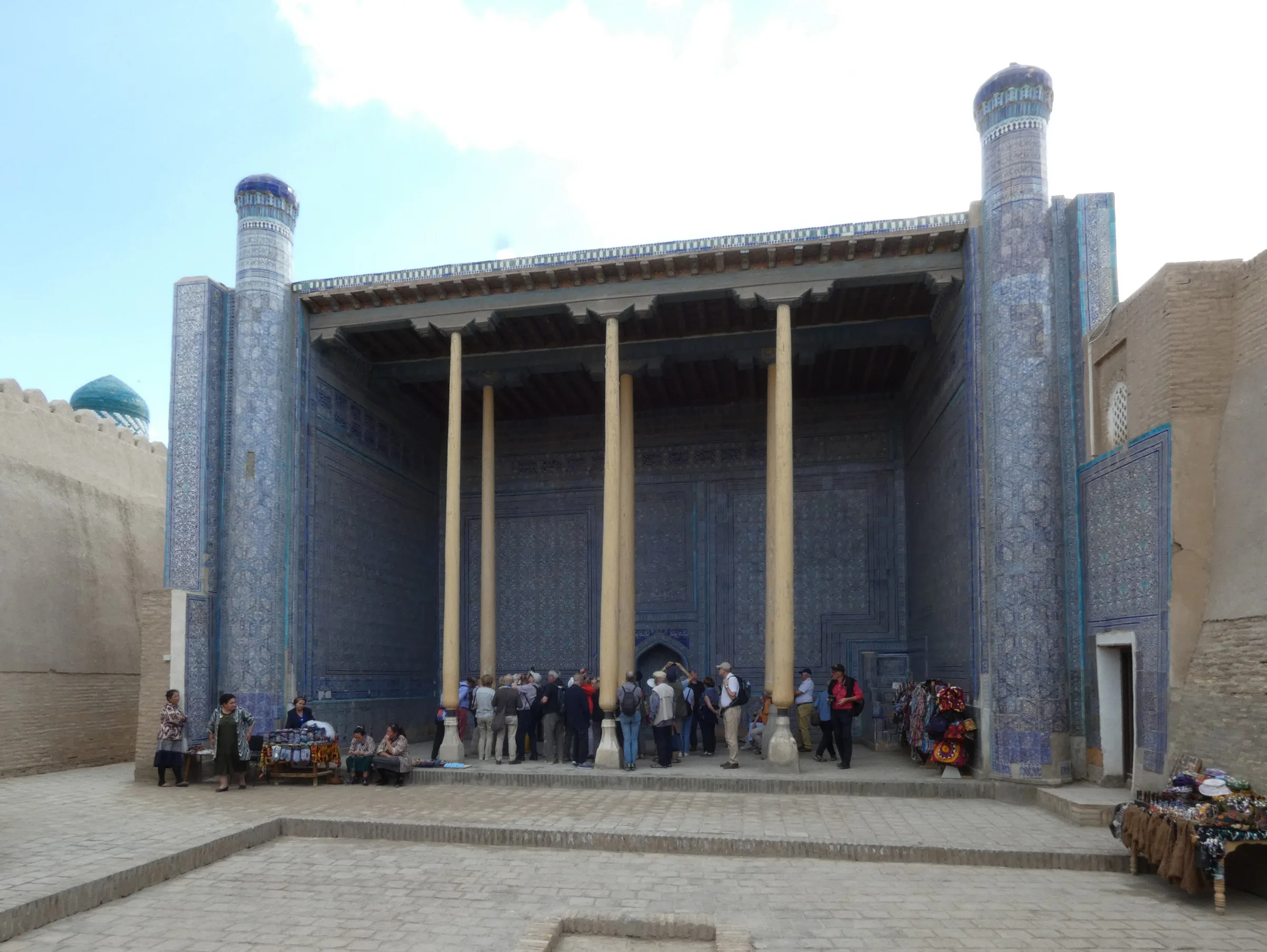
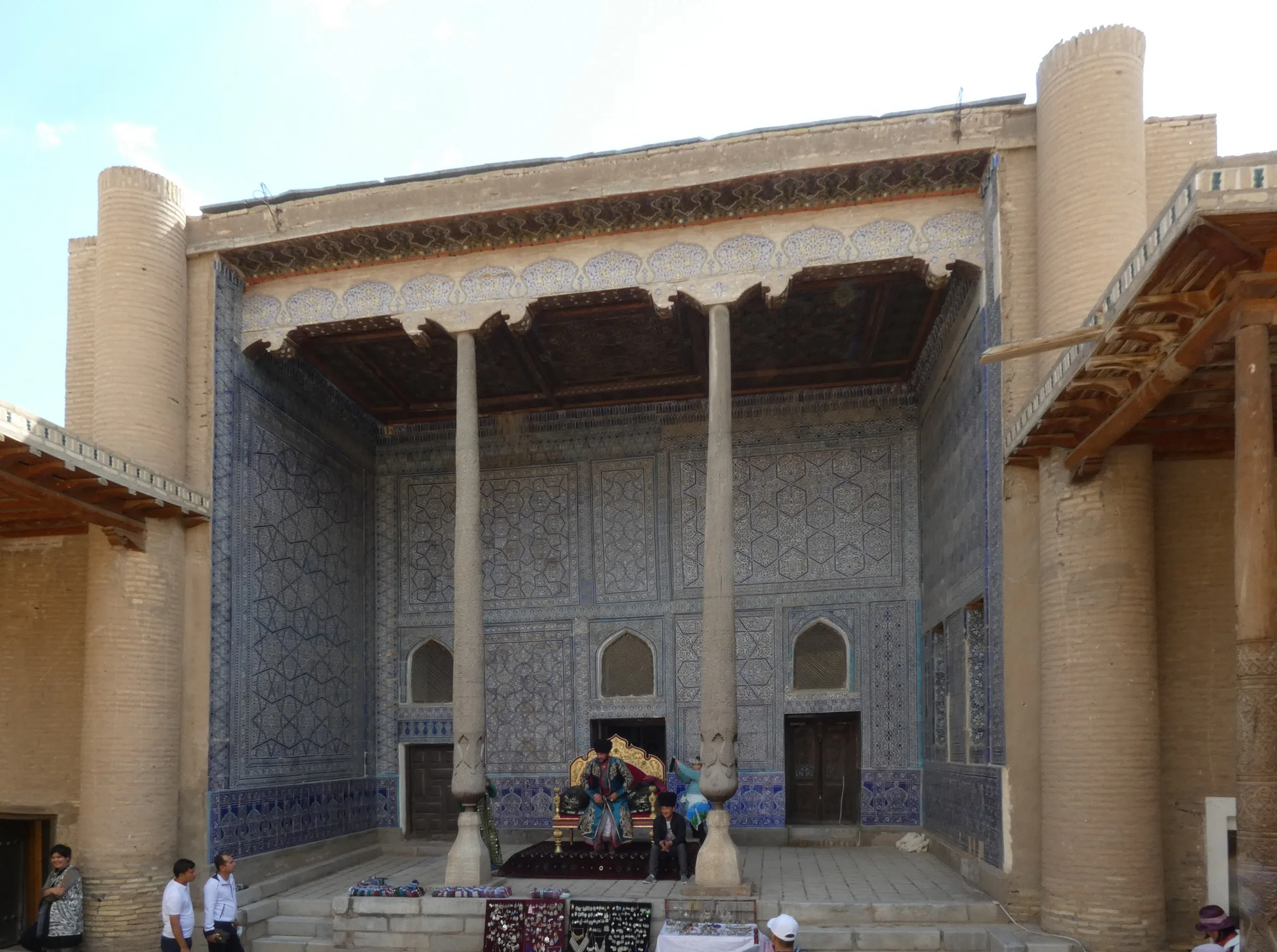
The Kurinishkhana (reception hall) was first built in the late 17th century, wrecked during the Persian invasion of the mid-18th century and rebuilt by Eltuzar Khan in 1804–1806; its iwan was faced with majolica under Allakuli Khan. A round platform in the courtyard held a yurt in which the khan received envoys from the nomadic neighbours. The original throne, carved in wood by a Khivan craftsman in 1816 and sheathed in embossed silver, was taken to Moscow in 1873; a replica now stands in its niche.
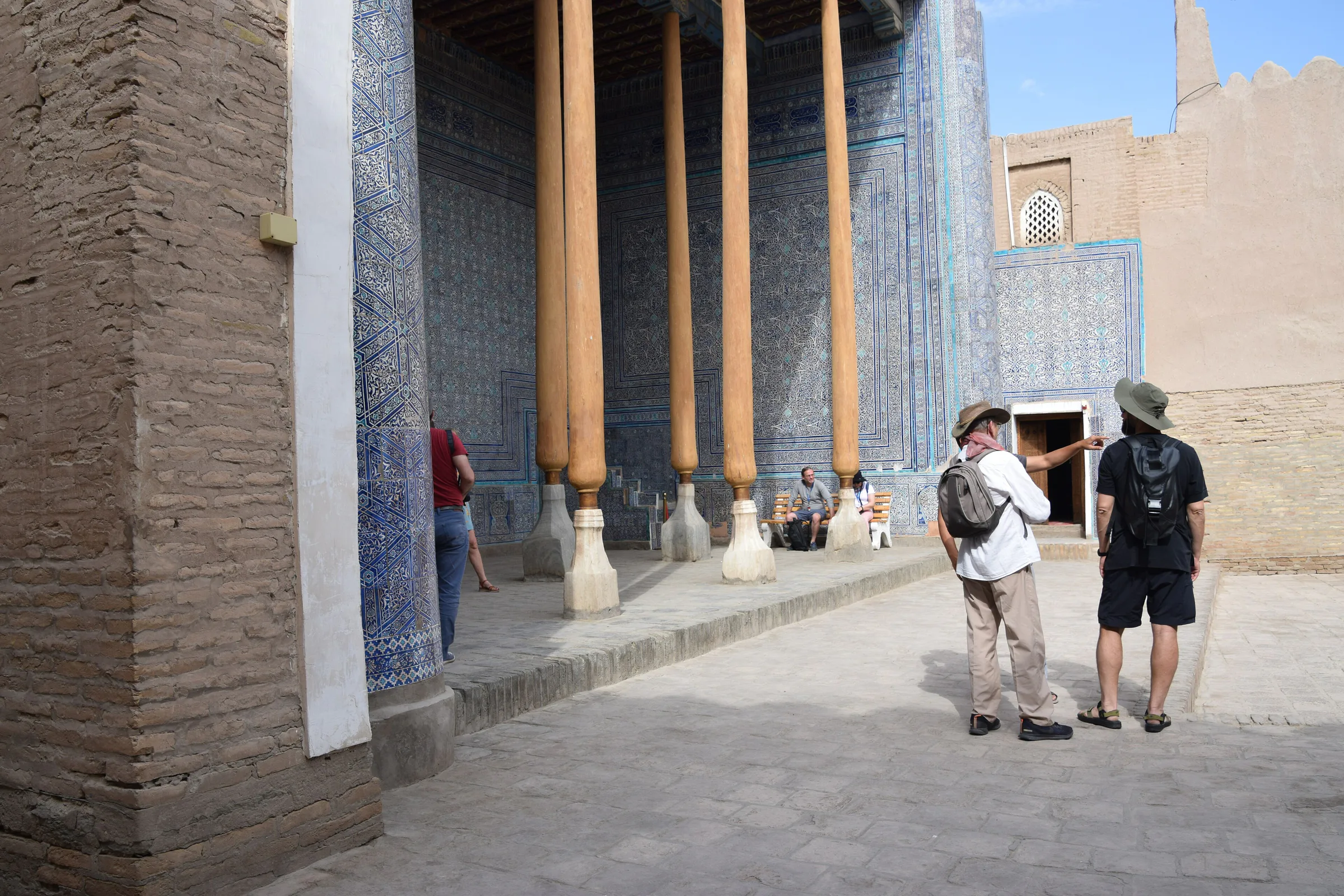
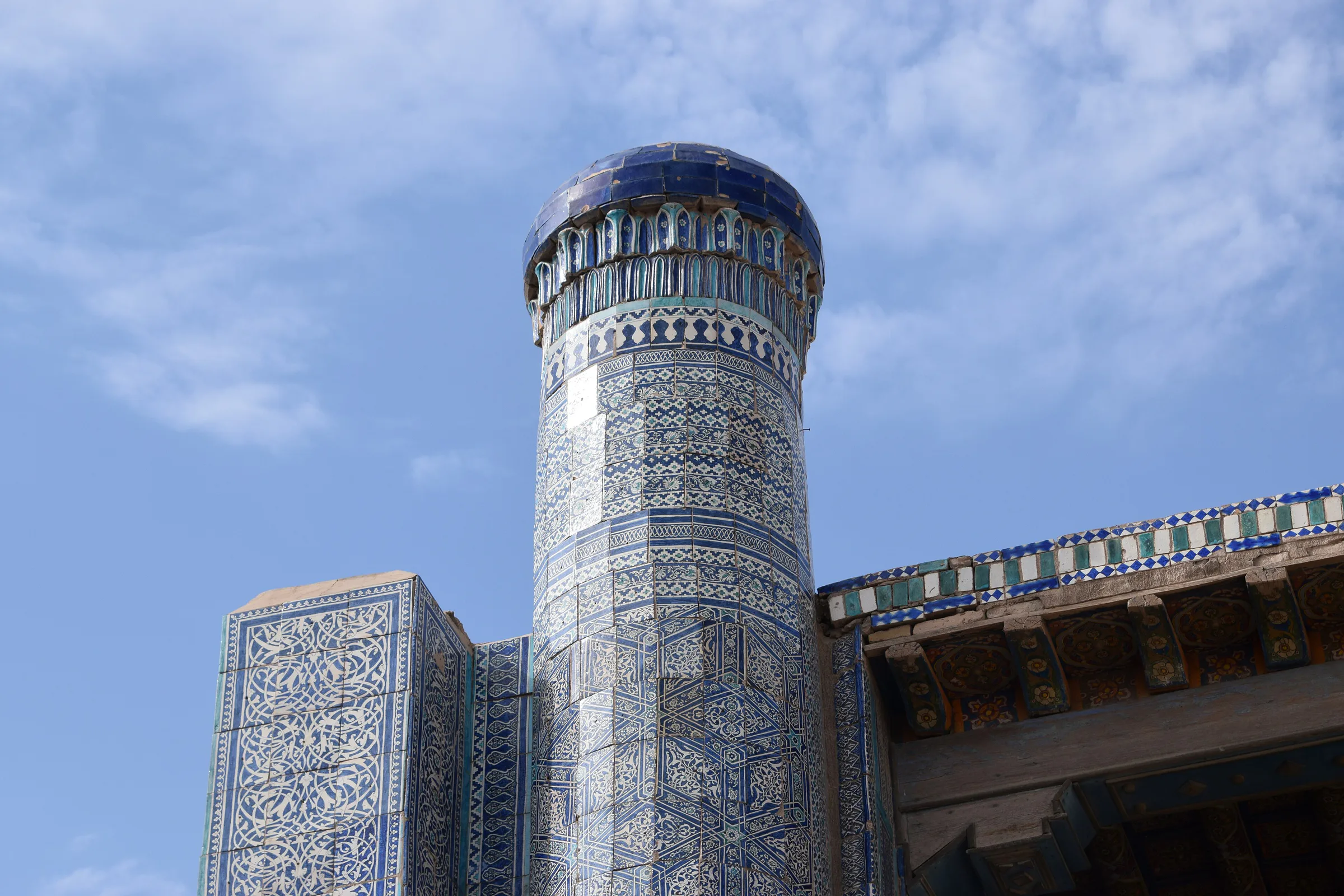
The summer mosque dates from Allakuli Khan’s reign (1825–1842): an iwan on two rows of wooden columns, with mihrab and walls covered in intricate floral tilework. Next door is the mint of Muhammad Rahim Khan I, where Khivan coins were struck. The harem was completed under Muhammad Rahim Khan II.
Today the Ark is run as a museum complex. The mint houses a display on Khivan coinage — the Hermitage in St Petersburg alone holds more than 300 coins struck here — while the harem rooms and the chambers around the Kurinishkhana show court life, weapons and crafts.
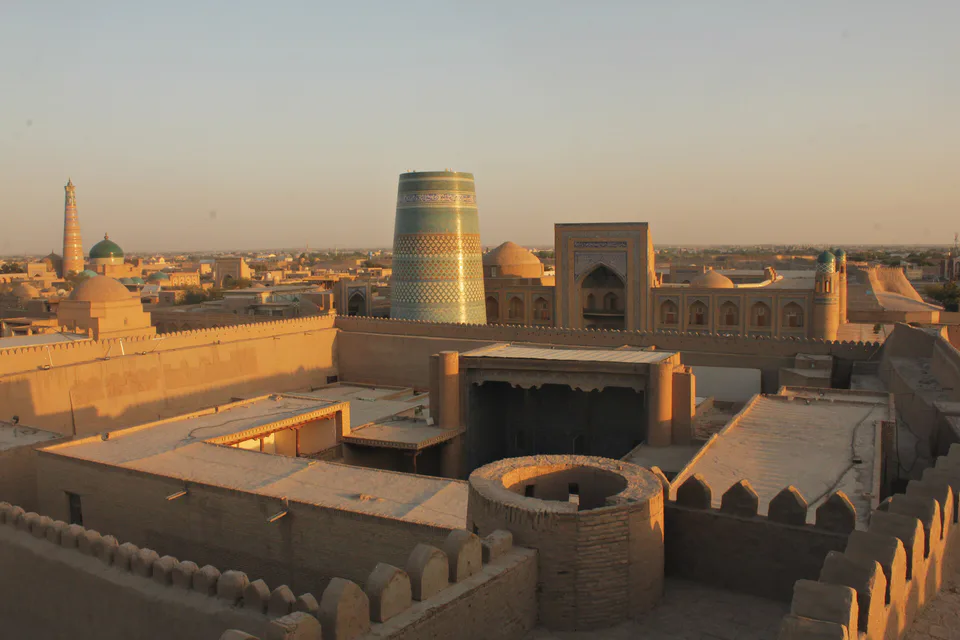
The Ark’s highest point is the Ak Sheikh Bobo bastion. Tradition holds that it was the cell of Ak Sheikh Bobo, teacher of Sheikh Mukhtar Vali; later it served as a lookout and a powder store. Today its platform is the best-known viewpoint in Itchan Kala, taking in Kalta Minor, the Muhammad Amin Khan Madrasa, the Juma Mosque minaret and the Islam Khodja Minaret in one sweep.
Ensemble · Khiva
A walled museum-city where people still live
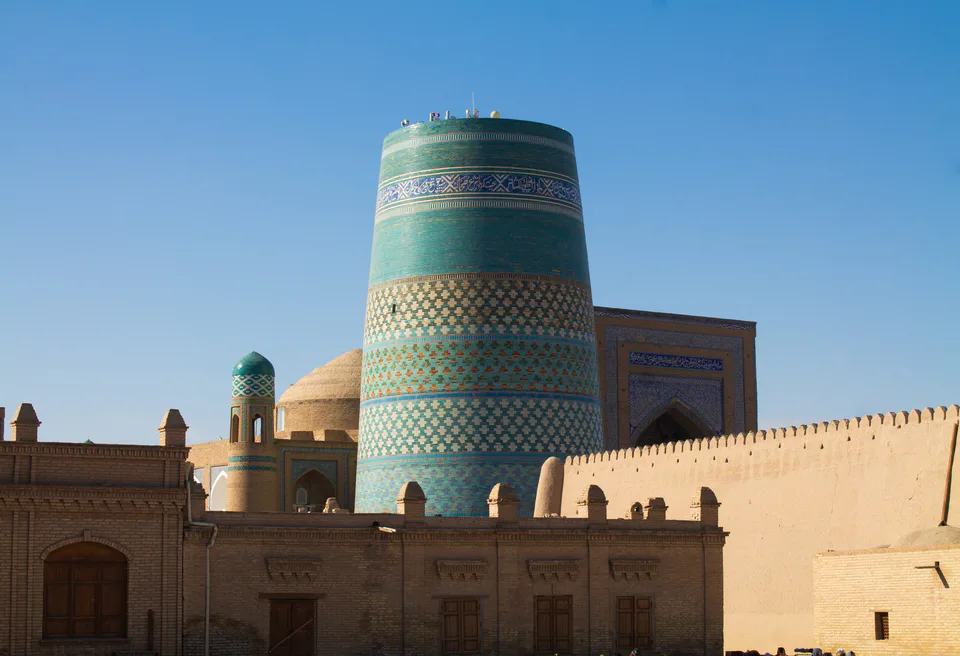
Minaret · Khiva
The unfinished minaret that became Khiva’s emblem
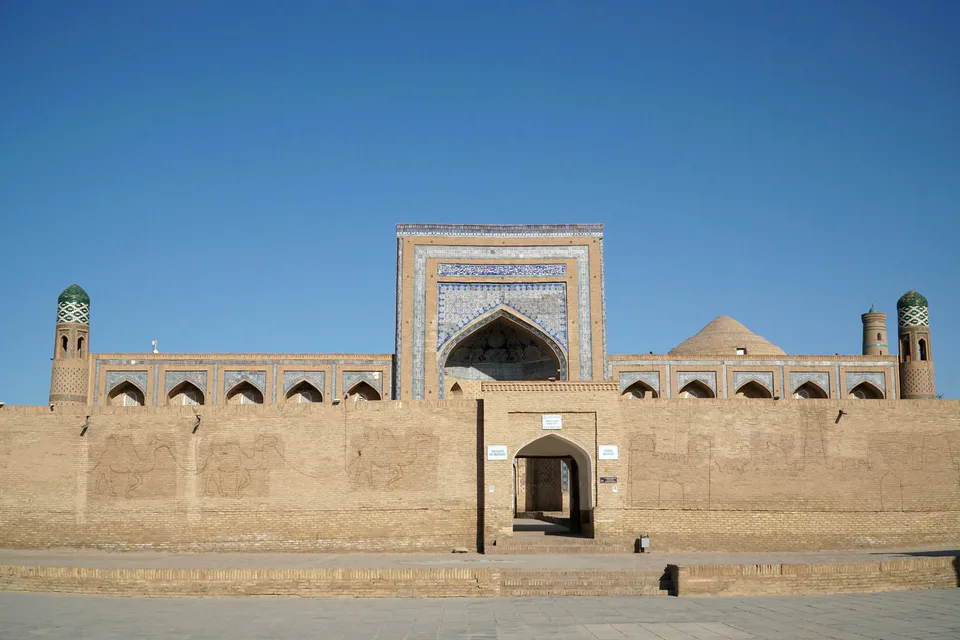
Madrasa · Khiva
The madrasa of Feruz, the poet-khan
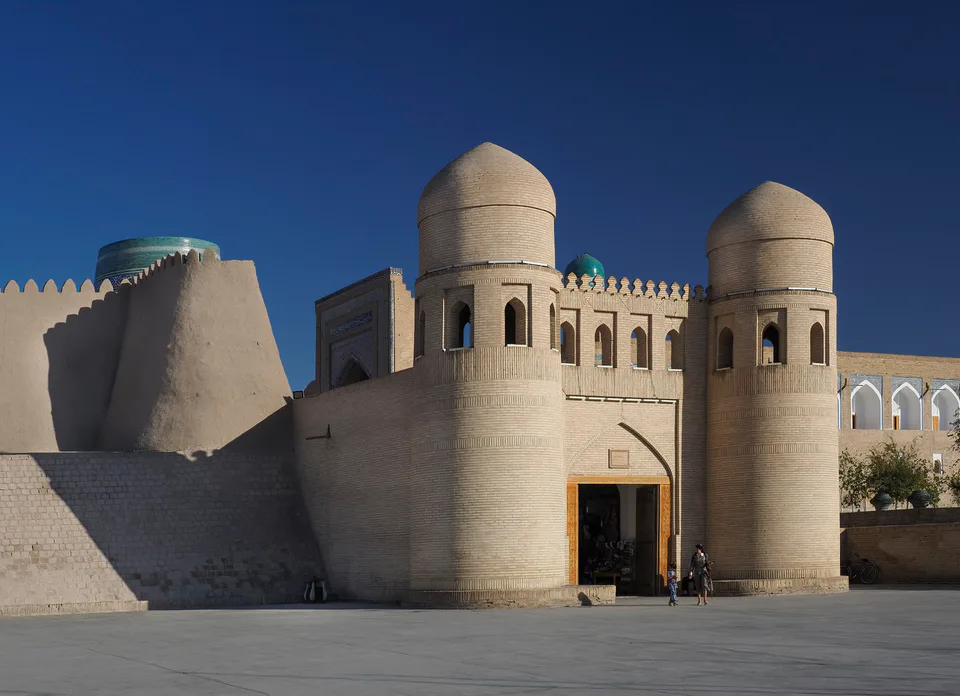
Fortress · Khiva
The main gate of Itchan Kala
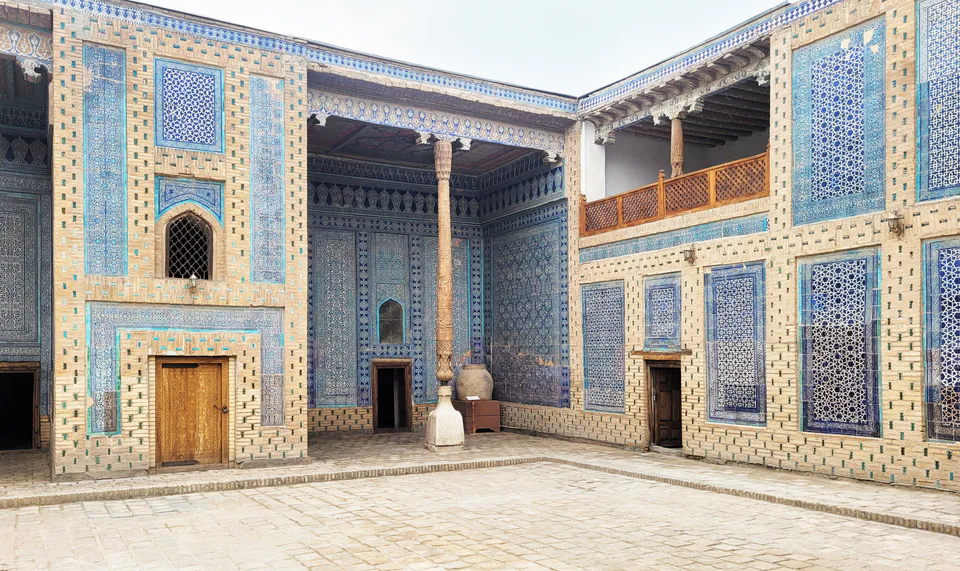
Ensemble · Khiva
Allakuli Khan’s palace of tiles
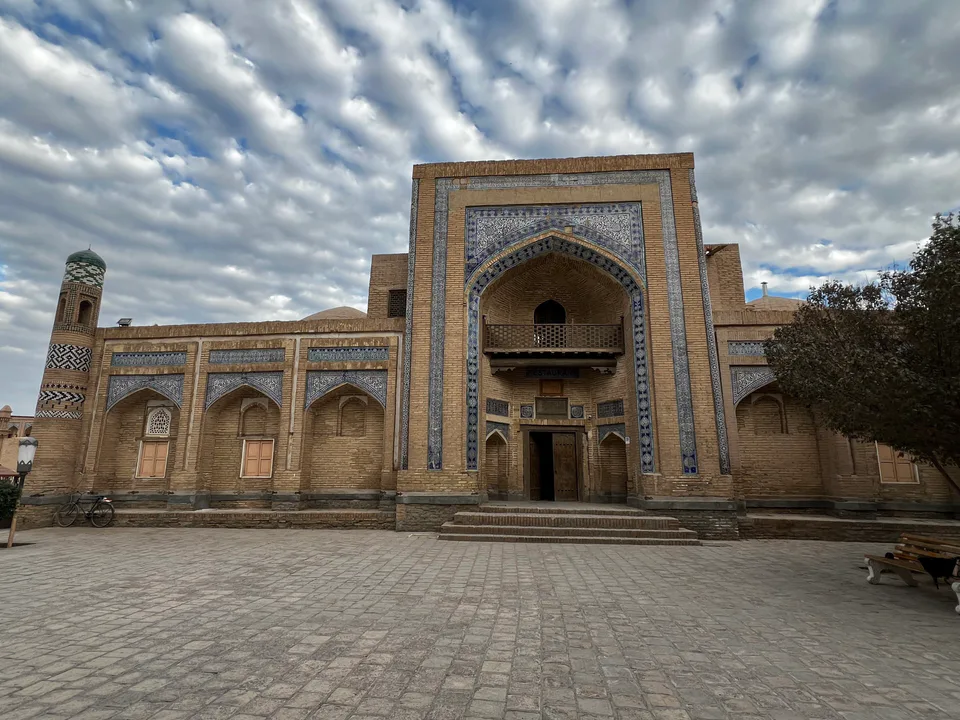
Madrasa · Khiva
A courtier’s compact madrasa
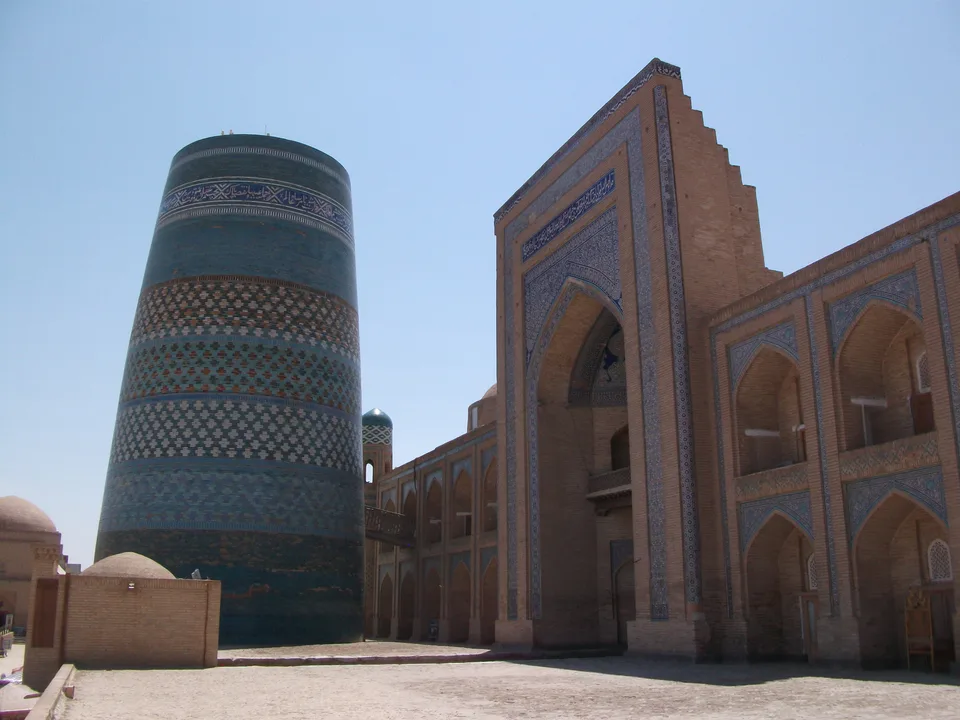
Madrasa · Khiva
Khiva’s largest madrasa
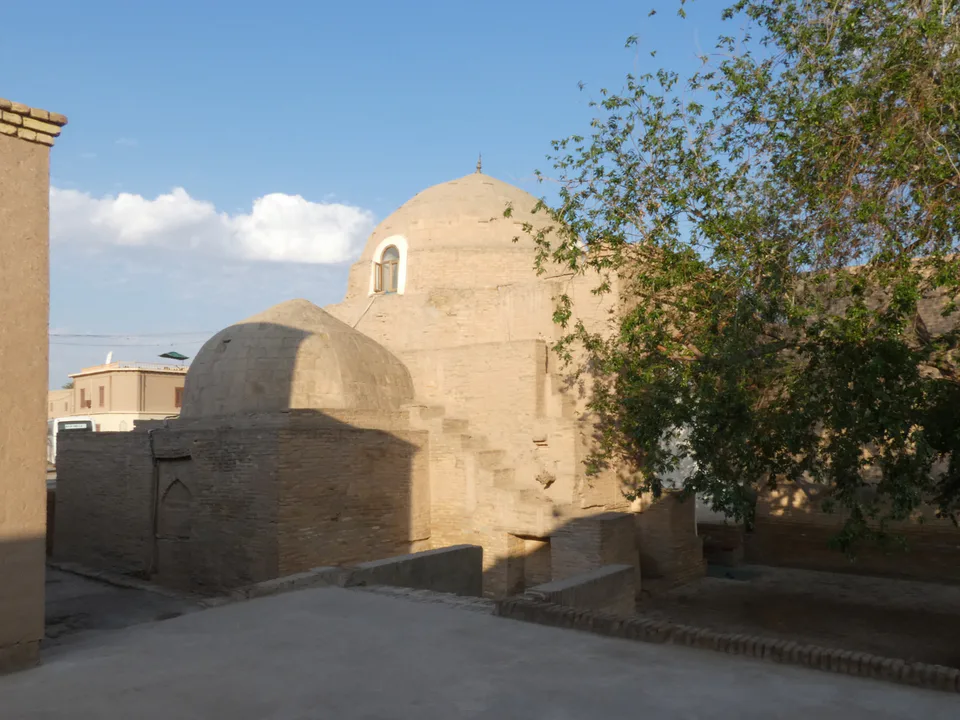
Mausoleum · Khiva
One of the oldest buildings in Itchan Kala
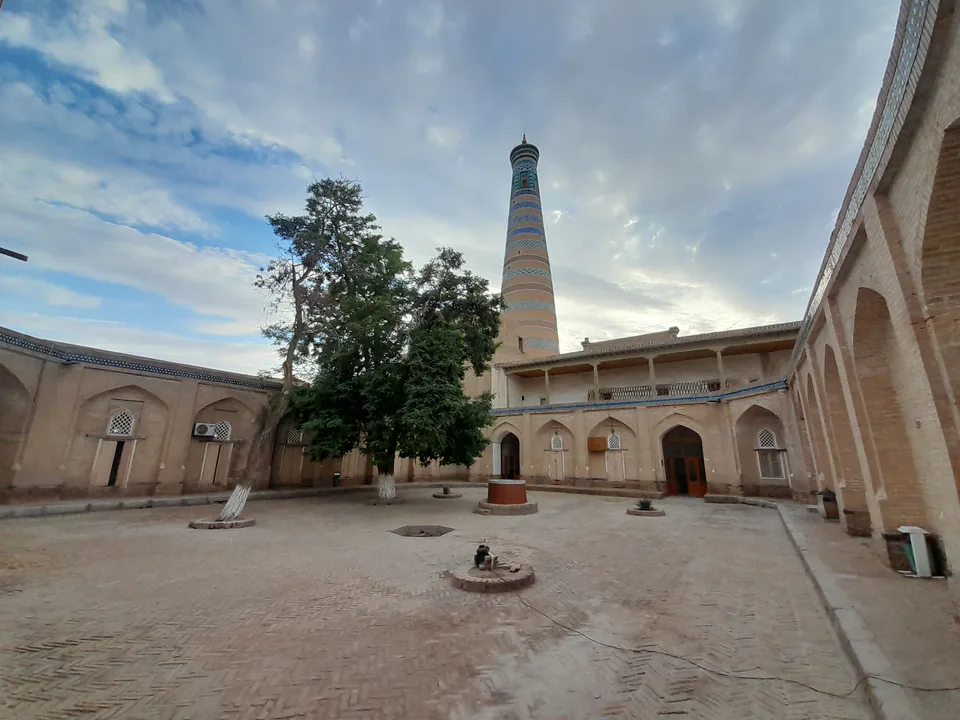
Madrasa · Khiva
Home of the Museum of Khorezm Music
Madrasa · Khiva
The first madrasa after the capital moved to Khiva