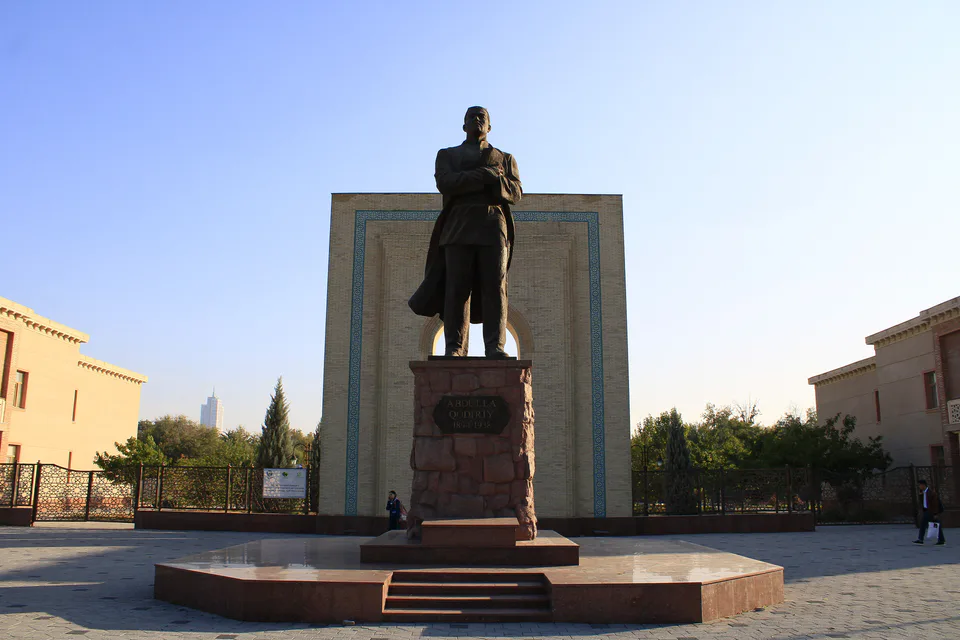
A Tashkent poet and prose writer, one of the founders of modern Uzbek poetry. His wartime poem “You Are Not an Orphan” and his novella “The Mischievous Boy” (Shum Bola) are beloved classics.
G'afur G'ulom was born in Tashkent on 10 May (27 April Old Style) 1903. His father read Uzbek and Persian poetry and wrote verse himself, and poets such as Muqimiy and Furqat visited the family home. Orphaned young, he grew up working, then became a teacher and journalist. His first poems appeared in the 1920s, and the collections “Dynamo” (1931) and “Living Songs” (1932) established him as a fresh new voice. Together with Hamza he is credited with shaping a new system of Uzbek verse.
War poems and Shum Bola
During the Second World War he wrote “You Are Not an Orphan”, “I'm Waiting for You, My Son!”, “Seeing Off” and “Time”, poems that caught the spirit of a time when Uzbek families took in thousands of evacuated orphans and became hugely popular. His prose includes the comic novella “The Mischievous Boy” (Shum Bola, 1936–1962), set in Tashkent's old neighbourhoods, and the novellas “Yodgor” and “Netay”; Shum Bola was filmed in 1977. He translated Shakespeare's Othello, Beaumarchais's The Marriage of Figaro, Saadi's Gulistan and Pushkin into Uzbek. Named People's Poet of Uzbekistan in 1963, he died in Tashkent on 10 July 1966 and was awarded the Lenin Prize posthumously in 1970.
Remembered in Tashkent
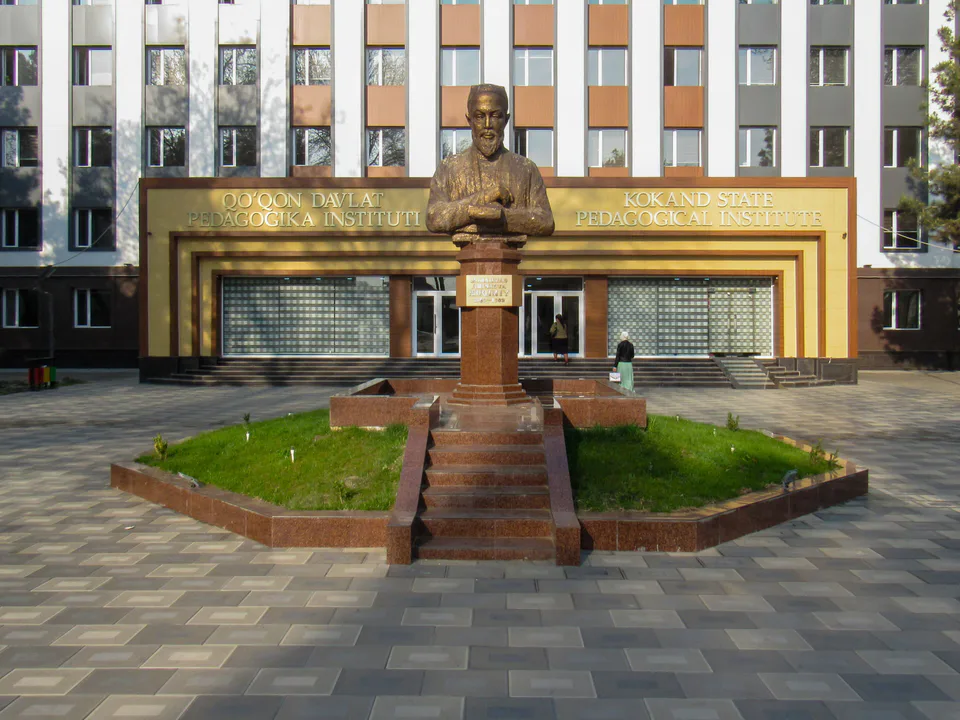
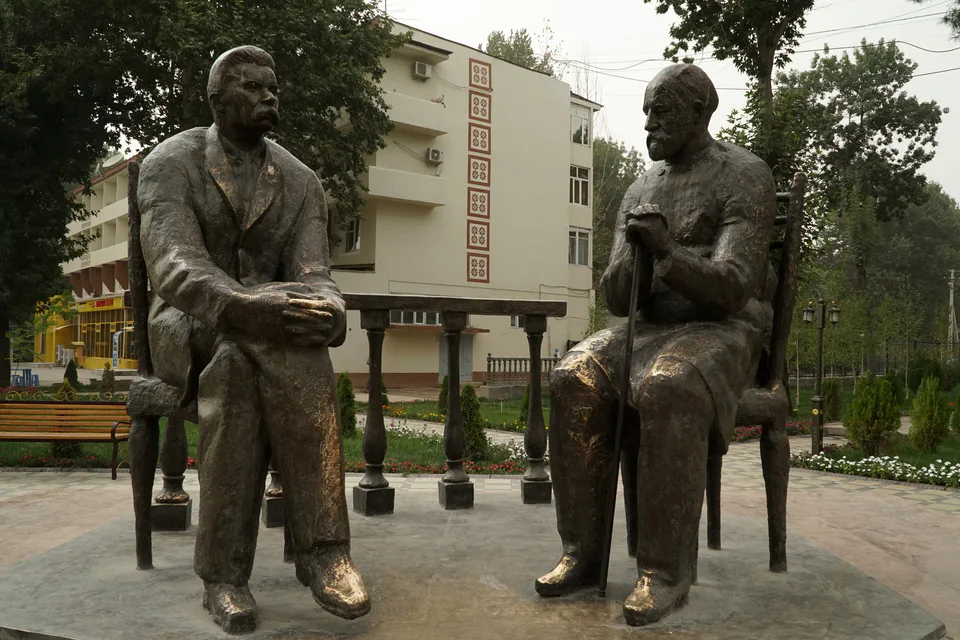
Tashkent has a G'afur G'ulom museum, a street and a metro station named after him and a statue; a publishing house and the Syrdarya State Pedagogical Institute also bear his name. In 2023 Shum Bola was included in the BBC's list of the 100 greatest children's books of all time. A stroll through the old city's mahallas is the best way to step into the world of its young hero.
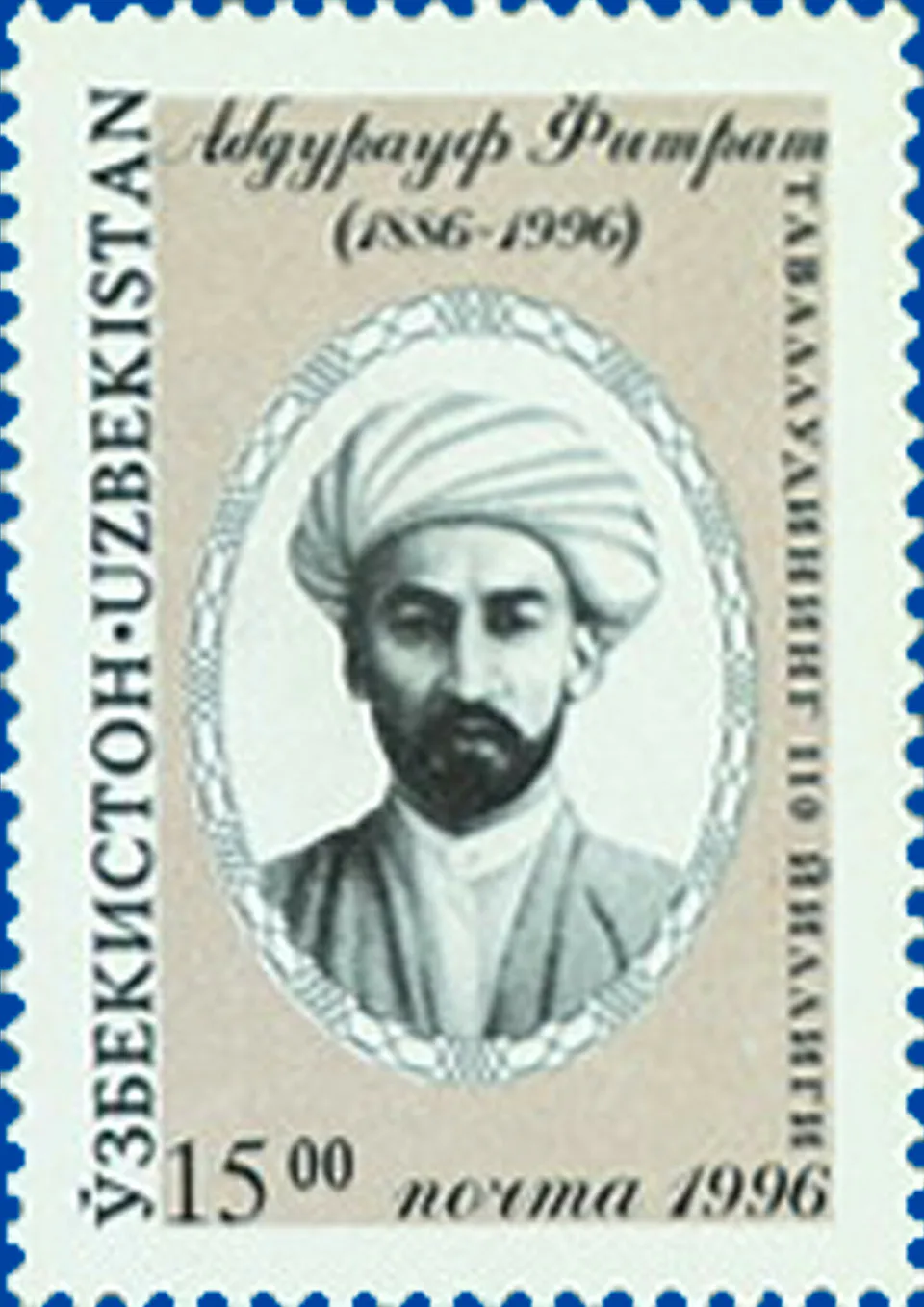
In the late 19th and early 20th centuries a reform movement took shape in Turkestan: the Jadids, advocates of usul-i jadid, the “new method”. Inspired by the Crimean Tatar educator Ismail Gasprinsky, Mahmudkhoja Behbudiy, Munavvar Qori, Abdulla Avloniy, Is'hoqxon Ibrat, Abdurauf Fitrat and others opened schools teaching literacy by the phonetic method and wrote textbooks. From 1906 Uzbek-language newspapers such as Taraqqiy and Khurshid appeared in Tashkent, and Behbudiy's play “The Patricide” (Padarkush), staged in 1914, launched a national theatre. The Jadids sought to renew society through education, the press and reform. Many were repressed in the 1920s–1930s; their legacy is being rediscovered today.
On 25 June (8 July) 1916, at the height of the First World War, Nicholas II decreed the conscription of Turkestani men aged 19 to 43 for labour behind the front. Issued at harvest time and enforced through unfair lists, the decree provoked mass unrest. In July there were protests in Khujand, Tashkent and towns of the Fergana Valley; in Jizzakh the rising turned into armed fighting and was crushed with great brutality by punitive detachments, which left the old town badly damaged. The revolt also spread across Kazakhstan and Kyrgyzstan. Tens of thousands of labourers were eventually sent to the front zone regardless.
After the October Revolution of 1917, power in Tashkent passed to a Bolshevik-led soviet that excluded the local Muslim majority. In response, the Fourth Extraordinary Congress of Turkestan Muslims, meeting in Kokand on 27 November 1917, proclaimed a Turkestan Autonomy within a Russian federation. Its government was led by Mukhamedzhan Tynyshpaev and then Mustafa Chokay, with Jadids among its members. In February 1918 Red Guard units sent from Tashkent stormed Kokand; much of the city was destroyed and thousands of civilians were killed. Short-lived as it was, the autonomy is seen as a milestone in the region's pursuit of national statehood.
After the Turkestan Autonomy was crushed, an armed movement against Soviet rule spread through the Fergana Valley from 1918. Soviet sources called it the Basmachi movement; Uzbek historians today more often describe it as a struggle for independence. It was led by local commanders, or kurbashi, such as Ergash, Madamin Bek and Shermuhammad Bek (Kurshermat). After 1920 the fighting shifted to Eastern Bukhara and the mountains of Kashkadarya and Surkhandarya, where Ibrahim Bek was a leading figure; the Ottoman general Enver Pasha joined in 1921–1922 and was killed in 1922. Large Red Army forces had largely suppressed the movement by the mid-1920s, though isolated bands held out into the early 1930s.
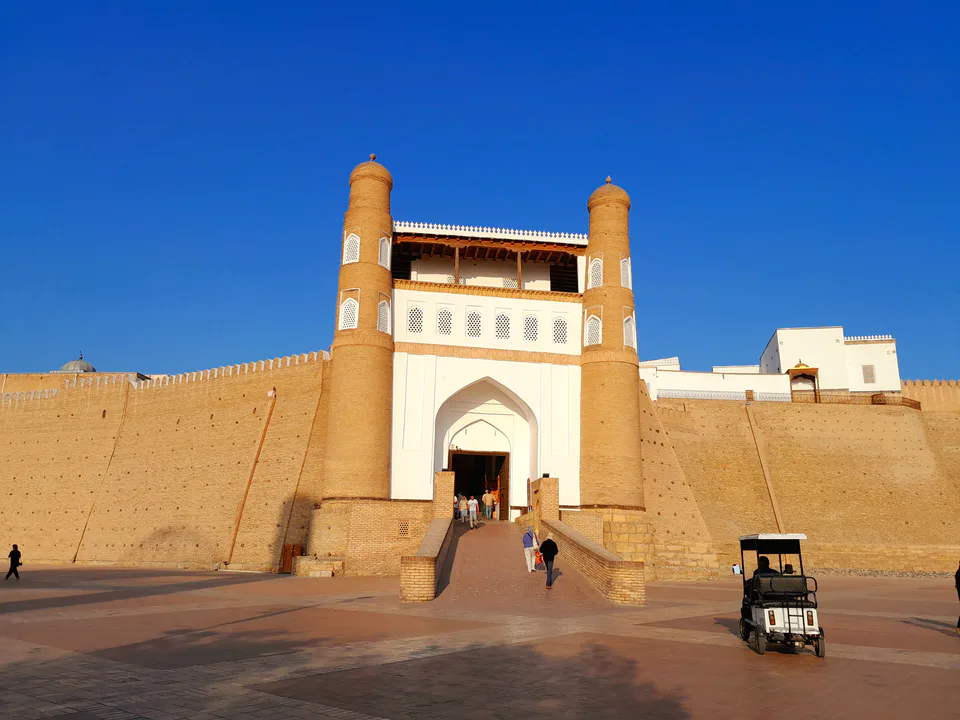
In February 1920 the Red Army and Young Khivan forces ended the Khanate of Khiva: the last khan, Said Abdullah, abdicated, and in April the Khorezm People's Soviet Republic was proclaimed. On 2 September 1920 the Red Army under Mikhail Frunze, together with the Young Bukharans, took Bukhara after a bombardment that set the Ark and parts of the city ablaze; Emir Alim Khan fled to Eastern Bukhara and in 1921 to Afghanistan. In October the Bukharan People's Soviet Republic was created, headed by Fayzulla Khodjaev, with Fitrat among its ministers. Both republics were dissolved in the national delimitation of 1924.
In 1924 Central Asia underwent national-territorial delimitation: the Turkestan ASSR and the Bukharan and Khorezm republics were replaced by new republics drawn largely along ethnic lines. On 27 October 1924 the Uzbek Soviet Socialist Republic was formed, with the Tajik ASSR inside it until 1929. Its First Congress of Soviets met in Bukhara in February 1925. Samarkand was the first capital; in 1930 the capital moved to Tashkent. The borders drawn then largely define today's Uzbekistan, but in mixed areas such as the Fergana Valley they left complicated frontiers and enclaves.