Archaeology · Boysun District
Teshik-Tash Cave
Where a Neanderthal child was found: an icon of Central Asian prehistory
Culture & arts · Boysun District
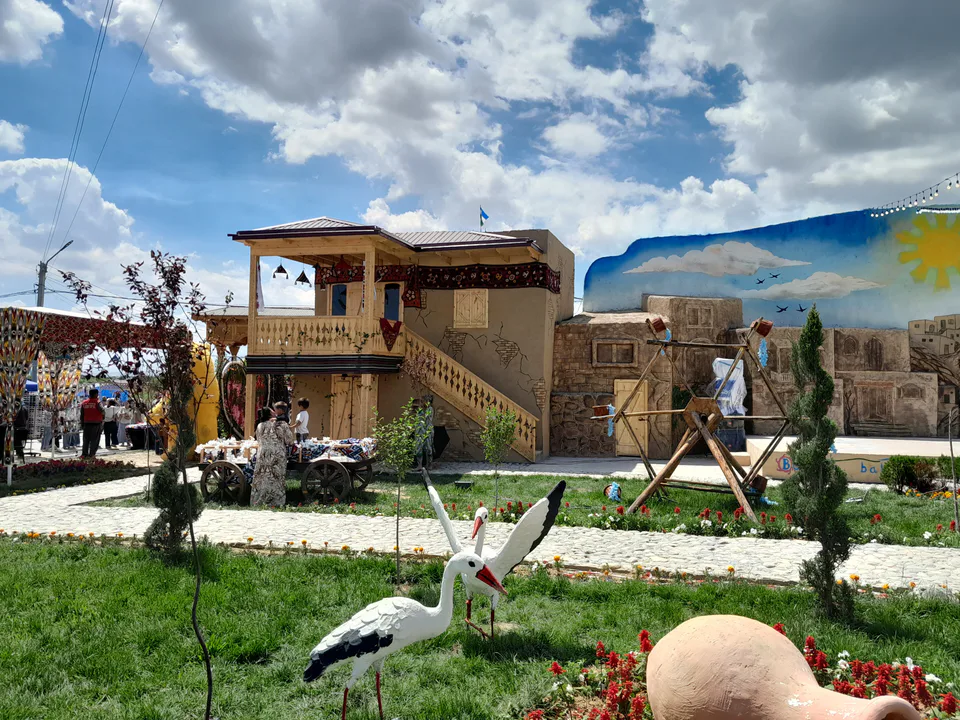
UNESCO proclaimed the Cultural Space of Boysun District a Masterpiece of the Oral and Intangible Heritage of Humanity in 2001 and inscribed it on the Representative List in 2008.
Boysun lies in the north-west of Surkhandarya Region, in a valley at the foot of the Boysuntog range. People have lived here for some five thousand years: the nearby Teshik-Tash cave held a Neanderthal child’s grave, the fortress of Poyqo‘rg‘on stood here in the 1st century BC–1st century AD, and in the 6th–13th centuries Bosand was one of the towns of Chaghaniyan, on the trade route from Chaghaniyan through the Iron Gate to Samarkand. In the 19th century Boysun was the seat of a beklik of the Bukhara Emirate.
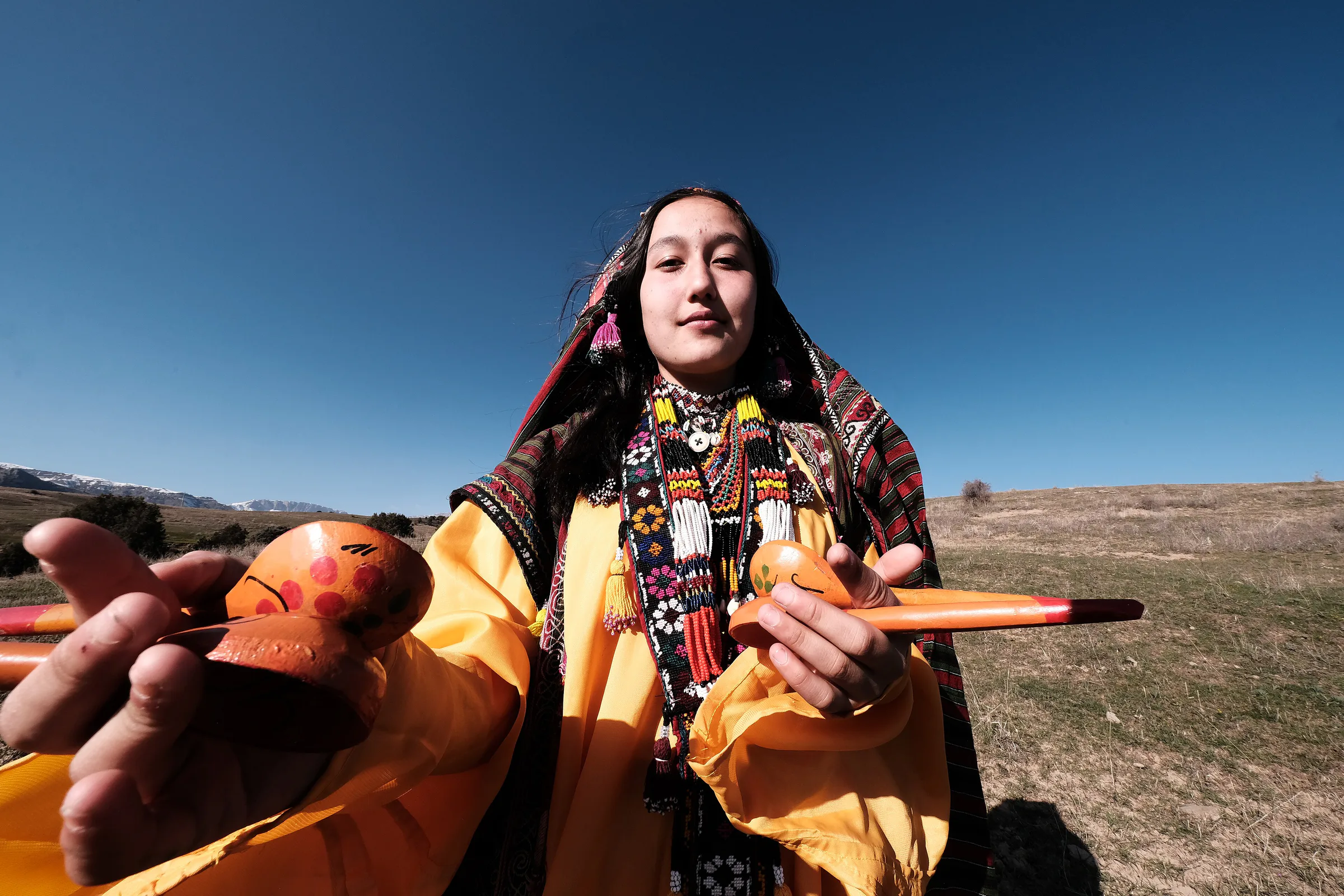
Ringed by mountains, the district long stood apart from outside influences, so rituals, songs and epics and craft traditions with roots in Zoroastrian, Buddhist and other pre-Islamic beliefs have survived unusually well.
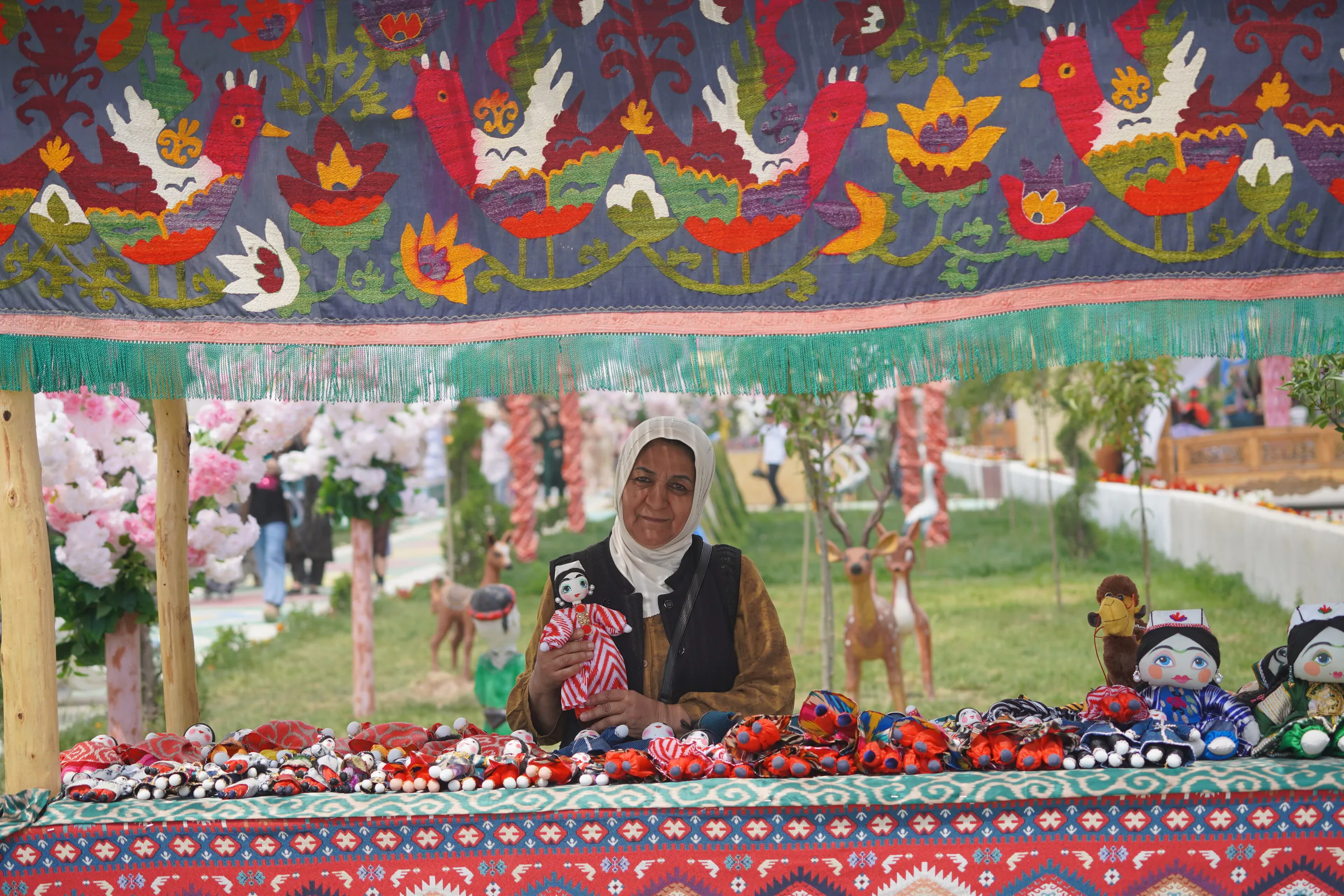
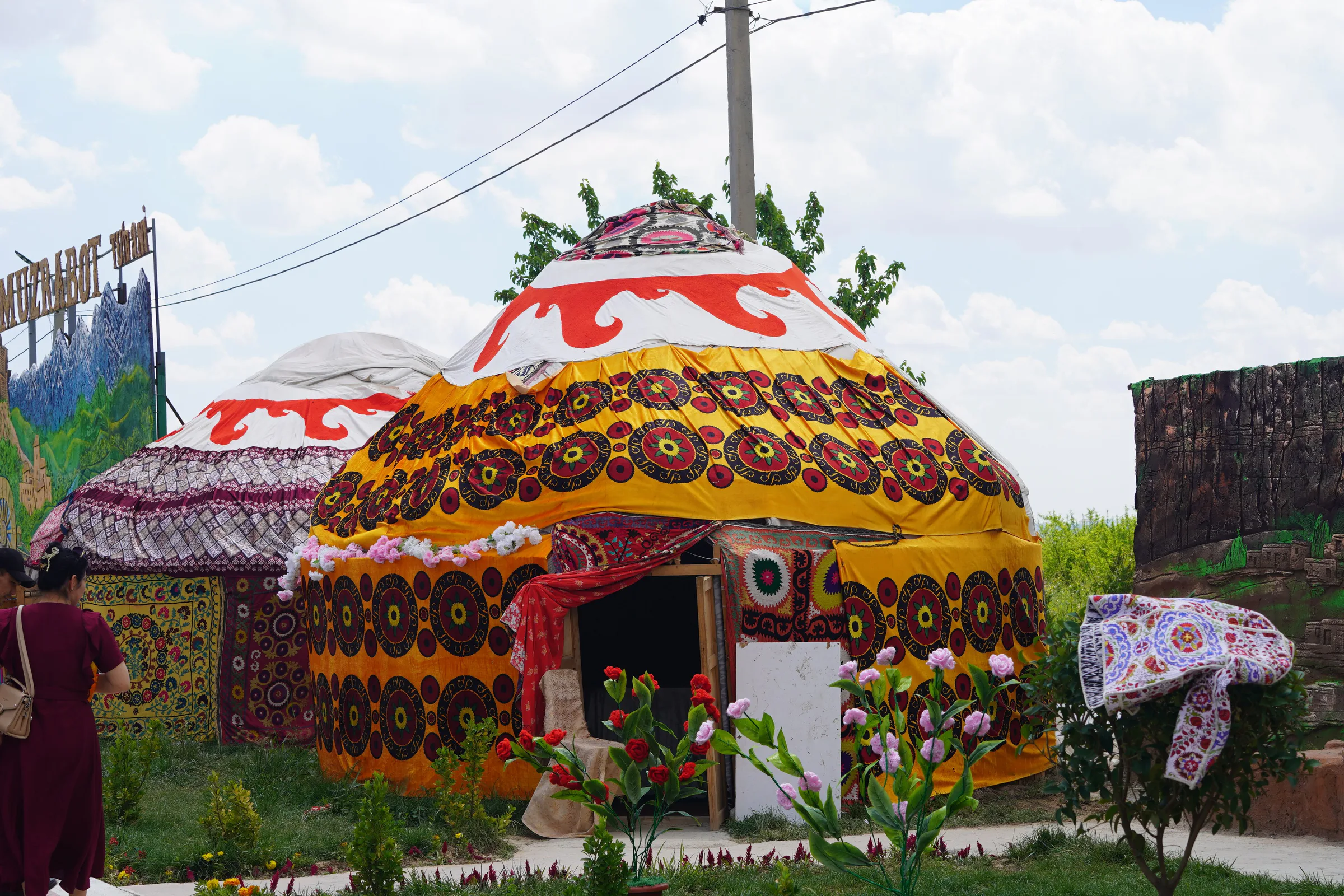
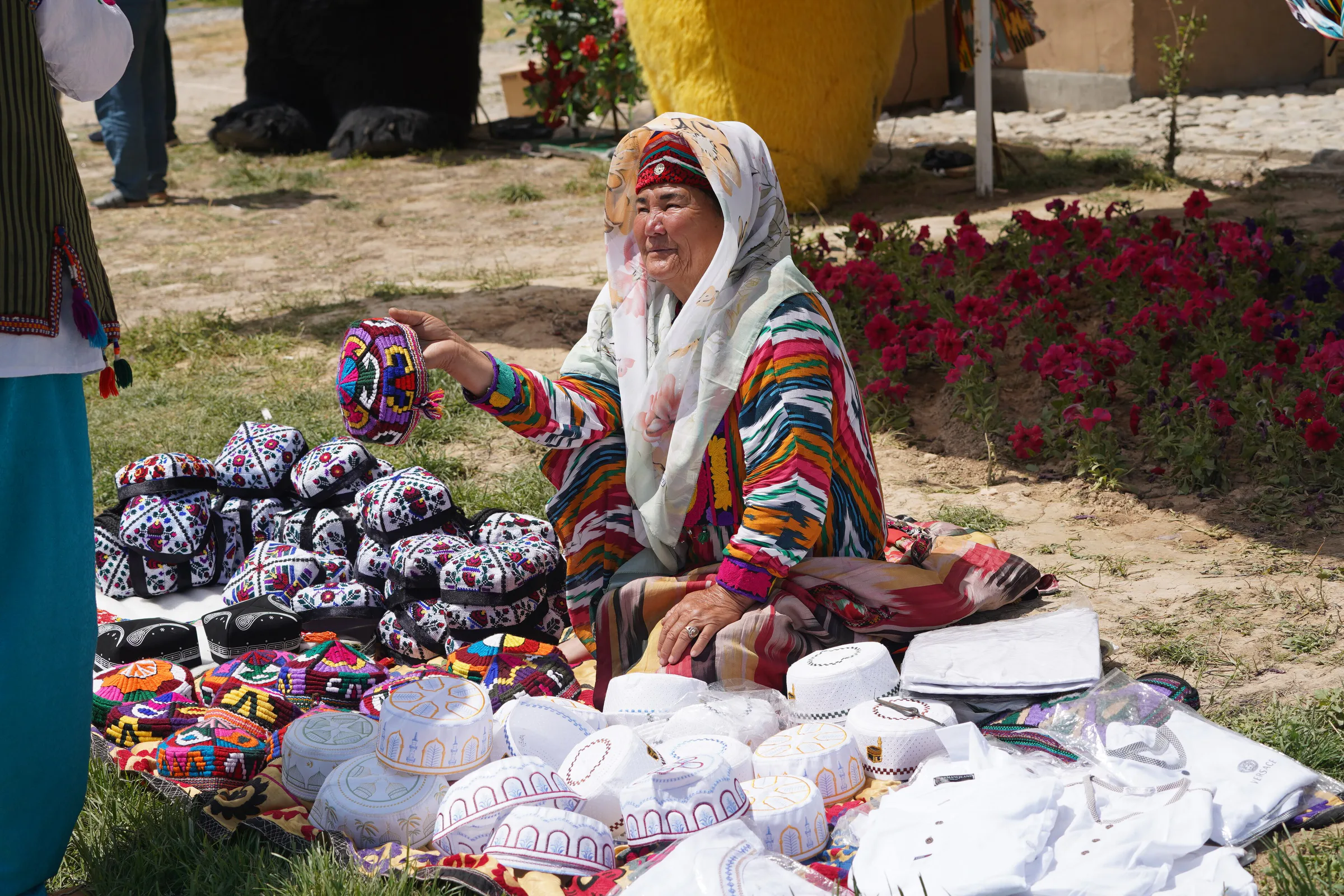
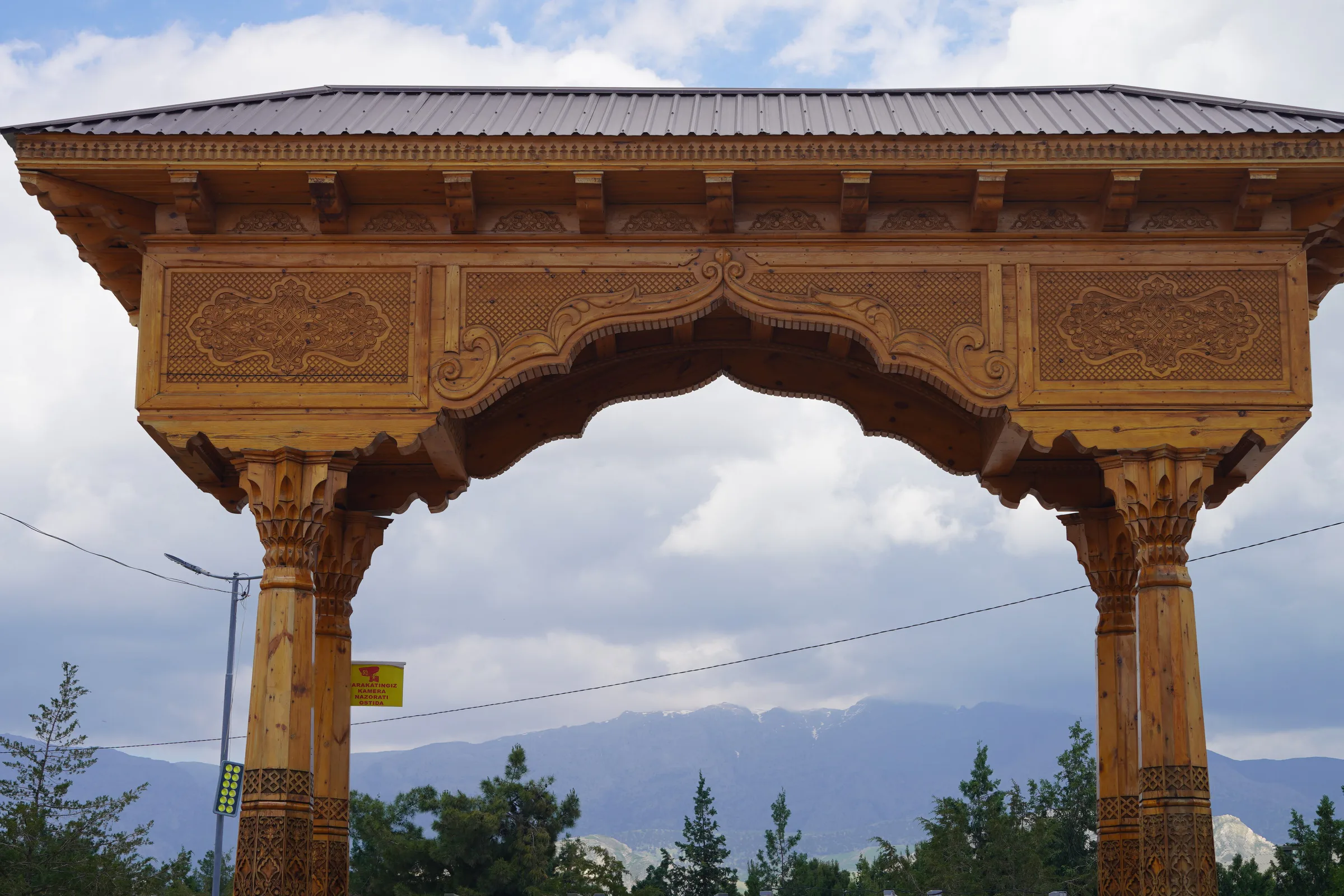
In 2001 UNESCO proclaimed the Cultural Space of Boysun District a Masterpiece of the Oral and Intangible Heritage of Humanity, and in 2008 it was inscribed on the Representative List of the Intangible Cultural Heritage of Humanity. The status honours not a single monument but the living culture of the whole area: rituals, music, epic storytelling, dance, embroidery, carpet-weaving and other crafts.
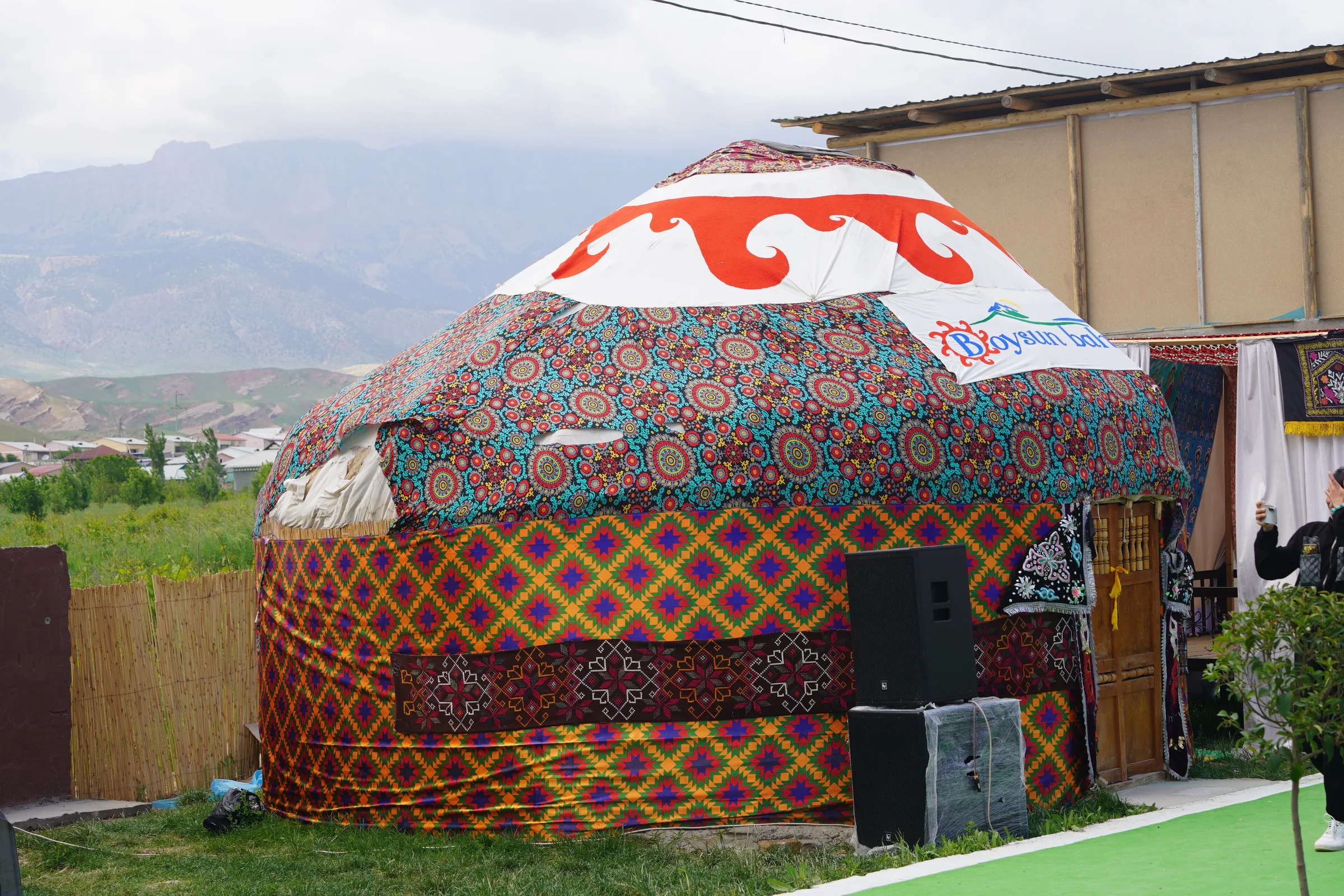
Boysun is also tied to the epic Alpomish, whose land of Boysun-Qo‘ng‘irot is identified with this district. Homes are still decorated with patterned felts and embroidered suzani.
The best way to experience Boysun’s culture is the Boysun Bahori (Boysun Spring) open folklore festival held in spring, with folk ensembles from mountain villages, bakhshi bards, craftspeople and traditional games. Outside festival time you can still watch local artisans at work at the Boysun crafts centre and in nearby villages.
Archaeology · Boysun District
Where a Neanderthal child was found: an icon of Central Asian prehistory
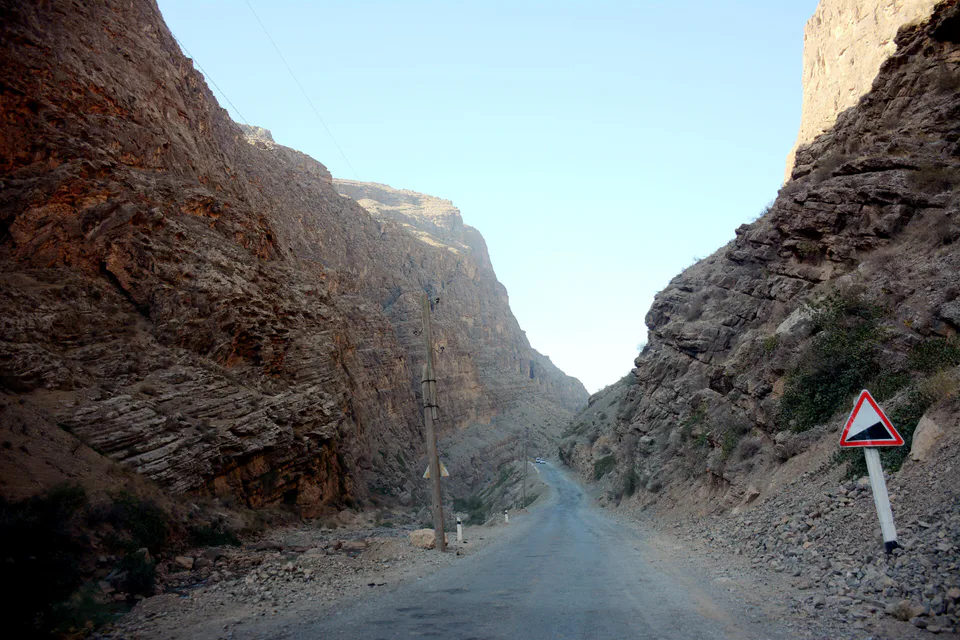
Archaeology · Boysun District
The famous mountain pass between Sogdiana and Bactria
Resort · Boysun District
A healing spring among juniper-clad mountains
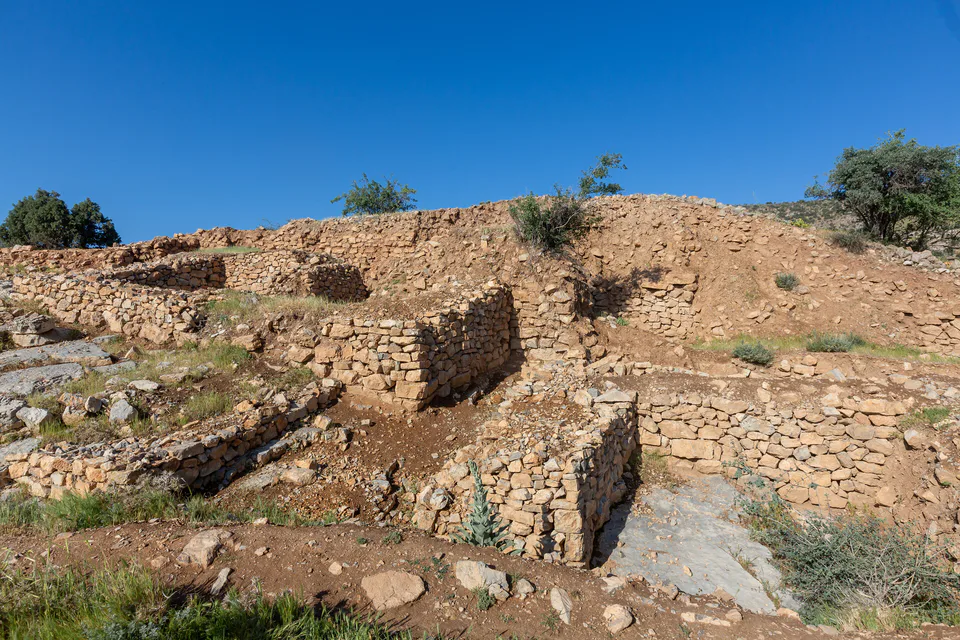
Archaeology · Boysun District
A Greek fort guarding Bactria’s northern frontier
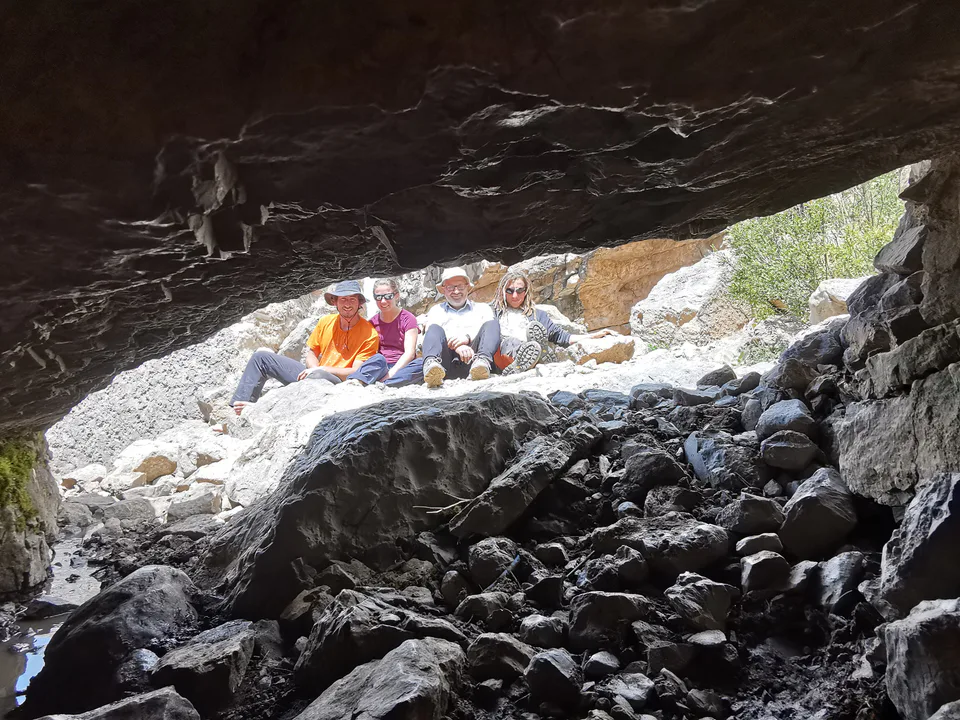
Nature · Qumqo‘rg‘on District
The deepest cave in Central Asia