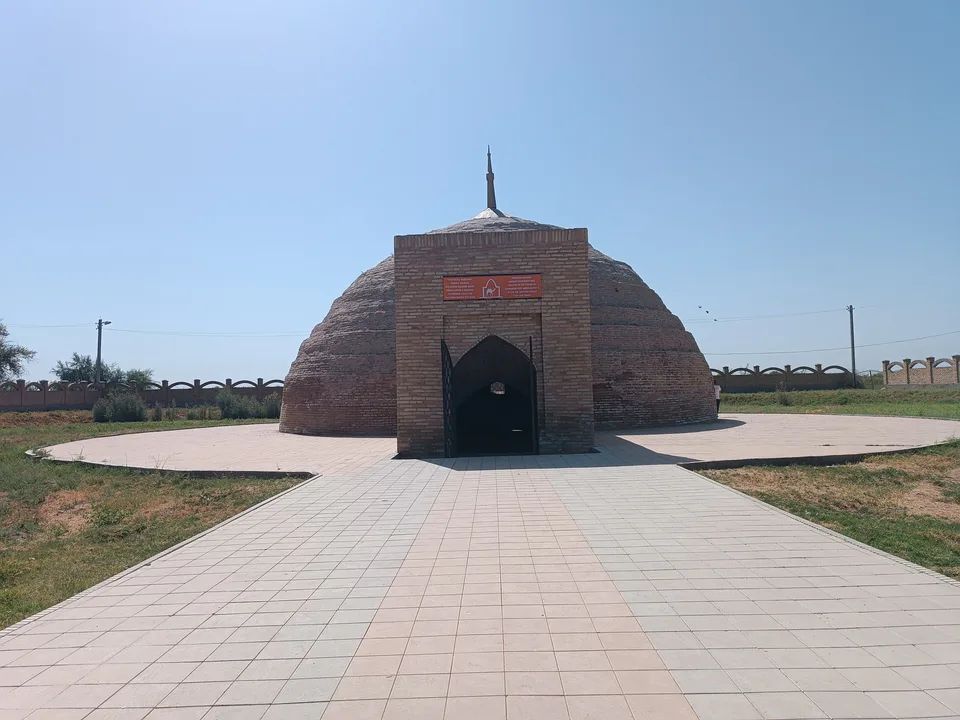
Archaeology · Sardoba District
Ogʻoch (Yogʻochli) Sardoba
Cool water for caravans on the steppe
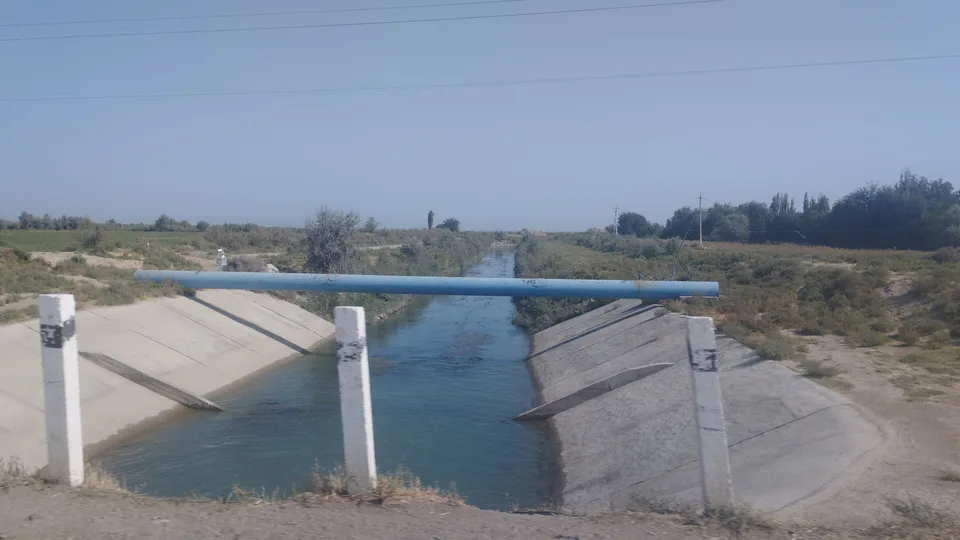
Nature · Sardoba District
A clay and salt-pan desert of some 10,000 km² on the left bank of the Syr Darya, waterless for centuries and opened up by canals in the 19th–20th centuries — the backbone of Sirdaryo Region.
The Hungry Steppe, or Mirzachul, is a clay and salt-pan desert on the left bank of the Syr Darya where the river leaves the Fergana Valley. Covering about 10,000 km², it spreads across Uzbekistan (Sirdaryo and Jizzakh regions), Kazakhstan and Tajikistan’s Zafarobod District. The plain lies at 230–385 m on three river terraces, bounded to the south by the foothills of the Turkestan Range and merging into the Kyzylkum in the north-west; towards the river it ends in a bluff 6–20 m high.
The climate is sharply continental, with an average of 27.9 °C in July and −2.1 °C in January and around 240 mm of rain a year. In spring short-lived grasses green the unploughed land, but by May they wither, leaving camelthorn, wormwood and saltwort.
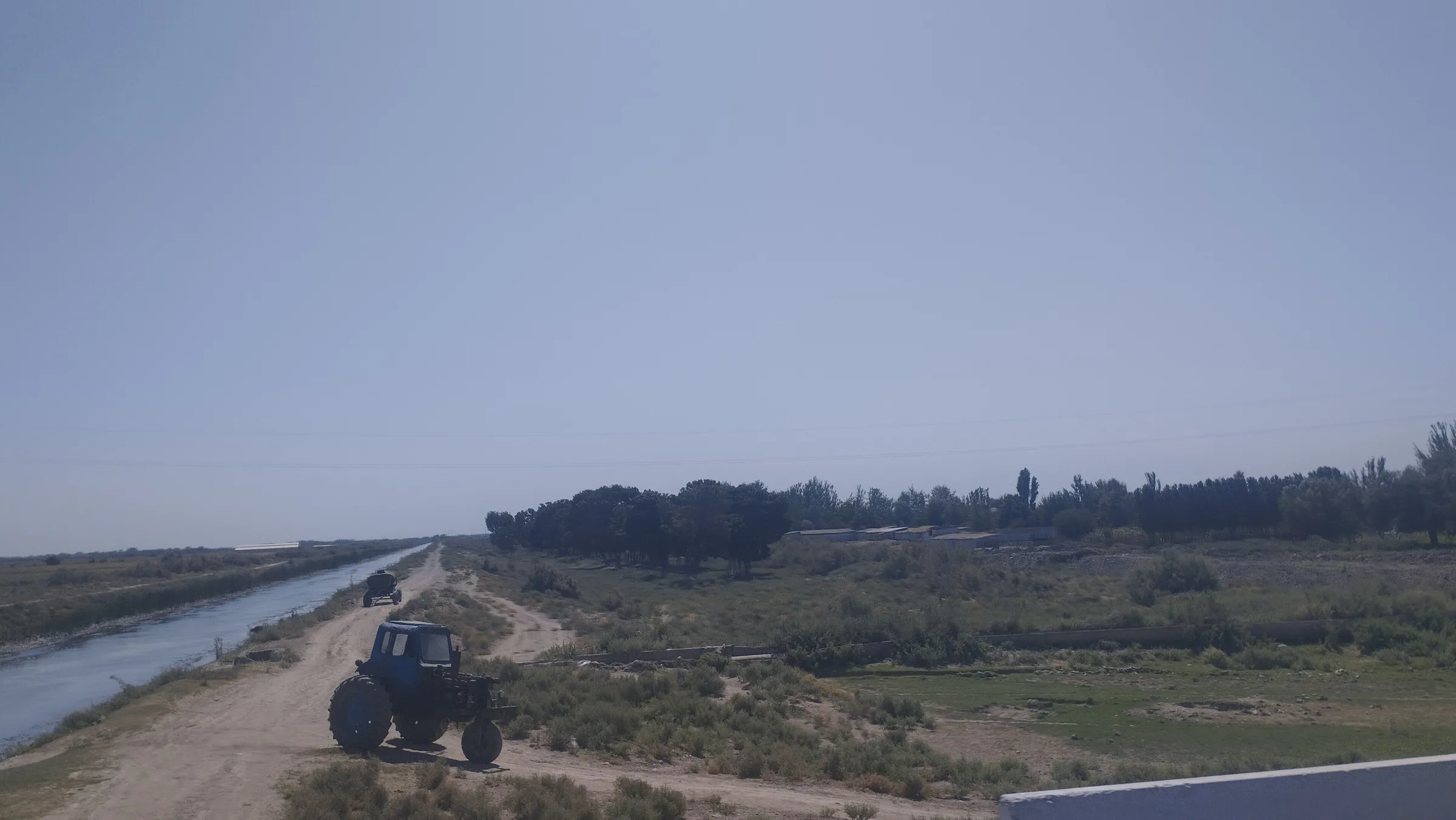
People tried to water the steppe long ago — traces of ancient canals such as the Urinboyogiz and Iskandarariq survive, and a canal was dug from the Syr Darya under Shahrukh and Ulugh Beg in the 15th century. Large-scale reclamation began in the late 19th century: in 1895 a canal named after Emperor Nicholas I reached Mirzachul, and in 1897 the first 6 hectares of cotton were sown. In Soviet times, especially after the South Hungry Steppe and other canals were built in the 1950s and 1960s, the desert became a cotton-growing area of about 800,000 hectares, and new towns such as Gulistan and Yangiyer appeared.
Archaeology · Sardoba District
Cool water for caravans on the steppe
Modern · Shirin
Built by mass volunteer labour during the war
Nature · Sardoba District
A new “sea” in the middle of the steppe
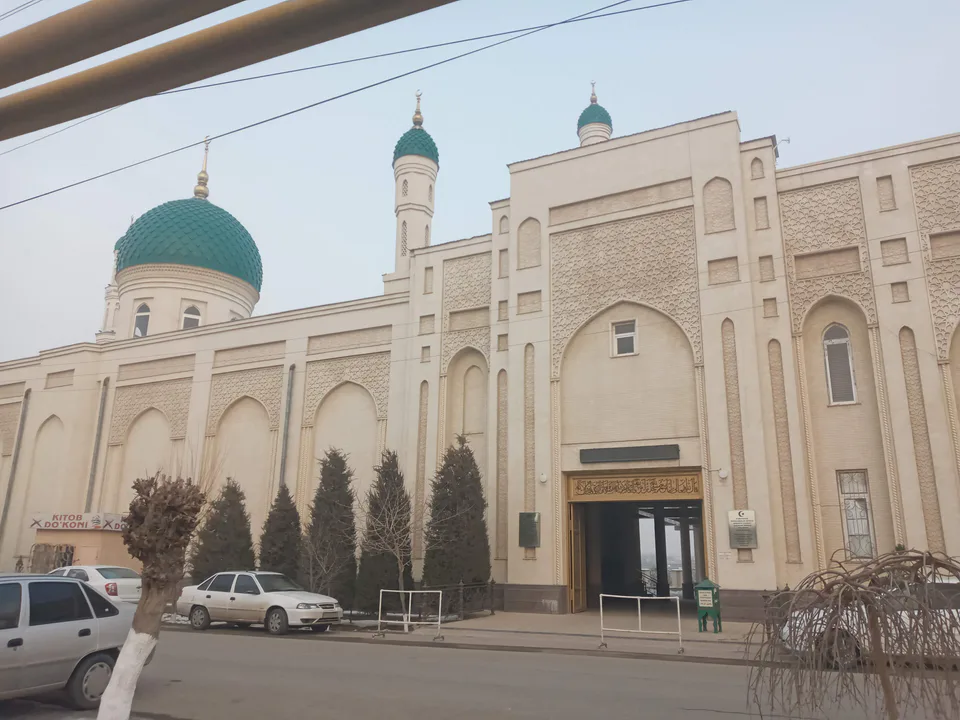
Mosque · Gulistan
The city’s main mosque
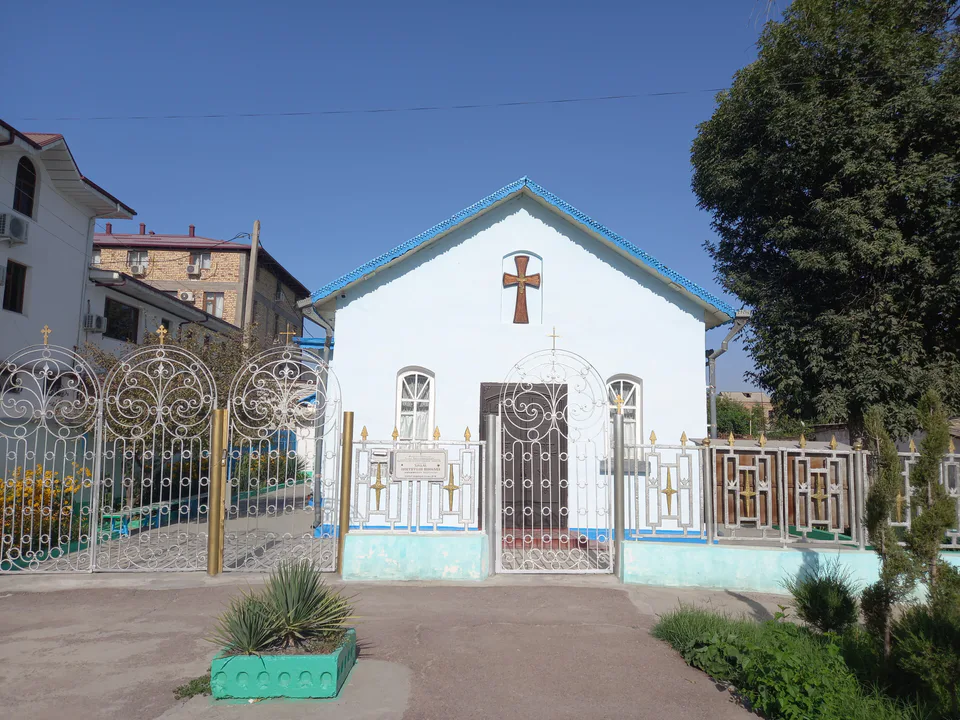
Temple & church · Gulistan
A mud-brick church built in wartime
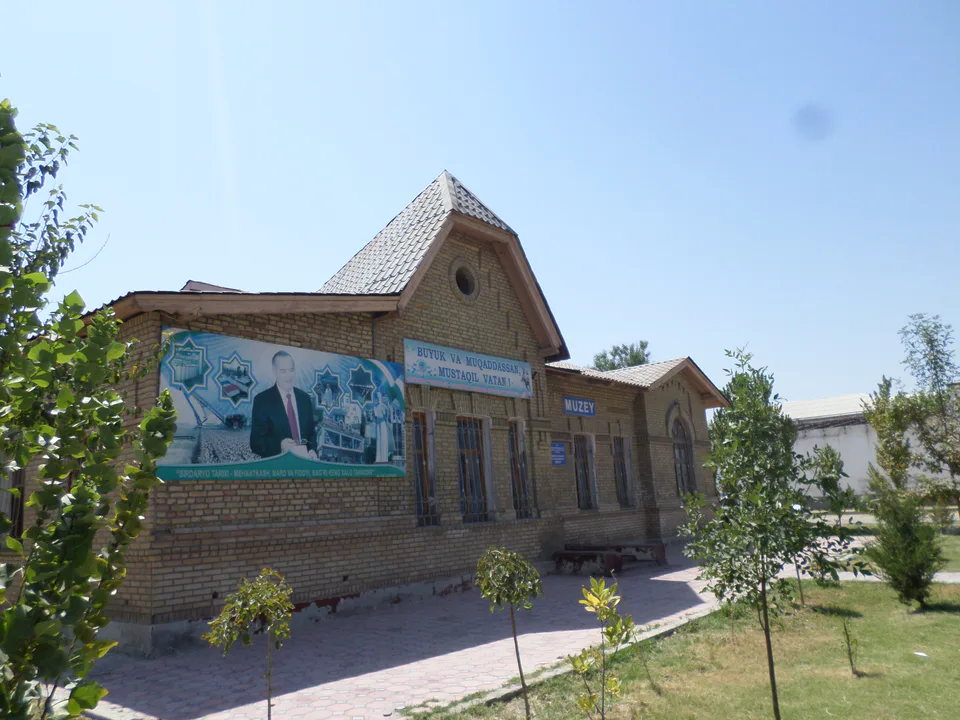
Museum · Gulistan
The story of the Hungry Steppe under one roof
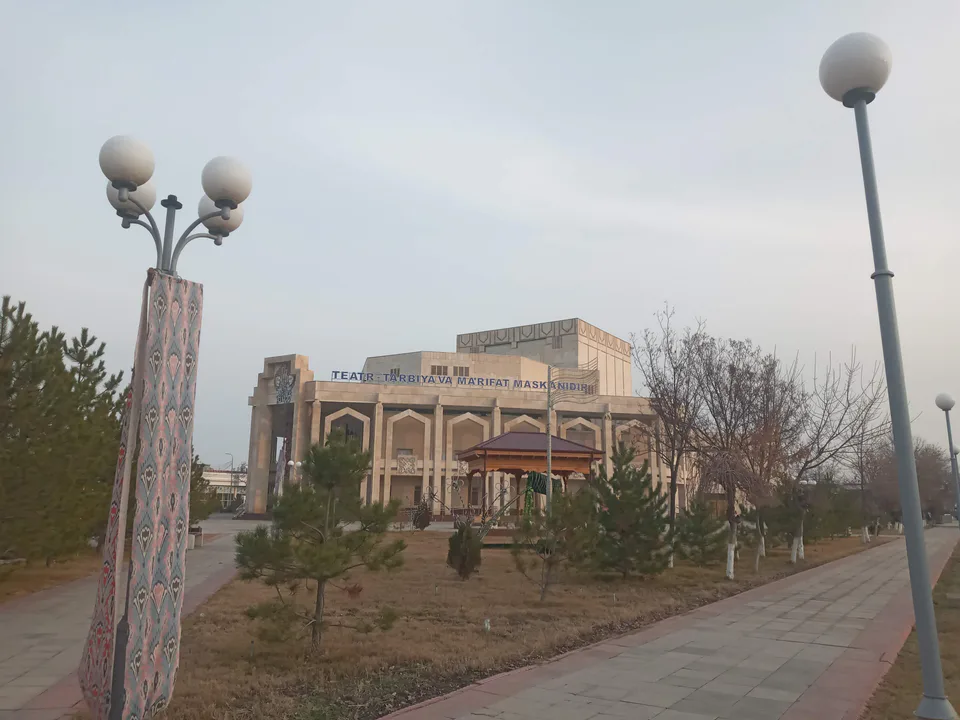
Culture & arts · Gulistan
The stage of the Hungry Steppe