Nature · Sardoba District
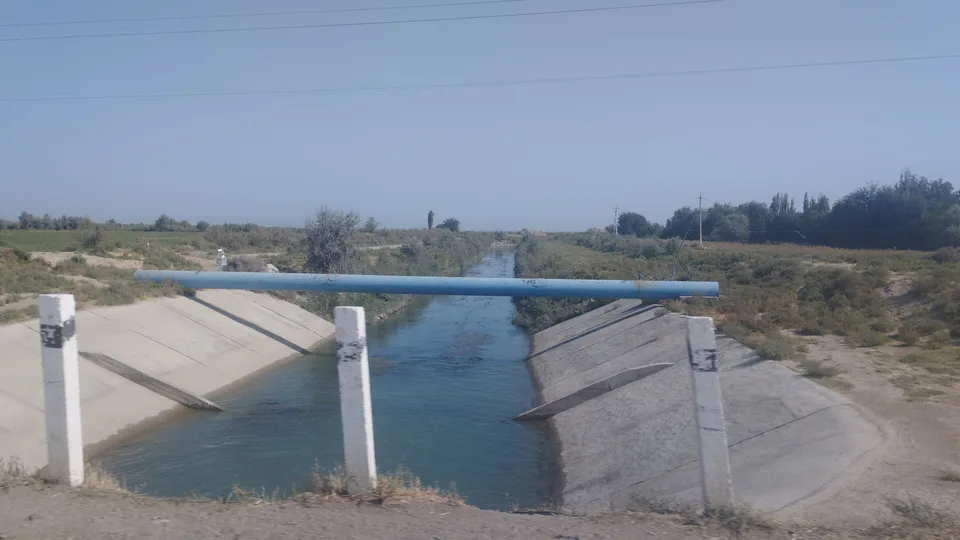
Hungry Steppe (Mirzachul)
From waterless steppe to cotton country
Archaeology · Sardoba District
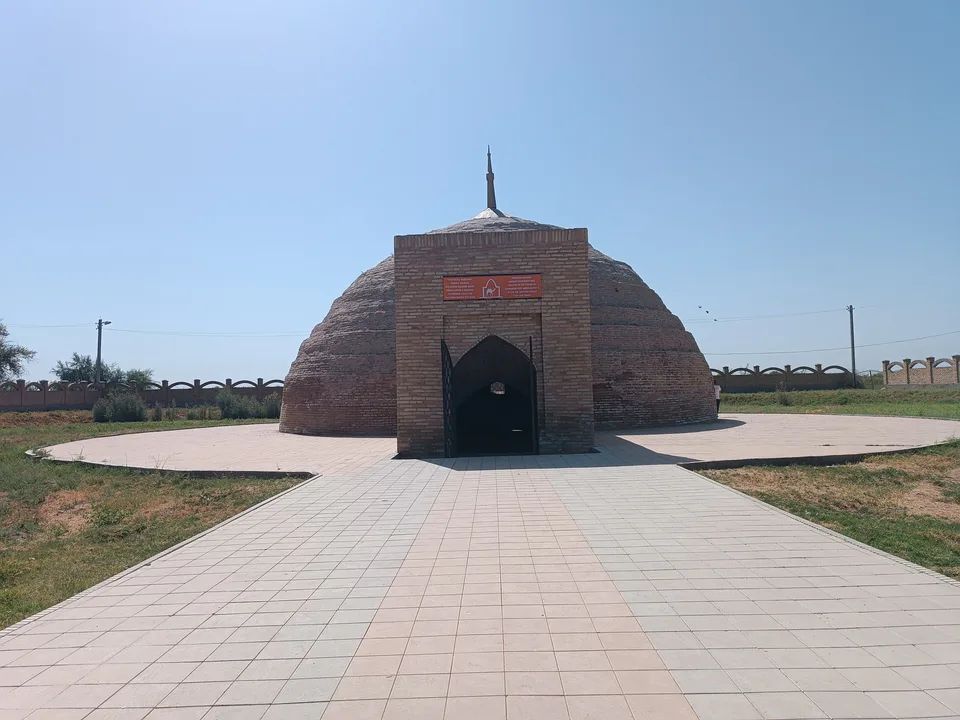
A domed cistern built under Abdullah Khan II beside a caravan road across the Hungry Steppe — the most striking historic monument in Sirdaryo Region.
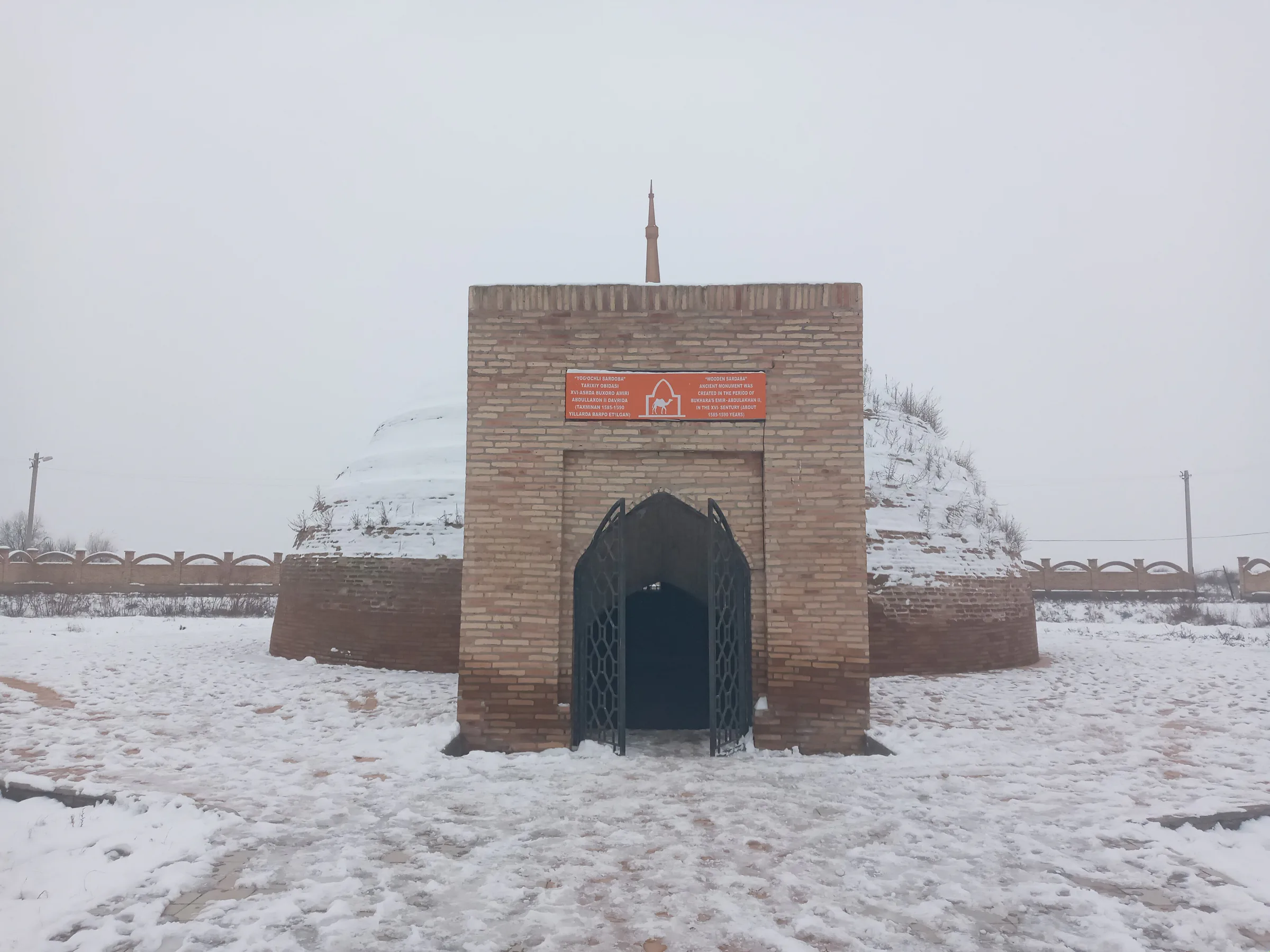
A sardoba — Persian for “cold water” — is a domed reservoir beside a desert road, storing water for caravans and travellers. The Ogʻoch or Yogʻochli Sardoba stands by one of the old caravan routes across the Hungry Steppe, in the village of Gumbaz in today’s Sardoba District. In the Middle Ages it was also known as Khudoysera. The Hungry Steppe is recorded as having had three such cisterns, and this is one of them.
It is first mentioned in the Abdullanama of Hafiz Tanish Bukhari: during a campaign against Tashkent, Abdullah Khan II halted here to dig a canal and ordered a caravanserai and a sardoba for his thirsty soldiers. The building is therefore dated to the second half of the 16th century, around 1580 or 1585–1590. Local legend credits Timur instead, telling how people from the surrounding villages brought bricks and other materials from Samarkand.
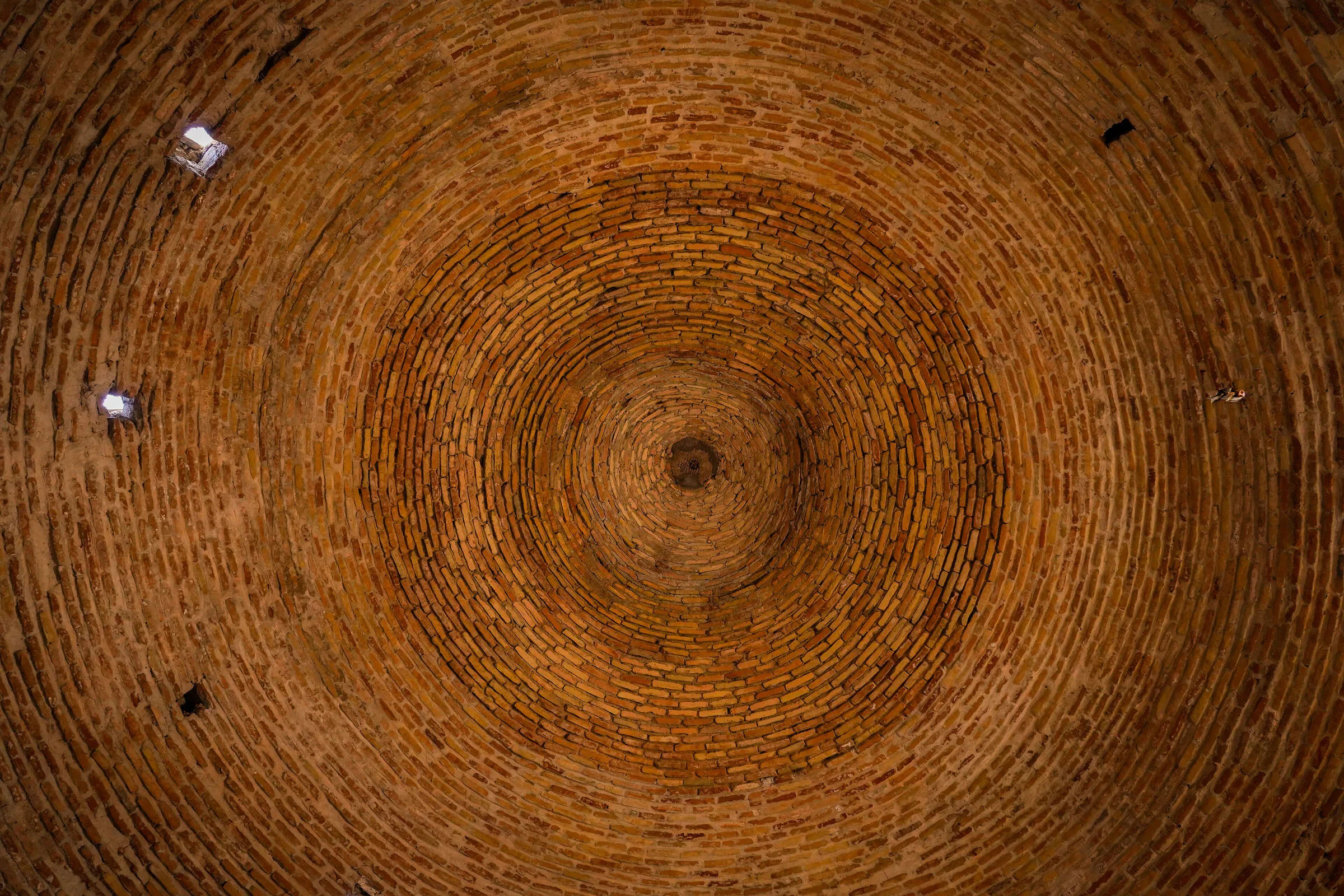
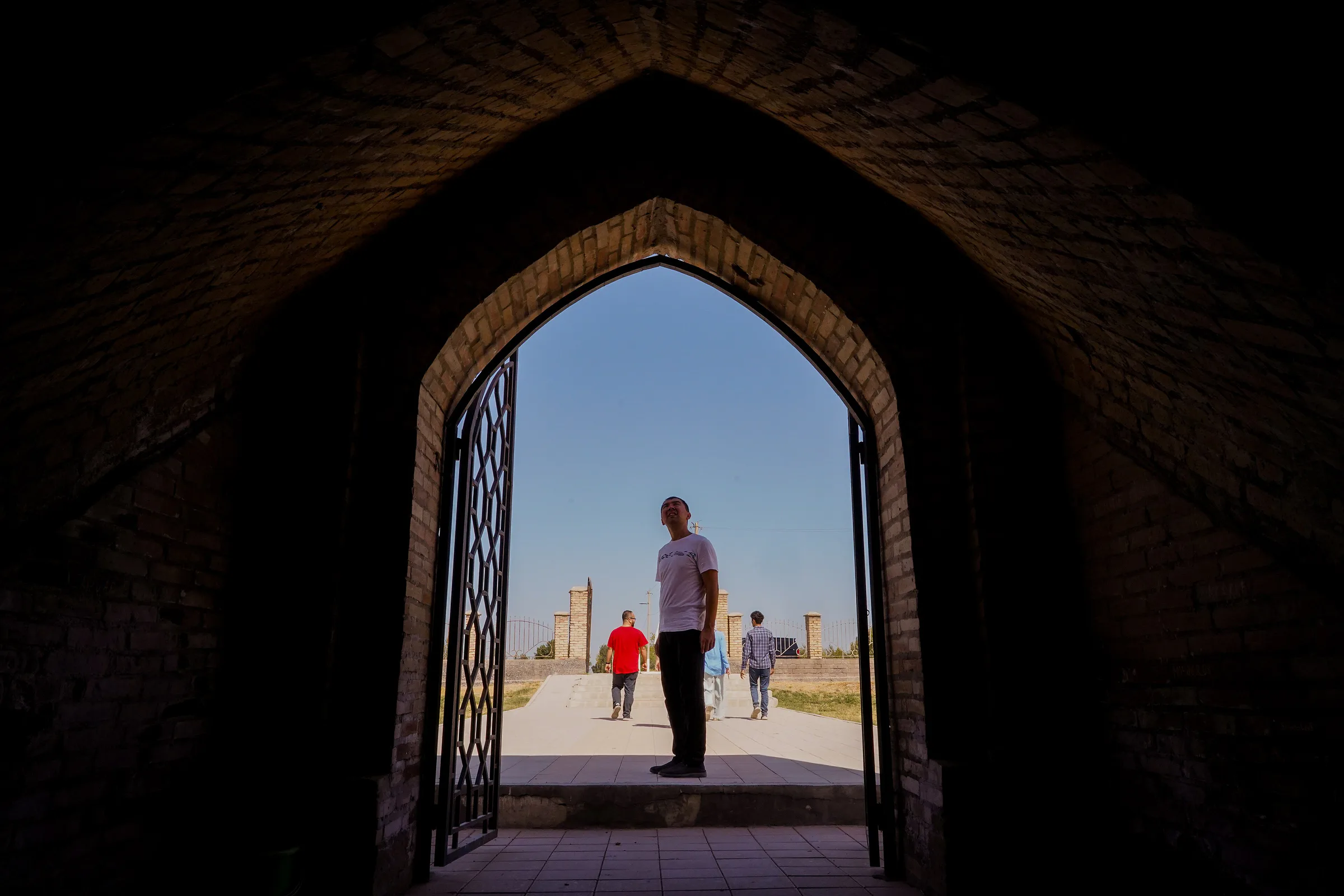
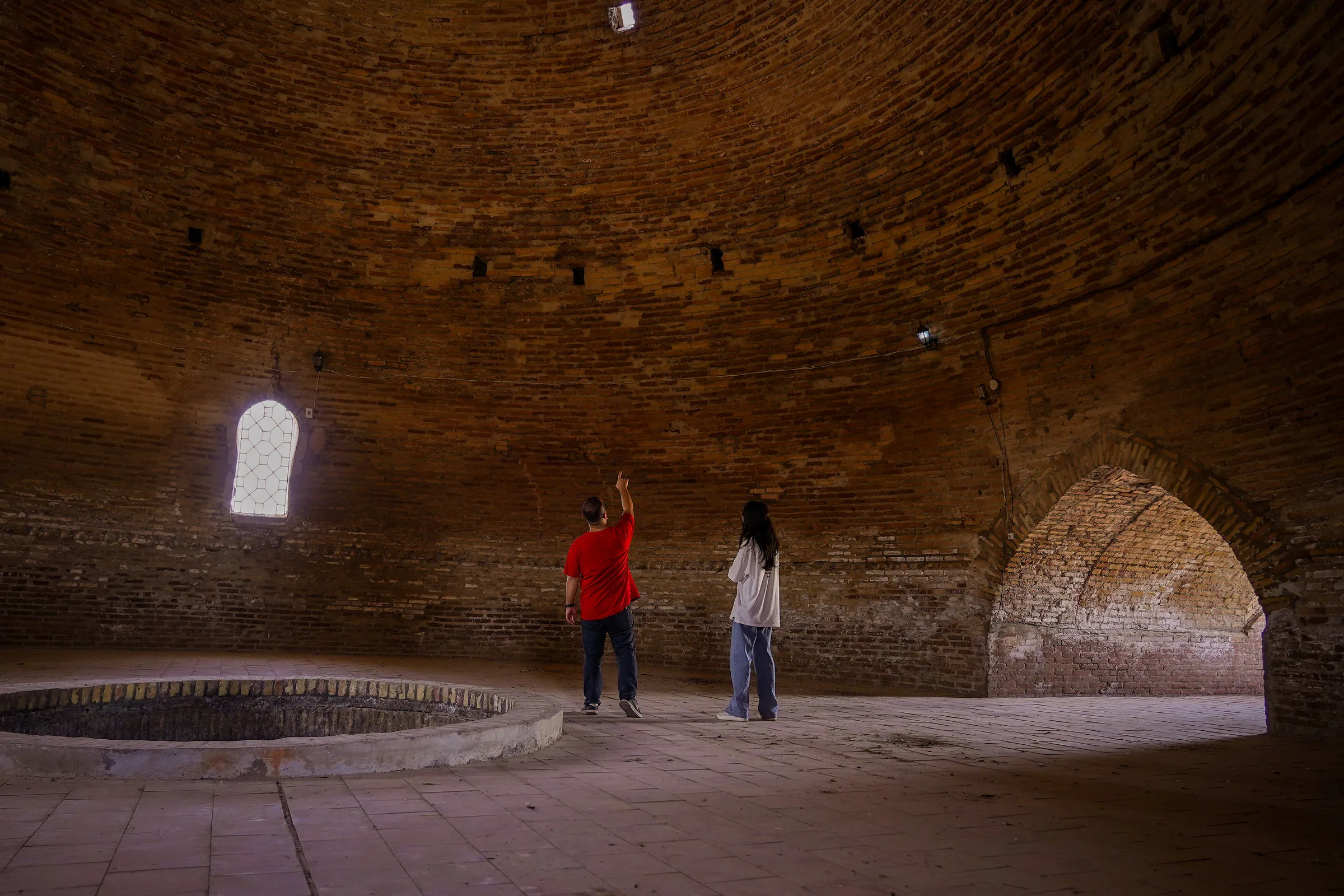
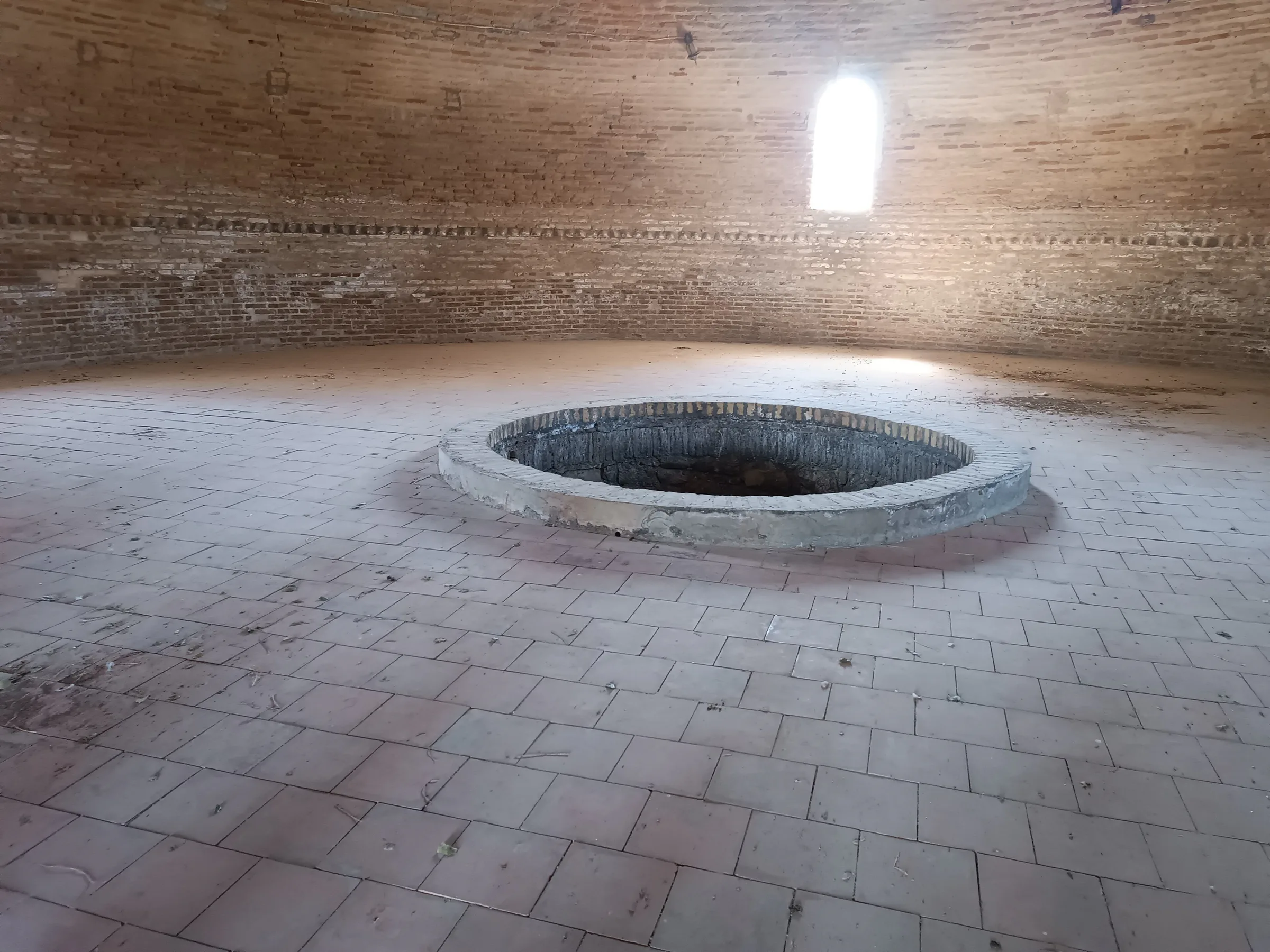
The structure is circular, 27 m across, with a dome 15 m in internal diameter. The entrance is on the north side, where steps lead down through an arched doorway. Arched vents on three sides of the dome and an opening at the top kept the air fresh. The inner reservoir was 10–15 m deep; in its place survives a 20th-century well lined with timber, which may explain the name “wooden sardoba”.
The monument has been repaired several times since independence and was added to the national heritage register in 2019. Rising saline groundwater has made the water undrinkable.