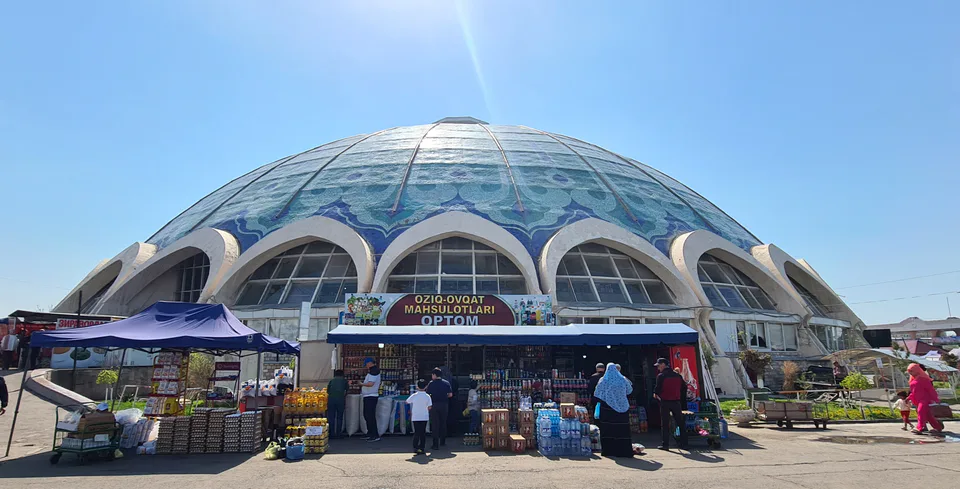
Bazaar · Shaykhantahur District
Chorsu Bazaar
The Old City market under a blue dome
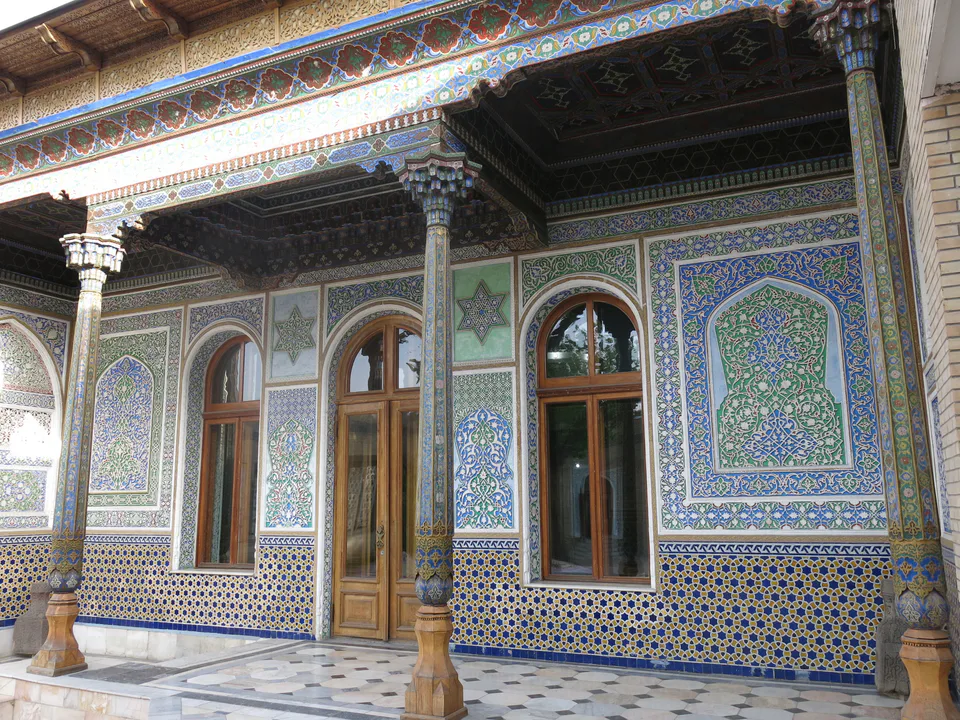
Museum · Yakkasaray District
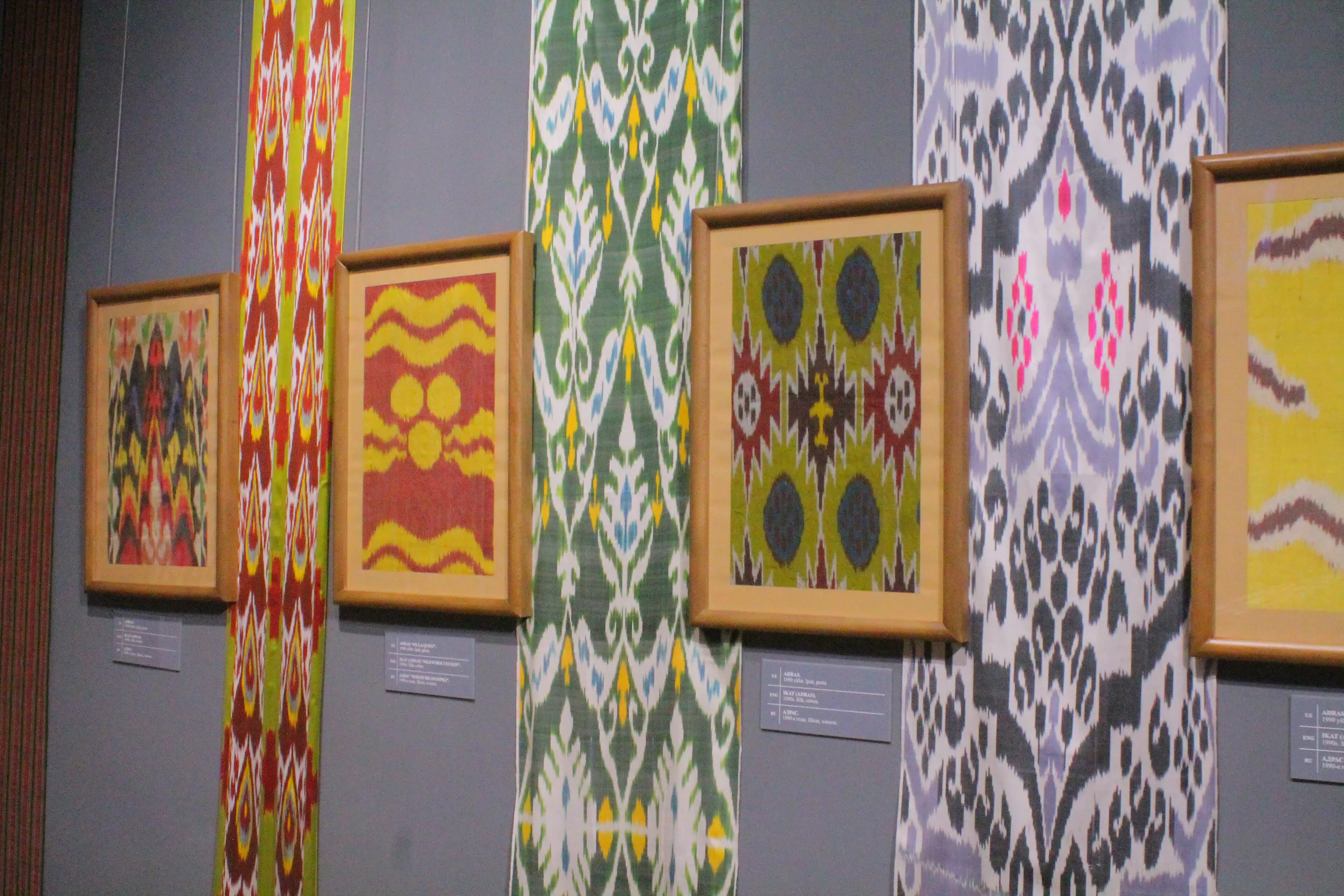
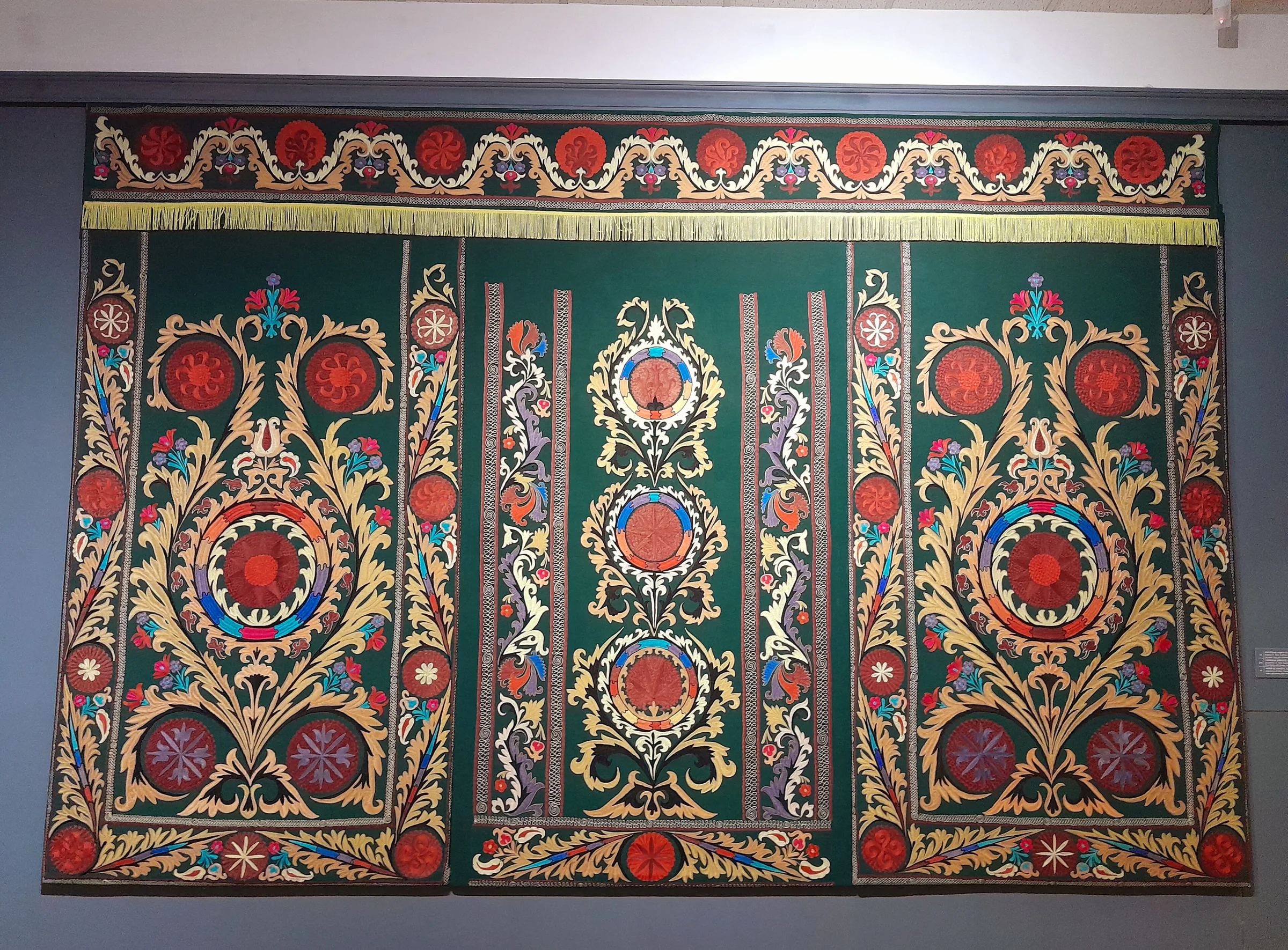
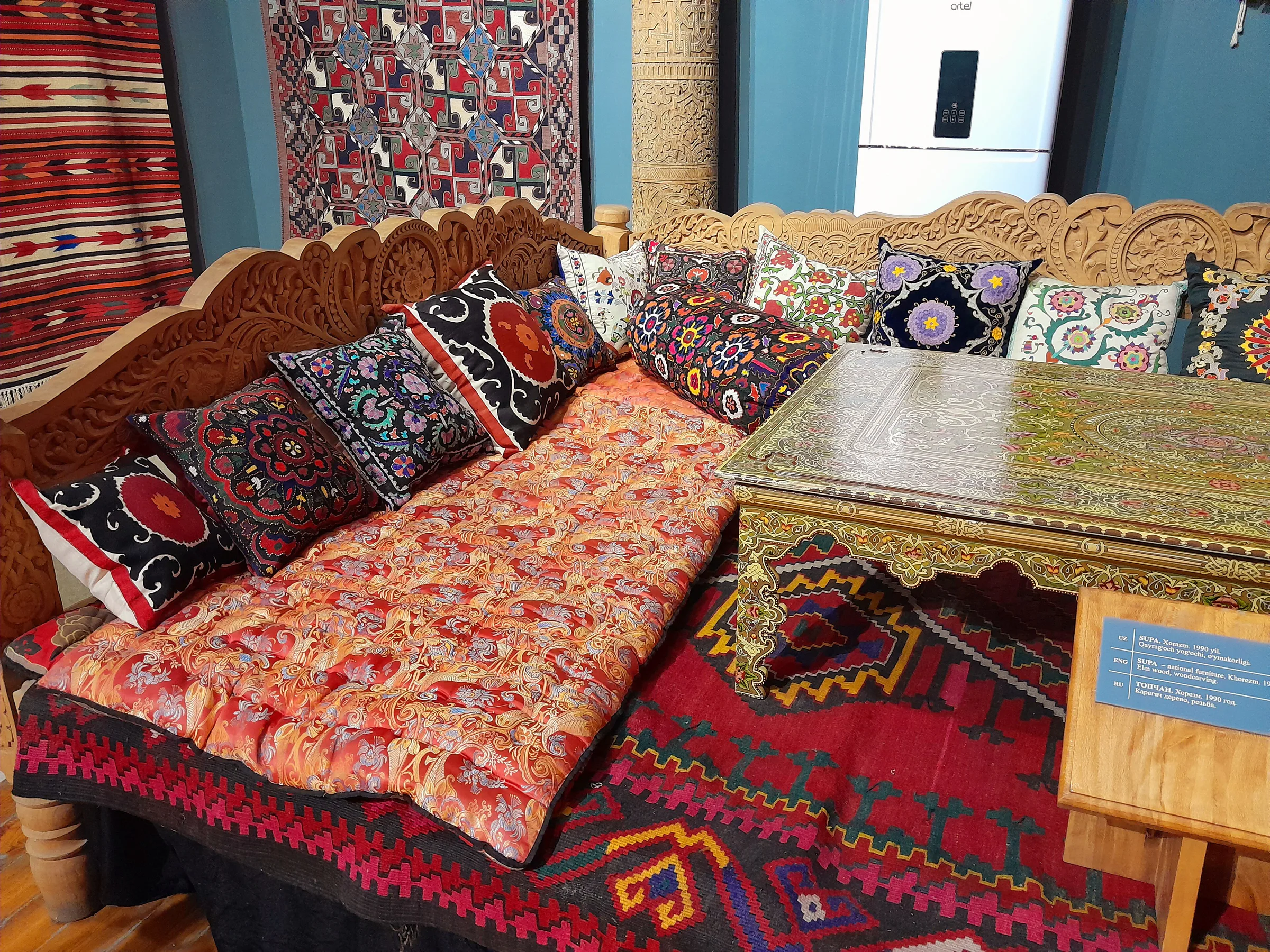
Open since 1937, with collections of ceramics, gold embroidery, suzani, jewellery and woodcarving — housed in a mansion decorated by master craftsmen.
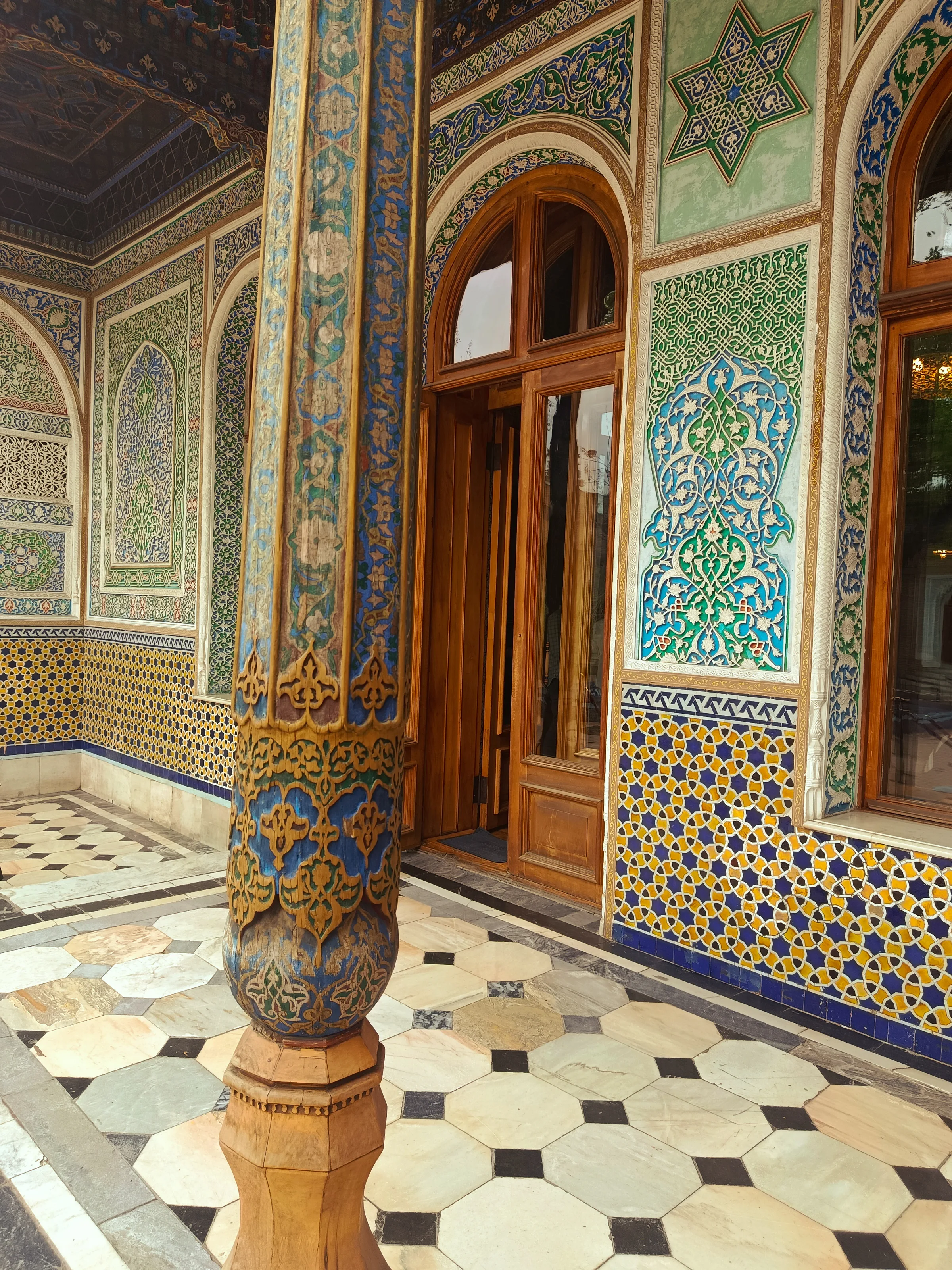
The museum occupies a late-19th-century mansion known in Tashkent as the Polovtsev House. It was bought from the merchant Ivanov by M. S. Andreev, secretary to the Russian diplomat and orientalist A. A. Polovtsev, and its interiors were remodelled in an Oriental style under Andreev's direction by the architect A. A. Burmeister.
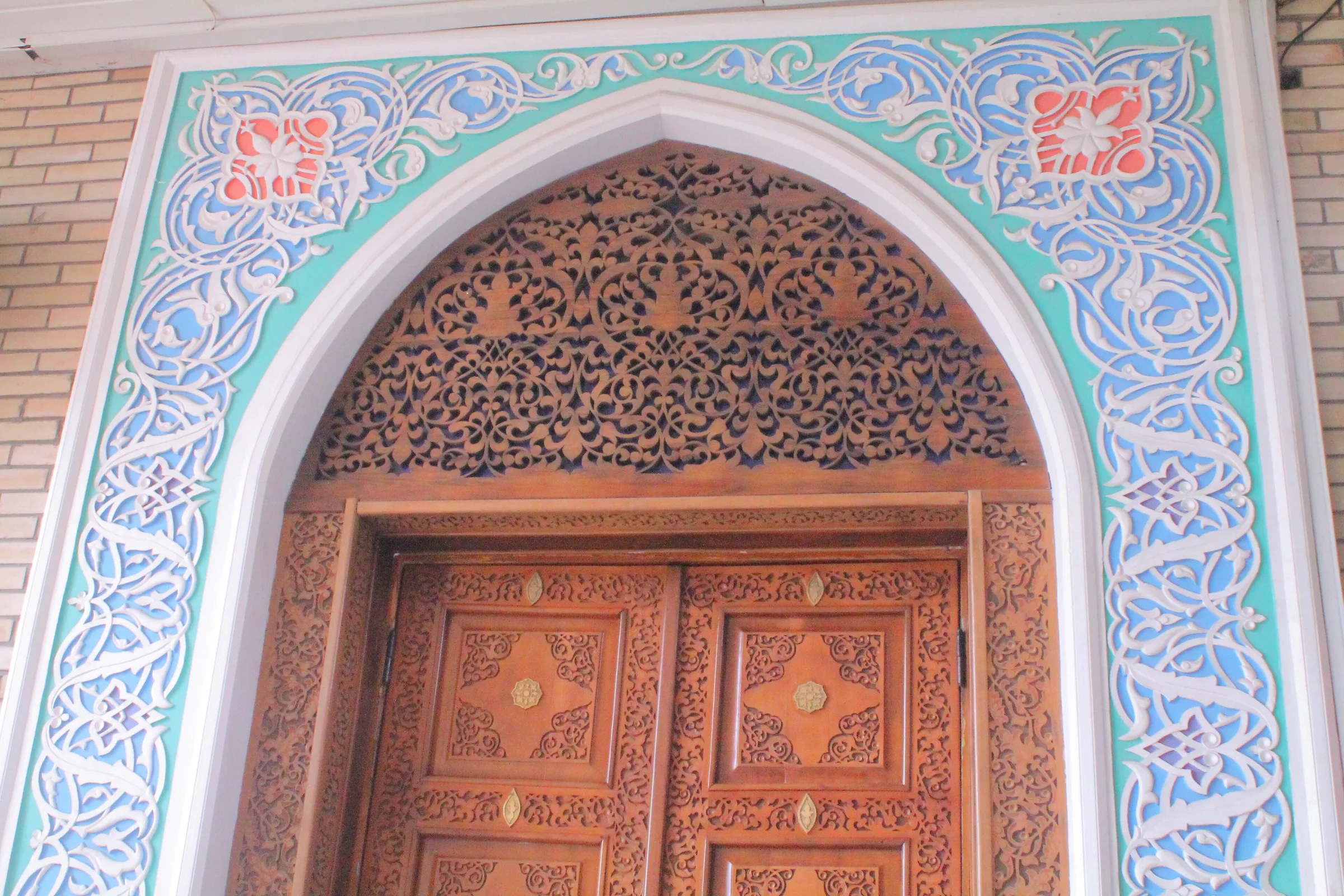
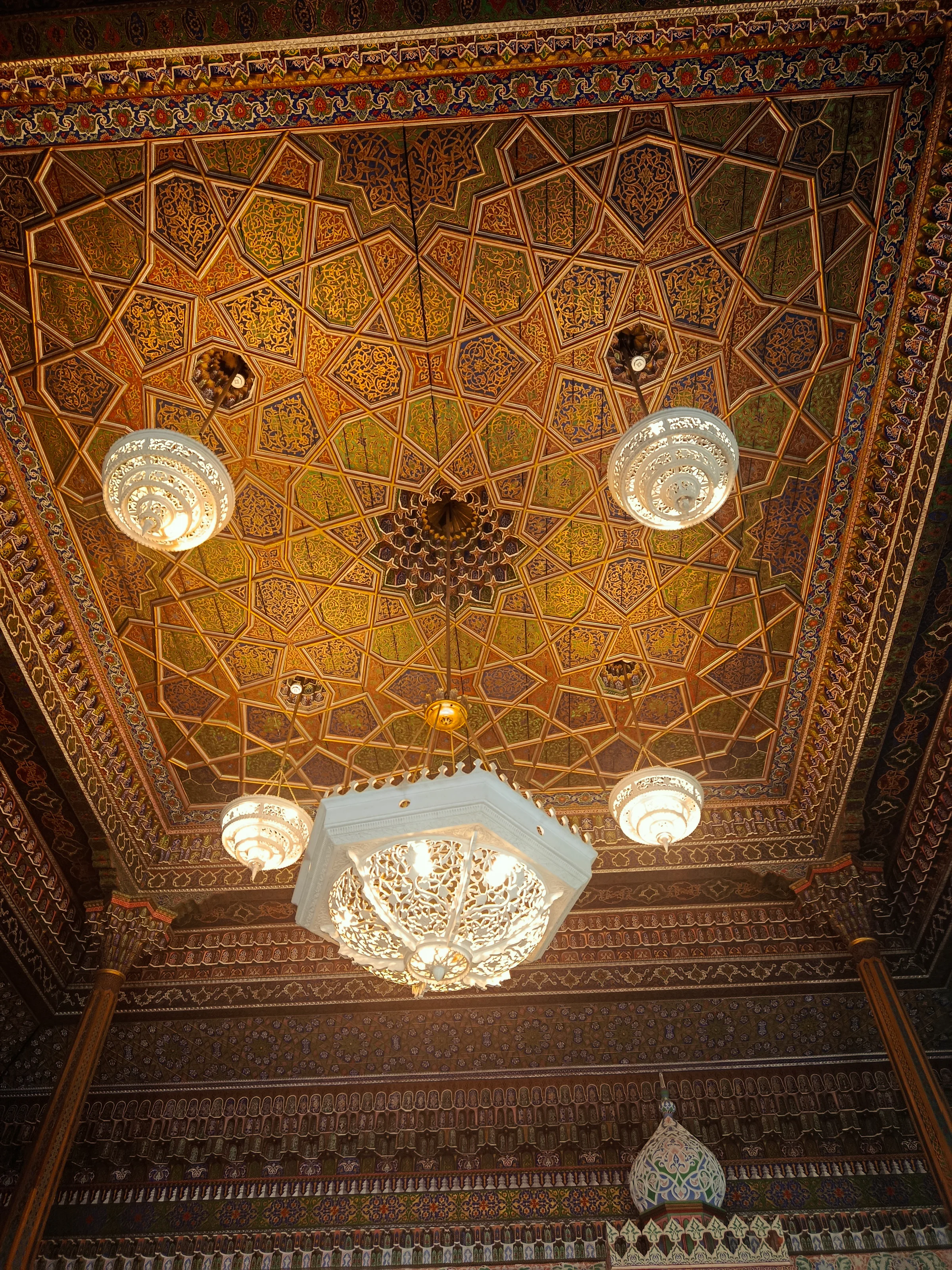
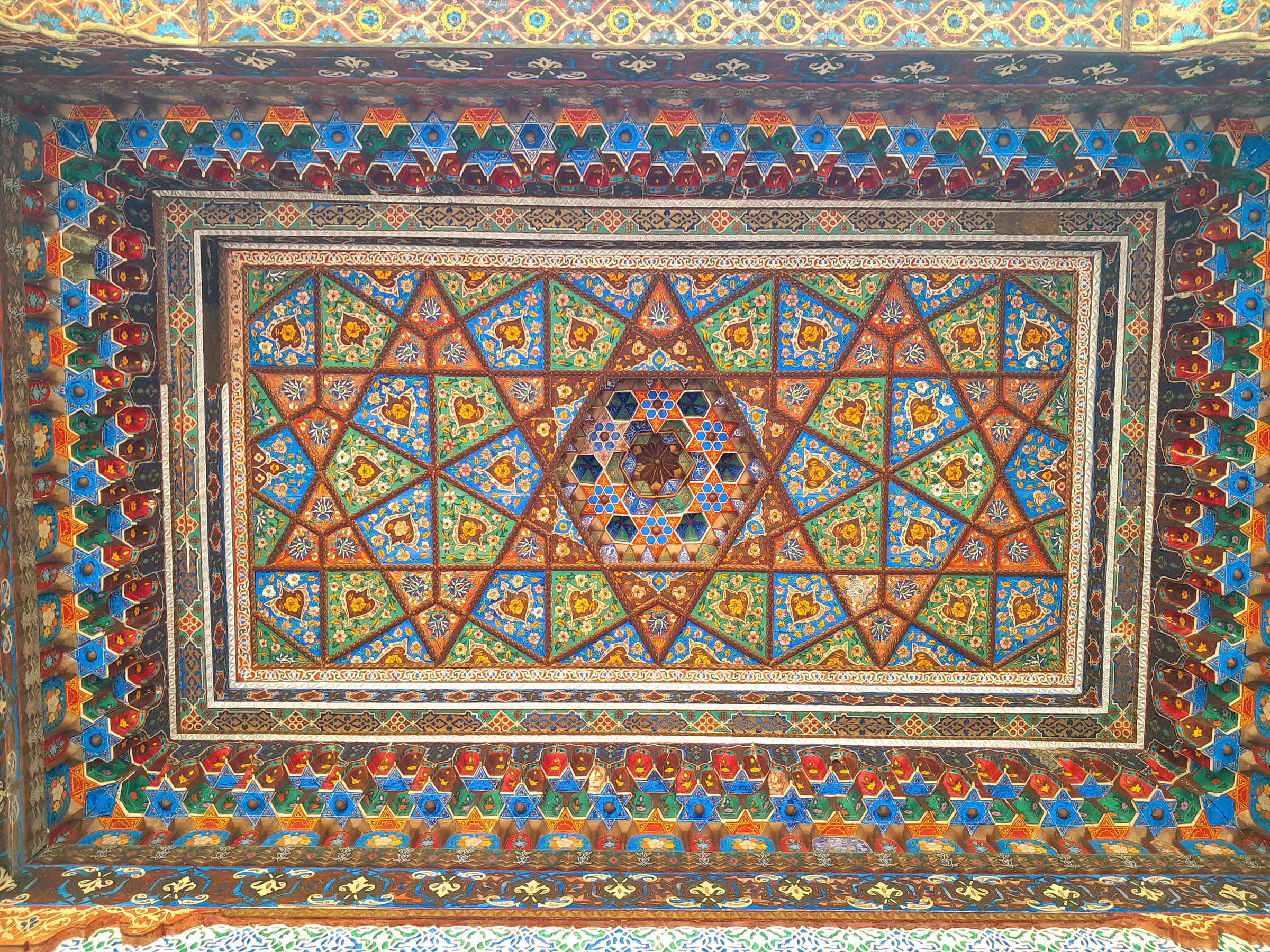
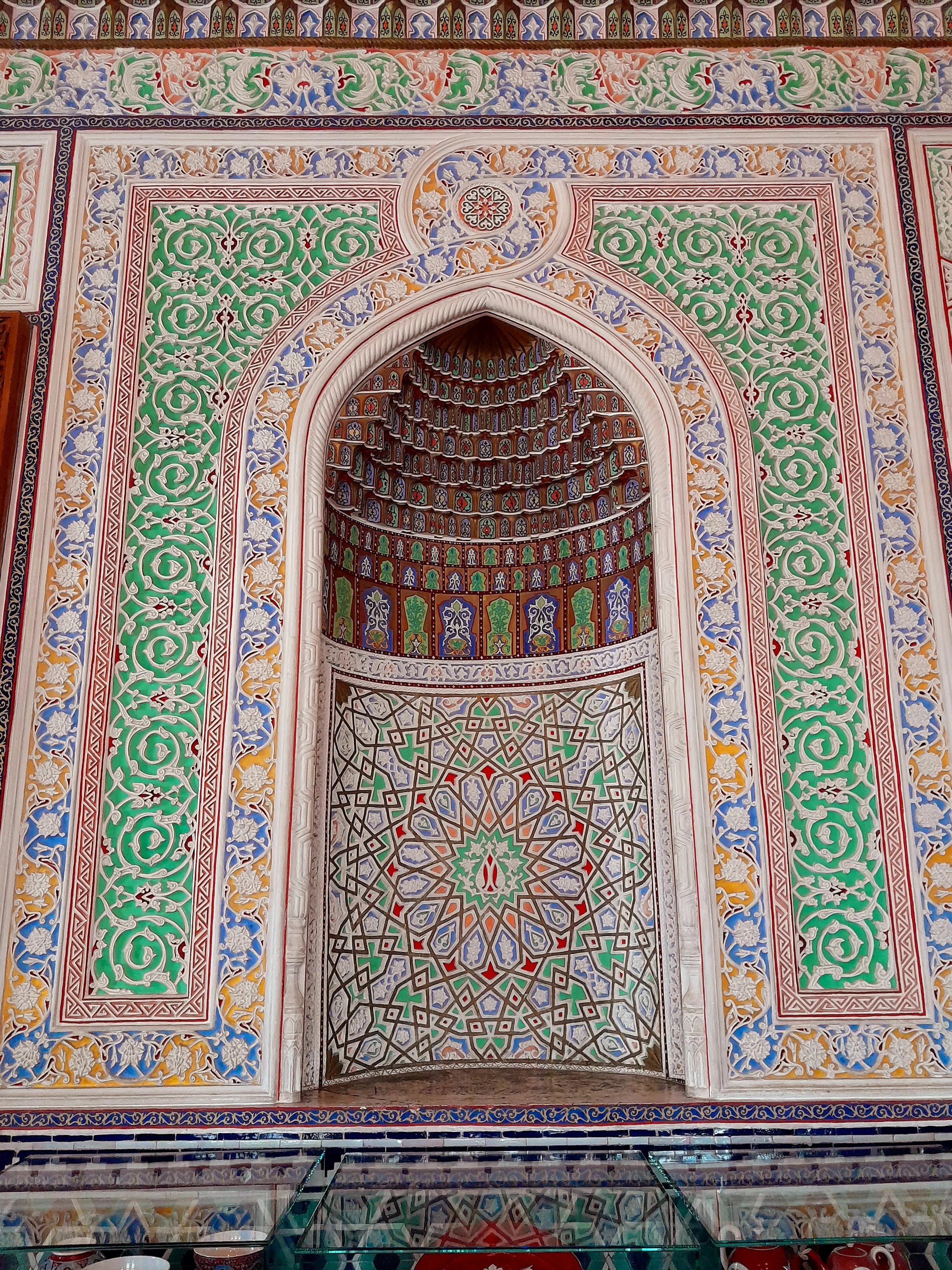
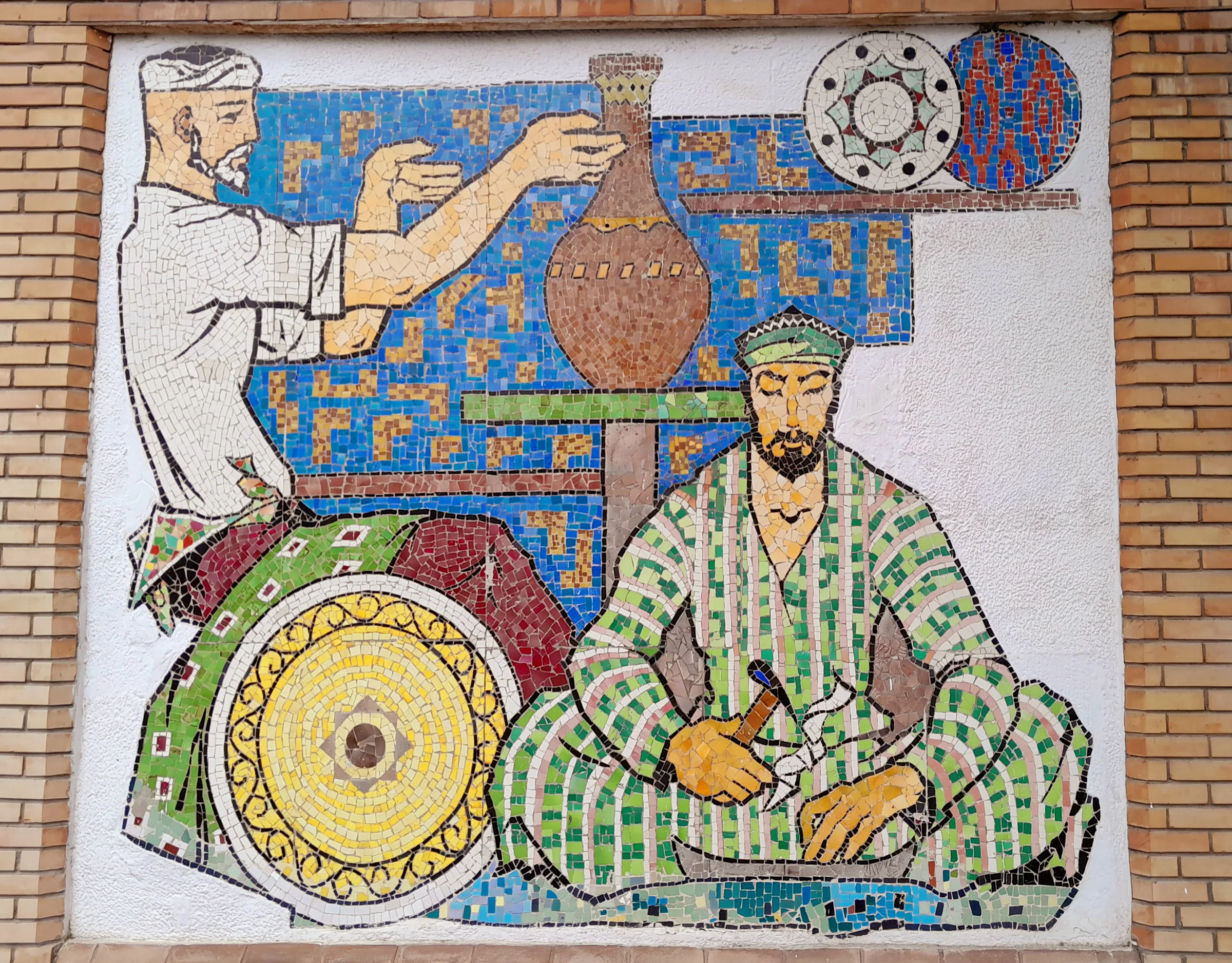
Folk masters carried out the decoration: T. Arslankulov and A. Kazymdzhanov from Tashkent, Shirin Muradov from Bukhara, A. Palvanov from Khiva and Abdullah from Rishtan. The ceiling of the former drawing room is painted in the kundal technique, the tiles are by the Rishtan potter, and the two fireplaces and mihrab-like niches echo the wall paintings.
During the First World War captured Austrian officers were held here; after the revolution the house became an orphanage, then a training centre for ganch carving and metal chasing. The Handicraft Museum moved in in July 1937.
The museum grew out of a temporary crafts exhibition in 1937. In 1960 it became the Permanent Exhibition of Applied Arts of Uzbekistan, and in 1997 it passed to the Ministry of Culture as a state museum. The building was restored in 1941 and 1961, a two-storey annex was added in 1970, and in the 1980s–1990s the artist Chingiz Akhmarov painted the central hall with miniatures on craft themes.
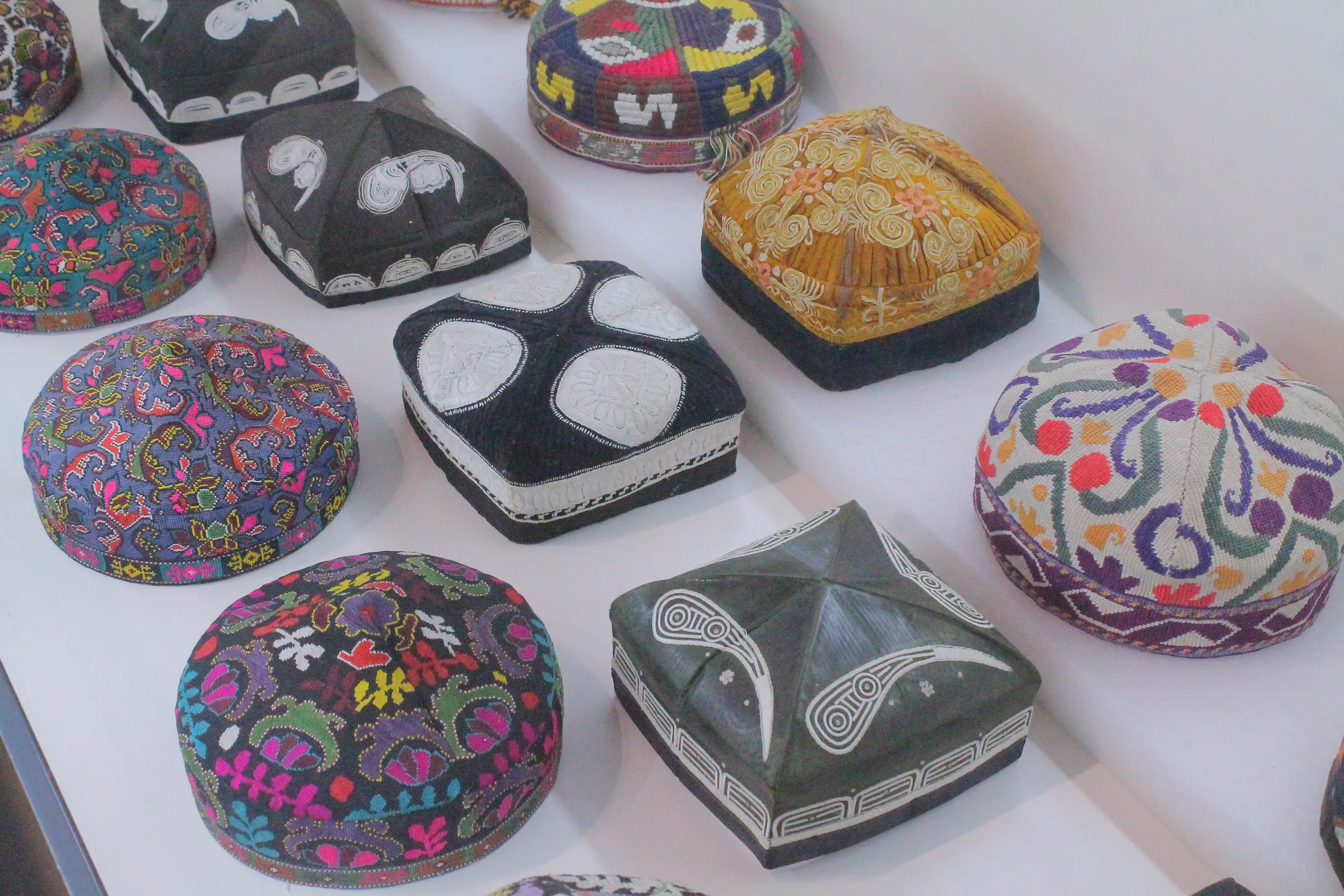
The museum holds thousands of works — sources give figures from over 4,000 to more than 10,000 — by Uzbek craftsmen from the early 19th century to the present, grouped into about twenty collections: ceramics, porcelain, glass, embroidery, skullcaps, block-printed textiles, fabrics and costume, carpets, woodcarving and painting, lacquer miniatures, jewellery, metal chasing, knives and more. Because the displays follow these categories, it is easy to compare regional schools side by side — Rishtan pottery, say, or Bukhara gold embroidery.
The house's owner, the diplomat and orientalist Alexander Polovtsev (1867–1944), left Russia in 1918 — which is how his Oriental-style Tashkent mansion became a museum. In 2021 a large illustrated catalogue of the collection was published, covering jewellery, art glass, carved and painted wood, musical instruments, ceramics, textiles, porcelain and lacquer miniatures.
Bazaar · Shaykhantahur District
The Old City market under a blue dome
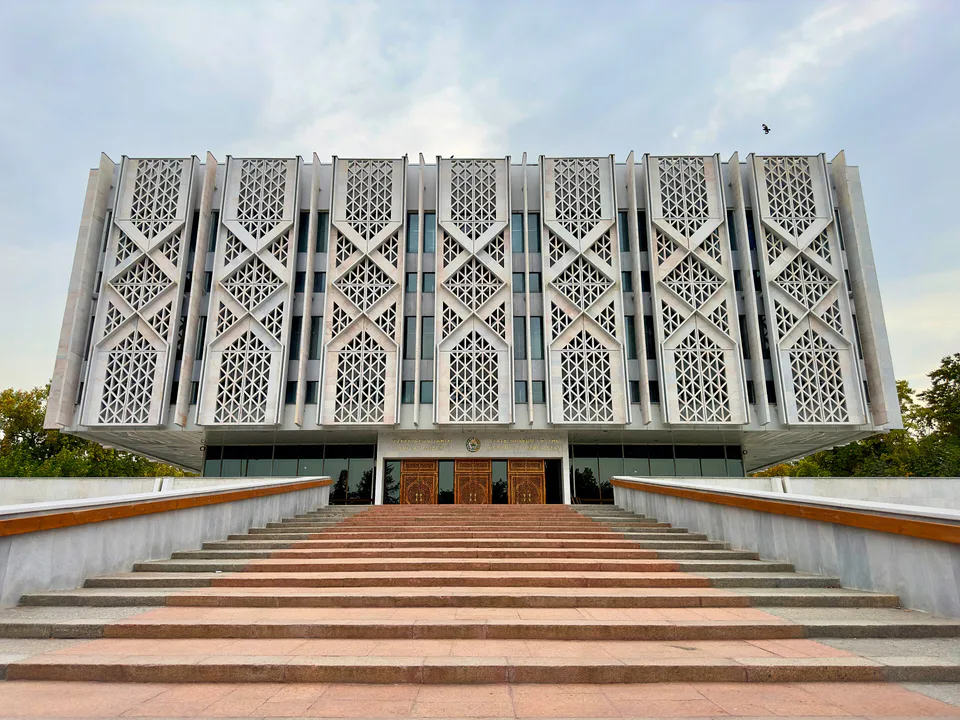
Museum · Yunusabad District
One of Central Asia's oldest museums
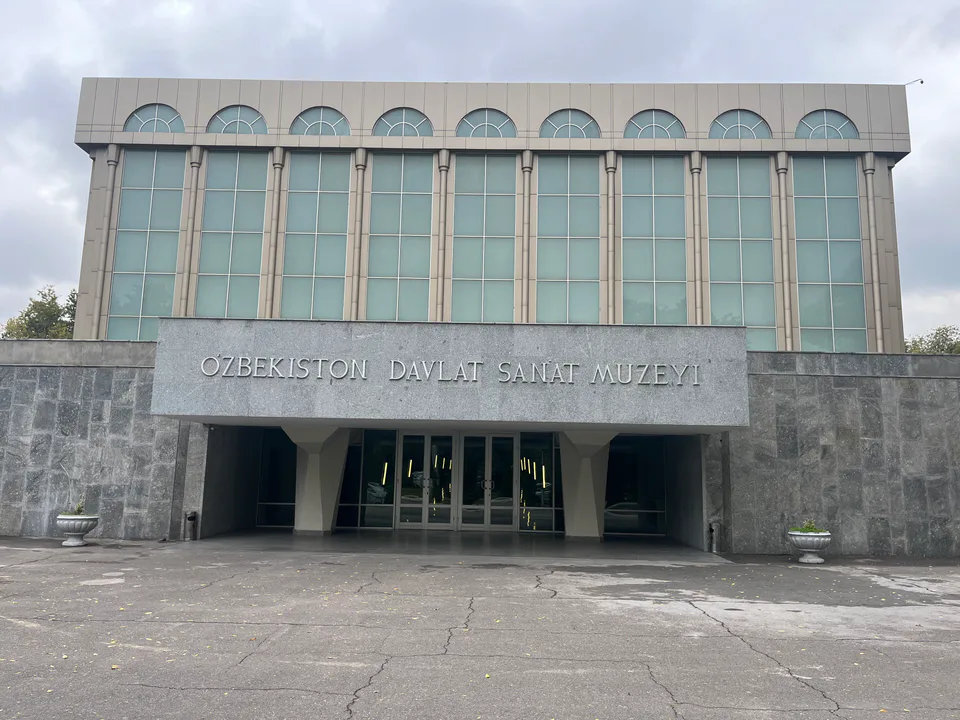
Museum · Mirabad District
A museum born of the Romanov collection
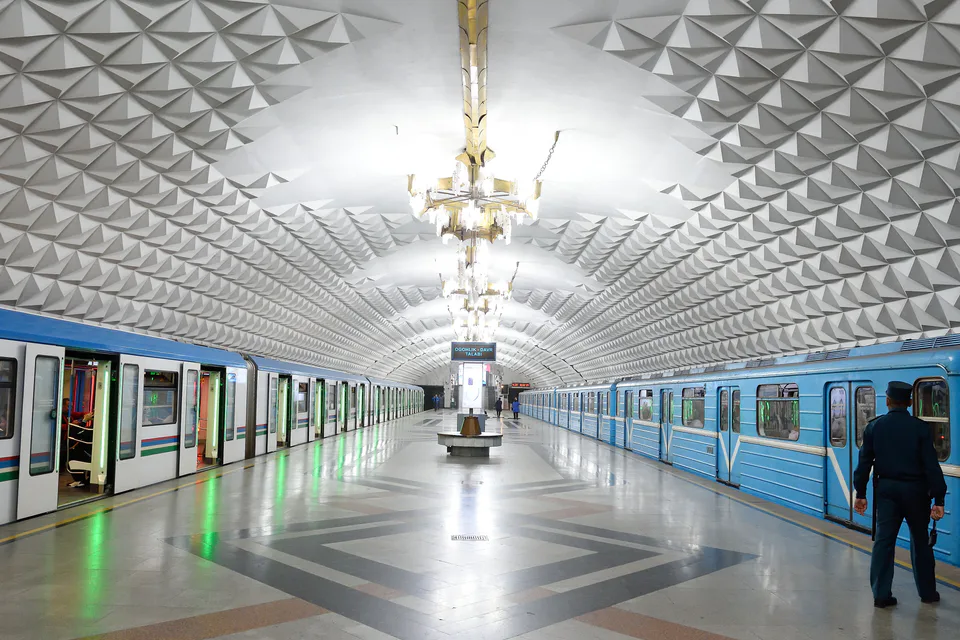
Modern · Yakkasaray District
Central Asia's first underground
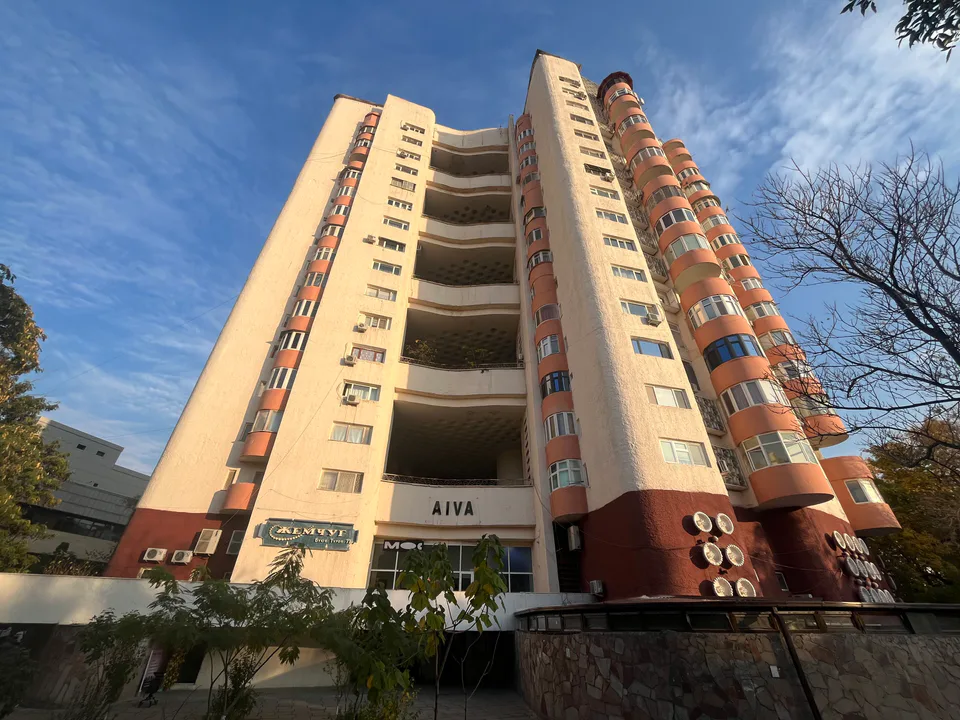
Modern · Mirabad District
An experimental 'vertical mahalla'
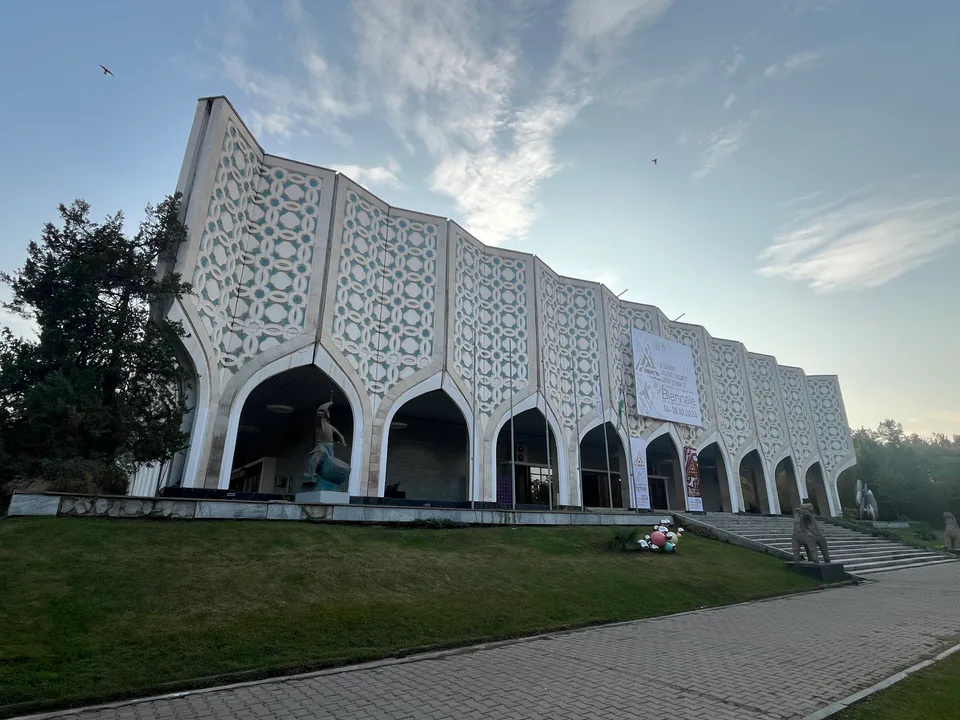
Culture & arts · Yakkasaray District
A gallery wrapped in peshtaq-style arches
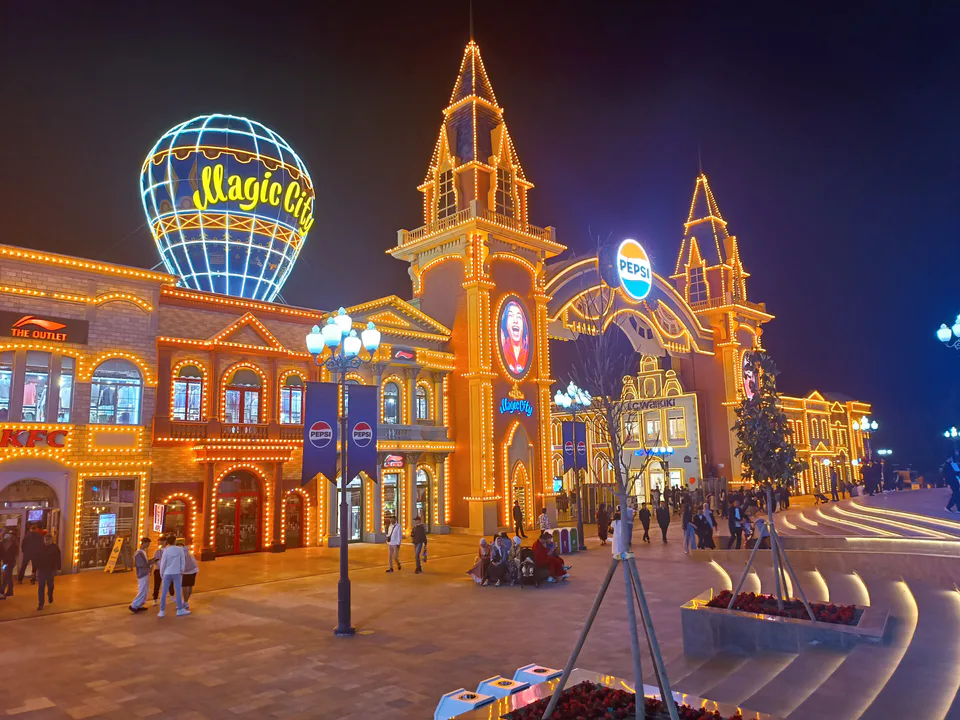
Entertainment · Chilanzar District
An amusement park of world-city replicas
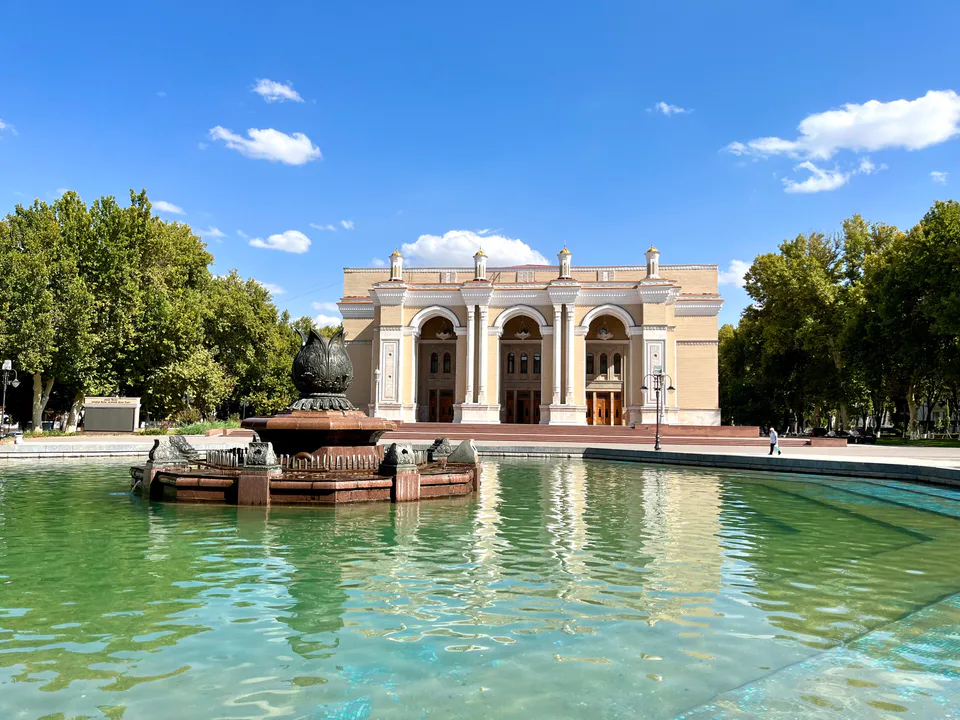
Culture & arts · Mirabad District
Shchusev's design, craftsmen from six regions
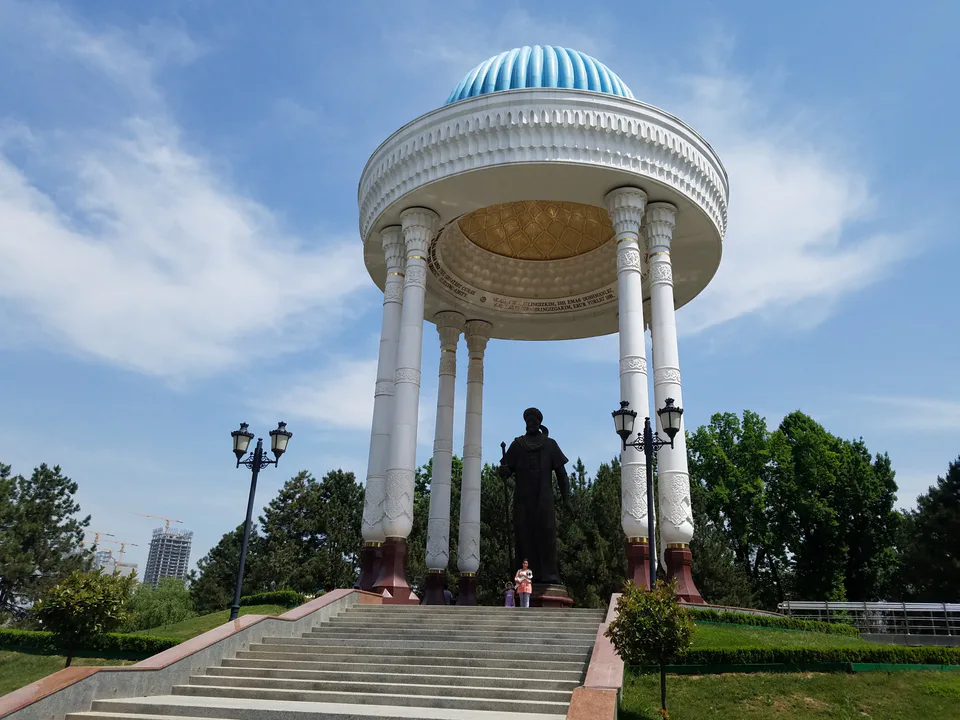
Park & garden · Chilanzar District
A lakeside park in the city centre
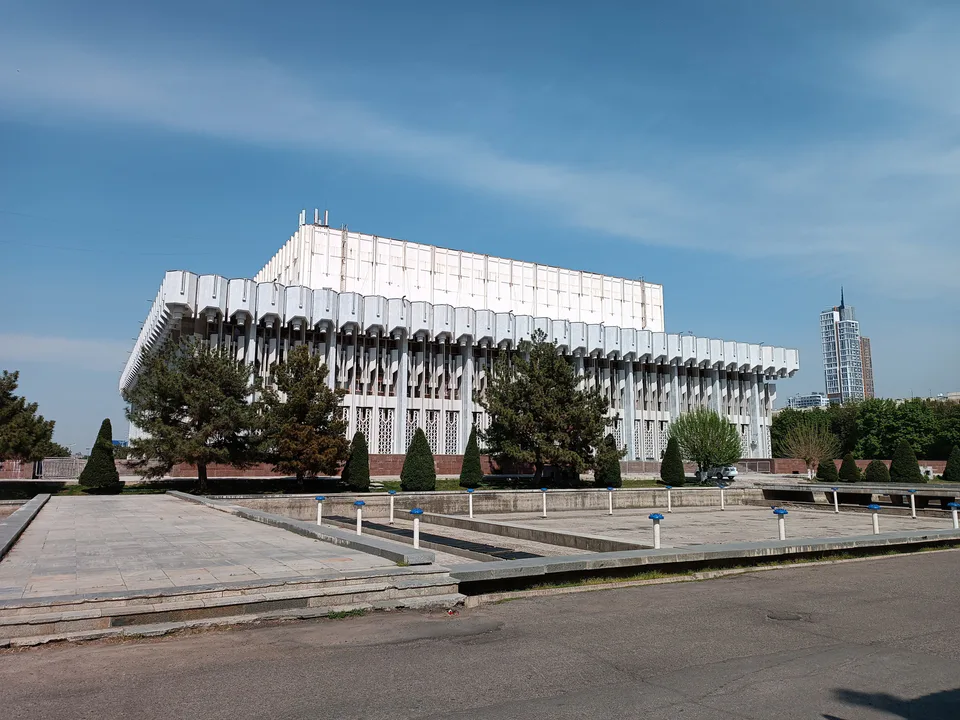
Culture & arts · Chilanzar District
Uzbekistan's main concert hall