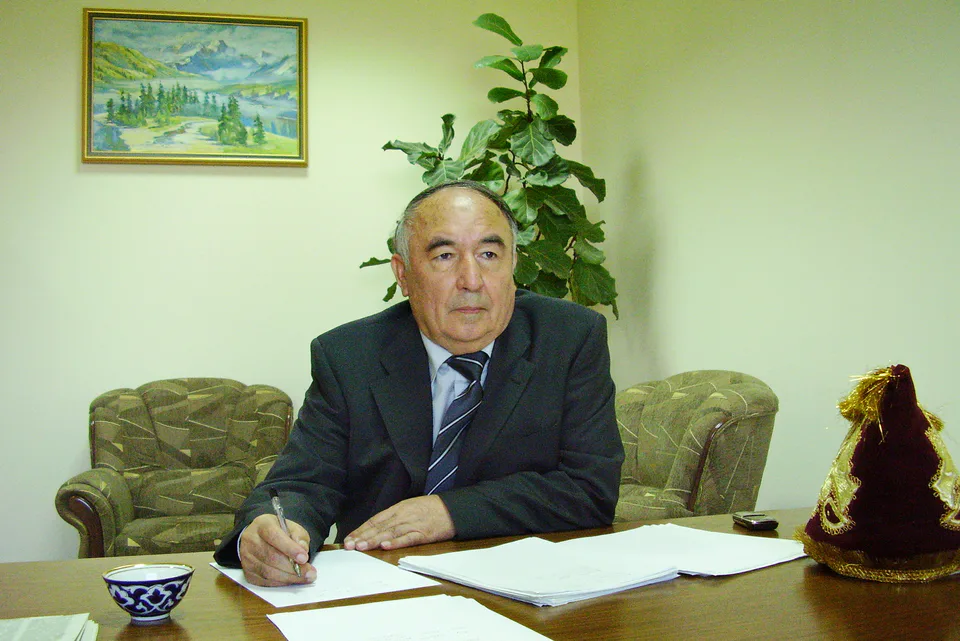
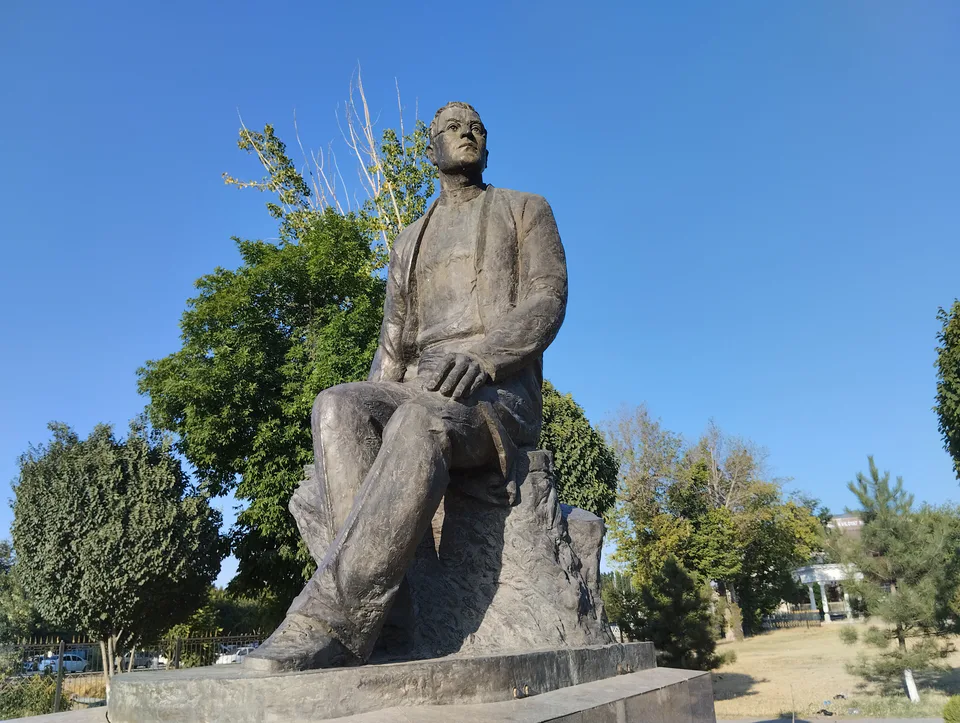
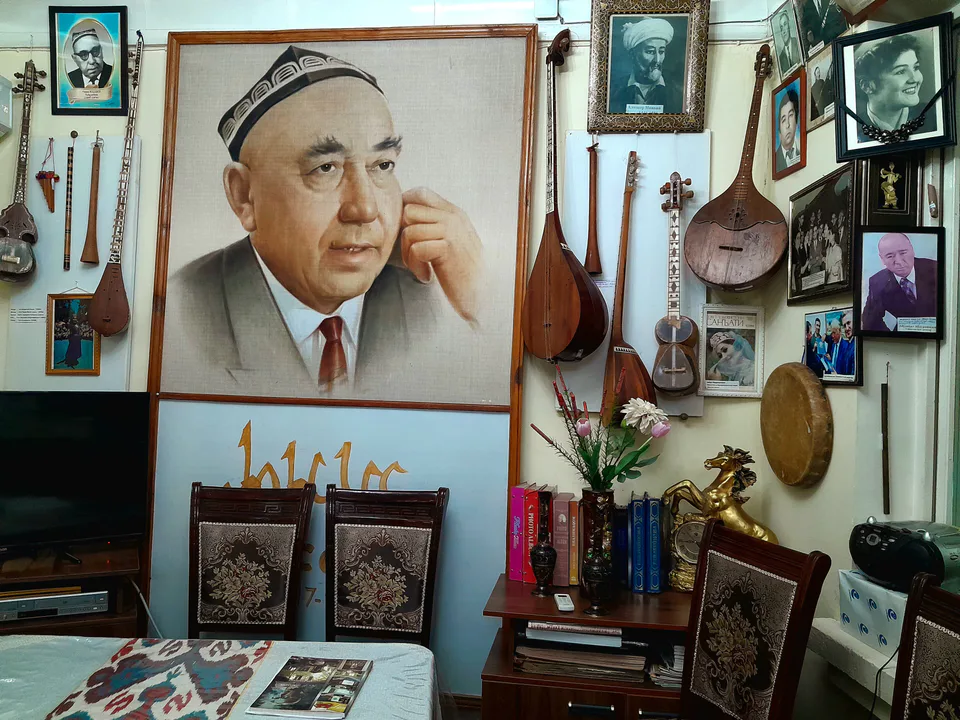
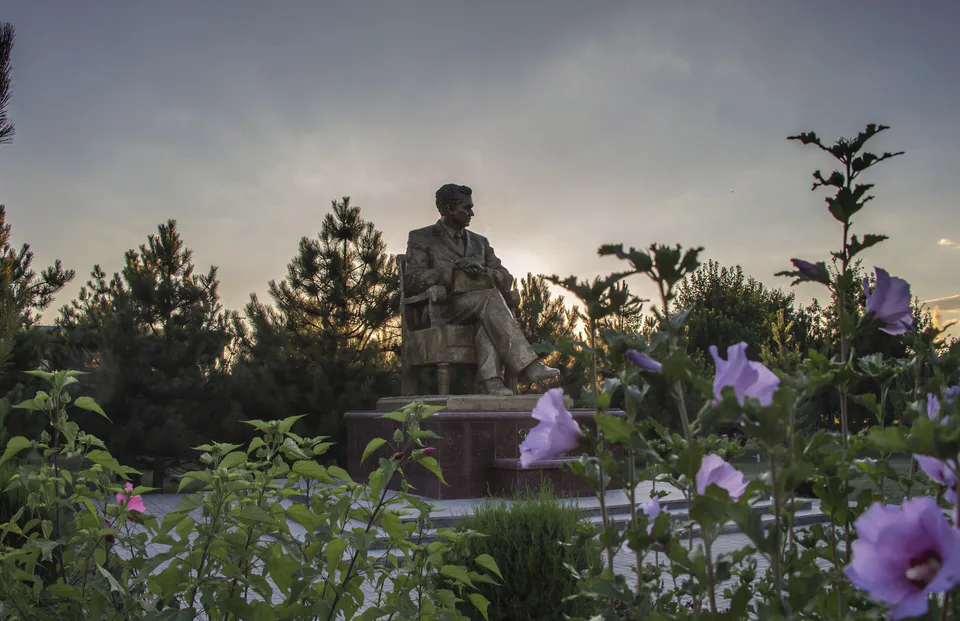
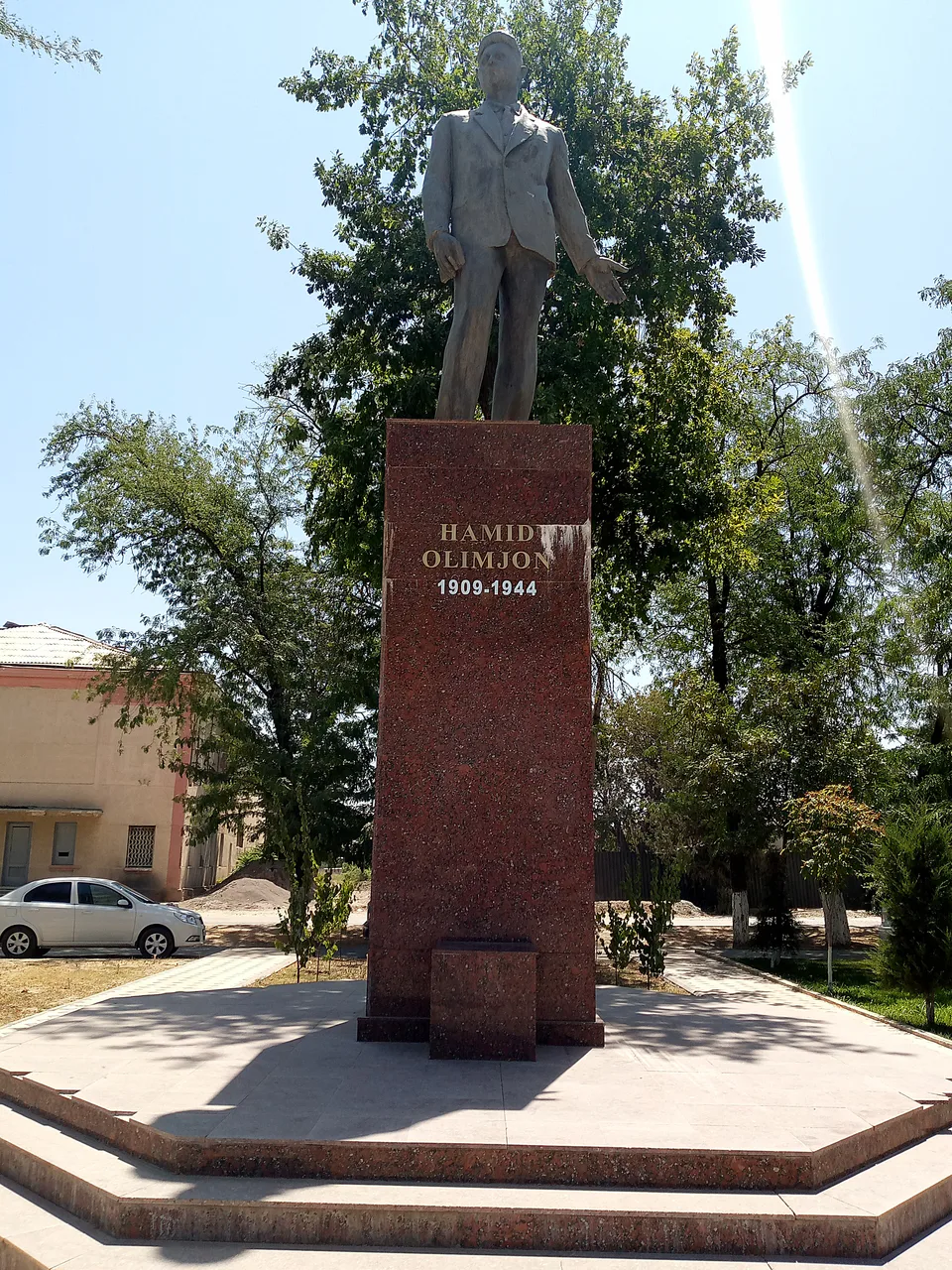
Born in Fergana Region, he was one of the best-loved Uzbek poets of the late 20th century — author of the ode “O'zbegim”, the poem “Revolt of the Spirits” and an Uzbek Faust. He was named Hero of Uzbekistan.
Erkin Vohidov was born on 28 December 1936 in Oltiariq district of Fergana Region, the son of a teacher. After graduating in philology from Tashkent State University in 1960, he worked as an editor and later headed the magazine Yoshlik and the publishing house Yosh Gvardiya. His first collection, “Breath of Dawn”, came out in 1961. After independence he was active in public life as a member of parliament. He was named People's Poet of Uzbekistan in 1987 and Hero of Uzbekistan in 1999, and died in Tashkent on 30 May 2016.
His work
Vohidov's poetry blends heartfelt lyricism, sharp humour and philosophical reflection. His ode “O'zbegim” (My Uzbek People, 1968), on the history and dignity of the nation, became one of the best-known Uzbek poems. The long poem “Revolt of the Spirits”, the collection “Eastern Shore” (Hamza State Prize, 1983) and the satirical cycle “Tales of Donishqishloq” are widely read. He wrote the plays “The Golden Wall”, “The Istanbul Tragedy” and “The Second Talisman”; “The Golden Wall” was even staged in Lahore, Pakistan. His translations of Goethe's Faust and of Yesenin, Tvardovsky, Iqbal and Rasul Gamzatov are admired, and many of his poems have become songs.
Remembrance
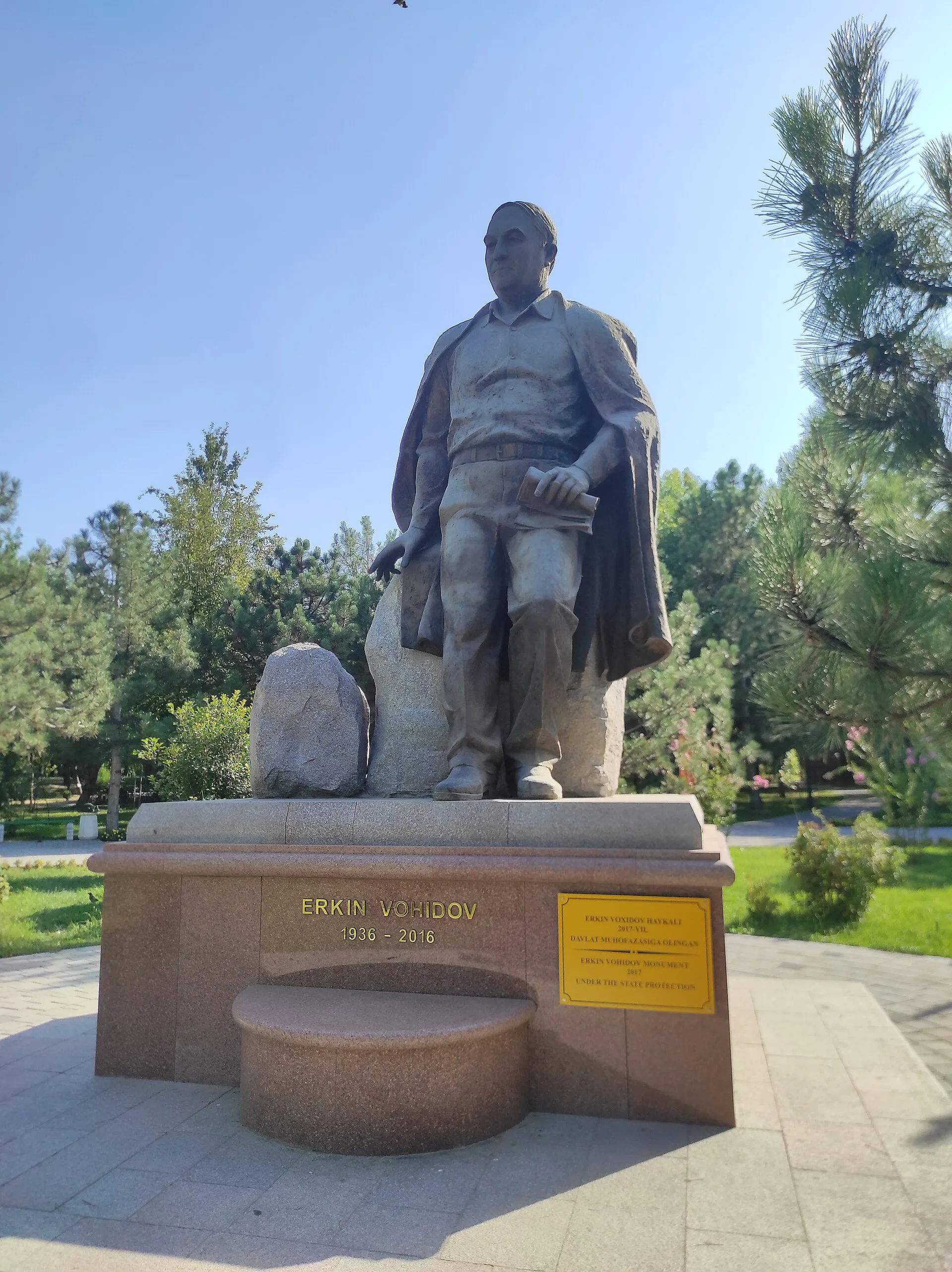
Many institutions and streets bear his name. In 2018 a boarding school named after him opened in Margilan, followed in 2019 by a memorial museum to the poet in the same town. In silk-weaving Margilan the museum fits well with a visit to the al-Marghinani memorial complex and the craft workshops.
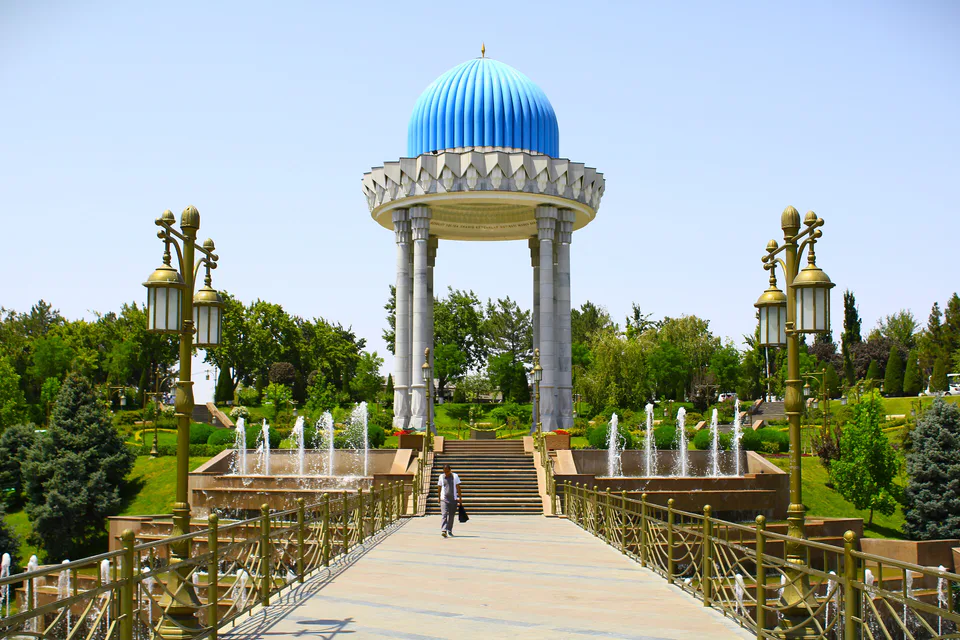
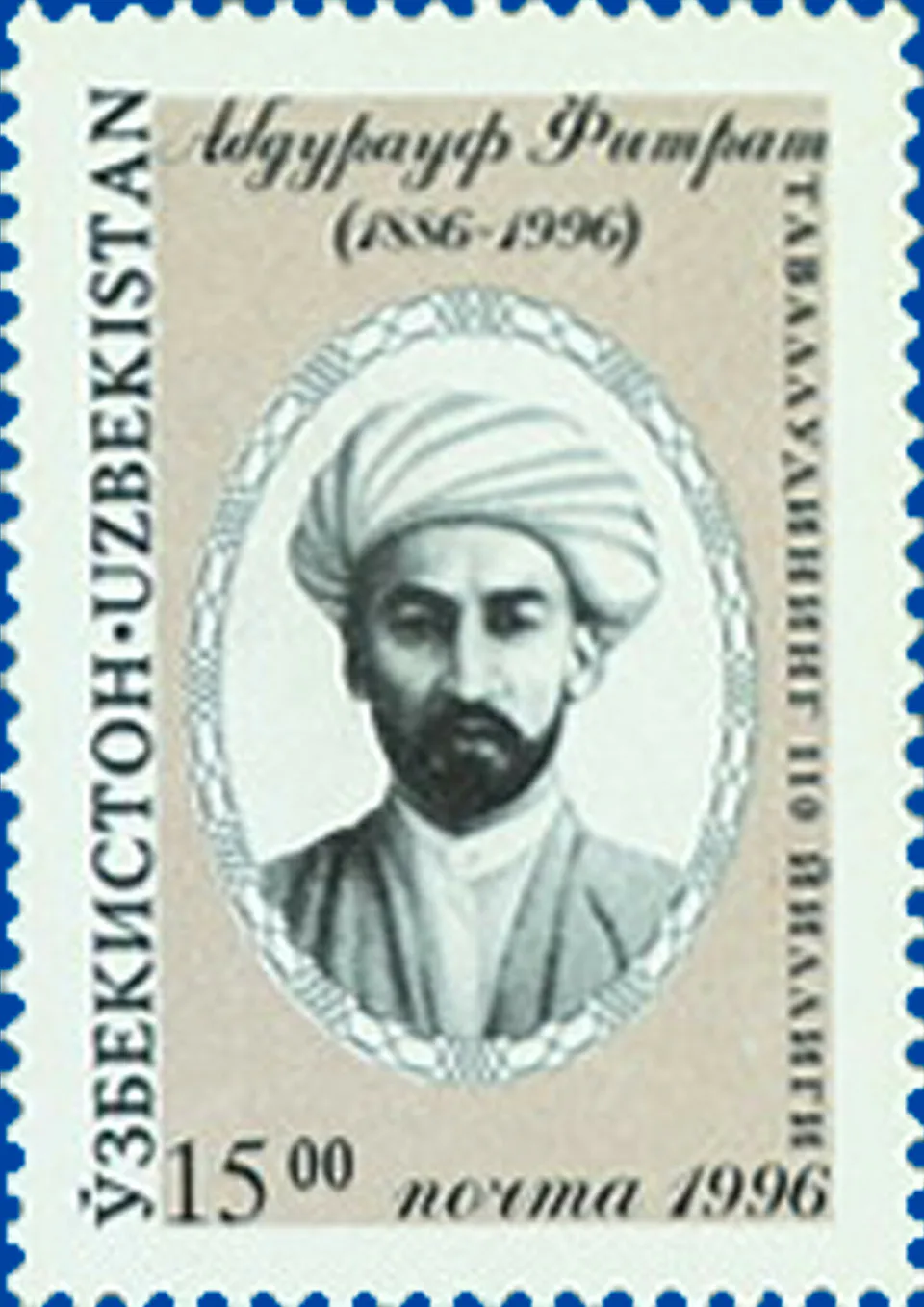
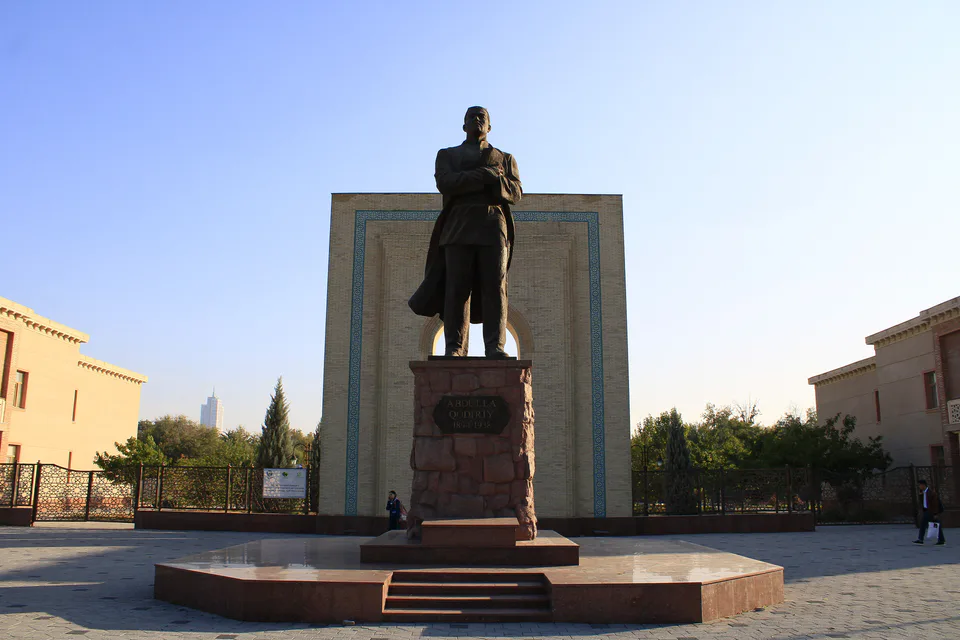
In the 1930s Uzbekistan saw campaigns of “dekulakisation” and against clergy and “nationalists”, culminating in the Great Terror of 1937–1938. The republic's first leaders, Fayzulla Khodjaev and Akmal Ikramov, were shot in Moscow in March 1938. On the night of 4–5 October 1938 the writers Abdulla Qodiriy, Cho'lpon, Fitrat and many other intellectuals were executed in Tashkent. Tens of thousands were arrested, deported or shot; most were rehabilitated from the late 1950s. At the burial site in Tashkent's Yunusabad district stand the Shahidlar Xotirasi memorial and the Museum of Victims of Repression.
In summer 1939 work began on the 270-kilometre Great Fergana Canal. Through hashar, communal voluntary labour, some 160,000 collective farmers, mostly Uzbek and Tajik, were mobilised, and the canal was dug — largely with ketmen hoes and hand barrows — in 45 days. Carrying water from the Naryn and Kara Darya across the valley, it opened new land and expanded cotton fields, with more than a thousand hydraulic structures along its course. Soviet propaganda made it a symbol of collective effort; its pace and harsh conditions were later viewed more critically. It remains the valley's main irrigation artery.
Between 1941 and 1945, by various estimates, 1.5 to 2 million people from Uzbekistan went to the front, and more than 500,000 never returned. Over 300 natives of the republic were made Heroes of the Soviet Union. Uzbekistan became a rear base: dozens of factories, research institutes, theatres and hundreds of thousands of evacuees, many of them orphaned children, arrived from the west. The Tashkent blacksmith Shoahmad Shomahmudov and his wife Bahri became famous for adopting orphans of many nationalities — between 14 and 16, according to different sources. The war turned Tashkent into an industrial centre, while the countryside endured gruelling work and shortages.
Efforts to irrigate the waterless Hungry Steppe (Mirzachul) on the left bank of the Syr Darya began in the late 19th century: a canal named after Nicholas I opened in 1895, and Grand Duke Nikolai Konstantinovich dug channels and founded villages for Russian settlers. Large-scale development came in the 1950s and 1960s: in 1956 part of the steppe was transferred from the Kazakh SSR to Uzbekistan, the Kirov Northern canal was rebuilt and new Central and South Hungry Steppe canals were dug. Some 800,000 hectares of new cotton land appeared, along with Gulistan, Yangiyer and dozens of state-farm villages. Syrdarya Region was created in 1963. Soil salinisation later became a serious problem.
In 1958 geologists discovered a giant gold deposit in the Muruntau hills of the south-western Kyzylkum; the team won the Lenin Prize in 1966. Industrial mining began in 1969, creating one of the world's largest open-pit gold mines, some 3.5 km long and about 600 metres deep. The city of Navoiy was founded near Karmana the same year as the discovery, and desert towns such as Uchkuduk and Zarafshan grew up around the Navoi Mining and Metallurgical Combine. Navoiy Region was created in 1982 (temporarily abolished in 1988–1992) and is today one of Uzbekistan's main industrial regions.
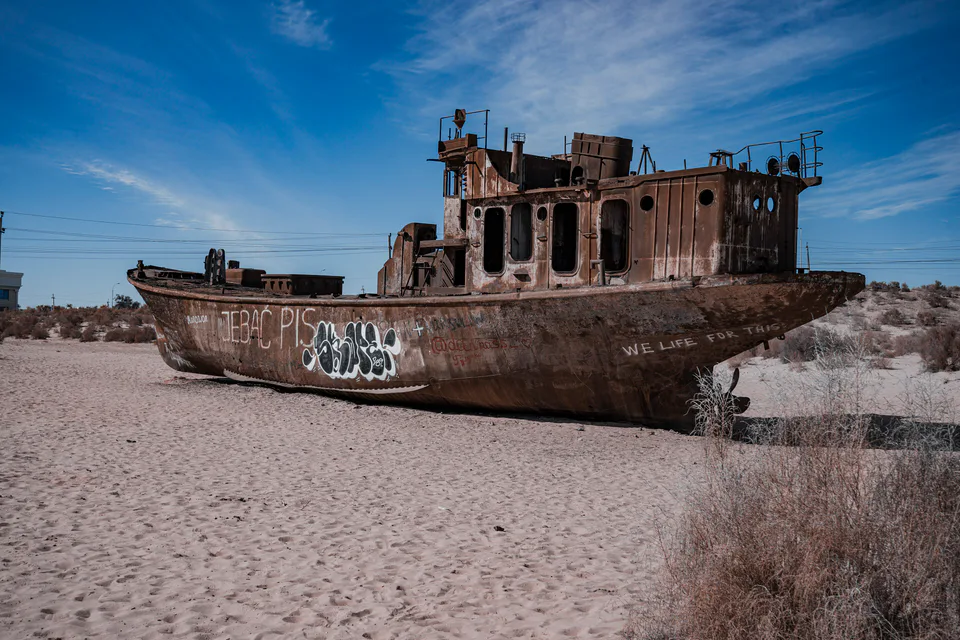
Once covering 68,000 km² and among the largest lakes on Earth, the Aral Sea began to shrink in the 1960s, when the waters of its feeder rivers, the Amu Darya and Syr Darya, were diverted to irrigate cotton. By 2007 it had fallen to about 10% of its former area and split into several lakes, leaving behind the new Aralkum desert. Moynaq, once a busy fishing port, now lies tens of kilometres from the water, with a “graveyard” of rusting ships on the sand. Salt and dust storms have seriously affected public health. UN Secretary-General Ban Ki-moon called it one of the planet's worst environmental disasters.