Museum · Nukus
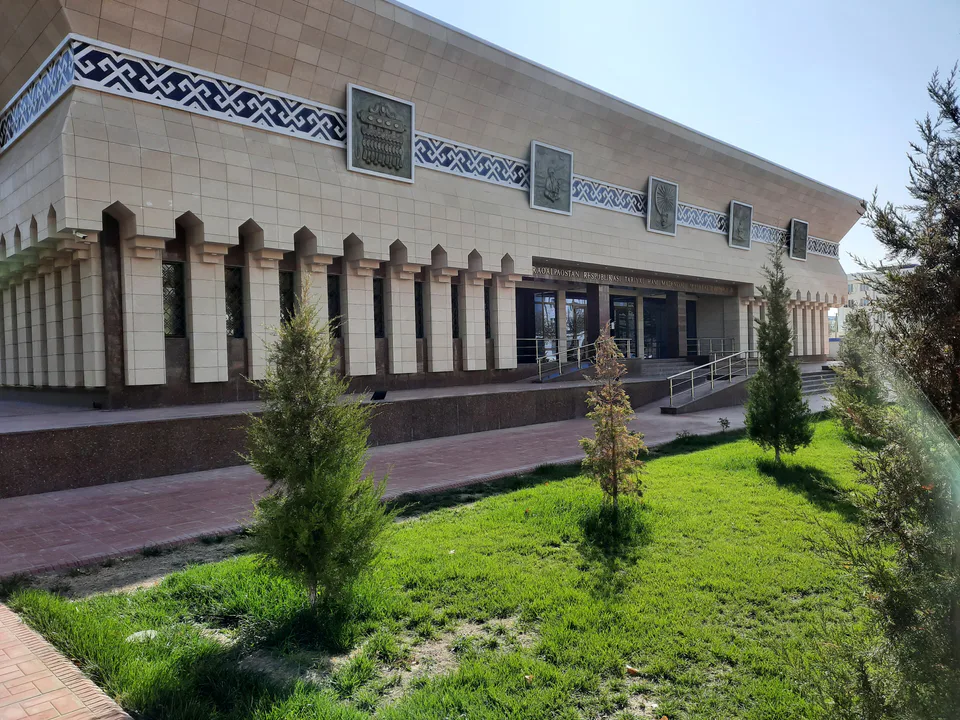
State Museum of History and Culture of Karakalpakstan
The republic’s oldest museum
Museum · Nukus
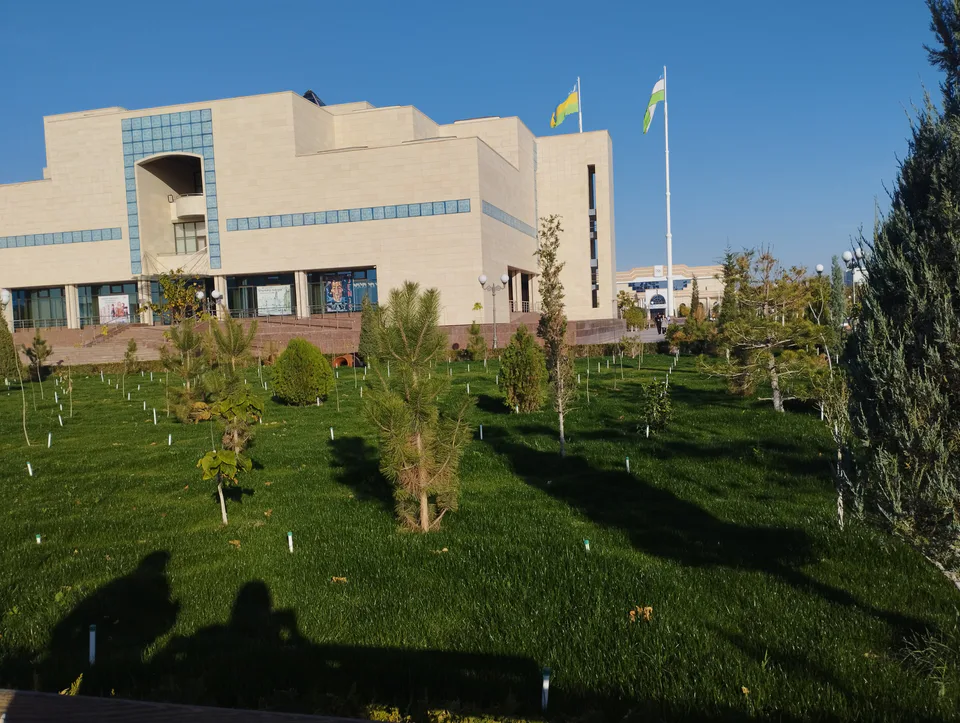
Nukus’s world-famous museum: over 82,000 objects, the world’s second-largest collection of Russian avant-garde art, ancient Khorezmian finds and Karakalpak folk art. Founded by Igor Savitsky in 1966.
The Russian painter, archaeologist and collector Igor Savitsky first came to Karakalpakstan in 1950 with Sergey Tolstov’s Khorezm Archaeological and Ethnographic Expedition. He later settled in Nukus and began gathering Karakalpak jewellery, carpets, coins, clothing and much else. Savitsky persuaded the republic’s authorities to found a state museum, and when it opened in 1966 he became its first director.
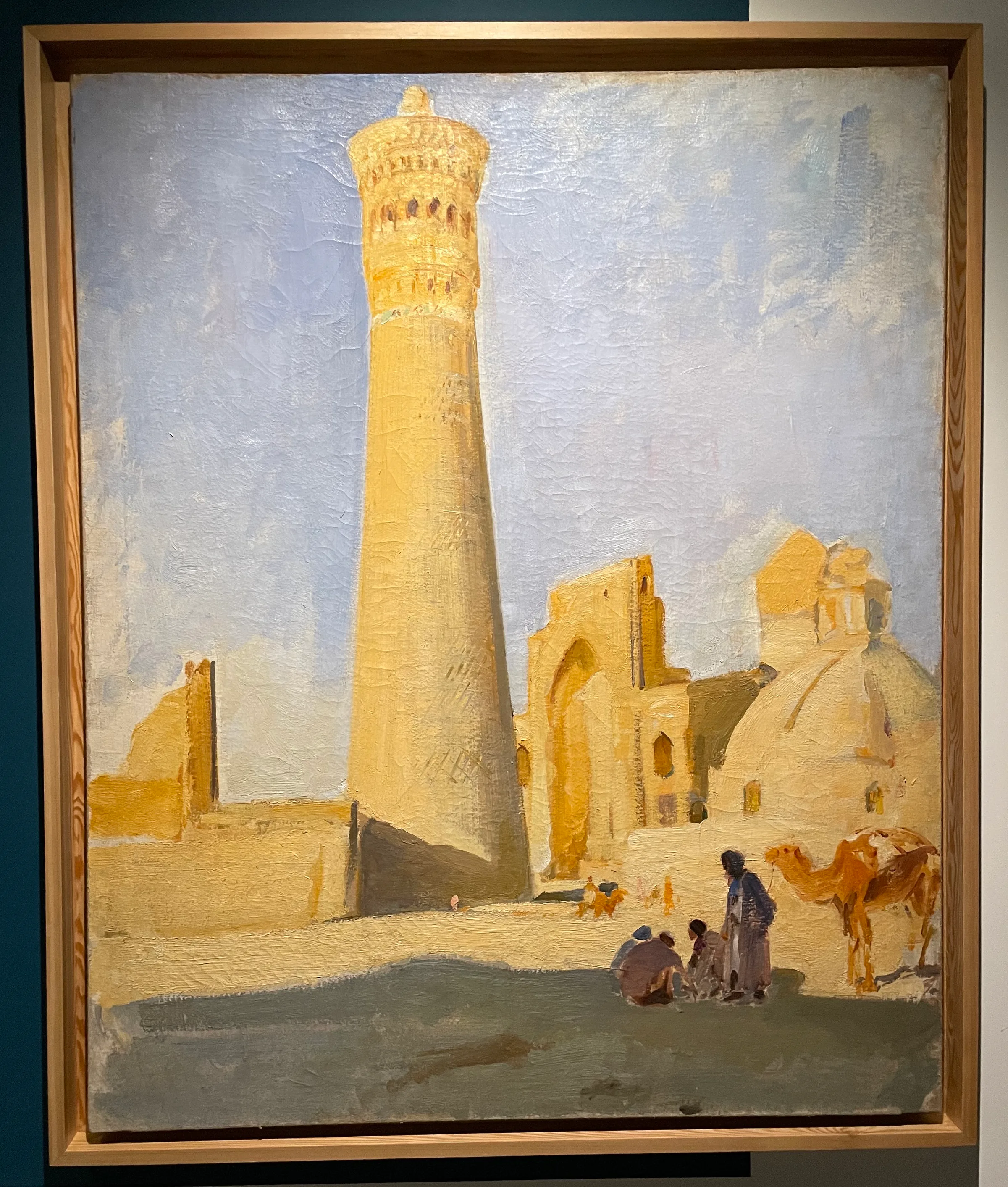
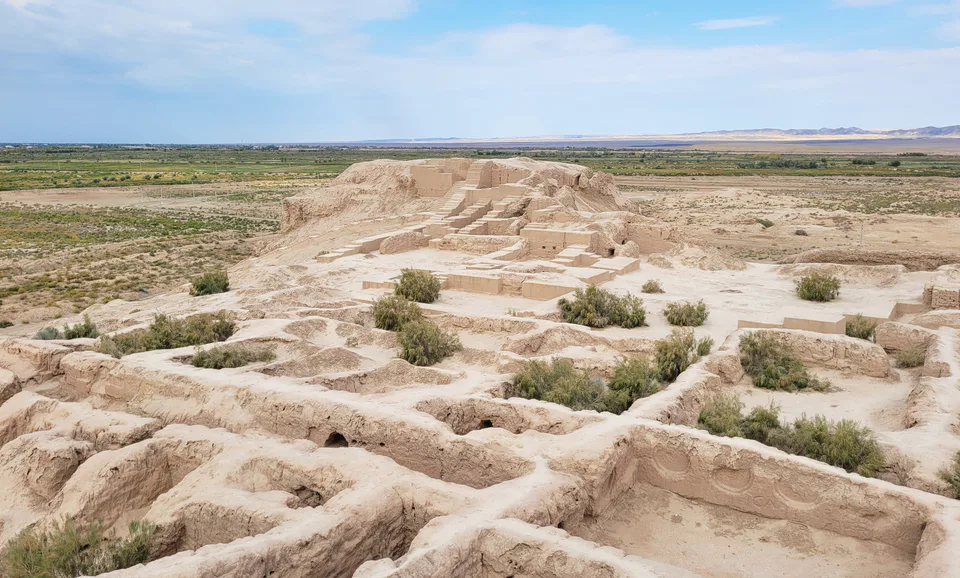
Early displays featured archaeological finds from Karakalpakstan — including the Khorezmian fortresses — copies of classical sculpture and folk art, most of it collected by Savitsky himself. To inspire a new generation of Karakalpak artists, he began acquiring works by Central Asian painters and by Russian artists who had worked in the region or been drawn to the East.
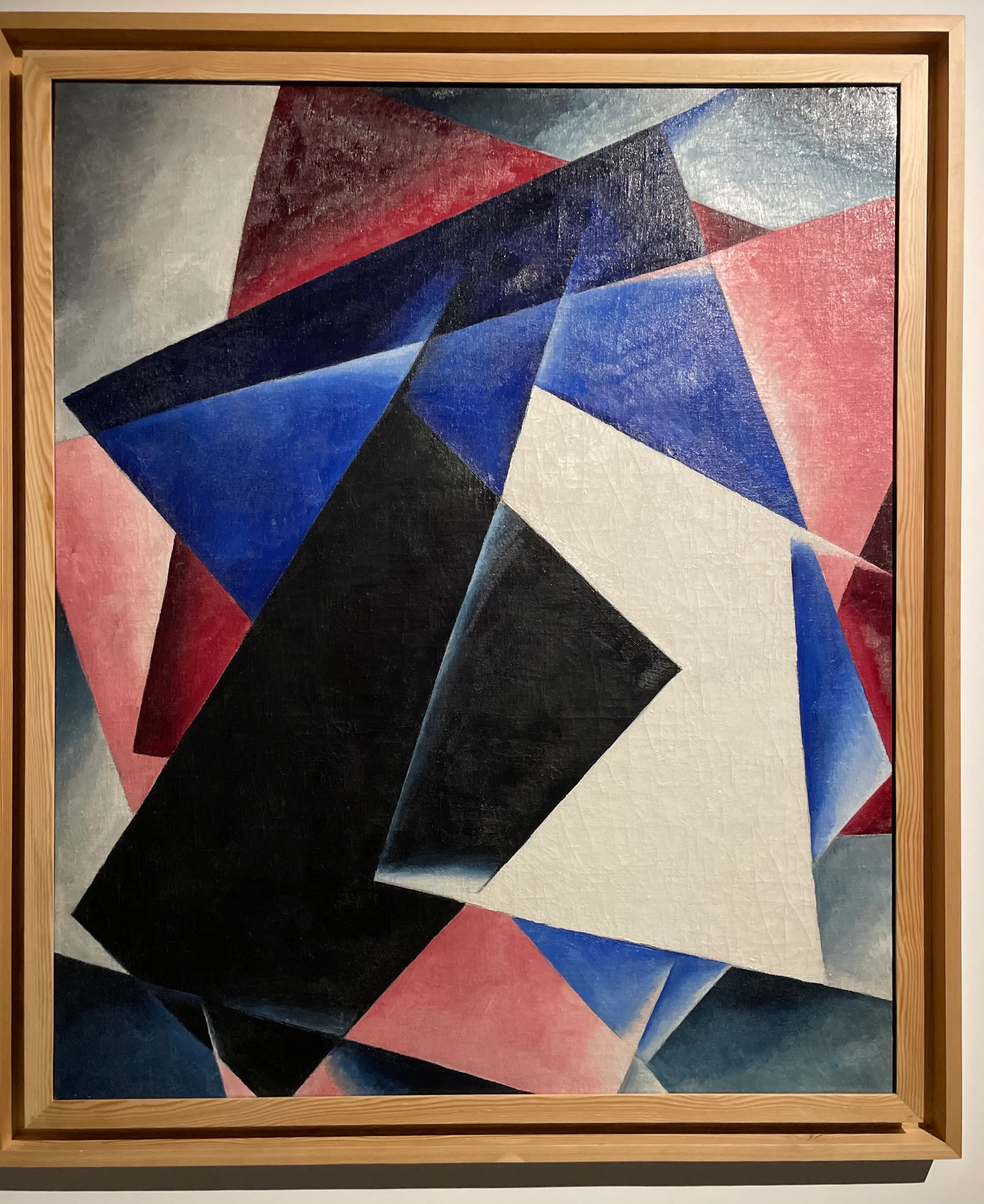
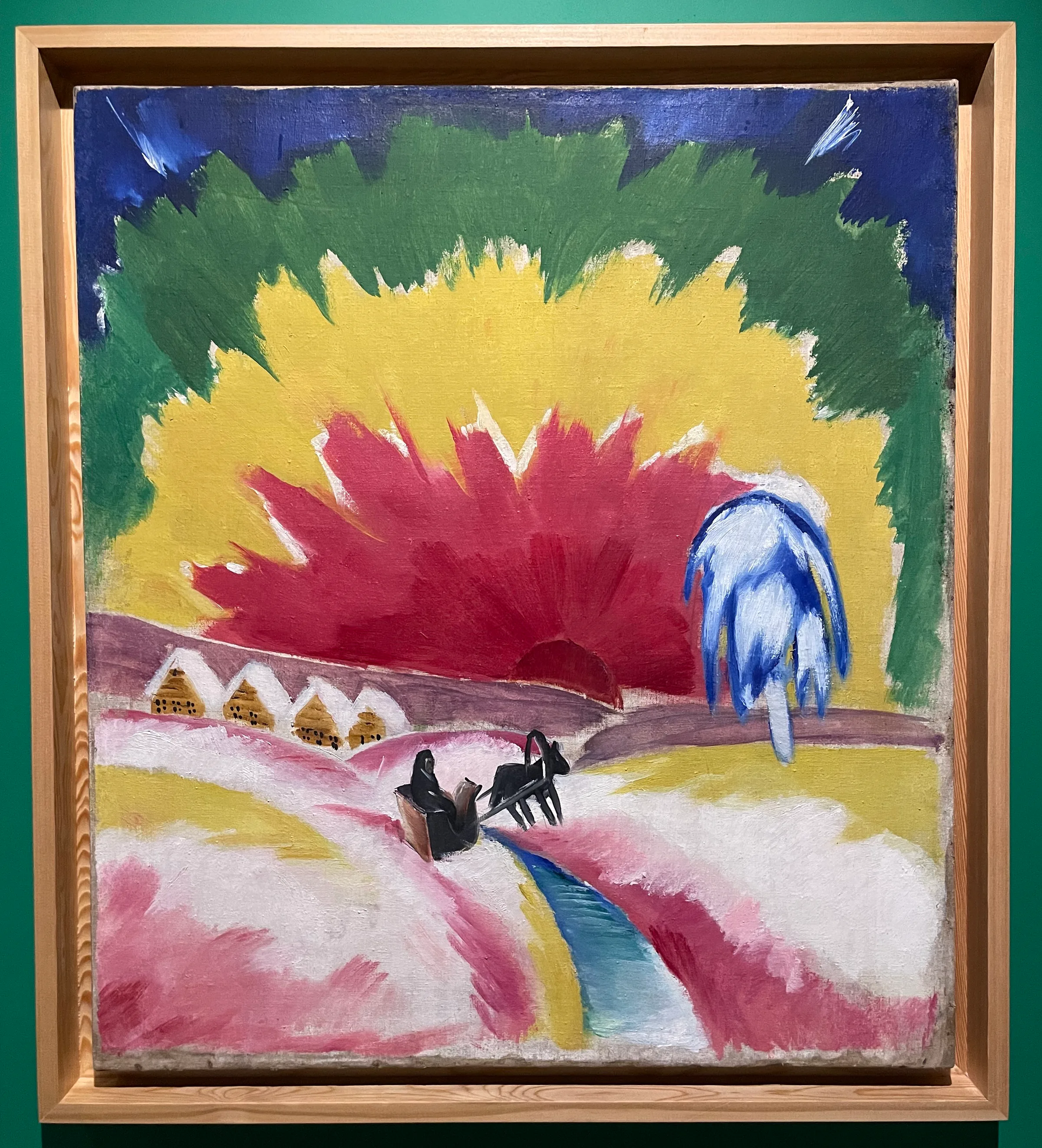
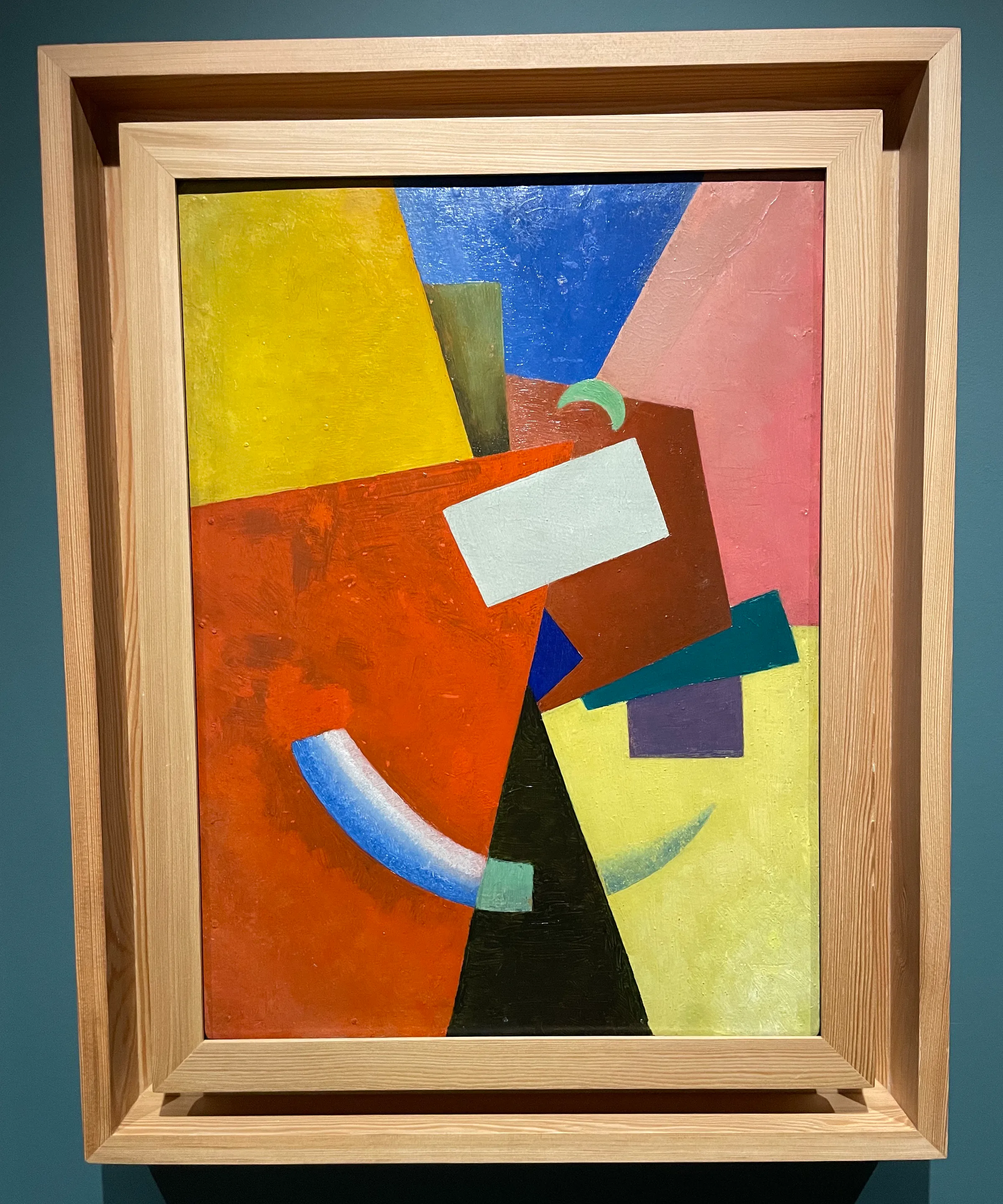
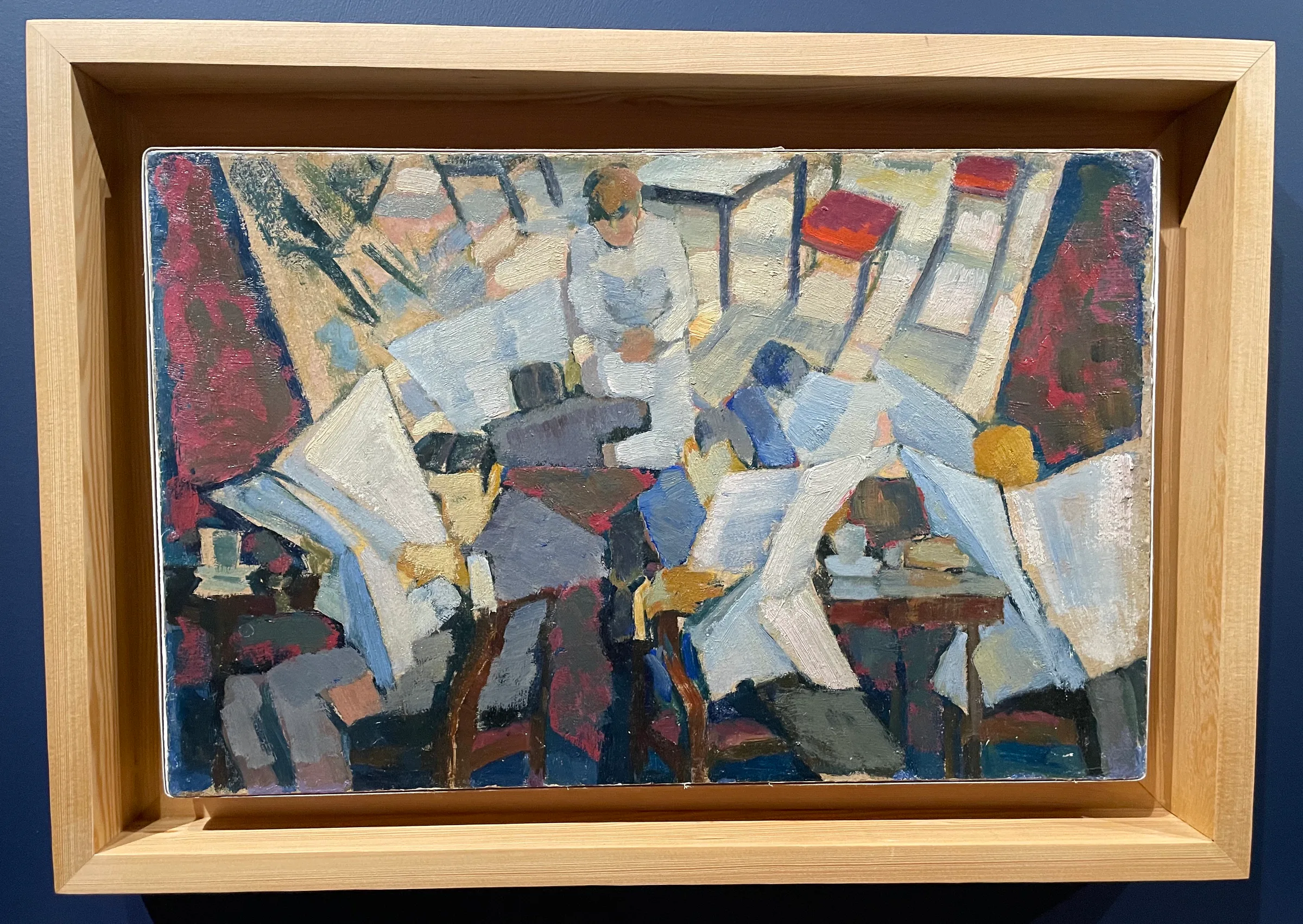
Savitsky prized above all the Constructivist, Cubist, Futurist and Neo-Primitivist works condemned under Stalin in the 1930s. He tracked them down among artists’ families and in studios and storerooms in Moscow and elsewhere, and brought them to Nukus. The Karakalpak authorities had some idea of what he was buying but let him be, and the city’s remoteness helped the collection survive. Much of it went unseen for years; its full importance emerged only after his death in 1984, during perestroika and independence.
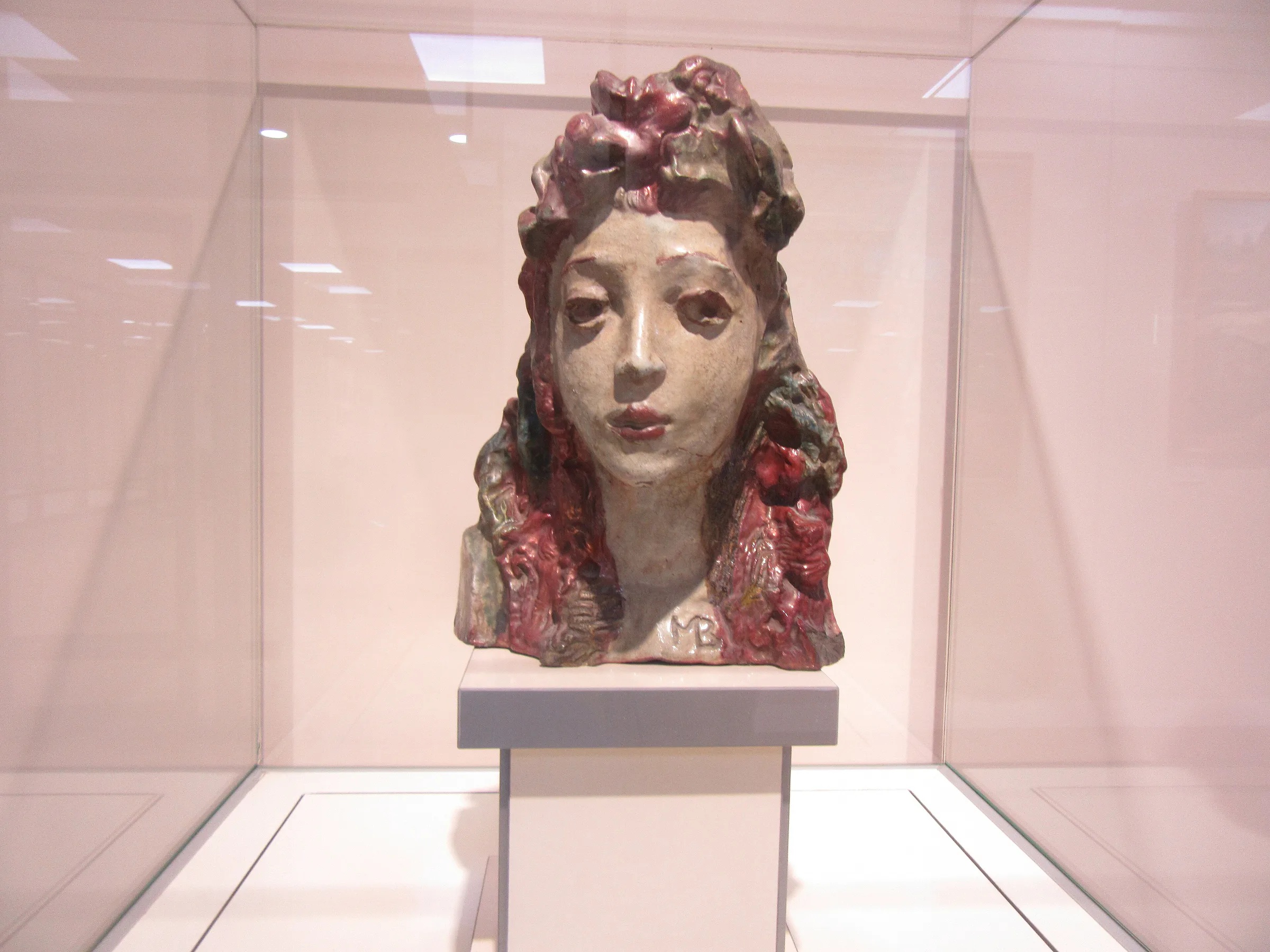
Today the museum holds around 10,000 avant-garde works, second only to the Russian Museum in St Petersburg. There are roughly a hundred paintings by Alexander Volkov, the father of the Uzbek avant-garde, alongside Ural Tansykbayev, Nikolai Tarasov and Stavrovsky, and every known surviving work by Vladimir Lysenko, including The Bull, now the museum’s emblem. Many of the artists were persecuted, and their work was meant to be destroyed; Savitsky made sure it was not.
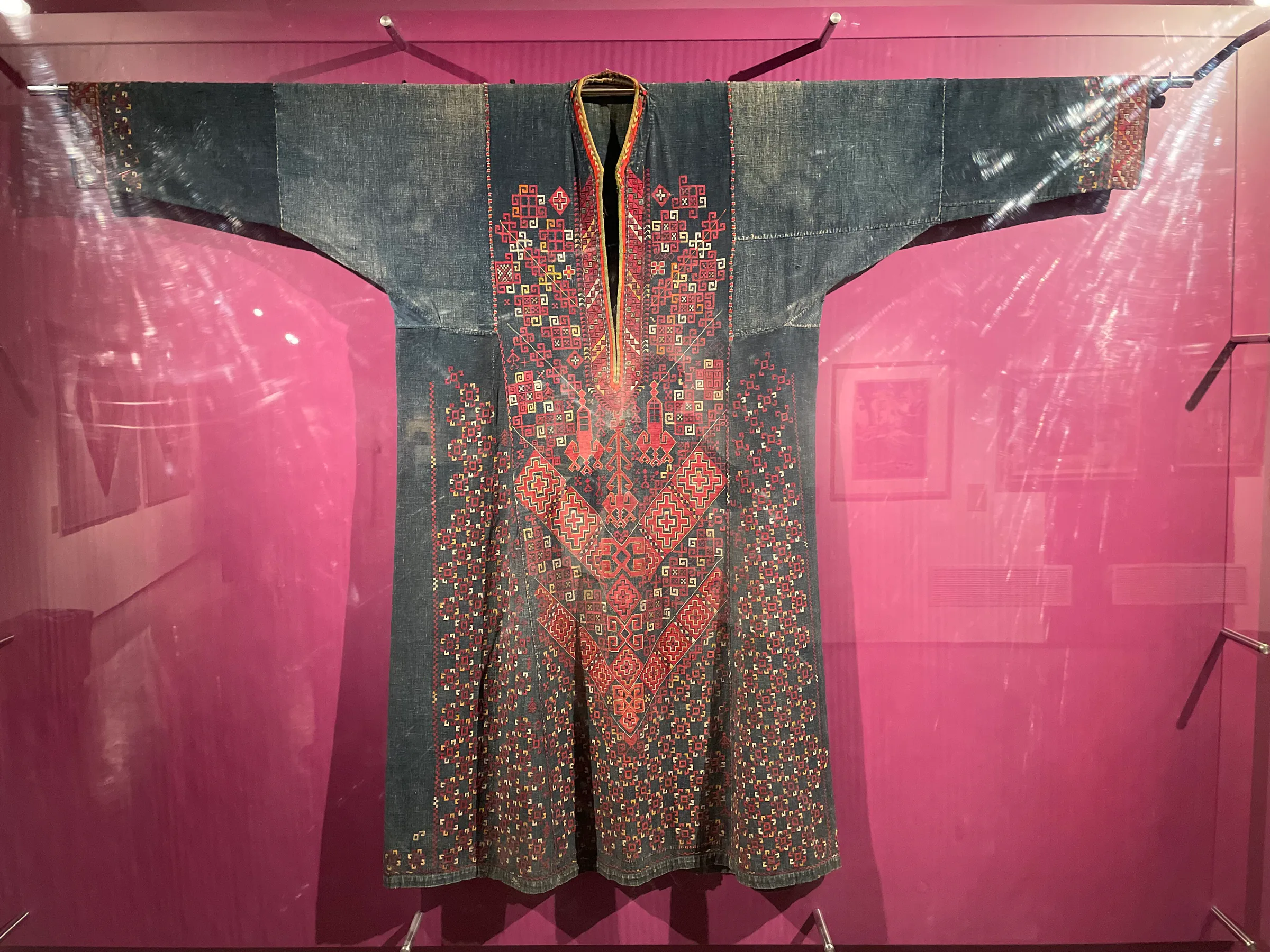
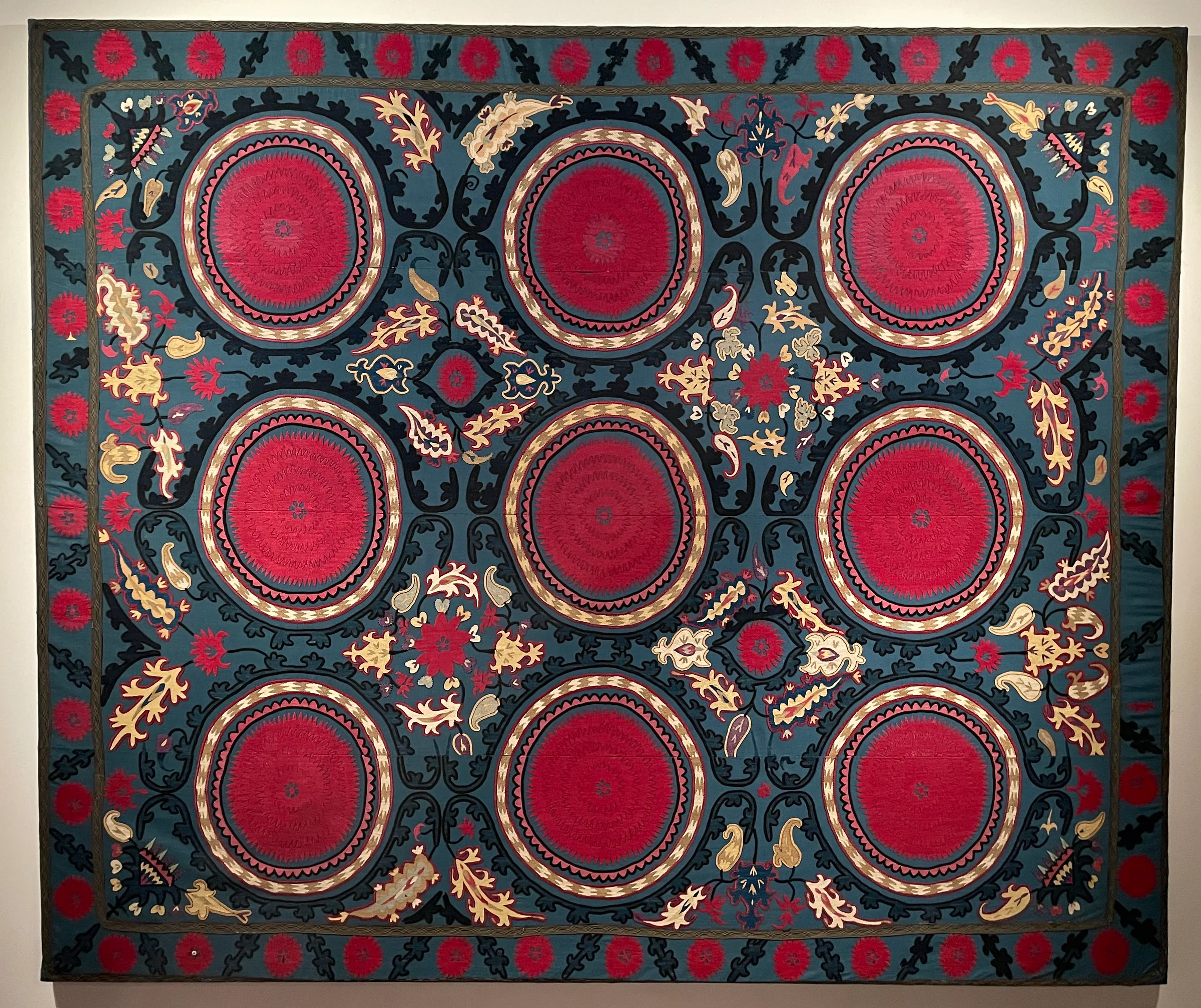
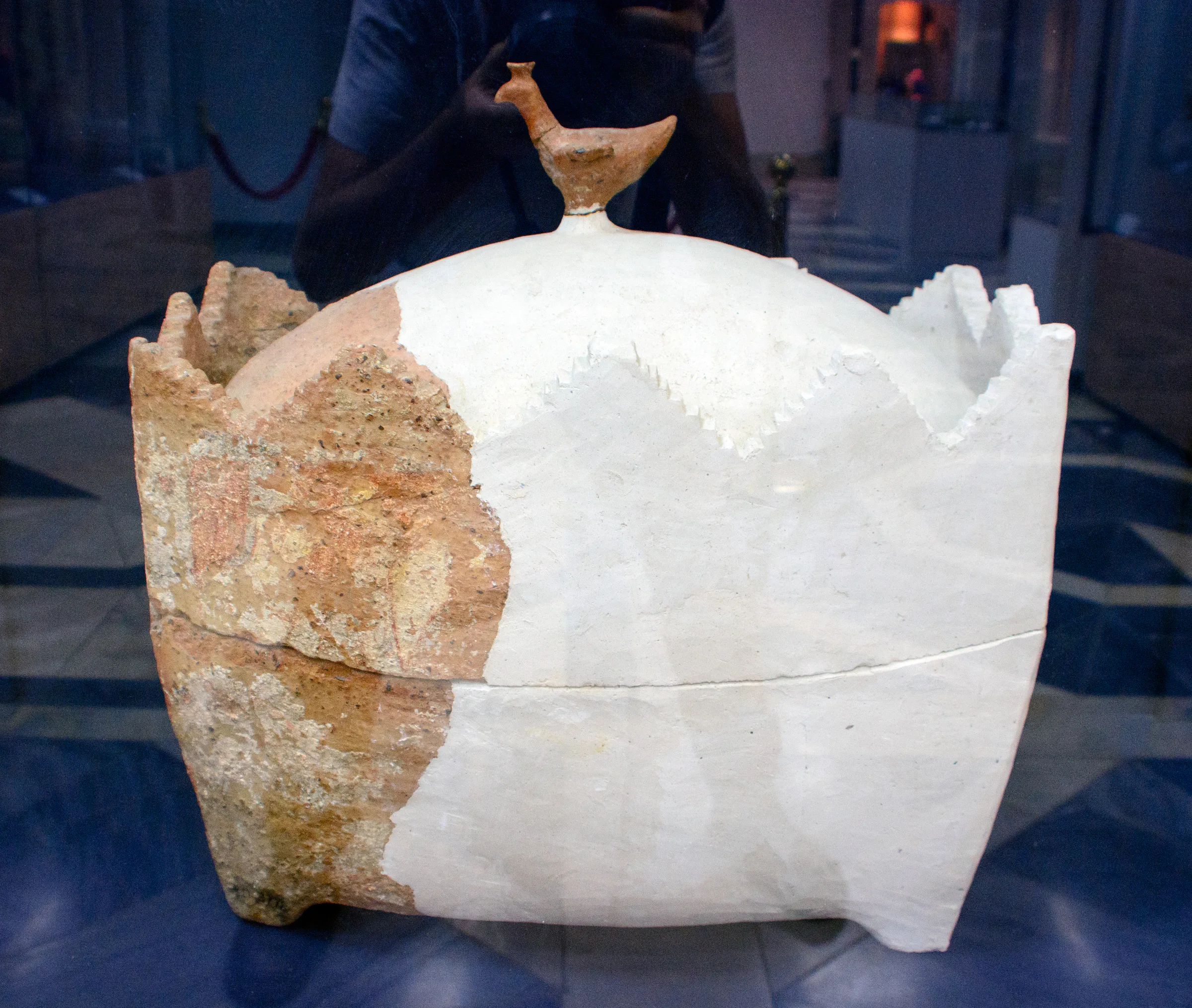
Altogether the museum holds more than 82,000 items. Besides the avant-garde, they span the material and artistic culture of ancient Khorezm from the 3rd century BCE, Karakalpak folk art — jewellery, embroidery, carpets, costume — and Karakalpakstan’s own school of painting. A new building opened in 2003, later joined by two more for exhibitions and a purpose-built archive.
Marinika Babanazarova, director from 1984 to 2015, took the collection to exhibitions in France, Germany, Russia and the United States. Its story is told in the documentary The Desert of Forbidden Art.
Museum · Nukus
The republic’s oldest museum
Archaeology · Ellikqala District
The palace city of ancient Khorezm’s kings
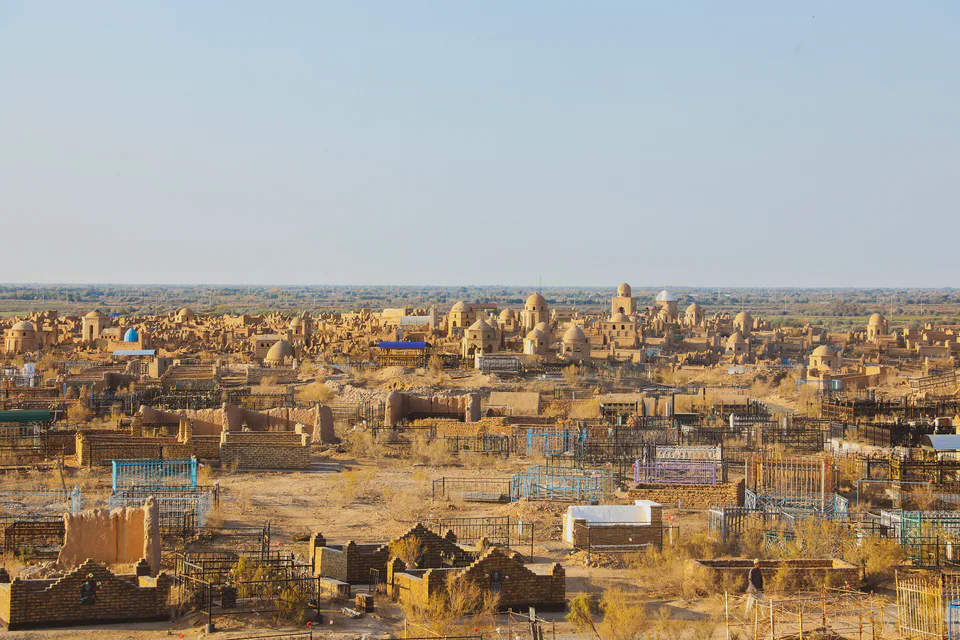
Archaeology · Khojeyli District
Adam’s grave and the holy hills of Khorezm
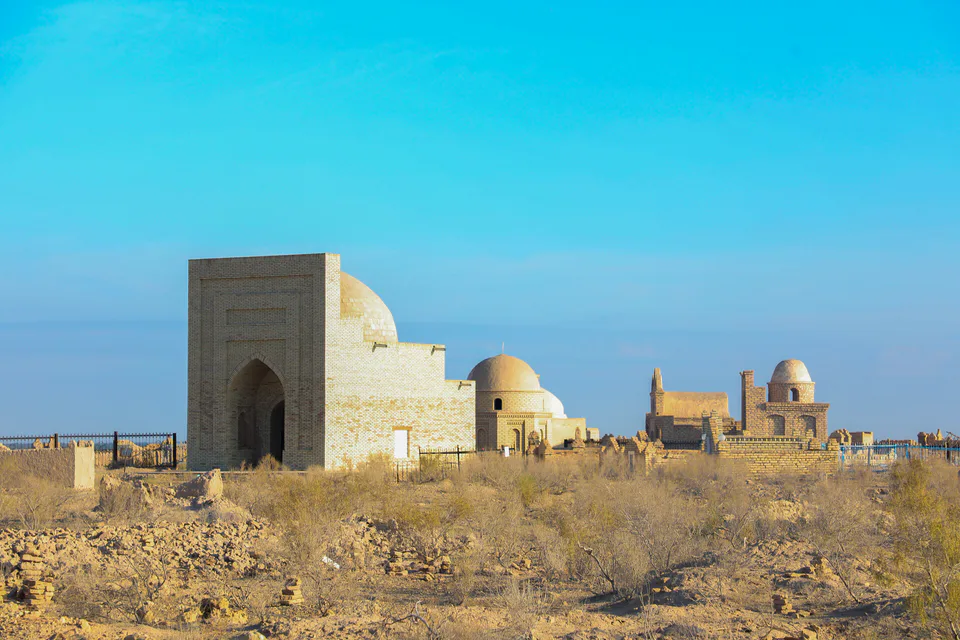
Mausoleum · Khojeyli District
An underground tiled tomb and a tale of love
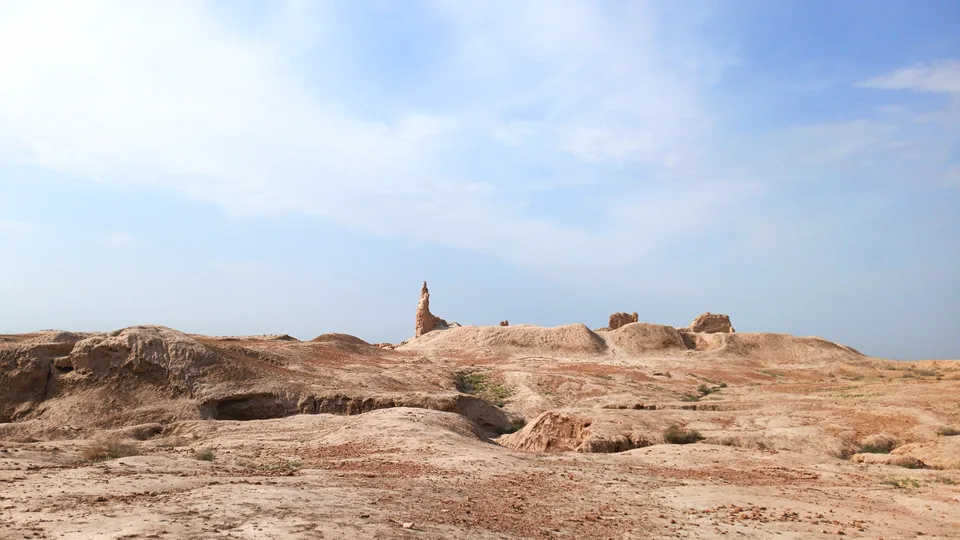
Archaeology · Khojeyli District
Mizdahkan’s oldest fortress