Craft · Karakalpakstan
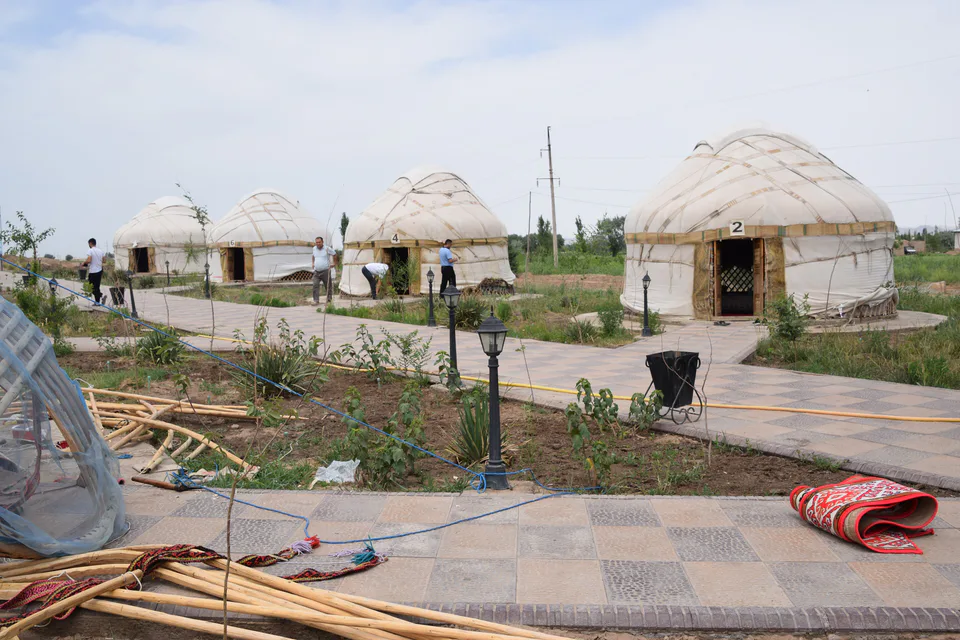
The Karakalpak yurt and felt
A portable home of wooden lattice and felt that goes up in a few hours: the skills of building Karakalpak yurts joined UNESCO’s list in 2025.
Craft · Karakalpakstan
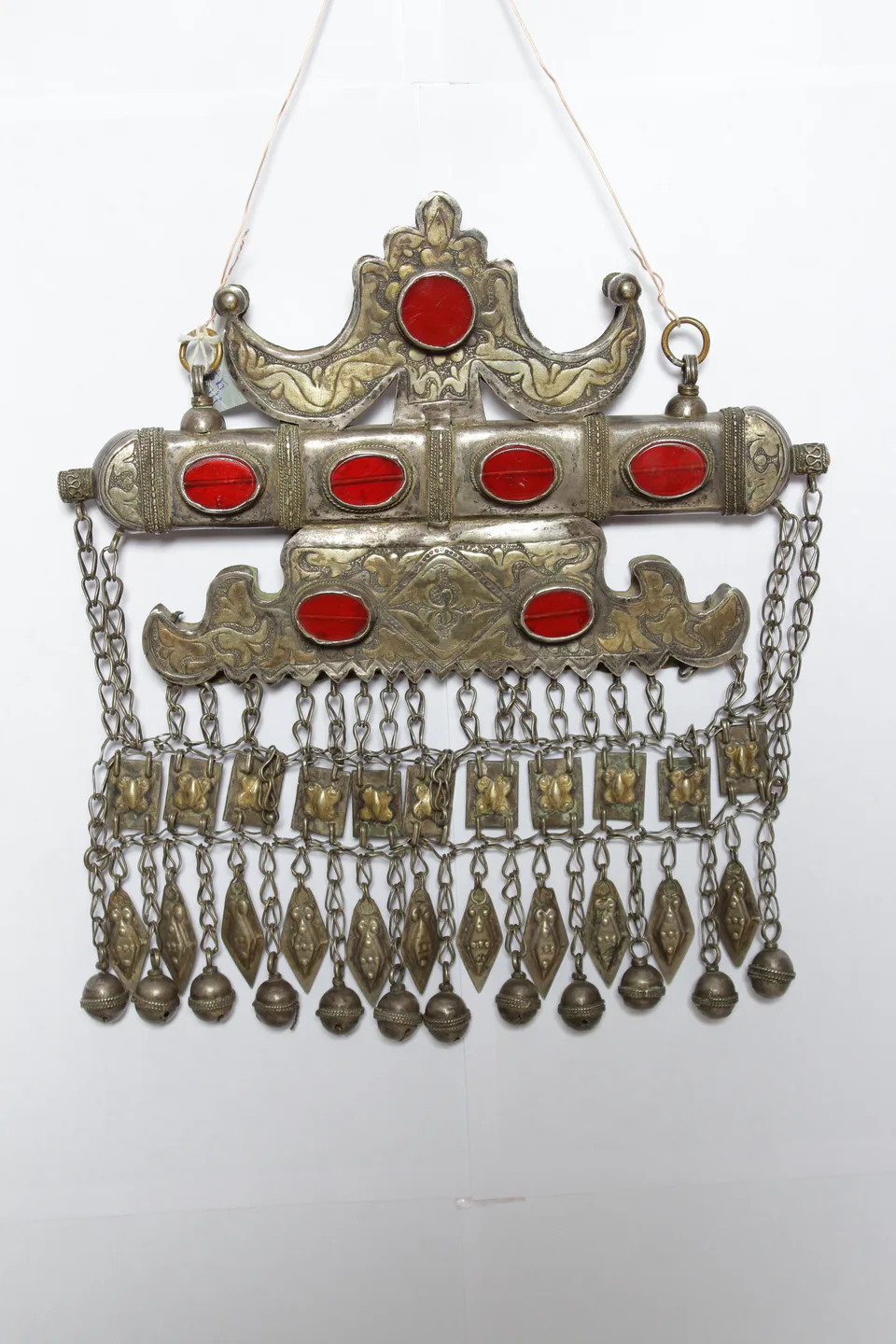
The heavy silver jewellery of Karakalpak women: the bride’s breast ornament, nose-ring, moon-shaped brooches and tumar amulets against the evil eye.
Silver jewellery was an essential part of a Karakalpak woman’s costume and was worn at every level of society. Wealthy families commissioned a full set from a zerger, or jeweller, while poorer ones made do with one or two simpler pieces — jewellery was believed to protect, and the tumar amulet in particular was thought to drive away the evil eye. Jewellery also signalled a woman’s standing, age and marital status.
In the 19th century the pinnacle of the jeweller’s craft was the bridal headdress, the sáwkele — the most exclusive and costly piece of all. A bride wore an árebek nose-ring, pendant earrings and a dramatic háykel breast ornament; families who could not afford it gave her an ayshıq instead, a silver moon-shaped brooch (ay means ‘moon’), often set with carnelian or coloured glass.
Karakalpak jewellery resembles that of the neighbouring Kazakh and Turkmen nomads more than that of the settled Khorezm Uzbeks. In the early 20th century factory goods and die-stamping displaced traditional chasing, and by the late 1930s many pieces had fallen out of use. The finest examples are now in Nukus, at the Savitsky State Museum of Arts of Karakalpakstan, which has galleries of Karakalpak folk art, and at the Regional Studies Museum.
Craft · Karakalpakstan
A portable home of wooden lattice and felt that goes up in a few hours: the skills of building Karakalpak yurts joined UNESCO’s list in 2025.
Craft · Fergana
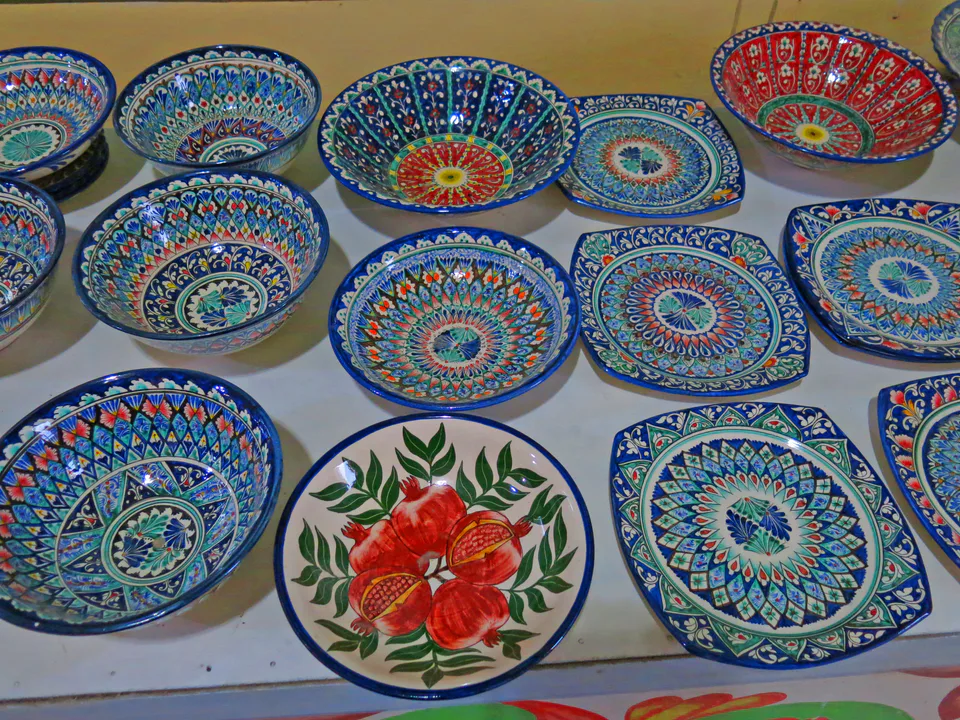
The blue and turquoise pottery of Rishtan in the Fergana Valley, famed for its ishkor glaze made from plant ash and its local red clay.
Craft · Bukhara
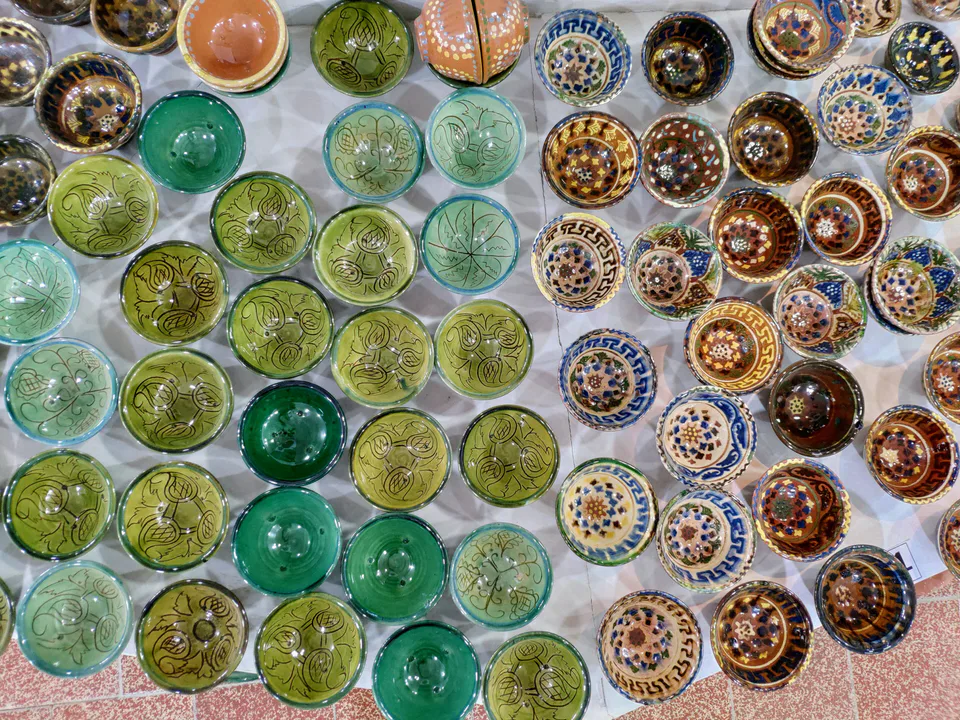
Pottery from Gijduvan near Bukhara, glazed in browns, yellows and greens — the best-known centre of the Bukhara–Samarkand school.
Craft · Fergana
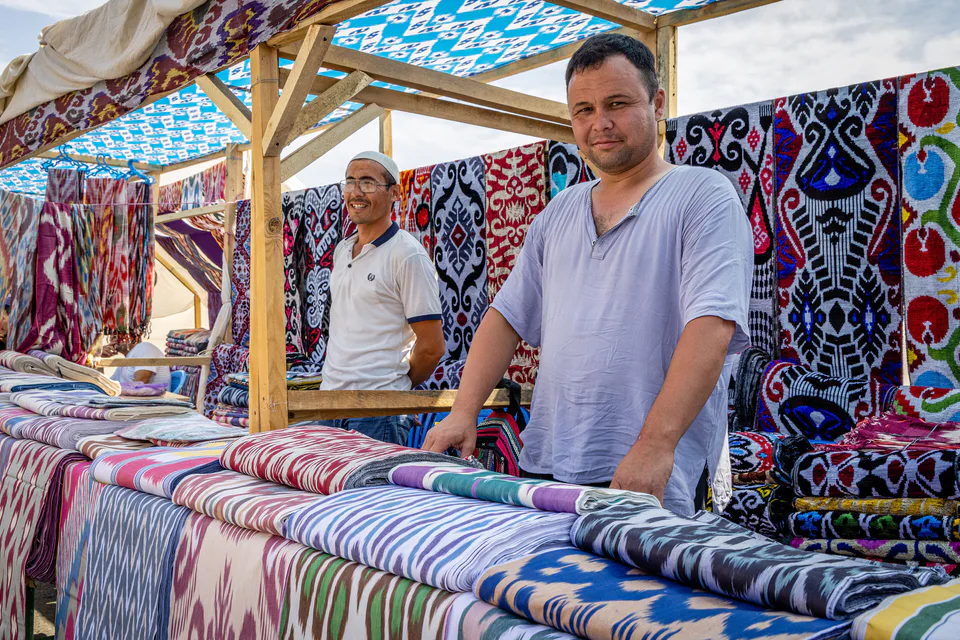
Margilan’s ikat silks: pure-silk atlas and half-silk adras. UNESCO recognises the town’s work to safeguard them as a model practice.
Craft · Bukhara
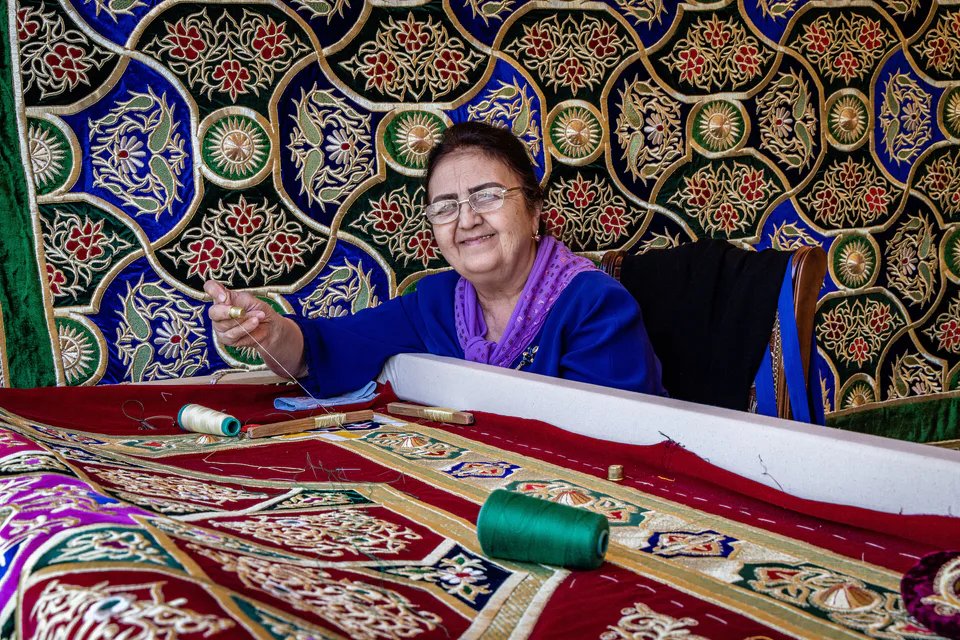
Embroidery in gold and silver thread on velvet and silk — the art of the Bukhara emirs’ court and still the city’s most precious craft.
Craft · Khorezm
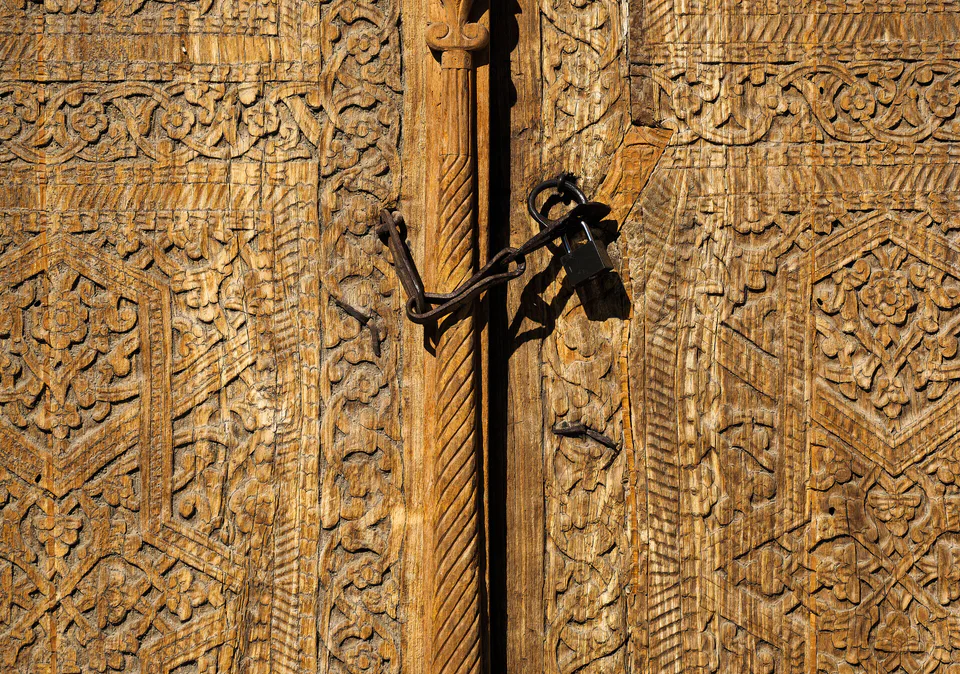
The carved doors and columns of Itchan Kala: Khiva’s carvers never paint the wood, finishing it only with natural oil; the Juma Mosque alone has more than 200 columns.
Craft · Namangan
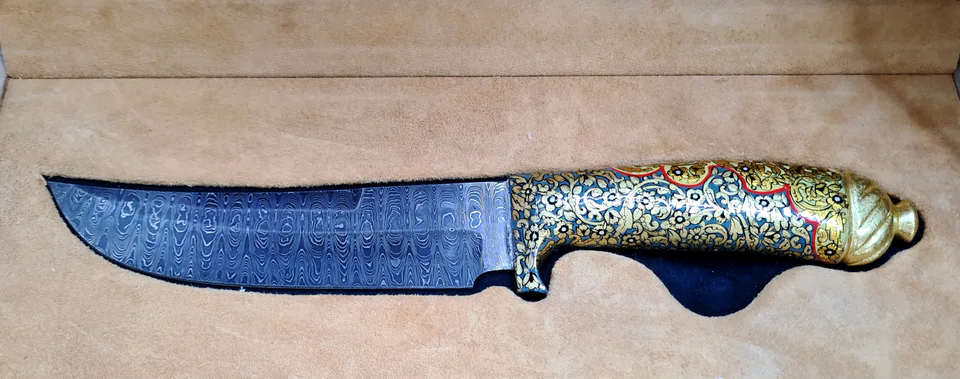
Hand-forged knives from Chust in Namangan Region: a blade with a slightly upturned tip, the maker’s stamped ‘signature’ and a decorated sheath.
Craft · Namangan
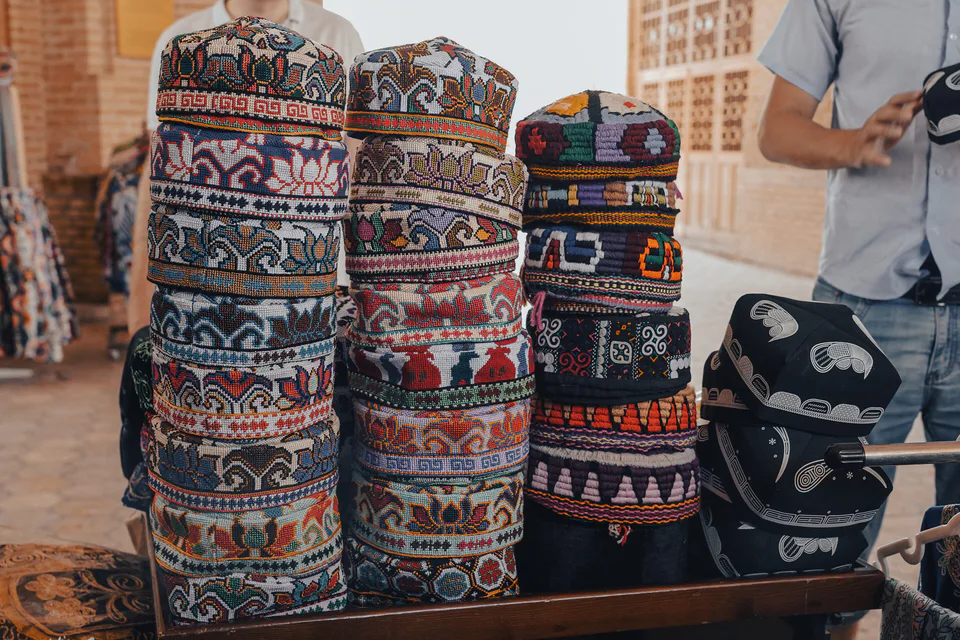
The four-sided Chust skullcap, with white pepper-pod motifs on dark green, is the best-known emblem of Uzbek dress — and every oasis has its own doppi.
Craft · Samarkand
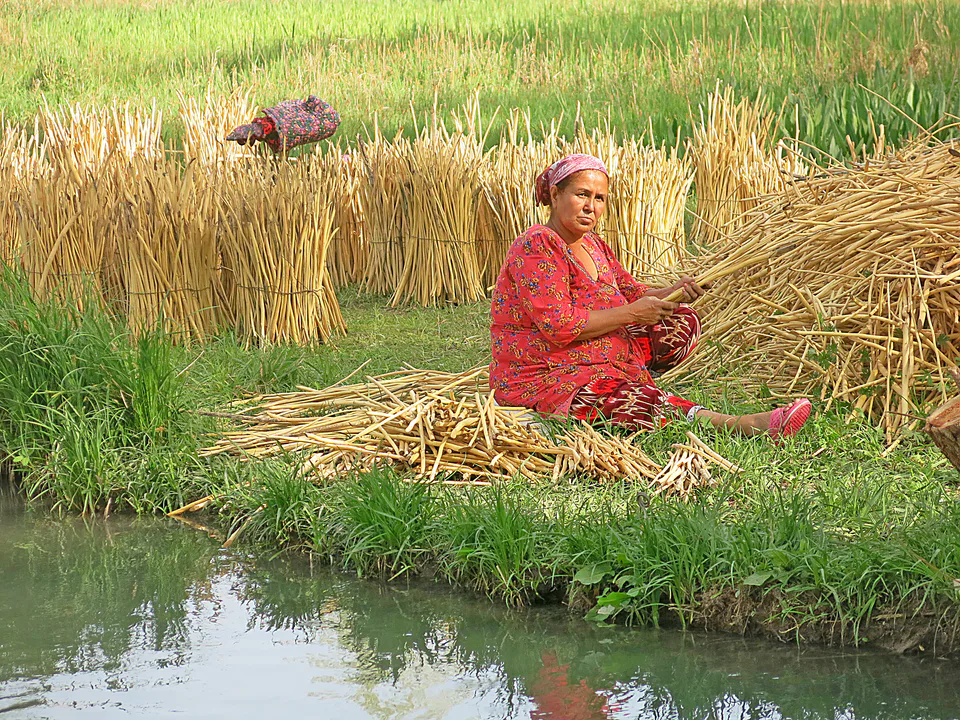
Paper made from mulberry bark — the finest writing material of the 9th–10th-century Islamic world, revived at Konigil at the end of the 20th century.
Craft · Bukhara
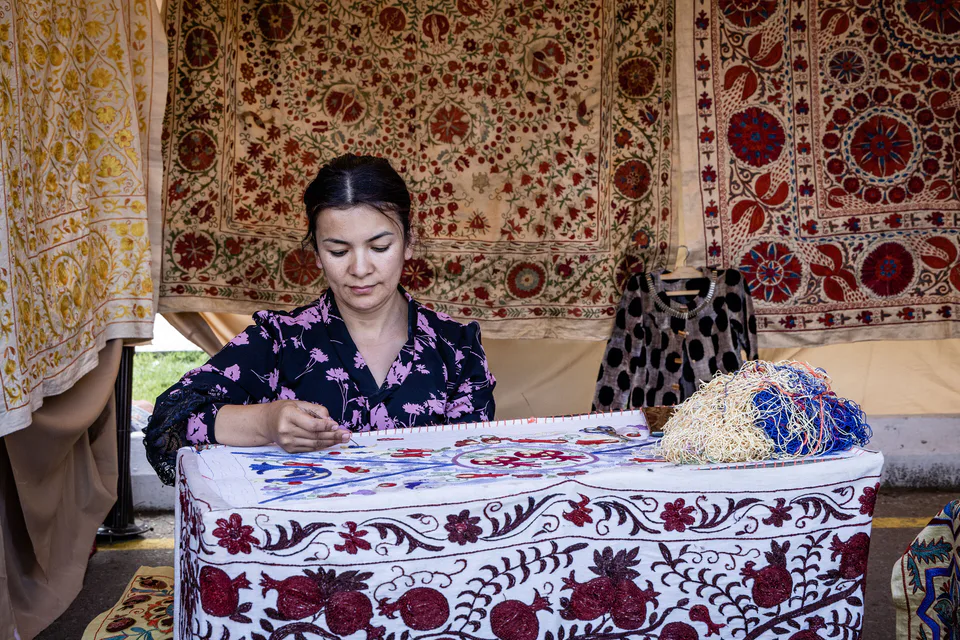
Large hand-embroidered hangings called suzani; the Bukhara school is known for fine designs covering almost the whole cloth in reds and greens on a pale ground.