Archaeology · Khojeyli District
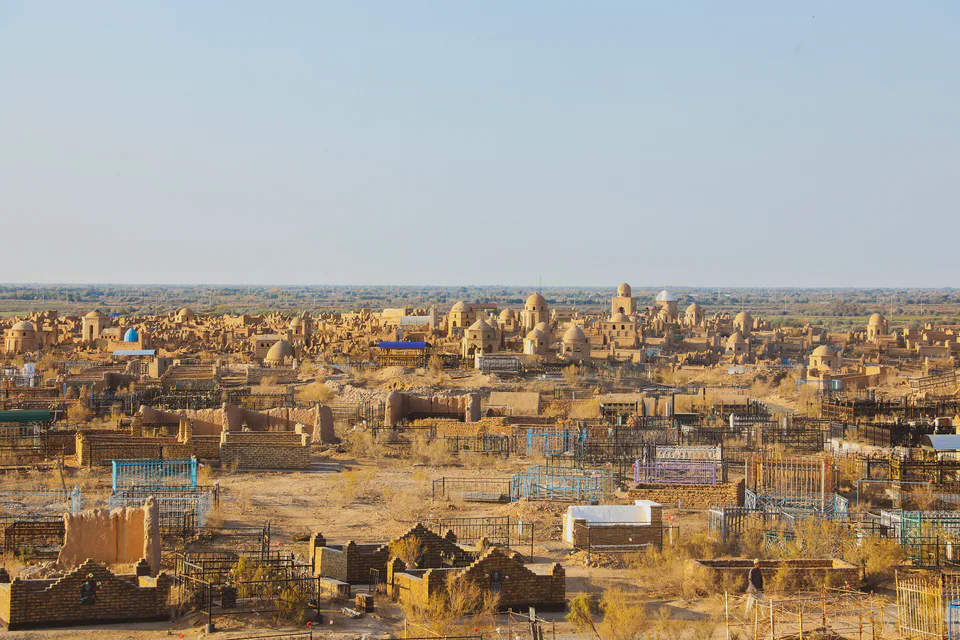
Mizdahkan
Adam’s grave and the holy hills of Khorezm
Archaeology · Khojeyli District
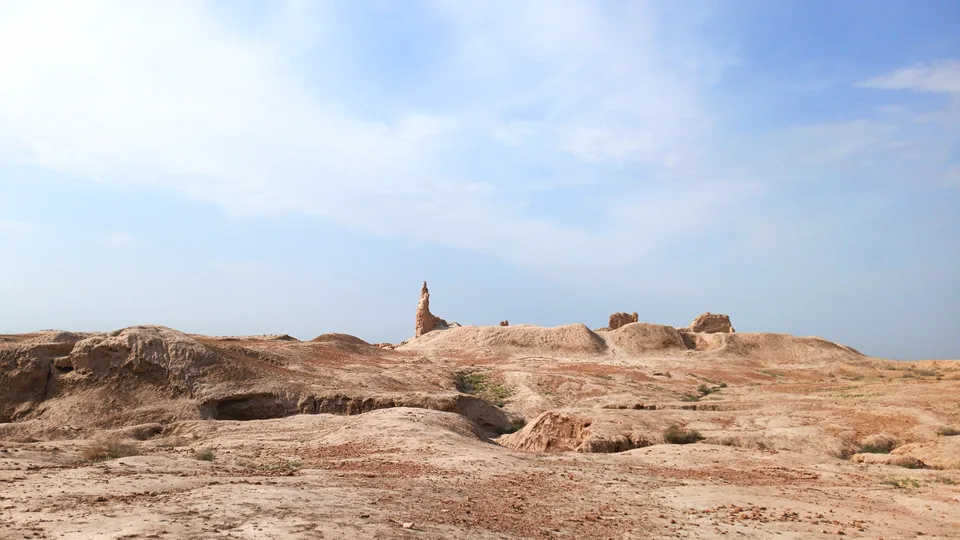
Ruins of an ancient fortress at the southern end of the Mizdahkan complex: massive rammed-earth walls, traces of a citadel, a fire temple and a palace. Its earliest layers are ancient; the Mongols destroyed it in 1221.
The name Gyaur (Gabr) Kala comes from the Arabic kafir or Persian gabr, words used for non-Muslims and especially fire-worshippers, and probably dates from the Arab conquest of Transoxiana in the 7th–8th centuries. The earliest structures are dated to the 4th century BCE. The town grew considerably in the 9th–11th centuries, when a fortified citadel was built, and it was destroyed during the Mongol campaign against the Khorezmshahs in 1221, lying in ruins ever since.
Stretches of thick rammed-earth wall and the outline of the interior buildings remain, and excavations identified the ruins of a fire temple and a palace inside. Soviet archaeologists studied the site; today access is unrestricted.
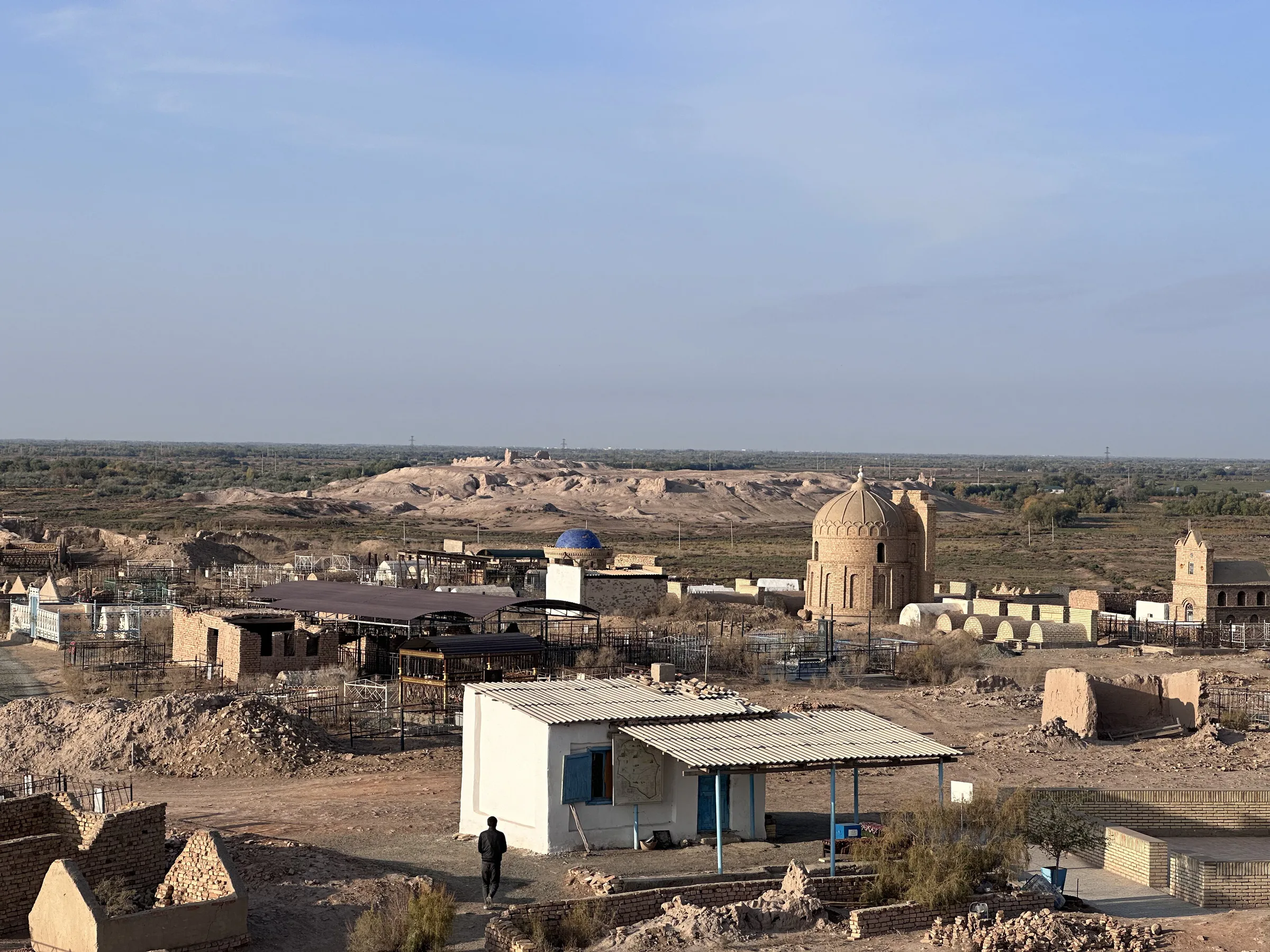
From the fortress mound there are good views over the neighbouring necropolis, the Mazlumkhan Sulu mausoleum and the fields around Khojeyli. Seen together with the Mizdahkan necropolis, it shows how Zoroastrian and Islamic traditions succeeded each other here over the millennia.
Archaeology · Khojeyli District
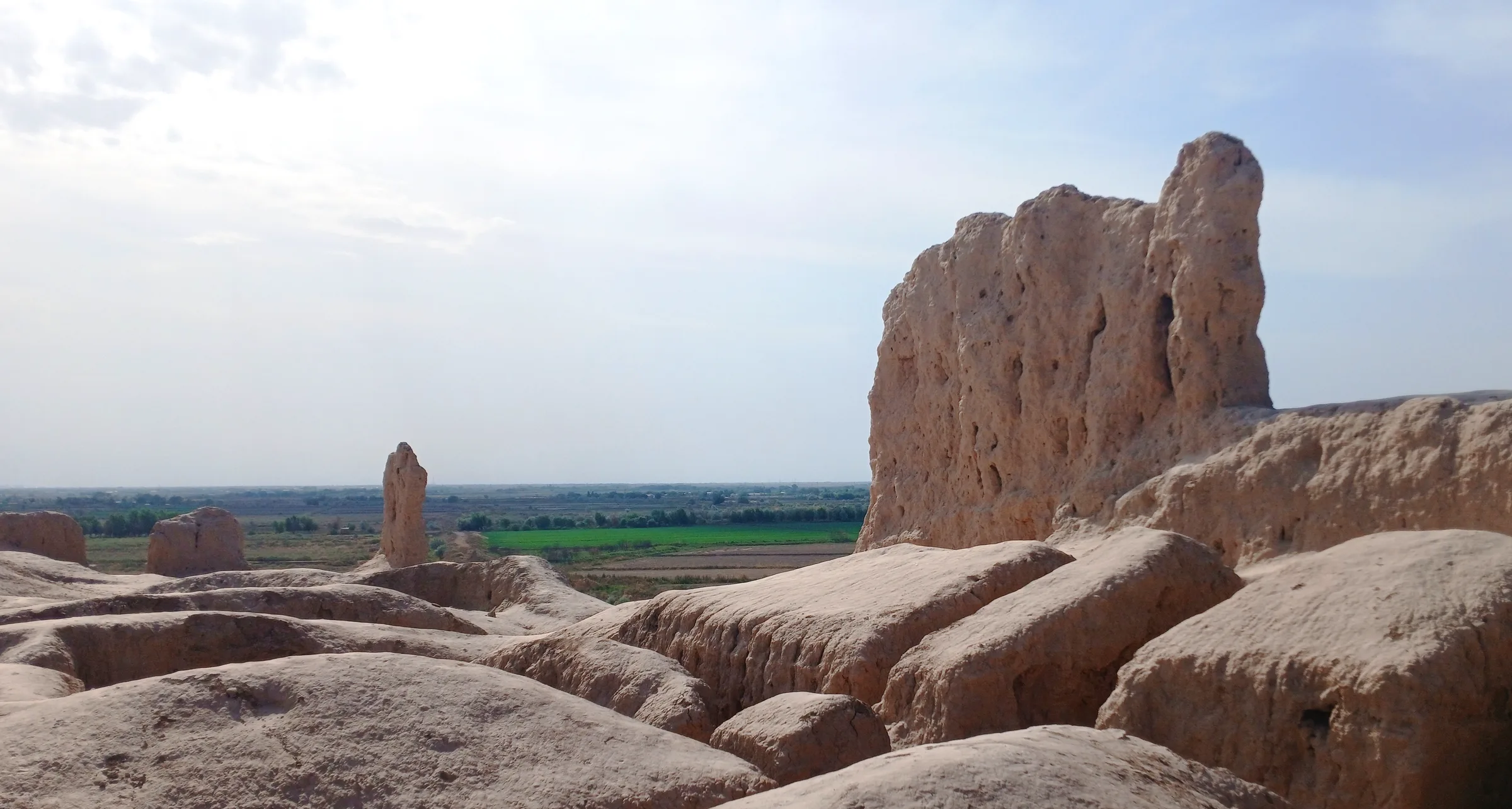
Adam’s grave and the holy hills of Khorezm
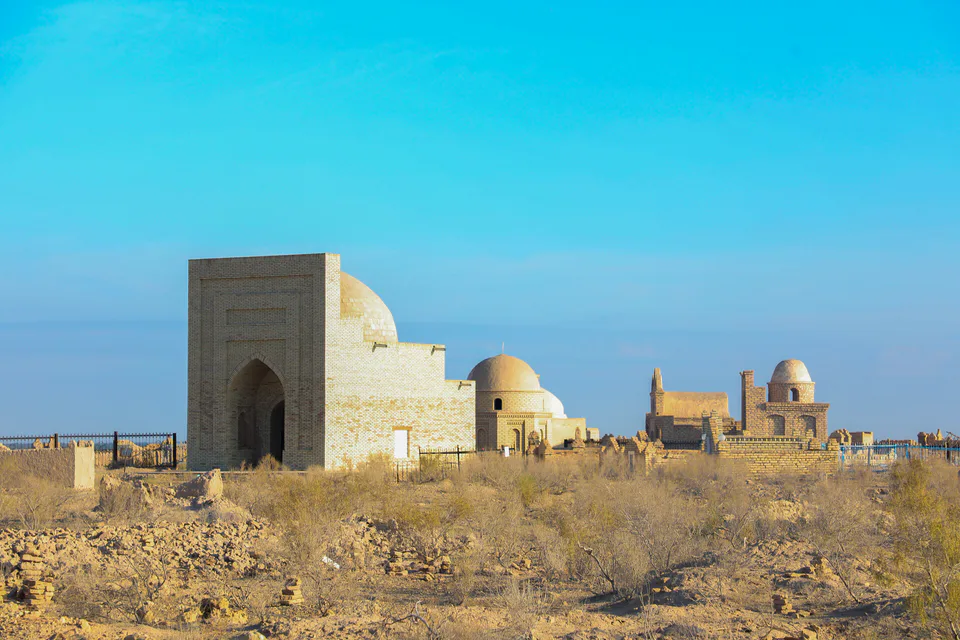
Mausoleum · Khojeyli District
An underground tiled tomb and a tale of love
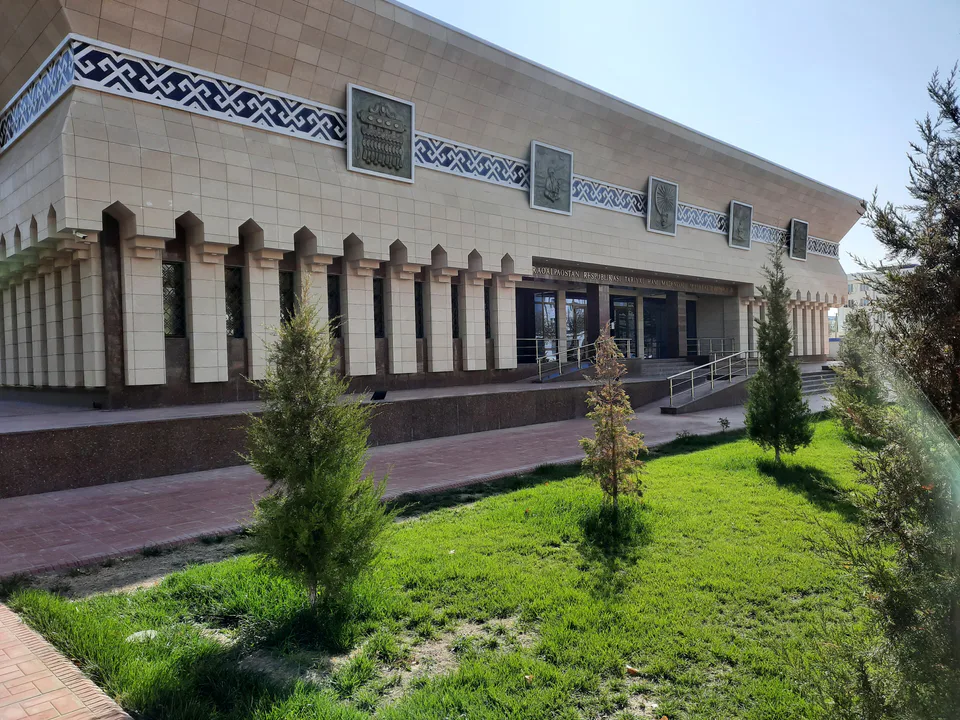
Museum · Nukus
The republic’s oldest museum
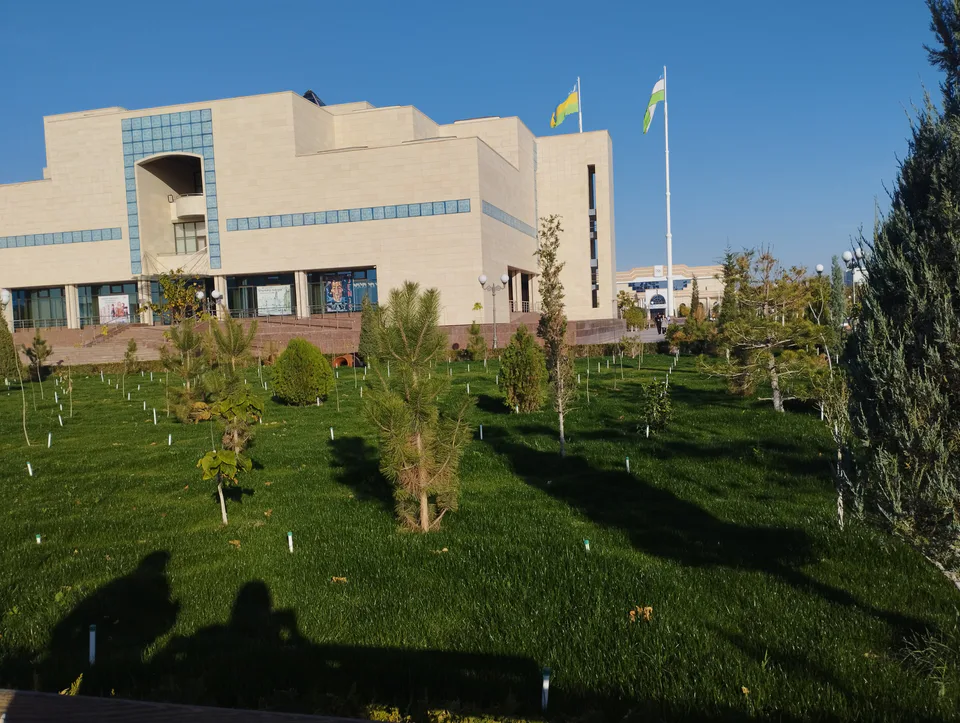
Museum · Nukus
Forbidden art saved in the middle of the desert