Ensemble · Kokand
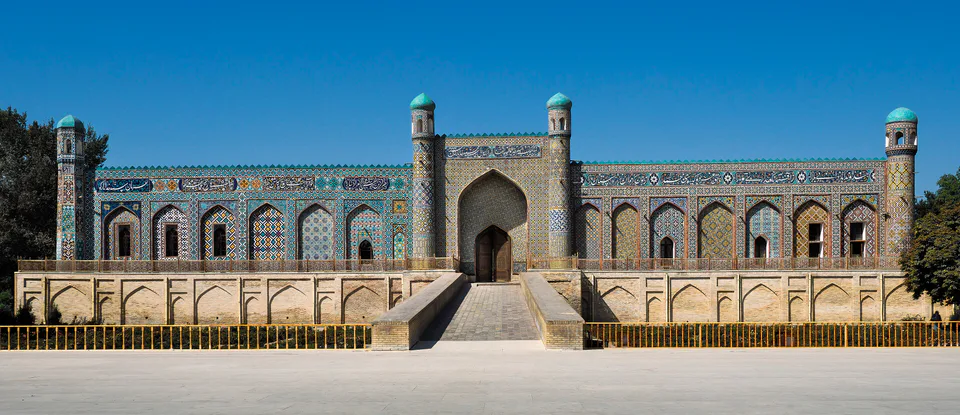
Palace of Khudayar Khan
The last palace of the khans of Kokand
Archaeology · Kokand
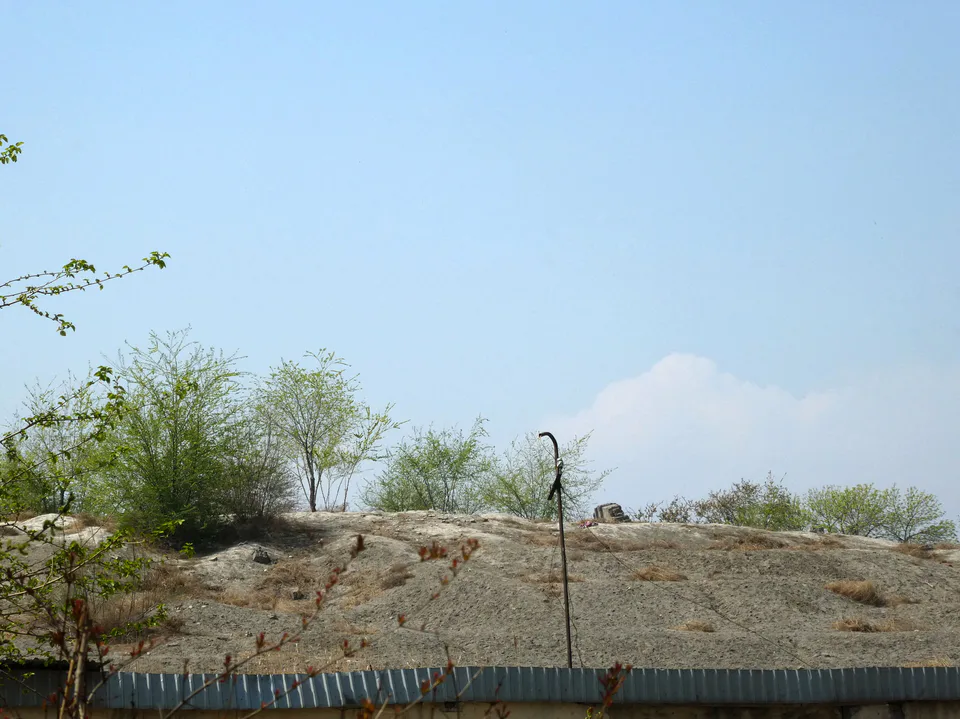
An archaeological mound in the city centre whose layers have yielded pottery of the 2nd–1st centuries BC and the base of an early medieval castle.
Tepakurgan is an archaeological site in central Kokand and a branch of the Kokand State Museum-Reserve. Excavations found an early medieval platform that once carried a monumental castle with semicircular towers, while the lowest layers produced wheel-made pottery with red slip dating from the 2nd–1st centuries BC. Together with the Muyi Muborak mound, Tepakurgan shows that Kokand's story began long before it became a khans' capital; the heritage register dates the monument to the 17th century. Archaeologists believe part of today's city was under irrigated farming by the 7th century BC at the latest, and that a town arose here no later than the second half of the 2nd century BC as the centre of the Sokh oasis.
Ensemble · Kokand
The last palace of the khans of Kokand
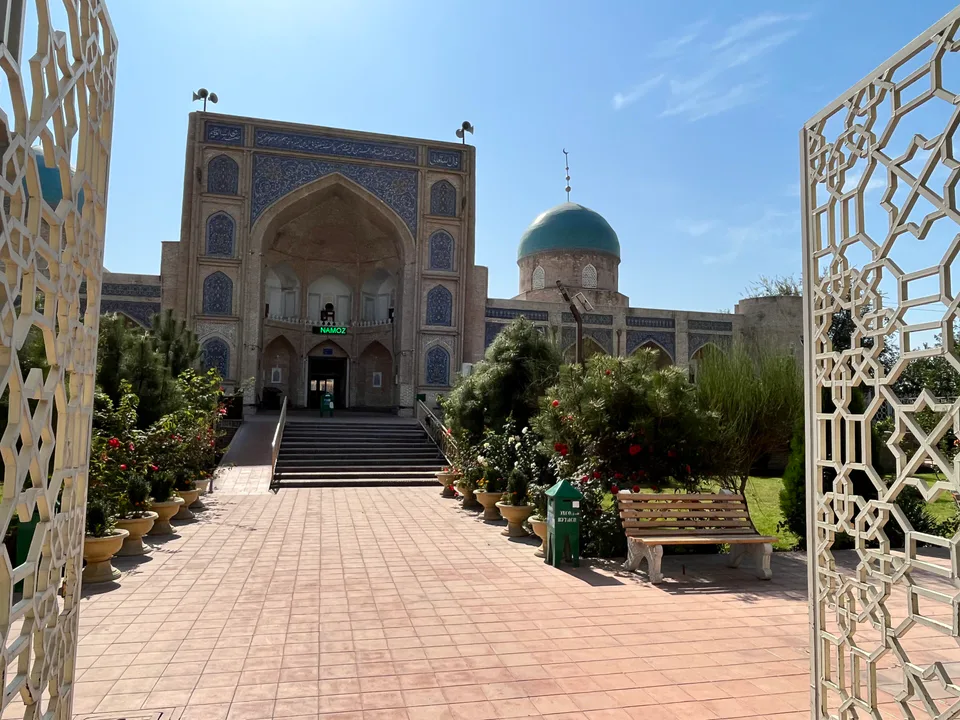
Madrasa · Kokand
Kokand's oldest surviving building
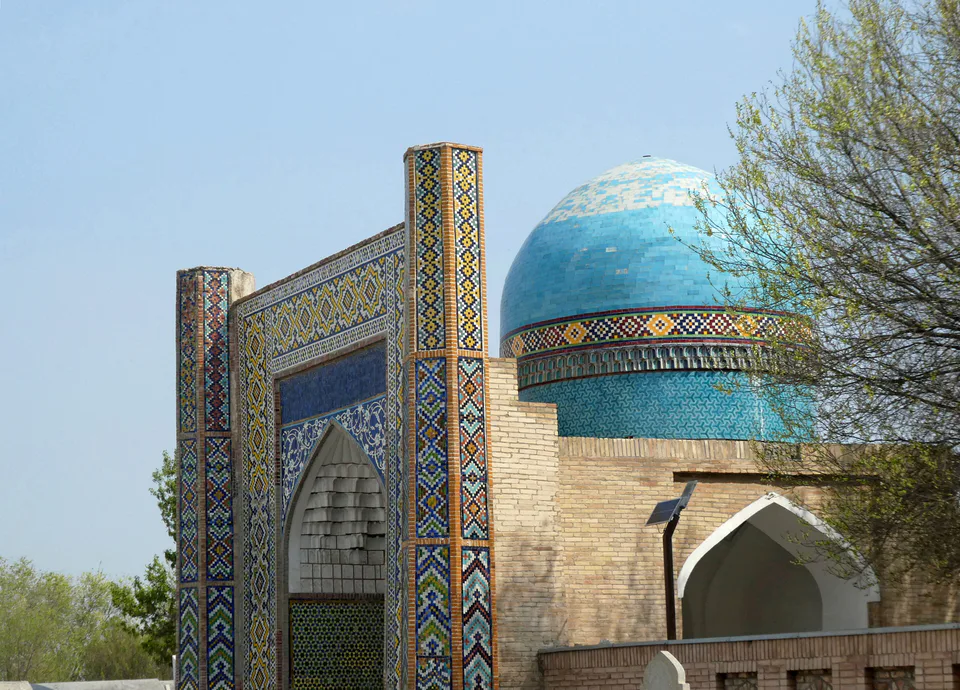
Mausoleum · Kokand
A tomb built for the khan's mother
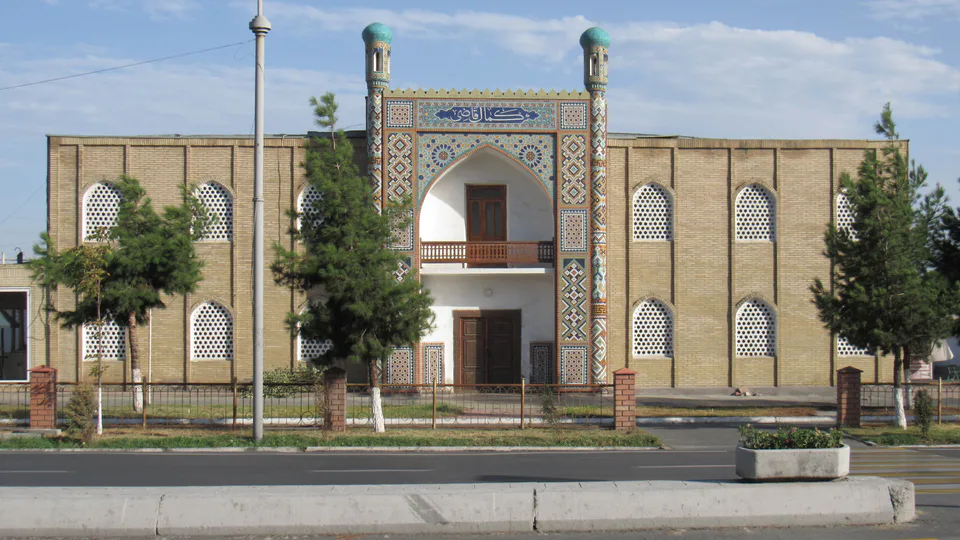
Madrasa · Kokand
A compact madrasa built by Judge Kamol
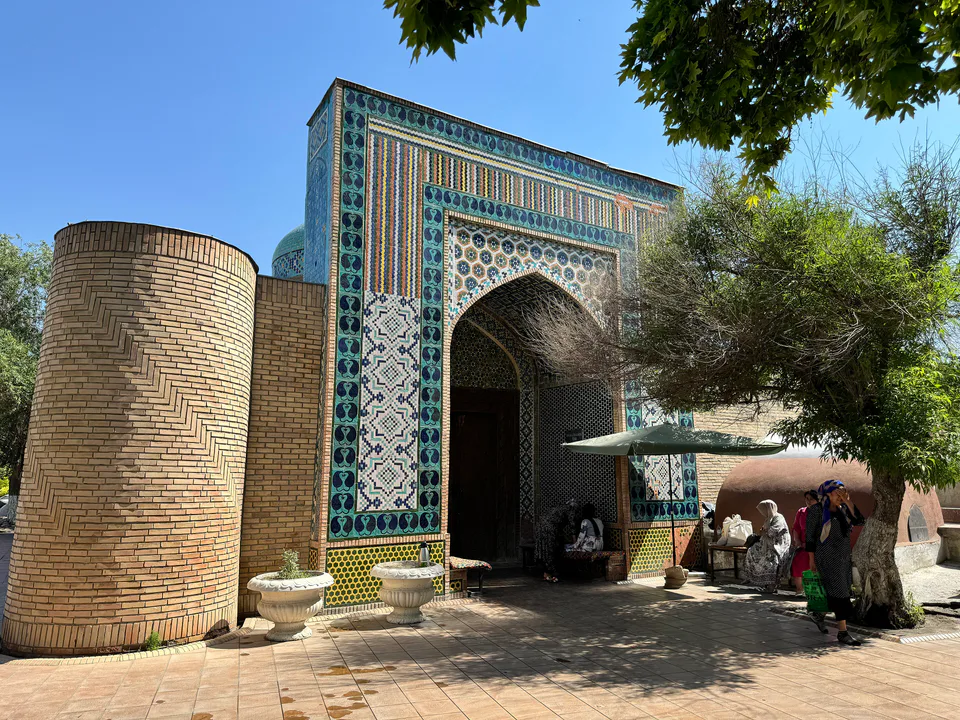
Mausoleum · Kokand
Burial place of the khans of Kokand
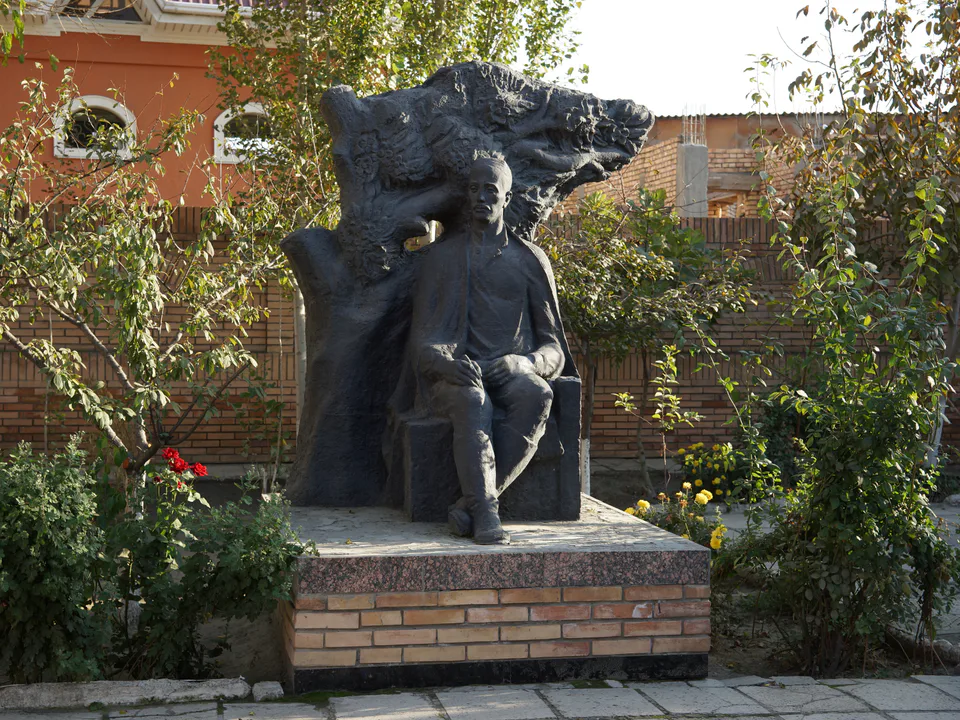
Museum · Kokand
In memory of the poet and playwright Hamza
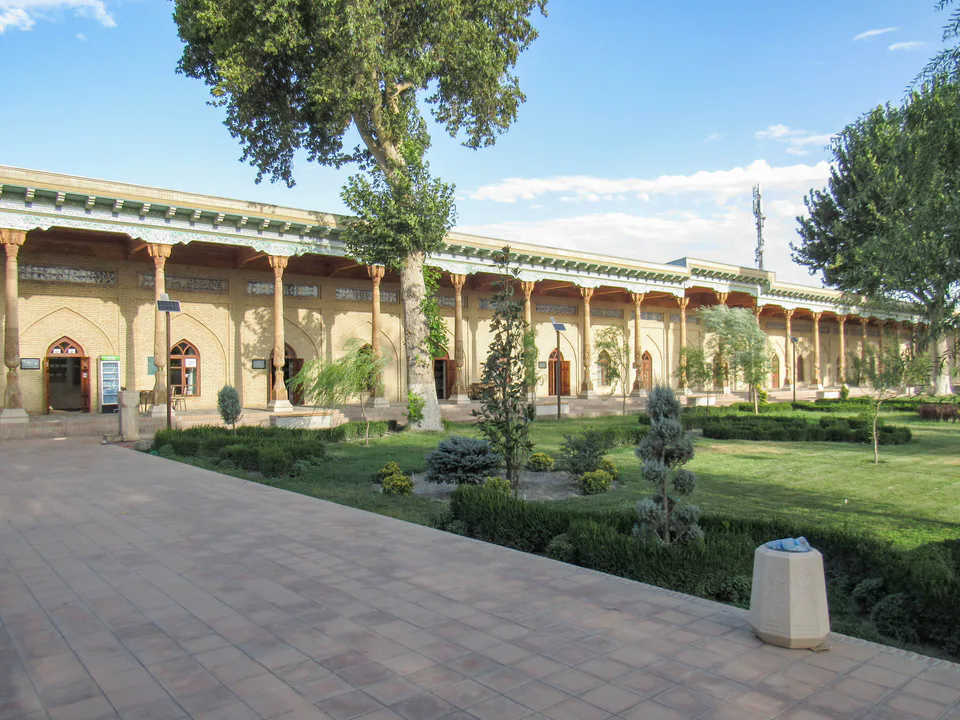
Mosque · Kokand
A 98-column iwan and the Chorsu minaret
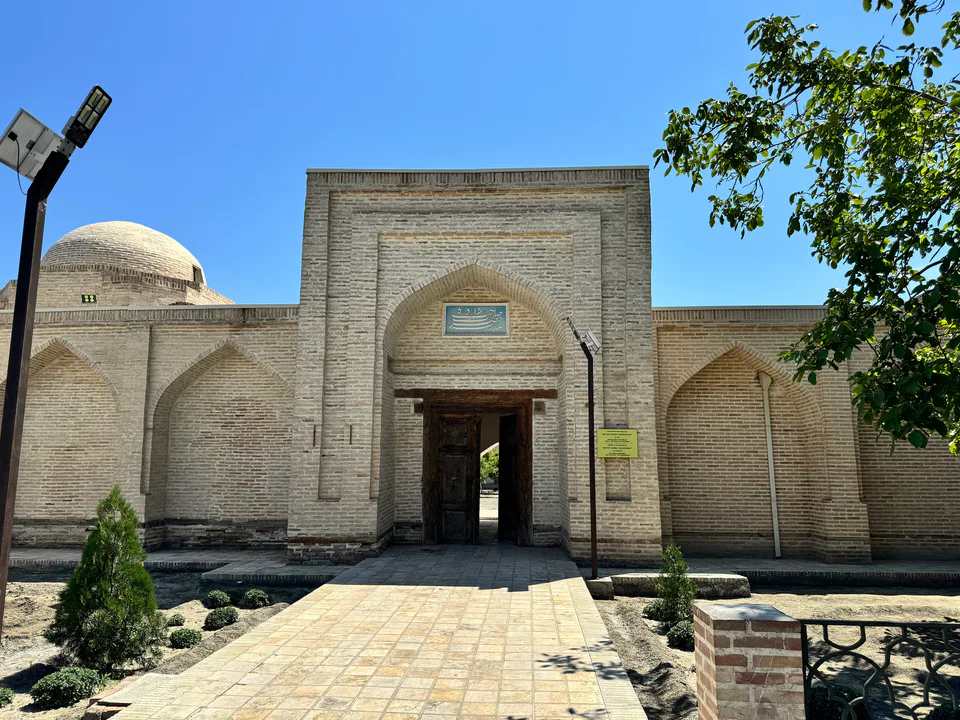
Madrasa · Kokand
The cell where the poet Mukimi lived
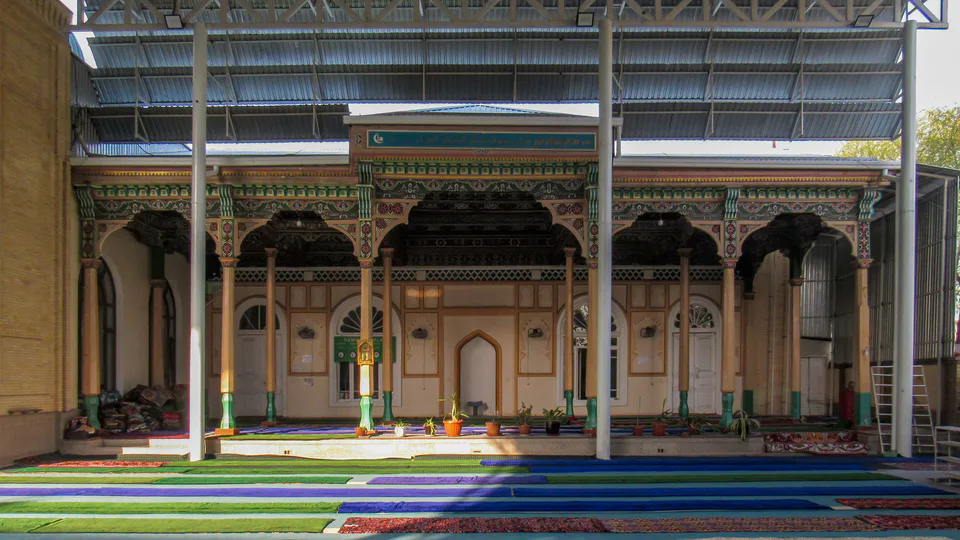
Mosque · Kokand
Kokand's brick neighbourhood mosque