Mosque · Kokand
Kokand Jami Mosque
A 98-column iwan and the Chorsu minaret
Mosque · Kokand
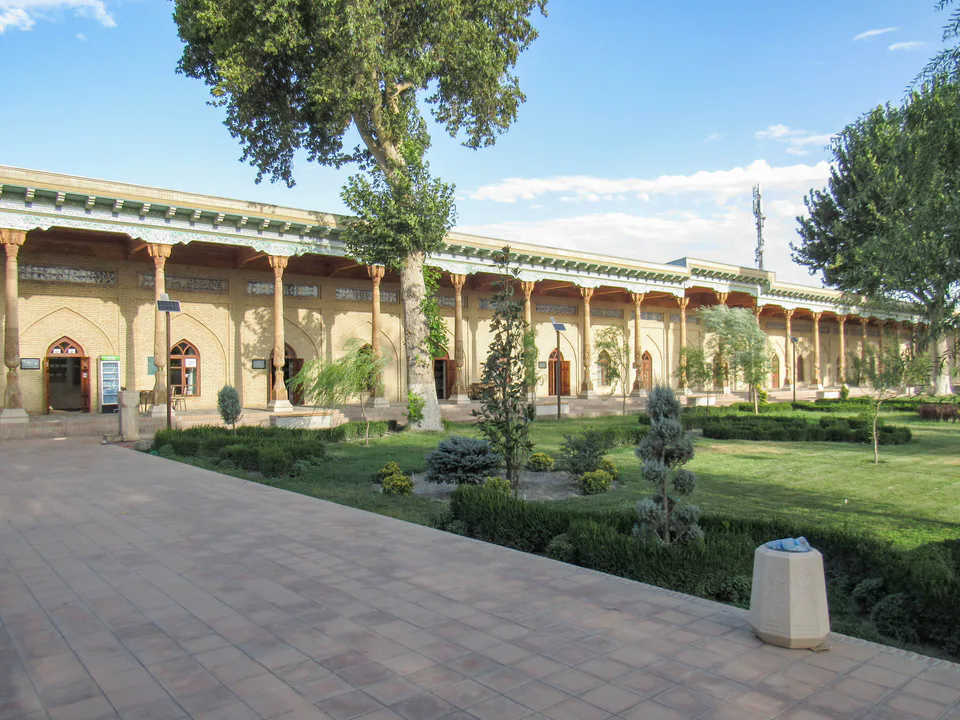
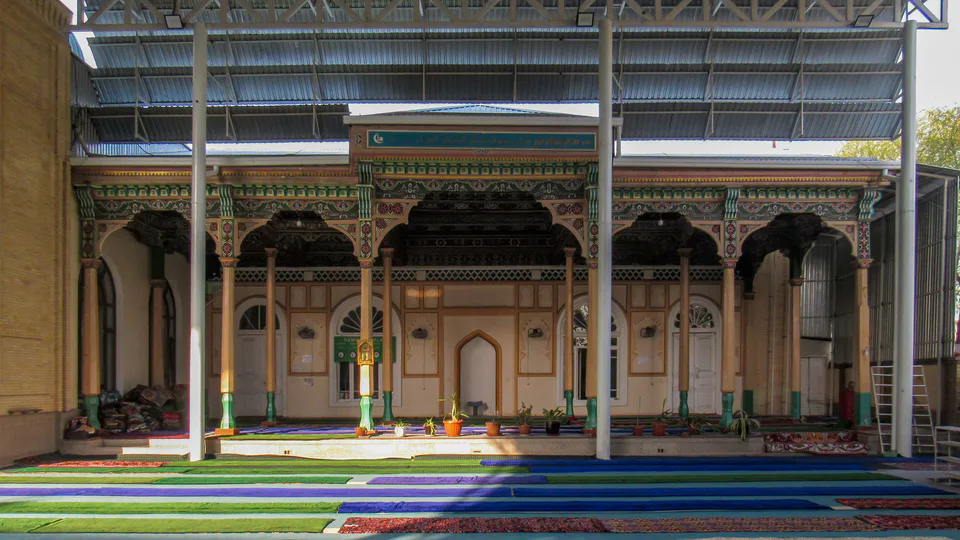
An early-20th-century guzar mosque built of fired brick by local craftsmen, with a three-part gatehouse crowned by four small domes and mosaic tilework.
The Gishtli ('brick') Mosque is one of the youngest of Kokand's historic mosques. Local builders raised it in the early 20th century — in 1913, according to Wikidata — for their own neighbourhood, or guzar, using fired brick, which gave it its name. By then Kokand was part of the Russian Empire and divided into a new and an old town, and the mosque shows how traditional neighbourhood life carried on in the old quarter. It is now protected as a cultural heritage site of national importance.
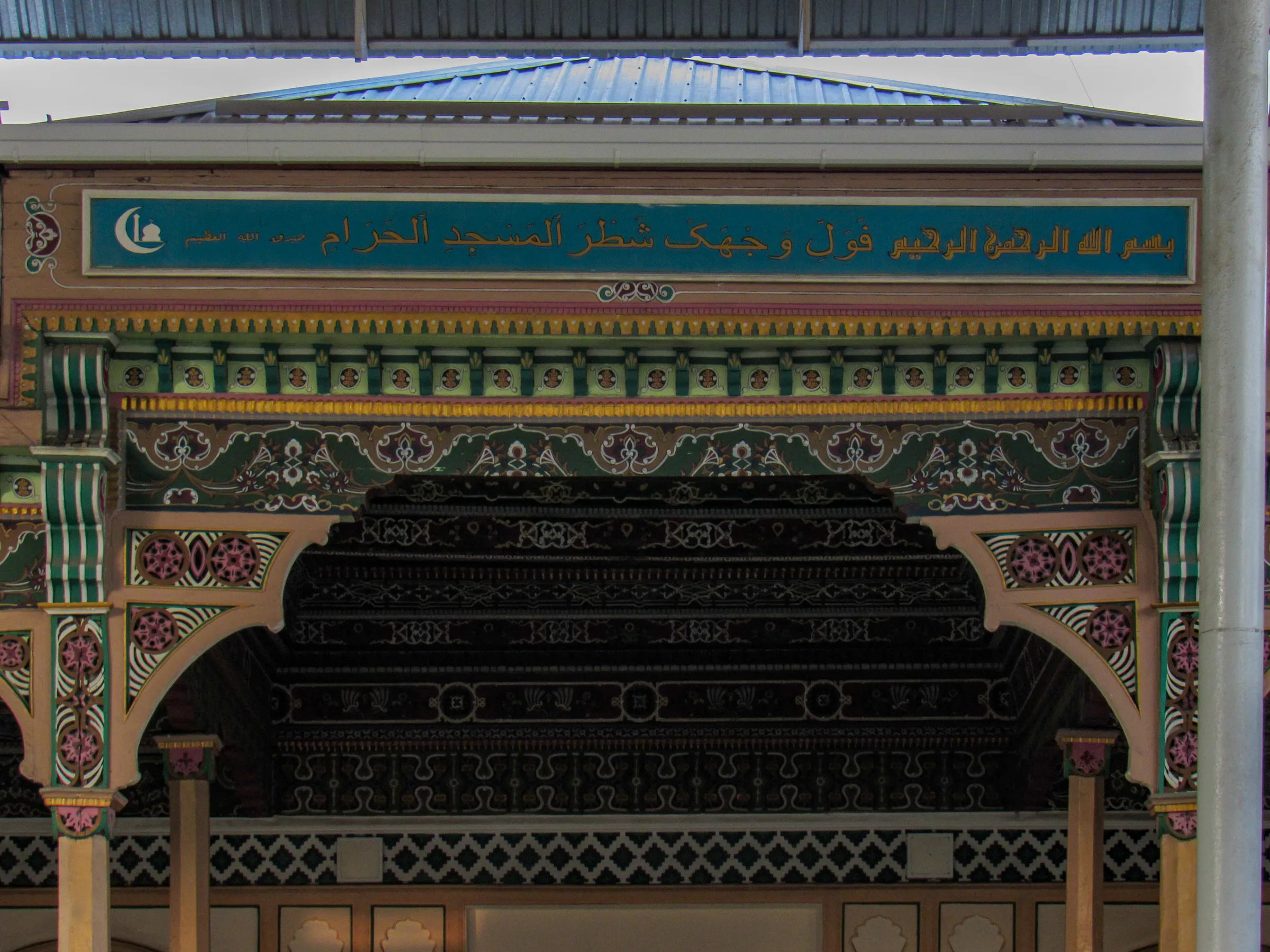
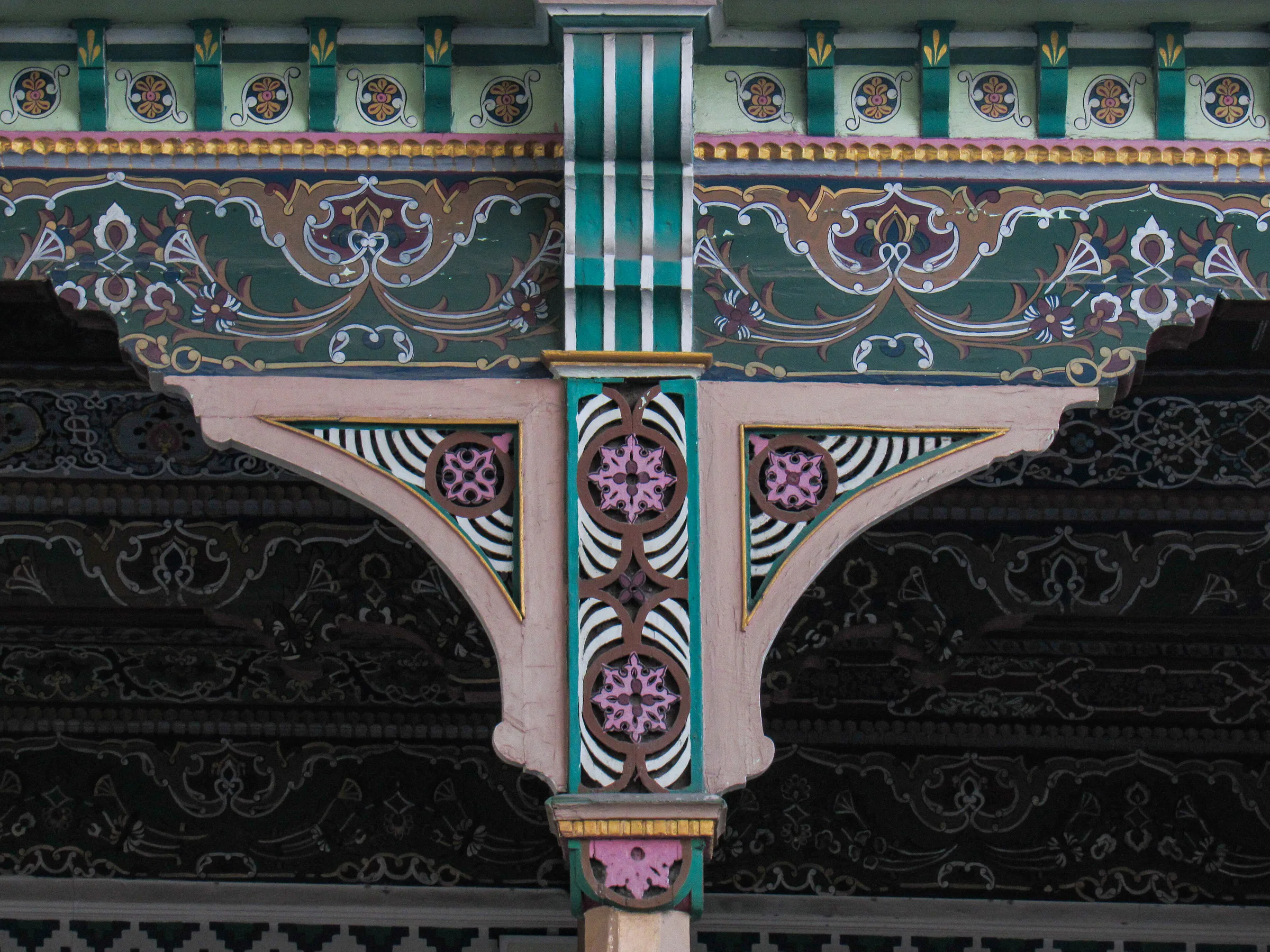
The building is symmetrical: an east-facing iwan and a winter hall of equal area, 7.8 by 18.4 metres. The entrance gatehouse forms a single ensemble with the rest in both design and ornament. It has three parts — three pointed entrance arches, a raised rectangular centre and four hexagonal domed lanterns that crown the composition — and is decorated with mosaic tiles. The roofing of the summer prayer space and the ornament of the portal make it a distinctive example of 20th-century Fergana architecture.
While the mosque was going up, Kokand's new town was acquiring European-style buildings such as the Russo-Asian Bank and the Potelyakhov and Vadyayev houses. Old-town craftsmen meanwhile carried on the traditional style in neighbourhood mosques — which is why Kokand preserves two architectural worlds side by side.
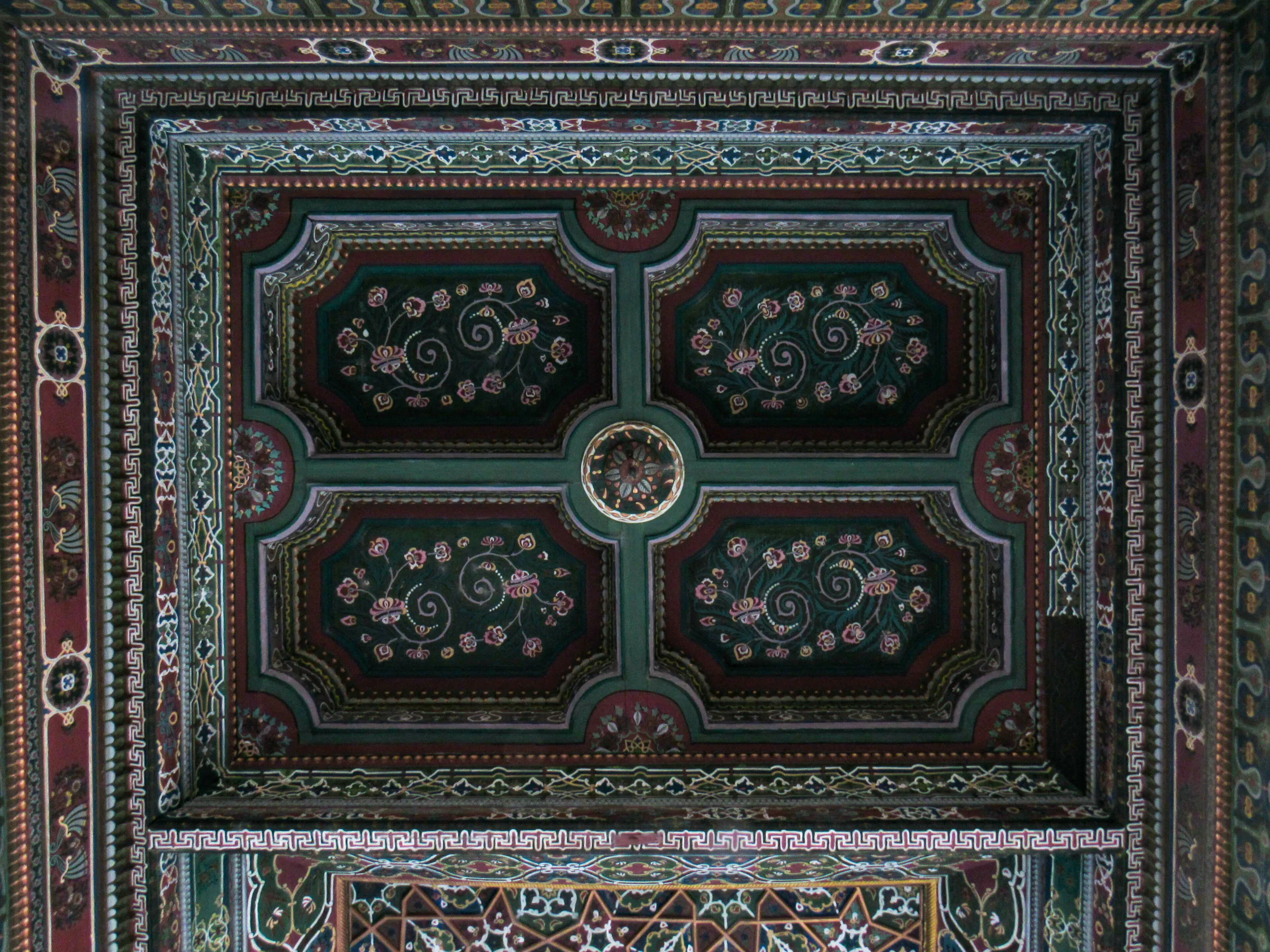
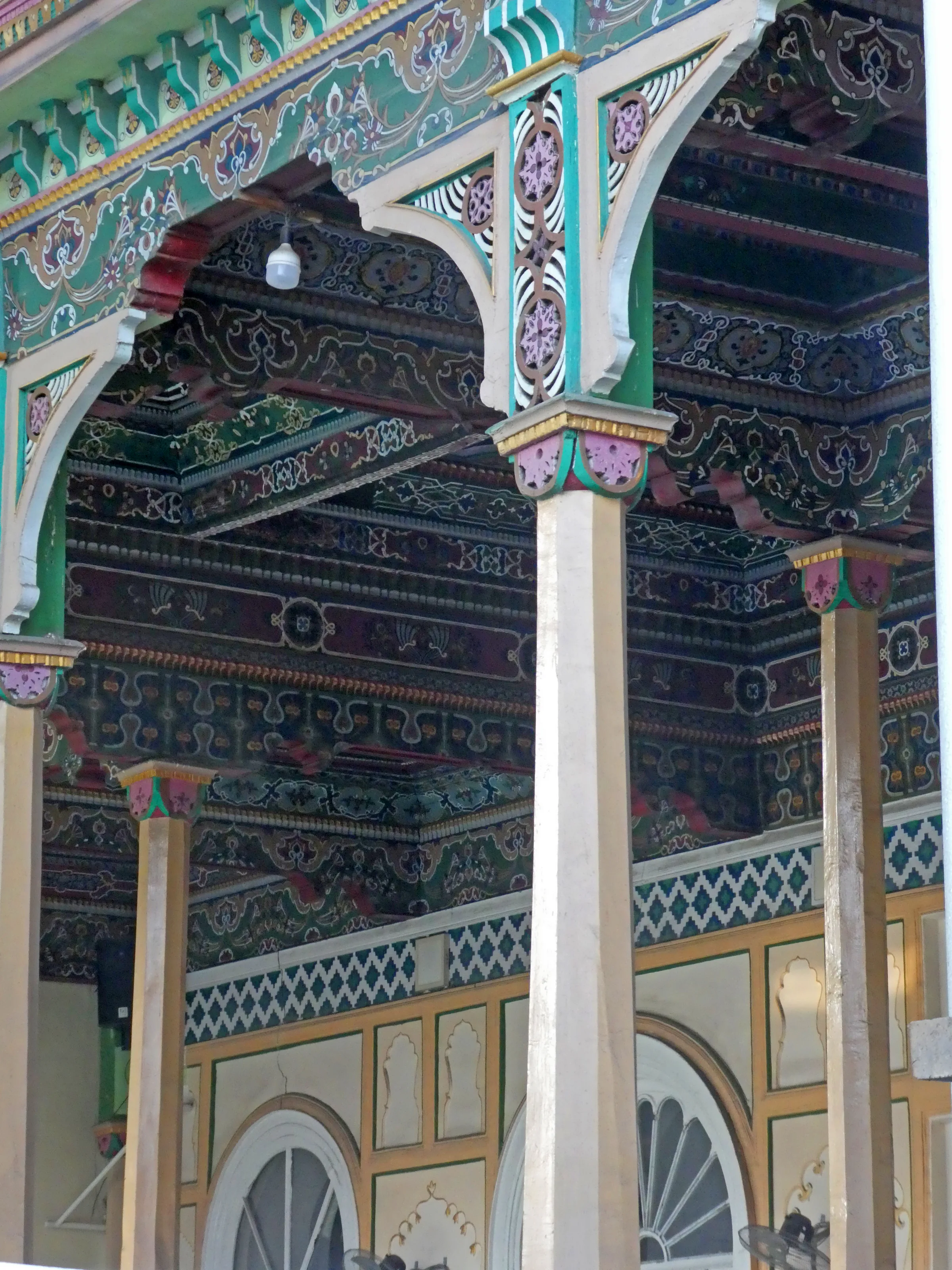
Mosque · Kokand
A 98-column iwan and the Chorsu minaret
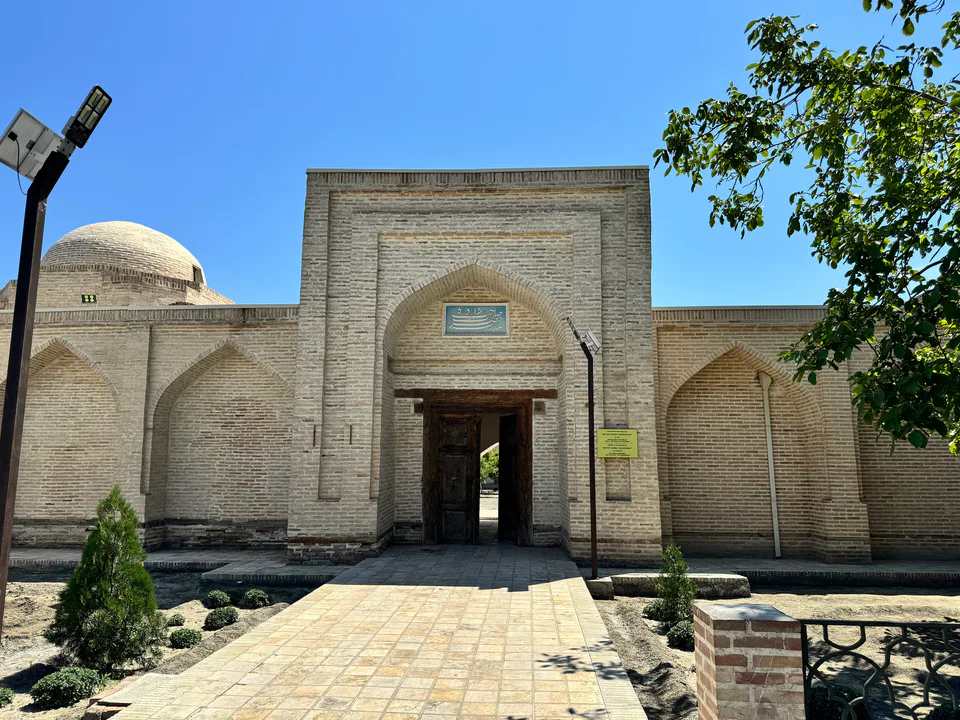
Madrasa · Kokand
The cell where the poet Mukimi lived
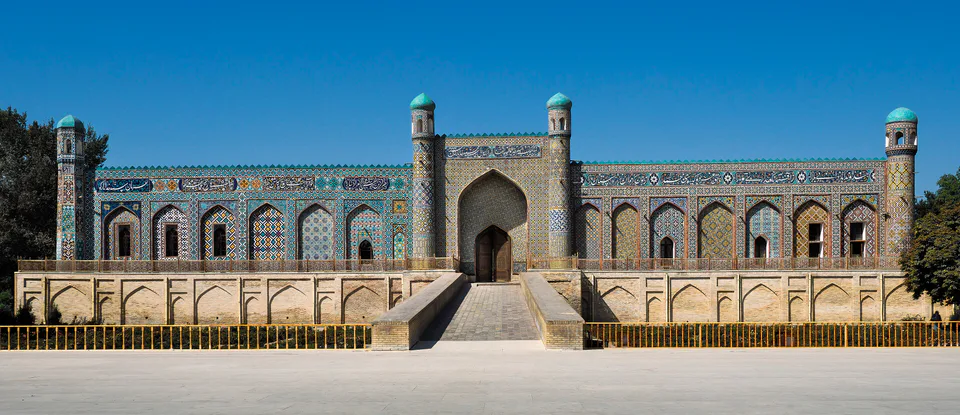
Ensemble · Kokand
The last palace of the khans of Kokand
Madrasa · Kokand
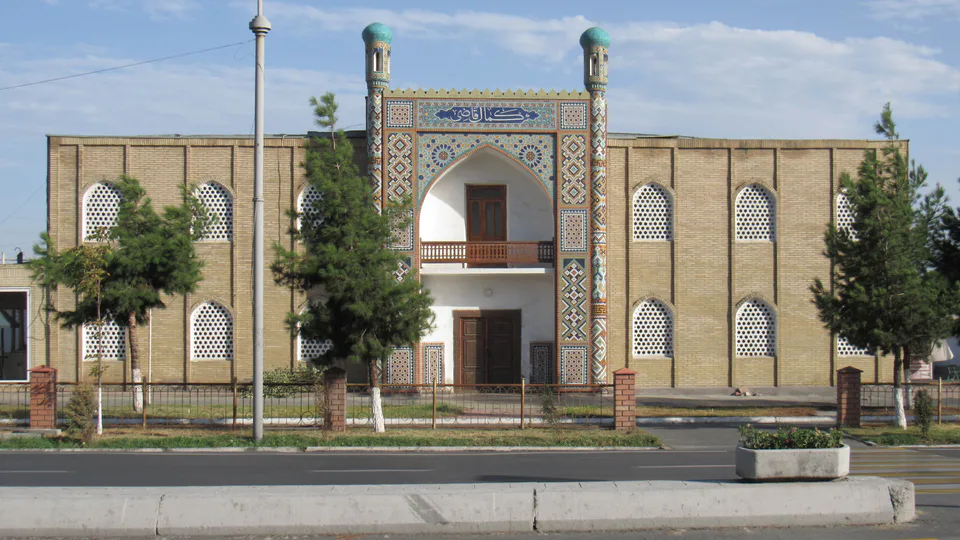
A compact madrasa built by Judge Kamol
Museum · Kokand
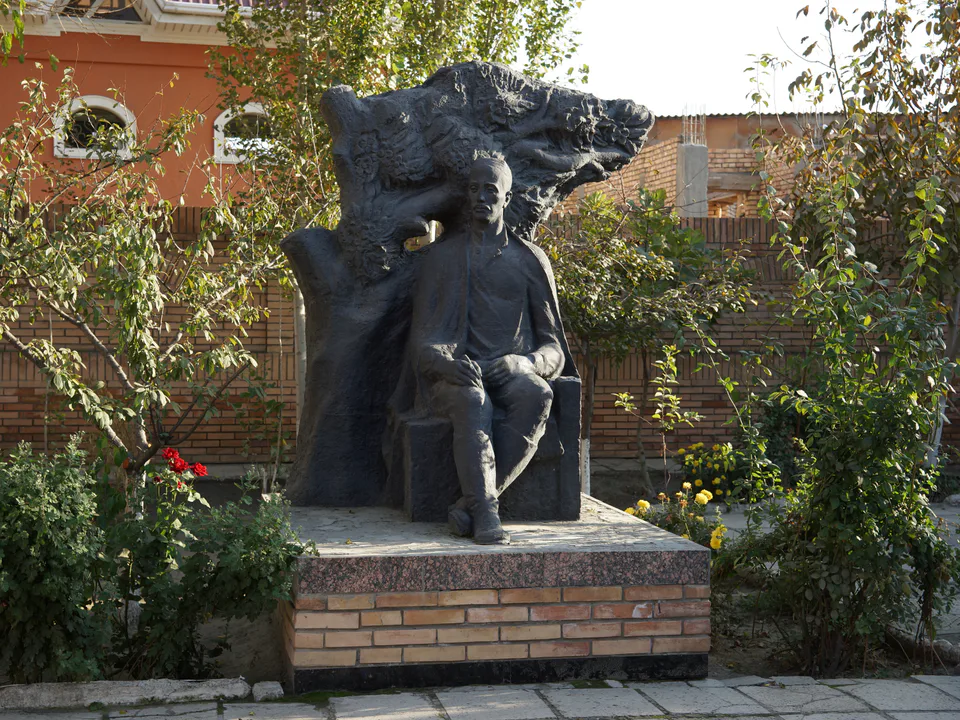
In memory of the poet and playwright Hamza
Archaeology · Kokand
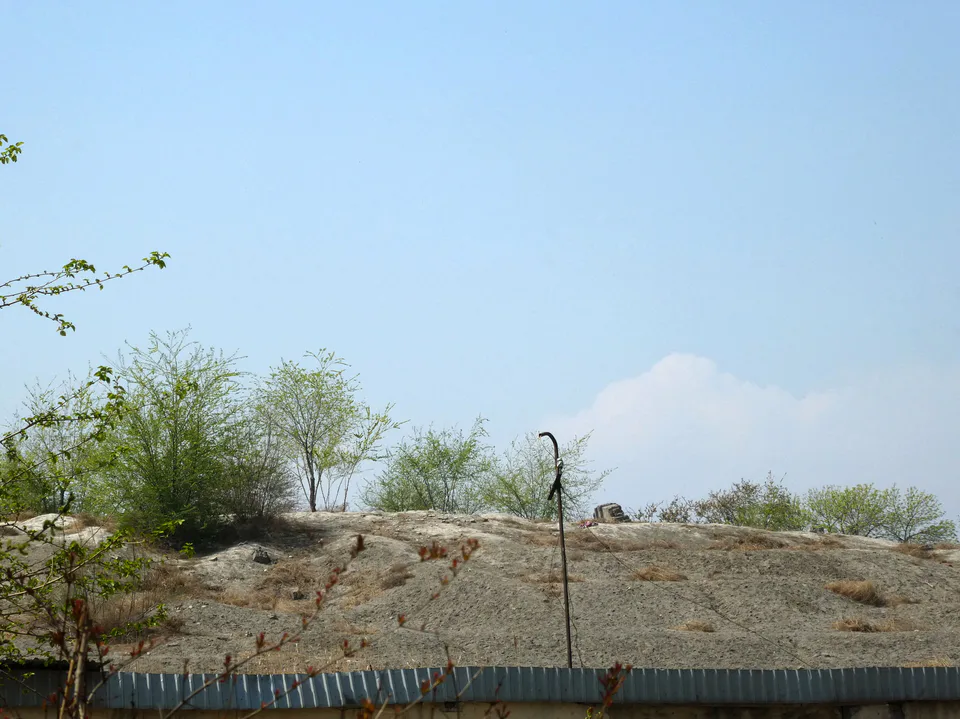
Kokand's two-thousand-year-old mound
Madrasa · Kokand
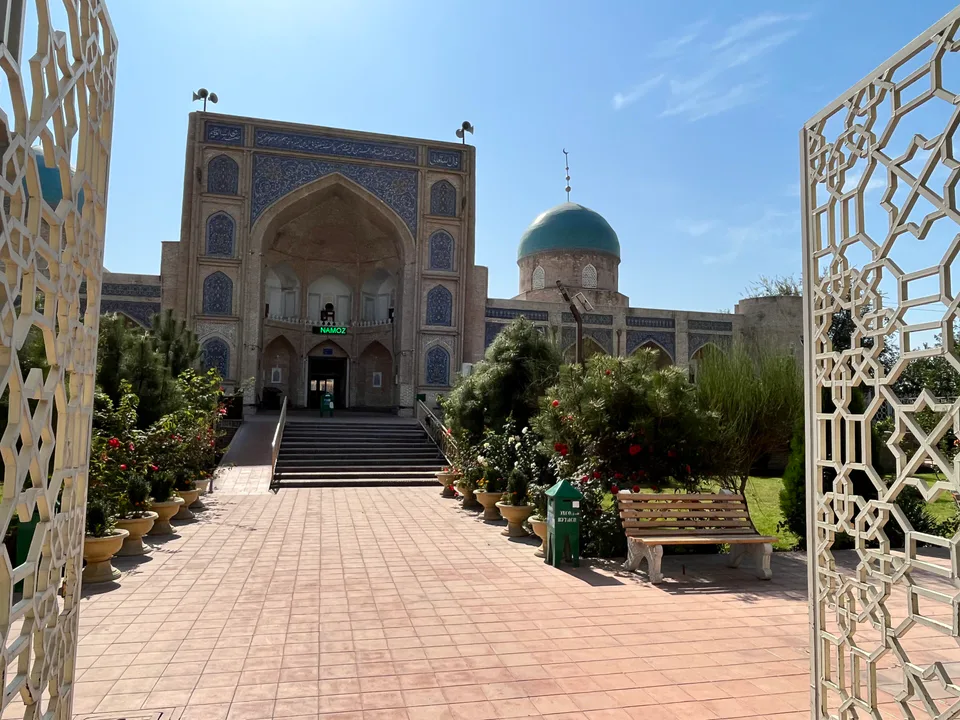
Kokand's oldest surviving building
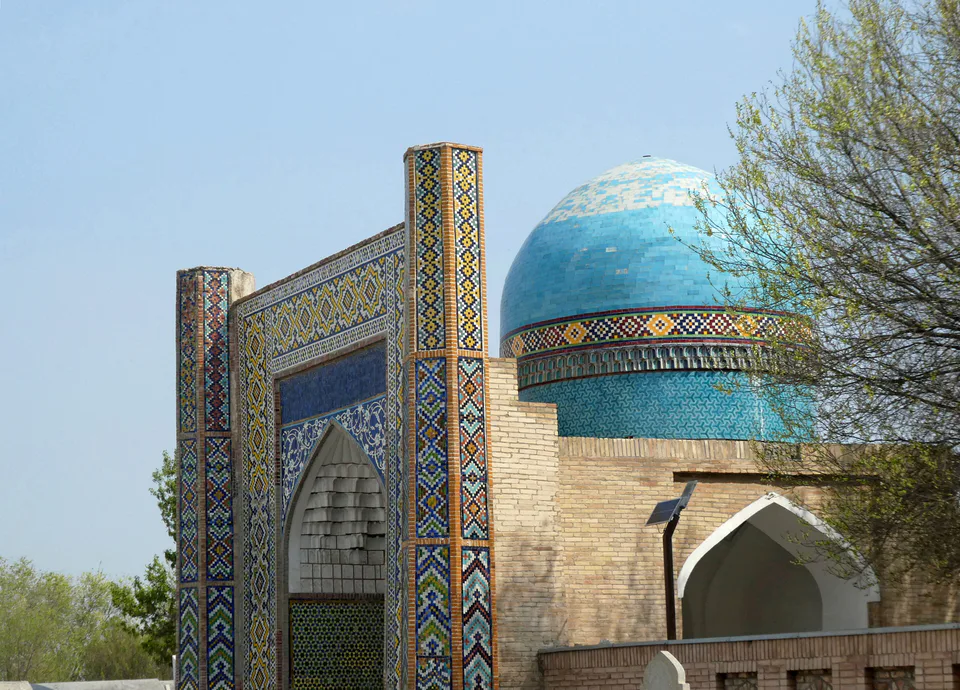
Mausoleum · Kokand
A tomb built for the khan's mother
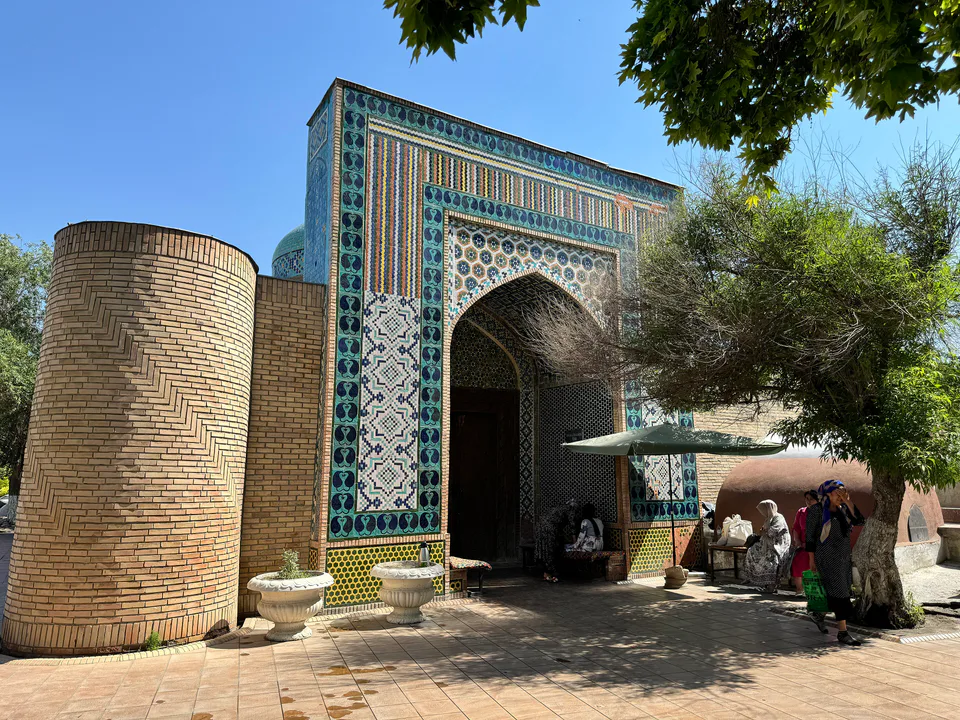
Mausoleum · Kokand
Burial place of the khans of Kokand
Mausoleum · Buvayda District
The shrine that named a district